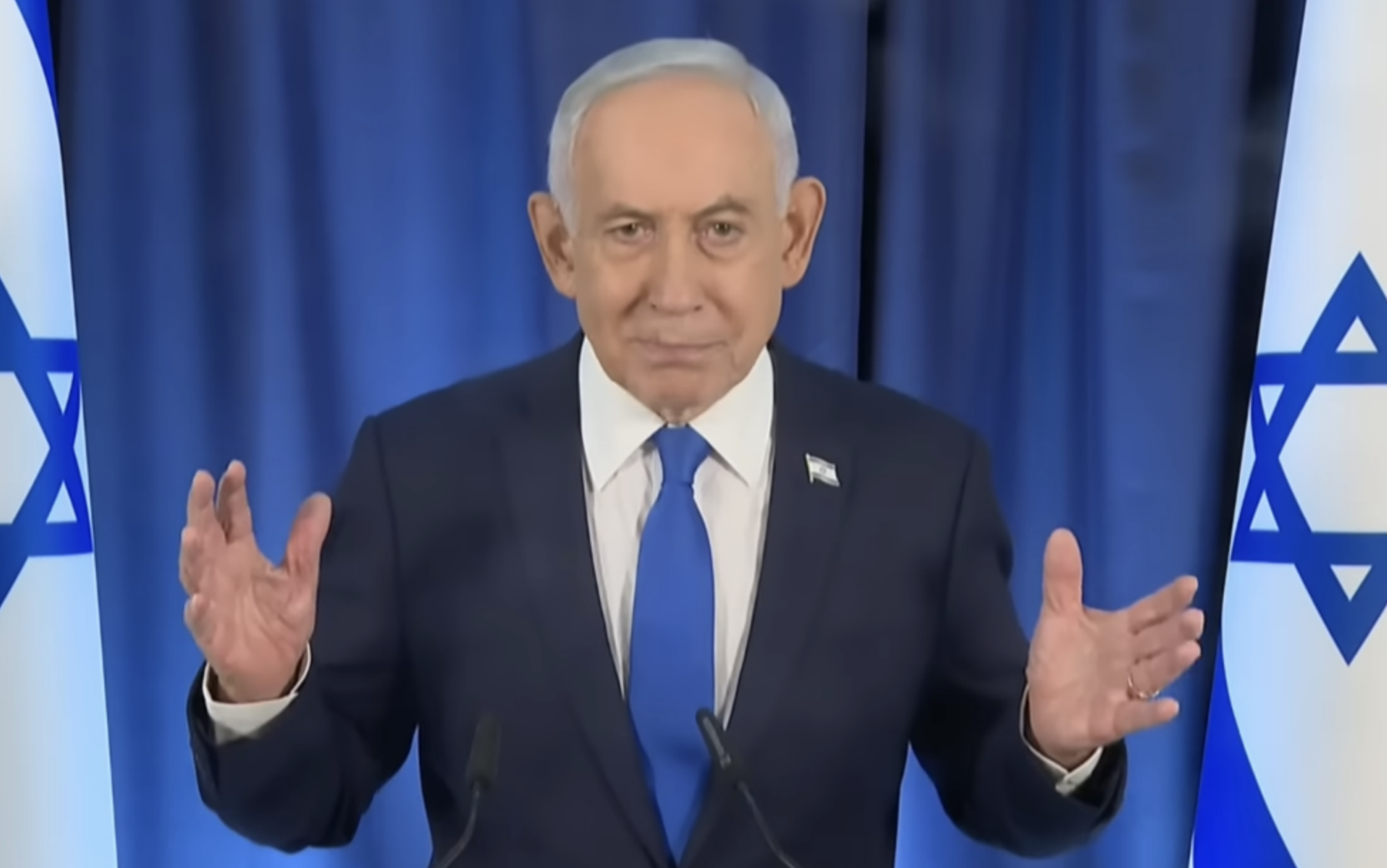
Prime Minister Benjamin Netanyahu admitted Thursday that he was not certain that the Iranian people would bring down the Islamic Republic once Israel and the US create the conditions for them to do so. “You can lead someone to water; you cannot make him drink,” said Netanyahu, speaking in his first press conference since Israel and the US attacked Iran on February 28, sparking a widening regional conflict.
Amid the rage of northern communities at being targeted anew by Hezbollah, Netanyahu also warned that Lebanon’s government had to “take your fate into your own hands” and disarm the Iran-backed terror group, or else Israel would have to do so.
And the prime minister called on President Isaac Herzog to cancel his corruption trial, saying Herzog should “do the right thing” and that US President Donald Trump “speaks from the heart” when hurling insults at Herzog for failing to grant him a pardon.
Regarding the potential for regime change in Iran, Netanyahu told reporters in the televised press conference: “We will create optimal conditions to do this, including airstrikes as we did yesterday, as we are doing these days, to try to give [the Iranian people] the space needed to take to the streets. We are delivering crushing blows to the Revolutionary Guards and the Basij, their street forces, their checkpoints – and more is yet to come.”
Nonetheless, he said, “I do not deny it: I cannot say for certain that the Iranian people will bring down the regime.”
“We told you, ‘Help is on the way,’” he said, addressing the Iranian public. “Well, the help has come and more will follow… We are all hoping for the result of this regime falling,” but “ultimately, a regime is ousted from within.”
However the conflict plays out, Netanyahu asserted that the Islamic Republic is already much weakened. “It’s simply a different Iran — it no longer threatens as it did before,” he said. “It is not the same power. It’s not the giant bully that nothing can be done against and that no one can unite against.”
Taking questions from reporters via Zoom, apparently because of the tense security situation, Netanyahu reiterated his claim that the resort to force was essential because the regime had returned to its nuclear weapons and ballistic missile programs since the 12-day Israel-Iran war last June.
Iran’s supreme leader Ali Khamenei, who was killed in the opening salvo of the US-Israeli campaign almost two weeks ago, had been warned by Israel not to try to rebuild the programs, Netanyahu said. But Khamenei instead “accelerated” Iran’s nuclear program and buried it deeper underground. And now “we eliminated Khamenei.”

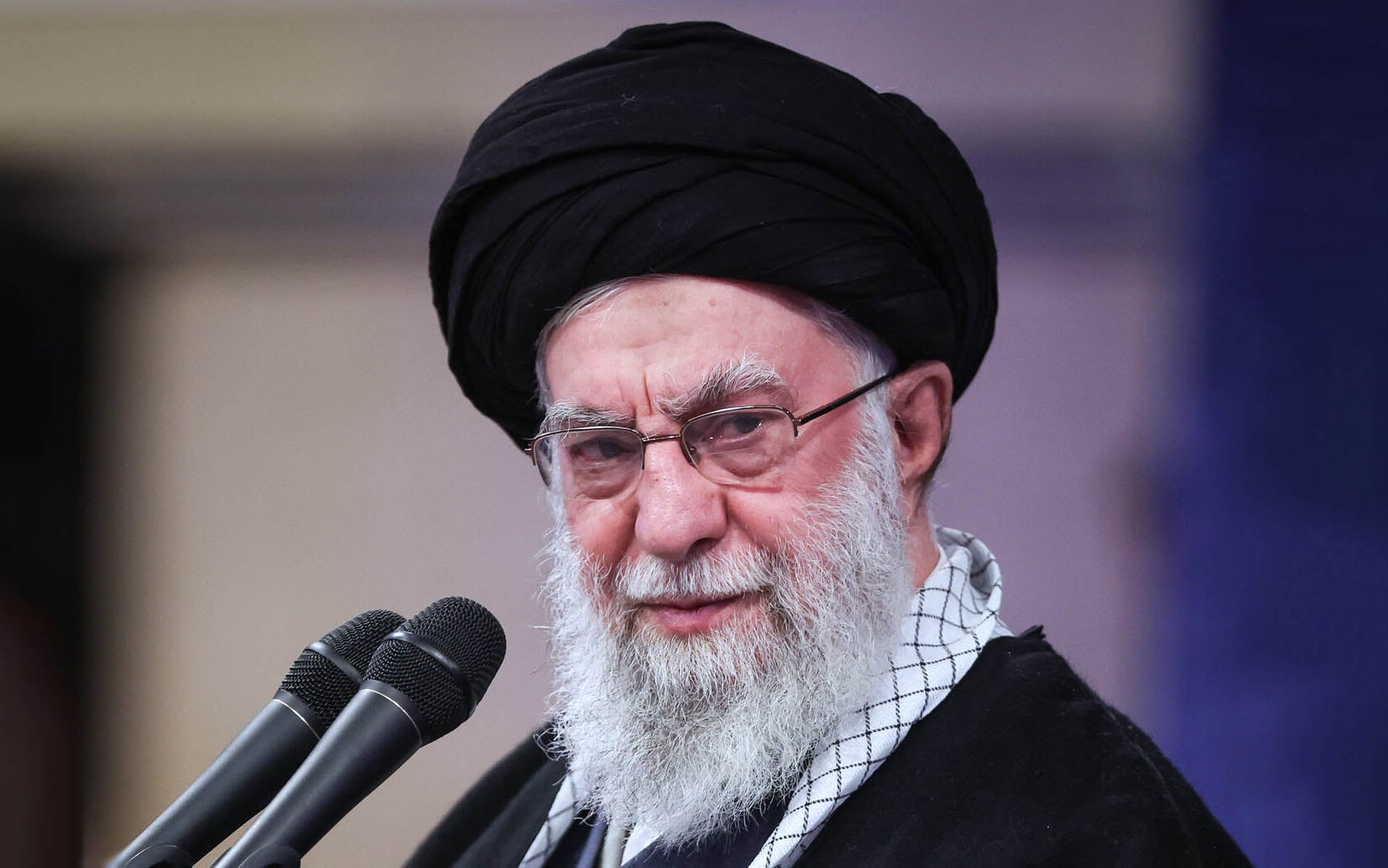
“If we had not acted immediately, within a few months, Iran’s industries of death would have become immune to any strike. Therefore, we went out together to battle — the United States and Israel — to continue what we began and to prevent Iran from developing nuclear weapons. To prevent Iran from developing ballistic missiles that threaten Israel, the United States, and the entire world. That is our objective,” he said.
He said he had just spoken with Trump, and that the president told him, “Our relationship is one hundred times stronger than any relationship that has existed between an American president and an Israeli prime minister. We are not thinking only about our countries, or only about this generation. We are thinking about future generations – about the future of humanity.’”
In the current war, Israel has targeted Iran’s nuclear infrastructure and killed a “very important” nuclear scientist, said Netanyahu, adding that Israel has “many surprises” up its sleeve for the campaign, and that it was going better than expected.
Together with the US, Israel is preventing a regime that sought to destroy it from doing so, he said. “Our enemies are not disappearing in an instant, but look at our amazing successes.”

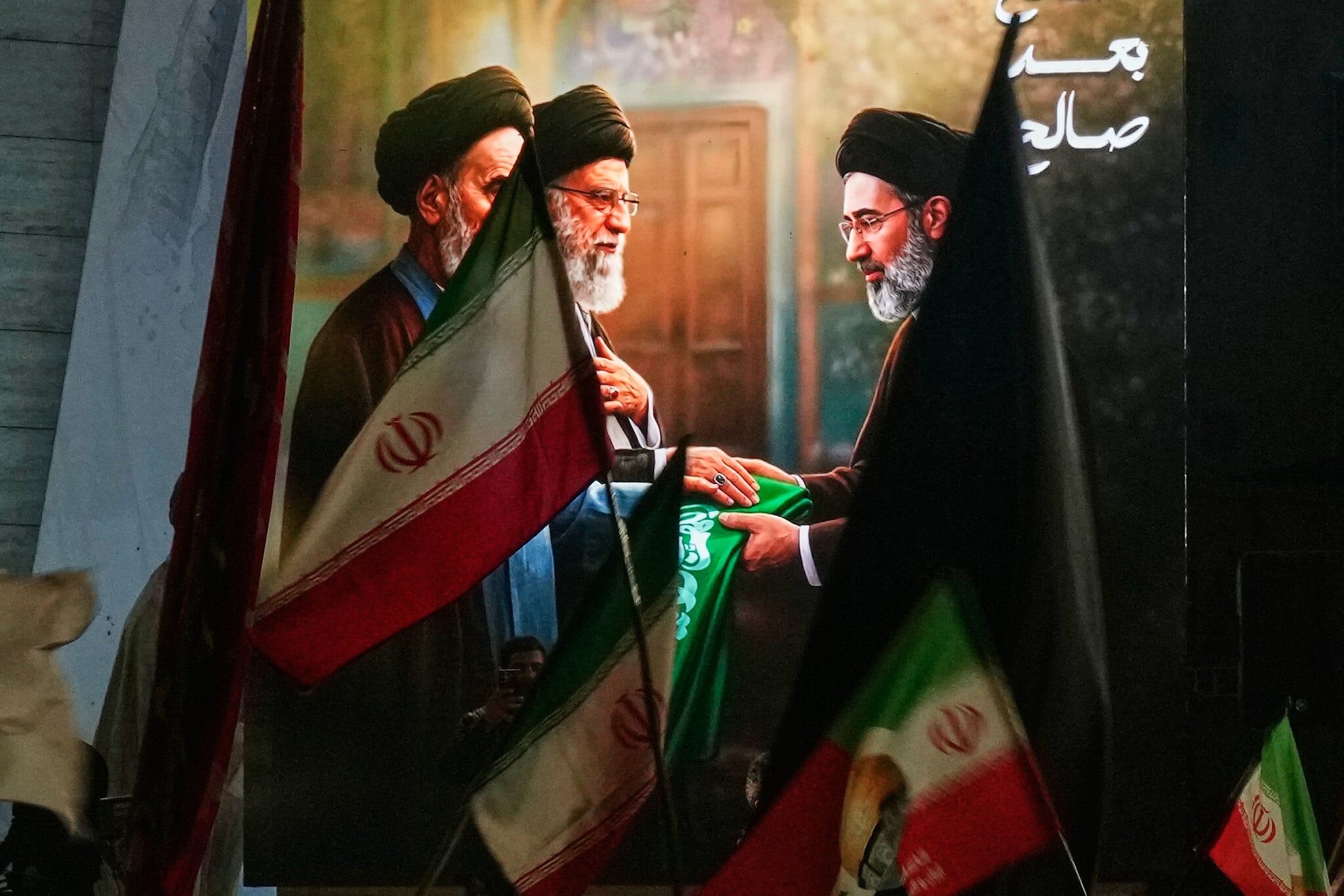
Asked whether Israel would go after Khamenei’s son and successor, Mojtaba Khamenei, Netanyahu replied: “I wouldn’t take out a life insurance policy on any of the leaders of the terror organizations.”
He dismissed the younger Khamenei as a “puppet” of Iran’s Revolutionary Guard Corps who “cannot show his face in public.”
The new supreme leader, who has not appeared in public since the start of the war, is thought to have been wounded in an airstrike. On Thursday, Iran’s state media read out a defiant statement attributed to Mojtaba Khamenei — purportedly his first statement since being named supreme leader on Sunday — but he has not been seen or heard since the war started.
Partway through the press conference, sirens in central Israel warned of an incoming Iranian missile. A single missile was detected and downed, and Netanyahu’s event was unaffected.
‘Crushing’ of Iran and its proxies opening doors to regional alliances, says PM
Several countries were uniting with Israel against Iran, both in covert ways and in “other ways that will become clear later,” said Netanyahu.
“In these days, my team and I are weaving additional alliances with countries in the region – alliances that only a few weeks ago would have seemed unimaginable,” said Netanyahu, without elaborating.
Israel, which was widely thought to be finished after the Hamas-led onslaught of October 7, 2023, is now stronger than ever — “at least a regional power” — and, in Ali Khamenei, eliminated “a kind of Hitler” who sought its destruction for almost half a century, said Netanyahu.
“We are crushing the terror regime in Iran. We are striking and defeating its proxies – Hezbollah in Lebanon,” he said. “Hezbollah is feeling our force, and it will feel it even more so. It will pay a very heavy price for its aggression.”

Hezbollah started launching rocket barrages at Israel earlier this month for the first time since a November 2024 Israel-Hezbollah ceasefire agreement, which required the Lebanese government to dismantle Hezbollah’s military infrastructure in southern Lebanon.
On Wednesday night, Hezbollah launched some 200 rockets at northern Israel, renewing questions about the size of its remaining arsenal and the resilience of its supply chain.
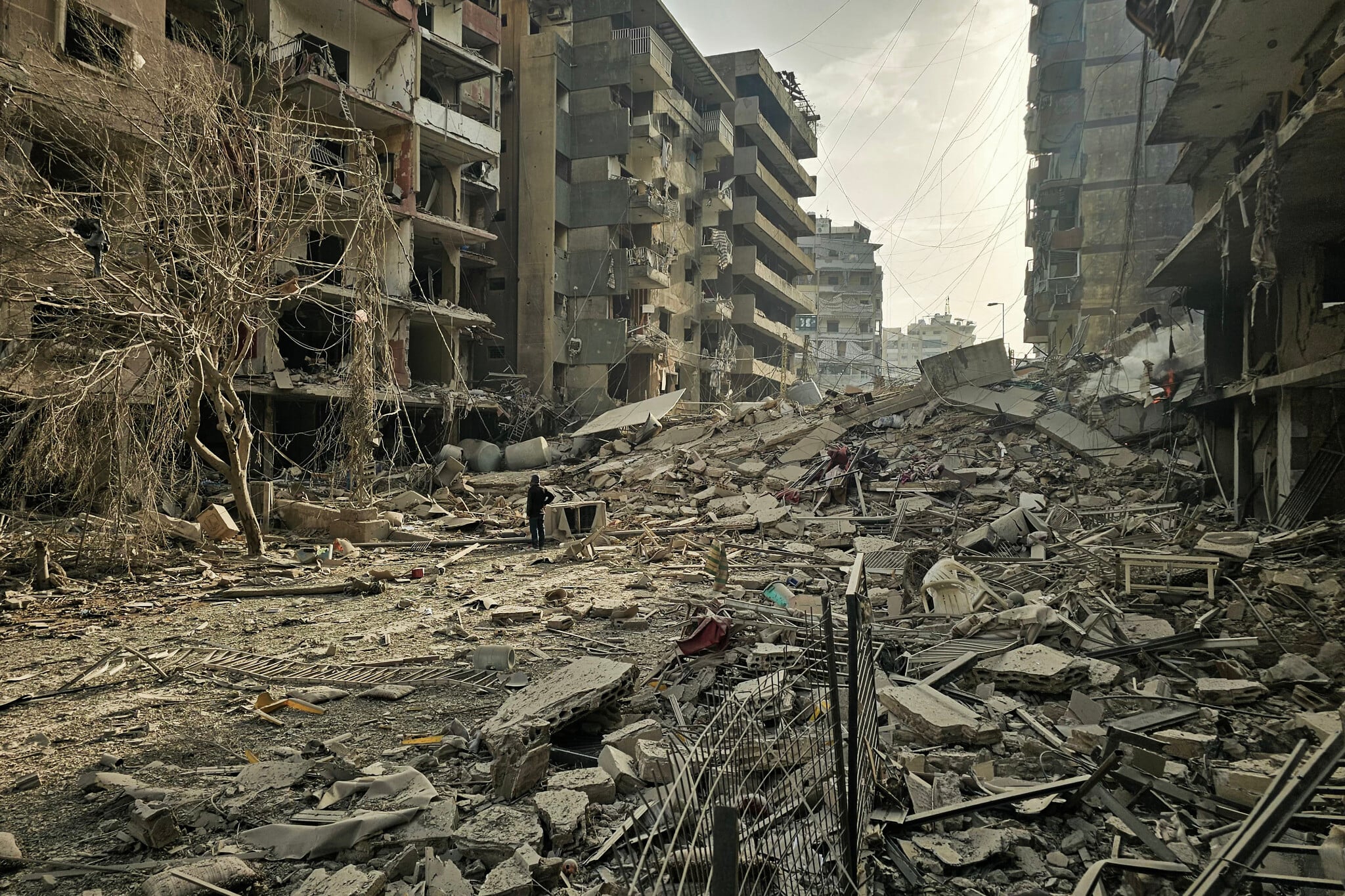
Israel has responded to Hezbollah’s renewed attacks by pushing troops farther into Lebanon and carrying out massive airstrikes that have killed hundreds and displaced hundreds of thousands of people in Hezbollah strongholds in Beirut’s south and in Lebanon’s south and east.
On Thursday, Netanyahu left open the possibility that Israel would not mount a large ground offensive in Lebanon, but said a major operation would be necessary if Lebanon’s government “continues to let Hezbollah act in violation of your commitment to disarm it.”
The November 2024 ceasefire agreement ended over a year of hostilities initiated by Hezbollah on October 8, 2023, a day after fellow Iran-backed terror group Hamas invaded southern Israel, sparking the war in Gaza.
Hezbollah’s attacks displaced some 60,000 residents of northern Israel. In a bid to ensure their safe return home, Israel escalated operations in Lebanon in September 2024, decimating Hezbollah’s leadership.
Asked by a reporter if he had exaggerated the extent to which Hezbollah had been weakened at the time, Netanyahu acknowledged that “they have certain remaining capacities,” but insisted that, like Iran, the terror group had been much weakened.
“We’ll deal with it,” he said, promising not to “abandon the residents of the north.”
He added that before Israel’s 2024 escalation in Lebanon, Hezbollah had 150,000 rockets and missiles, and the potential capacity to “bring down the skyscrapers of Tel Aviv and cause devastation in central Israel and beyond, with 15,000-20,000 fatalities.”
“That did not happen because we hit them with a massive blow,” he said.
PM: Trump ‘has the right to say his piece’ against Herzog
During the press conference, Netanyahu repeated his accusation that the corruption trial against him was a political witch hunt, and said Trump agrees with that assessment.
The premier is currently on trial on charges of bribery, fraud and breach of trust, in three separate cases involving the receiving of illicit gifts and trading political favors for positive media coverage.
Trump has repeatedly assailed Herzog for not pardoning Netanyahu, and has used increasingly harsh language against the Israeli president, including calling him “weak and pathetic” in an interview on Wednesday.
Herzog has rejected the calls, saying Israel is a sovereign state whose internal affairs will not be decided by Washington. Netanyahu’s critics have accused the premier of getting Trump to apply pressure on Herzog for a pardon.

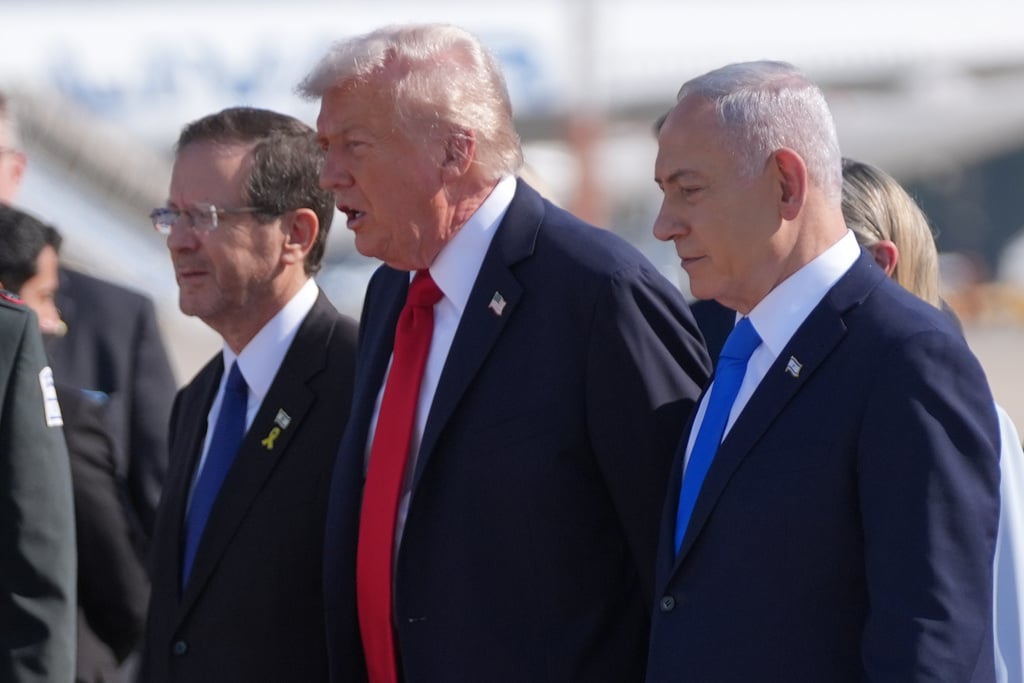
Netanyahu on Thursday again denied asking Trump to raise the issue. “US presidents are entitled to say what’s in their hearts,” he said.
“President Trump has the right to say his piece,” he said. “I am not responsible for the words he chooses, and you can certainly ask yourselves whether he speaks from the heart. The answer is yes.”
Herzog “is free to make his decision… and should not be subject to pressure,” domestic or international, said Netanyahu.
“He should do the right thing, and the right thing today is to stop, end this absurd circus, give Israel the time — and me the time — to do what’s necessary both to defeat our enemies and to generate huge opportunities for peace, prosperity and alliances in our region,” he said.

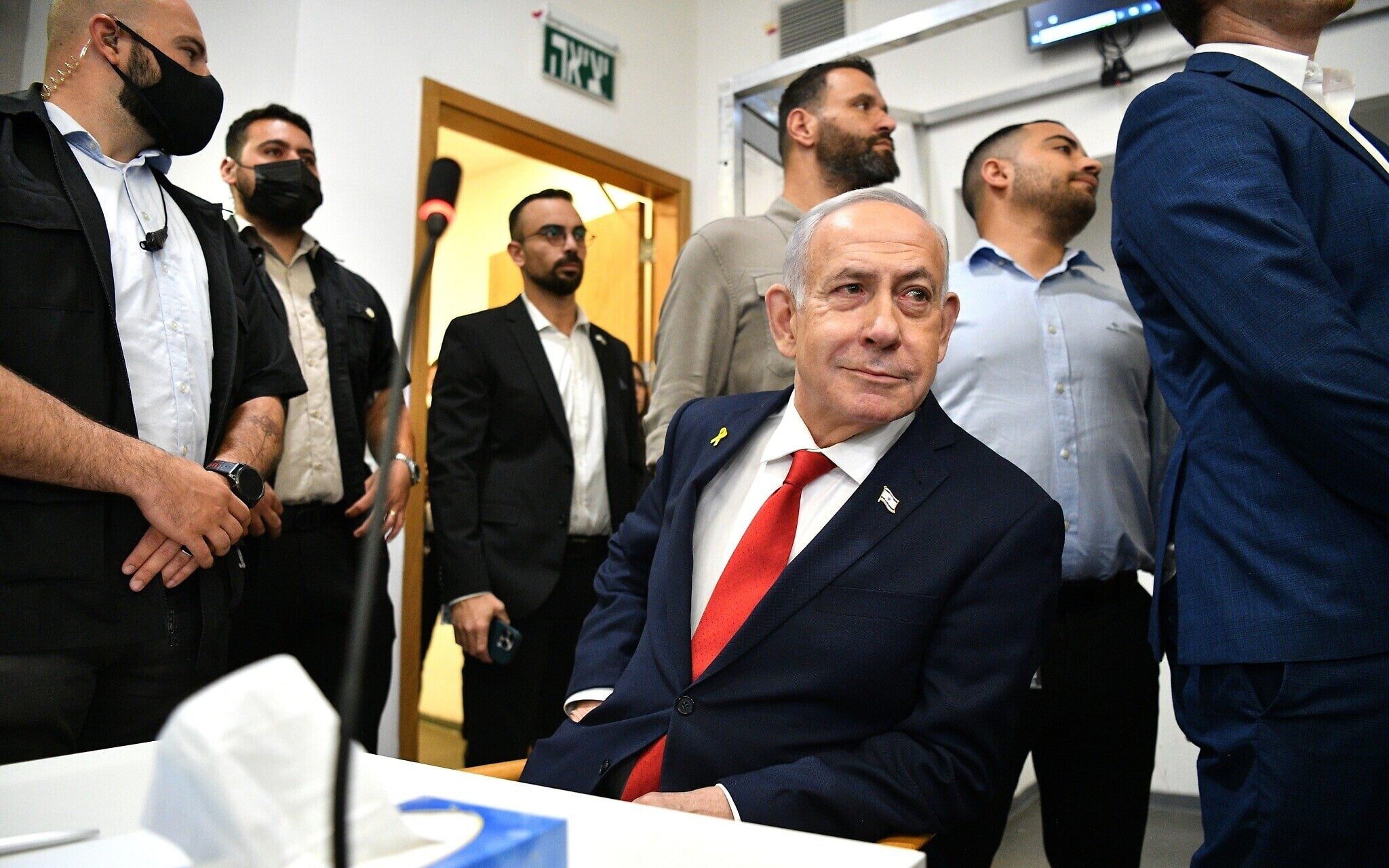
Netanyahu also said, in answer to a question, that it would be “beyond madness” for the Supreme Court to plunge the country into a constitutional crisis, in the middle of a campaign “for its existence and future,” by ordering the removal of National Security Minister Itamar Ben Gvir.
Attorney General Gali Baharav-Miara, whom the government seeks to oust, has urged the move due to the far-right minister’s alleged abuses of power.
Netanyahu added that his government has only shelved, but not abandoned, its controversial effort to codify Haredi yeshiva students’ exemption from military service, as demanded by Netanyahu’s ultra-Orthodox allies.
The premier said the move was necessary to get the state budget passed by its legal deadline at the end of the month.
Failure to pass a state budget topples the government and triggers new elections. Netanyahu said he now expects his coalition to serve out its full term, or nearly its full term, with elections “in September or October.”
Times of Israel staff contributed to this report.
-

-

-

-
-