
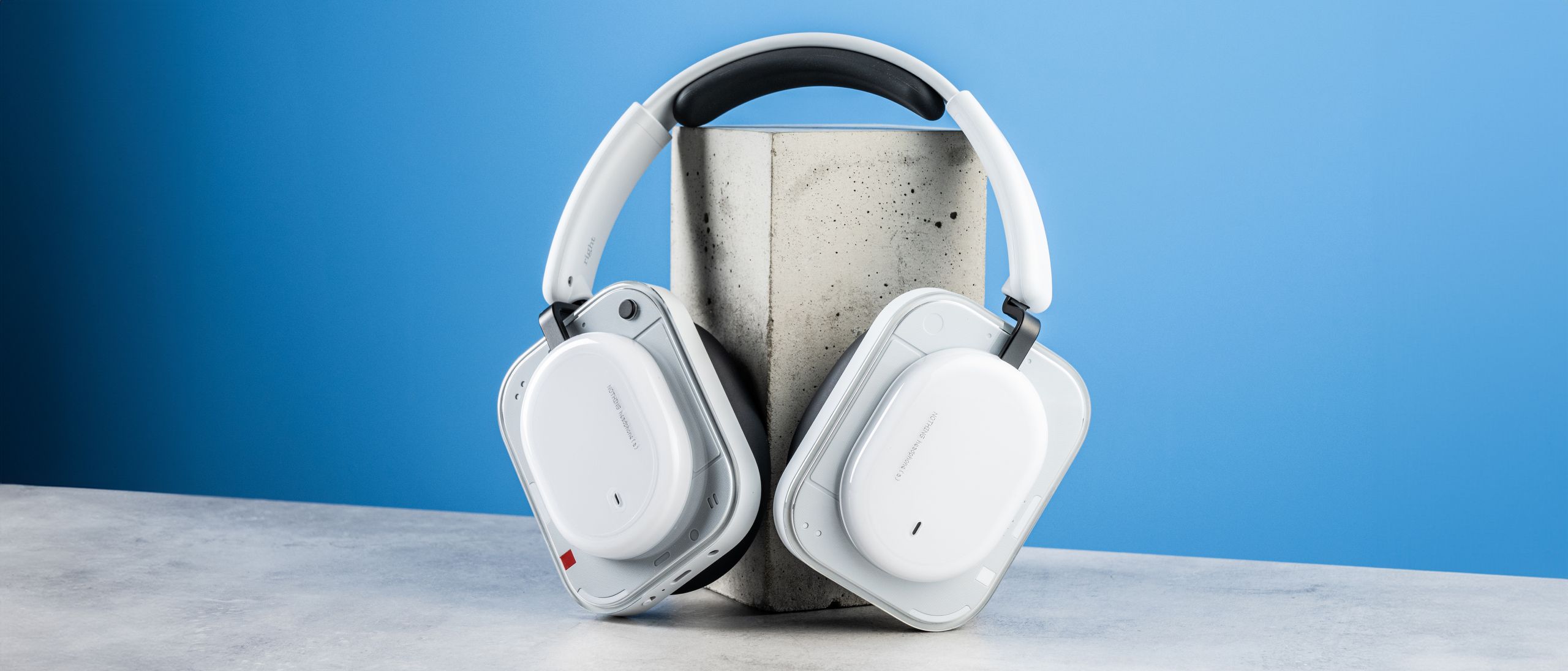
The Nothing Headphone (a) are some of the most exciting new headphones on the market right now. I’m so sick of audio brands making boring — sorry, “discreet” — headphones that look like every other pair of over-ears. I respect a brand that goes above and beyond to make visually interesting tech, so I couldn’t wait to get my hands on the Headphone (a).
But is this enough to make them some of the best headphones you can get? Hmm, well, it depends. Yes, if you wouldn’t class yourself as an audiophile and you just want some funky cans to vibe out to. On the other hand, if you take music quality super seriously, then I’d recommend something else.
At the end of the day, $199/£149 is a solidly mid-range price, and is a heck of a lot cheaper than Bose and Apple’s competition. Want to find out more? Of course you do. Keep reading this Nothing Headphone (a) review.
Nothing Headphone (a) review: Cheat sheet
- What is it? Nothing’s newest flagship headphones
- What does it cost? $199 / £149
- What do we like? They’re so cool
- What don’t we like? I wish the soundstage was a little wider
Nothing Headphone (a) review: Specs
Nothing Headphone (a) review: Price & availability
The Nothing Headphone (a) are $199 from Amazon U.S. and £149 from Amazon U.K.. This is a pretty standard midrange price, but similar cans can set you back upwards of $300.
The Bose QuietComfort Headphones (not Ultra) are $359, the Soundcore Space One Pro are $199, and the 3-year-old Sony WH-CH720N are $179. You can also get the detail-forward Cambridge Melomania SE P100 for $299, which might be better for more traditional ‘Hi-Fi’ lovers.
I’m not overly enamored with the Headphone (a)’s Bluetooth sound quality, but if you’re looking for fashion-forward design without breaking the bank, these cans might be a better option over these alternatives.
Nothing Headphone (a) review: Design & controls
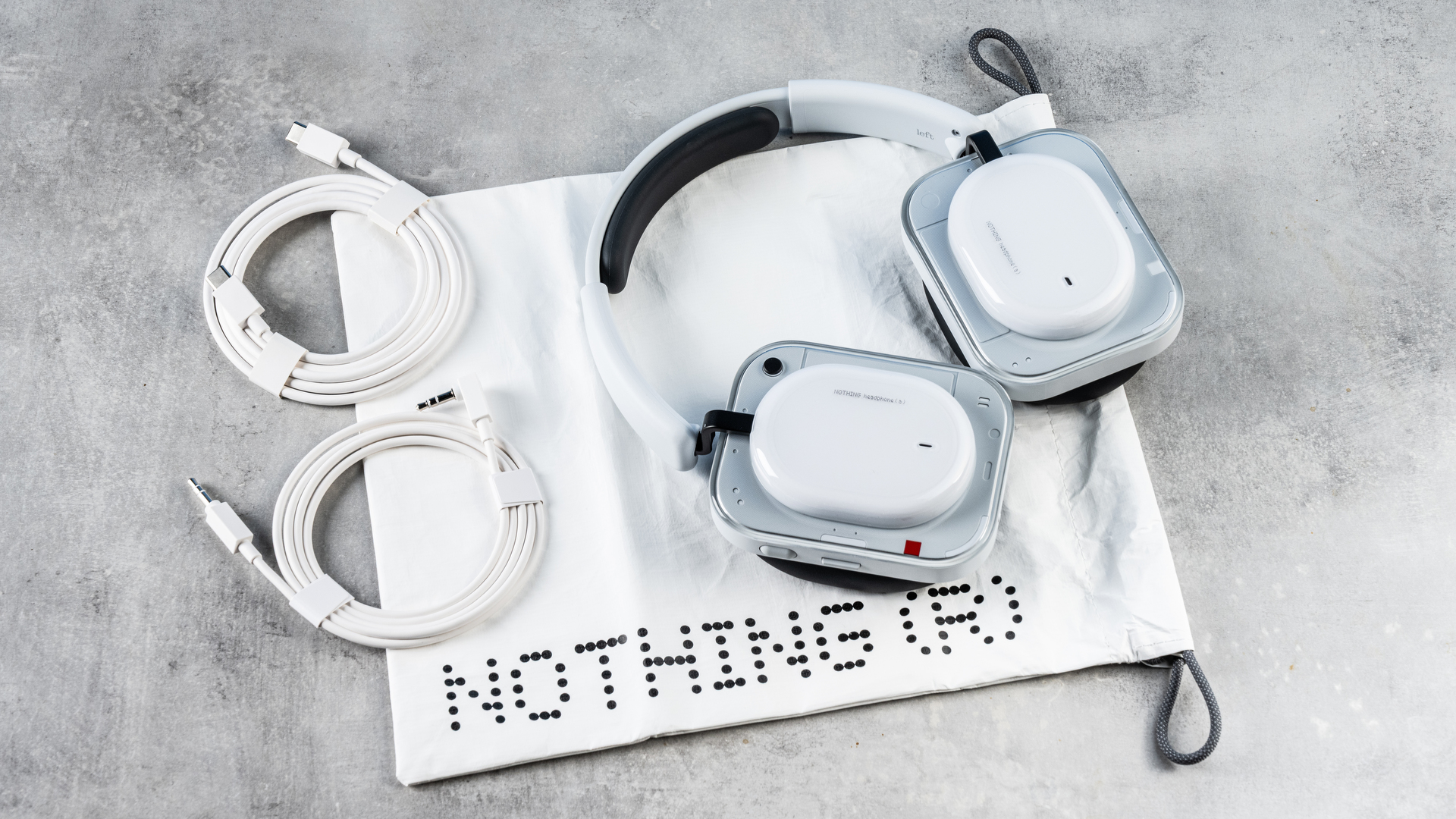

- Stylish, fashion-forward design, although divisive
- Easy-to-use, intuitive, and unique on-cup controls
- Quite clampy
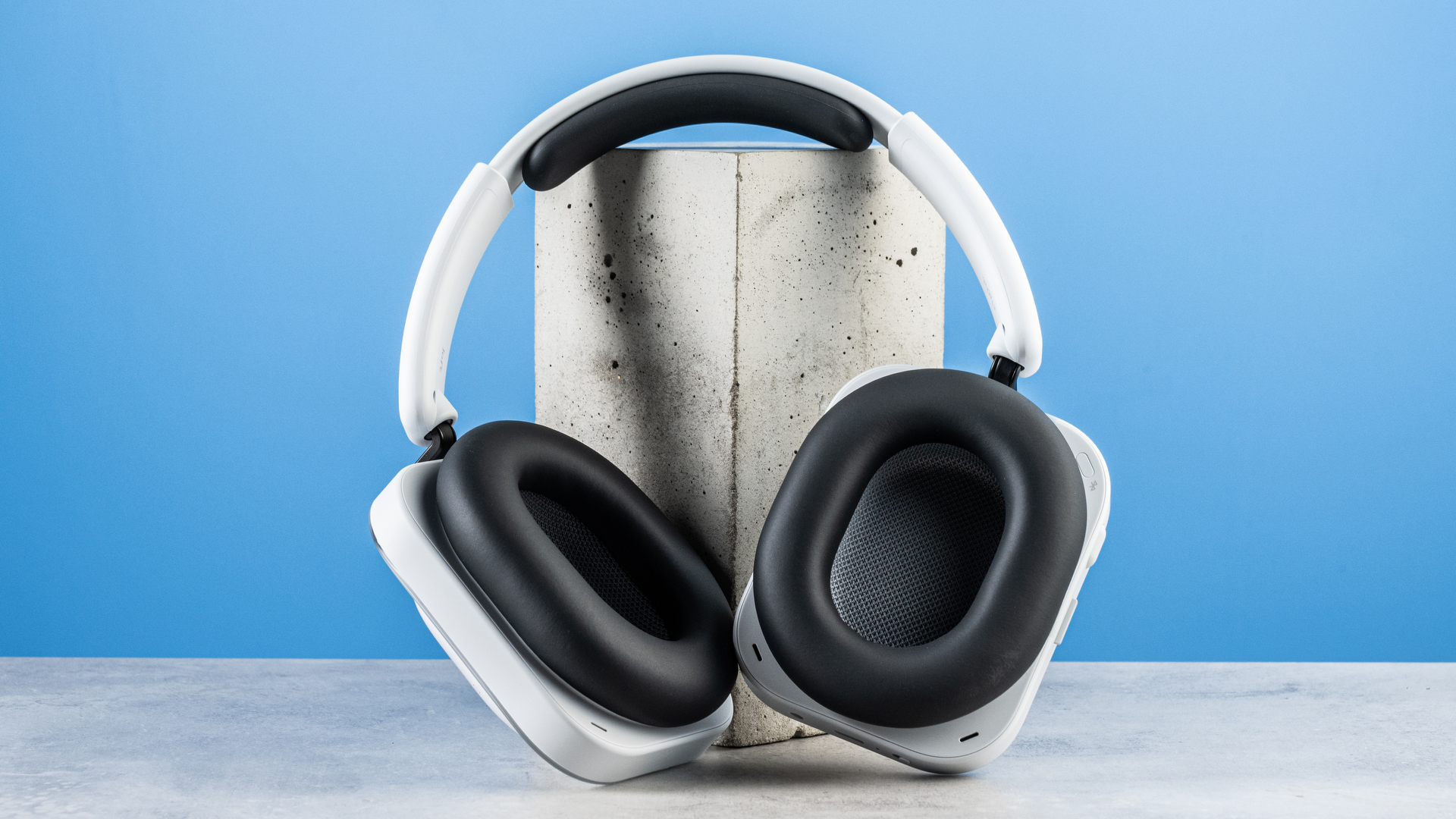
There’s no doubt about it: the Headphone (a) are a Nothing product, and you’d be able to tell from one minute glance. Nothing has really mastered its unique design, combining eye-grabbing, sci-fi aesthetics, with intuitive and user-friendly controls.
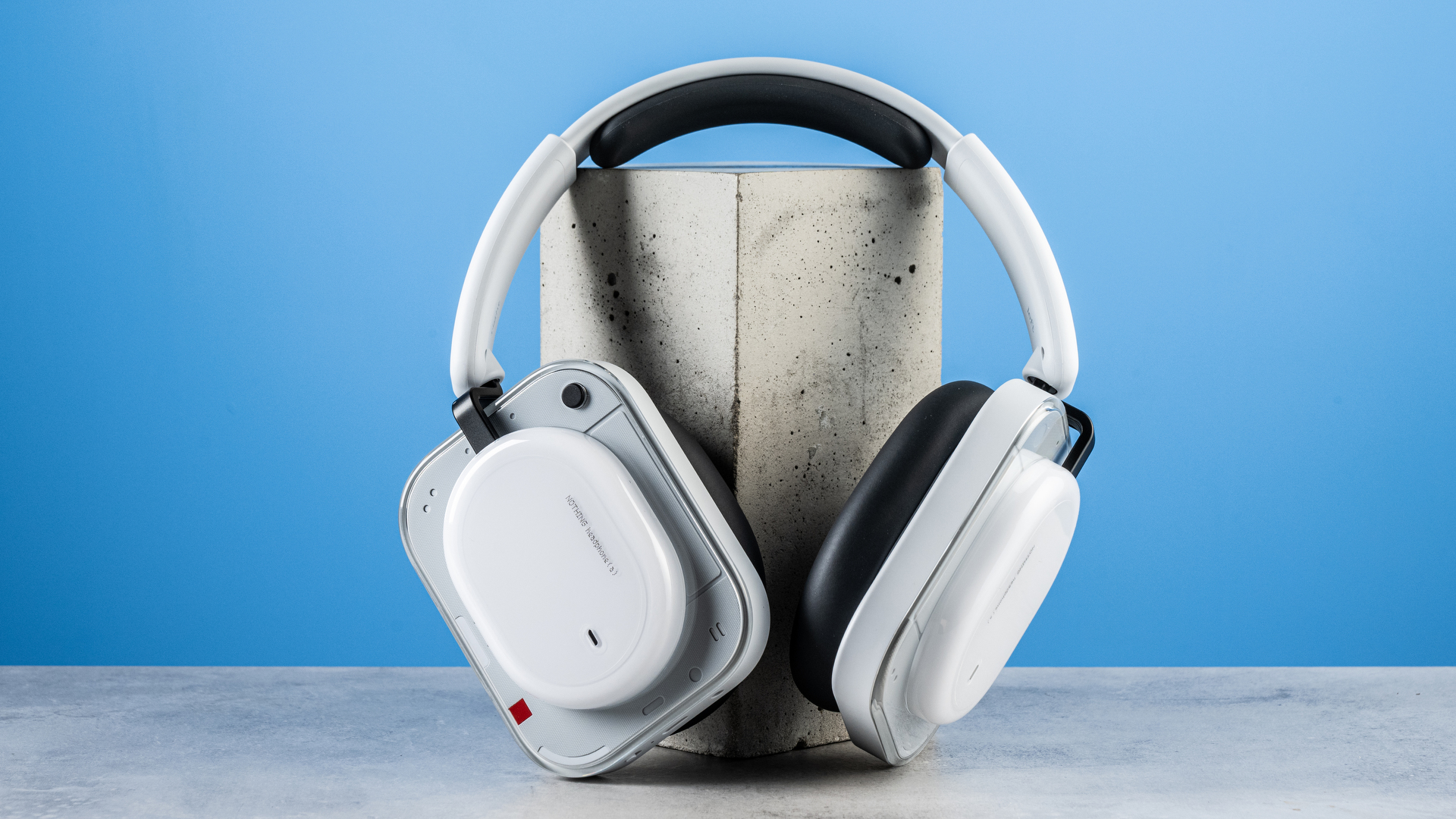
The Headphone (a) come in four colors: black, white, pink/white, and pink/yellow. I tested the white, but if I were buying for myself, I would probably get the pink. It’s like if a 22nd-Century robot and Marie Antoinette had a weird, shouldn’t-work-but-does baby.
That being said, if you’re of the futuristic-aesthetic opinion, you’d be so impressed with the Headphone (a). However, if you’re more of a traditionalist and you want the classic black, discreet earcups vibe, these probably aren’t the cans for you.
Personally, I love how the Headphone (a) look, and I wish more audio brands were confident enough to play around with design. I want to see how far these manufacturers can push it. Maybe not as far as Dyson pushed it, though — I don’t think I need a face mask with my headphones, thank you very much.
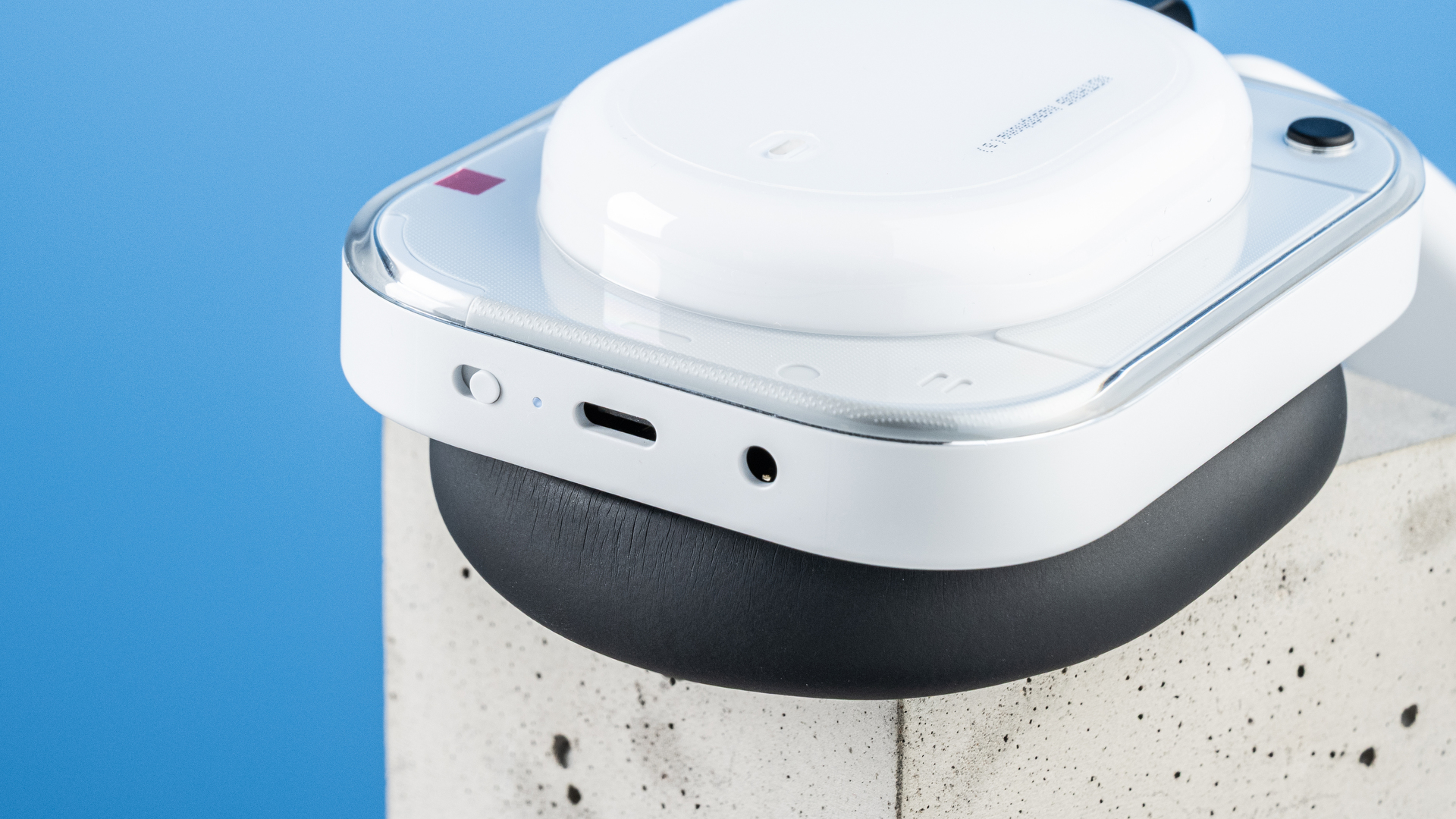
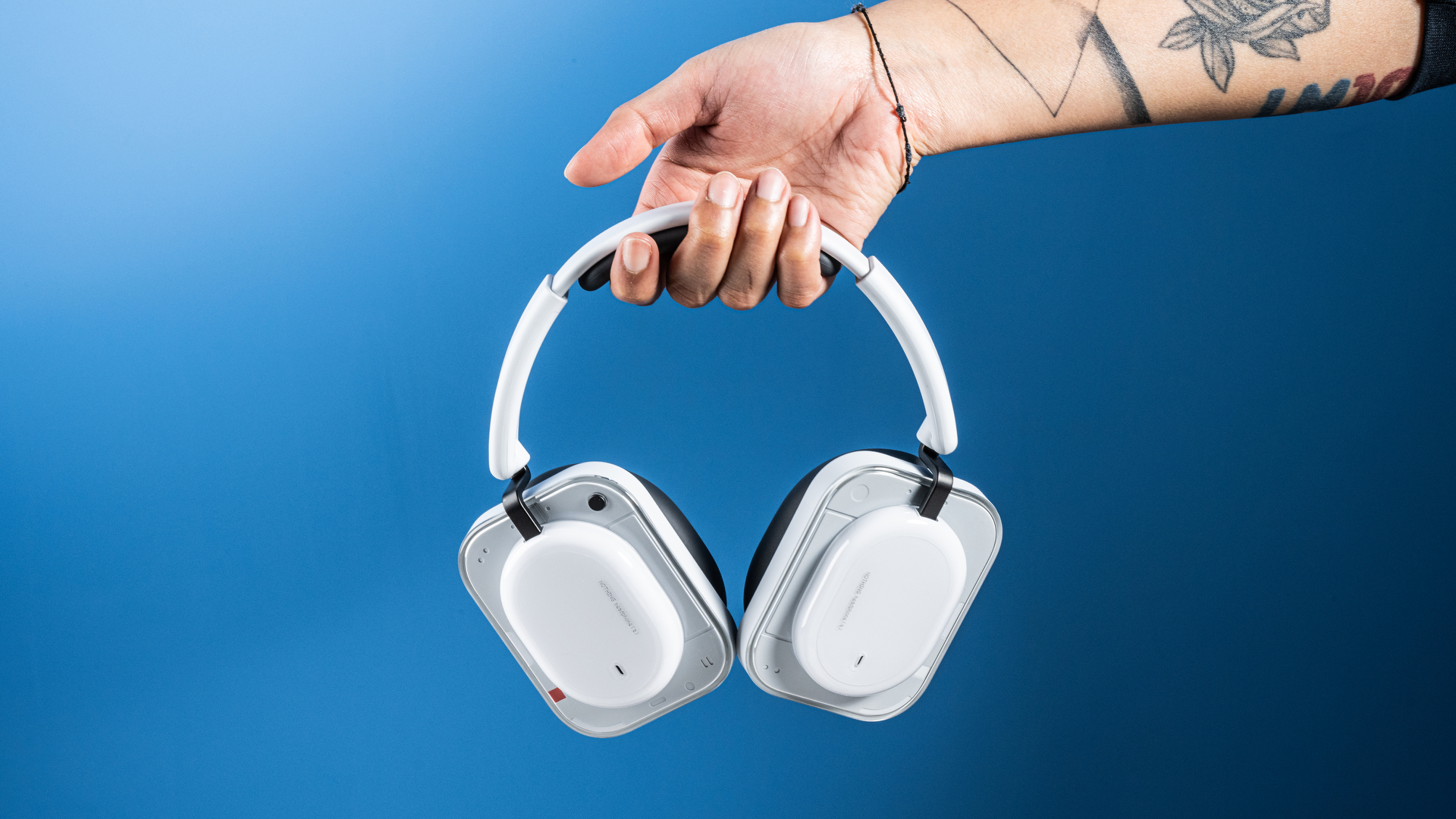
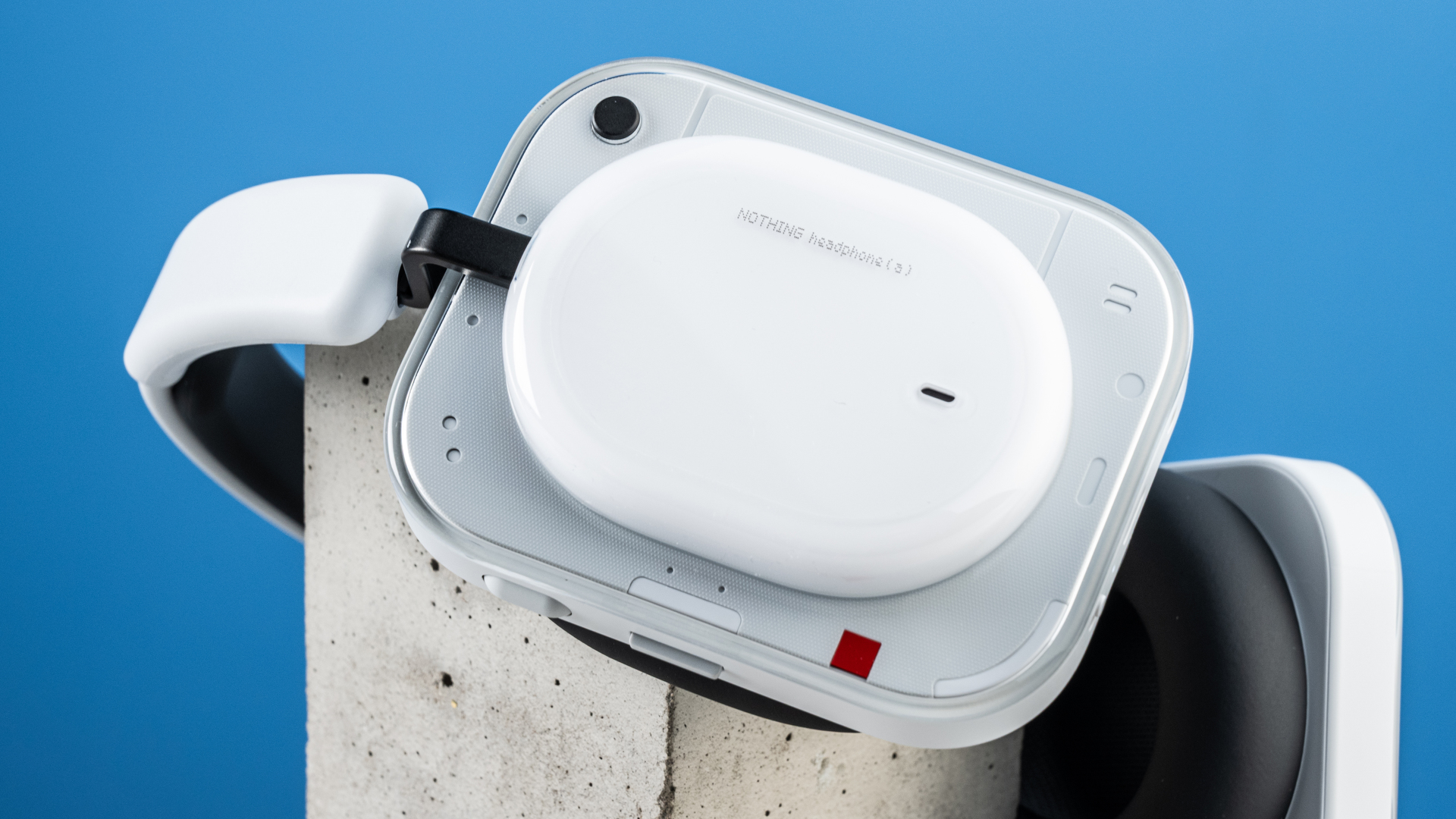
The controls are just as boundary-breaking, too. Instead of your standard buttons on the cups or — god forbid — touch ‘areas’ (that always mean a gust of wind pauses my music), the Nothing Headphone (a) utilize two funky little controls: a roller and a paddle. Yes, think back to when you went to soft play areas as a kid. Remember those abacus-like toys installed on random climbing walls? The roller is basically like the adult version of that.
If you couldn’t tell from its name, the roller controls your volume by rolling. You get to roll up or down to adjust volume, or hold it down to cycle through the (two) ANC settings. How fun is that?
You also get a paddle, which is for skipping tracks and answering calls. I found both of these buttons really fun and functional — you don’t have to memorize which identical-feeling button corresponds to which control. Both the buttons are instantly distinguishable. I’m a huge fan of this, and hope other audio brands are paying attention.
I will say that the overall fit isn’t ideal. I found the headphones a touch clampy, like a Cyberman in Doctor Who. They’re not aggressively uncomfortable, but if you’ve got a particularly sensitive head, you might be better off with the lighter Soundcore Space One Pro.
Nothing Headphone (a) review: Features & connectivity

- Built-in ChatGPT and Nothing Space, but these features are useless to me
- Bluetooth 5.4
- Multipoint
The Nothing Headphone (a) have a range of “smart” features — like ChatGPT integration and AI functionality with Nothing phones — but does anyone ever actually use this? I never feel the urge to ask ChatGPT for advice when I’m wearing my headphones. I just use my noggin. I never use the heart rate monitor on my AirPods Pro 3. My social anxiety is way too crippling for me to use Live Translator in real life. But, at the end of the day, these are all cool features to have should you desire them. It’s nice that they’re there, right?
If you’ve got a compatible phone or a Nothing phone, you get access to LDAC, a hi-res streaming codec. I tested this and found it produced a cleaner, clearer sound profile to the standard AAC. However, this is Android-only, so Apple users, move along, please.
Android users are kind of spoiled, here: you also get Google Fast Pair, which I tested with my Samsung Galaxy S25+ and found it worked seamlessly. This is great, should you switch between devices often.
But one thing that everyone can make use of is the Nothing Headphone (a)’s sparkling IP52 rating. Most over-ear headphones (especially around $200) don’t really have an IP rating — the Soundcore Space One Pro, the JLab Epic Lux Lab Edition — so I’m surprised to see it here. Heck, even the Bose QuietComfort Headphones and Sony WH-1000XM6 don’t have an IP rating. The Bang & Olufsen Beoplay H95 are IP54-rated, but cost a huge $1,199. The Nothing Headphone (a) are actually the first over-ears I’ve ever tested with an IP rating.
The IP52 rating isn’t overly impressive compared to the ratings usually found on earbuds — like the Samsung Galaxy Buds 4 Pro’s IP57 rating — but it means the headphones are protected against sweat and light drizzle, although not heavy downpours.
In terms of connectivity, the Headphone (a) have Bluetooth 5.4, which isn’t as up-to-date as the Bluetooth 6.1 we just saw on Samsung’s newest Galaxy Buds, but is at least an upgrade on Apple’s odd predilection for including Bluetooth 5.3 on flagship headphones in… *checks notes* 2026.
In reality, Bluetooth 5.4 means you get up to 800 feet of range. In reality, I was able to get down the stairs, the entire way across the office, and back upstairs on the other side of the building without the headphones disconnecting. This is really impressive.
Nothing Headphone (a) review: Sound quality
- Soundscape can feel cluttered
- Great vocals and electronic genres are clear
- Rock/metal fans might be left wanting
Of course, I will go into more detail about the sonic performance, but in a nutshell, the Headphone (a) sounds like how a diet of unseasoned mashed potato might taste. Good; will keep you alive, but it won’t exactly fill you with life-altering zeal and zest and zing and all those emotions that make life worth living. You might be a bit happier if your mash had a shedload of heavy cream and salt, but, again, your body wouldn’t exactly flourish.
This is how I feel about the Headphone (a). I don’t hate them, but I also don’t love them either. There’s something missing, some je ne sais quois, some indistinguishable essence. The bass performance is where most of the issues lie: there’s no complexity to the low-end. When I was testing these cans, I was craving more. Exactly like if I ate nothing but mashed potato. I’d always be craving something more.
I listened via Bluetooth on my iPhone 16 Pro, LDAC on my Samsung Galaxy S25+, and wired. I’ll discuss all three of these playback styles here.
When I listened via the provided 3.5mm aux cable on my MacBook Air M2, I was more impressed than wireless. ‘Man Made of Meat’ by Viagra Boys was raucous and unapologetic, with a heavy bassline pounding the track forward like a runaway steam train careening down a railroad, but there was a lack of complexity in the guitar-led soundscape. The vocals sounded excellent, though, and the stereo guitar effects were clear in each ear. I wish the headphones could juggle the difference between bass guitar and a deep rhythm guitar more deftly.
With LDAC enabled on my Samsung Galaxy S25+, the sound quality was much better, although it still can’t compete with the Bose QC Headphones ($359) or the Soundcore Space One Pro ($199). ‘Play Me’ by Fcukers was a little muddled at the top of the treble, as if the sound was underwater. However, the synth-led bassline was clear and melodic, and the vocals were supremely clear. It’s just a shame that the percussion pinched.
After, I switched to my iPhone 16 Pro to test with the basic AAC codec. I listened to ‘Convention’ by Julia Jacklin, which is an acoustic singer-songwriter track. The guitar plucks, and soft, emotive female vocal sounded great through the Headphone (a), but the sibilance in Jacklin’s voice bordered on harsh every now and then. I think the Headphone (a) handles acoustic tracks better than heavy rock or electronic songs, because the lack of bass means there’s less to get confused with, but then the treble gets overwhelmed, resulting in hissing.
If you’re upgrading from sub-$100 headphones and this is your first pair of “treat yo self” cans, I think you’ll get on with the Headphone (a) just fine. The style and features are super impressive for cans of this price.
However, if you’re used to things like Bose QC, AirPods Max, and Sony WH-1000XM6, you might want to consider spending more for some premium flagship cans.
Nothing Headphone (a) review: ANC
- Two ANC modes: on, off, transparency
- Middling ANC, not impressive nor useless
The ANC on the Nothing Headphone (a) is both nothing to write home about and also nothing to get up in arms about. I was able to hear myself typing and general office noises like chairs being pushed back and muffled conversations, but I was in enough of my own bubble not to really pay this any mind.
When I wore these headphones in the city, I could hear a decent amount of car noise, but general chatter was mostly silenced. I suppose this is good for not getting hit by cars in a busy city, but these headphones certainly don’t have the same industry-leading ANC you’d find on Bose cans.
If you’ll be using these headphones primarily for public transport or in loud environments, you might be better off with some of the best noise-cancelling headphones, like the Bose QuietComfort Headphones or the Sony WH-1000XM6.
Nothing Headphone (a) review: App
- NothingX app
- Tons of (rather confusing) EQ adjustments
- Need to switch on dual device connection in the app
Unlike other headphones I’ve tested, if you want to activate multipoint, you have to toggle it on in the Nothing X app. Usually, you only have to connect to your earbuds/headphones on one device, then connect on the second one (usually after following a vaguely confusing course of button-mashing). Not with the Headphone (a). You have to physically activate multipoint in the app.
Once I did this, though, multipoint was great, as you’ll have read in my ‘Features & connectivity’ section above.
There are loads of other features in the Nothing X app: EQ adjustment, headphone locating, toggling between ANC modes, adjusting controls, and more. Here are some screenshots so you can see.
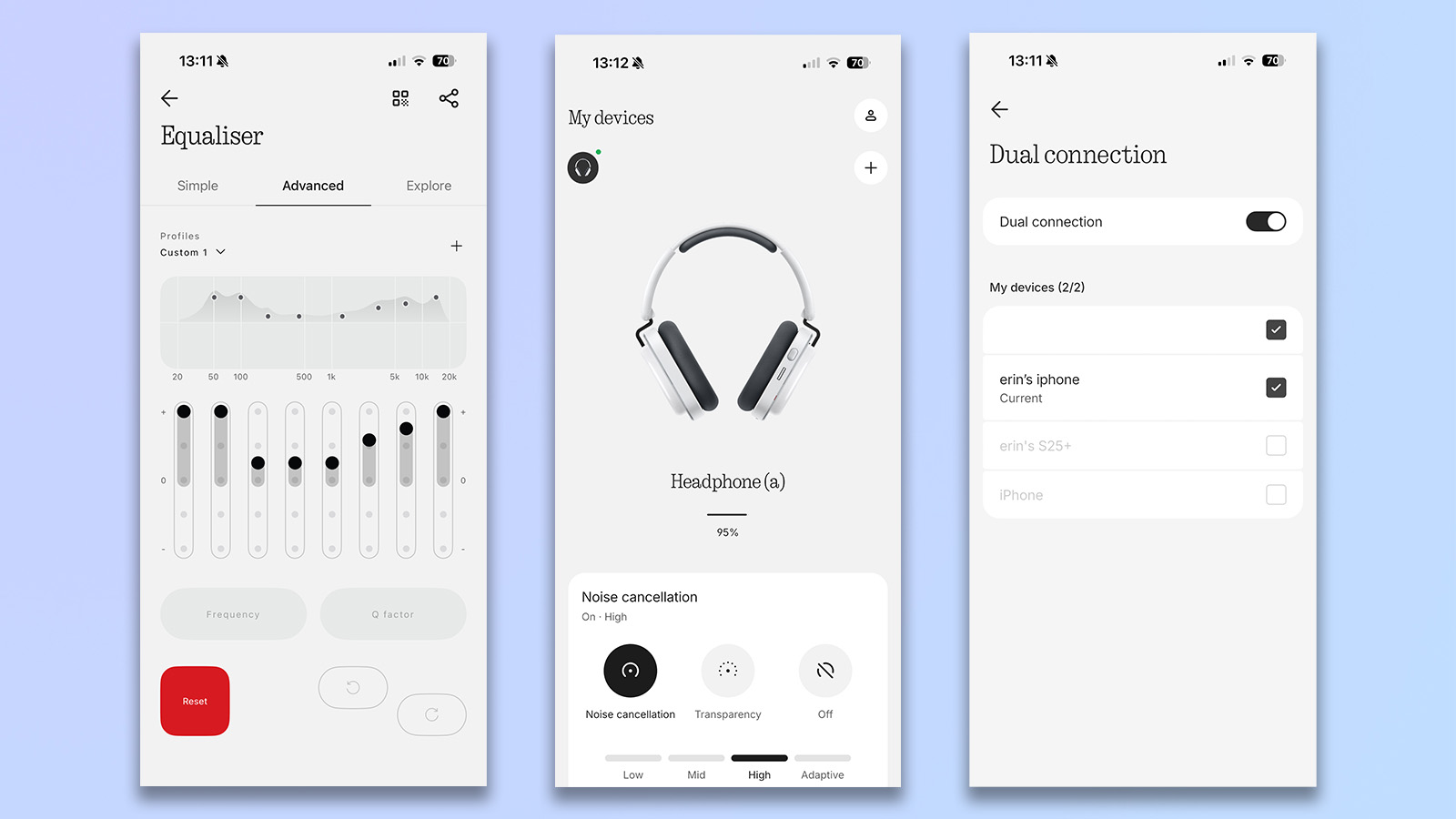

I really like the Nothing X app. Thankfully, it’s very easy to navigate and not overwhelming for those unfamiliar with Nothing’s ecosystem.
Nothing Headphone (a) review: Call quality
- Decent call quality, but not amazing
- Good at silencing ambient noise
- 2 mics
To test the call quality on the Nothing Headphone (a), I called my boyfriend. He’s been the callee on every pair of headphones/earbuds I’ve ever tested, so he’s a great test subject.
He said that while my voice was audible and intelligible, I was a little muffled, as if I were mumbling. My daily drivers — AirPods Pro 2 — made my voice much clearer. However, he said the traffic noise around me was completely silent, which is great if you call in busy areas. I’d say these cans are good enough for everyday, but I’d leave professional calls or important meetings to flagship options.
Nothing Headphone (a) review: Battery
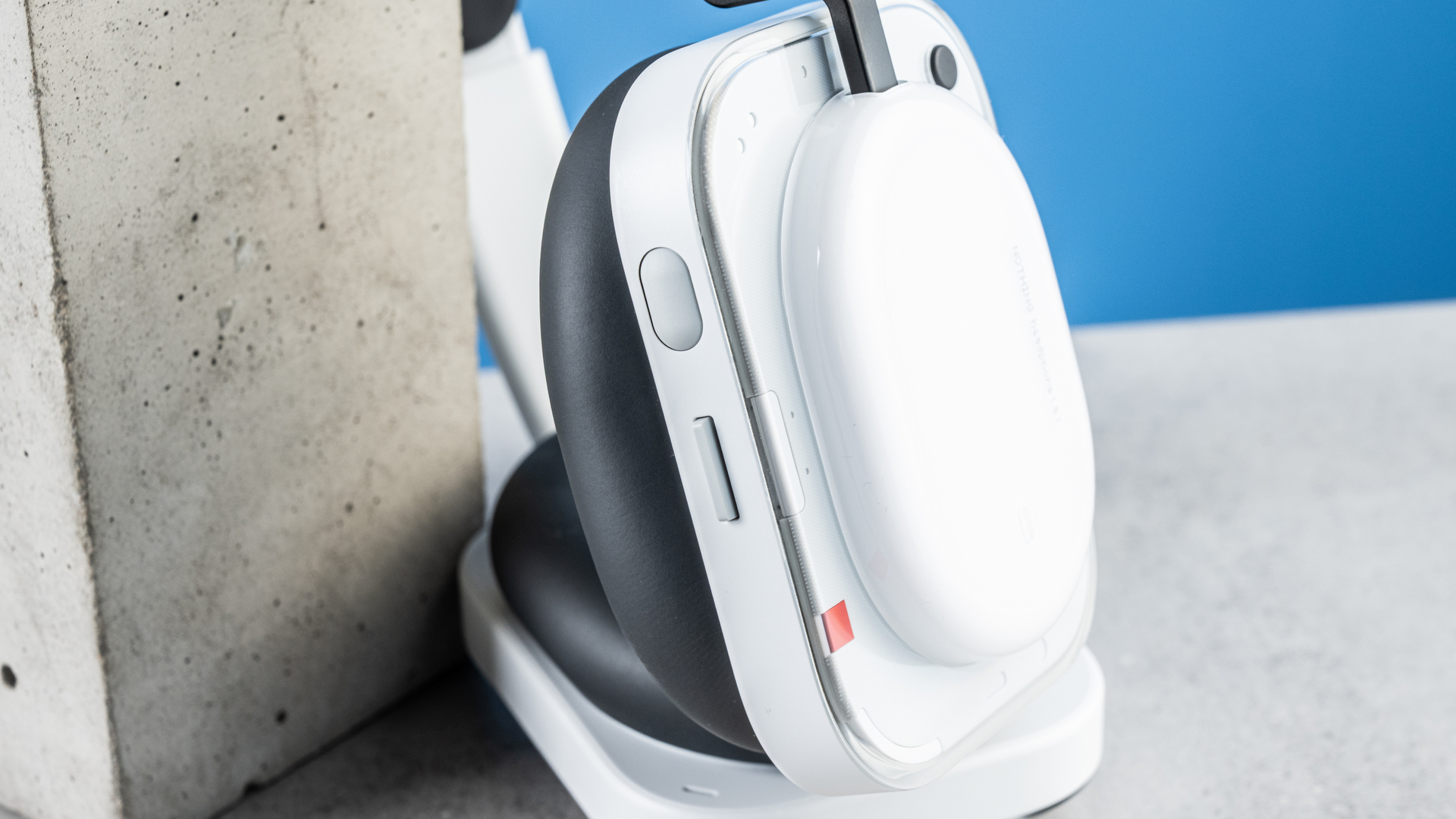
- A mindblowing 135-hour battery life
- Which goes down to 75 with ANC on
- Still phenomenal!
The most attention-grabbing feature of all is, without a doubt, the awesome 135-hour battery life. I’ve seen or tested headphones close to this degree of battery life before — the unkillable EarFun Tune Pro, which last for 120 hours, or the Cambridge Audio Melomania P100 SE, which can go for 100 hours — but nothing matching the Headphone (a). This battery life is incomprehensible, incomparable. There are no other cans — that I know of, anyway — that can outlast the Headphone (a).
I used them for 24 hours and the battery went down to 85%. This is a crazy good battery life, and one of the main USPs of these headphones. Big thumbs up from me.
Nothing Headphone (a) review: Verdict
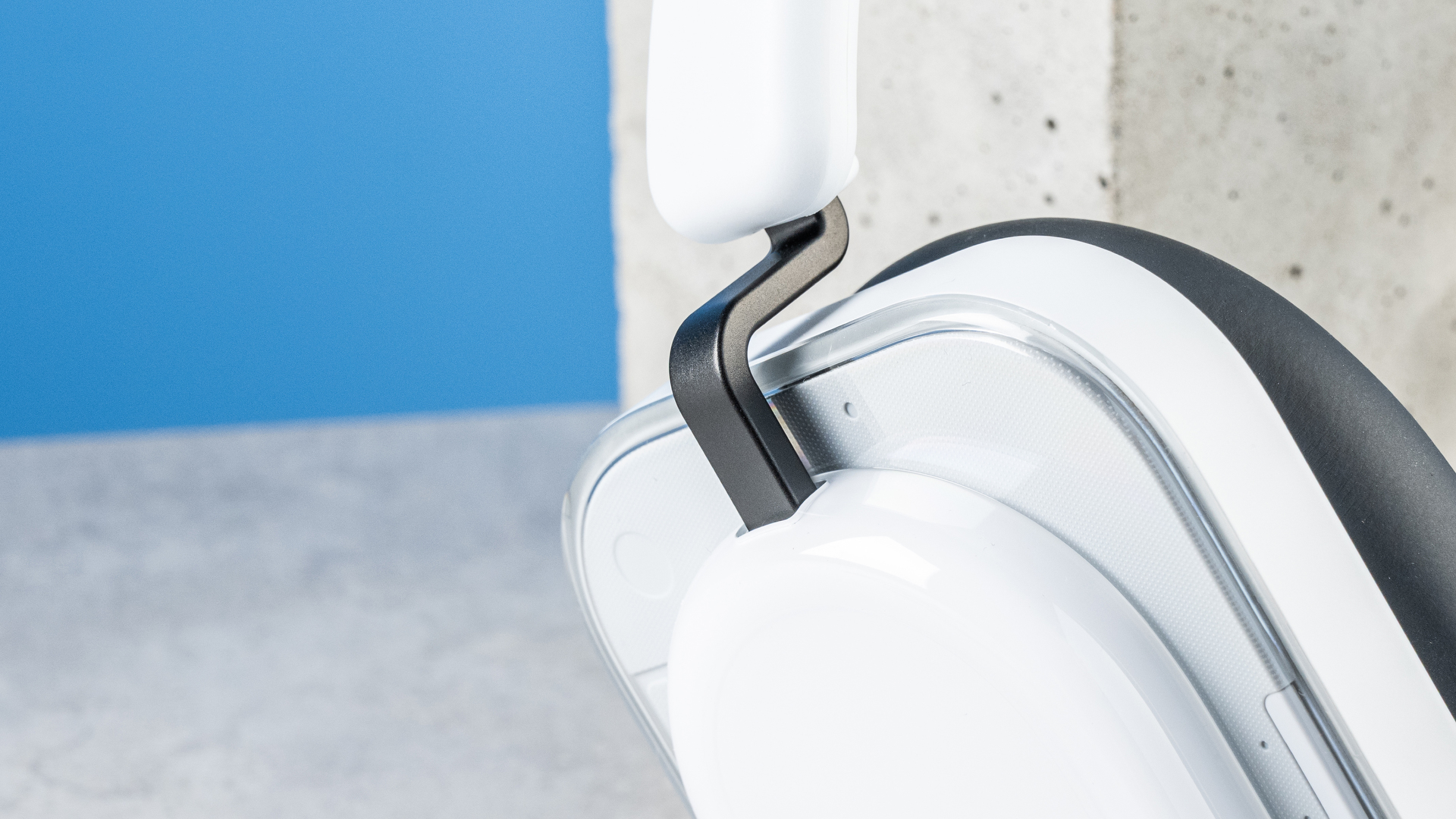
If you want super-stylish, fashion-forward, sci-fi headphones, you won’t be disappointed by the Nothing Headphone (a). They are seriously some of the coolest cans I’ve ever had the pleasure of putting on my head. While I was wearing them around the city, I felt like a model (well, that’s hyperbole, but you get the gist).
Although the sound quality leaves something to be desired, if you’ve got an LDAC-compatible Android or Nothing phone, you will probably be more impressed than if you’re an iPhone user. I wish the soundscape was a little wider and more detailed, but the vocals drive the tracks enough for this to be ignored if you value style more.
So while these might not be the perfect headphones for me, if you want to look cool and ultramodern and you’ve got an LDAC-compatible phone, they might be the best option for you.
Source link
-
-
-

-
-


