
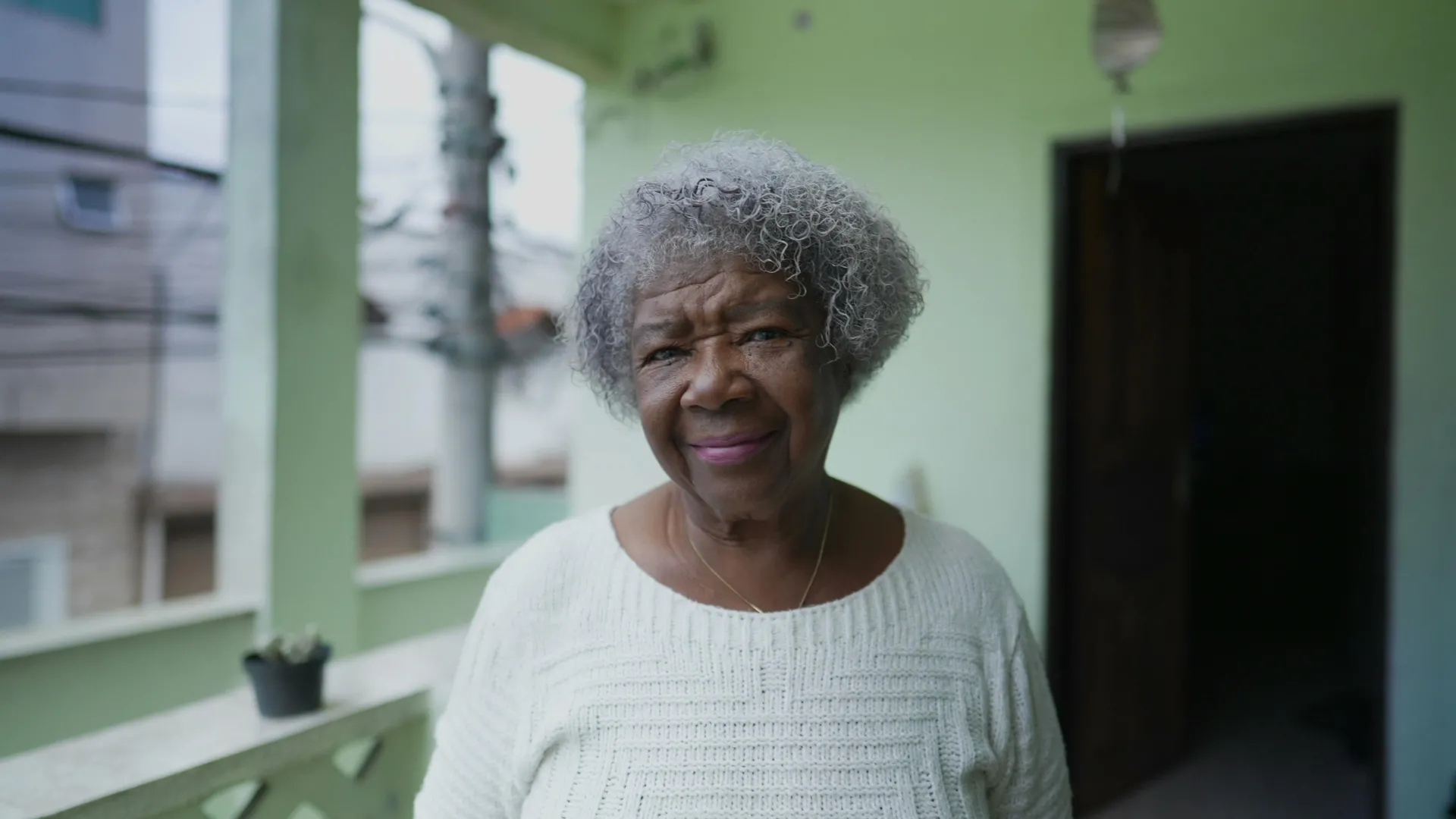
A Viewpoint published on January 6 in Genomic Psychiatry by Dr. Mayana Zatz and colleagues at the Human Genome and Stem Cell Research Center at the University of São Paulo explores why Brazil may be one of the most important yet overlooked settings for studying extreme human longevity. The authors combine insights from their long-running national study of exceptionally long-lived individuals with recent discoveries in supercentenarian biology to explain why Brazil offers unique scientific opportunities.
Why do a small number of people live beyond 110 years while most never reach 100? Scientists have pursued this question for decades, but clear answers remain scarce. According to Dr. Zatz and her co-authors, part of the problem lies in the narrow focus of existing research. Many large genomic databases are dominated by relatively homogeneous populations, leaving major gaps when it comes to admixed groups.
“This gap is especially limiting in longevity research, where admixed supercentenarians may harbor unique protective variants invisible in more genetically homogeneous populations,” explains Mateus Vidigal de Castro, first author of the Viewpoint and researcher at the Human Genome and Stem Cell Research Center.
Brazil’s Unmatched Genetic Diversity
Brazil’s population history sets it apart from nearly every other country. Portuguese colonization beginning in 1500, the forced migration of roughly 4 million enslaved Africans, and later waves of European and Japanese immigration produced what the authors describe as the richest genetic diversity in the world.
Early genomic research involving more than 1000 Brazilians over age 60 uncovered around 2 million previously unknown genetic variants. Among older Brazilians alone, researchers identified more than 2,000 mobile element insertions and over 140 HLA alleles missing from global genomic databases. A later study expanded this picture further, reporting more than 8 million undescribed genetic variants across the Brazilian population, including over 36,000 thought to be potentially harmful.
An Extraordinary Group of the World’s Oldest People
The research team has built a rare and valuable cohort. Their ongoing longitudinal study includes more than 160 centenarians, among them 20 validated supercentenarians, drawn from diverse regions of Brazil with wide-ranging social, cultural, and environmental backgrounds. Participants included Sister Inah, who was recognized as the world’s oldest living person until her death on 30 April 2025 at age 116.
The cohort also included the two oldest men in the world. One passed away last November at age 112, while the other is currently 113 years old.
Longevity Beyond Medical Access
What makes this group especially informative is not just their age. When researchers first contacted them, several Brazilian supercentenarians were still mentally sharp and able to manage basic daily tasks on their own. Many spent most of their lives in underserved areas with little access to modern healthcare. This allows scientists to study biological resilience that developed largely without medical intervention.
Families That Defy the Odds
One family in the study provides a striking example of inherited longevity. A 110-year-old woman in the cohort has nieces aged 100, 104, and 106, making it one of the longest-lived families ever documented in Brazil. The oldest niece, now 106, was still competing as a swimming champion at age 100.
This pattern matches previous findings showing that siblings of centenarians are between 5 and 17 times more likely to reach extreme old age themselves.
Can families like this help separate genetic influences from environmental or epigenetic ones? “Investigating such rare familial clusters offers a rare window into the polygenic inheritance of resilience and may help disentangle the genetic and epigenetic contributions to extreme longevity,” notes Dr. de Castro.
What Makes Supercentenarians Biologically Different
The Viewpoint also brings together recent research on the biological traits that distinguish supercentenarians from the general population. Their immune cells maintain protein recycling systems that function at levels similar to much younger people. Cellular cleanup processes remain active and efficient, helping prevent the buildup of damaged proteins.
Single-cell analyses show an unusual expansion of cytotoxic CD4+ T cells that behave more like CD8+ immune cells. This immune profile is rarely seen in younger individuals.
A recent multi-omics study of a 116-year-old American-Spanish supercentenarian identified rare or exclusive variants in immune-related genes such as HLA-DQB1, HLA-DRB5, and IL7R, along with variants tied to protein maintenance and genome stability. The authors argue that immune aging in supercentenarians should be seen not as overall decline, but as a form of adaptation that preserves function. Interestingly differently from the American-Spanish super old woman, who followed a mediterranean diet , the Brazilian supercentenarians refer no food restriction.
COVID-19 Survival at Extreme Old Age
One of the most compelling demonstrations of resilience occurred during the COVID-19 pandemic. Three Brazilian supercentenarians in the cohort survived infection in 2020 before vaccines were available. Laboratory analyses showed strong IgG responses and neutralizing antibodies against SARS-CoV-2, along with immune-related proteins and metabolites linked to early host defense.
How people over 110 mounted effective immune responses to a brand-new virus that proved deadly to millions of younger individuals remains a key question. The authors suggest that preserved immune function, intact protein maintenance systems, and overall physiological stability together make supercentenarians powerful models for studying resilience.
Brazil’s Global Standing in Extreme Longevity
Brazil’s role in longevity research is further underscored by global statistics. Three of the ten longest-lived validated male supercentenarians are Brazilian, including the oldest living man, born on 5 October 1912. This is especially notable because extreme longevity is far less common in men, who typically face higher cardiovascular risk, more chronic illness, and different hormonal and immune aging patterns.
Having access to both male and female supercentenarians who lived most of their lives without modern medicine offers a rare chance to study resilience in a group that is usually underrepresented.
Among women, Brazilian supercentenarians rank prominently as well. The number of Brazilian women in the top 15 longest-lived worldwide exceeds that of more populous and wealthier countries, including the United States.
Next Steps in Longevity Research
The research effort goes beyond sequencing DNA. Scientists are also developing cellular models from selected participants to conduct functional experiments and multi-omics analyses. Rather than simply confirming results from less diverse populations, the goal is to identify protective genetic variants and biological mechanisms that may be specific to Brazil’s population. These findings could inform precision medicine approaches that are globally relevant while better reflecting human diversity. In collaboration with Prof. Ana Maria Caetano de Faria from the Universidade Federal de Minas Gerais, the team will also study the immune profiles of this cohort in greater depth.
The authors urge international longevity and genomics groups to expand recruitment to include ancestrally diverse and admixed populations such as Brazil, or to provide financial support for genomic, immunological, and long-term studies that improve scientific understanding while promoting equity in global health research.
Resilience as the Core Insight
Supercentenarians offer more than examples of unusually long lives. They demonstrate resistance, adaptability, and resilience, traits that may be just as important as lifespan itself. Rather than simply enduring old age, these individuals appear to actively counter many biological features of aging, offering clues that could improve quality of life as populations grow older.
“International longevity and genomics consortia should expand recruitment to include ancestrally diverse and admixed populations, such as Brazil’s, or provide financial support for genomic, immunological, and longitudinal studies that deepen scientific insight and enhance equity in global health research,” states Dr. Mayana Zatz, corresponding author and Professor at the University of São Paulo.
This Viewpoint brings together current knowledge on supercentenarian biology with insights from an exceptional Brazilian cohort. By integrating genomic, immune, and clinical findings, the authors present a strong case for expanding longevity research beyond traditionally studied populations and reveal patterns that remain invisible in genetically homogeneous groups.
Source link
-

-
-

-
-


