

In an evolving health landscape, emerging research continues to highlight concerns that could impact everyday wellbeing. Here’s the key update you should know about:
A multiomic atlas of the aging human hippocampus uncovers how epigenetic regulation of neural stem cells and immature neurons may shape cognitive decline or resilience in later life.
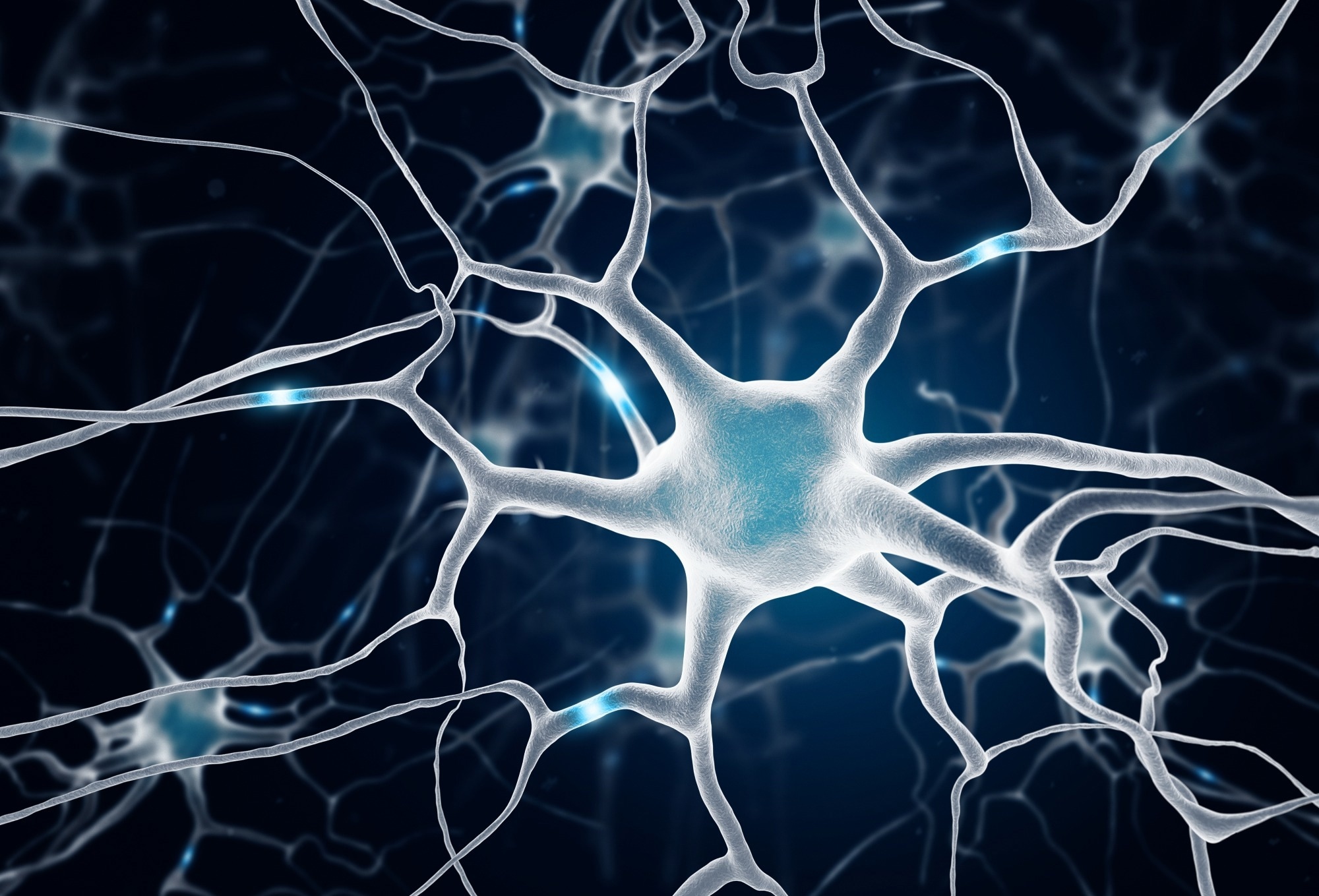
Study: Human hippocampal neurogenesis in adulthood, ageing and Alzheimer’s disease. Image Credit: MP Art / Shutterstock
In a recent study published in the journal Nature, researchers delineated neurogenesis in the human hippocampus across adulthood, aging, and Alzheimer’s disease (AD), while noting that the functional relevance of these processes for human cognition remains incompletely understood.
Background: Neurogenesis in Rodents Versus Humans
The epigenetic and transcriptional mechanisms underlying the generation of neurons from neural stem cells (NSCs) are well established in rodents. Hippocampal neurogenesis plays a vital role in memory and learning by recruiting immature neurons into memory circuits and promoting memory formation. Neurogenesis decreases with age and is impaired in mouse AD models.
In contrast, the fate of neurogenesis in humans is poorly defined. The occurrence of neurogenesis in the adult hippocampus has been debated. The presence of immature neurons has been confirmed in the adult human brain and in AD. A subset of progenitor cells shows signs of ongoing proliferation in the adult human brain; nonetheless, key knowledge gaps remain, particularly regarding how these molecular signatures translate to functional cognitive outcomes.
Single-Nucleus Multi-Omic Profiling of the Human Hippocampus
Researchers analyzed nuclei isolated from human post-mortem hippocampi using a single-nuclei assay for transposase-accessible chromatin with sequencing (snATAC-seq) and single-nucleus RNA sequencing (snRNA-seq). Sequence profiles from 85,977 nuclei of young adults with intact memory, referred to as the young adult cohort, were analyzed to establish neurogenic regulatory pathways.
Unsupervised clustering of snRNA-seq data identified 12 cell types in the hippocampus, including neuroblasts, astrocytes, immature neurons, mature granule cells, oligodendrocyte progenitor cells, and mature oligodendrocytes. Differential gene expression and pathway analyses identified 169 pathways and 4,166 differentially expressed genes (DEGs), all of which were upregulated in neuroblasts compared to mature oligodendrocytes.
Developmental Trajectories and RNA Velocity Analyses
Latent times of neuroblast, astrocyte, mature granule cell, and immature neuron clusters were examined to identify NSCs and their developmental trajectories using RNA velocity analysis. This showed a directional flow from NSCs to astrocytes and toward neuroblasts to mature granule cells via immature neurons. NSCs expressed low levels of neuronal markers but high levels of stemness proxies compared with immature neurons and neuroblasts.
The snATAC-seq analysis allowed an orthogonal evaluation of stemness via chromatin accessibility. High chromatin accessibility was observed in regions associated with multi-lineage potential in NSCs. In contrast, neuronal maturation proxies showed high levels of open chromatin in immature neurons and neuroblasts. The top differentially accessible regions (DARs) and DEGs in NSCs were downregulated in immature neurons and neuroblasts.
Conversely, the top DARs and DEGs in neuroblasts were downregulated in NSCs. The top DEGs in immature neurons had low expression in NSCs and moderate expression in neuroblasts. Developmental pathways were downregulated in immature neurons and neuroblasts but enriched in NSCs. The top motifs in NSCs included signal transducer and activator of transcription 3 (STAT3), STAT4, STAT5, nuclear factor I B (NFIB), and pleomorphic adenoma gene-like 1 (PLAGL1).
In immature neurons, the top motifs included nuclear factor erythroid 2 (NFE2), PBX homeobox 2 (PBX2), Meis homeobox 2 (MEIS2), and regulatory factor X2 (RFX2). These patterns suggest a shift from transcription factors that promote stem cell proliferation and maintenance in NSCs to those that regulate differentiation and maturation in immature neurons. Researchers then examined the effects of cognitive diagnosis and age on neurogenesis.
Neurogenesis Across Aging, Preclinical Pathology, and Alzheimer’s Disease
Hippocampal nuclei were sequenced from healthy agers without cognitive impairment, adults with AD, and adults with preclinical intermediate pathology. Samples from SuperAgers were also analyzed. These individuals were aged 80 years or older and performed on episodic memory tests at levels comparable to or better than those of individuals aged 50 to 59 years. All cell types detected in the young adult cohort were observed in these groups.
AD and preclinical pathology groups had significantly more NSCs than healthy agers. The AD cohort had significantly fewer immature neurons and neuroblasts than both young adults and healthy agers, and fewer immature neurons than the preclinical pathology group. Most diagnosis- and age-related changes were observed in DAR counts rather than DEG counts, highlighting chromatin accessibility as a stronger discriminator of cognitive trajectories than transcript abundance alone.
A subset of DARs was specifically downregulated in immature neurons and neuroblasts in the preclinical pathology group compared with SuperAgers, healthy agers, and young adults. These DARs were further downregulated in AD. These findings suggest that alterations in chromatin accessibility may contribute to disrupted neurogenic trajectories during cognitive decline. Some of the earliest age-related shifts were detectable in chromatin accessibility at the NSC stage.
Cognitive Resilience Signatures in SuperAgers
The SuperAger cohort exhibited a significantly higher number of immature neurons compared with other groups and more neuroblasts than the AD cohort. This profile was attributable to DAR patterns. The SuperAger cohort had 7,058 and 674 DARs upregulated in immature neurons and neuroblasts, respectively, compared with other cohorts.
Resilience scores were calculated to detect consistent directionality of chromatin and transcriptional effects across cohorts rather than to directly measure cognitive performance. A clear signature was observed in immature neurons and neuroblasts, with most peaks and genes remaining stable in SuperAgers, young adults, and healthy agers, but downregulated in AD.
Additional analyses indicated that preserved excitatory synapse integrity was a hallmark of healthy cognitive aging. Regulatory interactions involving astrocytes and CA1 pyramidal neurons also distinguished successful from pathological aging. The authors note that relatively small cohort sizes and substantial inter-individual variability warrant cautious interpretation.
Conclusions and Therapeutic Implications
The study outlined molecular signatures of neurogenesis in the human hippocampus and their changes across age and cognitive status. Differences in chromatin accessibility across the neurogenic spectrum suggest that epigenetic alterations may be more definitive signatures of aging-associated cognitive trajectories than gene expression changes alone. Delineating these mechanisms and their interaction with broader hippocampal network dynamics may inform targeted therapeutic strategies to preserve cognitive function in aging. However, further research is required to establish causal links between these molecular patterns and cognitive performance.
