
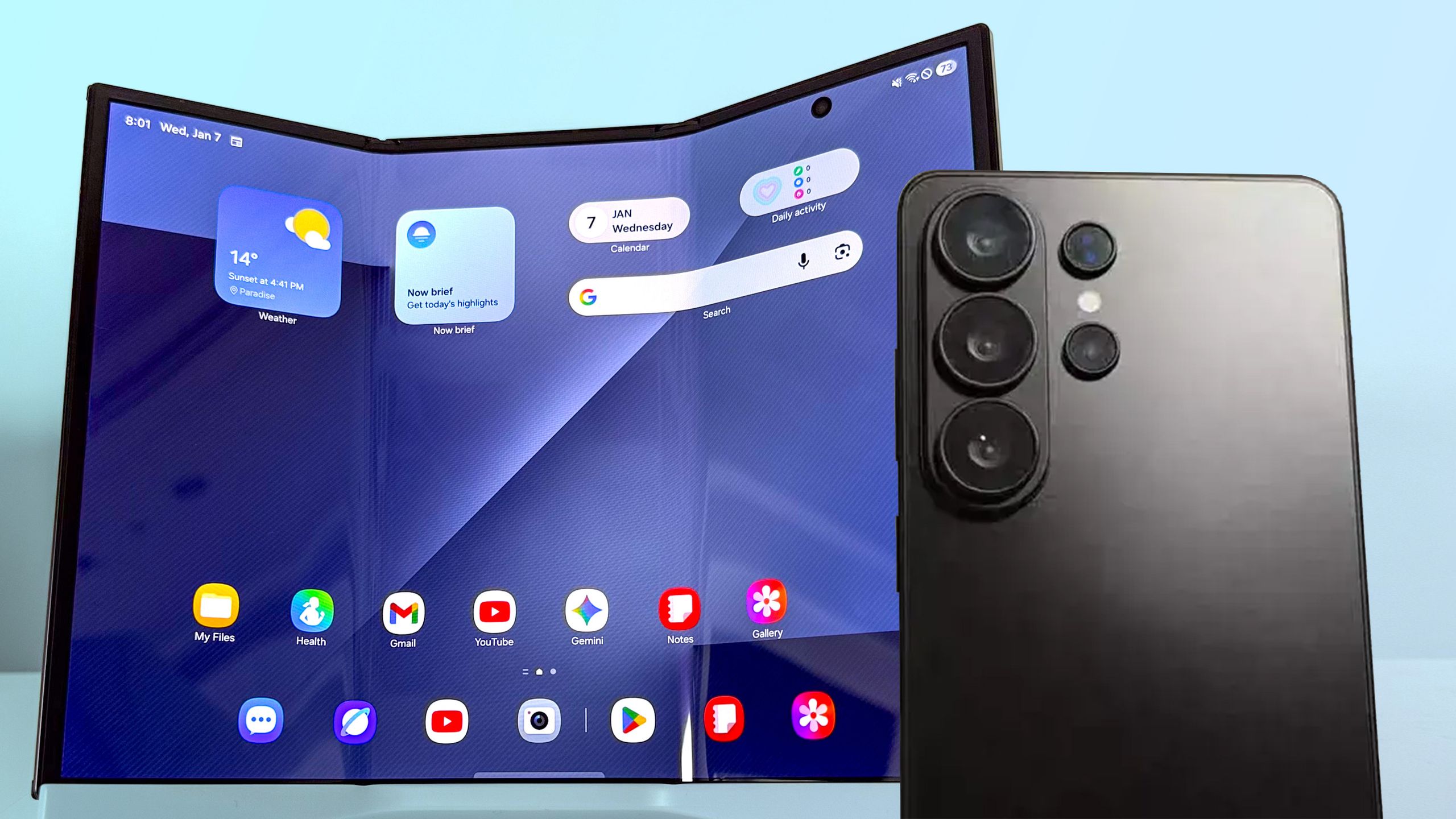
When it comes to new phones, the real question is innovation versus reliability — which is at the center of a this Galaxy S26 Ultra vs. Galaxy Z TriFold comparison.
Both of these phones offer something vastly different from each other, but they represent something of a crossroad for Samsung. The Galaxy S26 Ultra appears from the rumors to be a continuation of a proven design, taking what already exists and improving it in small ways. Meanwhile, the Galaxy Z TriFold is a completely new direction for the company, but one that could become a staple in the future.
However, the challenge with comparing these phones is that one of them is only available in restricted areas — while the other is still in the rumor mill. This can make it a challenge to find all the information that you, as a consumer, need to make a decision. As such, we’ve gathered everything we know here to help you decide which phone is for you.
Galaxy Z TriFold vs Galaxy S26 Ultra: Rumored Specs
| Row 0 – Cell 0 |
Galaxy Z TriFold |
Galaxy S26 Ultra (rumored) |
|
Display |
6.5-inch (exterior) 10-inch (main display) |
6.9-inch |
|
Chipset |
Snapdragon 8 Elite Gen 5 for Galaxy |
Snapdragon 8 Elite Gen 5 for Galaxy/ Exynos 2600 |
|
RAM |
16GB |
12GB / 16GB |
|
Storage |
512GB, 1TB |
256GB, 512GB, 1TB |
|
Rear cameras |
200MP main (f1.7), 12MP ultrawide (f/2.2), 10MP telephoto with 3x optical zoom (f/2.4) |
200MP main (f/1.4), 50MP ultrawide, 12MP 3x telephoto, 50MP 5x telephoto |
|
Front camera |
10MP main display, 10MP exterior |
12MP |
|
Battery Size |
5,600 mAh |
5,000 mAh |
Galaxy Z TriFold vs Galaxy S26 Ultra: Price and Availability
At the time of writing, the Galaxy Z TriFold has been released in South Korea as of December 12, with the phone coming to China, Taiwan, Singapore and the UAE in the coming months. It launched in the U.S. on January 30, with a staggering $2,899 cost attached to this tri-folding phone.
Meanwhile, the Galaxy S26 Ultra is expected to be officially announced on February 25, with the phone hitting shelves around March 11 around the globe. While we have yet to see a set price, a recent leak has hints that Samsung won’t be increasing the price of the Ultra series model. As such, we could be looking at the same price as the Galaxy S25 Ultra. Meaning a starting price of $1,299, rising to $1,419 for 512GB storage or $1,659 for 1TB.
Galaxy Z TriFold vs Galaxy S26 Ultra: Design and Durability
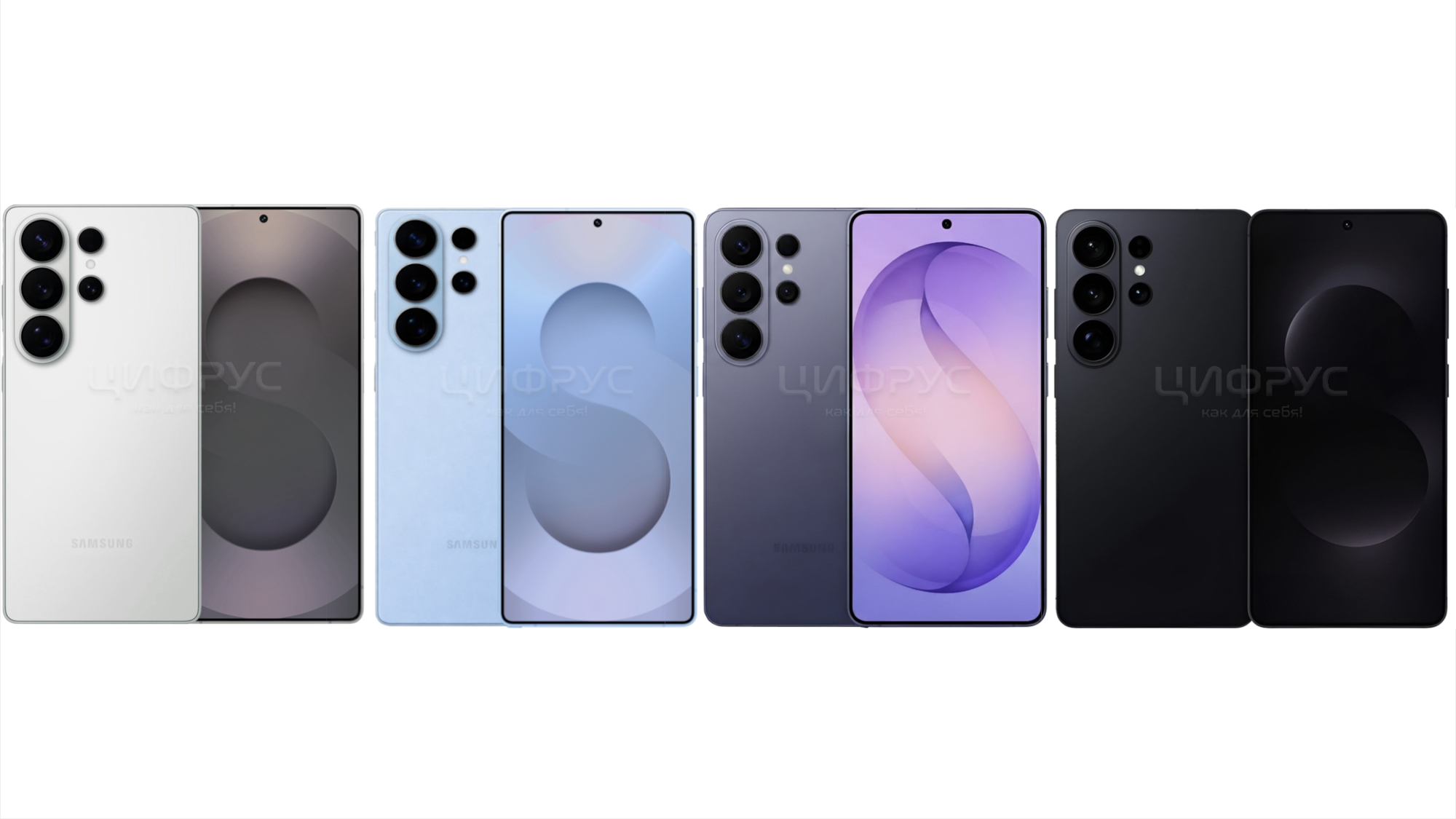

When it comes to design, there’s no doubt that the Galaxy Z TriFold is easily the most dramatic change compared to the rest of the range. With a folded size of 6.3 x 3.0 x 0.51 inches, and an unfolded size of 6.3 x 8.4 x 0.15 inches, the TriFold is impressively large, while also being thinner than both the iPhone Air and Galaxy S25 Edge when unfolded.
Speaking of folding, the phone uses an inward folding design, with the outer display sitting in the middle of the device when it’s unfolded. The aim here is to help protect the inner display when the phone is unfolded. On top of that, the phone makes use of two differently sized hinges that aim to create a more stable folding action, while minimizing the gap between the panels.
Meanwhile, it doesn’t appear that Samsung will be changing the overall design or look of the Galaxy S26 Ultra, apart from a new pill-shaped camera housing. However, there have been some rumors that Samsung could be introducing proper Qi2 charging support, rather than having it rely on a case — but other sources contradict this. Another potential change pertains to leaks of the S26 Ultra’s colors, which indicates Samsung may join Apple and drop titanium from the frame.
Galaxy Z TriFold vs Galaxy S26 Ultra: Display
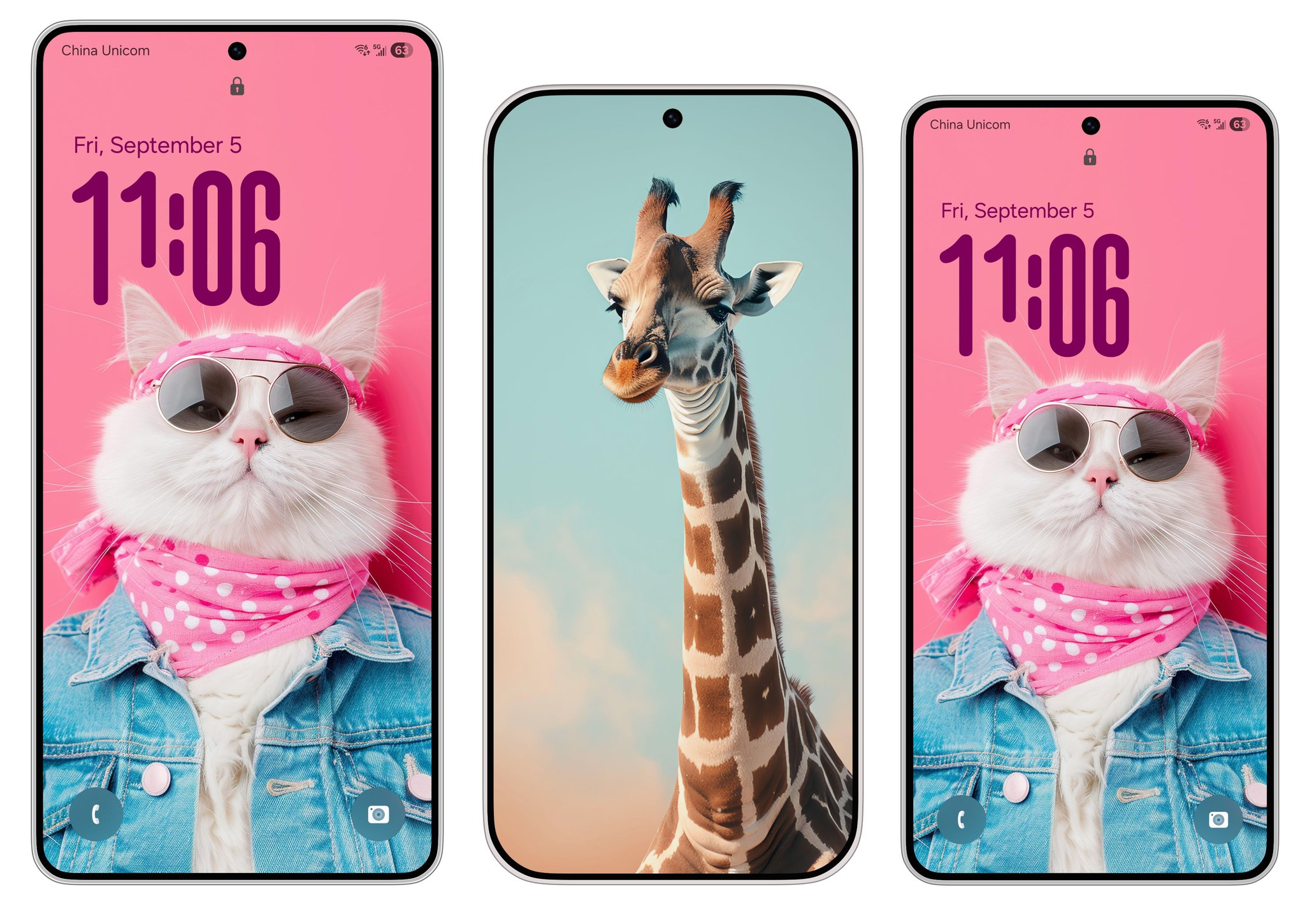

At this point, it appears that Samsung will be keeping the 6.9-inch AMOLED panel for the Galaxy S26 Ultra. However, some rumored changes are coming to the screen. For instance, it has been stated that the phone will make use of new M14 screen materials to help create a brighter screen with better color reproduction.
The Galaxy S26 Ultra is also stated to feature a new privacy feature, which uses software to limit visibility from side angles. This “Flex Magic” feature should then make it that much harder for people around you to snoop on your phone and see what you’re doing. A more recent leak shows how the Privacy Display feature would work in practice.
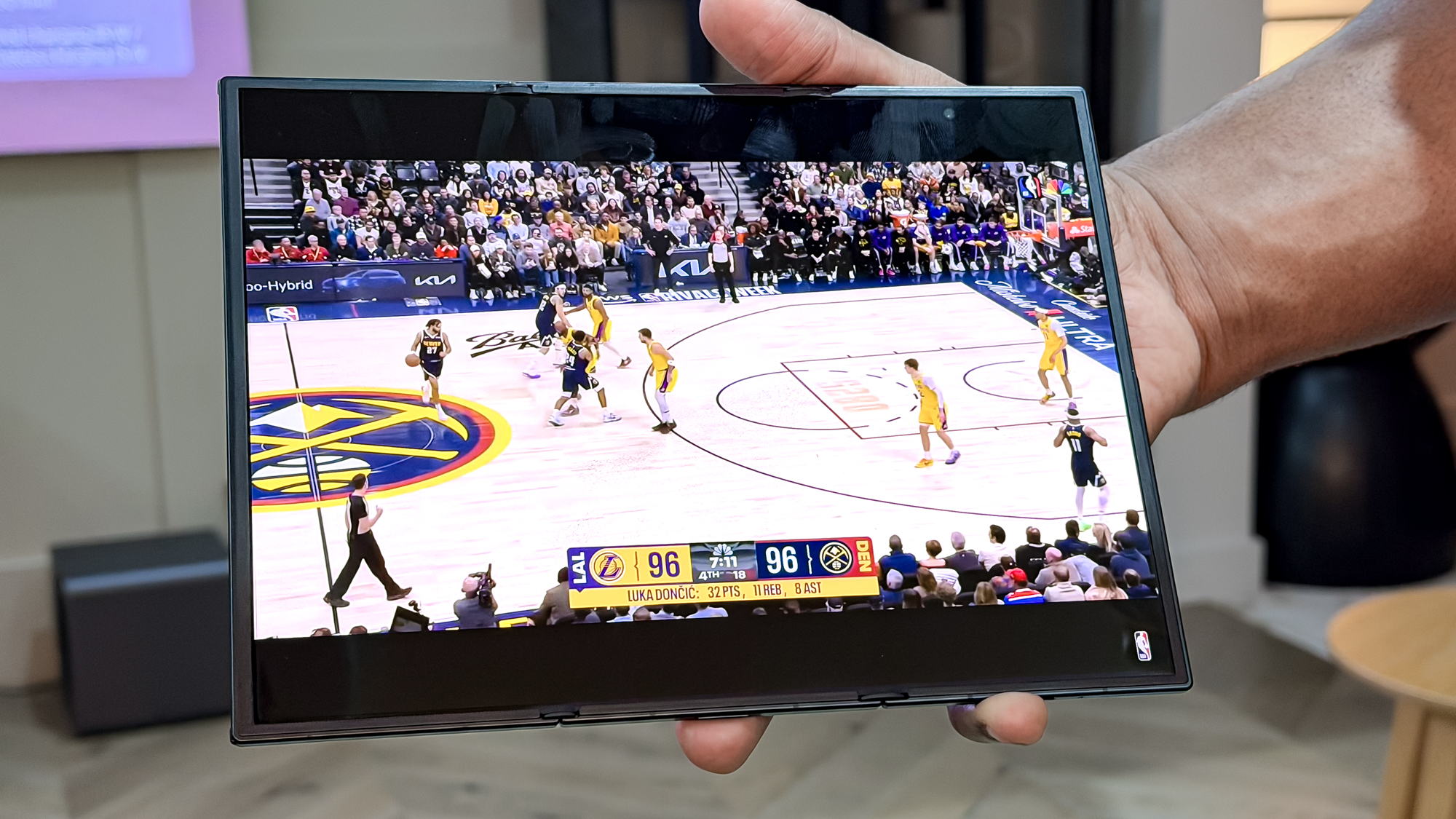
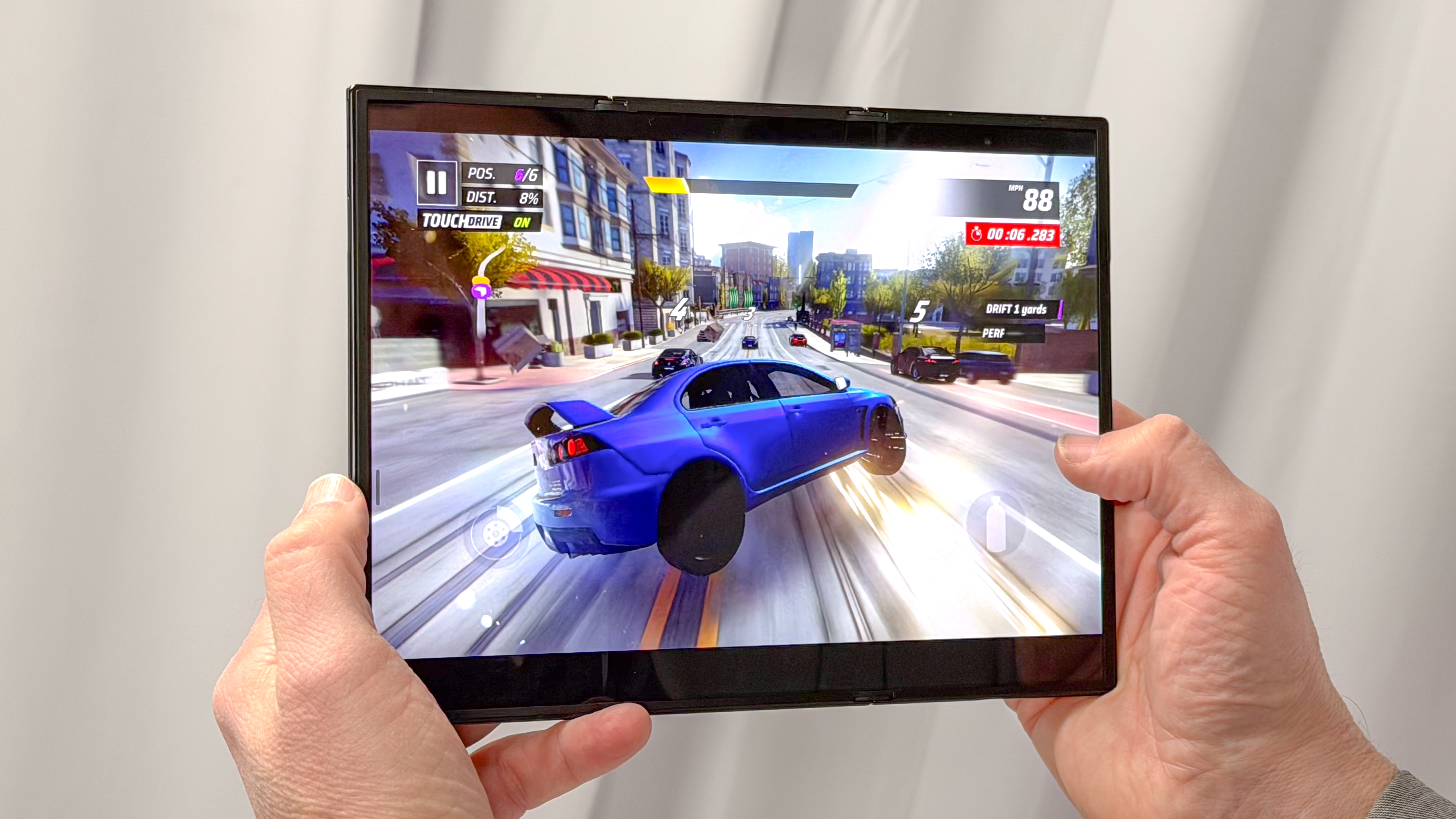
Meanwhile, we got a great look at massive display in Samsung’s new foldable in our Galaxy Z TriFold hands-on. The 10-inch main display comes with a 4:3 aspect ratio and is rated for a total brightness of 1,700 nits. While it might not be quite as bright as the Galaxy Z Fold 7’s 2,600-nit rating, it’s still decent enough to use in direct sunlight.
However, while it might not be quite as bright as the other foldable phones, the Z TriFold manages to hide its two creases really well and offers more than enough screen real estate to run numerous apps — or get the best viewing experience outside of a tablet. However, the big question now is how many apps will be optimized to make the most use out of the larger display.
Galaxy Z TriFold vs Galaxy S26 Ultra: Cameras
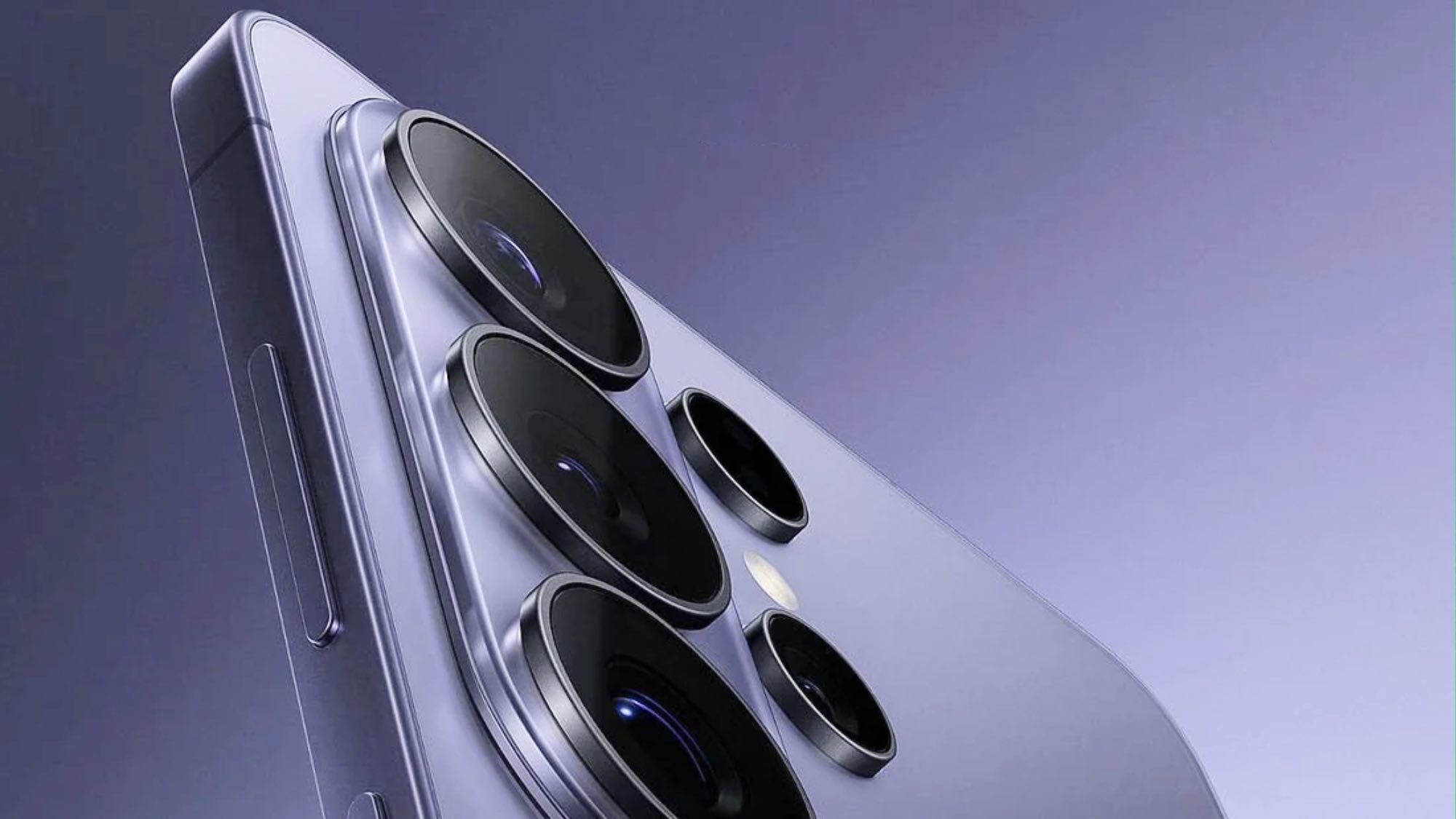
When it comes to cameras, we’re expecting the Galaxy S26 Ultra to feature the same basic options as the Galaxy S25 Ultra. As such, we’re looking at a 200MP main (f/1.4) lens, a 50MP ultrawide, a 12MP 3x telephoto and a 50MP 5x telephoto on the back of the phones. There’s also likely going to be a 12MP selfie camera on the front of the device.
While the cameras might offer the same resolution, there are some changes in the works. For one thing, Samsung recently showcased three video teasers for an upcoming phone, which showed a focus on low-light shooting and a vastly improved zoom. We’ve also heard that Samsung will be adding a new 24MP shooting mode for the 200MP main camera, which would be a noticeable improvement over the 12MP option on the current phone.
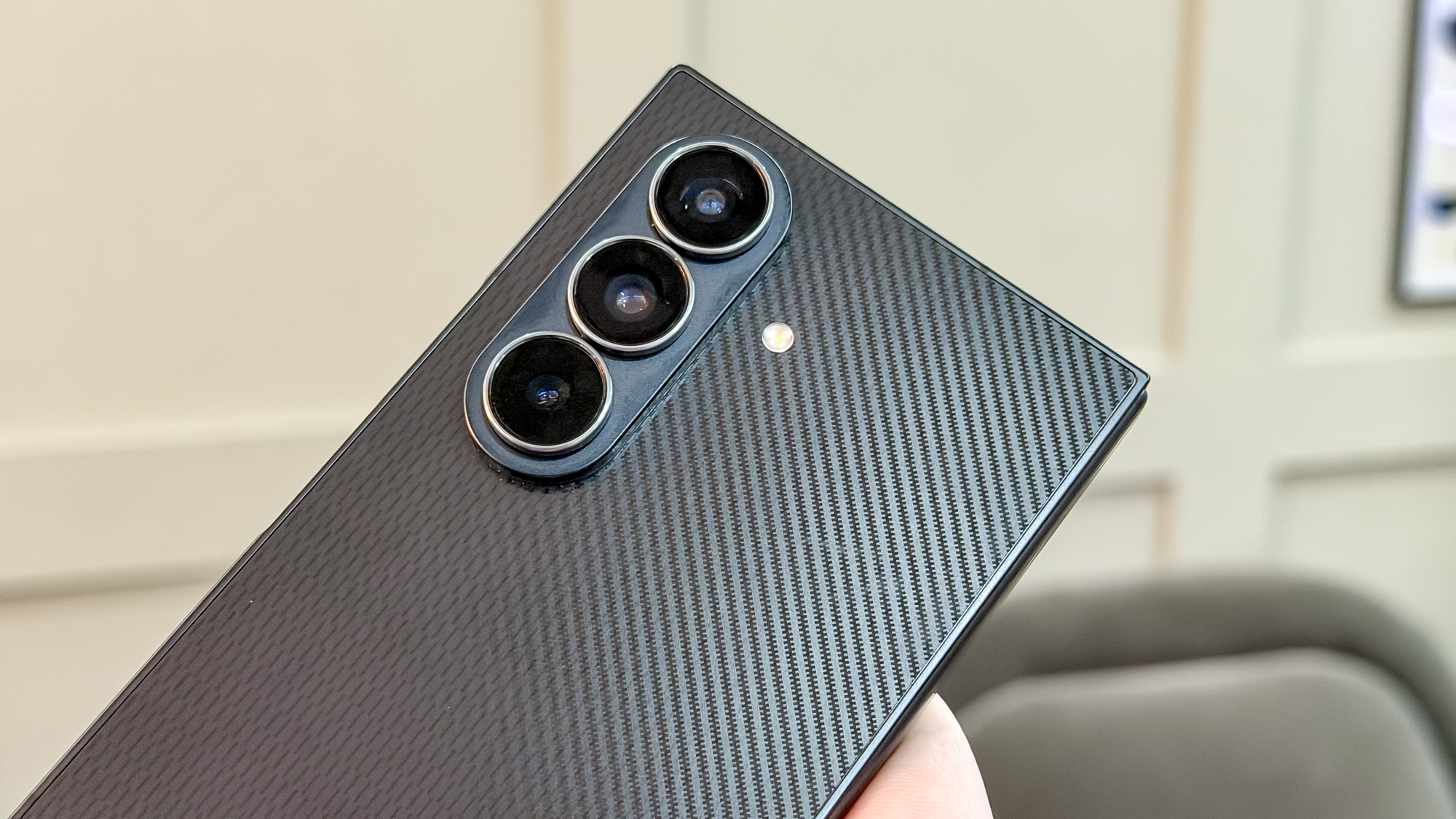
Meanwhile, the cameras on the Galaxy Z TriFold are no slouches, matching the ones seen on the Z Fold 7, but they don’t quite match the Ultra. The phone features a 200MP main (f1.7) lens, 12MP ultrawide (f/2.2), and a 10MP telephoto with 3x optical zoom (f/2.4). For the front cameras, the phone has two 10MP cameras on both the main display and the front screen.
When we tried the phone, we noticed that the zooming power falls behind, which feels like a bit of a missed opportunity due to having such a large viewfinder in the form of the display.
Galaxy Z TriFold vs Galaxy S26 Ultra: Software and Performance

Oddly, the Galaxy Z TriFold is powered by the previous-generation Snapdragon 8 Elite for Galaxy — the same chipset found in the S25 Ultra. Meanwhile, the Galaxy S26 Ultra is tipped to use the latest Snapdragon 8 Elite Gen 5. Leaked benchmarks suggest a massive upgrade over the older chip, with significantly higher single and multi-core Geekbench scores. This puts the Galaxy Z TriFold at a disadvantage by sticking with last year’s flagship silicon.
However, there is some confusion at the moment around two possible hardware changes for the Galaxy S26 Ultra. The first is that we’re currently unclear on whether the phone will launch with Qualcomm’s chip globally, or if some models will launch with the new Exynos 2600 chip. There are also indications that Samsung could increase the RAM size on the phone to 16GB, which would match the RAM available on the Galaxy TriFold.
| Row 0 – Cell 0 |
Galaxy S26 Ultra (alleged) |
iPhone 17 Pro Max |
Galaxy S25 Ultra |
|
Geekbench 6 single-core score |
3,601 |
3,871 |
3,031 |
|
Geekbench 6 multi-core score |
10,686 |
9,968 |
9,829 |
In terms of features, we have heard that Samsung could be working to integrate AI Perplexity into the company’s Bixby digital assistant. Incidentally, there are also rumors of Samsung adding S26 Ultra-exclusive Galaxy AI features. However, that would be a noticeable departure from how Samsung has handled AI over the last two years.
The Samsung Galaxy TriFold makes the most out of the larger screen by offering a massively improved DeX mode, found right in the quick settings. The phone is able to create and save up to four virtual workspaces, allowing you to have one for work, fun, and more. There’s also a new extended mode that lets you connect an external monitor and quickly work across two screens at once. We’re also expecting to see the same Galaxy AI and Google Gemini features on both phones, including features like Circle to Search and Now Bar.
Galaxy Z TriFold vs Galaxy S26 Ultra: Battery and Charging
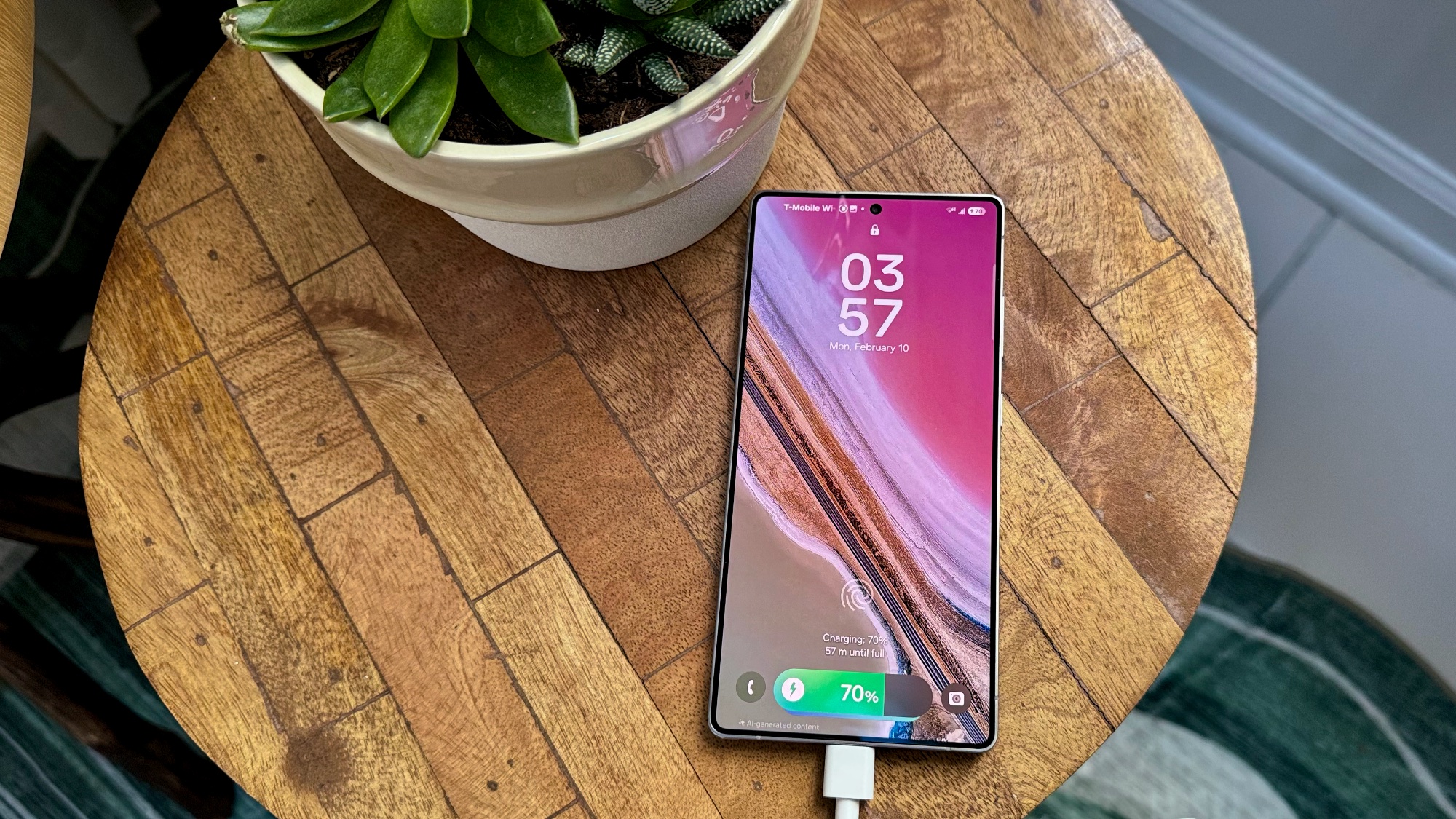
The Samsung Galaxy Z TriFold features a larger 5,600 mAh battery, compared to the 5,000 mAh cell rumored for the Galaxy S26 Ultra. While we haven’t tested the TriFold’s endurance yet, we can look at the 4,400 mAh battery in the Z Fold 7 for context. That phone lasted roughly 11 hours on the Tom’s Guide battery test, so we’re expecting significantly better longevity from the TriFold’s higher capacity
Speaking of charging, it appears that Samsung could be making some long-needed changes when it comes to the Galaxy S26 Ultra. Leaked code from One UI 8.5 suggests that charging speeds will jump to 60W, which is a marked improvement compared to the 45W charging of the S25 Ultra. On top of that, there are also indications that theS26 Ultra could get faster 25W wireless charging.
Galaxy Z TriFold vs Galaxy S26 Ultra: Outlook
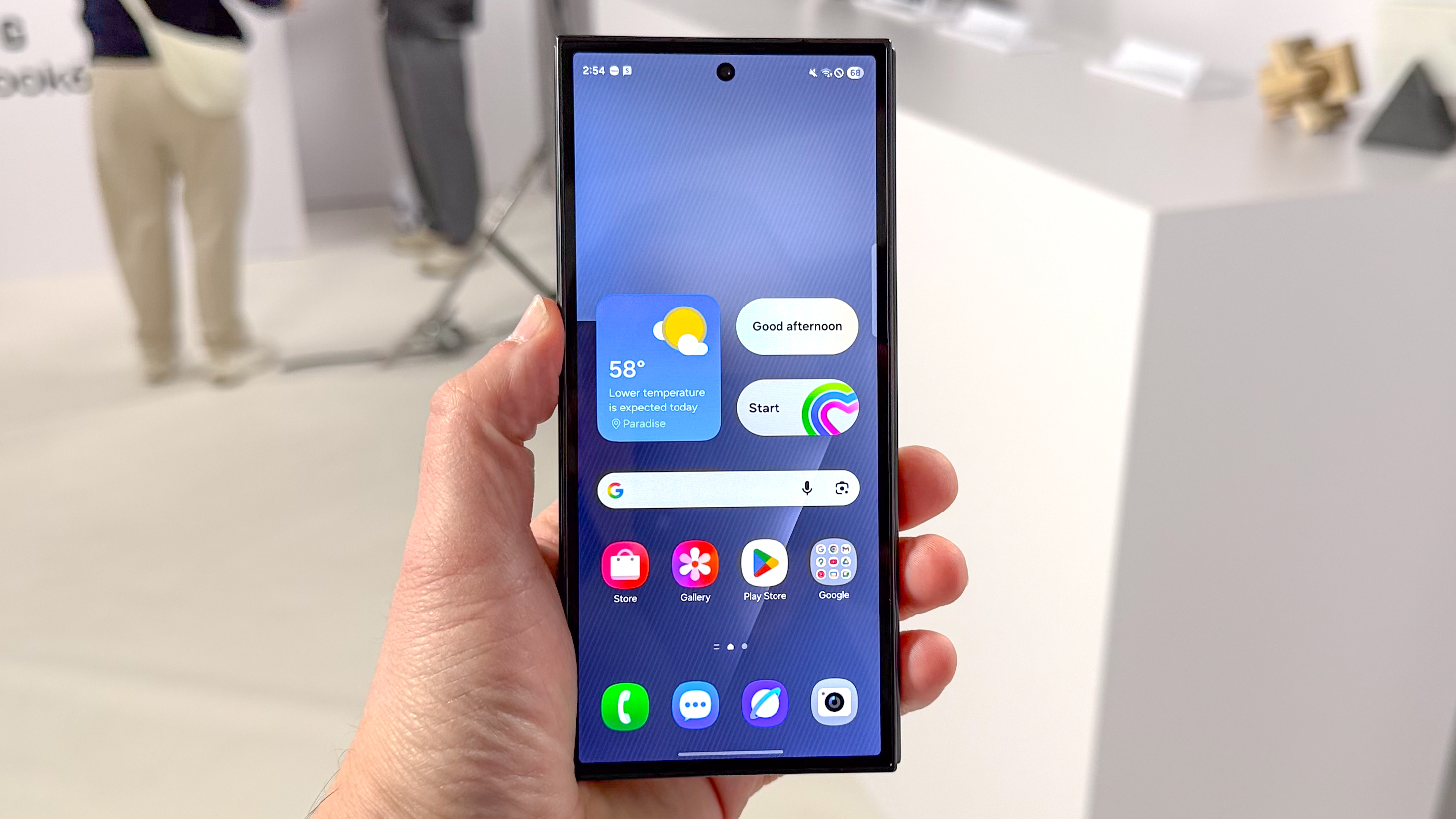

Which of these phones is for you is a bit tricky to answer simply because there’s still so much we don’t know about the Galaxy S26 Ultra. With a rumored Unpacked event tipped for later this month, it won’t be long before we have a better idea of what the Galaxy S26 Ultra offers.
If you want to experience the peak of Samsung’s engineering, the TriFold is certainly a strong contender, especially where innovation is concerned. Power users will especially love the utility of the Galaxy Z TriFold, with its spacious main display and multitasking prowess of its dedicated Samsung DeX mode.
That said, the lack of major design changes for the Galaxy S26 Ultra suggests that Samsung believes the current formula is nearly perfect for its flagship. For those who want refined improvements on an already top-tier design, you can’t do much better.
But we want to hear from you: which of these phones would you put your money toward first?

Follow Digitpatrox on Google News and add us as a preferred source to get our up-to-date news, analysis, and reviews in your feeds.
More from Digitpatrox
-

-
-

-
-


