

Scientists Uncover Potential Brain Risks of Popular Fish Oil Supplements

Fish oil supplements may not always support brain recovery, as EPA was linked to impaired healing after repeated mild brain injuries. The findings suggest omega-3 effects are context-dependent and not universally beneficial.
Fish oil, a supplement made from fatty fish such as salmon and mackerel, is widely used for its omega-3 fatty acids, nutrients linked to heart health, and often marketed as beneficial for the brain. But new research suggests its effects may not be universally helpful, especially in people with repeated head injuries.
A study led by scientists at the Medical University of South Carolina, published in Cell Reports, found that certain components of fish oil could interfere with the brain’s ability to recover after repetitive mild traumatic brain injury. The findings challenge the common perception that omega-3 supplements are broadly protective in all situations.
Interest in omega-3 fatty acids, the main components of fish oil, has surged in recent years, with products now appearing in beverages, dairy alternatives, and snack foods.
Rising Popularity of Omega-3 Supplements
That trend does not surprise Albayram. “Fish oil supplements are everywhere, and people take them for a range of reasons, often without a clear understanding of their long-term effects,” he said.
“But in terms of neuroscience, we still don’t know whether the brain has resilience or resistance to this supplement. That’s why ours is the first such study in the field.”
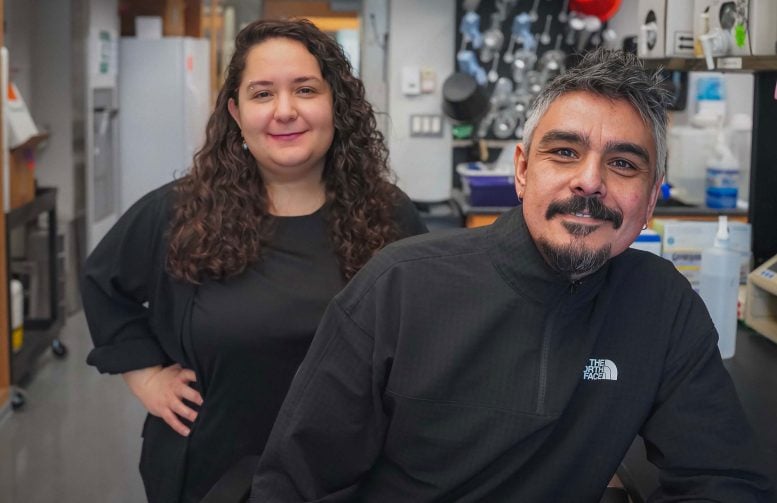
Albayram worked with Eda Karakaya, Ph.D., and Adviye Ergul, M.D., Ph.D., on that study, along with several other researchers at MUSC and beyond. That includes his longtime collaborator Semir Beyaz, Ph.D., at the Cold Spring Harbor Laboratory Cancer Center in New York.
EPA’s Role in Impaired Brain Repair
The researchers identified a condition-dependent metabolic weakness tied to eicosapentaenoic acid, or EPA, an omega-3 fatty acid commonly found in fish oil. In their models, higher levels of EPA in the brain were linked to reduced ability to repair damage after injury.
Albayram noted that docosahexaenoic acid, or DHA, another omega-3 in fish oil, has well-established benefits and plays a key role in maintaining neuronal structure. EPA, however, behaves differently in the brain, with more limited integration into cell membranes and effects that vary depending on duration and biological conditions. Because of this, the long-term impact of sustained omega-3 intake on brain recovery remains unclear.
To explore this further, the team used multiple models to connect diet, brain biology, and recovery. In mice, they studied how long-term fish oil use influenced the brain after repeated mild head injuries, focusing on signals related to blood vessel stability and repair.
Experimental Findings From Models to Human Tissue
They also examined human brain microvascular endothelial cells, which form the barrier between the brain and bloodstream. In these experiments, EPA, but not DHA, was associated with reduced repair function in these cells, reflecting patterns seen in the animal studies.
To extend their findings to human disease, the researchers analyzed postmortem brain tissue from individuals with chronic traumatic encephalopathy (CTE) who had experienced repeated brain injuries.
The results point to “implications for precision nutrition, therapeutic strategies and the design of dietary interventions targeting brain injury and neurodegeneration,” according to the report.
EPA Effects on Neurovascular Stability and Brain Repair
The team highlighted several key findings.
1. EPA-driven neurovascular instability triggers perivascular tauopathy and cognitive decline following TBI.
“In a sensitive brain state modeled in mice, long-term fish oil supplementation revealed a delayed vulnerability. The animals showed poorer neurological and spatial learning performance over time, together with clear evidence of vascular-associated tau accumulation in the cortex, linking impaired recovery to neurovascular dysfunction and perivascular tau pathology,” Albayram said.
2. EPA reprograms cortical transcriptional responses and suppresses angiogenic signaling following traumatic brain injury.
“In the injured cortex, the team observed a coordinated shift in gene programs that normally support vascular stability and repair,” Albayram said. “The pattern included reduced expression of genes tied to extracellular matrix organization and endothelial integrity, alongside broader changes consistent with altered lipid handling after injury.”
3. EPA utilization under permissive metabolic conditions impairs angiogenesis and endothelial integrity, recapitulating post-traumatic brain injury cerebrovascular dysfunction.
Albayram said that in human brain microvascular endothelial cells, EPA did not act as a universal toxin. “Instead, when cells were placed in conditions that encouraged fatty acid engagement, EPA was associated with weaker angiogenic network formation and reduced endothelial barrier integrity, matching key features of the neurovascular repair deficit seen in vivo.”
4. CTE brain reveals neurovascular and fatty acid metabolic reprogramming consistent with EPA-linked vulnerability.
“In postmortem cortex from neuropathologically confirmed CTE cases with a history of repetitive brain injury, the researchers found evidence of disrupted fatty acid balance and broad transcriptional changes affecting vascular and metabolic pathways,” Albayram said. “This human arm was used to provide translational context, asking whether chronic disease tissue shows convergent signatures of altered lipid handling and reduced vascular stability.”
Context Matters: Interpreting Fish Oil Findings and Future Research Directions
Albayram stressed that the findings should not be taken as a blanket warning against fish oil use. “I am not saying fish oil is good or bad in some universal way,” he said. “What our data highlight is that biology is context-dependent. We need to understand how these supplements behave in the body over time, rather than assuming the same effect applies to everyone.”
He hopes the research encourages closer examination of both the benefits and limits of omega-3 supplements. The study focused on a specific condition, repeated mild traumatic brain injury, and used CTE tissue to provide supporting evidence rather than to prove direct cause.
“As with any study, there are important boundaries,” Albayram said. “In the human CTE tissue, we can observe patterns, but we cannot prove what drove them. We also cannot capture every variable that shapes omega-3 handling in real life, including overall diet, health status, and lifestyle.”
The next step, according to the team, is to better understand how EPA is absorbed, transported, and distributed in the body, especially through fatty acid transport systems. “This paper is a starting point,” Albayram said, “but it is an important one. It opens a new conversation about precision nutrition in neuroscience, and it gives the field a framework to ask better, more testable questions.”
Reference: “Eicosapentaenoic acid reprograms cerebrovascular metabolism and impairs repair after brain injury, with relevance to chronic traumatic encephalopathy” by Eda Karakaya, Burak Berber, Onur Eskiocak, Jazlyn Edwards, Randy Bent Barker, Sarah Jamil, Weiguo Li, Yasir Abdul, Maria Ericsson, Thor Stein, Ann McKee, Adviye Ergul, Semir Beyaz and Onder Albayram, 25 March 2026, Cell Reports.
DOI: 10.1016/j.celrep.2026.117135
Never miss a breakthrough: Join the SciTechDaily newsletter.
Follow us on Google and Google News.
Source link
