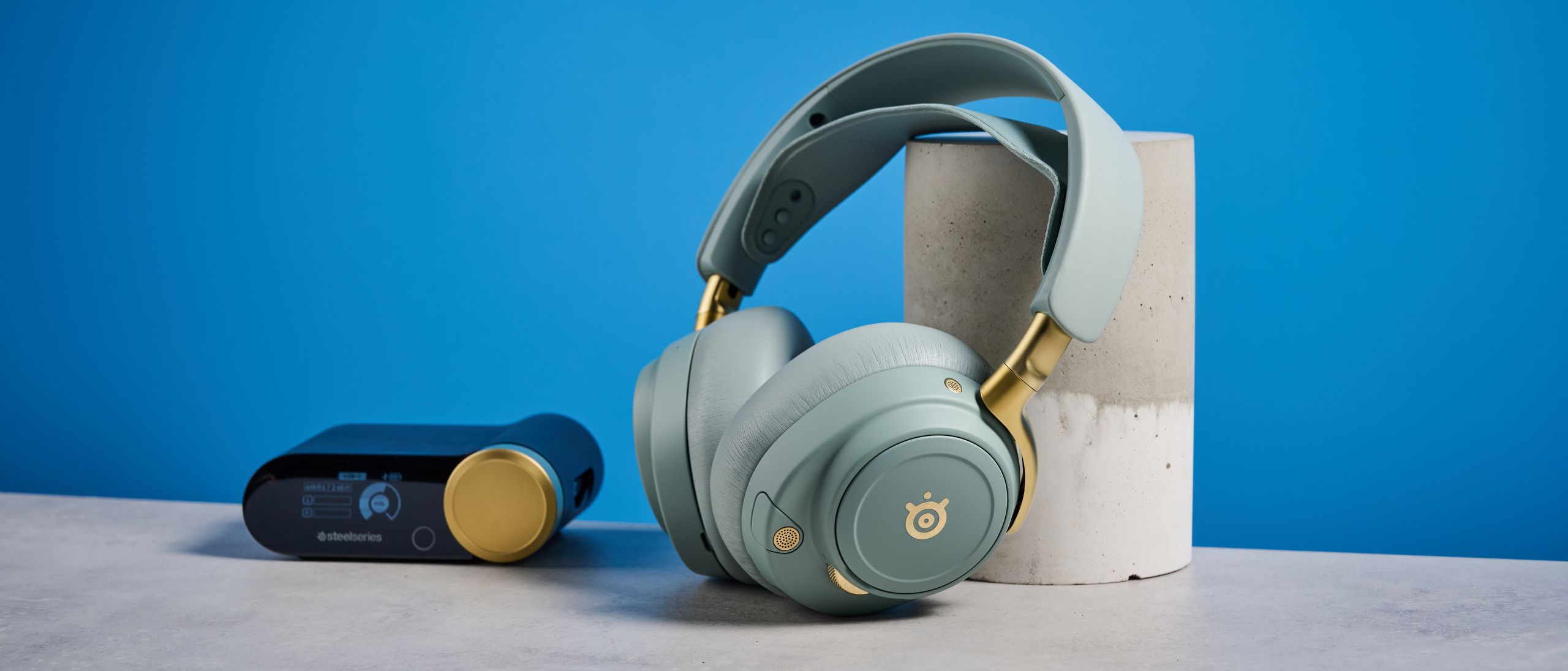
The SteelSeries Arctis Nova Elite is the most expensive gaming headset I can remember seeing. Feel free to correct me in the comments if I’m wrong, but with its $600 MSRP, I don’t think I am.
That’s right! Six. Hundred. Dollars. So what does that get you?
Well, excellent sound quality for a start. The Arctis Nova Elites can mix it with the best gaming headsets out there in the sound department — the Audeze Maxwell being the primary contender (the headset I’ve been using for around 18 months now).
The mic is fairly good, it’s super comfortable, there’s a handy USB hub included and battery life is phenomenal. I’m not sure any of that adds up to $600, though, especially when the headphone and microphone noise cancelation is fairly lackluster.
SteelSeries Arctis Nova Elite review: Cheat sheet
- What is it? A premium gaming headset from SteelSeries
- Who is it for? Gamers with lots of spare change
- What does it cost? $599 / £599
- What’s good? The sound quality, comfort, battery life and USB hub
- What’s not? The price (obviously) and lackluster noise cancelation
SteelSeries Arctis Nova Elite review: Specs
|
Price |
|
|
Colors |
Black; sage & gold |
|
Platforms |
PC, Mac, Xbox, PS5, Switch, Meta Quest 2 & 3, iOS, iPadOS, Android |
|
Connectivity |
Wired, 3x 2.4Ghz, 1x Bluetooth |
|
Battery |
2x rechargeable |
|
Battery life |
60 hours combined |
|
Frequency response |
10-40,000Hz |
|
Drivers |
40mm carbon fiber |
|
Multipoint connectivity |
Yes |
|
Paired devices max |
4 (2x 2.4G, 1x BT, 1x Wired simultaneously) |
|
Microphone |
1x boom mic; 1x beamforming mic |
|
Weight |
13.4 ounces |
SteelSeries Arctis Nova Elite review: The ups
Excellent sound, endless comfort, a handy USB hub and supremely strong battery life — there’s a lot to like about the Arctis Nova Elite.
Fantastic sound
To put it simply, the Arctis Nova Elite sounds fantastic. The headset can handle high-resolution 96kHz/24-bit audio (although Xbox and PS5 can only output CD-quality 44kHz/16-bit). For game testing, I used the headset wirelessly over 2.4GHz via the USB hub to stream sound in hi-res.
Its 40mm drivers are smaller than the 50mm drivers on the Alienware Pro Wireless Gaming Headset and the 90mm units on the Audeze Maxwell. But it isn’t all about driver diameter — the Maxwell’s are planar magnetic (which are typically larger), delivering more clarity in the highs but slightly less bass. The Nova Elite’s dynamic drivers are made from carbon fiber, with a brass support ring around the edges to reduce movement, shaking and distortions. I’m not sure how much the support ring is actually doing, but either way, audio is very clean, even down to sub bass.
The drivers have a 10-40,000Hz frequency response range, meaning they can replicate a very wide array of sound. The Audeze Maxwell drivers have a 10-50,000Hz response range, but the extra high frequencies are a fairly moot point, as the human ear can only hear up to around 20,000Hz.


10Hz is nice and low, for plenty of bass detail. And indeed, low frequency response is excellent. The drivers were able to faithfully replicate the huge, deep booms of artillery in Isonzo and Hell Let Loose, not to mention the rumbling of approaching enemy tanks in the latter.
Sound separation is also very good. Higher frequencies are generally where you’ll find footsteps and lighter noises, which can give enemies away, but with fewer drivers, these can often get lost and muddied among other sounds. Not so with the Nova Elite. I was able to discern footsteps and puddle splashes among the gunfire, artillery barrages and loud voice chat of Hell Let Loose, giving me an advantage when sneaking around behind enemy lines.
A wide soundstage and spatial audio also help here. During the aforementioned snooping, I was able to discern not just that enemies were approaching me, but also where they were coming from.
Music
The Arctis Nova Elite headset is marketed by SteelSeries as being suitable for daily use as a standard set of headphones. As such, I also tested the headset with an array of music via Qobuz, our favorite music streaming service for audiophiles thanks to its high-res 192kHz/24-bit playback. For music testing, I used the headset wirelessly over 2.4GHz via the USB hub, and over Bluetooth when away from my desk.
Again, sonically, the Arctis Nova Elite performed well. Dream police by Mk.gee nicely demonstrated the headset’s wide soundstage and strong tonal separation. It felt like being sat in the studio as Mk.gee recorded it: bongos on the right; some soft clacky percussive thingy on the left; bass enveloping me on all sides; the lo-fi, discordant riff and Mk.gee’s semi-surreal vocals floating above everything.
Next up, Honey Bucket by Melvins, whose two simultaneous guitar riffs can easily blend together in the mid-tone sludge. Not so here: I could pick ‘em both out with ease.
Listen along to my testing playlist below:
To round off the testing, some bassy stuff: Ikigai by Burn Water, a melancholic, ethereal piece of modern ambient electronica; and Sub Island by Skream, an early U.K. dubstep humdinger and shatterer of my teenage car speakers. The 40mm drivers excelled for both, with powerful, rich sub bass and not a hint of distortion or shakiness.
Admittedly, the sound isn’t quite as refined as a pair of truly excellent audiophile headphones; there’s not quite the same space as I’m used to with my B&O Beoplay H95s, for instance. But for a gaming headset (even an expensive one), it’s a solid showing.
Very comfortable
I find the Arctis Nova Elite headset extremely comfortable. My previous headset was the Audeze Maxwell, but I prefer the taller shaping of the Nova Elite earcups, which feel much more spacious.
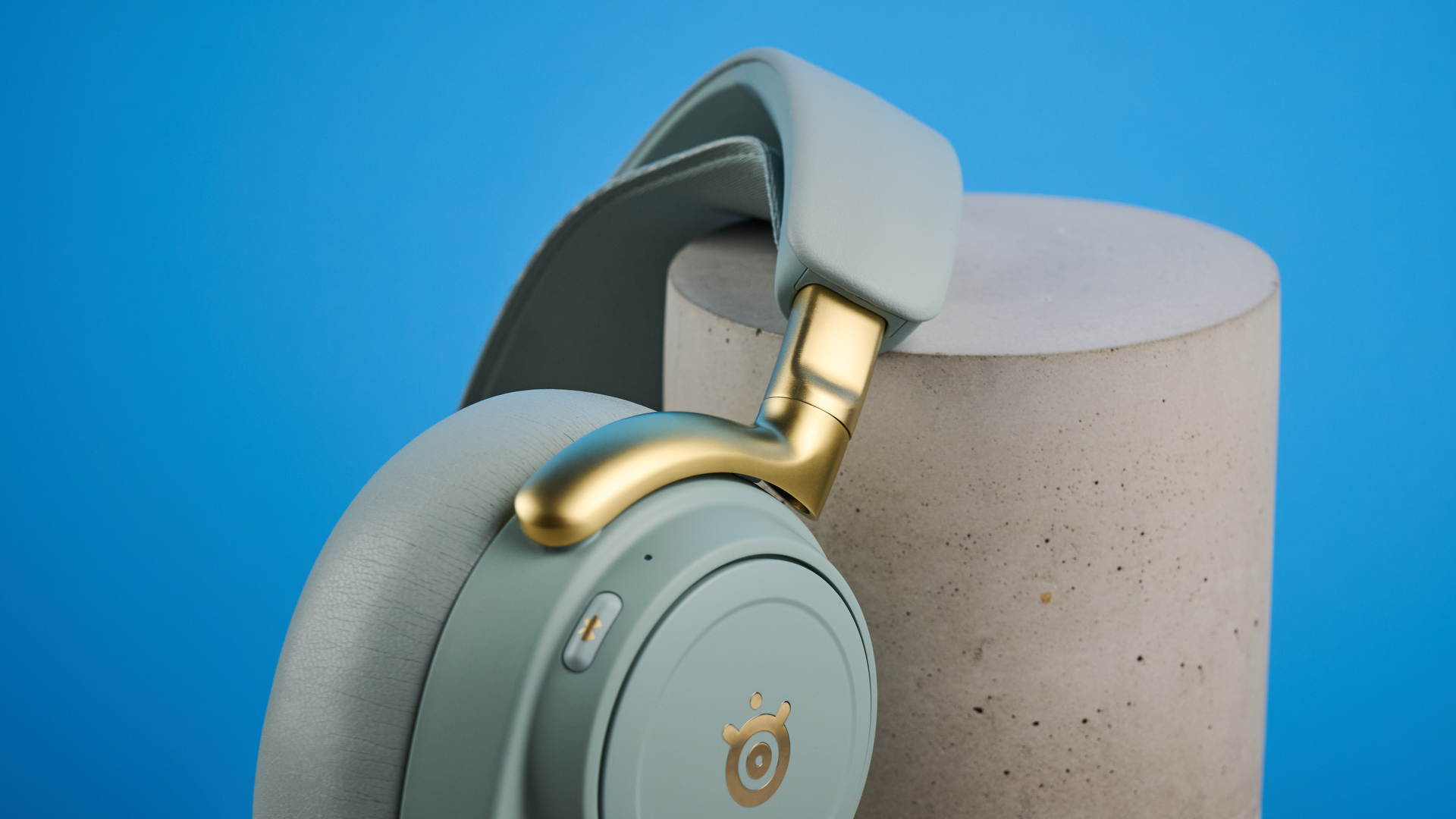
The earcup pads are pillowy soft, with memory foam innards and vegan leather outers. The outers are definitely less breathable than on other headsets I’ve used, and I’ve found my ears getting a little hot around the 4-5 hour mark. But nothing the occasional off-and-on-again doesn’t solve.
The suspended headband design — now commonplace on higher-tier headsets — is lovely, helping the Arctis Nova Elite sit weightlessly on your head. I’ve used the headset for numerous 7-8 hour stints with very few complaints, aside from the slightly warm ears mentioned above.
Adjustment of the Arctis Nova is done via sliding the earcups (y’know, the normal way). See, on my Audeze Maxwell headset, adjustment is seriously frustrating. It’s done by moving the inner suspended headband, and there are only three levels of adjustment. I’m in between two levels, the only solution to which is having the Maxwell adjusted higher on one side than the other — this leaves the headset feeling lopsided. After 18 months on the Maxwell, it’s been such a relief to have a headset sitting symmetrically again.
Useful USB hub
The Arctis Nova Elite headset comes with a supremely handy USB hub, which can connect to three devices via USB-C (2x PC/PlayStation, 1x PC/Xbox). There’s also a line-in for an external mic, and a line out for wired playback. This allows you to hook up multiple devices simultaneously and mix the sound.
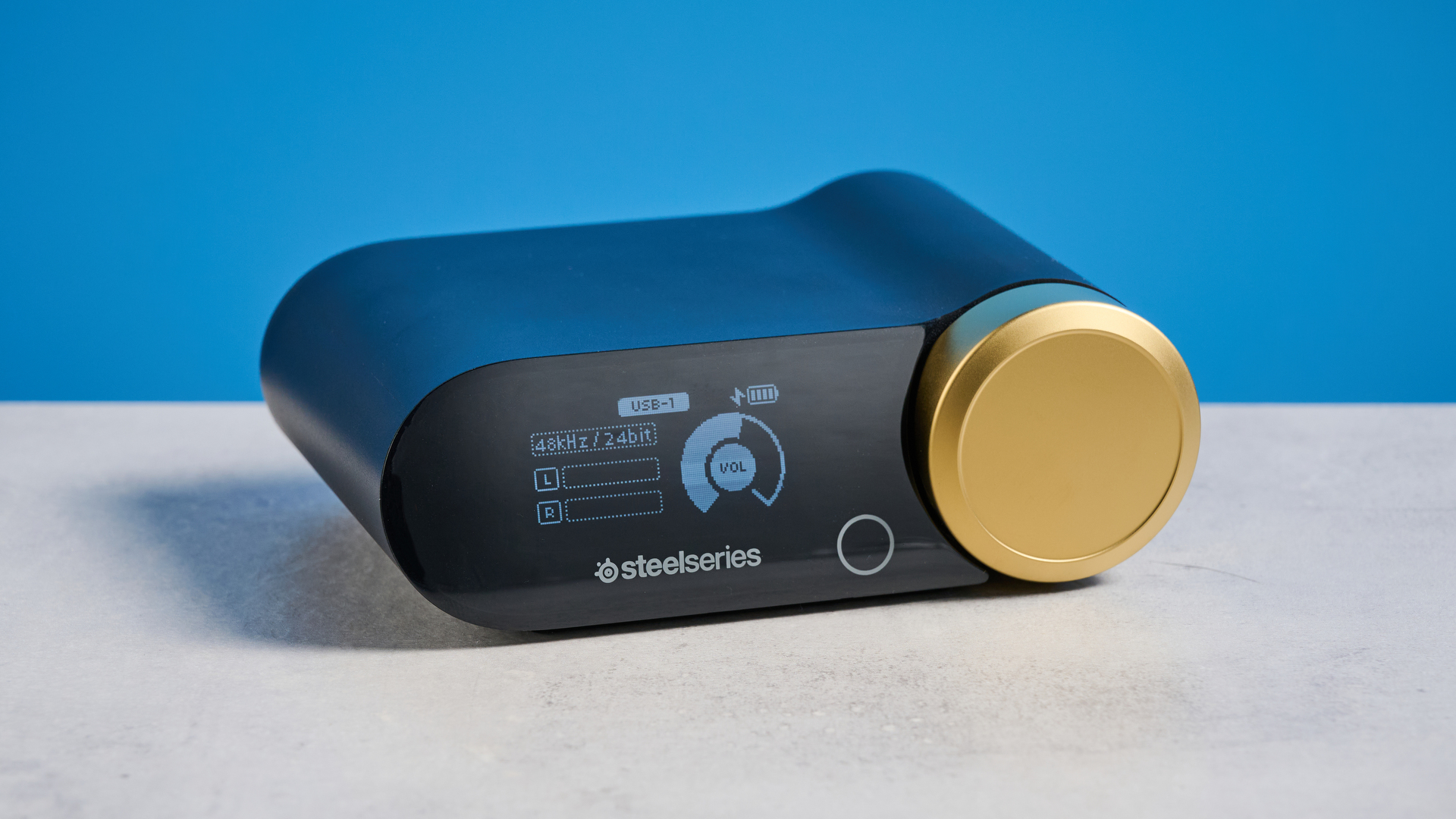
I only game on PC, so I just had my gaming rig and work laptop hooked up to the hub. I found it incredibly useful during testing to have the sounds of my work calls mixed into the games I was playing for testing. I could work and game at the same time (to an extent).
You can use the USB hub to mix two of the USB channels, although it’s a little crude. You’re better off using the Sonar panel in the SteelSeries GG app, which we’re well acquainted with here at Tom’s Guide from testing previous SteelSeries gear like the SteelSeries Arctis Nova 5. Sonar is probably the easiest way to keep your channels mixed and audio balanced when using the Arctis Nova Elite, especially if running more than two and/or an external mic simultaneously.
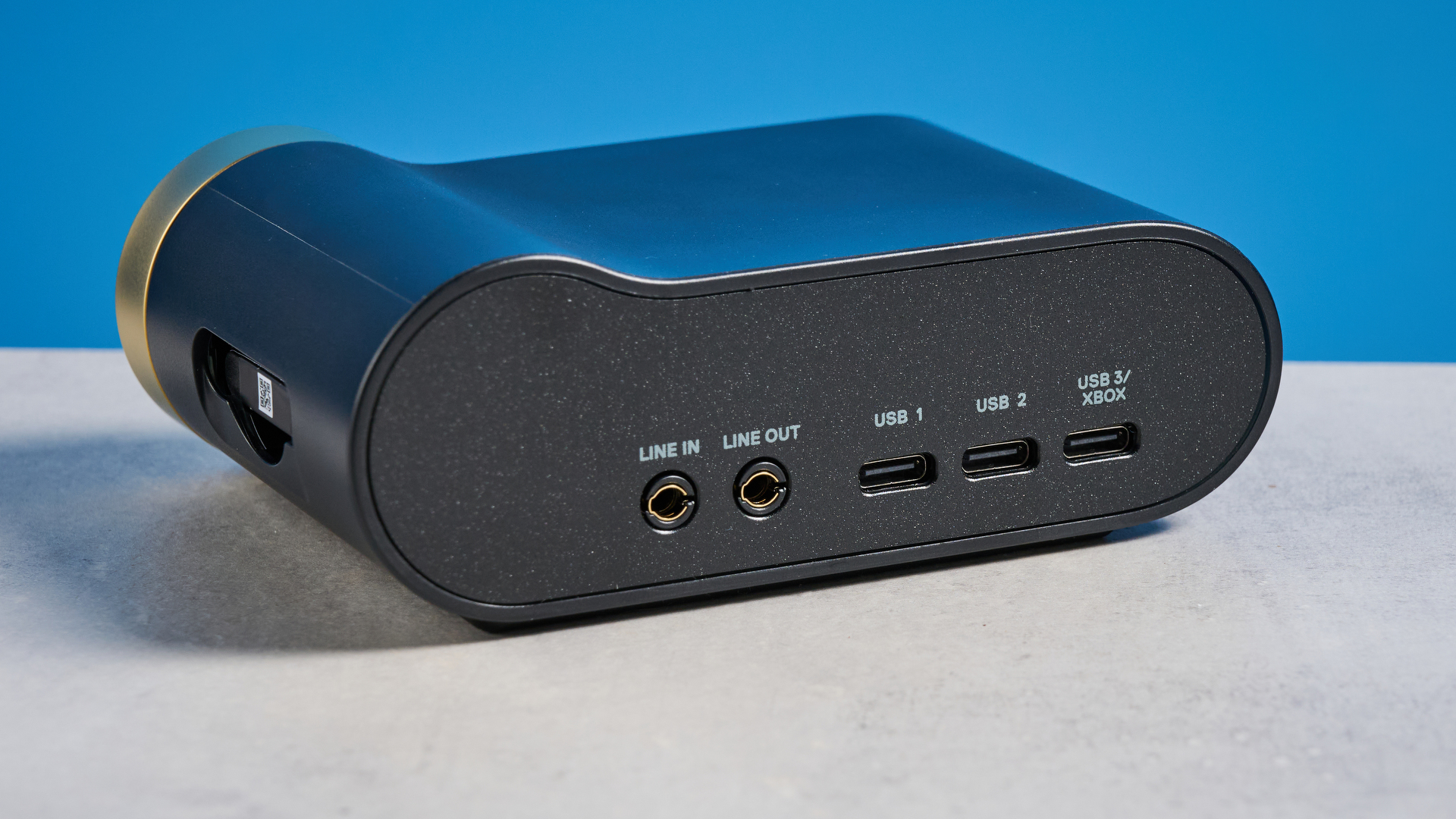
The hub controls are best suited for fiddling with quick, important settings on the fly while gaming, letting you tweak audio levels, EQ, ANC and microphone settings without needing to switch to the GG app.
Thanks to the multiple-device connectivity and easy control over settings, the hub is probably my favorite thing about the Nova Elite. It has me seriously considering whether I want to return to the Audeze Maxwell.
Fairly good microphone
The boom mic’s core performance is fairly good, as gaming headsets go (although the environmental noise cancelation isn’t, as I’ll cover later). It’s certainly a lot cleaner-sounding than the mics of the Razer BlackShark V3 Pro and Alienware Pro Wireless Gaming headset.
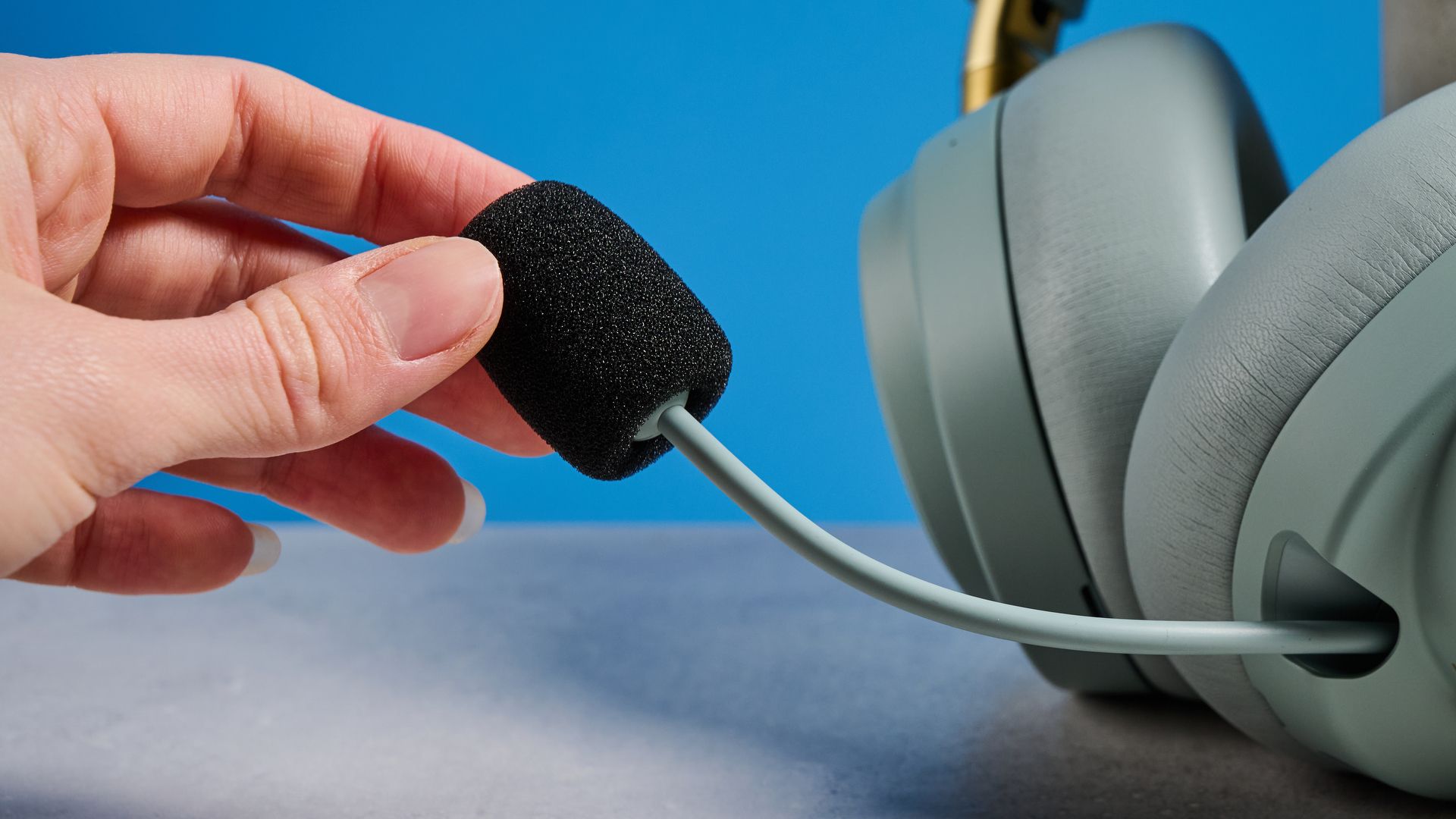
On all my test recordings and on calls with colleagues, my voice is nice and clear. There’s a bit of fuzziness, which none of the microphone EQs helped very much — not even the two broadcast EQ presets — as you can hear in the audio test clip below.
That’s all fine and dandy for in-game chat, although this is a $600 headset, so it ought to be good. It’s important to remember, though, that a headset boom mic won’t ever compete with one of the best mics for streaming, like the Shure MV6 ($149), Shure MV7+ ($279) and Cherry Ngale R ($96). If you’re going to be on stream and do have $600 going spare, I’d recommend you pick up a cheaper headset like the Audeze Maxwell or Razer BlackShark V3 Pro and invest in one of the dedicated mics above.
Strong battery life, no downtime
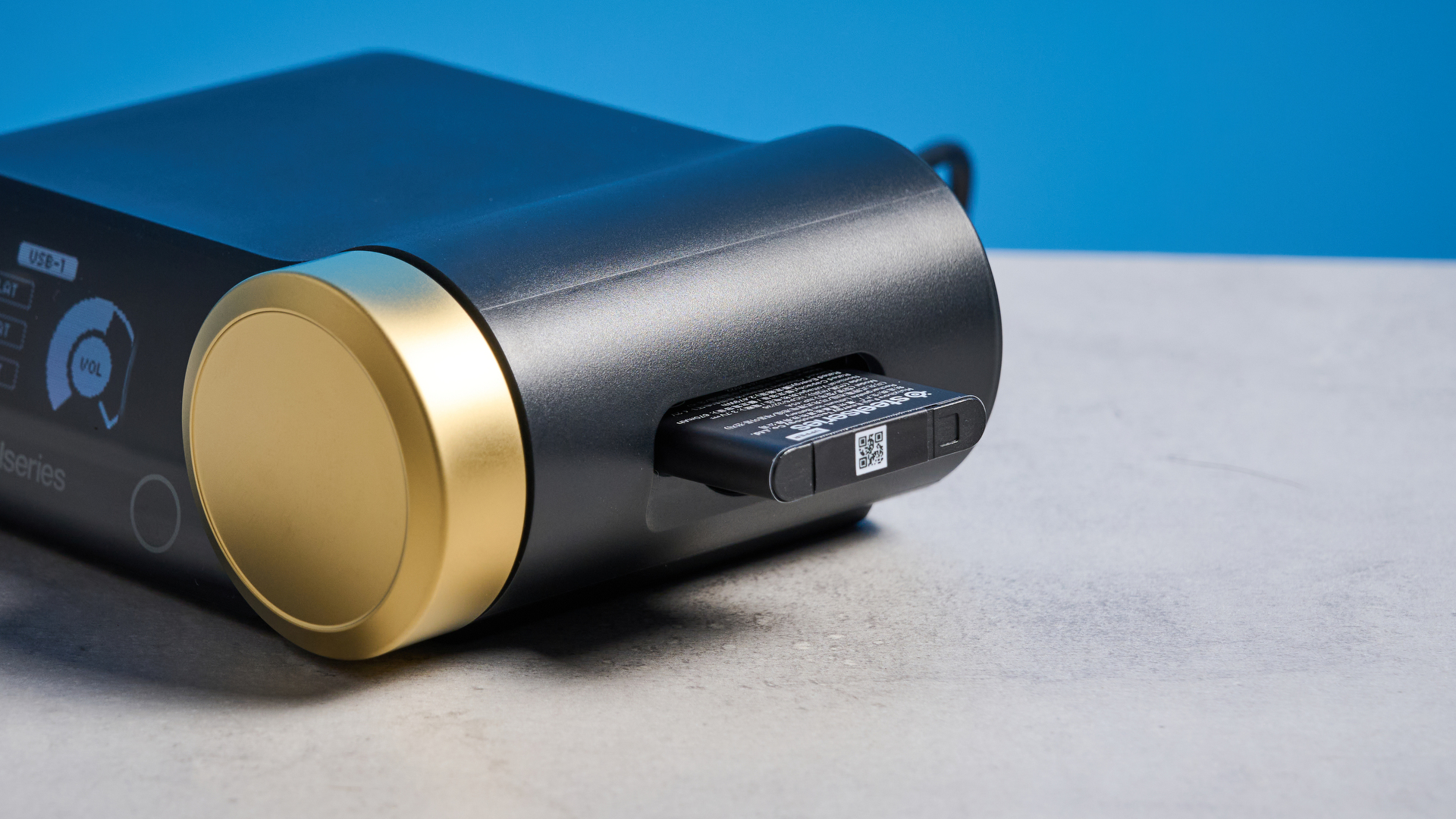
SteelSeries rates the Arctis Nova Elite for 30 hours per full battery, which I can confirm to be accurate. On my battery test, after around 15 hours of mixed use, I still had 53% of charge remaining.
The battery life doesn’t really matter, though, at least when using the headset at home. In the box are two batteries, one of which you can leave on charge in the USB hub (which has a battery charging port). You charge one while using the other, meaning you always have a fresh battery, so no downtime.
SteelSeries Arctis Nova Elite review: The downs
The Arctis Nova Elite’s attributes are undermined by its unfathomably high price, and when something is priced this steeply, its other flaws have nowhere to hide.
Ludicrous price tag
Unfortunately, despite all its virtues, the Nova Elite is massively overpriced at $599 / £599. Something we’ve previously loved about other SteelSeries gear, like the Arctis Nova 3 and Nova 5, is the balance of affordability and performance, so it’s frustrating to see the Nova Elite priced so steeply.
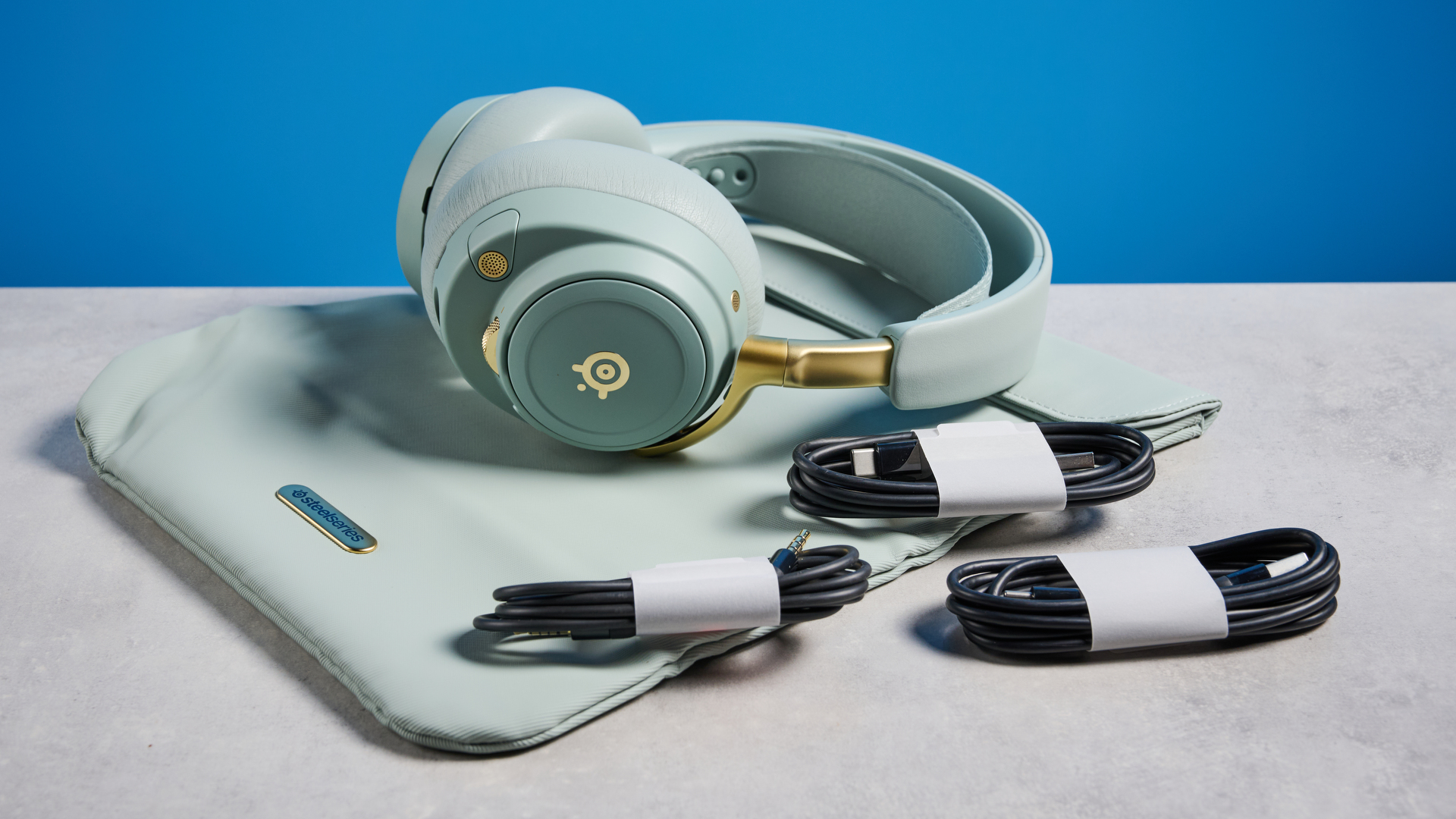
Don’t get me wrong, it’s a premium headset with some very attractive features, and high-end gear like that will always cost you. But come on, SteelSeries… $600?
The sound is good, yes, perhaps better than the $300 Audeze Maxwell, but there’s really not much in it, and there’s certainly not a $300 delta. I mentioned my high-end B&O H95 headphones earlier — those are about $600 these days, and the sound is much more refined. In other words, $600 is seriously-good-headphone-money. And as good as the Arctis Nova Elite sounds for a gaming headset, I seriously doubt it’d make a recently-$600-poorer audiophile feel pleased with their purchase.
Sure, you get a very handy USB hub and a spare battery, but again, that ain’t worth an extra $300 in my book, either.
Subpar microphone noise cancelation
If SteelSeries’ marketing is to be believed, the Arctis Nova Elite’s microphone noise rejection “removes up to 97% of background noise. So powerful, even a helicopter can’t beat it.” Well, I’m not so sure about that.
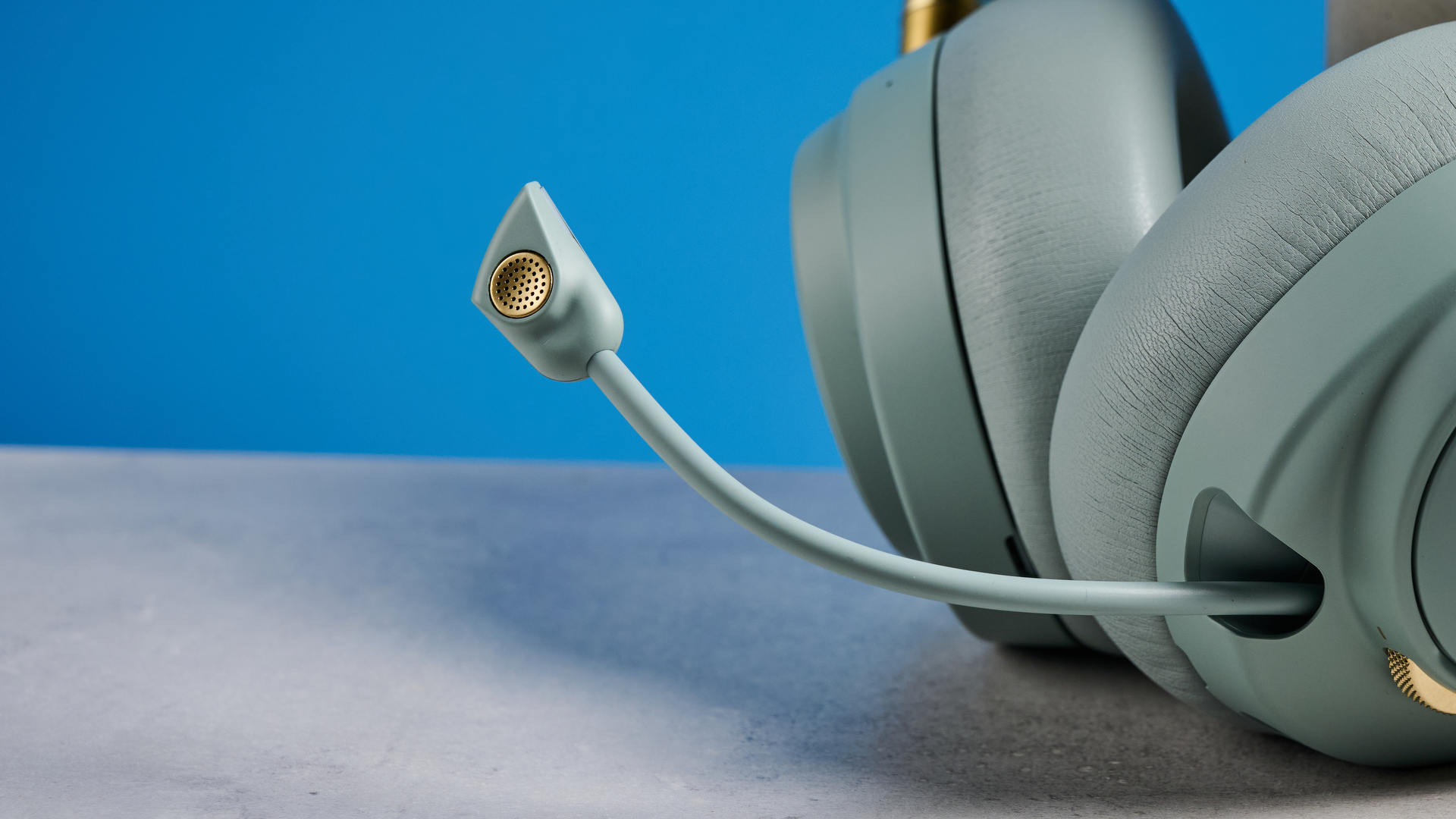
In the first clip below, I played a coffee shop ambient noise backing track at around 50% volume on my iPhone 17 Pro Max, which is still audible in the recording. There isn’t a huge difference between the ‘High’ and ‘Low’ settings either.
More importantly, in the second clip below (recorded using the High noise reduction setting), I typed with my NuPhy Halo75 V2 — a moderately loud keyboard — while talking. The keyboard noise is clearly audible. I also had to ask my wife to stop typing during all of my microphone tests, as the light clack of her Keychron V8 Max was also making it through the noise rejection algorithm. Now, I’m no pilot. I haven’t spent much time on airfields. But I’m pretty sure helicopters are louder than coffee shops and keyboards.
The noise rejection isn’t totally useless — it certainly cuts out some background noise. But I’d argue that a $600 gaming headset that’s marketed as being “so powerful, even a helicopter can’t beat it” should be able to cut out the sound of a keyboard.
“Best ANC in gaming”?
According to SteelSeries, the Arctis Nova Elite boasts the “best ANC in gaming.” Another rather far-fetched claim. Without anything playing, the ANC is pretty poor. In the office, with the ANC enabled and set to “high,” I could still hear my colleagues speaking and typing on their keyboards.
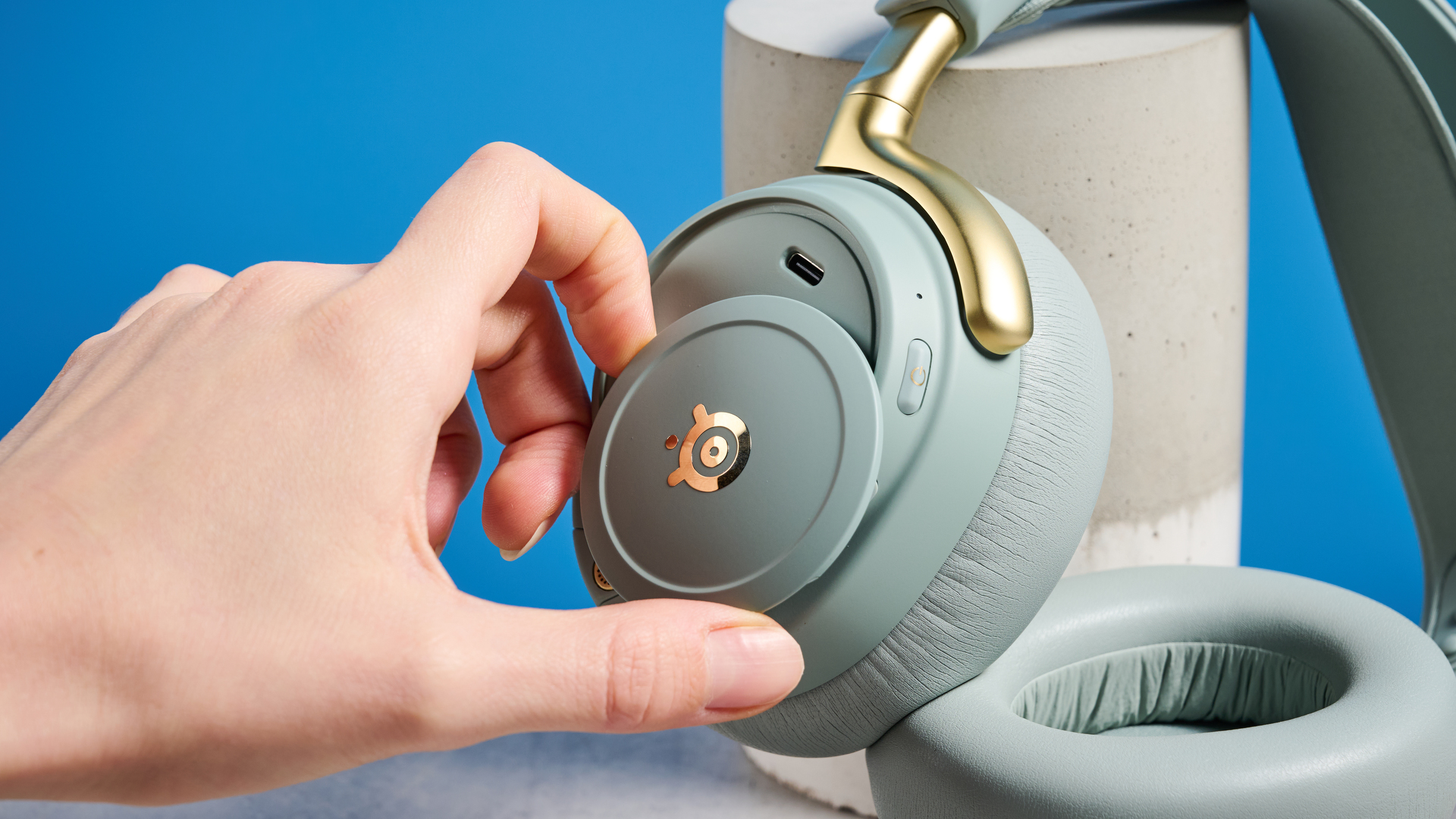
With media or games playing to help mask sound, things are admittedly better. However, in quieter games, I still experienced intrusive external noise. During some quieter downtime exploring the countryside of Kingdom Come Deliverance 2, I could hear my wife’s keyboard, the road noise outside and even one of my dogs crying downstairs (she expects her dinner at precisely 5.30 p.m., and not one minute later). When testing in the office, even with music playing, I was still able to hear colleagues talking around me.
The ANC isn’t awful, and it’s pretty good at cutting lower frequencies, but it certainly isn’t best-in-class. It’s nothing on the ANC system in the Razer BlackShark V3 Pro headset, for instance. And I wouldn’t be satisfied with the Nova Elite’s ANC if using the headset out and about for general daily use.
Earcup caps fall off easily
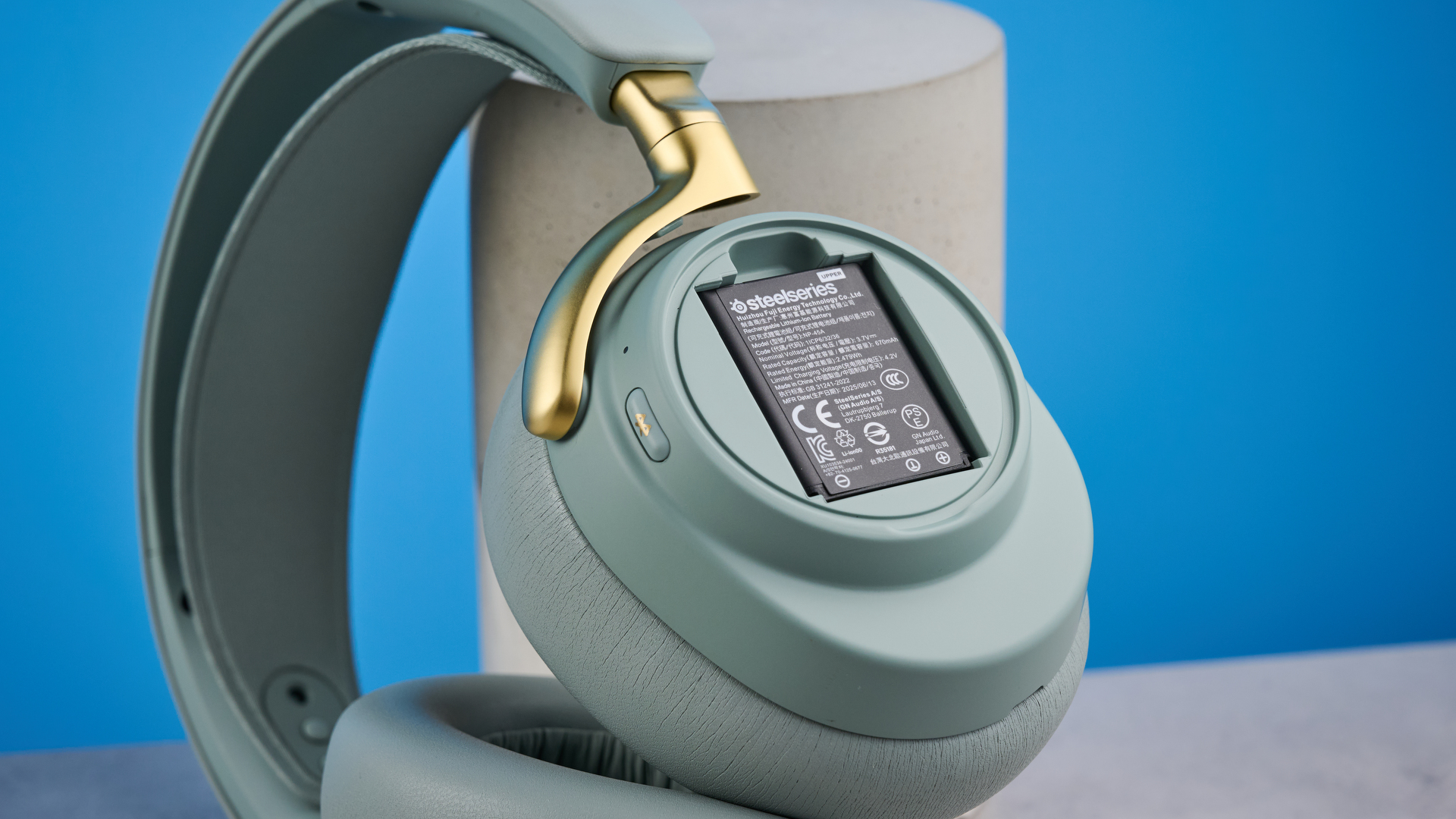
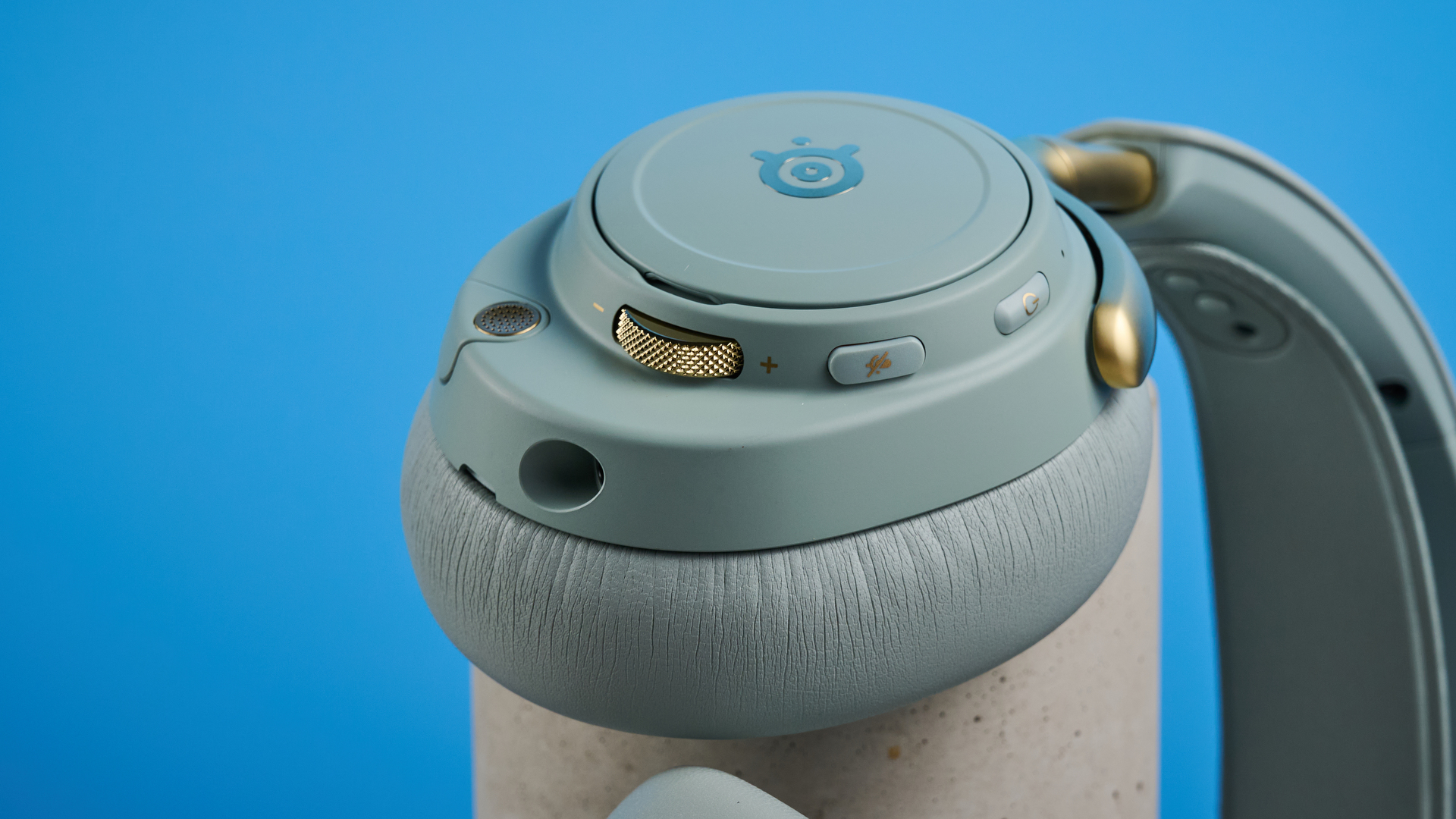
The sides of the Arctis Nova Elite earcups are covered by a circular plastic cap, which is held in place magnetically when rotated to the correct position. Unfortunately, the magnet isn’t particularly strong, meaning the disks are liable to rotate and subsequently dislodge. This doesn’t affect performance, but it’s annoying and exposes the battery to the elements and/or potential loss.
SteelSeries Arctis Nova Elite review: Verdict
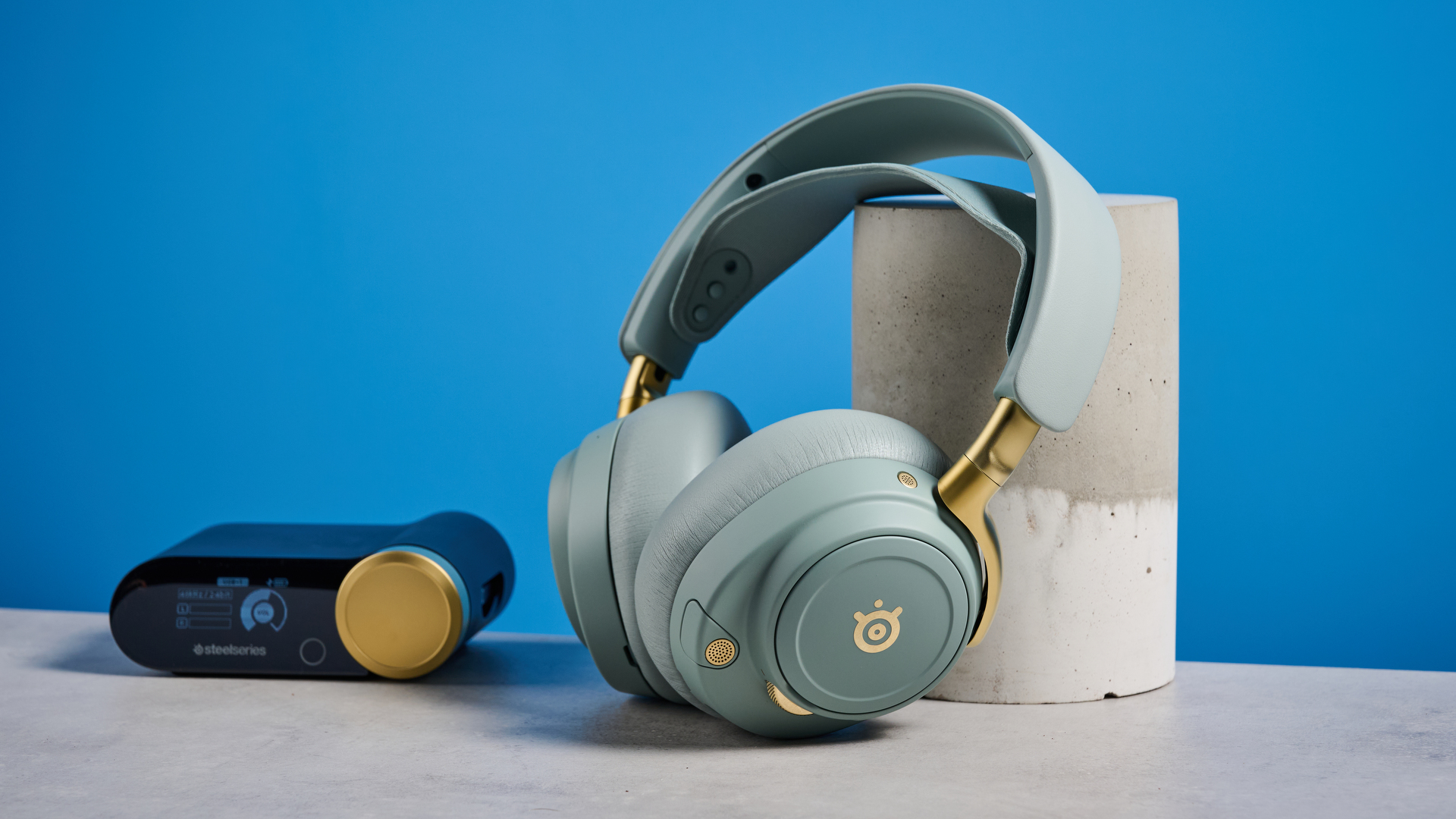
This has been a supremely tricky review to write. There’s a whole lot of stuff I love about the Arctis Nova Elite headset. It sounds fantastic, is supremely comfortable, has a truly handy USB hub and plenty of connectivity options and boasts phenomenal battery life.
It just costs way too much, which is why I haven’t awarded one of our higher scores that come with a Tom’s Guide Recommended or Editor’s Choice badge. SteelSeries has seemingly based the pricing primarily on the audio quality, and yeah, it’s good, but it doesn’t sound like a $600 set of cans — nor does it sound $300 better than the fantastic Audeze Maxwell. The high price also compounds the Arctis Nova’s other flaws, primarily in the noise cancelation department — with a $600 MSRP, there’s nowhere to hide.
This isn’t a bad headset by any means, which is why I’ve awarded our 3.5-star Good rating. If you wanted a TL;DR, it’d be: good product, silly price.
Source link
-

-

-

-

-