
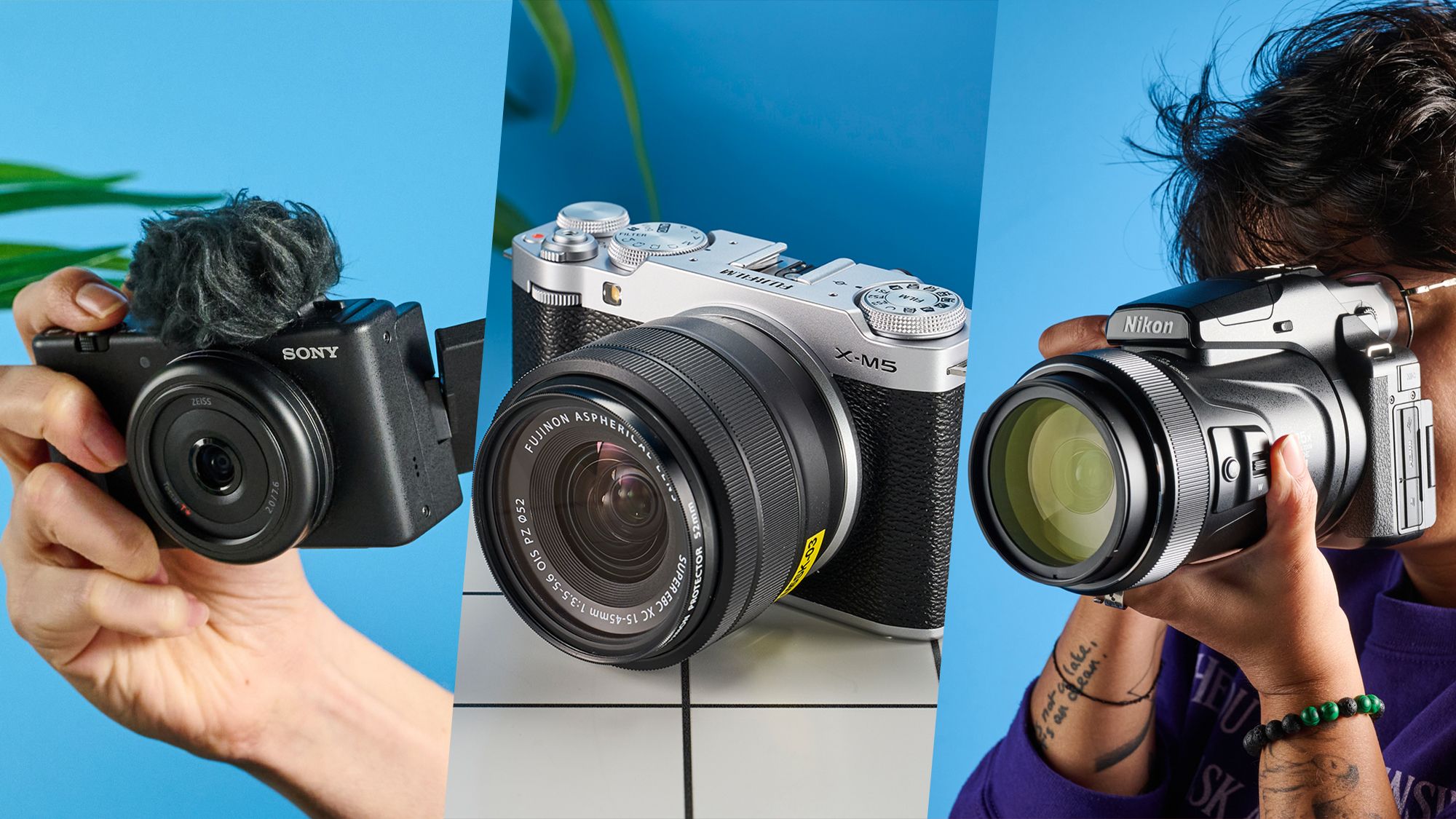
The year’s drawing to a close and many of us are starting to wind down to enjoy the holidays and well-deserved breaks. This is the time of the year when many of us start coming up with New Year’s resolutions, whether they’re related to hitting the gym more often, quitting a bad habit, or picking up a new hobby.
You know what’s a great hobby that I, personally, vouch for? Photography. It’s a wonderful hobby that involves learning new skills and technical knowledge, as well as going outdoors, spending time in the natural elements. Photography can be very rewarding too — take it from someone who has been doing it since she was a child. Nothing beats the feeling when you grab a shot of, say, a bird, that you’ve been vying for for a long time.
Nikita Achanta
Budget pick
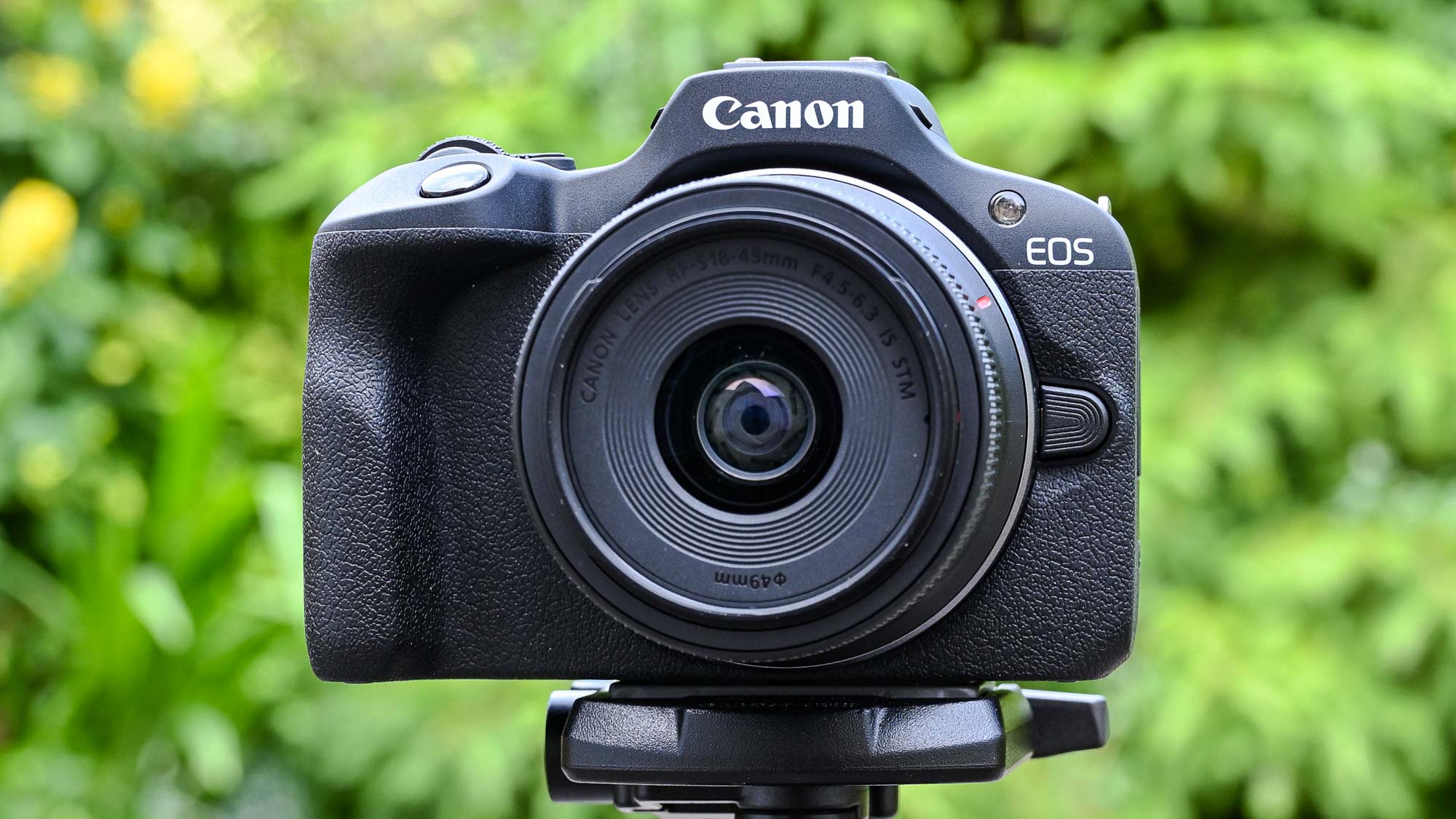
Featuring a 24.1MP sensor, the EOS R100 captures lovely-looking stills which are perfect for sharing on social media. What makes this camera ideal for beginners is the ‘Display Level’ section of the menu which offers a Guided Menu display option, Interactive Mode guide, and a pop-up Feature guide. All of these help you find your way around the camera, and learn how to use different shooting modes. The EOS R100 teaches you photography, basically!
The EOS R100 is an interchangeable lens camera (ILC) which means you can swap its lenses. It’s compatible with Canon’s RF-S (APS-C) and RF (full frame) lenses, giving you the freedom to experiment with different focal lengths, apertures and more. For a beginner camera, this is a great feature to have, as you can always invest in more advanced lenses down the line.
Image 1 of 10








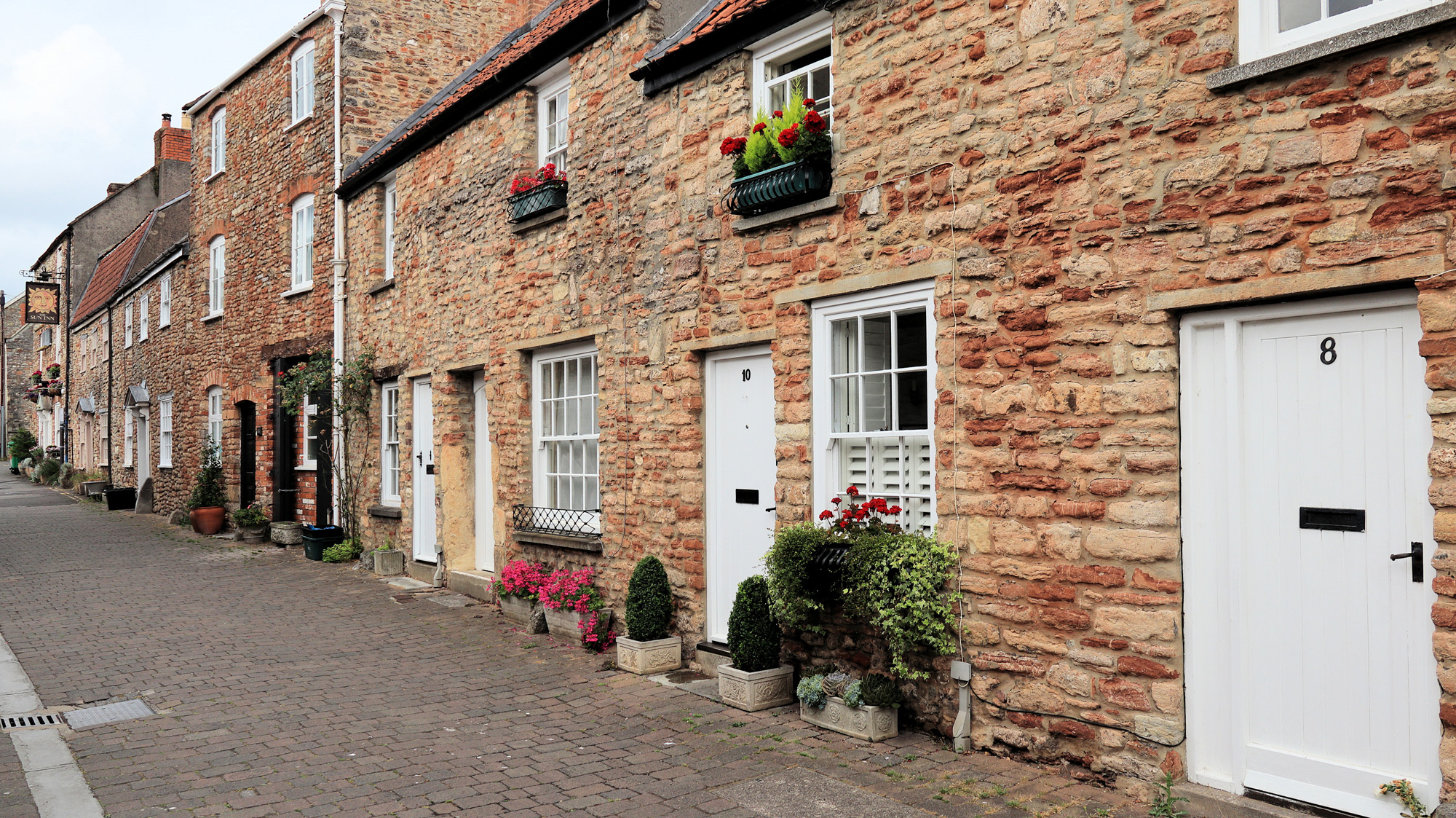




For those who want to capture videos of their family, friends, pets and travels, the EOS R100 is up to the challenge as it can record 4K/25fps video too. It’s the ultimate, beginner-friendly all-purpose camera, which is why I recommend it to every smartphone user looking to build on their photography skills.
Check out more sample images and videos in our Canon EOS R100 review.
Video work
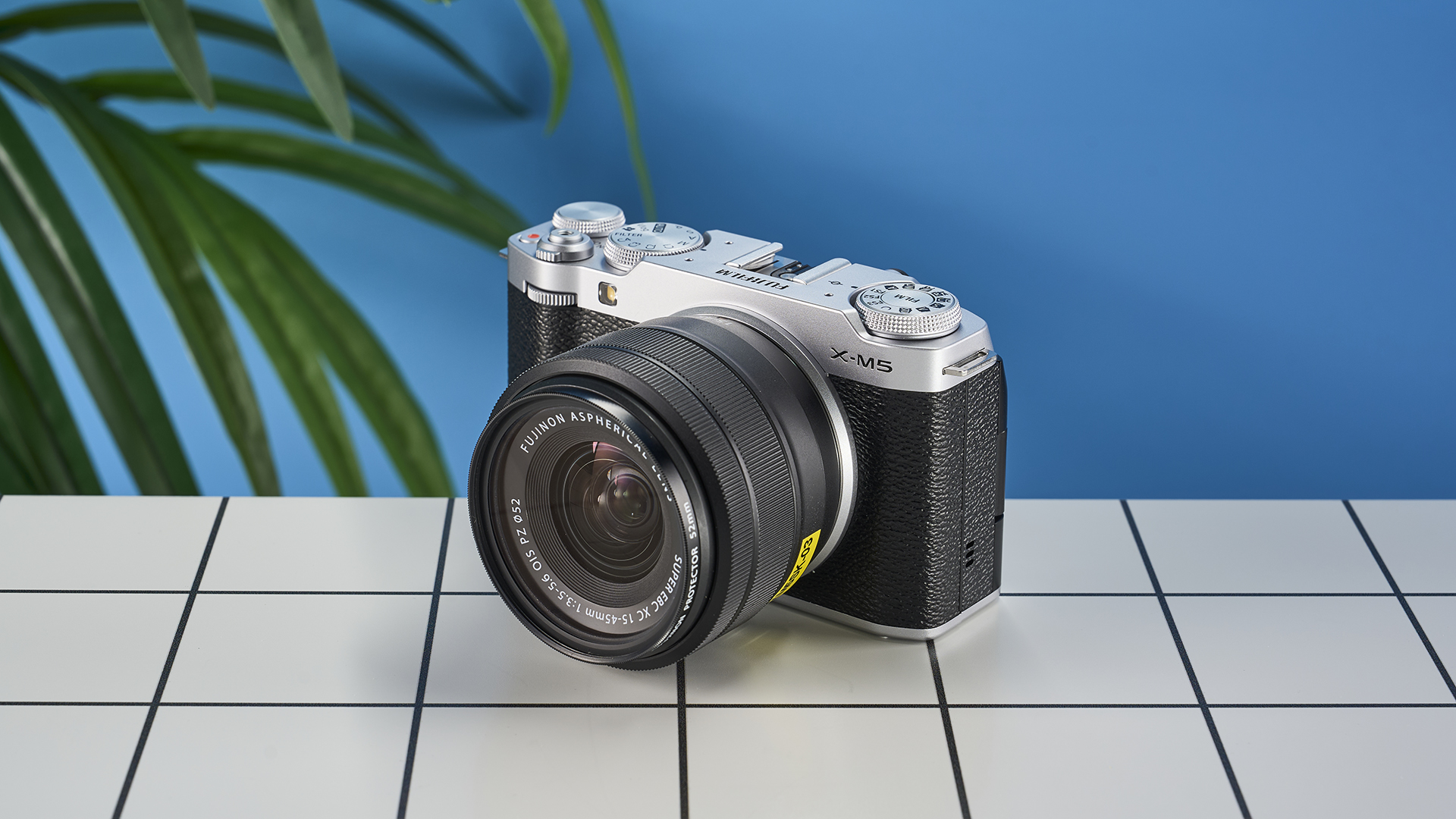

If you want a camera specifically designed for videography, and one that doesn’t break the bank, I’ve got a great recommendation for you: the Fujifilm X-M5. Similar to the Canon EOS R100, you can mount different lenses on to the X-M5, giving you more versatility and freedom. It’s an excellent video and/or vlogging camera, thanks to its ability to record 6.2K/30fps footage. This resolution gives you some headroom to crop to 4K while maintaining a high resolution.
The X-M5 records 10-bit video, which means it’s capable of capturing a wide color gamut with a total of 1.07 billion individual hues. Fuji’s color science is breathtaking so you know you’re getting your money’s worth. It’s a versatile camera as it can shoot detailed, colorful 26.1MP stills too. Autofocus works well in both video and stills, as the camera is quick to lock onto animals and humans.
What makes the X-M5 an absolute steal (in addition to its solid video and photo capabilities) is its compact size, making it a lovely travel companion, and dedicated film simulation dial. Film simulations are, essentially, filters which you can apply to videos and photos, and there are many different ones to choose from. These help you produce usable footage without the need for post-production — something beginners will definitely appreciate.

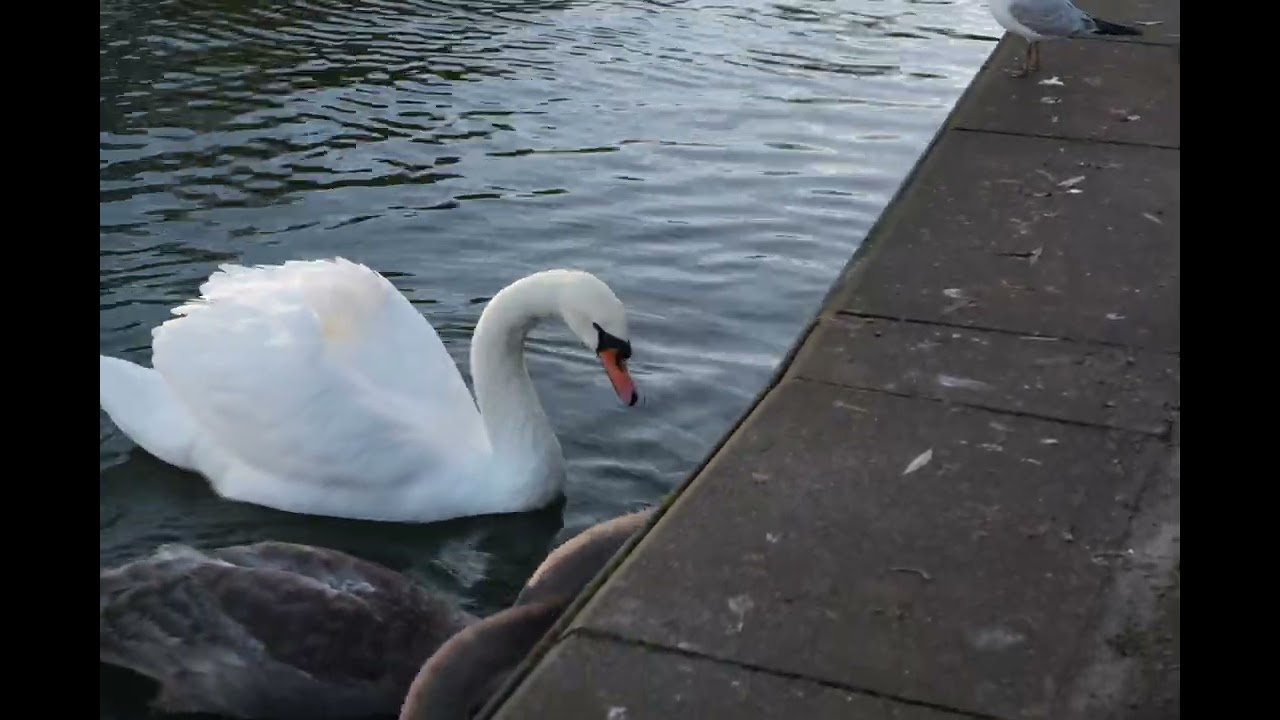
For videography, the X-M5 boasts good audio performance too, thanks to a wind filter and three internal directional mics. You can choose to record surround sound, front or back priority, or front and back priority. The camera captures environmental, ambient sounds as well as human voices well, negating the need to buy an external mic right off the bat.
Check out more sample images and videos in my Fujifilm X-M5 review.
Vlogging on a budget
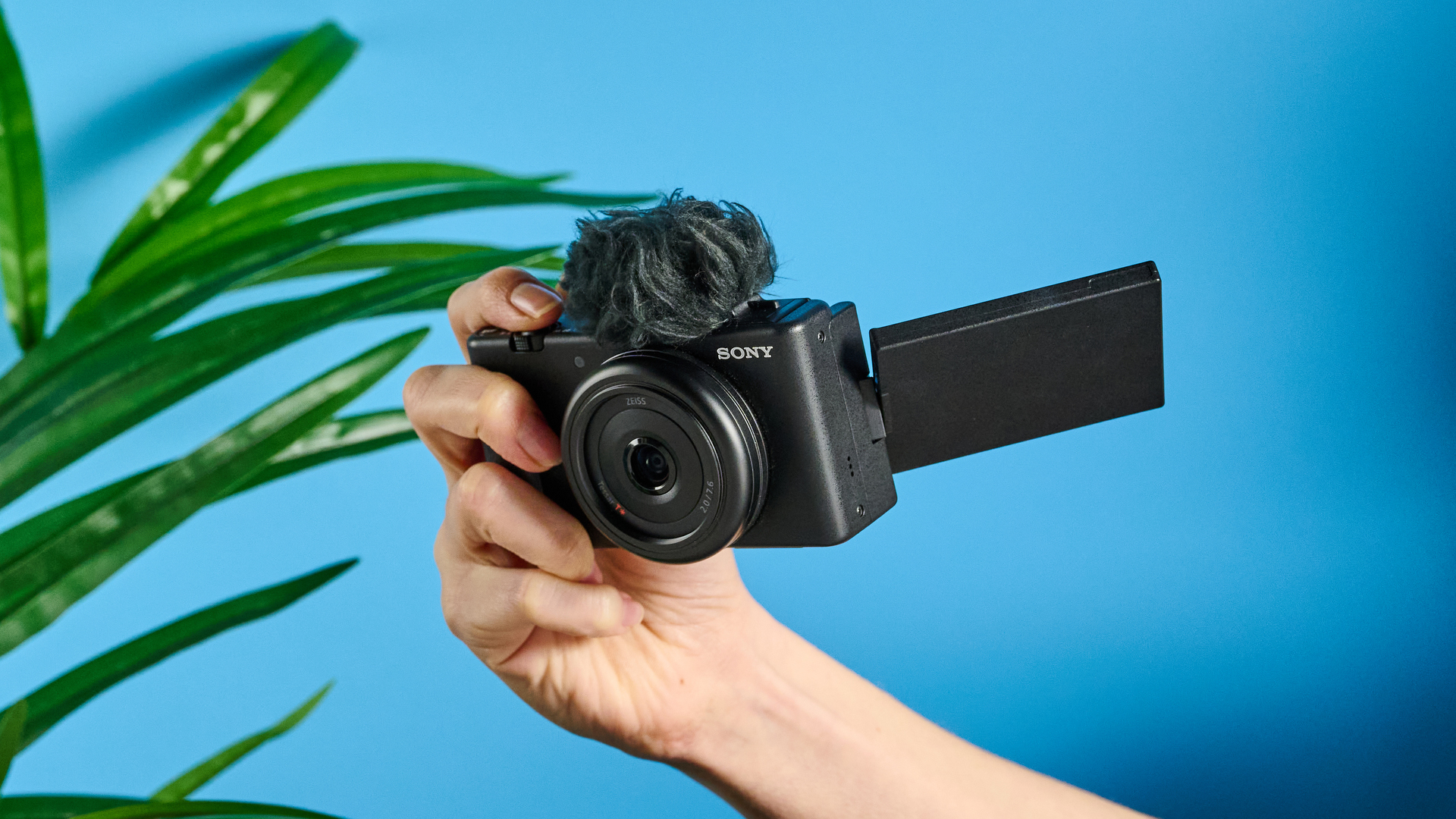
The best cameras can help elevate your content creation, and you don’t necessarily need to spend thousands on one. If you’re planning on picking up a camera specifically for vlogging (perhaps that’s your New Year’s resolution!), it’s worth checking out the Sony ZV-1F, which currently ranks as our best cheap vlogging camera.
Sony’s beginner-friendly vlogging camera is extremely compact and portable, and easy to use. Firstly, it takes nice photos with its 20.1MP sensor, and there are a few color profiles/filters for you to play around with. It shoots great 4K/30fps footage and can shoot in S-Log 3 to capture a wider dynamic range for more freedom in post-production.
The ZV-1F’s prowess lies in its vlogging-specific features, which make it easy to create content. One of these is Product Showcase, where the ZV-1F automatically focuses on the subject close to the camera and blurs the background. This is a great tool for product reviews, for instance, where you want to put the object of your choice front and centre.

There are many other vlogging features to be enjoyed, such as the built-in three-capsule mic with a windscreen for clear audio, Background Defocus for quick transitions, and more. If there’s one camera you need to kick off your vlogging career, it’s none other than the ZV-1F.
Check out more sample images and videos in my Sony ZV-1F review.
Wildlife
My favorite non-human subjects to photograph are birds and animals. I love wildlife photography, so I’m always on the lookout for a camera that will help me achieve lovely shots. Thing is, proper wildlife cameras can be really expensive for many reasons, such as high-speed burst shooting, rapid autofocus, etc. Telephoto lenses designed to capture close-up shots of animals can easily cost you over ten grand.
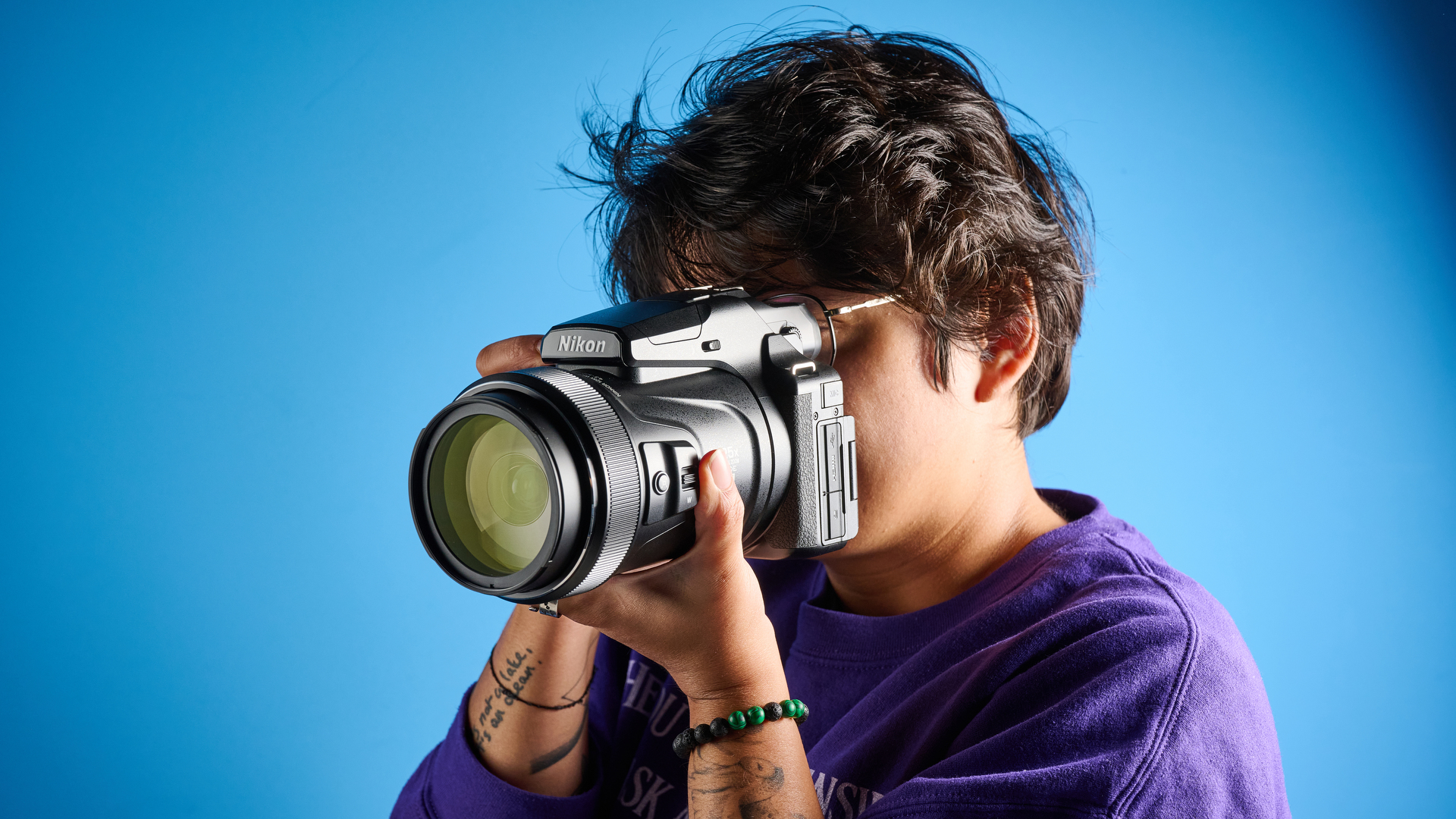
But wildlife photography doesn’t need to be an expensive hobby, and for that reason, I recommend the Nikon Coolpix P1100, a bridge camera featuring a 125x zoom with an effective optical focal range of 24-3000mm (and 6000mm with 4x digital zoom). Though its body is bulky (similar to DSLRs) and the ISO tops out at 6400 which means low-light performance isn’t the best, this is still a fantastic camera to get for bird watching… and moon photography too!
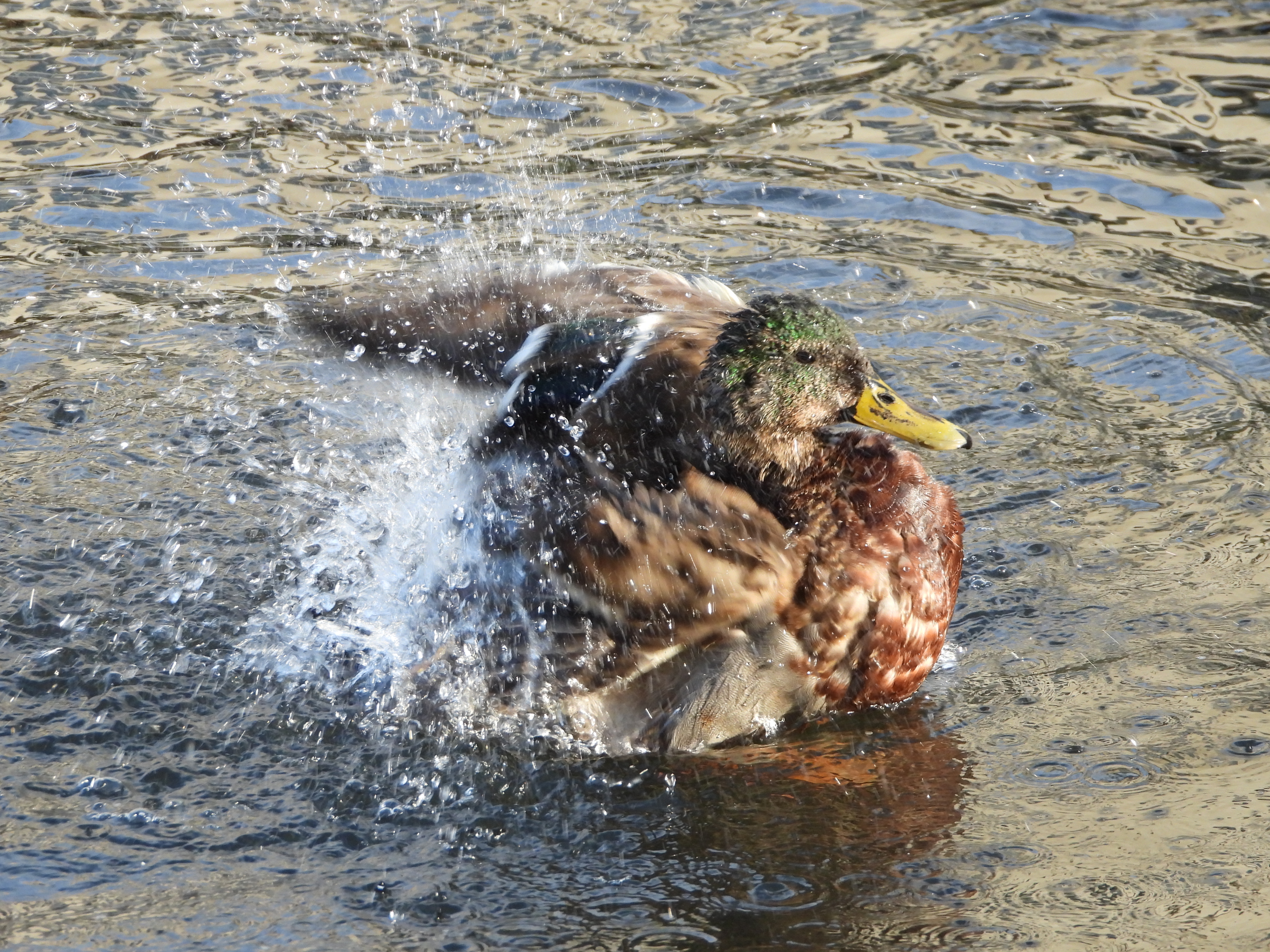
The Coolpix P1100’s biggest selling point is its long-reaching zoom, which helps you get up close and personal with animals without actually disturbing their peace. The modest 16MP sensor captures plenty of detail with great color reproduction. There’s a dedicated Bird Watching mode which toggles the continuous 7fps drive, so you can keep the shutter button pressed and the camera will capture seven frames. This is handy for capturing birds (or animals) in motion/action.
Image 1 of 10

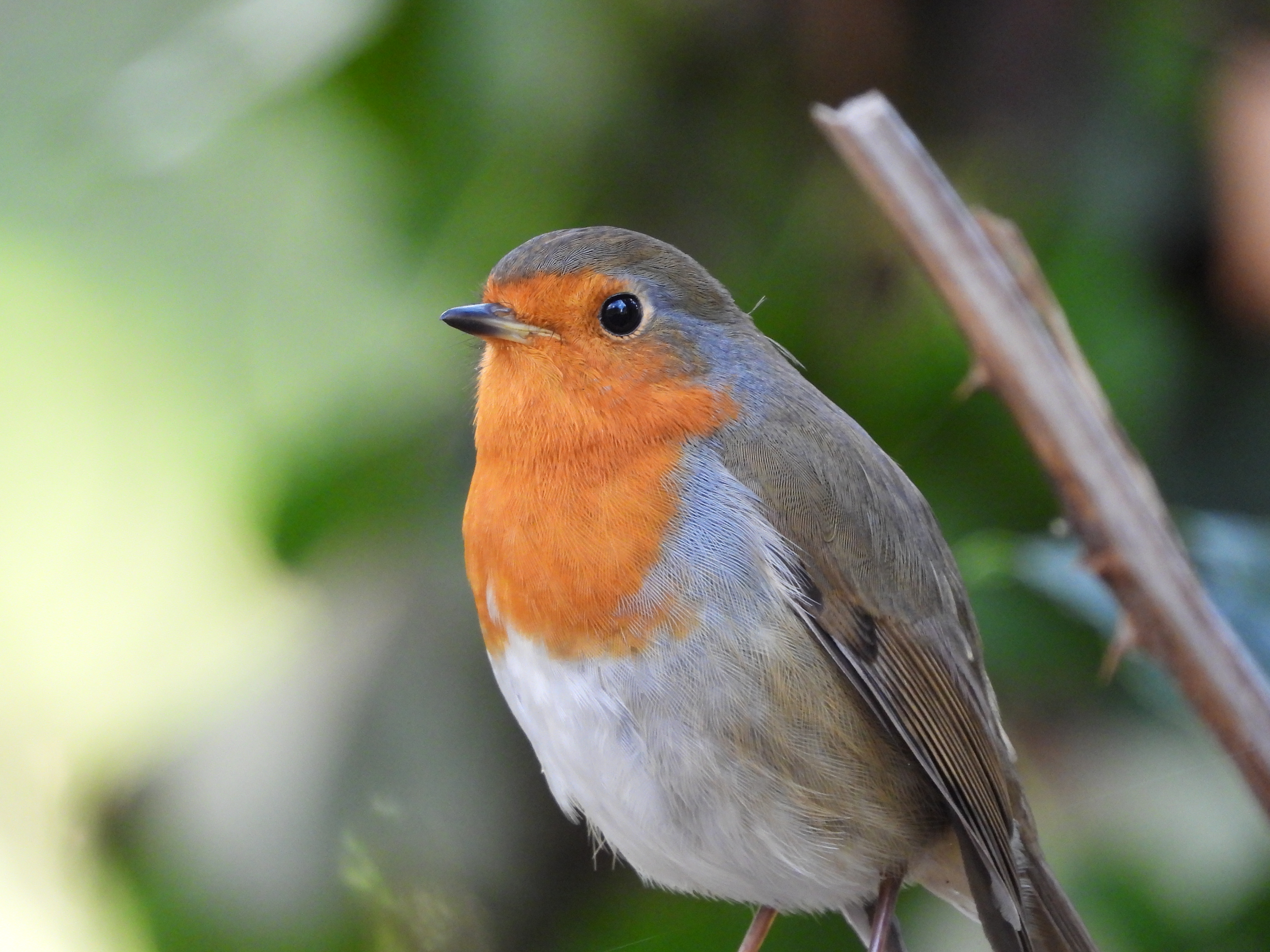

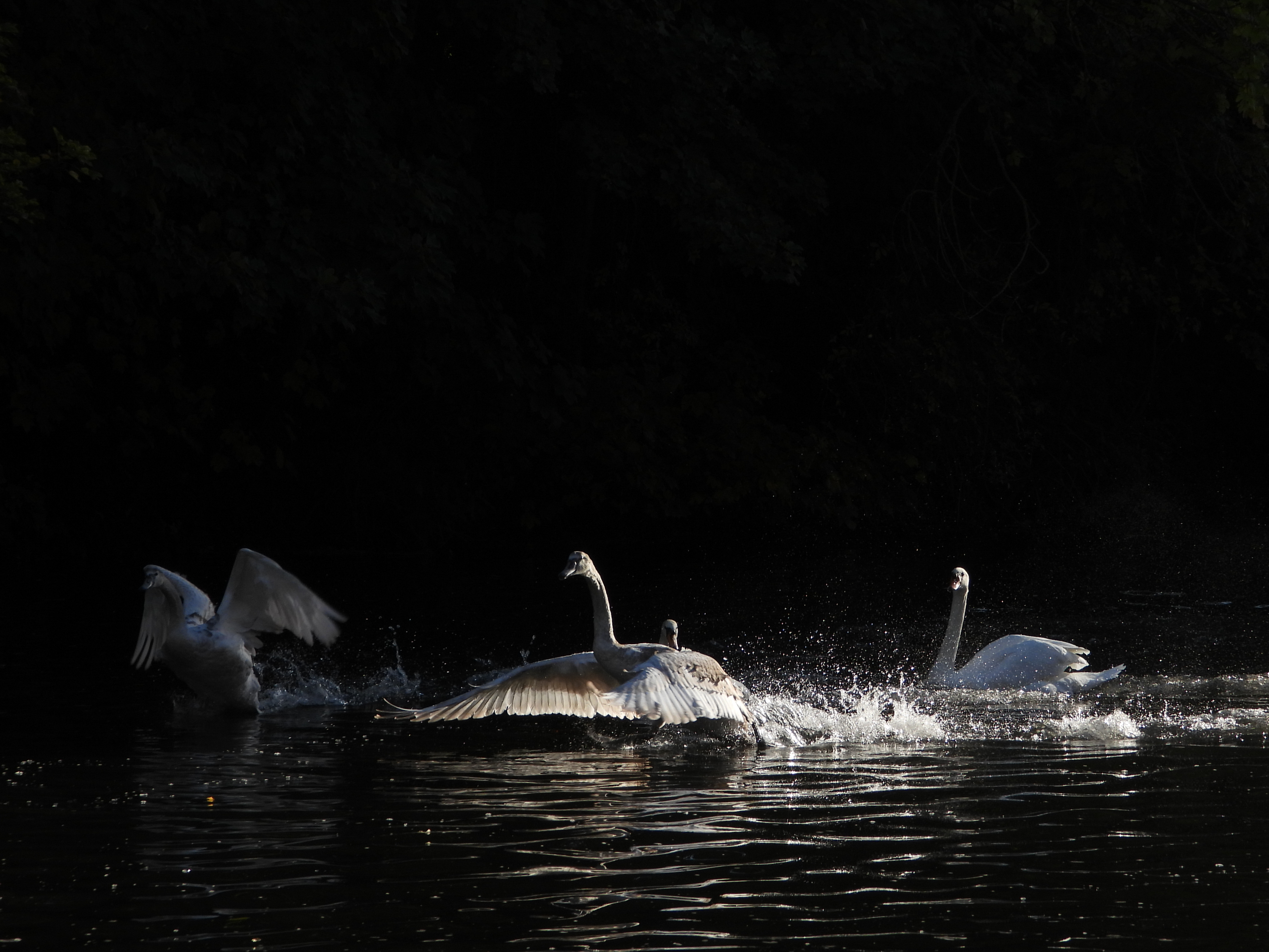
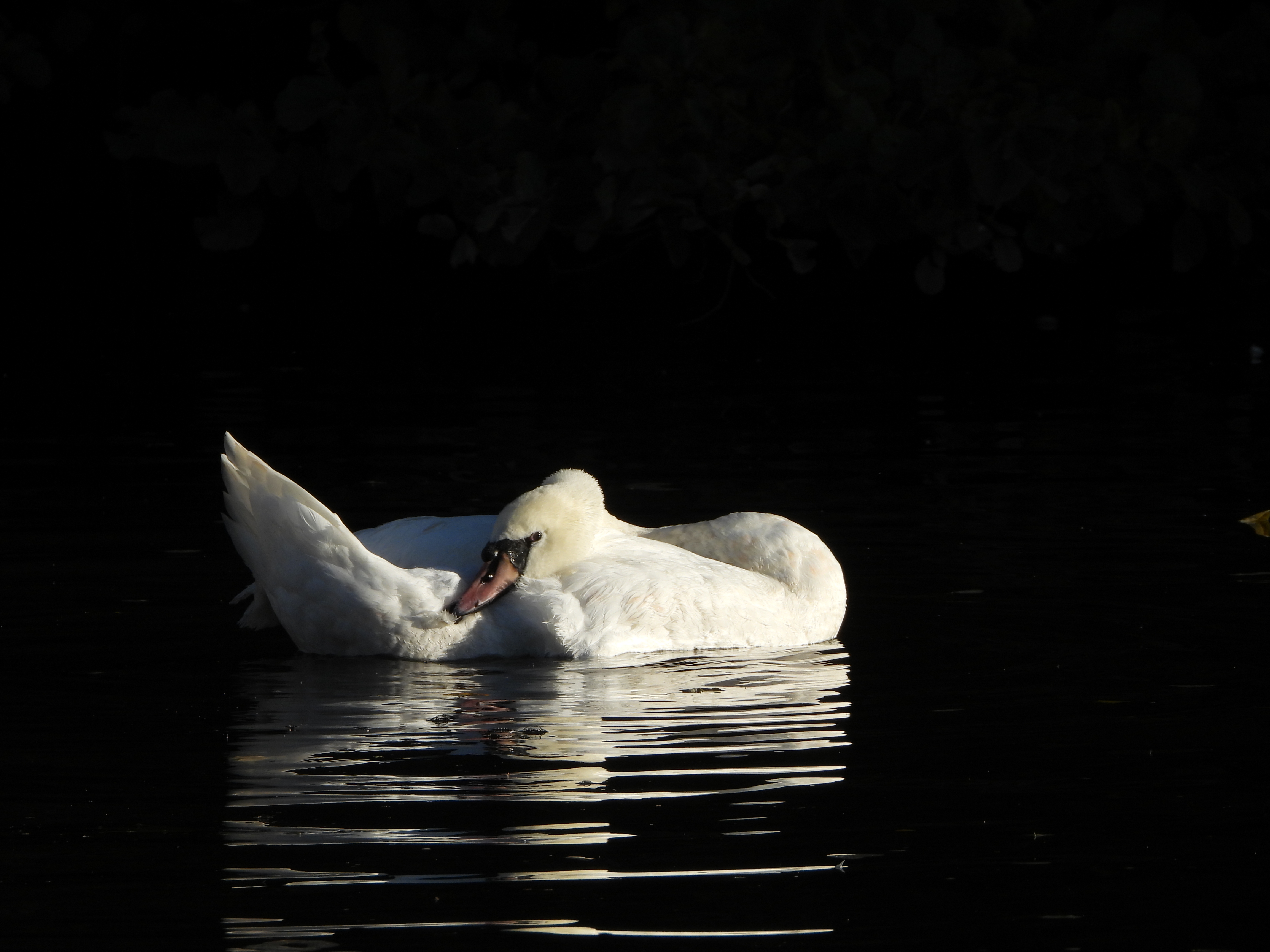
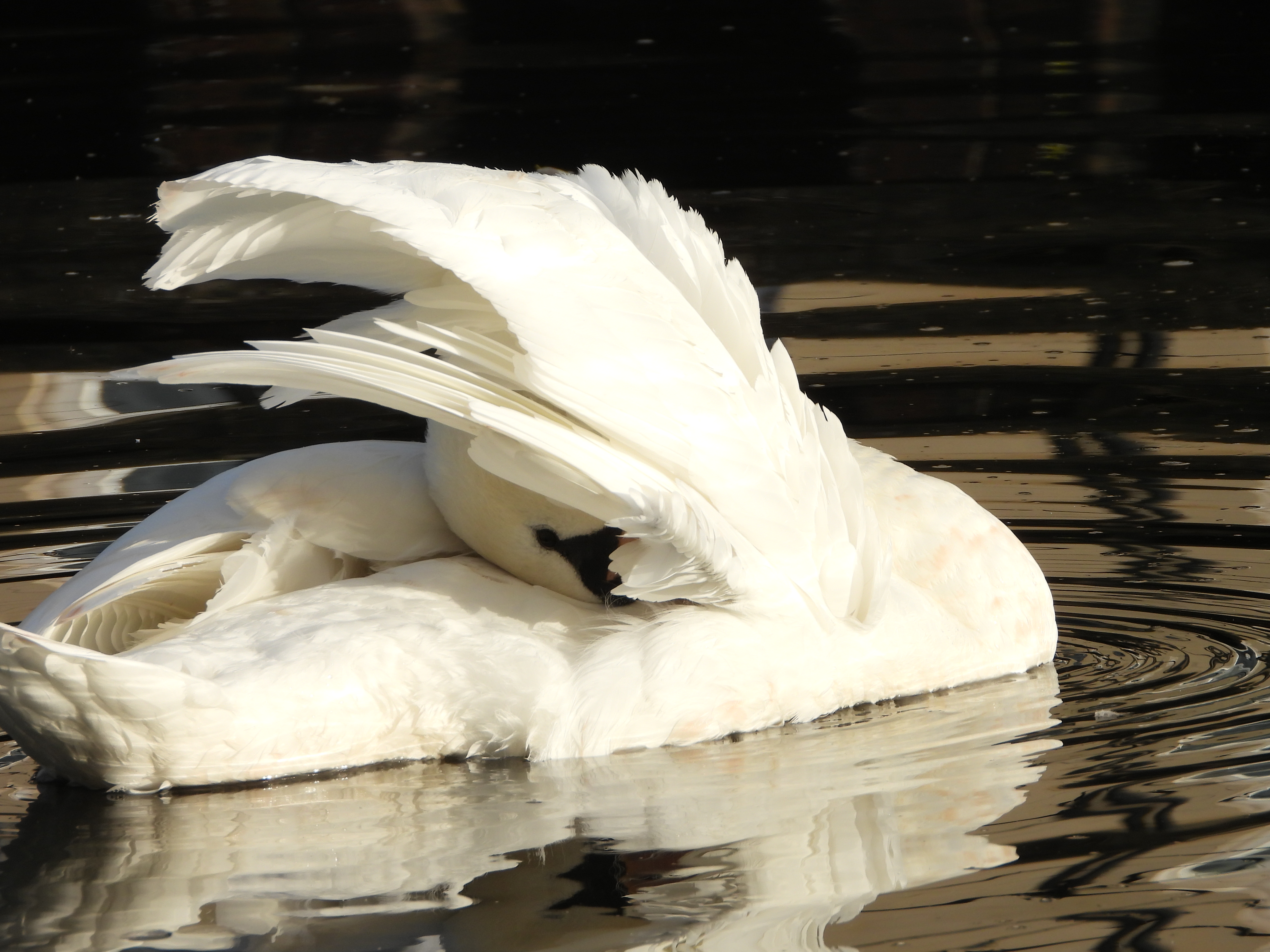
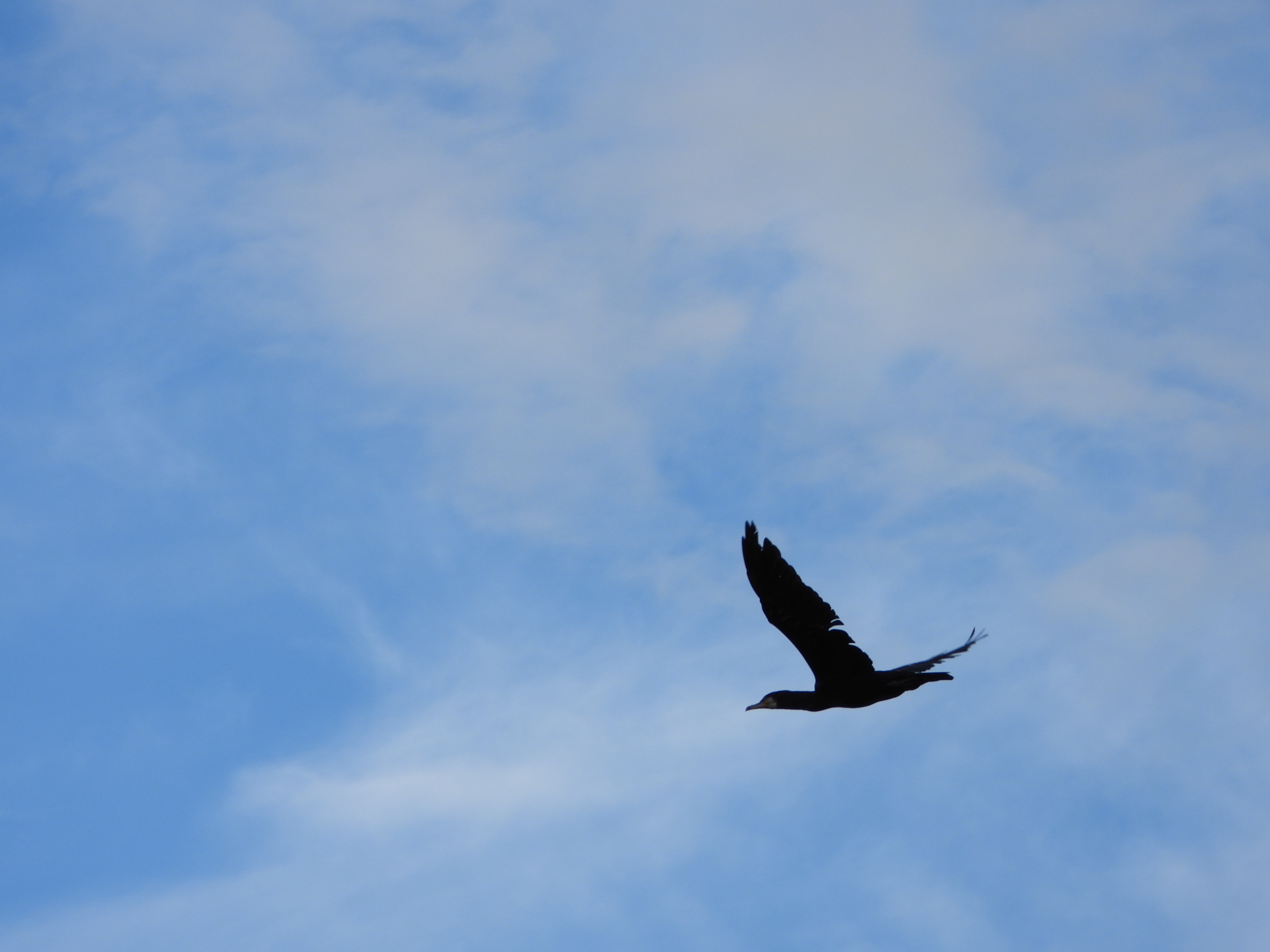
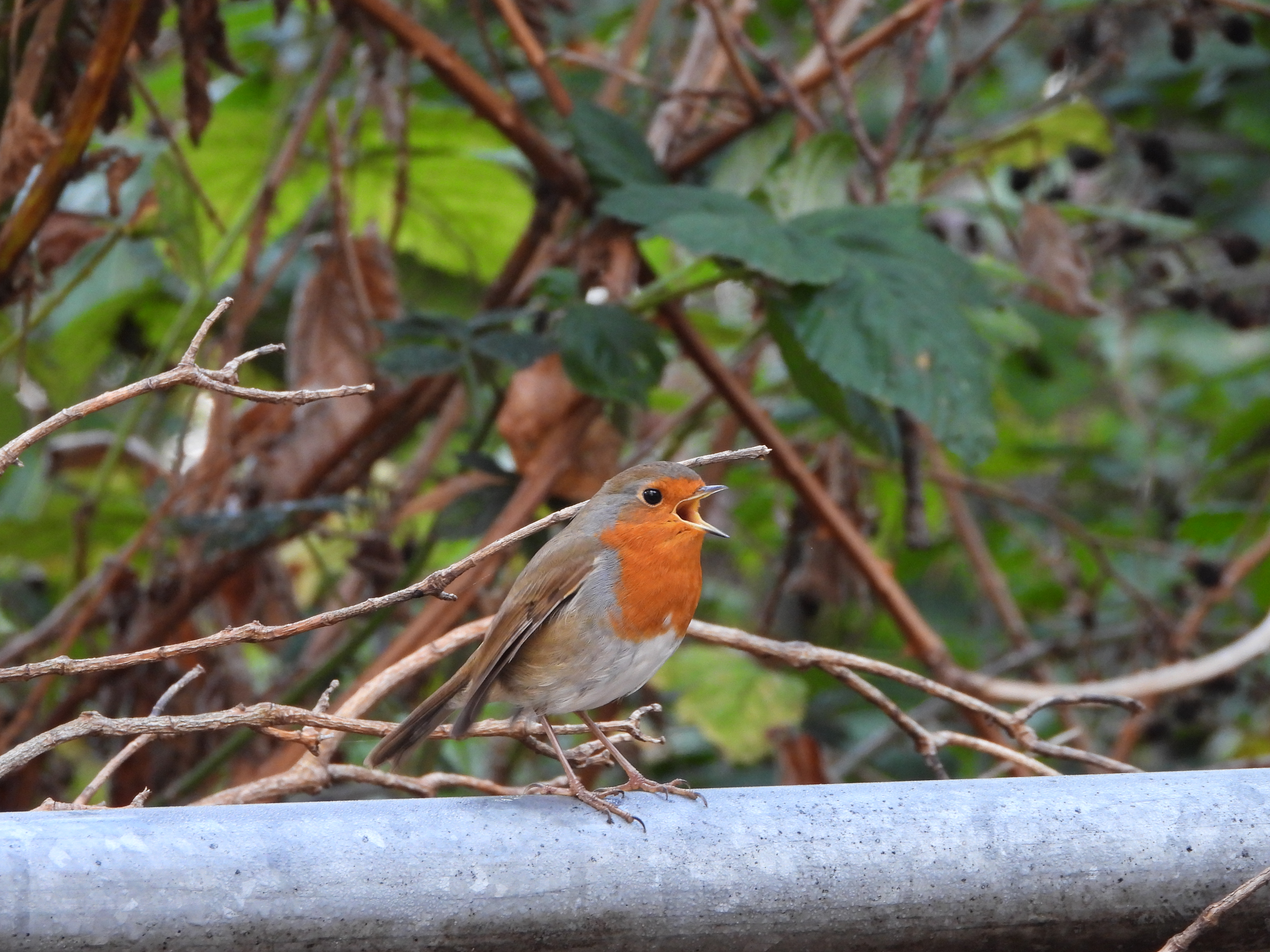
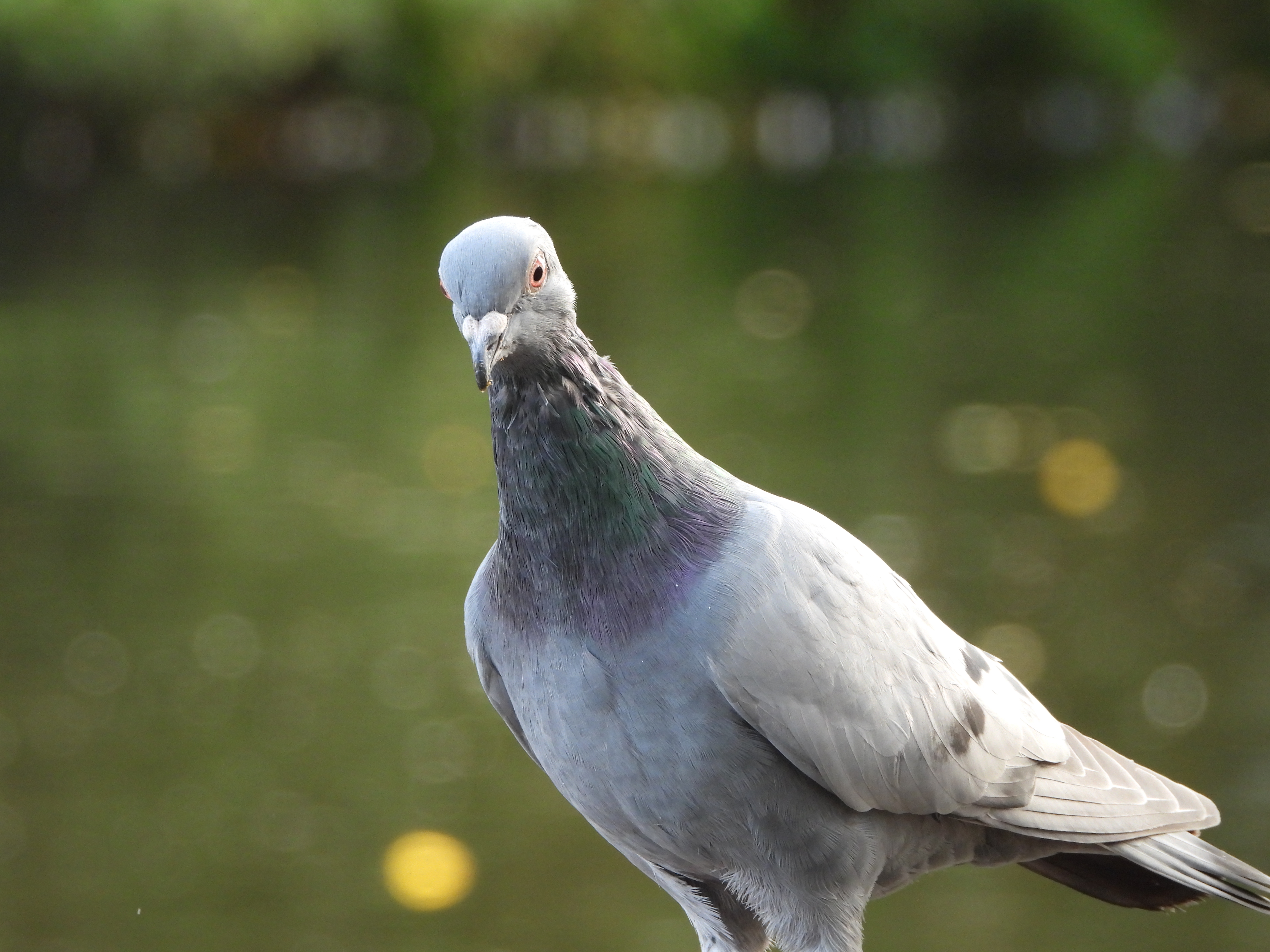
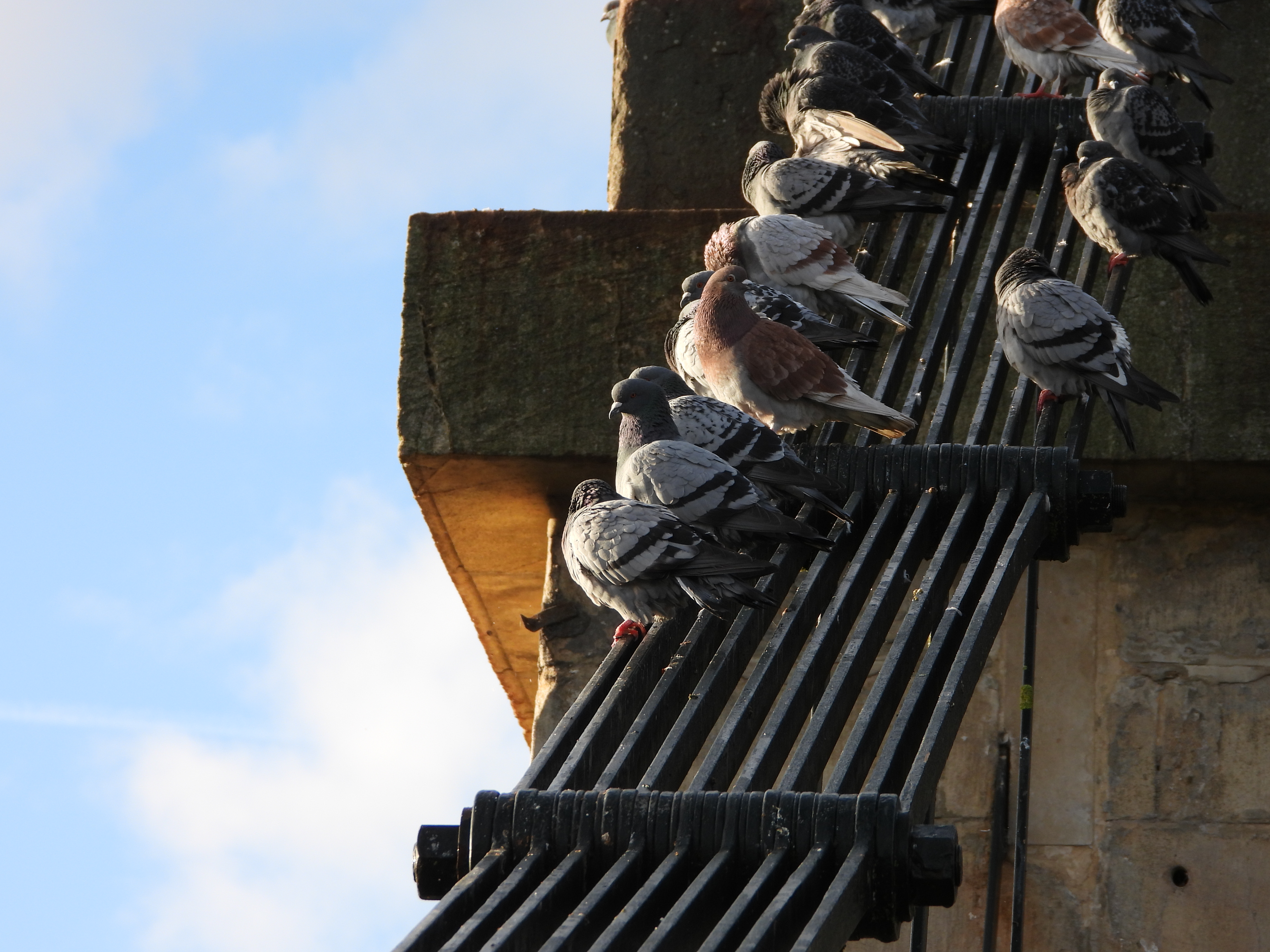
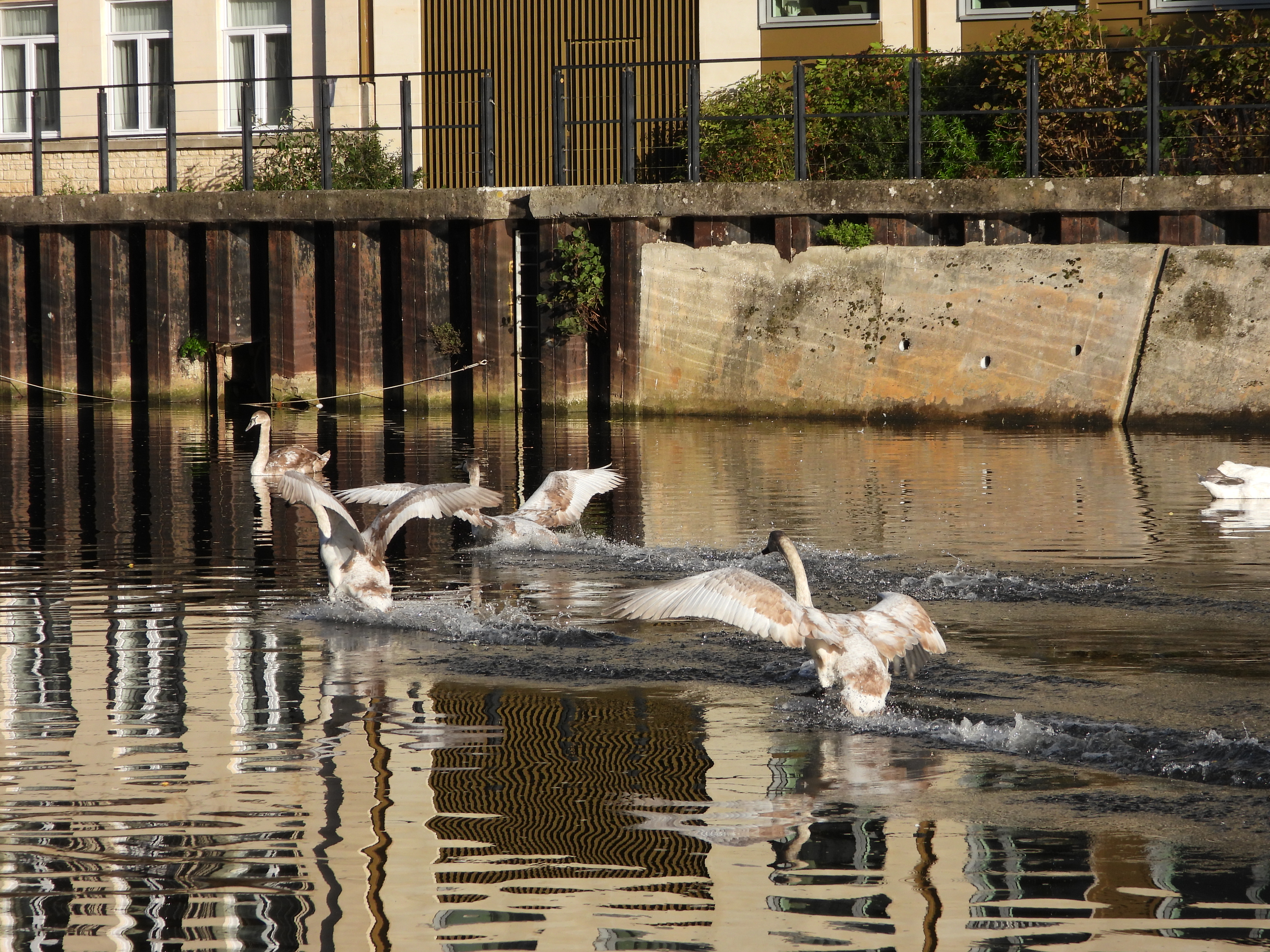
The Coolpix P1100 handles well too, thanks to the chunky, ergonomic grip, as well as the well-placed controls. Speaking of, the Coolpix P1100 is very straightforward to control, so if you’re a beginner, you should have no problem getting to grips with the camera’s buttons and dials. If you don’t want to spend thousands and thousands on a mirrorless camera and telephoto lens for wildlife photography, the Coolpix P1100 is the one to get.
Check out more sample images and videos in my Nikon Coolpix P1100 review.
Aerial

Photography doesn’t need to be restricted to just staying on the ground, of course. If you’re interested in aerial photography, it’s worth investing in one of the best drones — and many doesn’t cost thousands. For beginner pilots, the DJI Neo 2 is the ideal choice. The Neo 2 is extremely easy to fly, either via a smartphone, controller or even hands-free via the buttons on its body and Gesture Control.
It’s packed with powerful imaging tech too. For stills, you get a 12MP sensor which captures detailed shots, especially in bright conditions, and for video, you get smooth, stable 4K/60fps footage. But what makes the Neo 2 a downright incredible mini drone is its omnidirectional obstacle avoidance, which means it can either brake in front of or bypass obstacles — an invaluable safety feature for all pilots.
The Neo 2 is a wonderful selfie drone too. It features an array of QuickShot Intelligent Flight modes, where the drone takes photos or videos before returning to its takeoff position. These include Follow, Circle, Rocket, SelfieShot, and more, and they’re great for hands-free shooting either solo or with other people.
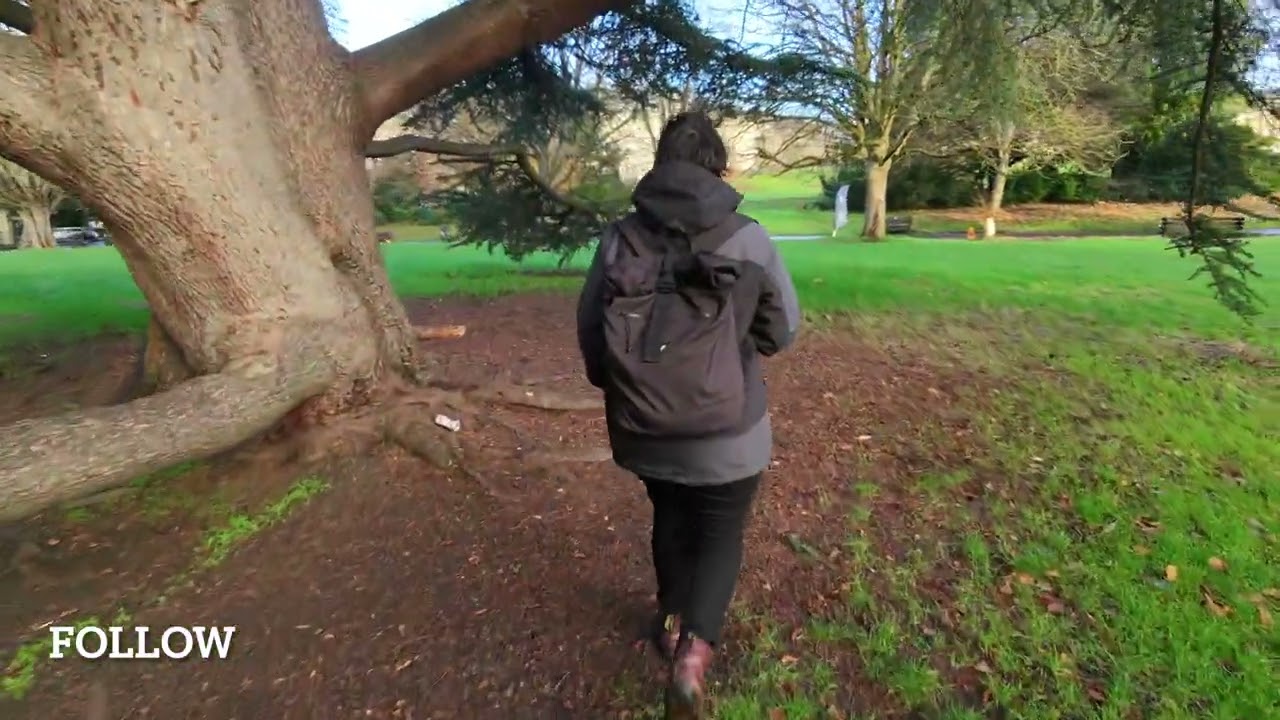
If you want a drone that’s easy to fly, is fit for beginners, allows you to capture stunning aerial footage via manual control, and one that’s built extremely well, the Neo 2 should be your port of call. It’ll help you take your first steps into the vast world of drone videography and may even convince you to spend more on an advanced quadcopter in the future!
Check out more sample images and videos in my DJI Neo 2 review.


Follow Digitpatrox on Google News and add us as a preferred source to get our up-to-date news, analysis, and reviews in your feeds.
More from Digitpatrox
Source link
-

-
-

-
-


