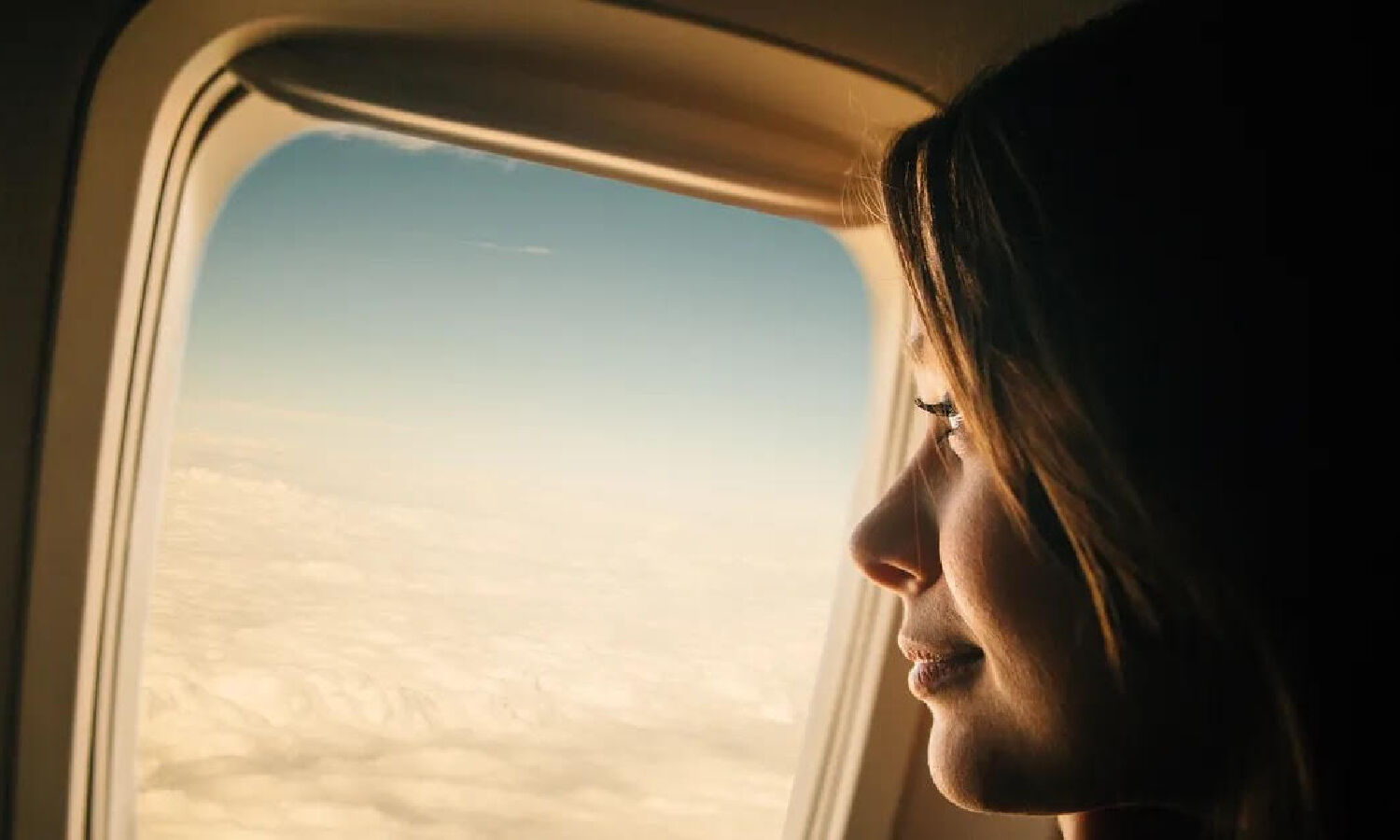
Hyderabad: For many travellers, the first sign of a long journey is not jet lag, but unexpected breakouts on landing. Dermatologists say the spike in acne after long-haul flights is not anecdotal; it is a predictable reaction to the extreme environment inside an aircraft.
As international travel increases in winter and holiday seasons, skin specialists have been reporting a rise in ‘airplane acne,’ a cluster of whiteheads, blackheads or inflammatory bumps that appear within hours to days after flying.
We examine why skin breaks out during long flights, the physiological changes triggered at 35,000 feet, and the evidence-backed steps travellers can take to minimise acne and irritation.
Cabin conditions disrupt skin’s natural balance
1. Humidity levels drop to single digits
Commercial aircraft cabins operate at 10–20 per cent humidity, conditions similar to deserts. Healthy skin typically requires 40–60 per cent humidity to maintain barrier function.
Dr Rhea Mehta, a dermatologist, speaking to NewsMeter, explained, “The moment a person enters a cabin, the skin loses water rapidly. The barrier becomes compromised, and the body increases sebum production to compensate. This excess oil mixes with dead skin cells and creates the ideal environment for breakouts.”
The combination of dehydration and compensatory oil production often results in clogged pores by the end of a long flight.
2. Airflow increases water loss
Even though cabin air is filtered, the constant circulation accelerates transepidermal water loss (TEWL). Reduced moisture also causes micro-fissures in the epidermis, allowing irritants and bacteria to settle easily.
Aerospace health consultant Dr Sameer Kamath notes, “Passengers often don’t realise that the skin is under continuous environmental stress during a flight. These micro-cracks are not visible, but they weaken the skin’s defences significantly.”
In-flight behaviour compounds the problem
1. Touching the face after contact with surfaces
Tray tables, seatbelts, headrests and armrests are frequently touched but not cleaned between every passenger cycle. When travellers touch their face after handling these surfaces, it increases the risk of transferring bacteria to already stressed skin.
2. Makeup becomes occlusive in dry air
While many flyers board with full makeup, dermatologists say this significantly increases the chance of post-flight congestion.
Dermal physiologist Arvind Kaushik says, “Makeup formulas are not designed for extremely dry, pressurised environments. They mix with sweat and sebum, turning heavier over time. This sludge-like mixture blocks pores very effectively.”
Heavy foundations and long-wear concealers are identified as the biggest contributors.
3. Sleep disruption alters repair cycles
Skin repairs itself during sleep. Overnight flights, cramped seating and bright cabin lighting disturb circadian rhythms, slowing barrier recovery and reducing the skin’s ability to manage inflammation.
4. In-flight meals are often high in sugar and salt
Packaged snacks, juices, breads and desserts can cause spikes in blood glucose levels, stimulating hormones that promote acne.
Dr Leena Agarwal, dermatologist and clinical educator, explains, “High-glycaemic foods increase insulin, which activates androgen pathways. This leads to more oil production and inflammation, two core drivers of acne.”
Who is most vulnerable to ‘airplane acne’?
Breakouts after flights are more common in individuals who have:
• Oily or combination skin
• A history of acne
• Sensitive or dehydration-prone skin
• Hormonal fluctuations
• Stress-related skin concerns
People who use retinoids or exfoliants regularly may also experience greater irritation during flights because their barrier function is already slightly reduced.
Preventive measures: What experts recommend
1. Start with clean, bare skin
Doctors recommend boarding with freshly cleansed skin. If makeup is needed, opt for a minimal, non-comedogenic formulation.
Pre-flight routine:
• Gentle cleanser
• Hydrating toner or essence
• Serum with hyaluronic acid or niacinamide
• Lightweight moisturiser with ceramides
Avoid retinol or exfoliating acids 24 hours before a long flight.
2. Layer hydration, not heavy products
Hydration must be maintained externally throughout the journey.
Effective in-flight care includes:
• A light hydrating mist every 2–3 hours
• A thin layer of moisturiser to reduce water loss
• Avoiding occlusive oils or heavy sleeping masks
Dr Mehta says, “Humectants followed by an emollient help maintain skin volume and barrier integrity. Thick occlusives, however, can worsen congestion on flights.”
3. Keep hands clean before touching the face
Carry sanitising wipes or wash your hands before applying any product. Limiting face touching cuts down bacterial transfer.
4. Manage oil without stripping
For oily skin, blotting papers are preferred over alcohol wipes. A light, oil-free moisturiser prevents rebound oiliness.
5. Choose low-glycaemic in-flight snacks
Replacing packaged snacks with nuts, fruit, yoghurt (if available) and water can help stabilise blood sugar.
Dr Agarwal notes, “Dietary choices during flights make a noticeable difference in inflammation levels on landing.”
6. Post-Flight reset is crucial
The first few hours after landing provide an opportunity to correct in-flight damage.
Recommended post-flight routine:
1. Double cleanse (oil cleanser + gentle foam)
2. Apply a calming serum (centella, niacinamide or panthenol)
3. Hydrate with a non-comedogenic moisturiser
4. Use a 2% BHA product in the evening if prone to acne
What long-term travellers should know
Frequent flyers, including cabin crew and business travellers, often develop chronic dehydration-related skin issues. Maintaining a consistent pre-flight and post-flight routine helps reduce repeated barrier disruption. Dermatologists suggest that regular users of retinoids or acne medication should space their usage around travel days.
The bottom line
Breakouts after long flights are caused by a combination of extremely low humidity, increased oil production, bacterial transfer, makeup occlusion, sleep disruption, and high-sugar foods. The cabin environment stresses the skin significantly, but preventive measures can minimise the impact.
By boarding with clean skin, layering hydration correctly, avoiding occlusive products, eating mindfully and resetting the barrier after landing, travellers can drastically reduce the likelihood of ‘airplane acne.’
Source link
-

-

-

-

-