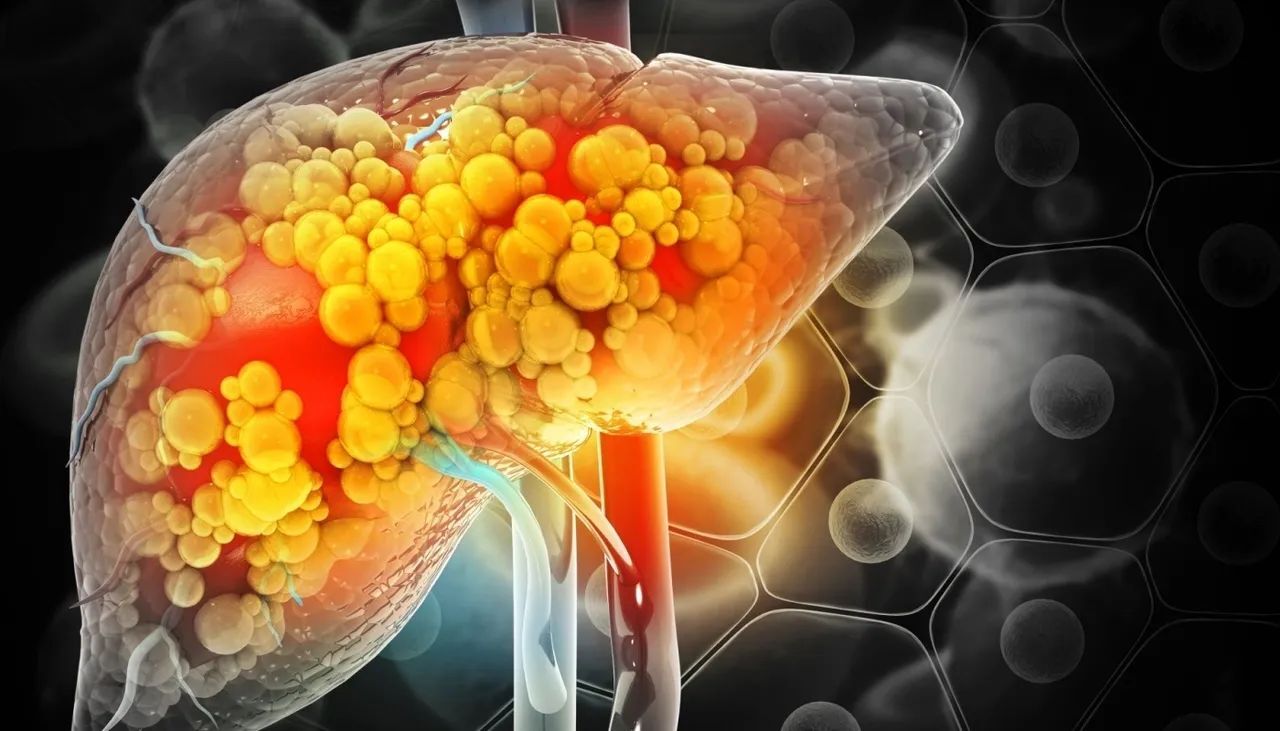
Hyderabad: Metabolic Dysfunction-Associated Steatotic Liver Disease (MASLD) is rapidly emerging as one of the most common chronic liver disorders in India.
It represents a shift in how fatty liver disease is understood, away from alcohol as the primary cause and toward metabolic health as the central driver. Closely linked to obesity, diabetes, insulin resistance, and sedentary lifestyles, MASLD is now being recognized as a major public health concern with long-term consequences if left undetected.
What Is MASLD?
MASLD refers to the accumulation of excess fat in the liver in individuals who have metabolic risk factors, such as:
• Type 2 diabetes
• Overweight or obesity
• High blood pressure
• Abnormal cholesterol or triglyceride levels
• Insulin resistance
The diagnosis is made when liver fat is detected on imaging or other investigations, along with at least one metabolic abnormality, after ruling out significant alcohol use or other causes of fatty liver, such as viral hepatitis or medication-induced injury.
The term MASLD has replaced the older label “non-alcoholic fatty liver disease (NAFLD)” to better reflect the underlying metabolic basis of the condition rather than defining it by what it is not.
Why MASLD Is Called a Silent Disease
One of the most concerning aspects of MASLD is that it often causes no noticeable symptoms in its early and intermediate stages. Many people feel entirely well, even while fat and inflammation are accumulating in the liver.
Routine blood tests may show normal liver enzyme levels, giving a false sense of reassurance. As a result, MASLD is frequently discovered incidentally during abdominal ultrasounds or health checkups performed for unrelated reasons.
“The liver has a remarkable capacity to function even when it is under stress. Patients can carry significant fat and even fibrosis in the liver without feeling unwell. By the time symptoms appear, damage is often advanced,” Dr. R. Mehta, a hepatologist, told NewsMeter.
The MASLD Disease Spectrum
MASLD is not a single-stage condition. It progresses through several phases:
1. Simple Steatosis
This is the earliest stage, where fat accumulates in liver cells without inflammation or scarring. It is often reversible with lifestyle changes.
2. Metabolic Steatohepatitis (MASH)
At this stage, fat accumulation is accompanied by liver inflammation and cellular injury. This significantly increases the risk of long-term damage.
3. Fibrosis
Ongoing inflammation leads to the formation of scar tissue. Fibrosis impairs normal liver architecture and function.
4. Cirrhosis and Liver Cancer
Advanced fibrosis can progress to cirrhosis, liver failure, and hepatocellular carcinoma. At this stage, liver transplantation may be required.
Dr. Nandita Kulkarni, a senior liver specialist, notes, “The real danger of MASLD is not fat itself but the silent transition to fibrosis. Fibrosis is the strongest predictor of liver-related death and complications.”
Why MASLD Is Rising in India
1. Changing Diet Patterns
High intake of refined carbohydrates, sugary beverages, ultra-processed foods, and trans fats has become common in urban and semi-urban India.
2. Sedentary Lifestyles
Long working hours, reduced physical activity, and screen-based recreation contribute to weight gain and insulin resistance.
3. Growing Diabetes Burden
India is home to one of the world’s largest populations of people with type 2 diabetes, a major risk factor for MASLD.
4. “Thin Fat” Indian Phenotype
Many Indians develop metabolic dysfunction despite having a normal or only mildly elevated body mass index. High visceral fat and low muscle mass increase MASLD risk even in lean-appearing individuals.
According to Dr. S. Iyer, an endocrinologist, “In Indians, metabolic disease often appears at lower body weights. A person can look slim and still have fatty liver and insulin resistance.”
MASLD in Non-Drinkers
A common misconception is that fatty liver disease occurs only in people who consume alcohol. MASLD affects a large number of lifelong non-drinkers.
Dr. Arvind Rao, a gastroenterologist in Hyderabad, emphasizes, “More than half of the fatty liver cases we see in clinic involve people who do not drink at all. Alcohol is not the primary driver here, metabolism is.”
Risk Factors Beyond Obesity
While obesity and diabetes are major contributors, other factors also play a role:
• Genetic susceptibility
• Central (abdominal) obesity
• Polycystic ovary syndrome (PCOS)
• Sleep disorders such as obstructive sleep apnea
• Long-term physical inactivity
• High fructose consumption
How MASLD Is Diagnosed
Because symptoms are unreliable, diagnosis depends on proactive testing:
1. Imaging
• Ultrasound detects liver fat
• FibroScan or elastography measures liver stiffness (fibrosis)
2. Blood Tests
• Liver enzymes
• Lipid profile
• Fasting glucose and HbA1c
• Insulin resistance markers
3. Fibrosis Scores
Simple calculation tools such as FIB-4 help identify patients at risk of advanced fibrosis.
Dr. Kulkarni advises, “Anyone with diabetes, obesity, or metabolic syndrome should undergo at least one liver evaluation. Normal liver enzymes do not rule out MASLD.”
Treatment and Management
There is currently no single drug approved specifically to cure MASLD. Management focuses on correcting the metabolic drivers.
1. Weight Reduction
Losing 5–10% of body weight can significantly reduce liver fat and inflammation.
2. Dietary Modification
• Reduced refined carbohydrates and sugar
• Increased protein and fiber
• Emphasis on whole foods and unsaturated fats
3. Physical Activity
• At least 150 minutes per week of moderate exercise
• Strength training to improve insulin sensitivity
4. Control of Metabolic Conditions
• Optimizing blood sugar
• Treating dyslipidemia
• Managing blood pressure
Dr. Mehta summarizes,s “MASLD is one of the few chronic liver diseases that can be reversed if addressed early. Lifestyle intervention is not an accessory; it is the treatment.”
Long-Term Health Risks
MASLD is not only a liver disease. It significantly increases the risk of:
• Heart attacks and strokes
• Chronic kidney disease
• Type 2 diabetes progression
• Liver cancer
Cardiovascular disease remains the leading cause of death in patients with MASLD.
Public Health Implications
The rising burden of MASLD mirrors India’s growing epidemic of metabolic disease. Without large-scale awareness and screening programs, many patients will be diagnosed only when irreversible liver damage has already occurred.
Dr. Rao warns, “If we continue to treat fatty liver as a minor ultrasound finding, we will face a surge of cirrhosis and liver cancer over the next two decades.”
Conclusion
MASLD is a silent but serious disease driven by modern metabolic lifestyles. Its early stages are reversible, yet its advanced stages carry life-threatening consequences.
With India’s rapidly increasing rates of diabetes, obesity, and sedentary behavior, MASLD is poised to become the leading cause of chronic liver disease in the country.
Early screening, lifestyle correction, and metabolic control remain the most effective tools to prevent progression. As experts consistently emphasize, timely action can change the entire disease trajectory.
Source link
-

-

-
-

-