
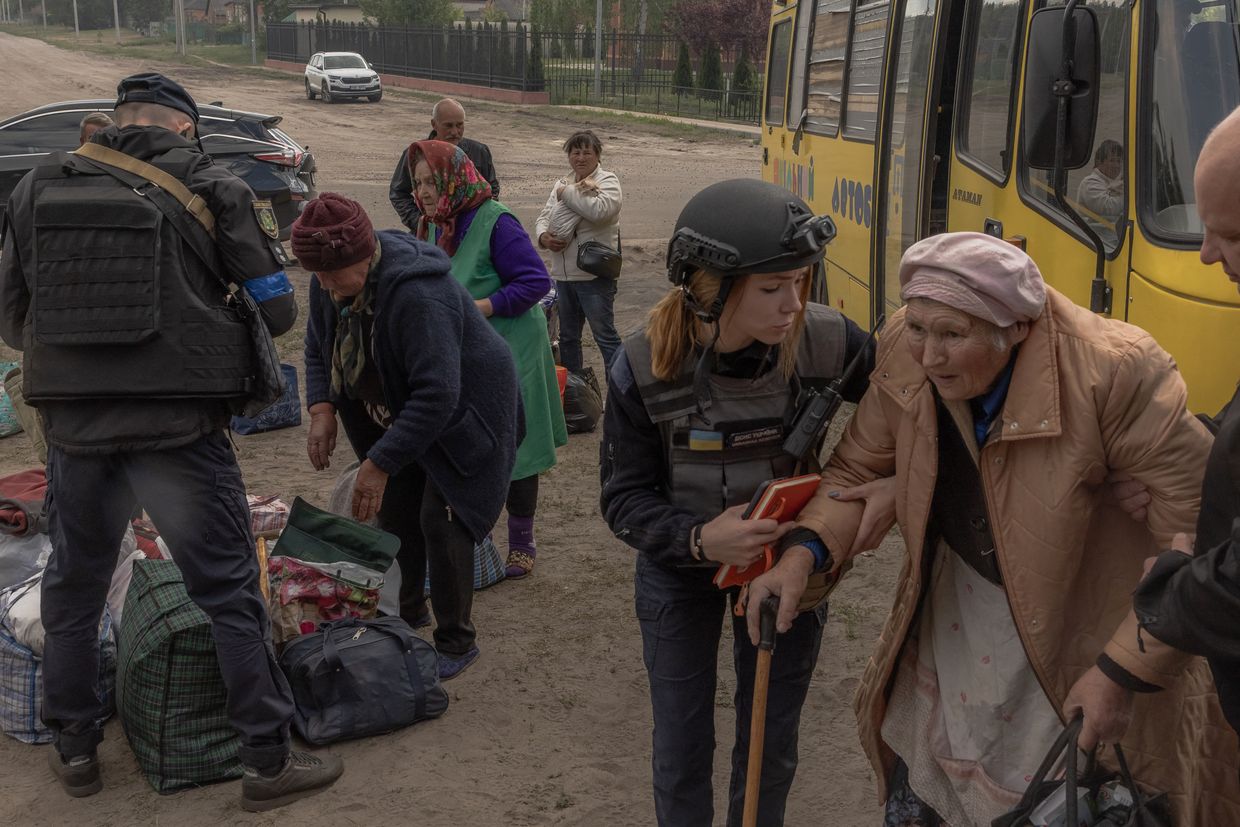
Evacuees arrive by bus at an evacuation point in Kharkiv Oblast, Ukraine, on May 12, 2024. (Roman Pilipey / AFP via Getty Images)
Robert Turner
Chief of Mission of the International Organization for Migration (UN Migration) in Ukraine
I came to Ukraine in September of last year, well into the fourth year of the war that had already reshaped the country’s geography, economy, and daily life. Having worked for decades in conflict settings, from Afghanistan to Sudan, I am still amazed by the way people in the direst situations can cope and hope for a better future.
What one cannot underestimate is how challenging this winter has been in Ukraine.
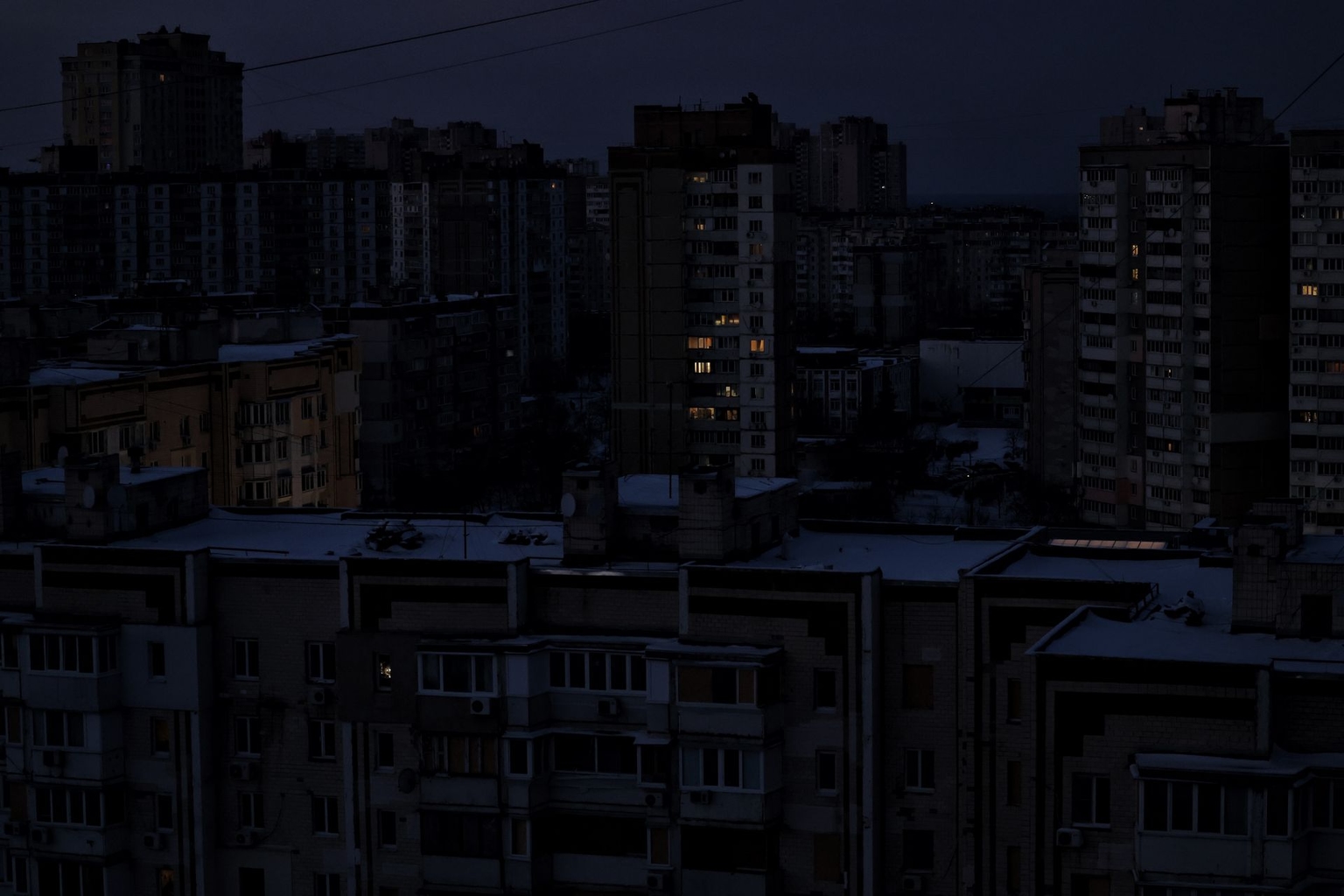
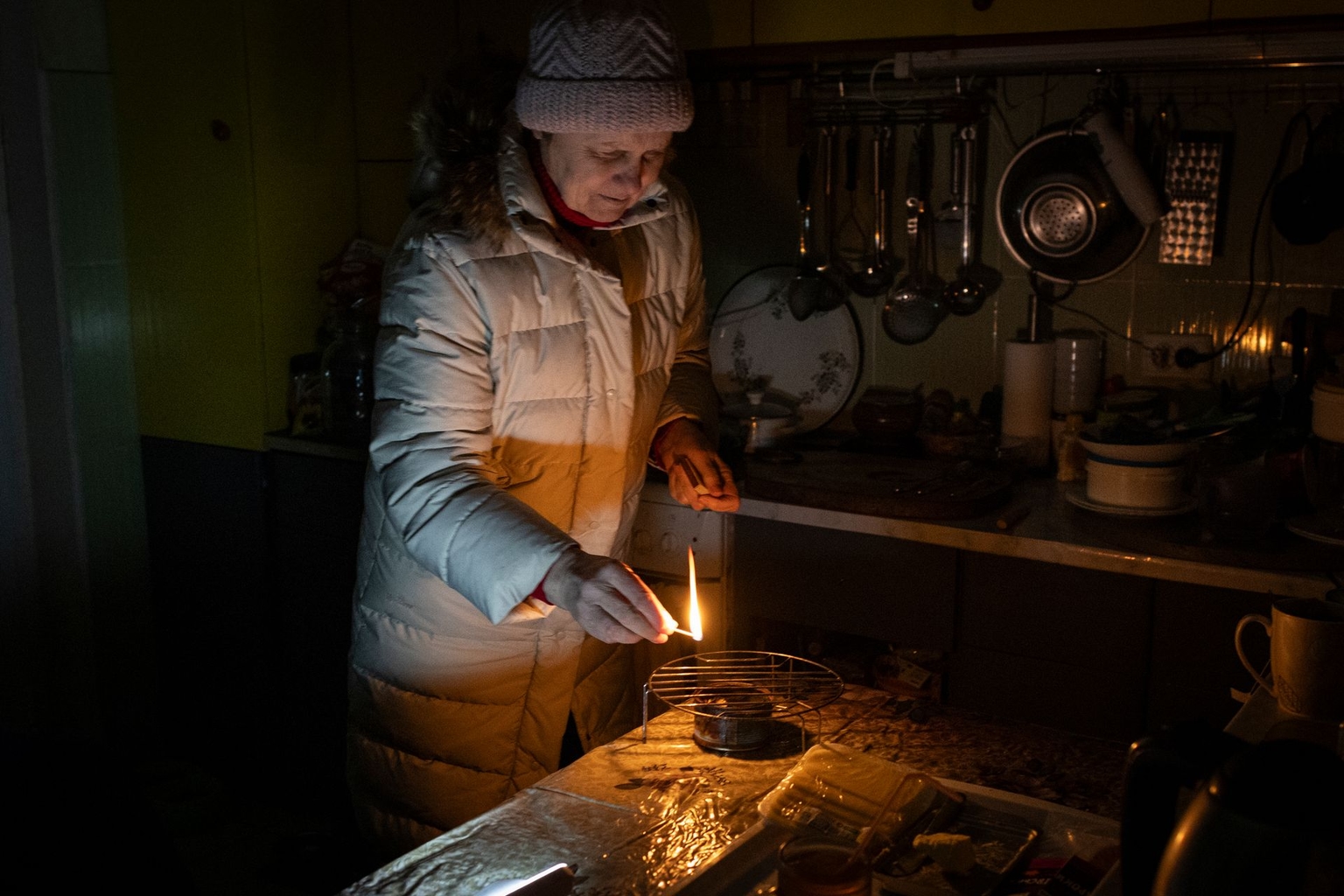
Those living even a thousand kilometers from the front line feel the severe effects of the hostilities, nights spent in the bomb shelters during aerial attacks, and power blackouts that leave families with no heating, no water, or power at a time.
Yet amid the overlapping global crises, the struggles of many Ukrainian families risk being overlooked.
On Feb. 24, Ukraine entered the fifth year of the full-scale invasion of the country by the Russian Federation. Missile and drone attacks on civilian energy infrastructure have made darkness and cold a regular companion across the country. Daily life is no longer organized by choice but by blackout: meals, homework, and even hospital procedures proceed at the mercy of returning electricity.
“The people we support cannot wait, so we continue our work every day, despite everything.”
As temperatures drop below -20 degrees Celsius (-4 Fahrenheit) and outages stretch for hours and days at a time, the war has long stopped being limited to the front lines.
The current situation exacerbates existing vulnerabilities. In one of every three displaced households, someone is living with a disability. In more than half, someone manages a chronic illness. These are not just statistics, but the daily realities that shape every decision, from medical care to putting food on the table.

During one of my trips to the east of Ukraine, I met Anastasiia, who works with children at a mental health center in Dnipro, and she puts it plainly, “Even people who once felt stable are breaking under the pressure of constant explosions and repeated power, water, and heating outages. But we cannot give up. The people we support cannot wait, so we continue our work every day, despite everything.”
Even after four years of full-scale war, Ukrainians continue to relocate in search of safety and basic services. In the last year, more than 450,000 have been displaced from their homes, many for the second or third time. Three-quarters of those displaced have been away from their homes for more than two years, and they are significantly more likely to lack medicines, food, clothing, and jobs.
Ukraine is Europe’s largest displacement crisis, with 9.6 million people displaced (5.9 million abroad and 3.7 million within the country). Those displaced across Ukraine are frequently forced to uproot multiple times. Host communities in safer Ukrainian regions that once welcomed those displaced now struggle themselves, coping with blackouts, rising costs, and overstretched local services.
Ukrainians displaced within the country and those living abroad are often treated as separate groups, managed through different policies and plans. In IOM’s view, they are part of the same continuum, both with a lack of security, repeated disruption of essential services, and a war that has made any sense of permanence and normalcy elusive.
Ukrainians — no matter where — continue to demonstrate extraordinary resilience.
Many have rebuilt lives more than once, found new work, enrolled children in new schools, and contributed to host communities under immense strain. But resilience is not a substitute for stability. Without reliable electricity, housing remains temporary by default. Employment remains fragile. The idea of returning becomes conditional, delayed not by lack of attachment to home, but by the absence of basic services that make return sustainable.
At the same time, Ukrainians who sought safety abroad are entering a new phase of uncertainty. Temporary protection across Europe was applied quickly and generously after the sudden, widespread escalation of the war, and it saved lives. But it was never intended to last indefinitely.
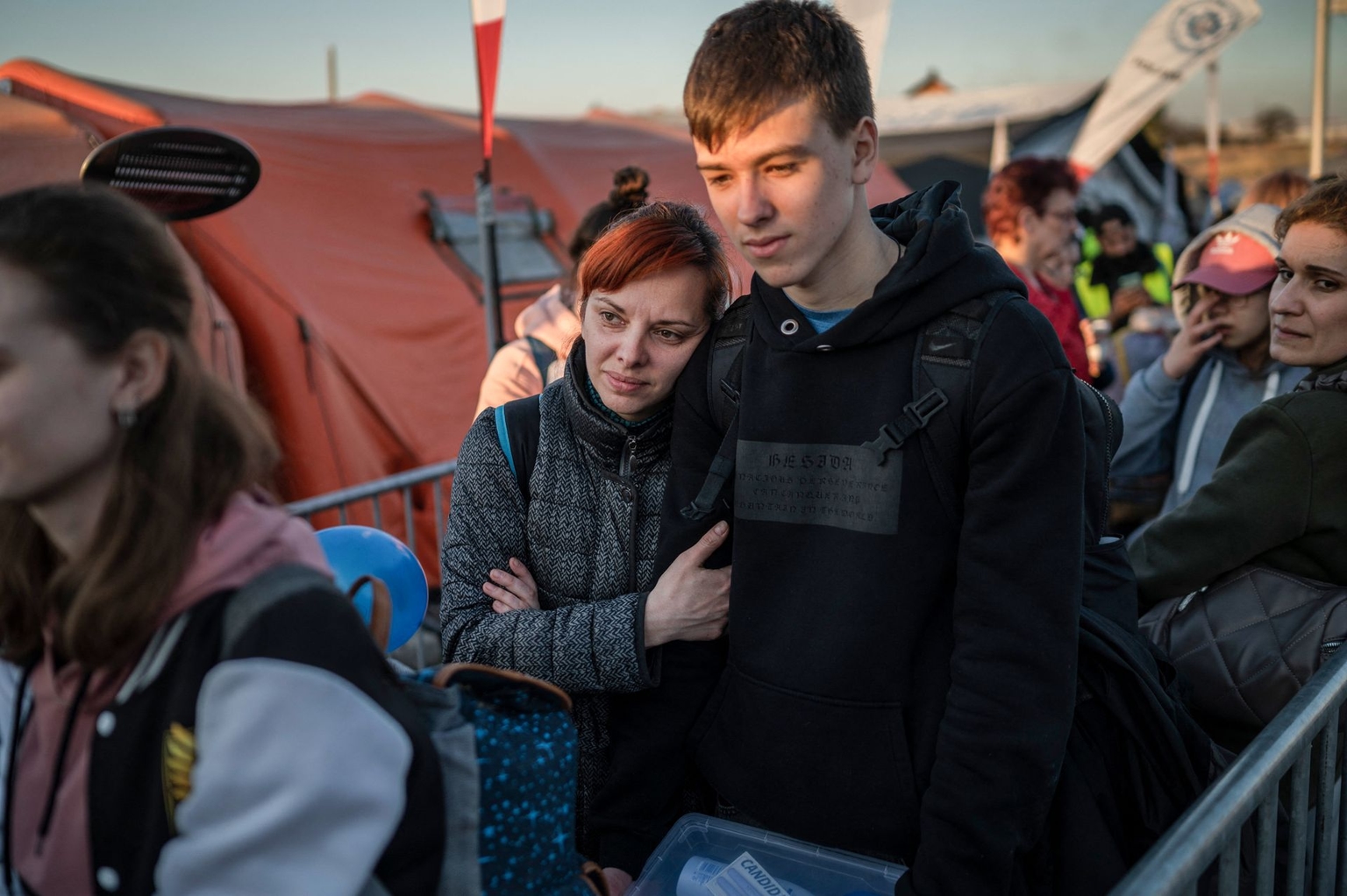
As discussions turn to their possible end, many families will face a difficult choice: return to a country still under attack and struggling to keep the lights on or remain abroad, facing an unclear future.
From Kyiv, this moment feels particularly stark. In the last four years, Ukrainians adapted. They integrated. They contributed. They waited. Now, many are being challenged once again, without knowing whether homes can be heated, whether schools can stay open, or whether another move lies ahead of them.
Drawing from our extensive knowledge, we are looking beyond the immediate response and envision a future in Ukraine where people can safely return and where opportunities, infrastructure, and social cohesion are in place to support sustainable recovery. Even as humanitarian needs deepen, we are already laying the groundwork for recovery and development.
Migration has and will continue to be an essential part of the recovery, from safe and voluntary returns, to engaging the Ukrainian Diaspora to help rebuild the country, and where people come to Ukraine to strengthen the labor market.
As Ukraine marks another year of relentless war, the question is no longer whether its people will endure. They already have. The question is whether the world will meet them where they are: still on the move, still facing unmet needs, and still determined to live with dignity, wherever they find themselves.
Editor’s note: The opinions expressed in the op-ed section are those of the authors and do not purport to reflect the views of the Kyiv Independent.
read also
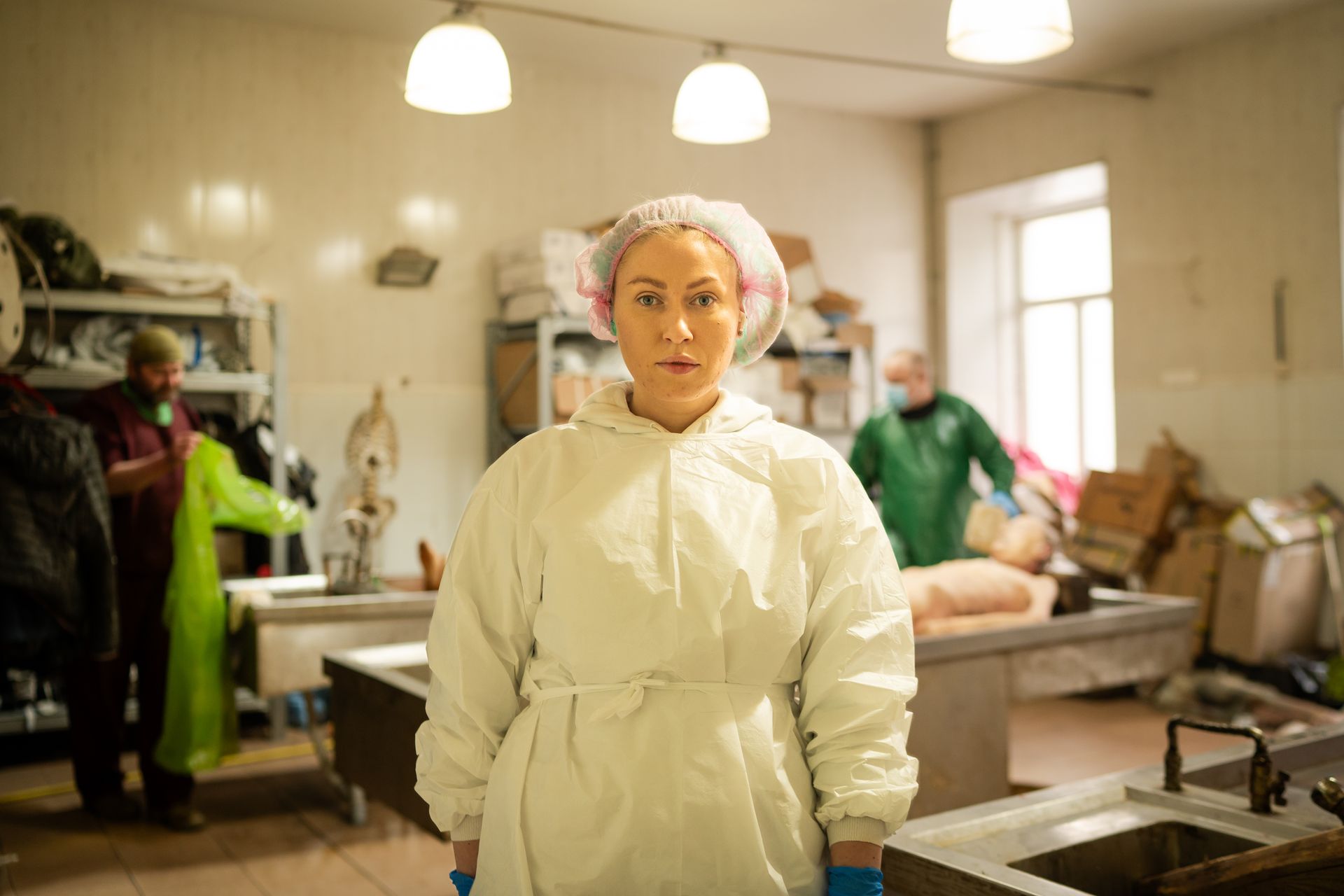
As Ukraine war deaths mount, Kharkiv morgue strains to identify the truth
Four years into Russia’s full-scale invasion of Ukraine, experts at the Kharkiv Oblast forensic medical bureau — the oldest in Ukraine and founded in 1797 — continue to work tirelessly in what they see as their battle to bring justice to Ukrainians killed by Russia’s war.

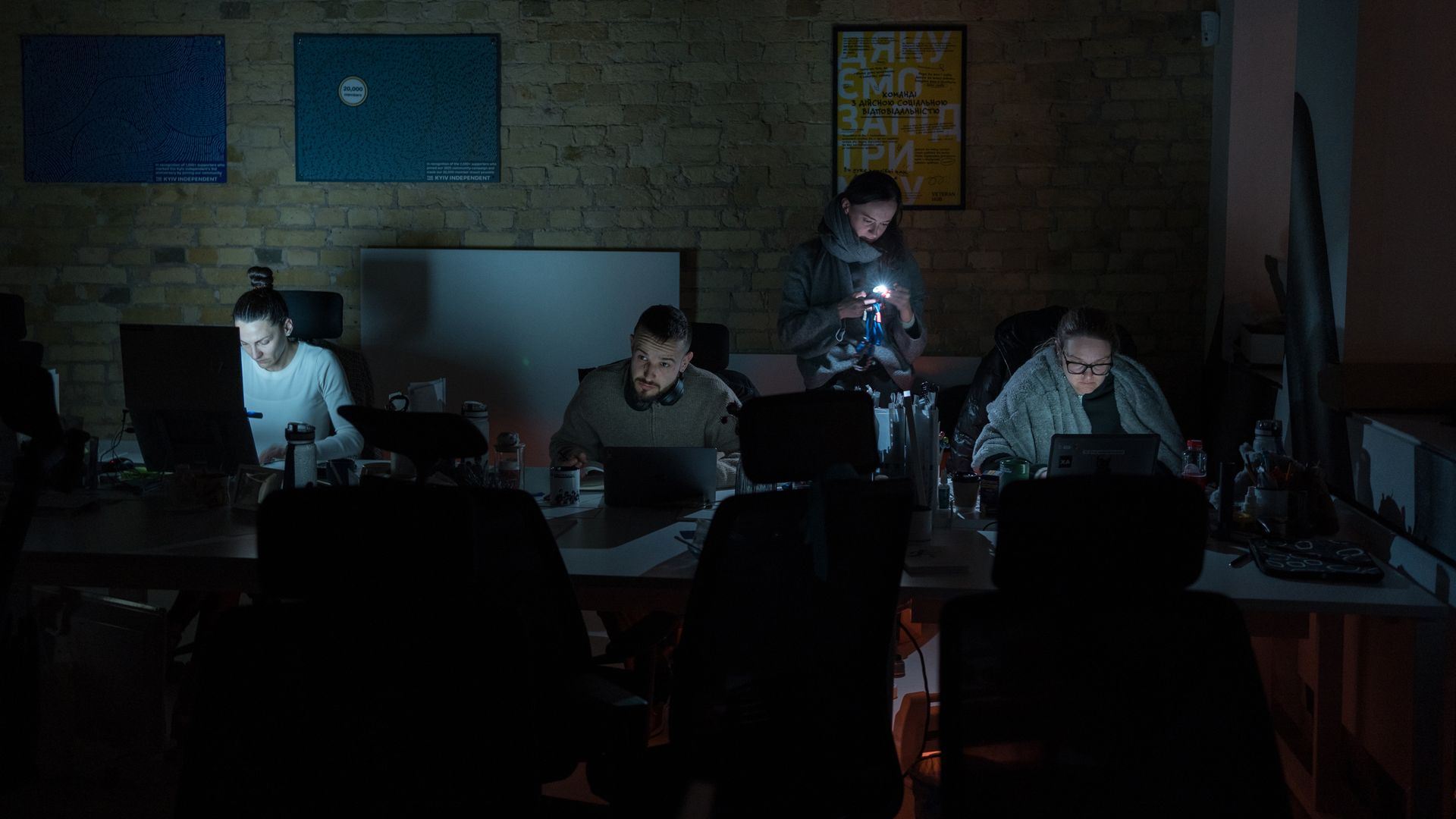
Inside the Kyiv Independent: See how we survive the Russia-inflicted energy crisis
At 4 p.m. every day, the Kyiv Independent office goes dark. After hours of working without heating, the electricity disappears too. The generator shuts off for thirty minutes to cool down. Laptop screens become the only light in the room. The only sound is the tapping of fingers on keyboards. Cold hands move slowly, stopping every so often as people breathe warm air into them to regain feeling. Outside, temperatures drop to -15 degrees Celsius (4 degrees Fahrenheit). Inside, it doesn’t feel mu

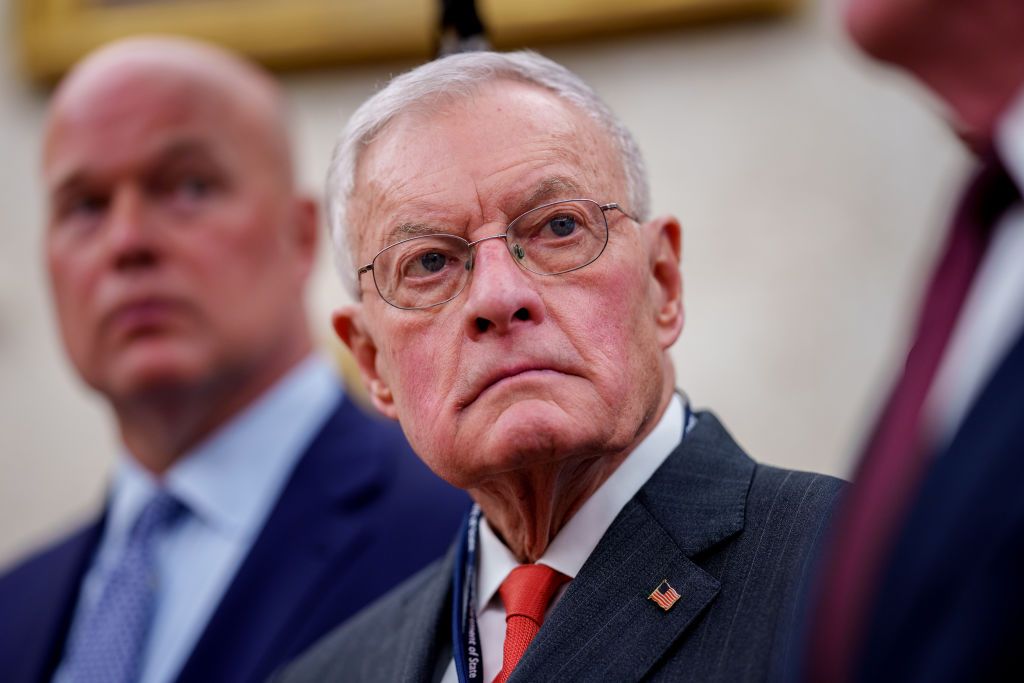
US abstains from UN vote on ‘lasting peace in Ukraine’ on 4th anniversary of war
“Is not missing children, shelling of cities, and the killing of innocents enough? It is not a business deal — it is war,” former Special Envoy Keith Kellogg said in a scathing post after the vote.

Source link
-
-

-

-
-


