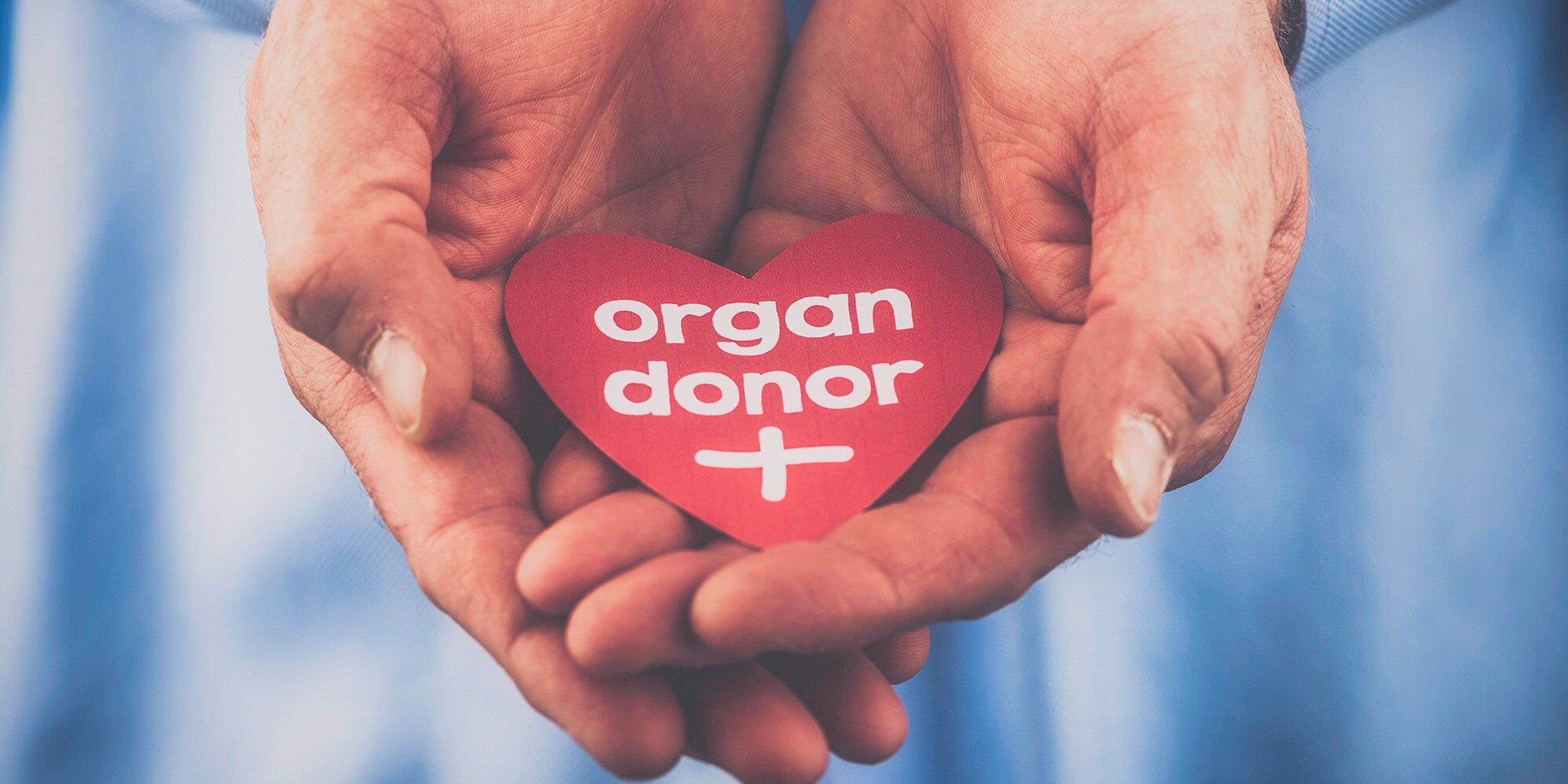
Organ donation in India remains a subject marked by complexity. It involves clinical processes, legal frameworks, emotional decisions, and cultural influences. Yet, despite its depth, the central premise is simple: the human body, when no longer viable to one, can sustain others. This potential is both medical and moral, and it continues to be under-realised in India.
Each year, thousands of patients wait for organs that they never receive. Over 500,000 individuals die each year in India due to the unavailability of organs. According to the National Organ and Tissue Transplant Organization (NOTTO), fewer than one donor per million population contributes to the national registry. The gap between clinical need and organ availability persists, despite growing transplant capabilities. World Organ Donation Day, observed on August 13, provides an opportunity to reflect not only on the act itself but also on the awareness that must precede it.
One Person Can Influence Several Lives Through Donation
One brain-dead donor can save up to 8 lives and enhance up to 75 more through tissue donation. The heart, lungs, kidneys, liver, pancreas, and intestines may be retrieved if viability and consent align. In addition, tissues such as corneas, skin, tendons, and heart valves may restore physiological function to recipients.
This cumulative potential is well documented. Estimates suggest that one deceased donor can medically assist eight to ten individuals in critical need. However, data from NOTTO consistently show that India continues to perform significantly below its capacity in deceased organ donation. India’s deceased organ donation rate is approximately 0.52 per million population (pmp) as of 2023. This is not due to a lack of need or infrastructure alone. It is often a reflection of social hesitation and informational gaps.
Brain Death is a Distinct and Legally Recognised Form of Death
Among the most misunderstood aspects of organ donation in India is the definition of brain death. Brain death occurs when all brain activity, including that of the brainstem, ceases permanently. This diagnosis is clinically and legally accepted as death under the Transplantation of Human Organs and Tissues Act, 1994.
Unlike coma or vegetative states, brain death is irreversible. It is diagnosed following a standardised medical protocol by a panel of physicians who are not involved in transplant surgery. In most cases, mechanical support continues circulation for a limited period, which can lead families to believe that life persists. Medical clarification at this stage becomes essential. Without it, the opportunity to proceed with organ retrieval is often lost due to uncertainty.
Faith and Culture Often Support the Act of Donation
Concerns related to religion or cultural norms are frequently cited as reasons for refusal. However, scholarly reviews and religious leaders across India have repeatedly affirmed the compatibility of organ donation with the values of all major faiths. Traditions rooted in the concept of service, compassion, or renunciation often align with the principles of donation.
Multiple top-tier institutions have collaborated with religious scholars to dispel doubts in this area. The concern that donation interferes with last rites or bodily integrity is also unsubstantiated. Retrieval is performed with surgical precision, and the body is preserved for final rituals with respect and care.
Living Donation Is a Medically Viable Alternative
While deceased donations are essential, the role of living donors must also be acknowledged. In India, living donors—particularly those providing kidneys or partial livers—contribute significantly to the transplant ecosystem. These procedures are conducted under strict medical and ethical supervision.
Living donation involves a comprehensive evaluation to ensure physical and psychological readiness. In most cases, first-degree relatives serve as donors, but altruistic donations are permitted within the legal framework. The outcomes of these transplants have improved consistently over the last decade, particularly in specialized centers equipped with post-operative care and long-term follow-up.
Consent is Dependent on Communication, Not Only Registration
Registering as an organ donor through a digital platform or donor card is a valuable act of intent. However, Indian law requires the family’s consent at the time of retrieval. In this context, it becomes clear that a private decision, unless shared, may remain unfulfilled.
Only 20–30% of Indians are aware of organ donation laws and procedures. And, in a survey conducted by AIIMS in collaboration with the Ministry of Health, over 60% of respondents said they would consider donation if they had more clarity about the process. Documentation, such as a signed pledge or entry in the health ID registry, can support the conversation. Yet, the act of speaking to one’s family remains the most decisive factor in enabling donation.
A Public Health Priority That Requires Cultural Integration
The act of donation exists within a clinical context, but its adoption is shaped by societal understanding. In India, the imbalance between the number of patients awaiting transplants and the number of organs available reflects more than a medical limitation. It reflects a collective delay in addressing organ donation as a shared responsibility. As per NOTTO, over 200,000 people await a kidney, 30,000 need a liver, and 10,000 need a heart, but only a fraction receive transplants each year.
Successful donation systems globally have not been built on technology alone. They have evolved in tandem with education, consent frameworks, grief counselling, and coordinated logistics.
Planning for Health Must Include the Possibility to Give
Health is not solely a matter of self-preservation. It also includes the decisions we make that affect others. While preventive screenings, nutritional choices, and physical activity dominate personal health planning, the possibility of donation represents a longer continuum. It is one of the few medical acts that takes place beyond the boundary of individual life, yet directly influences others’ survival.
Initiating the act of registration, discussing it with family, and remaining informed about the medical criteria are necessary steps. These do not require wealth or status. They require reflection and clarity.
As India marks World Organ Donation Day in 2025, the opportunity lies in advancing not only medical capacity but societal maturity. Donation, when considered and prepared for, can become a conscious extension of care. It does not reverse loss. But it may allow something else—something vital—to continue.
Article by –
Dr. S Anil Kumar Pathro from Apollo Hospitals.
Disclaimer: The views and opinions expressed in the article are those of the author and do not reflect the official policy or position of NewsMeter.
Source link
-

-

-

-

-