

Your iPhone’s Notes app can do way more than you realize — here are 13 hidden features
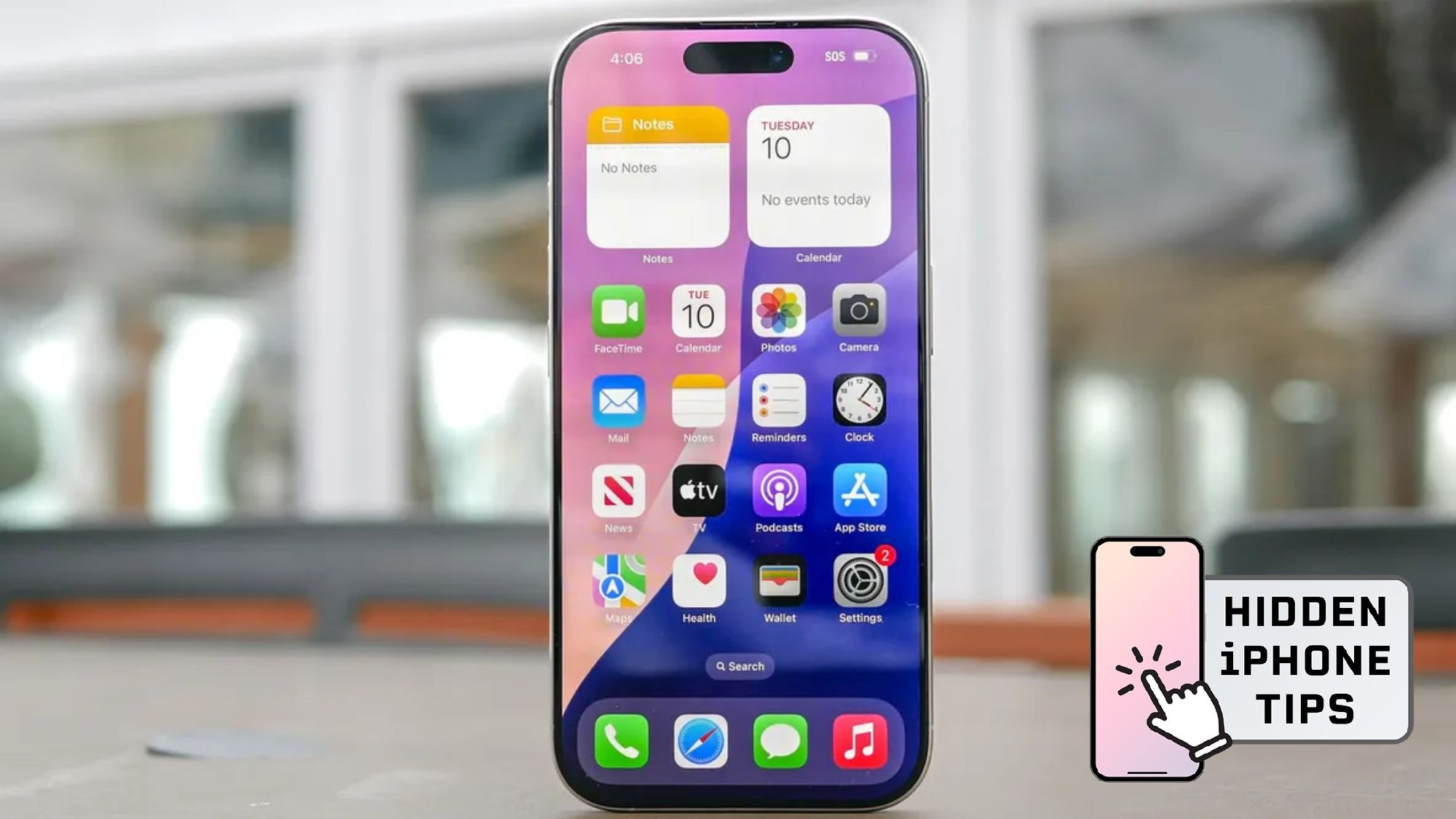
Welcome to hidden iPhone tips! Here, we dig into the features Apple quietly adds but never really tells you about.
The Notes app is one of the biggest offenders here. Apple has been steadily transforming it from a basic notepad into a surprisingly capable productivity tool, but unless you’re actively hunting through settings or stumbling onto features by accident, you’d never know half of what it can do.
1. Lock your secrets away
You can protect sensitive notes so nobody can read them without authenticating. Open any note, tap the three-dot menu, and select Lock. The note immediately locks and requires Face ID, Touch ID, or your passcode to view.
This is perfect for storing passwords temporarily, private thoughts, or anything you don’t want visible if someone borrows your phone.
To view a locked note, tap it and then tap View Note — authenticate with your chosen method and the content appears. Locked notes show a lock icon in the notes list so you know which ones are protected.
2. Smart folders do the organizing for you

Smart folders automatically populate with notes based on criteria you set, which means they stay organized without manual sorting. To create one, open the Notes app and tap the folder icon. Choose your account if you have more than one, enter a name for the folder, then tap Make Into Smart Folder.
Choose one or more filters — you can filter by tags, dates, mentions, attachments, checklists, and more. Decide whether notes should match any of the filters or all of them. Any note matching those criteria automatically appears in the folder, alongside new notes.
3. Switch to gallery view

By default, Notes displays in List view with titles and the first few lines of text. But you can switch to Gallery View for a more visual way to browse your notes. Open notes, tap the three-dot menu in the Notes app and select View as Gallery.
Your notes will now appear as thumbnail cards showing the title, a preview of the text, and any photos or images in the note (locked notes won’t show their contents).
This view makes it much easier to quickly scan through notes visually, especially if you use Notes for things like recipes, project planning, or anything with images.
4. Transcribe phone calls

This feature requires iPhone 15 Pro or newer with iOS 18.1 or later. During a phone call, press the three dots. Tap Continue and a message announces the call will be recorded.
When you finish, a notification appears — tap it or open the Notes app to find your recording. You’ll see a written transcript of the entire conversation. Tap Summary at the top to view an AI-generated summary highlighting the key points discussed.
This is incredibly useful for work calls, interviews, or any conversation where you need to reference details later without listening to the entire recording again.
5. Rewrite notes for any audience with AI

Apple Intelligence can rewrite your notes in different tones depending on your audience. This also requires iPhone 15 Pro or newer with iOS 18+. Tap the Writing Tools icon in any note and select Rewrite — the AI analyzes and rewrites your text.
Don’t like it? Tap Rewrite again for alternative versions. You can also choose specific styles: select Friendly for casual communication, Professional for formal contexts, or Concise to shorten wordy text.
6. Scan documents directly into notes

You don’t need a separate scanning app when Notes has this built in. Create a new note or open an existing one, tap the paperclip icon, and select Scan. Your camera opens with scanning mode enabled — position a document in view and Notes automatically captures it when the framing looks good.
You can scan multiple pages in succession and they all save to the same note. This works for receipts, business cards, contracts, or any physical document you want digital access to.
7. Turn Notes into your personal task manager

Notes works as a to-do list app with built-in checklist functionality. Open a note and tap the checkmark icon — a circle appears for your first item. Type the task and hit Return to create another circle.
Swipe an item right to indent it as a sub-task. When you complete a task, tap its circle to check it off. The first time you do this, Notes asks if you want completed items to automatically move to the bottom of the list.
This keeps your active tasks visible at the top while preserving completed items for reference. It’s a simple but effective way to manage lists without downloading a dedicated app.
8. Link notes together like a mini-wiki

This one’s sneaky useful. You can link notes together to create a connected web of information, which sounds fancy but is actually just really practical. Highlight text in any note (or press down on empty space), select Add Link, and add either a URL or the name of another note.
The link becomes clickable, so you can jump between related notes or embed web references without breaking up your text flow. I use this all the time to create hub notes that link out to detailed project notes, or to connect recipe notes to shopping lists.
It’s one of those features that seems minor until you start using it and realize how much it improves organization.
9. View all your attachments in one place

If you’ve been using Notes for a while, you probably have photos, PDFs, and other files scattered across dozens of notes. Instead of hunting through each note to find a specific attachment, open the Notes app, tap the three-dot menu and select View Attachments.
This opens a dedicated window showing every photo, scan, and file you’ve added to Notes, organized chronologically. You can tap any attachment to jump directly to the note containing it. It’s a simple feature that saves a surprising amount of time.
10. Summarize long notes in a few taps

Got a massive note you need to digest quickly? If you’re using an Phone 15 Pro or newer and running at least iOS 18, Apple Intelligence will summarize it for you.
Select the text, tap Writing Tools, and choose Summary. The AI will condense everything into a brief overview for you. This is great for notes that ramble on for pages, and you want to pull out exactly what matters rather than rereading everything.
11. Format notes into lists or tables

Apple Intelligence can automatically reformat text into organized lists or tables, which is perfect when you have unstructured information that needs better organization.
Select the text you want to reformat, then tap Writing Tools. Then simply choose List to convert your text into a bulleted list, or select Table to arrange the information into rows and columns. This works best with text that contains sortable information like schedules, comparisons, or data sets.
12. Use AI to proofread

Apple Intelligence can also scan your notes for spelling and grammar mistakes, which is handy when you’re writing something that needs to look polished. Tap Writing Tools and select Proofread, and the AI goes through your text suggesting corrections.
You can accept changes with the down arrow or stick with your original wording if you prefer. Toggle between the original and corrected versions to see what changed, then tap Done when everything looks good.
It’s like having a built-in editor checking your work, which is especially useful when you’re drafting emails or messages in Notes before sending them.
13. Create concept images

Image Playground can generate images based on what you’ve written in your notes. Open a note, tap the paperclip icon and Image Playground. The AI analyzes what you wrote and generates several image versions based on it.
It’s actually quite useful for visualizing concepts or ideas you’re working through. The results can be hit or miss depending on how you’ve described things, but when it works, it’s impressive.

Follow Digitpatrox on Google News and add us as a preferred source to get our up-to-date news, analysis, and reviews in your feeds. Make sure to click the Follow button!
More from Digitpatrox

Back to Mobile Cell Phones

Source link
