Parody movies have been a cinematic staple for generations, with the very greatest becoming some of the most celebrated comedy movies ever made. Over the last century, filmmakers have skewered everything from spy thrillers and zombie horror to Arthurian legend and bombastic adventure movies. The very greatest parody films expose the clichés while simultaneously celebrating what makes it iconic.
Parody movies walk a razor-thin line. Lean too far into mockery and the joke wears thin; play it too straight and the satire gets lost. The best entries endure because they’re sharply constructed comedies with memorable characters, quotable dialogue, and surprising heart. They boast razor-sharp wit, fearless absurdity, and an unmistakable love for the very stories they were sending up.
Austin Powers: International Man Of Mystery (1997)
Austin Powers: International Man of Mystery revitalized the spy spoof for the late ’90s by gleefully dismantling the cool mystique of James Bond. Created by and starring Mike Myers, the film lampoons the hyper-suave secret agent archetype. It boasts outrageous costumes, psychedelic production design, and intentionally juvenile humor.
Yet beneath the shagadelic gags lies a surprisingly sharp critique of 1960s machismo and outdated gender politics. Dr. Evil’s volcanic lair and convoluted schemes hilariously exaggerate Bond villain excess, while Austin’s cluelessness in the modern world keeps the comedy character-driven rather than sketch-like.
The film’s commitment to aesthetic authenticity makes its satire land harder. It features perfect mod fashion and iconic swinging London sets. By fully embracing the spy genre’s absurdities, Austin Powers became both a loving tribute and a definitive takedown of espionage cool.
Shaun Of The Dead (2004)

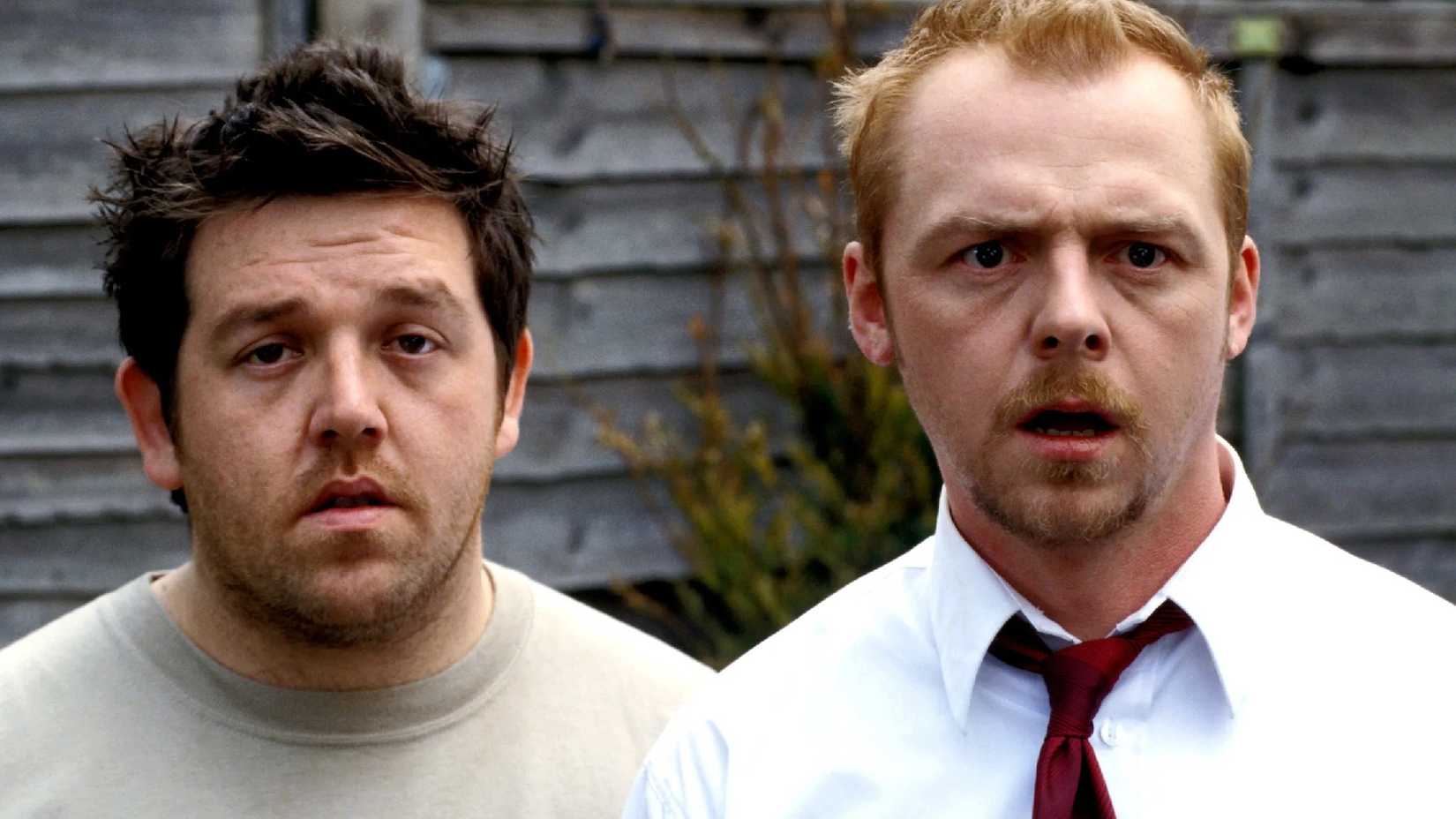
Shaun of the Dead is a parody that works even without the jokes. Directed by Edgar Wright and co-written with star Simon Pegg, the film affectionately spoofs George A. Romero’s zombie classics. However, it also delivers a surprisingly sincere story about adulthood and stagnation.
The genius lies in how faithfully it replicates horror structure. It features slow-building dread, gory payoffs, and escalating chaos, all before undercutting it with razor-sharp British wit. Visual gags, smash cuts, and background details reward repeat viewings, while the pub-bound survival plan hilariously skewers genre clichés.
Yet Shaun’s emotional arc grounds the madness. This ensures that the film resonates beyond its parody roots. By respecting the zombie genre instead of mocking it from a distance, Shaun of the Dead elevated horror-comedy into something heartfelt, smart, and endlessly rewatchable.
Walk Hard: The Dewey Cox Story (2007)

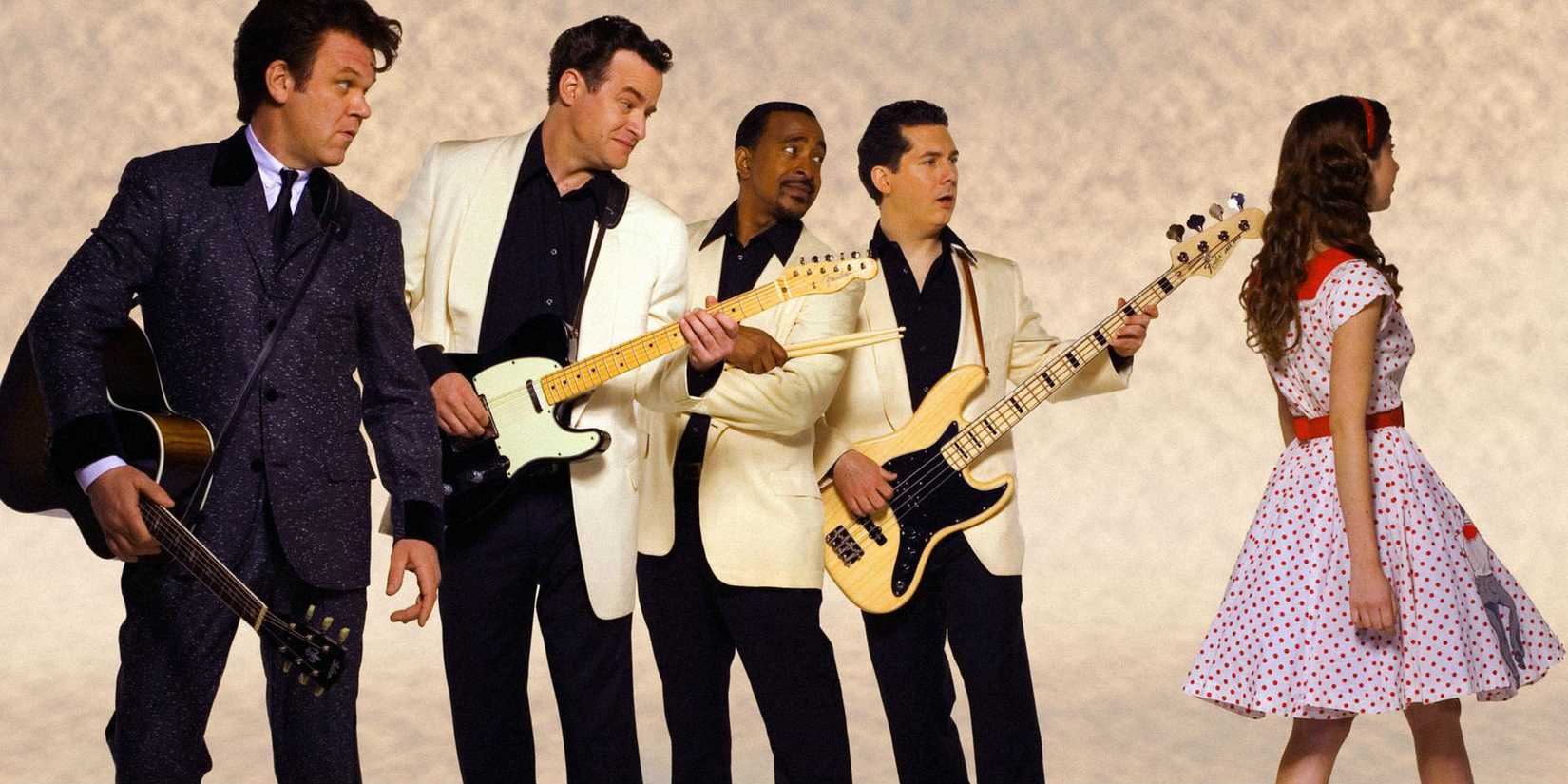
Walk Hard: The Dewey Cox Story may have underperformed at the box office, but it remains the sharpest music biopic parody ever made. Produced by Judd Apatow and directed by Jake Kasdan, the film mercilessly skewers the formula popularized by prestige dramas like Walk the Line. John C. Reilly’s Dewey Cox stumbles through every predictable trope.

10 Greatest Romance Movie Masterpieces Of The Last 100 Years, Ranked
From timeless classics to modern heartbreakers, these romance masterpieces defined love on screen and changed the cinematic genre forever.
He faces childhood tragedy, drug spirals, strained marriages, and conveniently timed musical reinventions. The brilliance comes from how precisely the film mirrors biopic clichés before exaggerating them to absurdity. Songs parody entire eras of American music while remaining genuinely catchy.
Over time, Walk Hard has gained cult status. It’s especially prescient as modern real biopics continue repeating the very conventions it mocked. Few parodies so thoroughly dismantle an entire genre’s storytelling template.
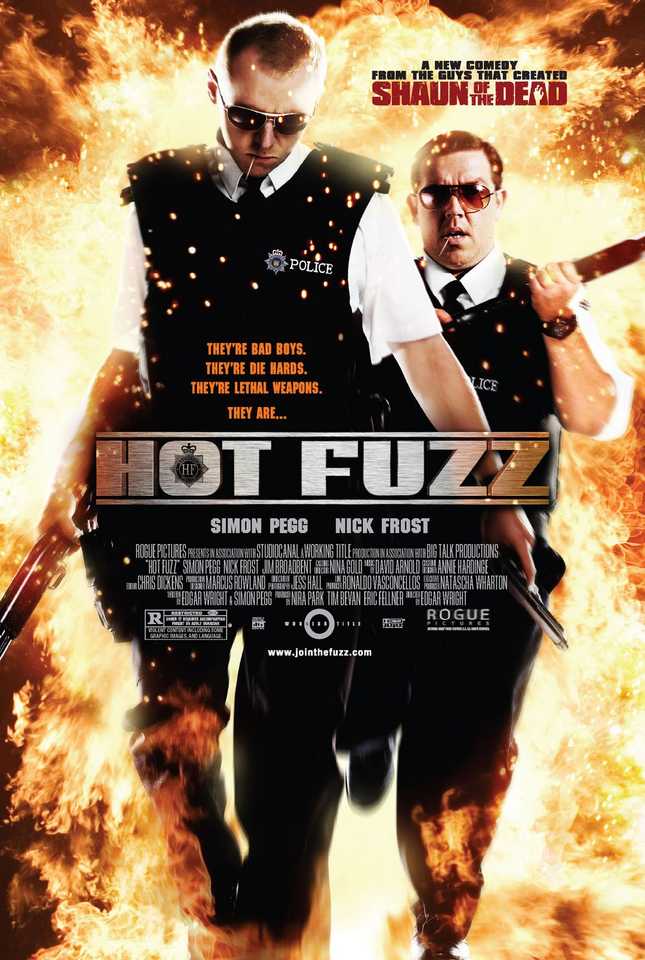
Hot Fuzz (2007)

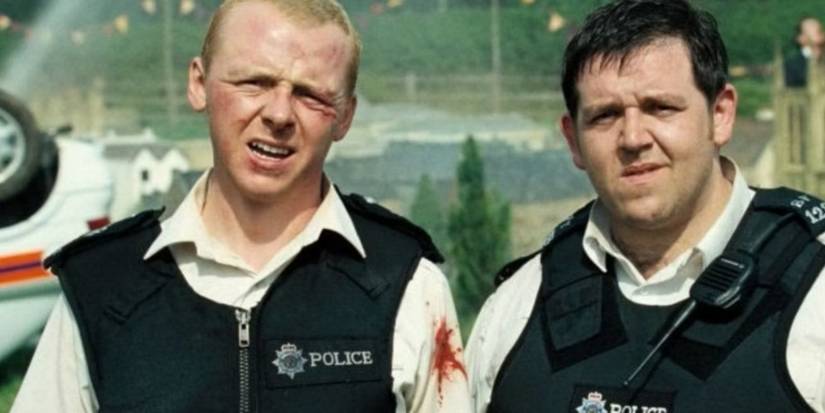
Hot Fuzz takes aim at bombastic Hollywood action thrillers and small-town British coziness simultaneously. Directed by Edgar Wright and starring Simon Pegg alongside Nick Frost, the film lovingly recreates the stylistic excess of buddy-cop classics like Bad Boys II. Hyper-dramatic zooms, rapid-fire editing, and explosive shootouts are transplanted into an idyllic English village obsessed with “the greater good.”
The contrast fuels both satire and genuine thrills. Unlike lesser spoofs, Hot Fuzz commits fully to its action sequences. This makes the climactic chaos as exhilarating as it is hilarious.
The screenplay’s meticulous setup-and-payoff structure ensures nearly every joke circles back cleverly. By blending affectionate homage with razor-sharp critique, Hot Fuzz proves parody can be both technically impressive and outrageously funny. It also managed the impossible task of improving on Shaun of the Dead.
Monty Python And The Holy Grail (1975)
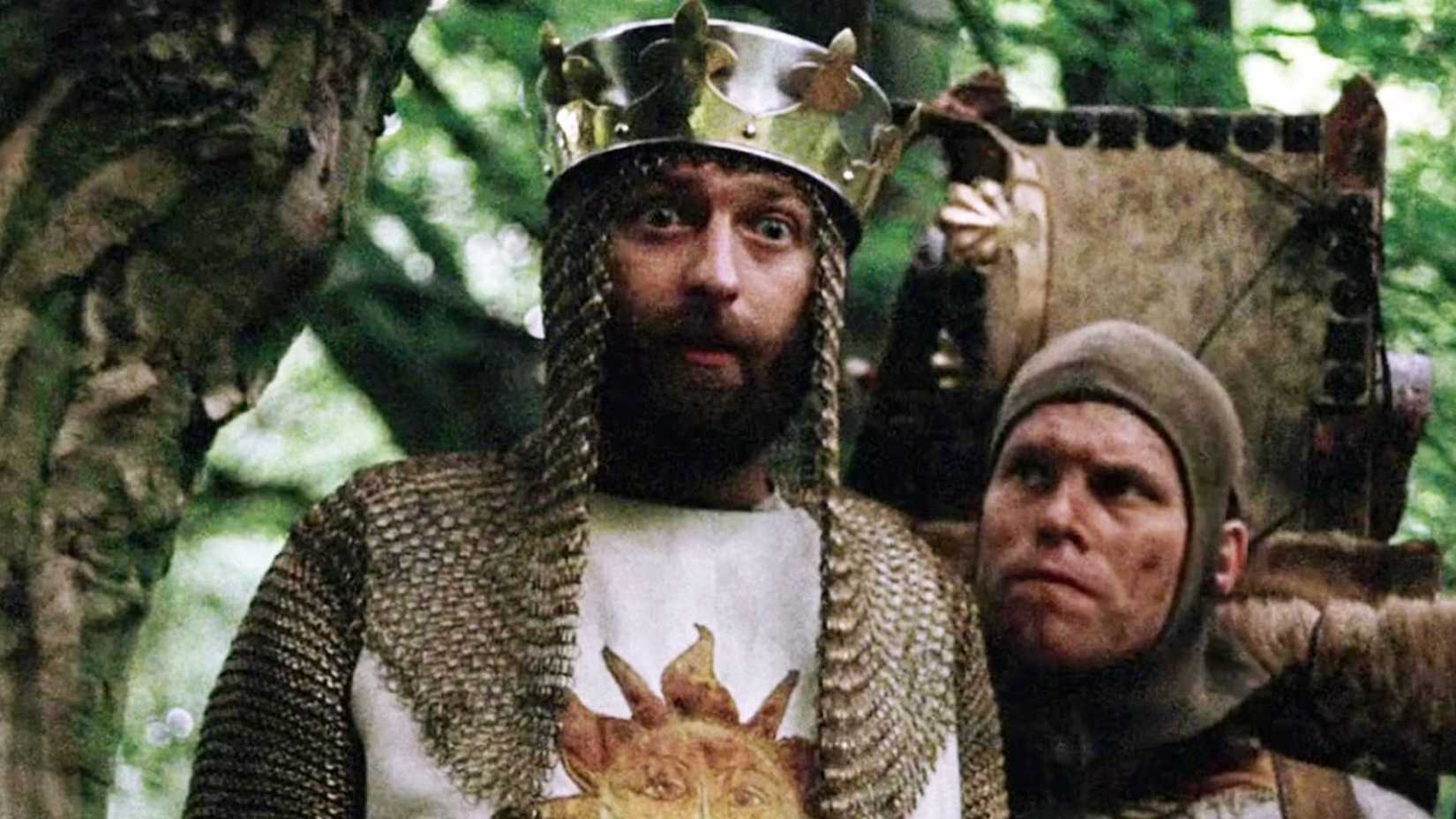
Monty Python and the Holy Grail offers a characteristically absurd take on English mythology. Created by the comedy troupe Monty Python, the film gleefully dismantles Arthurian legend with anarchic absurdity. King Arthur’s quest is reduced to coconut-clopping horses, argumentative peasants, and surreal animated interludes.
The low-budget aesthetic becomes part of the joke, transforming production limitations into comedic innovation. Yet beneath the silliness lies razor-sharp satire targeting religious dogma, class systems, and heroic mythology itself. Quotable lines and unforgettable sequences have embedded themselves into pop culture history.
The Black Knight duel and the Knights Who Say “Ni!” are especially memorable. Nearly fifty years later, Holy Grail’s fearless commitment to absurd logic still feels revolutionary. It shows how even the smartest parody often comes wrapped in the silliest packaging.
This Is Spinal Tap (1984)
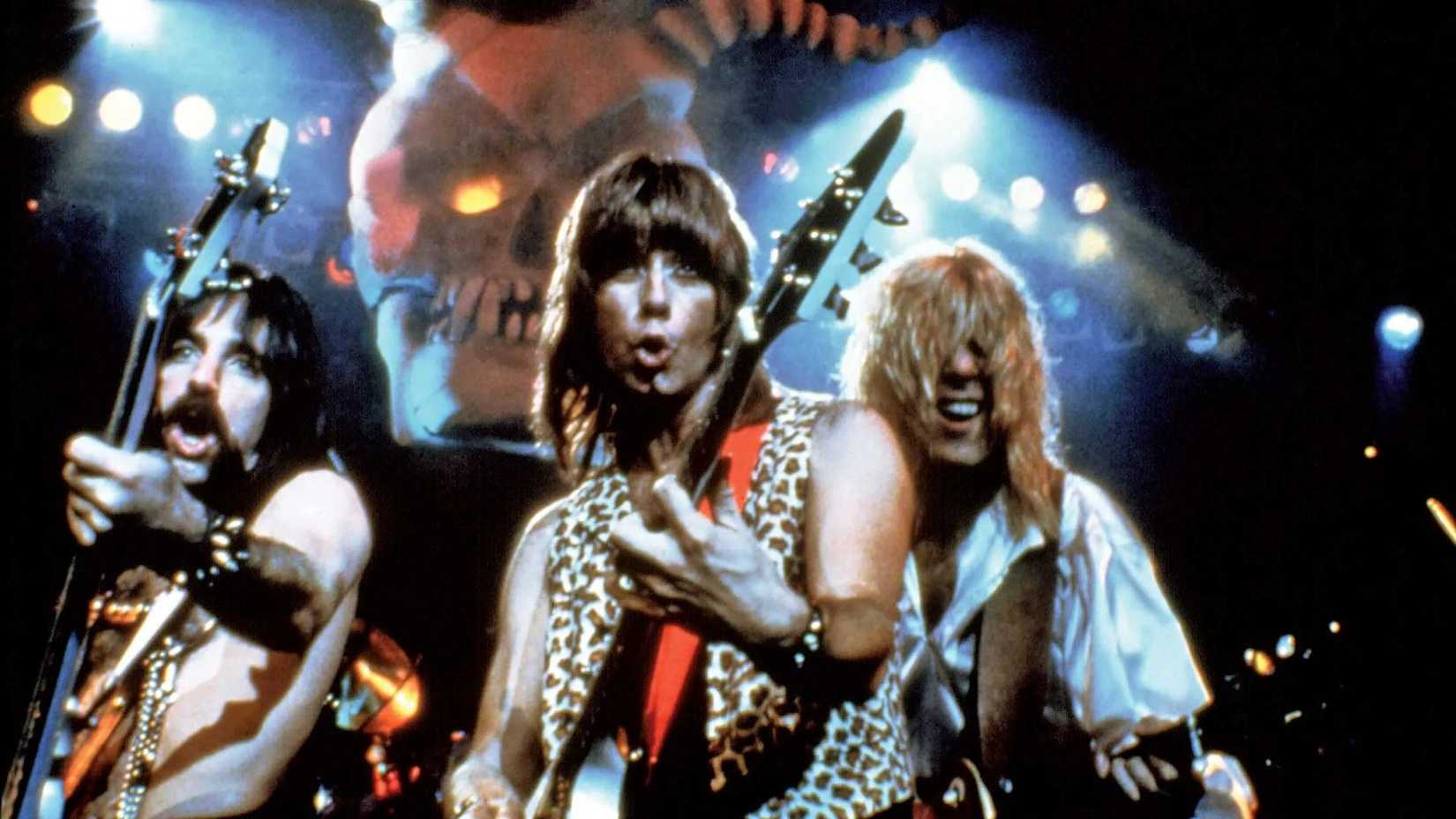
This Is Spinal Tap practically invented the modern mockumentary. Directed by Rob Reiner and starring Christopher Guest, Michael McKean, and Harry Shearer, the film blurs the line between satire and reality so convincingly that some audiences initially thought Spinal Tap was a real band. It neatly skewers the excesses of ’70s and ’80s rock with precision.
Absurd stage props, fragile egos, and hilariously pretentious artistry, are all delivered with deadpan precision. The “goes to eleven” amplifier gag remains one of comedy’s most quoted jokes. What makes it masterful is its improvisational authenticity.
The humor feels organic rather than punchline-driven. By treating ridiculousness with complete sincerity, This Is Spinal Tap created a parody so sharp it permanently reshaped music satire. It was so successful that the band did indeed start touring and a sequel was released decades later.
Blazing Saddles (1974)
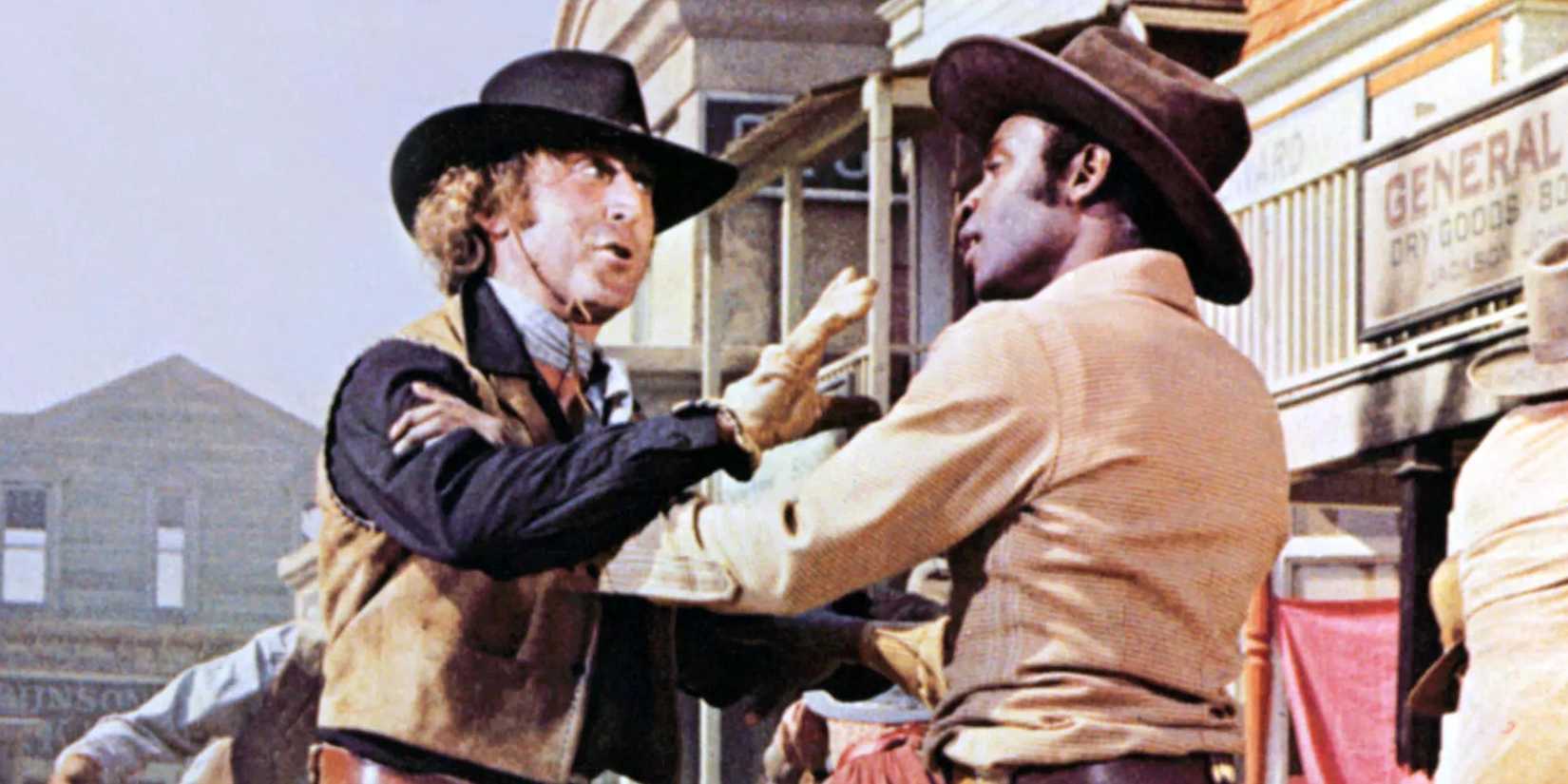
Blazing Saddles is one of the boldest studio comedies ever released. Directed by Mel Brooks and starring Cleavon Little and Gene Wilder, the film savagely dismantles the myths of the American Western. Instead of romanticized frontier heroism, Brooks delivers biting satire aimed at racism, political corruption, and Hollywood cliché.
The film’s deliberately outrageous humor forces audiences to confront prejudice by exposing its stupidity. From fourth-wall breaks to meta studio-lot chaos, Blazing Saddles refuses to play by conventional rules. Yet beneath the anarchy lies razor-sharp commentary about America’s cultural myths.
By weaponizing absurdity, Brooks turned a genre built on stoic machismo into a vehicle for fearless social satire. This cemented Blazing Saddles as more than just an effective parody. It’s one of comedy’s most daring and vital achievements.
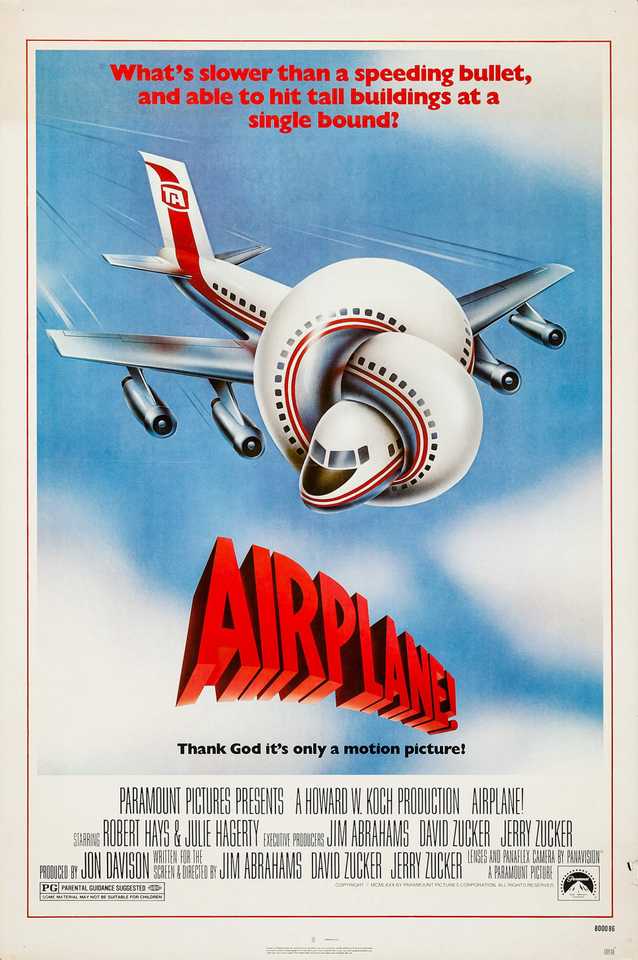
Airplane! (1980)
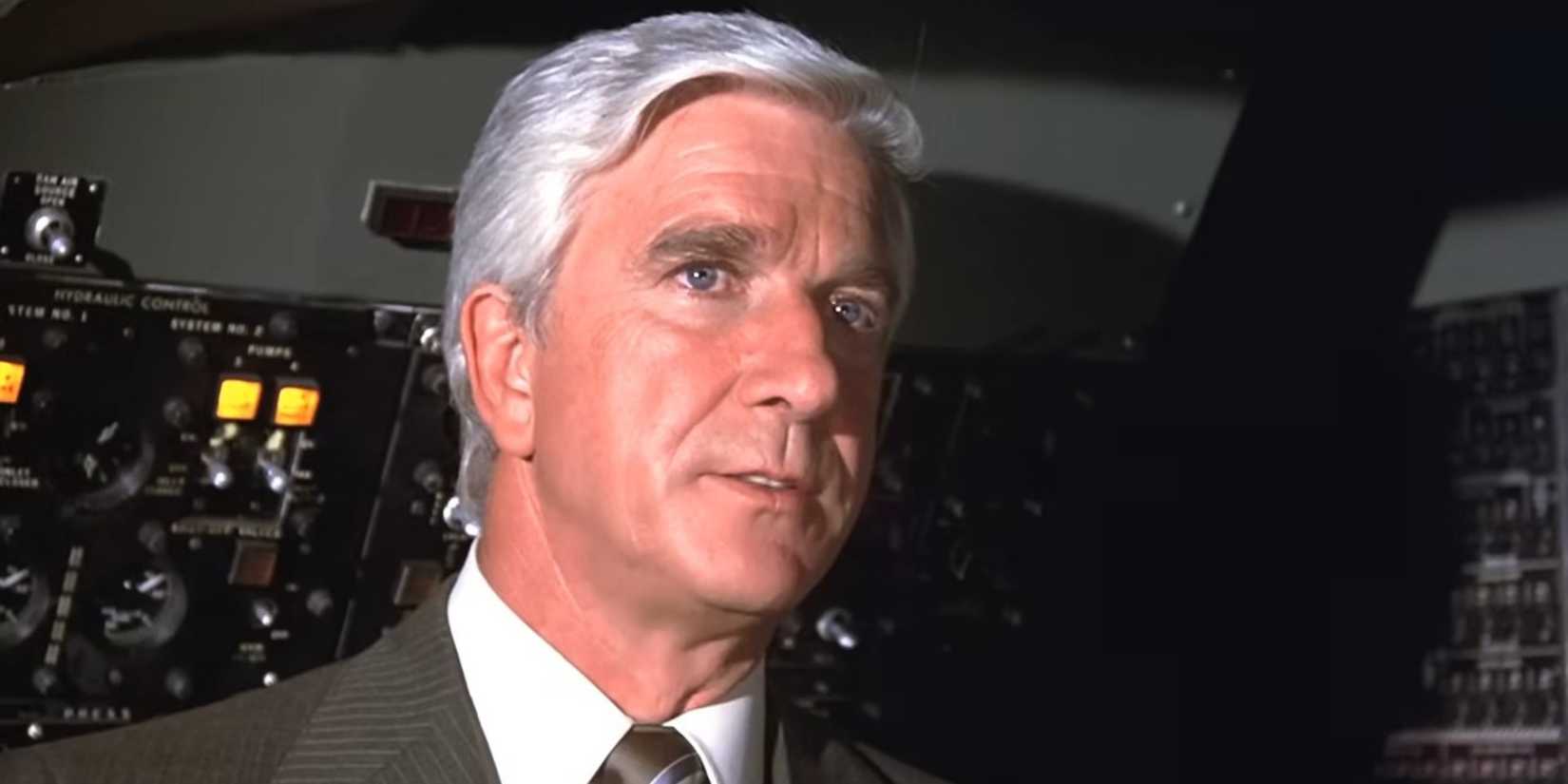
Airplane! perfected the rapid-fire joke machine. Directed by Jim Abrahams and the Zucker brothers, the film mercilessly spoofs disaster movies like Airport. Every dramatic beat is undercut with literal-minded wordplay, background sight gags, and absurd non sequiturs.
Casting serious actors such as Leslie Nielsen amplified the comedy. They delivered ridiculous dialogue with unwavering sincerity. The joke density is staggering; barely a moment passes without a punchline.
What elevates Airplane! beyond sketch comedy is its commitment to narrative momentum. The crisis unfolds earnestly even as chaos erupts onscreen. Decades later, its quotable lines and perfectly timed absurdity still influence modern comedies, proving that relentless silliness can achieve timeless brilliance.
The Naked Gun: From The Files Of Police Squad! (1988)
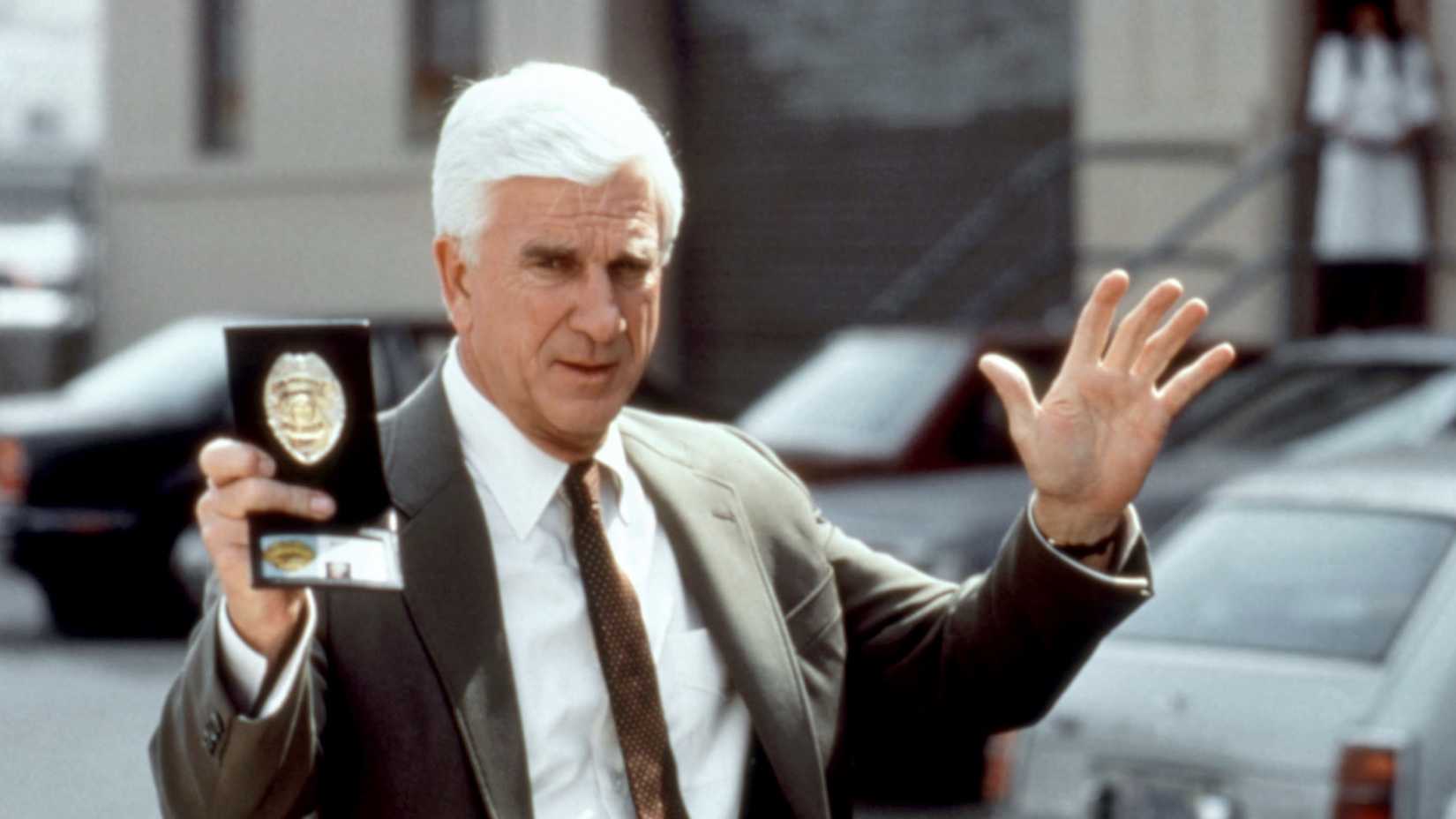
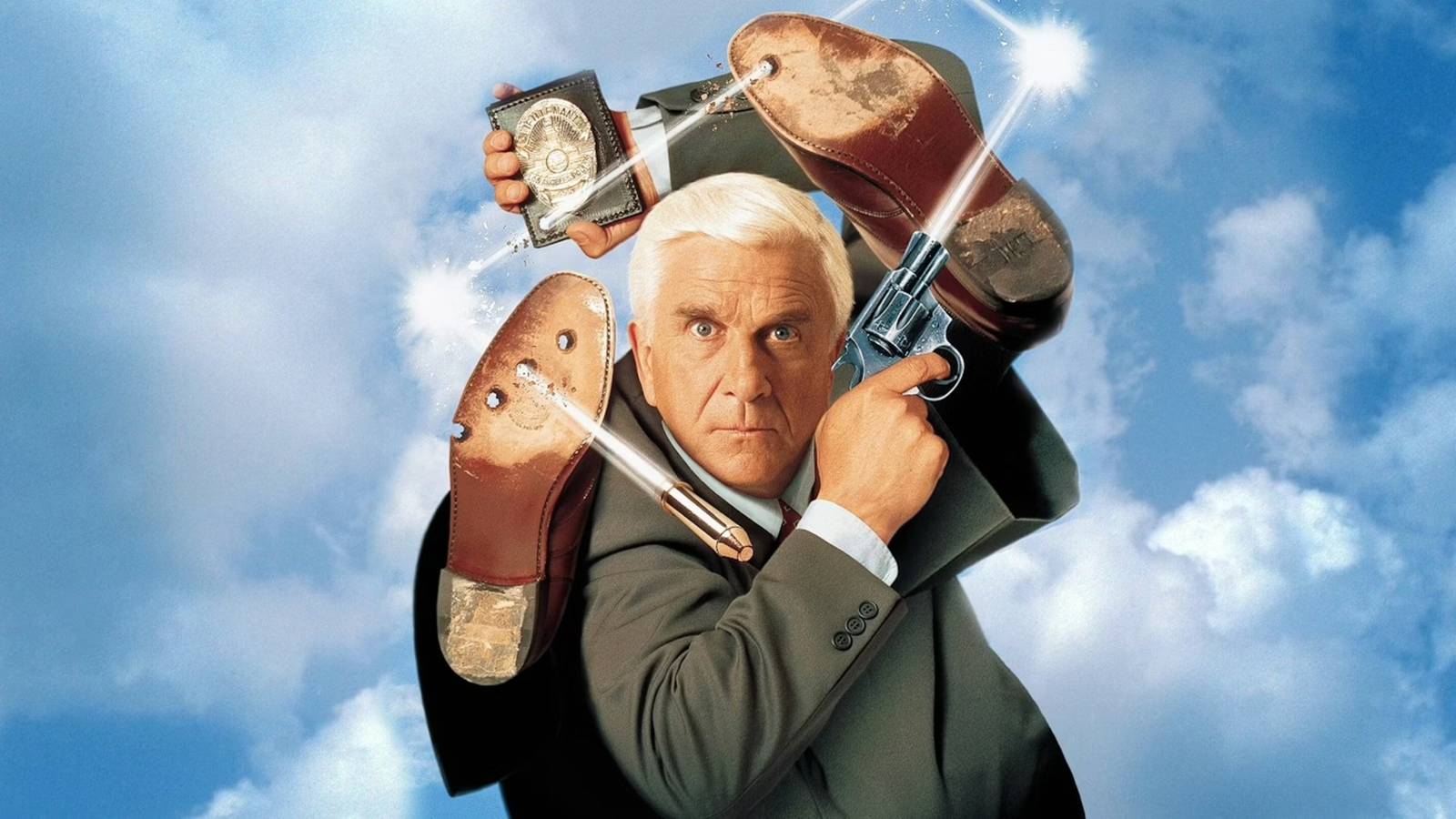
The Naked Gun: From the Files of Police Squad! expanded the deadpan genius of Airplane! into full-blown crime parody. It’s once again led by Leslie Nielsen, this time as the obliviously confident Lt. Frank Drebin. It skewers hardboiled cop thrillers with escalating absurdity.
Directed by David Zucker, the comedy thrives on visual gags. It’s littered with blink-and-you-miss-it background jokes and hilariously literal misunderstandings. Drebin’s straight-faced incompetence contrasts perfectly with the serious tone of police procedurals.
The Naked Gun also satirizes political pageantry and media spectacle, broadening its targets beyond genre tropes. Like its predecessor, it trusts the audience to keep up with its relentless pacing. The Naked Gun proves parody doesn’t need topical references to endure: precise timing, fearless absurdity, and total commitment to the bit are more than enough.
Young Frankenstein (1974)
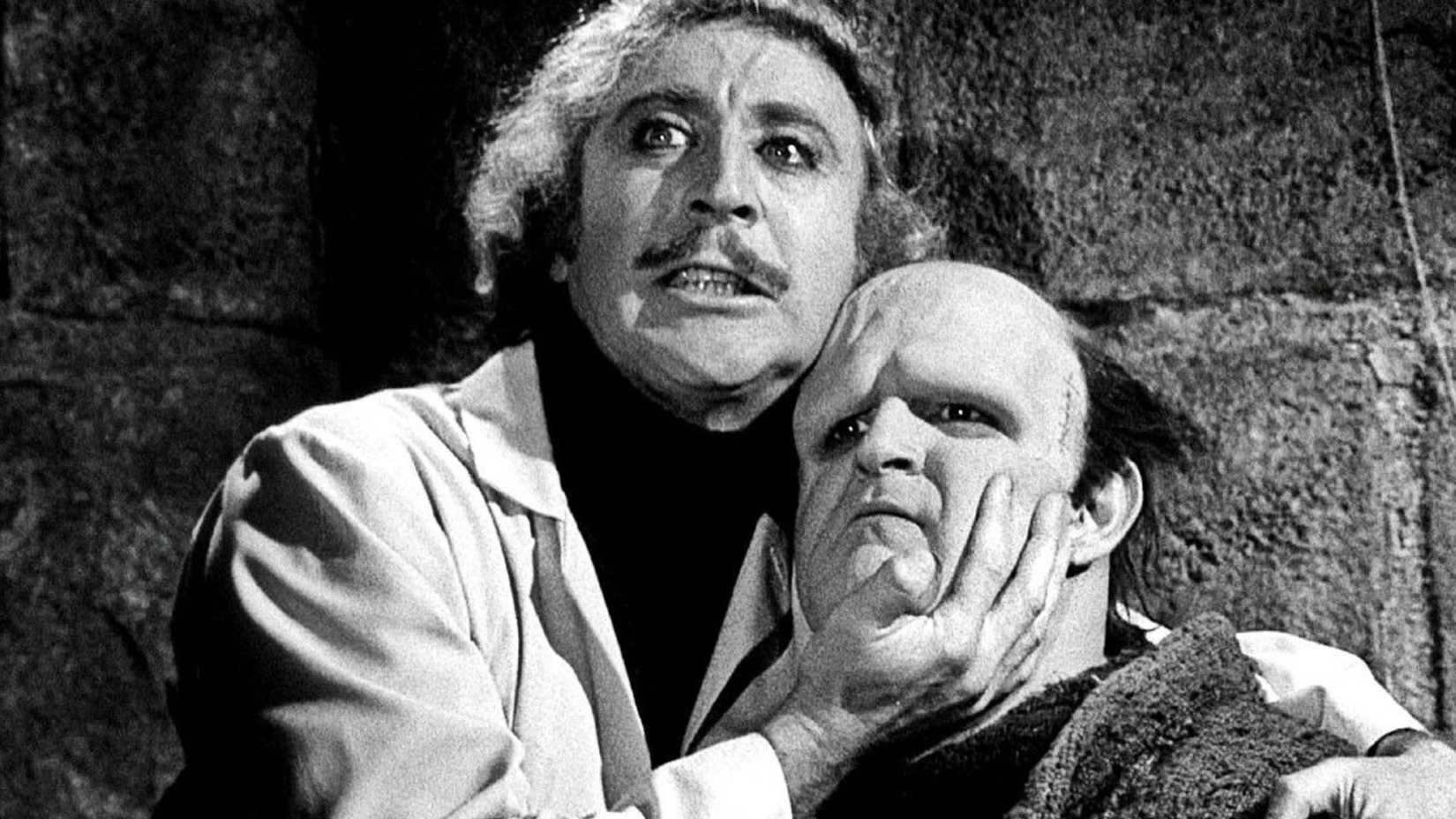
Young Frankenstein is one of parody’s most affectionate tributes. Directed by Mel Brooks and starring Gene Wilder, the film lovingly recreates the visual style of Universal’s classic monster movies. However, it does this all while poking gentle fun at their melodrama.
10 Greatest Vampire Movie Masterpieces Of The Last 100 Years, Ranked
Discover the immortal movies that rank as the all-time best. Centuries of cinematic terror distilled into 10 unforgettable vampire films.
Shot in black and white and even using original lab equipment from Frankenstein, it mirrors the gothic atmosphere with remarkable fidelity. The humor arises from character eccentricities rather than cheap mockery. Wilder’s frantic intensity and Marty Feldman’s bug-eyed Igor provide endless comedic gold.
Musical numbers and theatrical flourishes add unexpected charm. Rather than dismantling the horror genre, Young Frankenstein celebrates it, demonstrating that parody can function as homage. Its balance of reverence and irreverence makes it the most elegantly crafted spoof ever put to screen.
-
Hot Fuzz

10/10
- Release Date
-
February 14, 2007
- Runtime
-
121 minutes
-
Airplane!
- Release Date
-
July 2, 1980
- Runtime
-
88 minutes


Source link
-
-

-

-

-