There’s no reason to fret about the future of cinema when looking at the films of the past fifteen years. Even if the impending merger of major studios and shrinking window of the theatrical market are issues that have only been exacerbated in recent years, there are more unique and interesting directors working today than at any other point in history. The issue with contemporary cinema isn’t related to output, but one of accessibility; if great cinema is only made available theatrically to those within the coastal cities, the industry will only grow to be more insular.
It’s incredible to see how many films that are heralded as new classics have emerged in recent years, even if they didn’t end up becoming the highest-grossing titles of their respective release windows. Here are ten of the greatest, arguably entirely flawless films released since 2010, ranked.
10
‘The Grand Budapest Hotel’ (2014)
The Grand Budapest Hotel is the culmination of what Wes Anderson has been working on for his entire career, as his adventurous period story is a celebration of old-fashioned storytelling and the manners of a different era. While it’s perhaps his fastest paced, funniest, and most ambitious film to date, The Grand Budapest Hotel also has powerful sentiments about the rise of fascism that threatens to collapse the world.
The Grand Budapest Hotel has a remarkable ensemble cast, with Ralph Fiennes giving what may be the most memorable and humorous performance of his entire career; even though Fiennes has now starred in multiple films that have won the Academy Award for Best Picture, The Grand Budapest Hotel might be what he ends up being remembered for. He’s thankfully surrounded by a great ensemble that includes an immensely heartwarming role for the late great Tom Wilkinson.
9
‘Boyhood’ (2014)


Boyhood is among the most ambitious films ever made, as Richard Linklater shot his coming-of-age story about the young Texan boy Mason (Ellar Coltrane) over the course of twelve years, and changed aspects of the script to reflect real events. The authentic, often mundane approach he took to Boyhood was the best way to replicate what it was actually like to grow up in the 21st century; beyond being an outstanding achievement in storytelling, it feels like a time capsule for a time and era.
Boyhood is as much a film about parenting as it is about childhood, as both Ethan Hawke and Patricia Arquete turn in outstanding achievements as two people that fall in and out of love with one another as their child steadily transforms into a young man and develops into a person that they can be proud of.
8
‘One Battle After Another’ (2025)

One Battle After Another was almost immediately declared to be a classic, as the film peered right into the present by looking directly at the issues that dominate America today. Although One Battle After Another does have some admiration for the freedom fighters whose crusades against a fascist regime were once seen as important, it is more interested in instilling belief within a younger generation that they have the power to change the world and create a better future.
Leonardo DiCaprio shows once again that he is just as gifted at comedy as he is at drama, as Bob Ferguson is a character who is both hopelessly out-of-touch and the type of hero that is needed. Chase Infinit instantly proved herself to be a breakout star, and Sean Penn’s role as the ruthless Colonel Lockjaw is among the scariest villains in contemporary cinema.
7
‘First Reformed’ (2018)


First Reformed is one of the best films about trying to justify faith in a modern world because it looks at the uncomfortable questions regarding God’s belief in humanity; for the character of Reverend Toller (Ethan Hawke), his anxiety aren’t as centered on a struggle to believe as much as they are fear of the shame that comes from his inability to curb the violence of the world.
First Reformed is atmospheric and impressionistic in a way that Paul Schrader’s films have rarely been, and features a performance by Hawke that is so tremendous that it feels like a crime that he did not receive a nomination for Best Actor at the Academy Awards, as he in all likelihood should have won. It’s not always an easy film to watch because of the interrogative stance that it takes, but it is without a doubt a necessary viewing experience.
6
‘Manchester by the Sea’ (2016)

Manchester by the Sea is among the most effective films ever made about grief because it understands that depression is not a battle that can be won overnight. It’s an arduous process that takes years of reckoning and openness to even talk about, and for a character like Lee (Casey Affleck), it’s been made all the worse by how closed off he has been to any interactions with people that care about him.
Affleck’s performance is one of the greatest of recent years, and finally gave the underrated star the opportunity to show why he is one of the best of his generation. Playwright Kenneth Lonergan crafted a tender, earnest, and occasionally humorous window into the lives of New England families that was uncompromisingly frank in discussing the realities of life, even if its ending does suggest that there is some reason to have hope.
5
‘The Brutalist’ (2024)

The Brutalist is an outstanding achievement in ambitious filmmaking that deserves to be seen by all because of what an experience it is. Brady Corbet dared to make a massive epic of over three hours in length that examined the torments of Jewish identity, sins of capitalism, struggles of being an artist, and lies within the American dream, and ended up making a film far more exciting and entertaining than its premise may have suggested. When looking at the films that must be seen in a theater to be appreciated, The Brutalist is chief among them.
Adrien Brody gives what is not only the best performance of his career, but one of the best of the century; although audiences may have shook their heads and grumbled listening to Brody’s long-winded acceptance speech for Best Actor at the Academy Awards, The Brutalist makes it very hard to deny how innate talented he is.
4
‘The Wolf of Wall Street’ (2013)
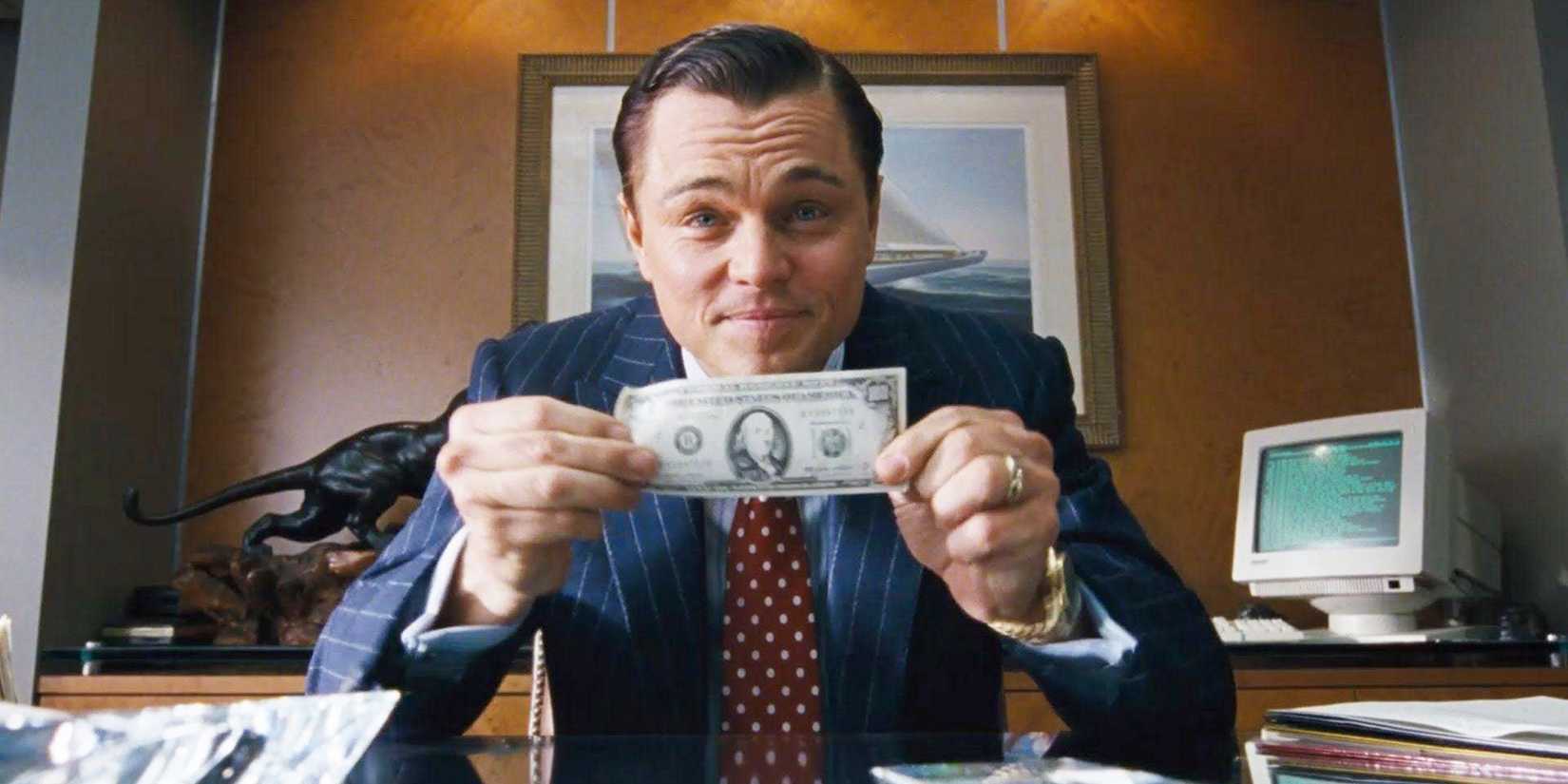
The Wolf of Wall Street is three hours of nonstop energy, madness, and fury, as Martin Scorsese created an epic satire about the collapse of the free market and the dangers of charisma that was destined to be marred by controversy. It’s because of how captivating and charming Leonardo DiCaprio is as the corrupt wall street tycoon Jordan Belfort that it’s almost easy to mistake The Wolf of Wall Street as an endorsement of his actions, at least until the film shows without a shadow of a doubt that he is a complete villain who will never be served with justice.
The Wolf of Wall Street offered definitive proof that Scorsese’s run of films with DiCaprio are nearly as impressive as his work with De Niro. It also featured an amazing ensemble of featured actors, including a hilarious role for the late great Rob Reiner.
3
‘The Fabelmans’ (2022)

The Fabelmans is perhaps the most personal film that Steven Spielberg has ever made, as the semi-autobiographical story examines his own childhood and route to becoming a filmmaker. While themes of familial tension and artistic subjugation have been present throughout Spielberg’s entire filmography, The Fabelmans is a searing drama that examines the tools that he used to become a filmmaker, and how a secret from his past came to dominate his adulthood.
The Fabelmans is patient, funny, and thoughtful in the way that only Spielberg can be, and serves as another amazing collaboration with John Williams, who had already been responsible for providing the muscle score for most of his best films. While he has directed more all-time great classics than nearly any other living filmmaker, The Fabelmans is another grandiose achievement and instant masterpiece that deserves its place within his hall-of-fame.
2
‘The Social Network’ (2010)

The Social Network may be the most representative film of the last fifteen years because it captured the way that society fundamentally changed as a result of the Internet. The most profound irony and tragedy of Facebook’s inception was that a system intended to bring people closer together ended up dividing and victimizing countless individuals, and served as the basis of a bitter feud between former best friends.
The Social Network has the snappy wit and banter that only Aaron Sorkin could write, but has the intensity and dark humor that are essential to David Fincher’s work. It’s not only one of the most rewatchable and entertaining films released since 2010, but one of the most relevant when considering the real-world developments involving many of the main figures that were featured in the film. If nothing else, the impending sequel The Social Reckoning has a massive feat on its shoulders.
1
‘Once Upon a Time in Hollywood’ (2019)

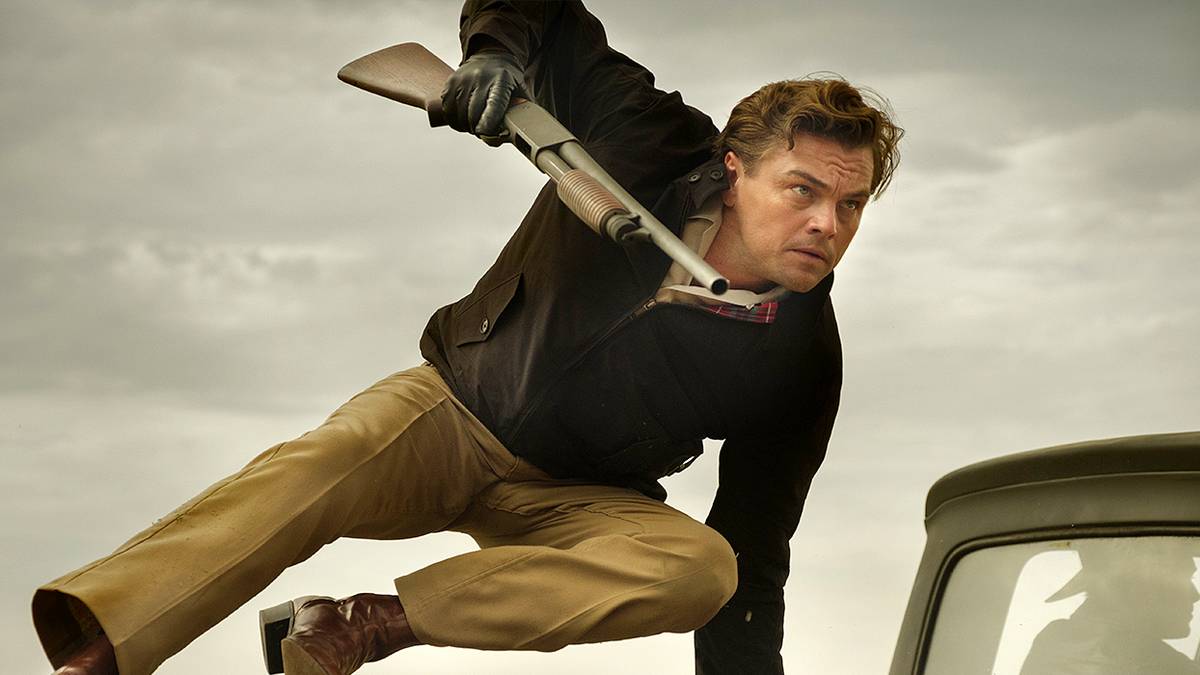
Once Upon a Time in Hollywood is a surprisingly profound, heartfelt film from Quentin Tarantino that honors the ending of Hollywood’s Golden Era by celebrating the old-fashioned notion of stardom and providing an alternative version of history. Although it is as much a “hangout film” as it is a historical reimagining, Tarantino offered his own contributions to cinematic history with the undeniable friendship between actor Rick Dalton (Leonardo DiCaprio) and stuntman Cliff Booth (Brad Pitt).
Once Upon a Time in Hollywood is more rewarding on multiple viewings, as every scene is layered with whimsical references and undersung performances. Tarantino has consistently stated that he only intends to make one more film, as he is steadfast in limiting his filmography to ten features, it’s hard to imagine him making anything else that embodies his love of the moviemaking system more than Once Upon a Time in Hollywood.
Source link
-
-

-
-

-