A timeless drama, to me, is only timeless because the problem at the center is still the problem: love that turns into control, guilt that does not go away, loyalty that gets tested, and people trying to live with what they have done. You can watch them decades later, and the emotions still make sense. Plus, they need to have a certain visual aesthetic that works. Just like FRIENDS or How I Met Your Mother — they have a visual aesthetic that’s evergreen. Any timeless movie is essentially the same.
Now these ten are the ones I can put on for someone who doesn’t like slow movies and still watch them lean in. Each one keeps the story clear, keeps the characters honest, and ends in a way that feels earned instead of forced. If you have seen them, they hold up. If you have not, this is a clean entry point. They never age out.
10
‘Kramer vs. Kramer’ (1979)
If you want a drama that still feels like real life, start here. Kramer vs. Kramer follows Ted Kramer (Dustin Hoffman) after Joanna Kramer (Meryl Streep) leaves, and he suddenly has to learn how to be present for Billy Kramer (Justin Henry). It is not glossy and it is not trying to be inspirational. It is just honest about the chaos. Parenting becomes the plot.
What makes Kramer vs. Kramer timeless is that it refuses to pick a simple villain. You can understand Ted’s panic, and you can also understand why Joanna felt trapped. When the custody fight begins, the courtroom scenes sting because they feel like people using truth as a weapon. There’s no fantasy. It’s all reality. And it’s about a major pain point that a lot of people share and that’s why it is timeless.
9
‘Ordinary People’ (1980)


Ordinary People centers on Conrad Jarrett (Timothy Hutton) trying to recover after a family tragedy, while his mother, Beth Jarrett (Mary Tyler Moore), keeps acting like feelings are a mess to clean up. Calvin Jarrett (Donald Sutherland) is stuck in the middle, trying to hold the family together. Grief hides in routines, so the movie hurts in a quiet way.
The therapy sessions with Dr. Berger (Judd Hirsch) are why Ordinary People still works for modern viewers. They are direct, uncomfortable, and specific, and the movie shows how talking is not magic, but it is a start. That whole dynamic helps open the family cracks, and it allows people watching to relate to the family. An extraordinary film called Ordinary People, and it is for everybody.
8
‘Manchester by the Sea’ (2016)

A lot of timeless dramas just are so good that it feels like they’re trying to heal you. This one just tells the truth and makes you embrace the pain. Manchester by the Sea follows Lee Chandler (Casey Affleck) when he is pulled back home after a death and ends up responsible for Patrick Chandler (Lucas Hedges). The movie keeps the day-to-day details sharp, like work shifts and awkward conversations, because that is how grief actually shows up.
The movie does not sell closure. It doesn’t try too hard. No. The scenes with Randi Chandler (Michelle Williams) are brutal because they feel like two people trying to speak without collapsing. Even the funny moments with Patrick do not soften it; they just make it all feel real. The ending lands because it respects the idea that some wounds change your whole life.
7
‘Dead Poets Society’ (1989)

If you ever had a teacher who changed how you saw yourself, this movie will hit immediately. Dead Poets Society drops you into a strict school and then introduces John Keating (Robin Williams), who teaches English like it matters to your life, not just your grades. Todd Anderson (Ethan Hawke) and Neil Perry (Robert Sean Leonard) feel like real kids trying to breathe inside expectations. It’s a school where freedom feels dangerous, but Keating changes it all for the kids.
What makes Dead Poets Society timeless is how it balances inspiration with accountability. Keating is not framed as a flawless hero; he is a spark, and the film refuses to pretend sparks cannot start fires. The boys’ choices carry weight, and the story does not soften the consequences. That is why it still lands today: the push to succeed in the “right” way is still everywhere, and so is the hunger to live for yourself. And when it all comes to a head, the moment that never stops being powerful is the quiet rebellion that says everything without a speech: the students standing, one by one, and calling, “O Captain! My Captain!” It is not just a line. It is a salute to the idea that someone can wake you up, and you will never be the same.
6
‘There Will Be Blood’ (2007)
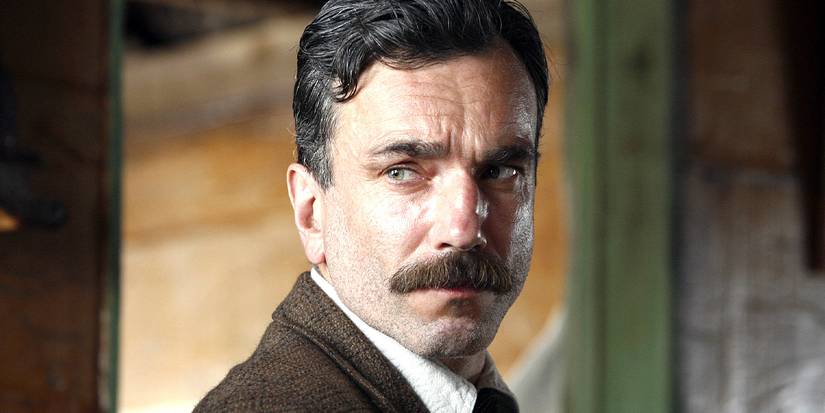
There Will Be Blood is about watching a man build an empire while stripping himself down to nothing human. Daniel Plainview (Daniel Day-Lewis) starts as a lone prospector and rises to power by being sharper, colder, and more relentless than everyone around him. The film makes it clear that his intelligence and his cruelty come from the same place. Even his relationship with H.W. Plainview (Dillon Freasier) is tangled up in image and control, which is what makes it so uncomfortable to watch. This is not a rise-and-fall story that asks for sympathy either. It simply shows you how someone like this succeeds.
The film is timeless because it is not really about oil. It is about power and the need to dominate. The conflict between Plainview and Eli Sunday (Paul Dano) turns into a clash of egos, where business and religion are just different ways to command belief. Each man wants to own the room, to be unquestioned, to win. The pressure keeps building until the ending feels unavoidable. It still resonates because the world has not changed. People still chase control, sell certainty, and mistake ambition for purpose.
5
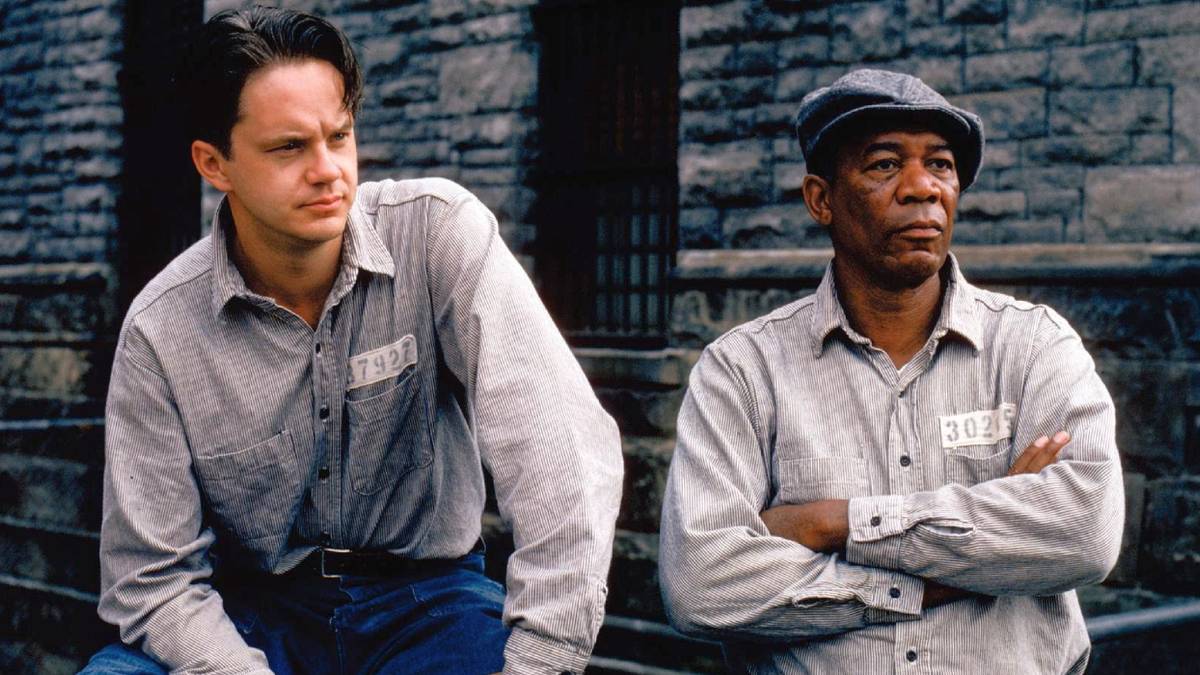
‘The Shawshank Redemption’ (1994)

You can recommend this to almost anyone and it works, which is the whole definition of timeless. The Shawshank Redemption follows Andy Dufresne (Tim Robbins) as he enters prison with a calm that makes people suspicious, and he slowly builds a life that still has meaning. Ellis “Red” Redding (Morgan Freeman) narrates like a man who has seen everything, which makes the friendship feel earned.
What keeps The Shawshank Redemption timeless to this date is how clean the storytelling is. The villains are real, the small wins matter, and the setbacks hurt. Warden Norton (Bob Gunton) and Captain Hadley (Clancy Brown) are terrifying because they feel plausible, not cartoonish. By the end, the payoff hits because it comes from patience, planning, and refusal to give up inside a system built to crush you.
4
‘One Flew Over the Cuckoo’s Nest’ (1975)
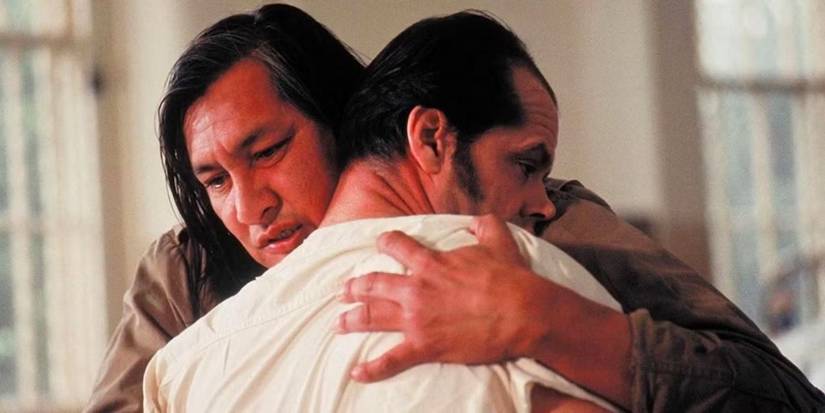
This movie still feels rebellious because it is about power that pretends it is “helping.” One Flew Over the Cuckoo’s Nest follows Randle McMurphy (Jack Nicholson) as he enters a mental institution and immediately clashes with Nurse Ratched (Louise Fletcher). The film is funny at first, but you quickly realize the jokes are part of the trap.
The movie shows harm happening politely. The rules are small, the punishments are quiet, and the staff speaks like they are being reasonable. Chief Bromden (Will Sampson) is the emotional heartbeat because his silence carries history. The ending is tough, but it sticks because it is consistent with what the movie has been warning you about from the start.
3
‘Forrest Gump’ (1994)

This is one of the rare dramas that can be funny, romantic, and heartbreaking without feeling messy. Forrest Gump follows Forrest Gump (Tom Hanks) as he moves through major moments in American history, but the real reason it works is simpler: Forrest is a good person who keeps showing up. That’s it. It is an extraordinary story about a simple man who is a bit witless and yet keeps working hard, keeps grinding. Jenny Curran (Robin Wright) is the complicated center of the love story, and the movie never treats her like a simple lesson.
What keeps Forrest Gump a part of the pop culture even today is how direct the emotions are. The friendship with Bubba Blue (Mykelti Williamson) and the bond with Lieutenant Dan Taylor (Gary Sinise) give the story weight without turning it cynical. Even when the plot becomes big, the movie keeps returning to what Forrest actually wants: connection, family, and peace.
2
‘The Godfather Part II’ (1974)

The Godfather Part II splits time between young Vito Corleone (Robert De Niro) building his life and Michael Corleone (Al Pacino) tightening his grip until he is alone inside his own power. The structure is the whole point: you are watching what a family gains and what it loses. It’s an ode to the first film.
What makes The Godfather Part II timeless is how precise Michael’s decline is. The meetings feel calm, but every calm moment is a threat. Fredo Corleone (John Cazale) is heartbreaking because he is weak and dumb, and that is enough to destroy everything. By the time the film closes on Michael, the film shows beautifully how power can cost relationships. How ambition can compel a man to be brutal — and it shows why both sides of the coin are necessary sometimes.
1
‘The Godfather’ (1972)
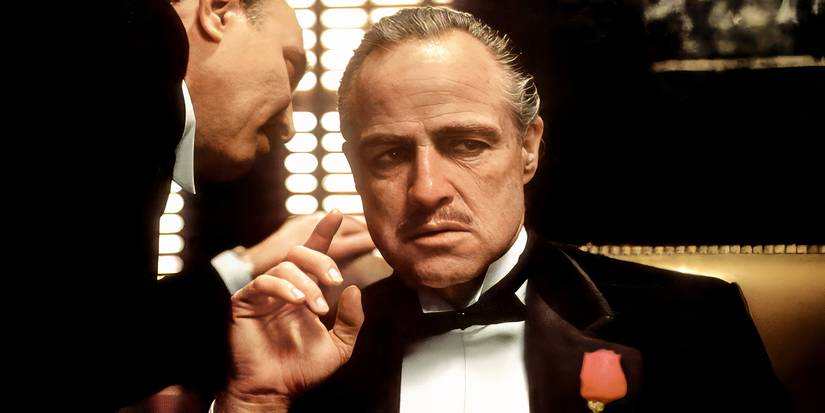
If someone asks, “What is the best drama ever made?” this is the one I understand as an answer, even if it might not be your personal favorite. The Godfather starts with the family as a living system, then shows how violence becomes policy. Vito Corleone (Marlon Brando) is a calm authority, and Michael Corleone (Al Pacino) begins as the outsider who thinks he is different. Watching that shift is the hook. You can’t look away.
You see why Sonny (James Caan) is weak and why Michael sees right through it. He doesn’t blame anybody. He just understands why playing the game is essential to survival and he can do it. The Godfather is evergreen because everything in the film is extremely sophisticated and yet so understandable, even when it is dark. The wedding, the business meetings, the family arguments, it all feels like real people with real leverage. Kay Adams (Diane Keaton) is crucial because she is the audience’s line to normal life, and you watch that line snap slowly. By the end, the famous final beat of Michael getting his hand kissed lands because you have seen every step that led there. And although he tells a lie right before it, somehow, it all feels justified.
Source link
-

-

-

-
-