

Cult classics are tricky to rank, generally. Mainly because they do not earn their immortality the usual way. They are not simply great movies in the consensus-awards sense. They become sacred because the people who love them really love them. Just because. They get quoted for decades, passed from older siblings to younger ones, rediscovered in college dorms, midnight screenings, shabby apartments, and lonely phases of life when a strange movie feels like it understands you better than people do.
They change taste, personality, humor, and sometimes the way you move through the world. So these 10 movies below come from my personal taste and personal experience, but the point is, it wasn’t just mine. What does that mean? Go figure.
10
‘Heathers’ (1988)
Heathers still feels dangerous in a way most teen movies never dare to be. It is savage, glamorous, cruel, funny, and so sharply written that every line sounds like it was dipped in poison before being delivered with a smile. What makes it beloved apart from the pitch-black comedy is the way the film sees high school as a battlefield of status, performance, and emotional survival. Long before teen movies became self-aware brands, Heathers understood how social hierarchies can feel theatrical and life-threatening at the same time.
Veronica Sawyer (Winona Ryder) gives the movie its pulse. She is never just sarcastic wallpaper and is smart enough for the plot to see the rot around her and weak enough to get seduced by rebellion when it comes packaged as charisma. Jason “J.D.” Dean (Christian Slater) is the kind of cult-movie figure people misread for years, which only proves how sharply the film understands the seduction of nihilism. Heathers endures because it is not merely edgy. It knows that cruelty often dresses itself as confidence, and that insight never stops being relevant.
9
‘Napoleon Dynamite’ (2004)


Napoleon Dynamite somehow escaped the fate that kills a lot of comedies, because its humor is built on rhythm, awkwardness, and affection rather than punchline mechanics. The movie lives in pauses, stares, bad dancing, side glances, and tiny humiliations that somehow become triumphs. It is one of the gentlest cult classics ever made, which is part of why people keep returning to it. It does not mock outsiders from a distance. It hangs out with them until their oddness becomes its own kind of grace.
Napoleon Dynamite (Jon Heder), the titular character never tries to fix himself into a conventional hero box. He is annoying, sincere, stubborn, and unforgettable. Heder plays him like someone who has spent his whole life one inch outside social reality, but never completely broken from it. There is something genuinely moving about a film that believes niche talent, loyalty, and weird confidence can eventually carve out their own space. Pedro Sánchez (Efren Ramirez) running for class president is funny, obviously, but it also hits on a real truth: sometimes the smallest acts of support become the whole heart of a community.
8
‘The Rocky Horror Picture Show’ (1975)

There are cult movies, and then there is The Rocky Horror Picture Show, which practically wrote the religion. Its legacy is not just on the screen. It lives in the ritual around it: audience call-backs, costumes, midnight screenings, and the feeling that watching the film is only half the experience. Few movies have ever been so completely adopted by viewers who refused to let it remain passive entertainment. That communal ownership is a huge reason it became eternal in my opinion.
But the film itself absolutely earns the devotion. It is campy, chaotic, horny, theatrical, and gloriously unembarrassed. Dr. Frank-N-Furter (Tim Curry) is a living force of temptation, vanity, need, and performance art. The movie’s message about identity and desire, therefore, because of him, and everything around him, is messy, playful, and liberating rather than neat. That matters. The Rocky Horror Picture Show became beloved because it gave generations of outsiders permission to be louder, stranger, and more joyfully themselves. Very few films have ever made transgression feel this welcoming.
7
‘Office Space’ (1999)

Office Space is one of the most quoted cult comedies ever made. I’ll tell you why. It understood modern work misery with almost psychic precision. That’s why. Because plenty of movies satirize jobs and this one captured the soul-killing texture of corporate life: the meaningless memos, the forced politeness, the bosses who weaponize cheerfulness, the sense that your time is being quietly stolen from you in exchange for fluorescent despair. Mike Judge was not exaggerating office culture so much as translating its absurdity into a sharper language.
Peter Gibbons (Ron Livingston) is spiritually exhausted in the film, and that makes him universal. Anyone who has ever stared at a screen and felt their personality dissolving can recognize him instantly. The comedy is good too. It comes from deep observation, but the film’s staying power comes from something more human. It understands how deadening it feels to realize you are building your life around obligations you do not respect. The printer-smashing scene is famous because it is hilarious and feels like a revenge fantasy against a whole system of petty, daily dehumanization. Something that everyone wants to do at some point. Well, Office Space did it first.
6
‘Donnie Darko’ (2001)

Donnie Darko became a cult obsession because it is the kind of movie that invites analysis without reducing itself to a puzzle box. Yes, people talk about timelines, fate, tangent universes, and all the mechanics. That is part of the fun. But what makes the film stick is emotional atmosphere. Richard Kelly created a suburban apocalypse movie that feels lonely, intelligent, funny, and terrifying in equal measure. Donnie Darko (Jake Gyllenhaal), on the other hand, gave the movie a wounded volatility.
That has kept it grounded still, even though the film’s story turns cosmic. He is both too perceptive and too fragile for the world he is trapped in. That tension is what gives the film its ache. Beneath the sci-fi mystery, though, is a story about adolescence, fear, family, and the unbearable feeling that something is wrong even when nobody else seems to see it. And that makes it feel so relatable. This film got so loved so fiercely because it mirrored the chaos of being young and hyperaware, when the world feels both fake and fated.
5
‘This Is Spinal Tap’ (1984)

The genius of This Is Spinal Tap is that it became so definitive people forget how radical it is. This is not just a funny mockumentary. It is the mockumentary, the one that set the template so perfectly that half the genre has been living in its shadow ever since. The improvisational style, the dead-serious commitment to absurdity, the way tiny details keep exposing monumental stupidity, all of it still feels effortless even though the craft underneath is razor sharp.
The film follows David St. Hubbins (Michael McKean), Nigel Tufnel (Christopher Guest), and Derek Smalls (Harry Shearer) and they are ridiculous. They are never treated like disposable idiots but vain, clueless, insecure artists who believe in their own greatness even as everything around them collapses. That combination makes them hilarious and strangely endearing. Anyone who has ever been in a band, worked on a creative team, or watched ambition outpace self-awareness can feel the truth in this film in every scene.
4
‘Blade Runner’ (1982)
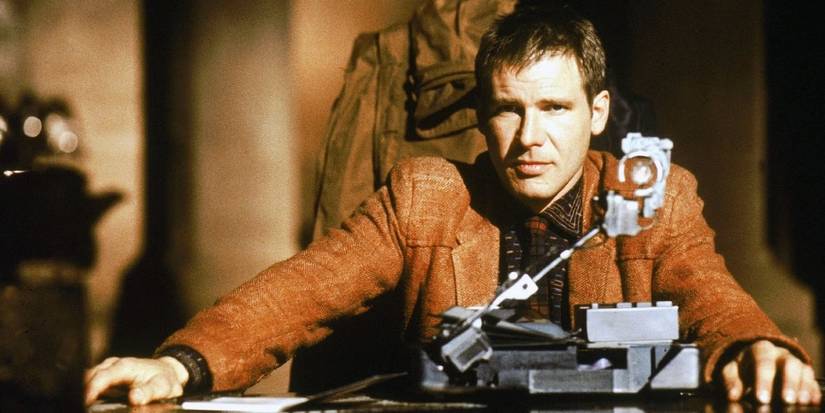
It is almost funny to remember that Blade Runner was once received with mixed enthusiasm, because its fingerprints are all over modern science fiction. Visually, it changed the game. Philosophically, it deepened it. This Ridley Scott’s film imagines a future already exhausted by itself, drowning in neon, rain, commerce, memory, and spiritual rot. Entire generations of sci-fi filmmakers borrowed from it, but very few matched its hypnotic sadness.
Its cult power comes from the fact that it gets richer with age and the fact that it was so crucial that they gave it a reboot and made Harrison Ford return. On first watch, plenty of people latch onto the mood, the design, and the mystery. Over time, what really takes hold is the film’s aching question about what makes a life real. The film gives its supposed villain, Roy Batty (Rutger Hauer), soul of the story. And then there’s Rick Deckard (Harrison Ford) who is compelling because he’s up against moral certainty and existential decay. This film understands memory, mortality, and loneliness as the core sci-fi subjects better than most films. The technology matters. The human sorrow matters more.
3
‘Fight Club’ (1999)
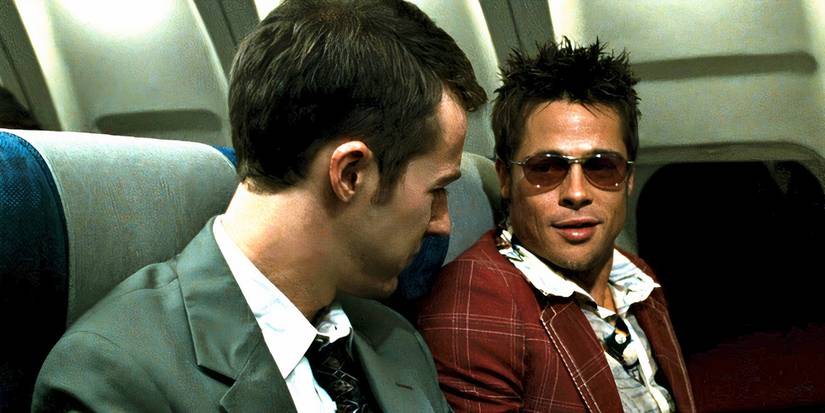
Few cult films have been as widely admired and as widely misunderstood as Fight Club. That tension is part of its legend. David Fincher made a movie so electrifying in style and so corrosive in meaning that some viewers embraced the surface rebellion while missing the rot underneath it. Yet that misreading has only kept the film alive in debate, which is exactly the kind of afterlife a true cult classic thrives on. People do not just watch Fight Club. They wrestle with it, argue with who is who, why was it created the way it was, was it even real, and what not.
The film hits hard because it understands male emptiness with uncomfortable clarity. The Narrator (Edward Norton) is spiritually numb, over-civilized, and desperate to feel anything real. Tyler Durden (Brad Pitt) arrives like a fantasy of liberated masculinity, and the movie brilliantly reveals how seductive that fantasy becomes when identity has collapsed into consumerism and resentment. What keeps Fight Club beloved is not the twist alone or the quotability. It is the way the film drags viewers into the intoxication of destruction before forcing them to confront its cost. It is a thrilling movie about how easy it is to confuse pain, violence, and rebellion for actual freedom.
2
‘The Princess Bride’ (1987)

Some cult classics earn devotion through darkness or irony. The Princess Bride earns it through pure enchantment. This movie is funny enough for comedy fans, romantic enough for dreamers, adventurous enough for kids, and sharp enough for adults who usually hate fairy tales. That balance is incredibly hard to pull off. It feels handmade in the best sense, like a story passed down with warmth, wit, and impeccable timing.
Every character leaves a mark. Westley (Cary Elwes) gives the film effortless charm, Buttercup (Robin Wright) gives it a luminous storybook presence, Inigo Montoya (Mandy Patinkin) becomes one of the most beloved supporting characters in movie history, and Fezzik (André the Giant) brings a sweetness that anchors the film emotionally. What makes the movie endure across generations is its total lack of cynicism. It knows stories matter because they help people survive boredom, grief, fear, and time itself. Grandfathers tell them. Kids resist them, then surrender to them. Adults revisit them when they need to remember that joy, wit, and heroism can still live in the same tale without canceling one another out.
1
‘The Big Lebowski’ (1998)

No cult movie inspires long-term devotion quite like The Big Lebowski, because almost every part of it improves the more you live with it. The plot is gloriously tangled, but the plot is also beside the point. This is a movie about vibe, language, philosophy, and character texture. It’s not for everybody and that’s exactly why its #1. Joel Coen and Ethan Coen built an entire comic universe around people who are delusional, volatile, pretentious, damaged, or absurdly laid-back, then let them collide with one another in dialogue so quotable it started to feel mythic.
Jeffrey “The Dude” Lebowski (Jeff Bridges), the guy that the film revolves around, is passive, scruffy, half-engaged, and perpetually irritated by the world’s attempts to impose seriousness on him. Yet there is something weirdly profound in the way he endures chaos without letting it fully poison him. Walter Sobchak (John Goodman) is a wrecking ball of ego and misplaced certainty, Donny Kerabatsos (Steve Buscemi) is gentle collateral damage, and together they create one of the funniest friendship dynamics ever put on film. The Big Lebowski does what the best cult classics do better than any other film here: it creates a whole worldview. You do not simply watch it. You start speaking its language.
Source link
-

-

-

-

-


