
April is a key month for getting your flower garden off to a strong start. As temperatures rise and the risk of hard frost begins to fade, soil conditions become much more suitable for sowing and planting a wide range of flowers. With longer days and more consistent warmth, seeds germinate faster and young plants establish more easily.
Planting flowers in April also gives you a head start on the growing season, helping to ensure vibrant color from late spring right through summer. Whether you’re filling borders, brightening containers, or creating a pollinator-friendly space, choosing the right flowers now can make a big difference to how your garden looks in the months ahead.
Article continues below
7 flowers to sow in April
1. Marigolds
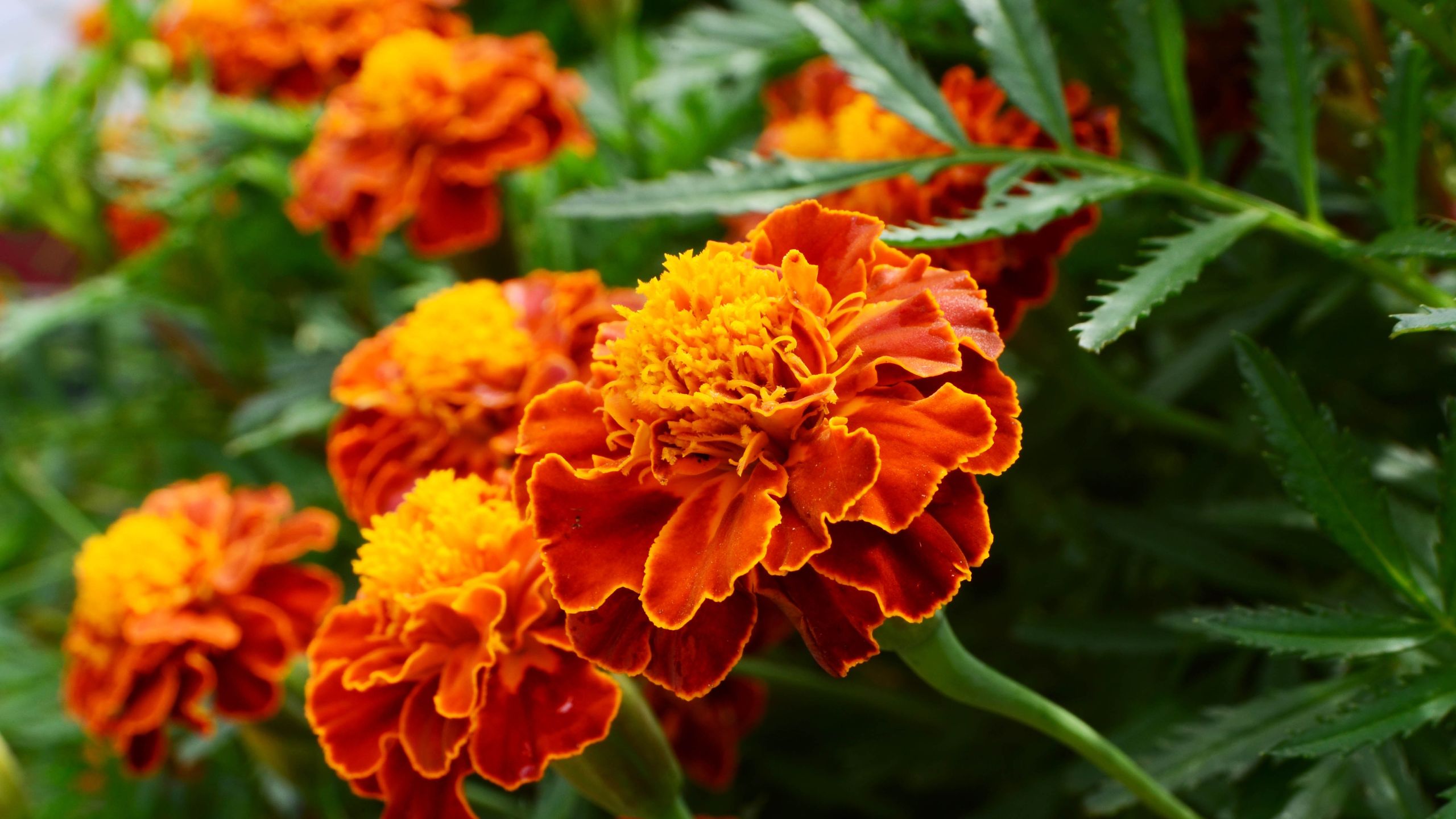
Marigolds are bright, easy-to-grow annuals known for their bold orange and yellow blooms. They typically grow in compact, bushy mounds, making them ideal for edging borders and filling gaps in beds. April is a great time to sow marigolds, as they germinate quickly in warming soil and establish fast-growing plants that will flower throughout summer. Their strong scent is also known to help deter certain garden pests, making them a useful companion plant.
Best for US growing zones: 3–10
To plant: Sow seeds directly outdoors in well-draining soil in a sunny spot, covering lightly with soil. Keep the area moist while seeds germinate, which usually takes about a week. Once seedlings appear, thin them to allow space for growth.
2. Cosmos
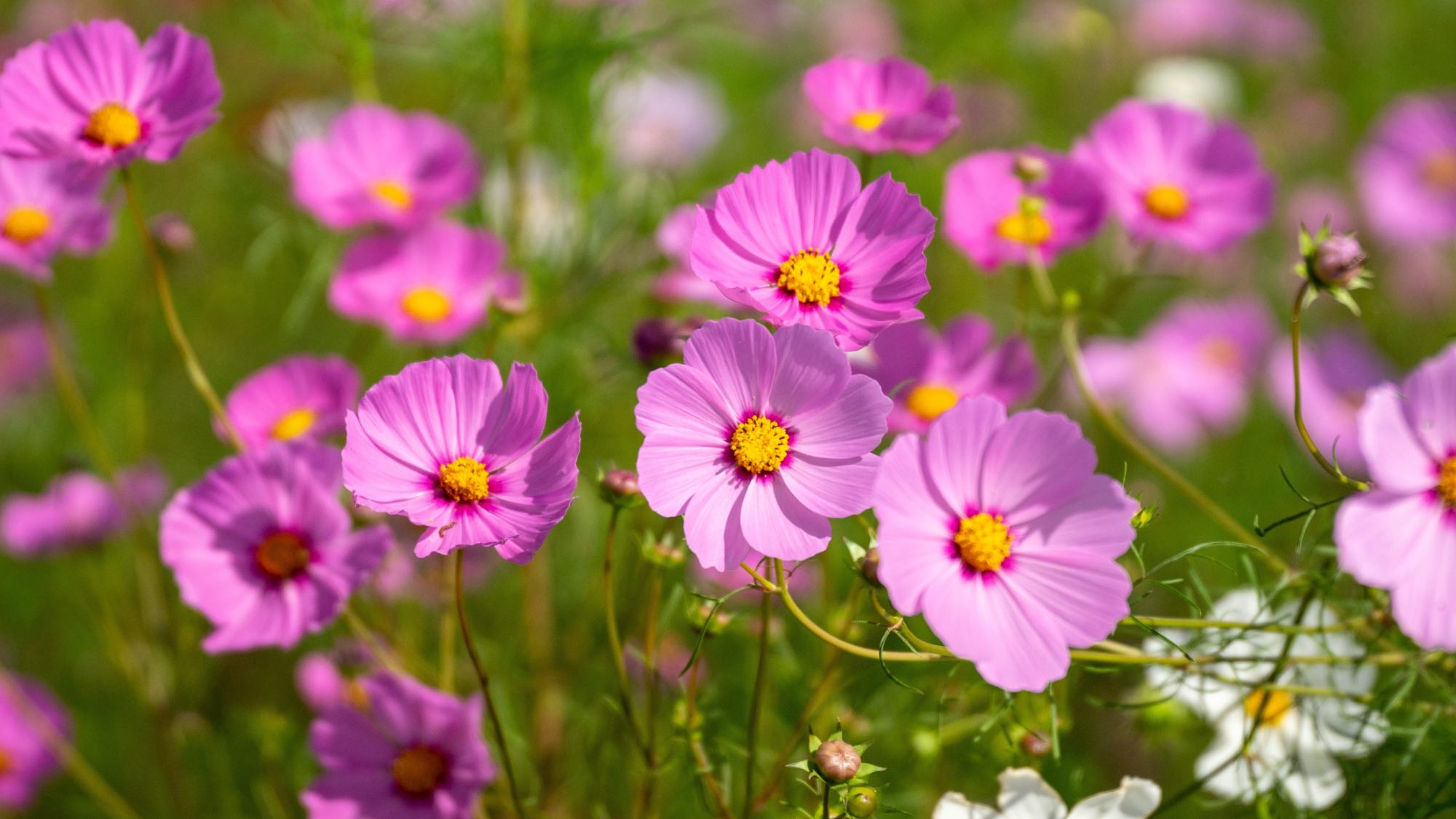

Cosmos are tall, airy annual flowers with daisy-like blooms. Their feathery foliage and delicate flowers give them a light, almost cloud-like appearance in garden borders. Sowing cosmos in April allows them to establish early; they thrive in warm conditions and will continue blooming for months if properly maintained, from early summer onwards.
Best for US growing zones: 2–11
To plant: Sow seeds directly into prepared soil in a sunny position, spacing them about 12–18 inches apart as they will grow outwards. Cosmos prefer poor quality soil, so avoid over-fertilizing as this can lead to more foliage than flowers. Pinching out the growing tips early on can encourage bushier plants with more blooms, if you want to keep your cosmo compact.
3. Zinnias
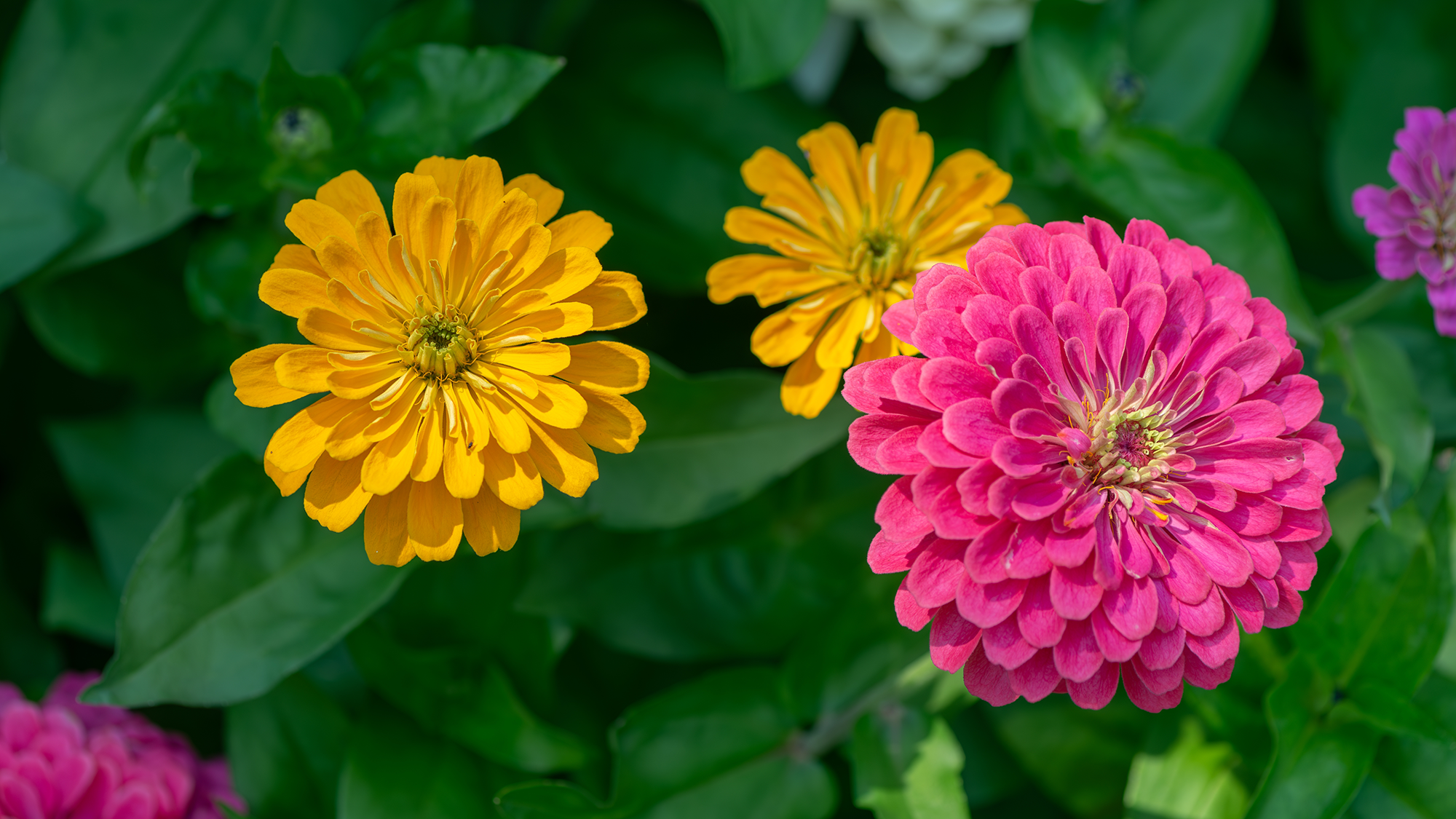
Zinnias are popular annuals that produce vibrant blooms in a wide range of shades. Their upright growth and bold flower heads make them an ideal choice for adding strong blocks of color to your garden scheme. They also attract pollinators such as butterflies, adding extra life to your garden. Sow in April to give zinnias a strong start as temperatures rise, which will help them to establish quickly and flower reliably throughout summer.
Best for US growing zones: 3–10
To plant: Sow seeds into warm, well-draining soil in full sun, covering lightly. Space individual plants around 6–12 inches apart, depending on the variety; check your seed packet to know what’s best for your specific seeds. Water regularly but be careful to avoid overhead watering where possible, as zinnias can be prone to mildew – instead water directly onto the soil. Choosing disease-resistant varieties can help ensure healthier plants.
4. Sunflowers
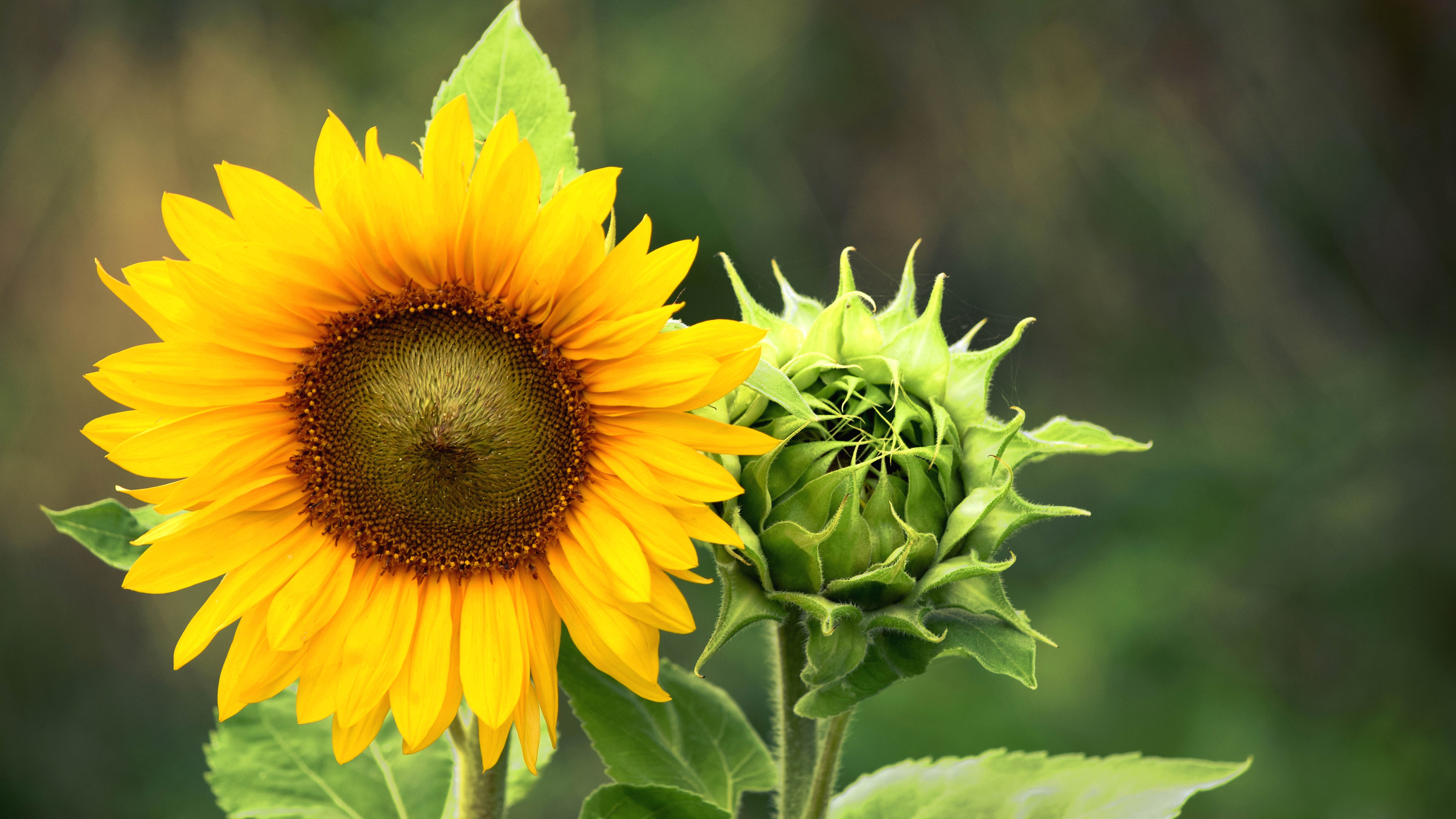

Sunflowers are a beloved favorite, thanks to their strikingly tall size and distinctive golden flowers, which bring bold structure and color to any garden. The sun-like blooms can reach impressive sizes, especially in taller varieties, but you can also find dwarf species if you’re short on space. April is an ideal time to sow sunflower seeds, as the warming soil helps them germinate quickly; starting them now leads to strong plants that flower in mid to late summer.
Best for US growing zones: 2–11
To plant: Sow seeds about 1 inch deep in a sunny, sheltered spot; their height can leave them vulnerable to winds. Space them several inches apart to allow for their eventual height and spread. Water regularly and have a trellis or stake on hand to provide support for taller varieties as they grow. Be sure to protect young seedlings from birds and pests, as they can be particularly vulnerable at this stage.
5. Sweet peas
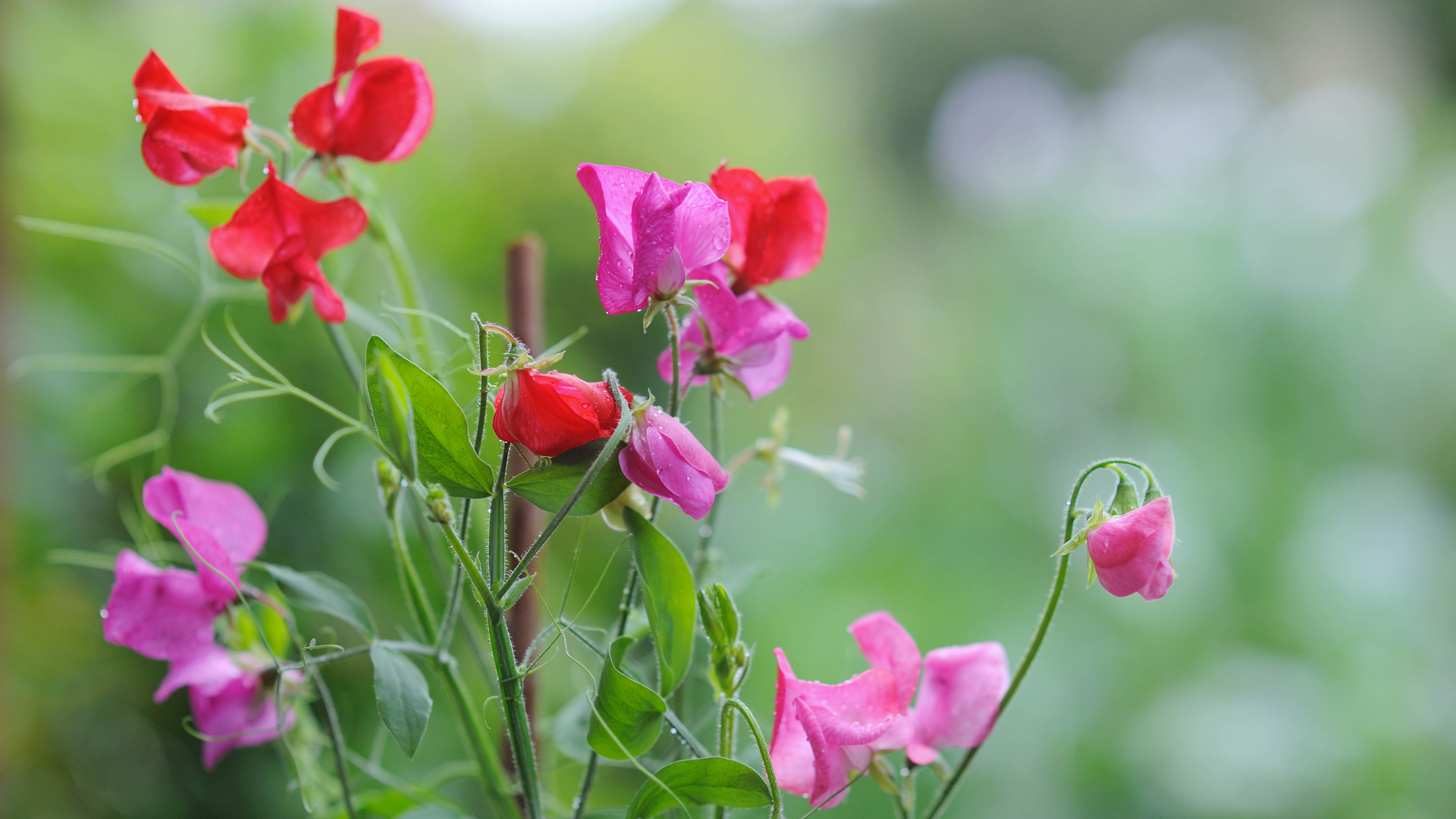

Sweet peas are climbing annuals loved for their fragrant, delicate flowers and romantic sprawl. They produce soft, pastel-colored blooms on slender stems that are ideal for cutting, so you can enjoy them in vases indoors as well as out on the vine. Their climbing habit makes them perfect for adding height to borders and trellises.vSowing sweet peas in April gives them time to establish as temperatures rise, producing blooms from late spring into early summer.
Best for US growing zones: 3–8
To plant: Sow seeds about 1 inch deep and provide support such as a trellis or netting as they grow. Soaking seeds overnight before planting can improve germination rates. Choose a sunny location with rich, well-draining soil for more abundant blooms. Regular picking of flowers will also encourage more blooms to take their place, which is a great way to extend the flowering season.
6. Nasturtiums
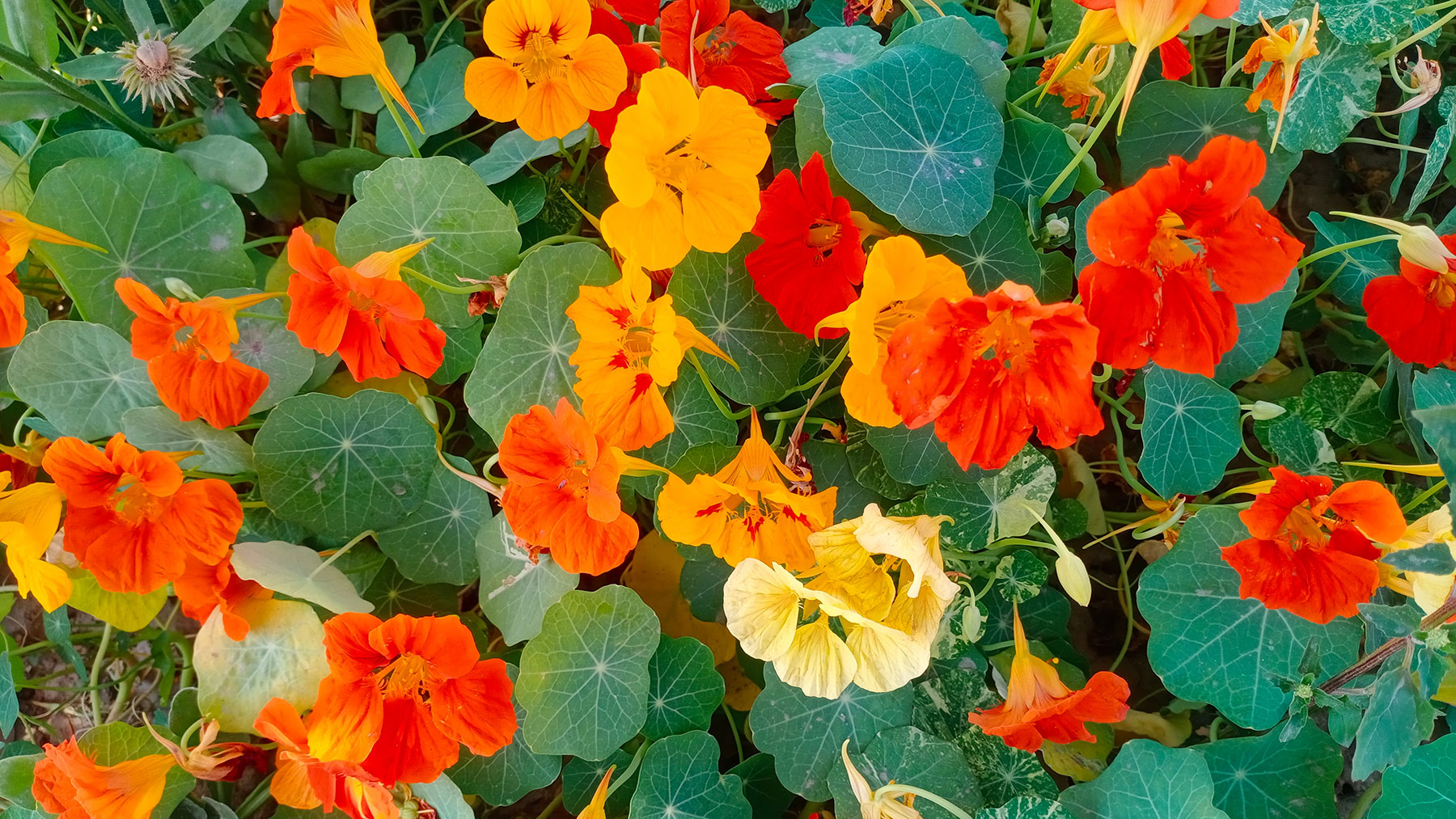

Nasturtiums are fast-growing annuals with vibrant flowers and rounded leaves. Not only are they easy to grow, but the entire plant is also edible, and a fun way to incorporate flowers into summer meals. They are ideal for supplemental April planting, as they germinate easily in warming soil and quickly spread to cover gaps in borders or containers. Their trailing or bushy growth also helps suppress weeds.
Best for US growing zones: 3–10
To plant: Since they are so low maintenance, you can sow seeds wherever you want them to grow, about 1 inch deep into well-draining soil. Nasturtiums prefer poorer soil conditions, so avoid overfeeding with fertilizer. Water regularly while they establish, but once mature, you can pull back a bit, and they’ll stay healthy.
7. Cornflowers
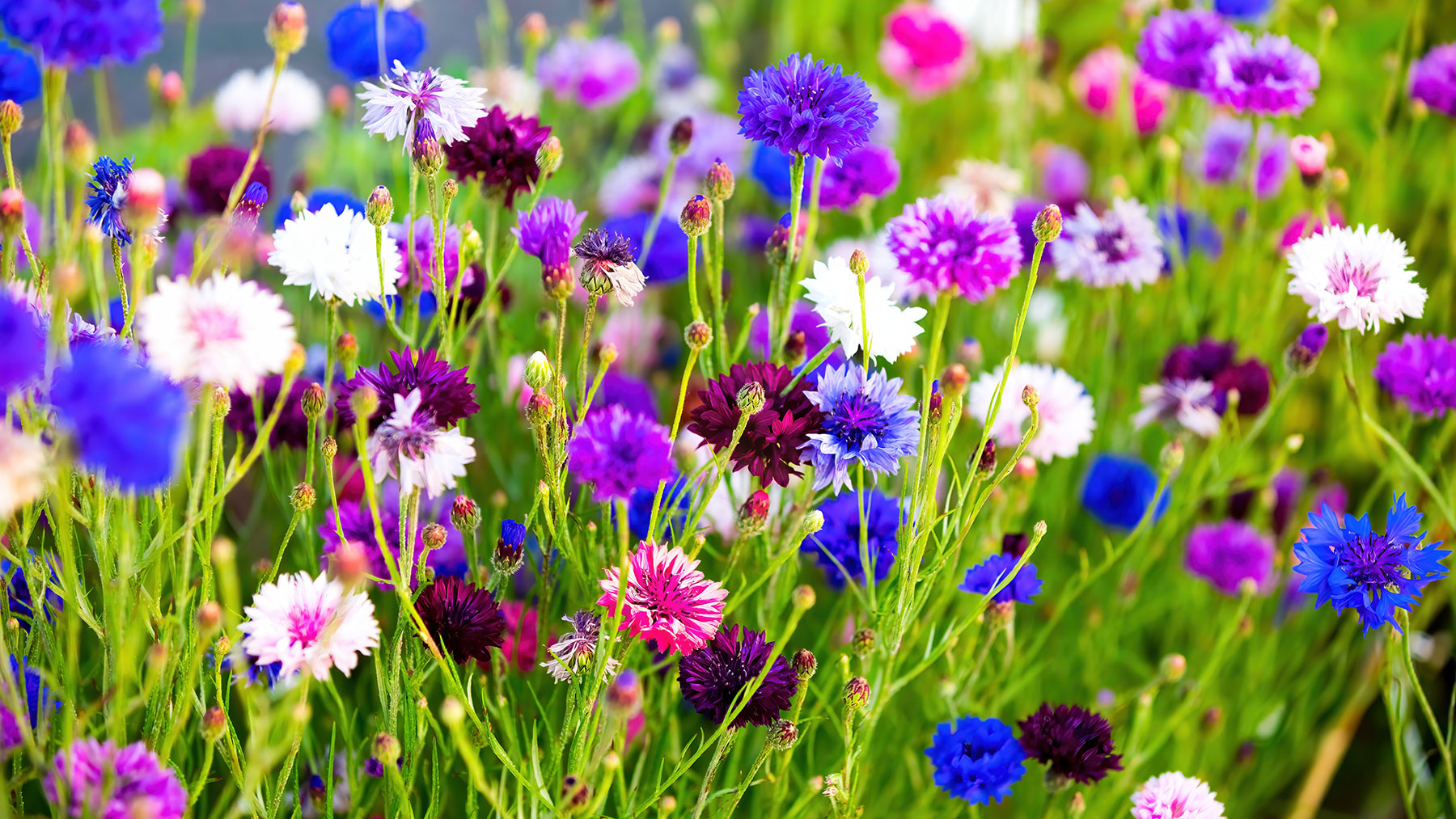
Cornflowers are known for their vivid blue, pink, or white blooms that add a natural, meadow-like feel to garden borders. Their upright stems and delicate, fringed petals make them especially attractive in cottage-style planting schemes. Not only are they loved by gardeners but they also attract pollinators, helping to support bees and other beneficial insects in your garden. Planting cornflowers in April allows them to establish quickly in the cooler spring conditions, leading to earlier blooms and a longer flowering season.
Best for US growing zones: 2–11
To plant: Sow seeds directly into well-drained soil in a sunny spot, covering lightly. Thin seedlings after they emerge to around 6–12 inches apart, to give plants room to grow. As with nasturtiums, water regularly while they establish but then reduce frequency once they mature. Deadheading spent flowers will encourage more blooms, and they also make excellent cut flowers for indoor arrangements.


Follow Digitpatrox on Google News and add us as a preferred source to get our up-to-date news, analysis, and reviews in your feeds.
More from Digitpatrox
Source link
-

-

-

-

-


