Have you ever suddenly woken up, panicked that you’ve slept through your alarm and will be late for work, only to discover it’s just 3 a.m.? Yeah, me too.
The good news is that it’s pretty common. In fact, waking up in the middle of the night is usually nothing to worry about.
Is waking up at 3 a.m. something to be worried out?
First of all, don’t worry if you notice (or your sleep tracker) notices that you’ve drifted awake during the night or early hours of the morning. According to Shore, waking up at the same time every night is completely normal.
“As we cycle through different stages of sleep, we find that the first half of sleep is predominantly deep sleep, the second half of sleep is lighter and REM sleep,” she explains. “When you wake in the middle of the night this can be where the body shifts between different types of sleep.”
The sleep experts tells me the severity of these nighttime awakenings usually depends on how you respond to them
“If you are waking at 3 a.m. every night and falling back to sleep easily, this generally indicates you have a good, regular sleep pattern,” she says.
However, in some cases, 3 a.m. wake-ups can indicate deeper sleep issues.
“If you start to regularly struggle with waking throughout the night and end up staying awake, then you may want to seek out professional help,” advises Shore.
7 easy things to do today to stop waking up at 3 a.m.
Shore recommends these easy lifestyle adjustments to improve your sleep quality and help banish those 3 a.m. wake ups.
1. Go for a walk during the day
Shore tells me that the more sleep pressure (our body’s hunger for sleep) builds up, the easier it is to drift off. And one of the quickest ways to accumulate more sleep pressure is to exercise.
“Exercising throughout the day burns energy and therefore helps us become tired,” she explains.

However, the timing of exercise is important. Exercising before bed can cause sleep issues, as our core body temperature increases, working against the natural cooling we undergo when we get sleepy.
“Exercising during the day is more beneficial,” Shore advises. “Exercising outside during the day also gives us access to important natural light, and that means the brain can use that bright natural light to help anchor your circadian rhythm.”
2. Close the bedroom door and open a window instead
Here’s a simple two-second task for better sleep: close your bedroom door and open the window, to get that sleep-inducing ‘Lüften’.
“Ventilating your room can help keep it cooler and more refreshed, if the room temperature has dropped, this can help signal our core body temperature to drop, making it easier for us to fall asleep,” Shore tells me.
She also notes that ventilating the room helps naturally purify the stale air. “This can help reduce allergens that may disrupt you as you are sleeping,” she says.
3. Embrace the art of Feng Shui
Another quick hack involves a little room rearrangement, following the ancient art of Feng Shui for better sleep.


This could mean moving your bed so it isn’t underneath your window or opening the curtains during the day.
“The art of Feng Shui allows energies to flow throughout the room in a certain way,” explains Shore. “Channeling the right energy in the right way is said to improve sleep. If this is something you strongly believe in, then ensuring you feel comfortable whilst you sleep, including having your bed in a certain position can help you feel more relaxed and help you fall asleep easier.”
4. Have your coffee break and dinner earlier
According to Shore, processing food is a daytime activity, as it keeps your body awake and active.
“As we are digesting food our core body temperature increases, which is the opposite of what needs to be happening as we are trying to get to sleep,” she explains.
“Eating a lighter meal in the evening can allow your body to digest the food a little quicker, allowing your body time to cool down and relax before bed.”
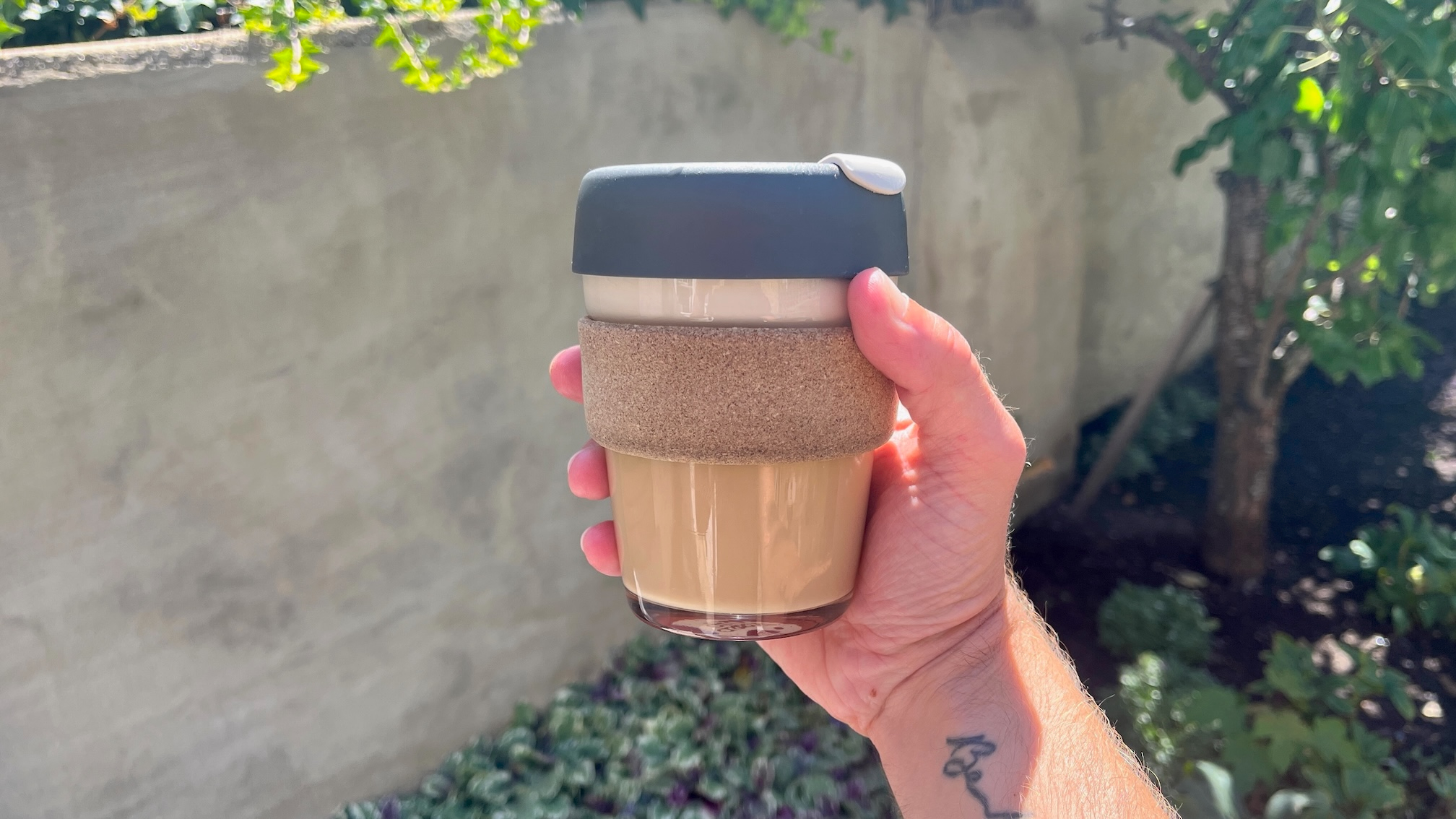

The sleep expert also says that what we eat and drink can greatly affect how we sleep, too. Making simple diet changes like cutting down sugar and taking a coffee break earlier are great lifestyle habits to adopt.
“The half life of caffeine is around four to five hours,” she tells me. “So, if you are drinking coffee in the afternoon, the caffeine may still be having an effect when you are trying to get to sleep that night.”
One technique to follow is the 10-3-2-1-0 sleep rule, which states that cutting out caffeine consumption at least 10 hours before bed and finishing eating at least three hours before bed can improve sleep quality.
One of the best ways to improve sleep quality is to learn how to relax and unwind, even if it’s simply kicking back within the hour before bed.
This is because stress can spur the production of cortisol, a hormone which triggers the feeling of wakefulness and the fight-or-flight response associated with danger.

“When we were cavemen, this would be because we were being chased by a saber-toothed tiger,” Shore says. “In the present tense our bodies will still react the same but the danger now is work related stress, family life, or even financial worries.”
“As cortisol is a wake promoting hormone, when we are feeling stressed and our bodies are producing too much of it, it will keep us awake,” she explains.
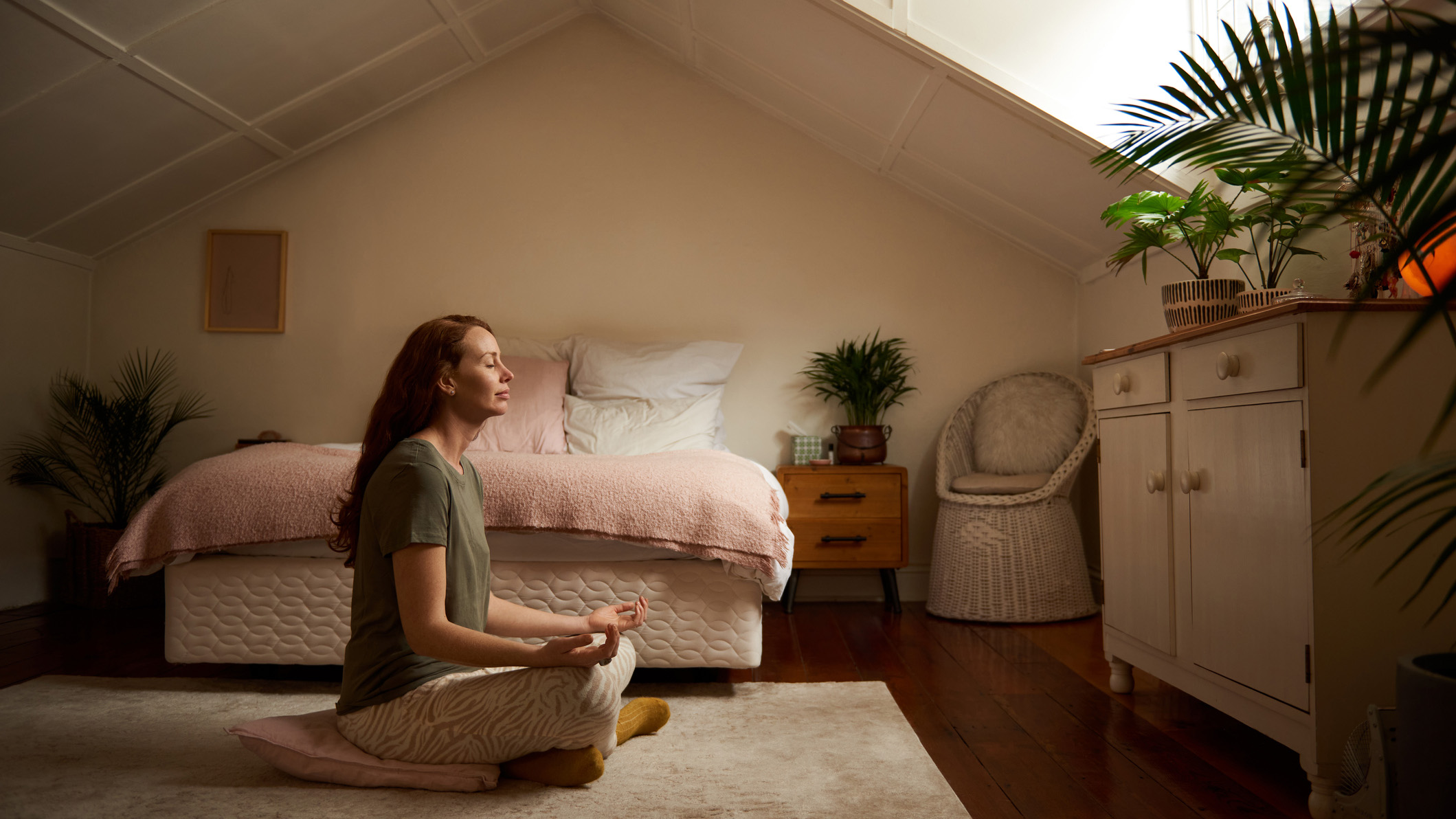
To reduce this cortisol-boosting stress, Shore suggests performing relaxing activities in the evening such as watching re-runs of your favorite show, light reading, or meditation.
6. Don’t force an early night
We’ve all been taught at one point or another that we should ‘get an early night’ to feel better, but Shore says this isn’t the case.
Yes, that means you should stop pressuring yourself to go to bed at the same time as your early-bird friends.
“If you are going to bed earlier than you are used to, you may find that you disperse all your sleep pressure before you normally wake in the morning,” says the Head of Sleep Science. “This means you wake up earlier and cannot get back to sleep.”
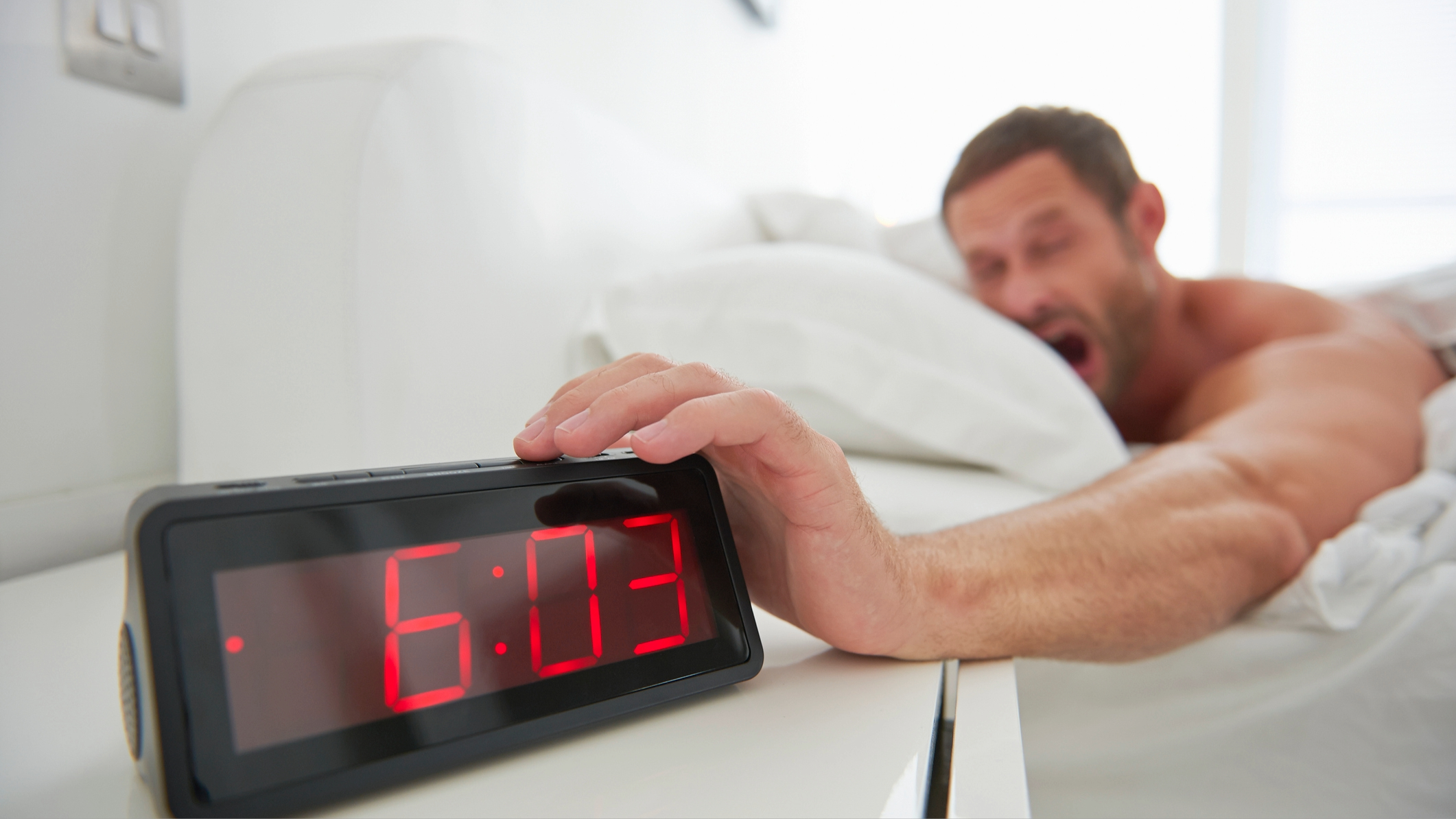

She advices rather than forcing early nights, finding a sleep time that works for you and sticking to it.
7. Turn down that thermostat
The winter nights mean you probably want to add some snuggly warmth to your bedroom, but Shore warns you shouldn’t go overboard during bedtime.
“If our environmental temperature is too hot, our bodies will find it more difficult to cool down. Think of when it’s peak summer and we’re all struggling to sleep in the heat!” she tells me.
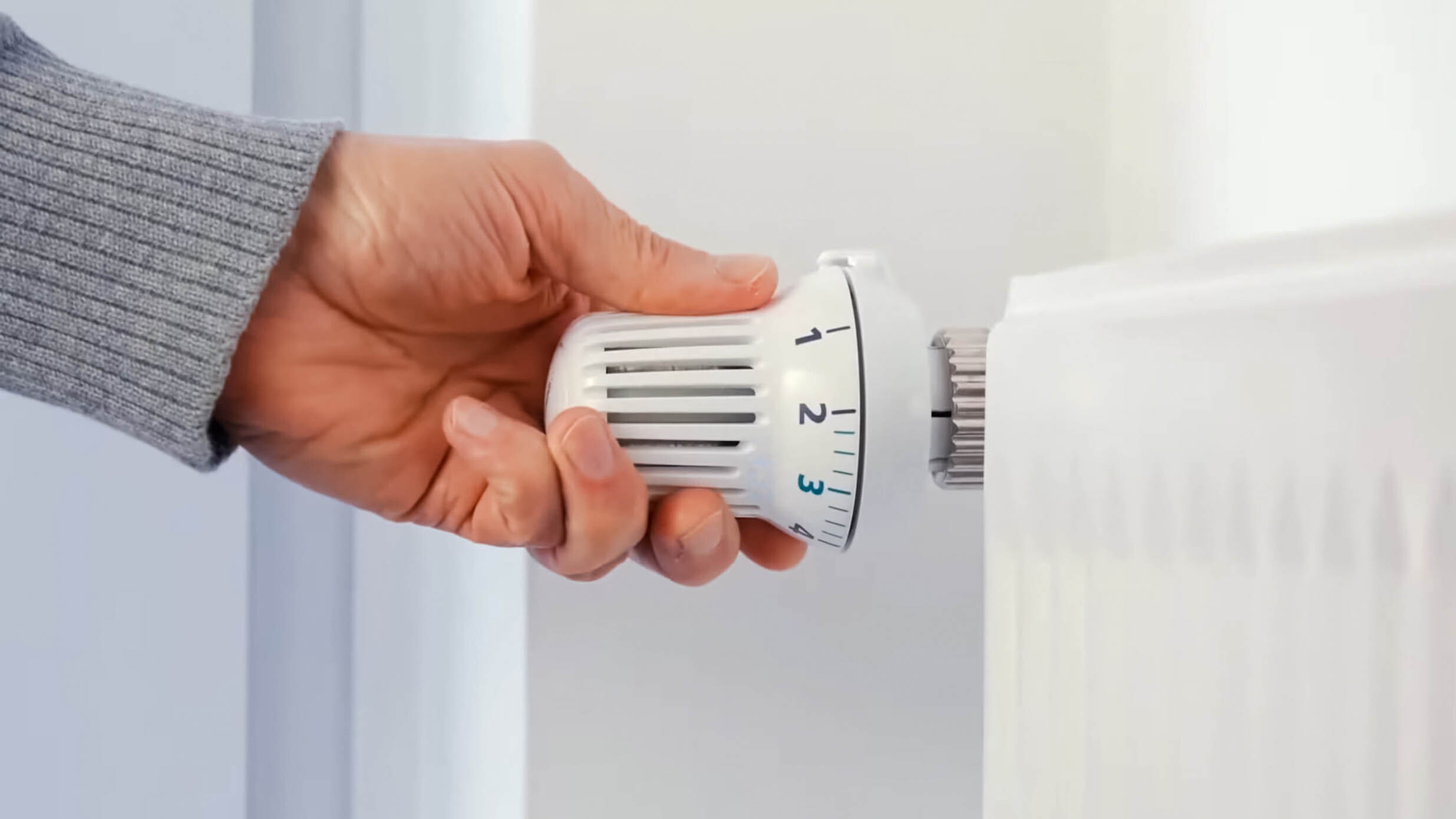

“If your heating makes your bedroom too hot, you may find that you are waking throughout as your body cannot cool down enough.”
In other words, don’t touch the thermostat. Instead, look for alternative ways to sleep cozy.
“If you are keeping your heating on to keep the rest of the house warm, try turning down the radiator in your bedroom,” says Shore.
When should you speak to a doctor?
With a few adjustments to your sleep hygiene, like the ideas we’ve covered above, you can often move on from these sleep disruptions and enjoy an uninterrupted eight hours of kip.
However, if your middle insomnia persists, or sleep deprivation is impacting your health or safety, we recommend speaking to a healthcare professional to find a targeted treatment plan.


Follow Digitpatrox on Google News and add us as a preferred source to get our up-to-date news, analysis, and reviews in your feeds.
Source link
-

-

-

-

-