Hyderabad: Cortical or Cerebral Visual Impairment (CVI) is increasingly being recognised as one of the leading causes of visual difficulties in children worldwide.
Unlike conventional eye conditions, CVI is a neurological condition caused by damage to the visual processing centres of the brain.
As a result, a child’s eyes may appear structurally normal, yet the child struggles to understand and use visual information in everyday situations.
Medical experts caution that CVI often goes undiagnosed or misinterpreted, delaying essential intervention during early developmental years.
What is cortical/cerebral visual impairment?
CVI refers to visual impairment resulting from injury to the brain’s visual pathways or visual cortex. Vision in CVI is not simply reduced clarity; rather, it affects how visual information is processed, interpreted, and integrated with movement, learning, and behaviour.
“CVI is fundamentally different from ocular visual impairment,” explains Dr Amitesh Reddy, Ophthalmologist, speaking to NewsMeter. “The eyes may receive the visual input correctly, but the brain is unable to process or organise that information effectively.”
Because CVI affects functional vision, its impact often becomes more apparent as visual demands increase with age.
Causes of CVI
CVI can occur due to brain injury before birth, during delivery, or in early infancy. Common causes include:
• Reduced oxygen or blood supply to the brain, often due to stroke
• Fluid accumulation in the brain
• Brain infections
• Head trauma
• Premature birth
• Certain genetic, metabolic, or chromosomal conditions
Paediatric neurologists note that advances in neonatal care have improved survival rates of premature and medically fragile infants, which has also led to a higher prevalence of CVI.
“Many children who survive early neurological injury are now growing up with CVI,” says neurologist Dr. Sudha Varma. “The challenge is ensuring that their visual needs are identified early and addressed appropriately.”
Recognising the signs of CVI
Early identification of CVI relies heavily on careful observation. Parents and caregivers are advised to seek a comprehensive CVI assessment if a child shows behaviours such as:
• Delayed responses to visual stimuli
• Difficulty seeing or understanding parts of a visual scene
• Trouble recognising faces or familiar objects
• Difficulty finding objects in cluttered environments
• Poor hand-eye coordination
• Slow reactions to visual cues
• Stronger response to moving objects than to stationary ones
• Use of peripheral vision instead of direct gaze
• Light sensitivity or fixation on light sources
• Need for extra time to visually examine objects
• Preference for bright or specific colours
• Visual fatigue
• Vision that varies depending on the environment or health
“CVI does not look the same in every child,” Dr Reddy. “Vision may fluctuate from day to day, which is often confusing for families and teachers.”
Why CVI is often missed
Experts point out that children with CVI are frequently mislabelled as inattentive or having learning difficulties.
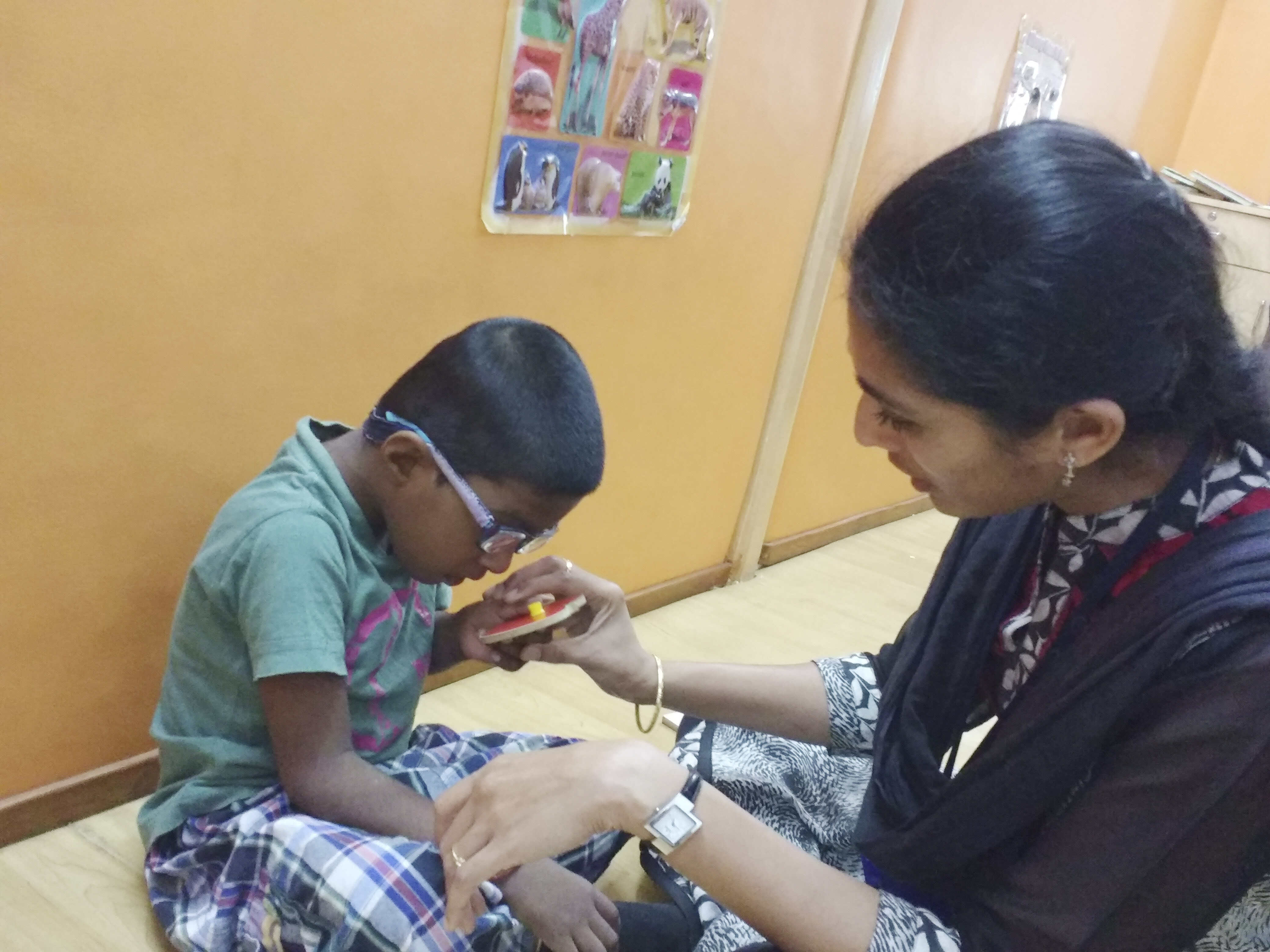
“Many children with CVI are often misunderstood as having poor attention or behavioural issues,” says Mrs Bharathi Ampolu, Rehabilitation Therapist at the Kallam Anji Reddy Campus, Hyderabad.
“Recognizing the visual challenges early can transform their ability to learn, interact, and thrive.”
She adds that visual overload, rather than lack of interest, is often the reason children disengage.
Confirming a diagnosis of CVI
There is no single test to diagnose CVI. Confirmation requires a detailed assessment over time, usually involving multiple specialists. Most children are identified during the toddler years or later, when visual demands increase.
“A CVI diagnosis is based on functional vision assessment, medical history, and observed visual behaviour,” explains a paediatric ophthalmologist at LVPEI. “It requires expertise and cannot be concluded during a routine eye check-up.”
Only trained paediatric ophthalmologists, neurologists, or CVI-trained rehabilitation professionals can definitively confirm CVI.
Managing CVI and improving functional vision
While CVI cannot be reversed, timely intervention can significantly improve a child’s functional vision and independence. Early, structured support helps children learn how to manage visual complexity and use vision more efficiently.
“Intervention for CVI is not about strengthening eyesight; it is about teaching the brain to interpret visual information more effectively,” says an LVPEI occupational therapist.
CVI Resource Centres provide:
• Comprehensive clinical and functional vision assessments
• Individualised intervention plans based on the child’s CVI range
• Vision-specific strategies integrated with speech therapy, physiotherapy, occupational therapy, cognitive development, and behavioural support
Families and educators are also guided on adapting environments to reduce visual clutter and support learning.
LVPEI’s Multidisciplinary Approach
Across its network, LVPEI operates dedicated CVI Resource Centres staffed by multidisciplinary teams trained in CVI-specific care. These teams work collaboratively to ensure continuity of assessment, therapy, and family guidance.
For information on CVI confirmation and rehabilitation services, families may contact 040 – 68102841/42.
Source link