
Melatonin is a popular supplement taken by around 27% of Americans, according to research. However, on a recent episode of the Diary of a CEO podcast, clinical psychologist and globally renowned sleep specialist Dr. Michael Breus has been warning against mass melatonin supplementation.
“Melatonin is a sleep regulator, not a sleep initiator,” he said, explaining that melatonin is a hormone that affects the entire bodily system.
It should not be supplemented “willy-nilly” without understanding what’s going to happen when you take it.
What’s the problem with taking melatonin?
“Melatonin doesn’t affect sleep drive. Melatonin affects sleep rhythms.” Dr. Breus explains on the podcast.
In other words, melatonin tells your brain when it’s time to go to bed, but it doesn’t make you feel tired. That role goes to a neurotransmitter called adenosine.
Besides people taking melatonin when they don’t need it, as a non-FDA regulated supplement in the US, you can never be sure what’s inside the capsules.
Research published in the Journal of Clinical Sleep Medicine revealed that the actual melatonin content in over 71% of supplements didn’t meet within a 10% margin of the label claim. Actual content ranged from 83% less to 478% more than the amount declared on the label.
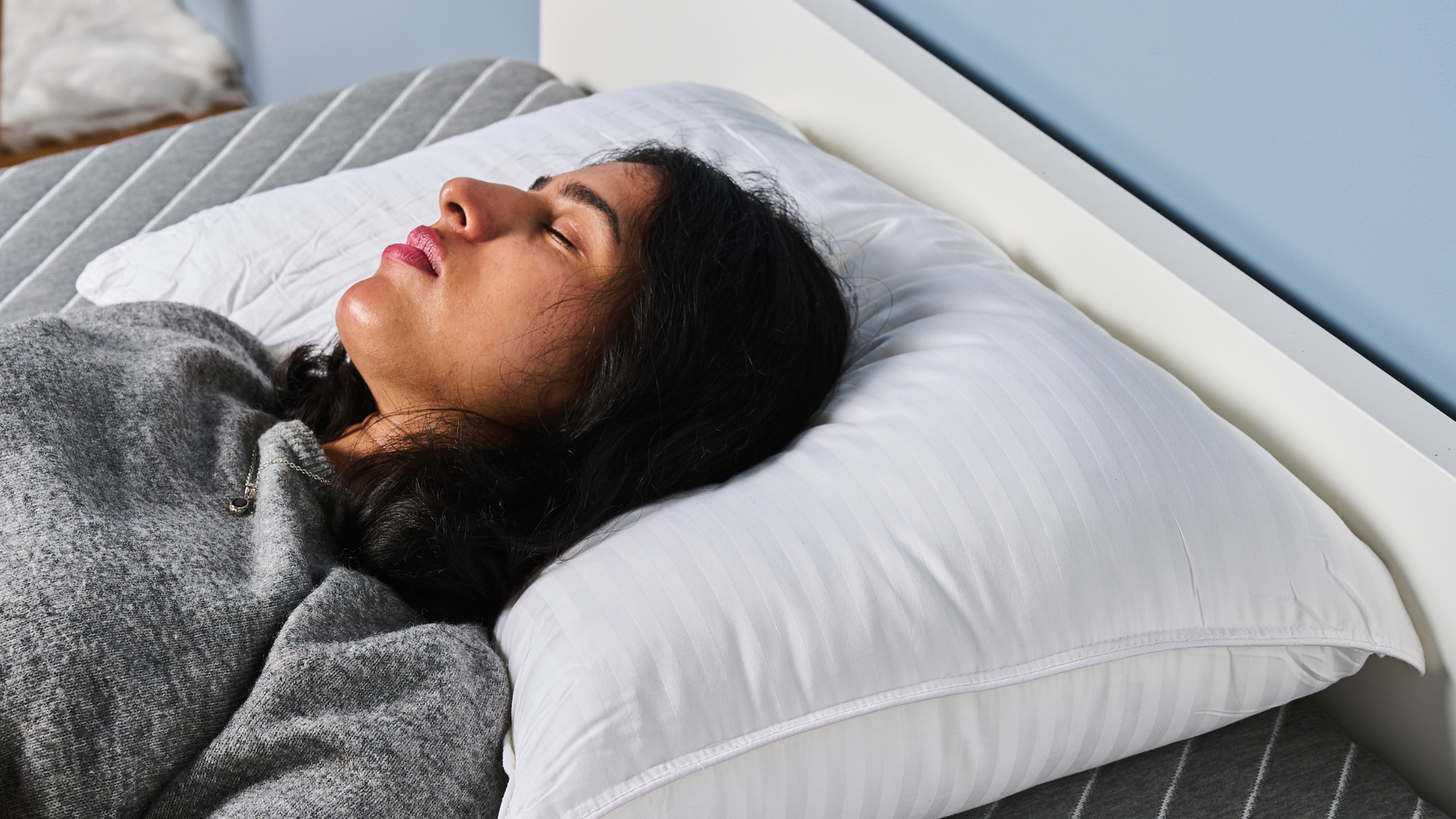
Melatonin can also interfere with other medications. Plus, a preliminary study by the American Heart Association found that over 130,000 adults with insomnia who used melatonin for at least a year were more likely to be diagnosed with heart failure.
“The market for melatonin is tremendous. It’s huge in the supplement world, yet there’s no regulation whatsoever” Dr. Breus said. “Nobody knows about these interaction effects,” and “most people are using it wrong.”
3 ways to improve your sleep without melatonin
If melatonin supplementation is off the table for many of us, what else can we do to sleep better at night? Here’s what Dr. Breus recommends…
1. Fix deficiencies in your diet
There’s plenty of science showing a close link between diet and sleep health, and Dr. Breus agrees, claiming his clients sleep drastically improves after taking a blood test to identify nutritional deficiencies – and then fixing them.


For example, magnesium, vitamin D, and iron (which 1 in 4 Americans are deficient in), all impact how well we sleep at night.
To get enough magnesium, aim for a diet rich in whole foods. Focus on leafy greens, legumes (hello, black beans), nuts, chia and pumpkins seeds, and whole grains. The daily recommended intake for adults is 310mg to 420mg.
Banana tea sleep hack
If you can stomach it, Dr. Breus recommends boiling a whole organic banana (skin on) and drinking the water. He says the peel is loaded with magnesium, which acts as a natural muscle relaxant to help you fall asleep faster.
Vitamin D, on the other hand, comes from both diet and sunlight. Ideally you’d spend plenty of time outdoors, and eat vitamin D-rich foods like oily fish, egg yolks, yoghurt and milk.
You’ll mainly get iron from red meats, alongside leafy greens, beans, nuts and seeds, which also contain magnesium.
2. Understand your chronotype
A diplomate of the American Board of Sleep Medicine, Dr. Breus’ work revolves around helping people understand their genetic “sleep code”. In other words, your natural chronotype.


The sleep doctor believes that understanding your chronotype is key to working with your biology rather than against it. This should directly improve your sleep quality and daily performance.
Working out your chronotype means you can align your schedule (as much as real-life demands allow) with your natural energy peaks and troughs to perform better.
Being more in tune with your biological circadian rhythm should also help you fall asleep faster once you go to bed and wake up easier.
3. Create the ideal sleep environment
From your room temperature to the mattress and pillow you sleep on, creating a sleep-friendly, comfortable bedroom is key to clocking quality rest.
Our guide to the best mattresses of 2026 can help you find the perfect bed for your sleep position and body type, so you remain supported and comfy all night long.
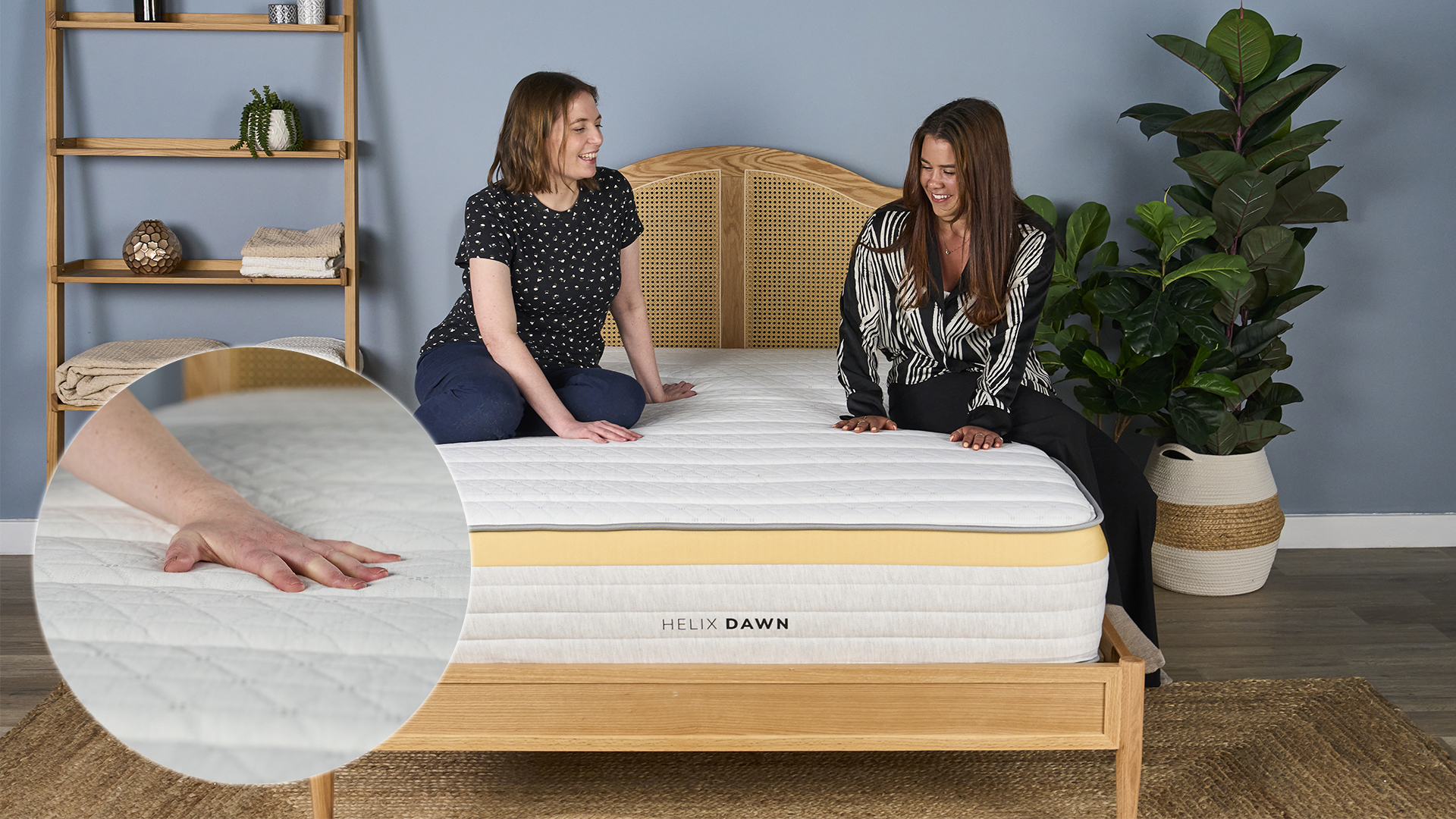
You may not put as much thought into your pillow. But it’s equally important that it supports your position and body, too.
In terms of temperature, experts recommend a cool (not cold) room with a temperature between 68 and 77 F / 20 and 25 °C for the best chance of getting good sleep.
Slightly dropping your body temperature naturally promotes the release of melatonin, telling your body it’s time to rest.
3 cases where melatonin supplements might help
We always recommend consulting a doctor or certified sleep expert about melatonin supplements before using them.
There are a few instances where melatonin could be useful, said Dr. Breus…
1. When you’re jet lagged
As melatonin is the hormone in charge of sleep timing rather than sleep drive, supplementing it can be useful when you’re dealing with jetlag.
A study by British researchers examining the effectiveness of oral melatonin after air travel across several time zones concludes the supplement is “remarkably effective in preventing or reducing jet-lag, and occasional short-term use appears to be safe.”

Important notes to make, according to the study:
- Melatonin is recommended for adult travellers flying across five or more time zones, specifically in an easterly direction.
- It should be taken close to the target bedtime at the destination (ideally between 10pm and midnight).
- Doses between 0.5mg and 5mg were found to be similarly effective at reducing jetlag, while people taking above 5mg observed no additional benefits.
2. If you’re a shift worker
A systematic review of 33 studies shows the level of circulating melatonin in fixed night-shift workers is lower than that of day workers.


Therefore, melatonin supplementation can offer shift workers a helping hand in reducing the time it takes for them to fall asleep and boosting daytime sleep quality when they need to get some shuteye during daylight hours.
Research published last year in the Occupational & Environmental Medicine journal even found supplementing melatonin may help offset DNA damage associated with night shift work.
3. If you’re deficient in melatonin
There is plenty of evidence proving natural melatonin levels decline later in life, specifically around 50 years old, says Dr. Breus. This can disrupt your circadian rhythm and means sleep becomes harder to come by as we age.
Reporting on whether melatonin should be used as a sleep aid for elderly people, the Canadian Journal of Hospital Pharmacy concludes it is a preferable alternative to riskier sedative medications, but shouldn’t be used without caution.


Follow Digitpatrox on Google News and add us as a preferred source to get our up-to-date news, analysis, and reviews in your feeds.
Source link
-

-

-

-

-