

As a sleep writer, I know the military sleep method is the gold standard hack for falling asleep fast. But whenever I put it to the test, I’d find myself staring at the ceiling. So I was looking for another way to cut down my sleep latency (the time it takes it drift off) when I came across the 3-2-1 shutdown rule.
As Dr. Tim Mercer, NHS GP Partner, explained to me, there are a few essentials for consistently falling asleep fast. “Aim for a consistent bedtime, limit stimulating activities before bed, and create a relaxing wind-down period,” he said.
The 3-2-1 shutdown rule hits all those points by rearranging your evening to prioritize sleep — and you start seeing results fast. Now I’m ready to drift off almost as soon as my head hits the pillow. Here’s how it works for me…
Key takeaways
- The 3-2-1 shutdown rule can help you fall asleep fast by rearranging your evening routine to better support your circadian rhythms.
- 3 hours before bed, stop eating heavy meals. This gives your body time to digest the food before sleep.
- 2 hours before bed, stop working. This helps you let go of stressful thoughts that might otherwise keep you up.
- 1 hour before bed, put down screens. Switching to a less stimulating hobby can help you switch off before bed.
- The military sleep method uses visualization to help you drift off quickly but it requires lots of practice before you see the results.
How the 3-2-1 rule helps me fall asleep fast
The 3-2-1 method is a simplified version of the popular 10-3-2-1-0 sleep rule — that’s a lot of numbers to throw at you but don’t worry, I’ll break it down.
Following the 3-2-1 shutdown rule, you cut out certain sleep sabotaging habits in the hours leading up to bedtime. Three hours before bed, no more heavy meals. Two hours, stop work for the day. One hour before bed, limit screens (or better yet, cut it out altogether).
This shutdown regulates your circadian rhythm, which in turn prepares your body for rest by ensuring the release of sleepy hormones such as melatonin.
It also cuts out certain habits that might otherwise keep you up. Let me explain further…
The 3-2-1 rule I use to fall asleep fast every night
3 hours before bed, no more heavy meals
I used to eat dinner late into the evening but after a few too many nights spent lying awake waiting for my food to digest, I realized that had to change.
Now I finish dinner by 7 p.m. and on the nights I can’t avoid eating late, I plan ahead by opting for a more filling lunch so i only need a light dinner.
“Eating close to bedtime raises body temperature and blood sugar, which can delay sleep onset and reduce sleep quality,” explains Dr. Anita Raja, GP and partner with Herbalife.
“What’s more, the body’s digestive system then remains active when it should be winding down.”


Once you finally drop off, sleep problems aren’t over. Fluctuations in blood sugar and body temperature, caused by digestion, can lead to unwelcome 3 a.m. wake ups.
If your early meal has left your stomach rumbling, pick up sleep friendly snacks, like a handful of almonds or avocado on whole wheat toast.
2 hours before bed, stop working
Stress is a leading cause of disrupted sleep with a survey by Resmed finding 39% of respondents blame stress and anxiety for their poor rest.
And there’s nothing like late night working to send your stress soaring before bed. I’ve found on busy days work worries can linger even hours after I’ve shutdown my computer. Now I have a hard shut-off — no thinking about work at least two hours before bed.


To ensure you stick to your downtime, use the constructive worry method at the end of the working day. This is time to write down concerns that might otherwise weigh on your mind, followed by solutions for the next day.
Getting your thoughts out of your head calms a racing mind, while writing down a solution means when stress does rear its head, you can remind yourself there’s a plan in place.
Worry time should take place at least two hours before bed and we recommend ditching your notes app for old fashioned pen and paper (so you aren’t tempted to swipe across to your emails.)
1 hour before bed, put away screens
I’m a habitual doomscroller and ‘one last look’ turns into another hour on my phone. So now I aim to step away from screens well before bedtime.
The constant stimulation of scrolling through your phone increases what Dr. Deborah Lee, sleep expert at Dr. Fox Online Pharmacy, describes as “pre-sleep arousal” making it harder for your brain and body to switch off.
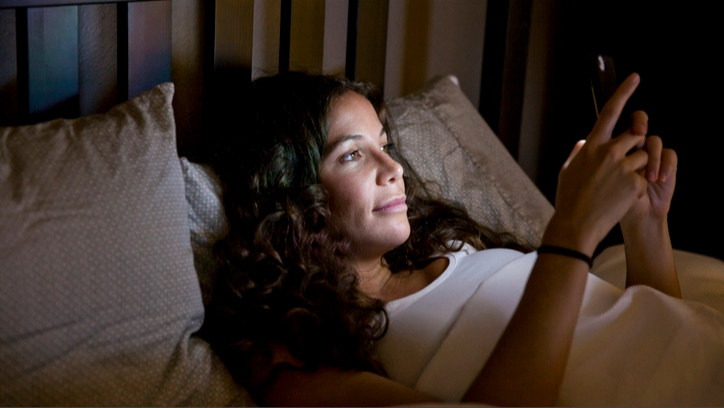
Combined with the cortisol-raising effects of blue light, you’ll struggle to fall asleep and might experience middle of the night wake ups.
“The AASM recommends stopping using your phone at least 30 minutes to an hour before bedtime,” notes Dr. Lee of The Wooden Bed Company. “You should switch off push notifications and have the phone on silent.”
You don’t have to quit screens entirely — using blue light blocking glasses and switching to sleep meditation apps can help mitigate the impact — but try introducing ‘shutdown’ hobbies into your evening instead:
What is the Military Sleep Method?
Developed to help members of the military drift off in stressful situations, the military sleep method is among the most popular sleep hacks. Done correctly, it can help you fall asleep in just minutes. Here’s what you need to do:
- Lie back and, working from the forehead down, methodically relax your muscles and drop tension.
- Imagine a warm sensation spreading from your head to your toes
- Inhale and exhale deeply, letting go of stressful thoughts.
- Picture yourself either lying on a canoe on a calm lake under a clear sky or in a velvet hammock in a pitch black room.
- If your mind wanders, repeat ‘don’t think’ in your head for 10 seconds then return to the visualization.
Practice nightly and the combination of deep breathing, muscle relaxation and visualization should help you fall asleep quickly.
Why the 3-2-1 shutdown is better for me than the military sleep method
The military sleep method can help you fall asleep in two minutes but there’s a catch: you’ll need to practice for at least six weeks to feel the benefits. That’s a lot of time and if your sleep is suffering now, you might not have the patience to stick with it.
Visualization can also be a difficult technique to master. I struggle to immerse myself in the military method, finding guided meditation easier to relax in to.

The 3-2-1 shutdown rule starts producing results quicker and by restructuring your evening, you make sleep hygiene a priority. For me, it was simple as adjusting the routine I was already following to remove some bad habits.
However, the 3-2-1 shutdown method requires a lifestyle change that may not be achievable for everyone, such as shift workers. In this case, the accessibility of the military sleep method is a definite bonus.
Consistency is everything
Both the 3-2-1 shutdown rule and the military sleep method require regular practice for the best results.
“Consistency is the foundation of good sleep,” explains Dr. Mercer, partner at Opera Beds. “[A regular nighttime routine] is essential for signaling to your body that it’s time to wind down, helping to regulate your circadian rhythm and improve sleep quality.”
So whether the 3-2-1 shutdown catches your eye or the military sleep method sounds dreamily relaxing, if you want to see results, you need to stick with it.
Tech to help you follow the ‘3-2-1 shutdown’ rule


Follow Digitpatrox on Google News and add us as a preferred source to get our up-to-date news, analysis, and reviews in your feeds. Subscribe to Digitpatrox on YouTube and follow us on TikTok.
-

-
-

-

-


