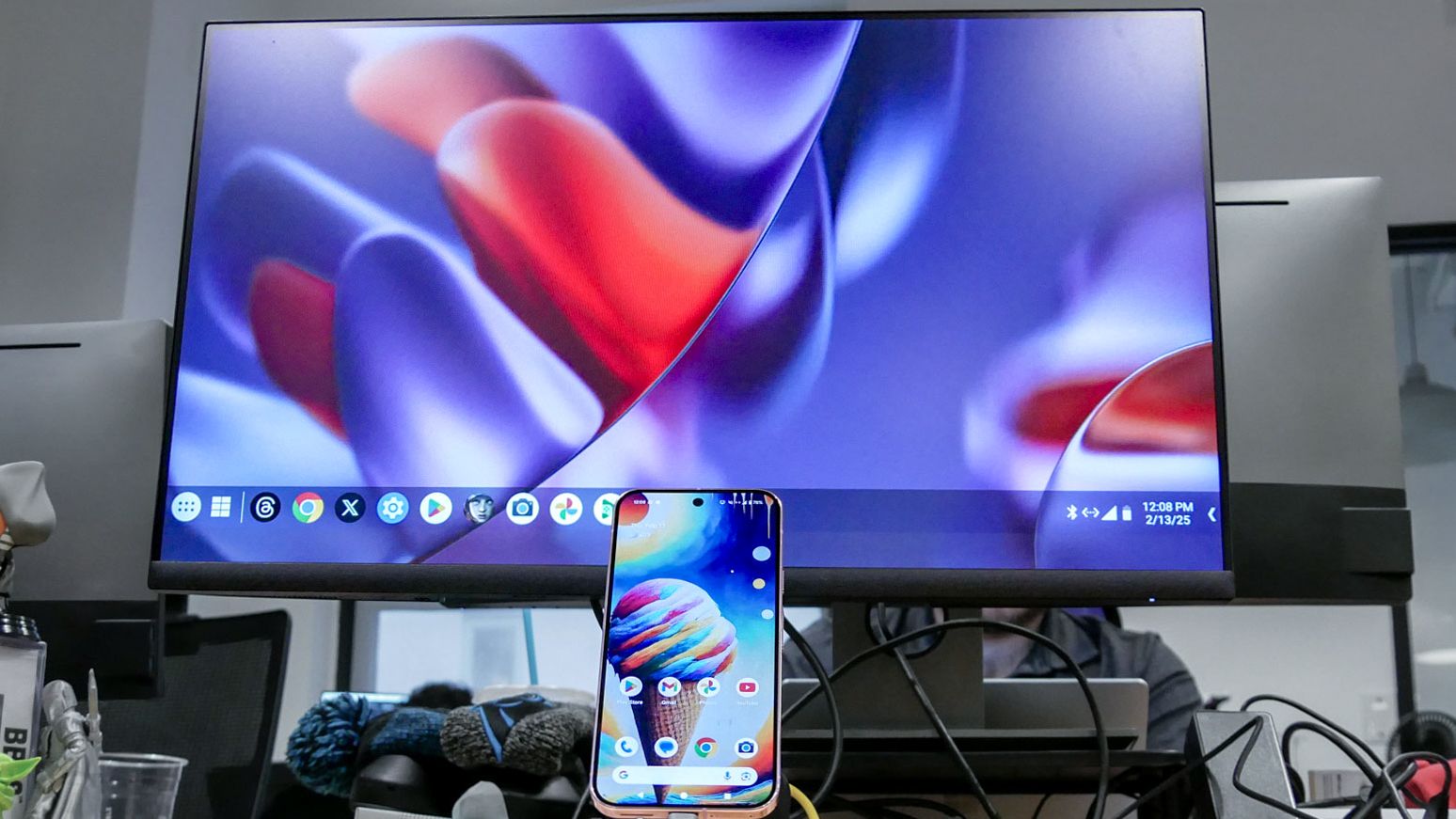
Windows has always felt like a necessary evil. You could switch to Mac or Linux, but until very recently, that wasn’t a real option if you wanted to play games on your PC in addition to working on it. Now, between the clunky “Show more options” context menu addition, being required to log in using a Microsoft Account and Microsoft shoehorning AI via Copilot into every corner of its OS, many of us have finally reached a breaking point.
While I’ve been experimenting with the Mac mini M4, I’m still just one botched Windows update away from saying enough is enough and installing Linux on my PC. But there’s a third option that’s always been held back by its “web-only” reputation: ChromeOS. If you’ve used one of the best Chromebooks before, you’ve likely felt those limitations. And the second you try to do something outside of a browser window, the “Pro” experience vanishes.
That changed this week though. After years of rumors, we finally got a glimpse of Google’s upcoming Aluminum OS which aims to combine the best parts of ChromeOS with Android. Leaked images show a unified Android-based system that looks and acts like a “real” desktop, complete with native windowing and most importantly, a way to install local apps. As someone who has dreamed of a “ChromeOS Pro” for years now, I wonder if this new operating system will finally be good enough to let me ditch Windows for good.
A true Google desktop
After testing out Neverware’s Chromium-based CloudReady OS a few years ago, I decided that when it came time to buy a new tablet, I’d go with a Chromebook instead. My reasoning at the time was simple: longevity.
To that end, I bought a Lenovo Chromebook Duet 3. While I really love the versatility of this 2-in-1, I found myself constantly using it connected to a monitor; I am a desktop user at heart, after all. I did look into getting a Chromebox, but those mini-PCs always seemed to be few and far between, often carrying a premium price tag despite having lower specs than their Windows counterparts. It felt like I was stuck between a laptop I used as a desktop and a desktop that didn’t quite exist.
With Google’s plan to merge Android into its computing platform, I expect we’ll see plenty of new laptops, but focusing only on portables would be a missed opportunity. People are fed up with Windows, yet they don’t necessarily want to spend their weekends learning Linux or lock themselves into Apple’s hardware ecosystem.
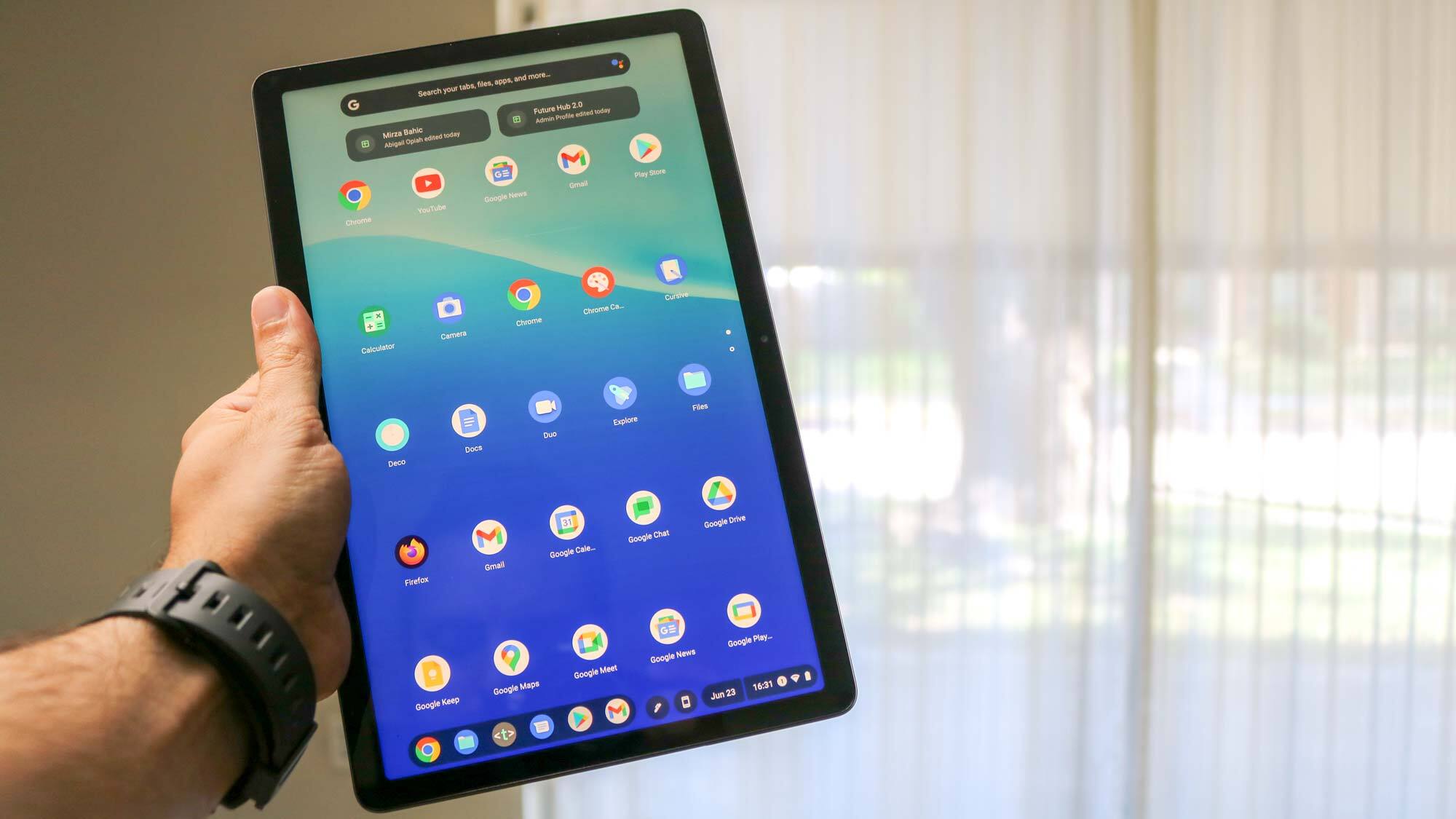
We’ve seen the leaked screenshots of Aluminum OS (internally called ALOS) running on existing Chromebook hardware like the HP Elite Dragonfly and so far, it looks like the “Pro” leap I’ve been waiting for. The taller status bar, centered taskbar, and proper window controls for minimizing and maximizing apps finally make Google’s software feel like it was built for a 27-inch monitor rather than just a 10-inch screen.

We might have to wait a while for official details, as the Made by Google events have shifted from the fall to late summer — most recently landing in August. But just like when Apple released the iPad after the iPhone, Aluminum OS won’t be launching into a vacuum.
Since it’s built on an Android 16 foundation, it will have immediate access to over 2 million apps on day one. Sure, some will need optimizations to feel truly “desktop-class,” but for the first time, a Google desktop won’t be starting from scratch. It will be starting with the largest app library on the planet.
For far more than work
One thing that has always impressed me about ChromeOS is how lightweight it feels. This is true with other Linux-based operating systems too, because, while Windows loads everything you could potentially need at startup, Linux just loads what you actually need.
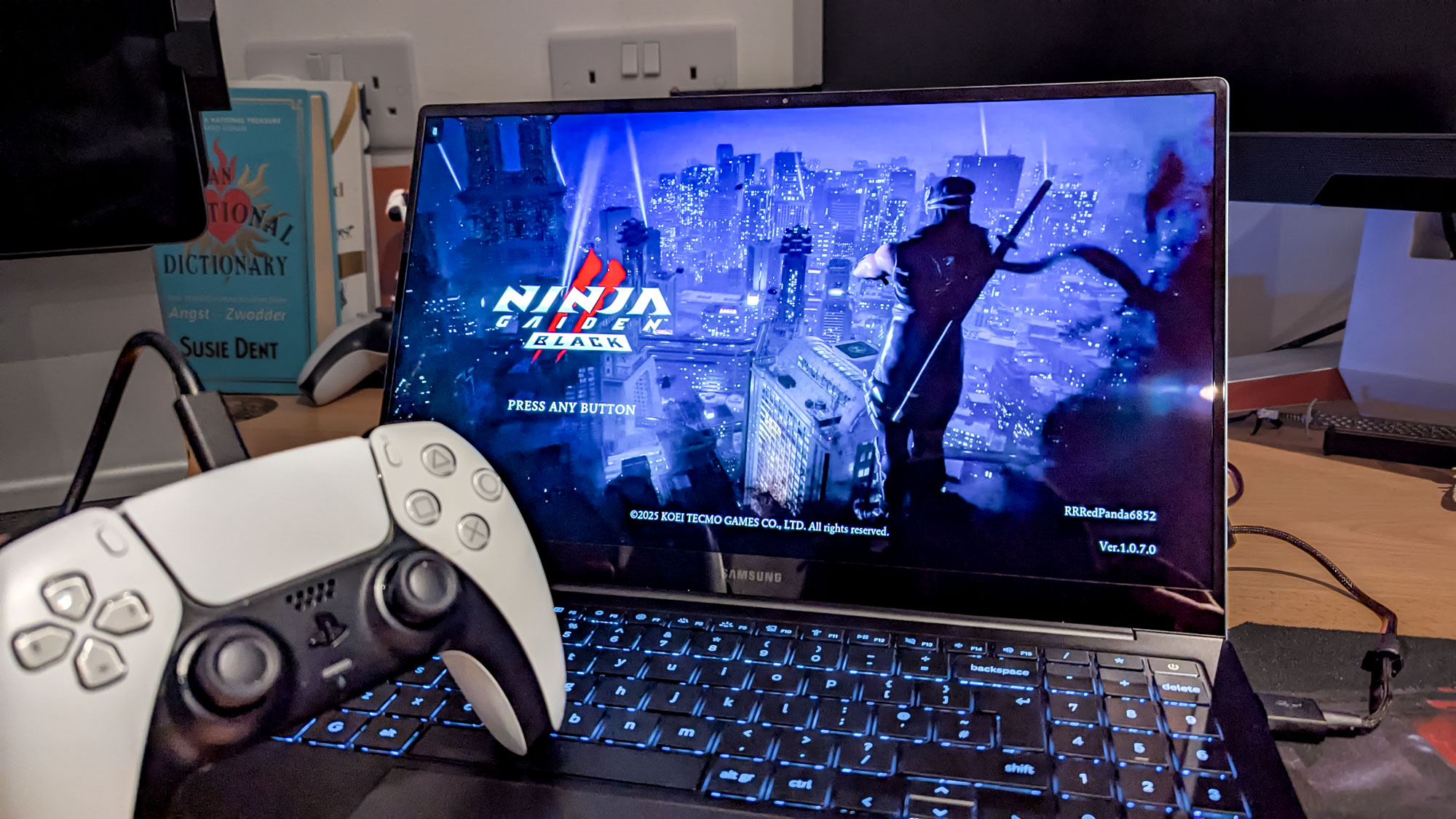
All of those extra background processes have long held back Windows gaming. In fact, on identical hardware like the Lenovo Legion Go S, recent 2026 benchmarks show that a lean Linux-based OS can get nearly 30% better frame rates in titles like Cyberpunk 2077 compared to Windows 11.
When designing its new Xbox Full Screen Experience for PC gaming handhelds like the ROG Xbox Ally X and the Legion Go S, Microsoft even went as far as to allow users to manually disable unnecessary background tasks and CPU boosting to try and claw back some performance. But even with those tweaks, Windows still struggles with efficiency. In indie games like Dead Cells, the same device can deliver over six hours of play on Linux, while on Windows 11, it will often die in under three.
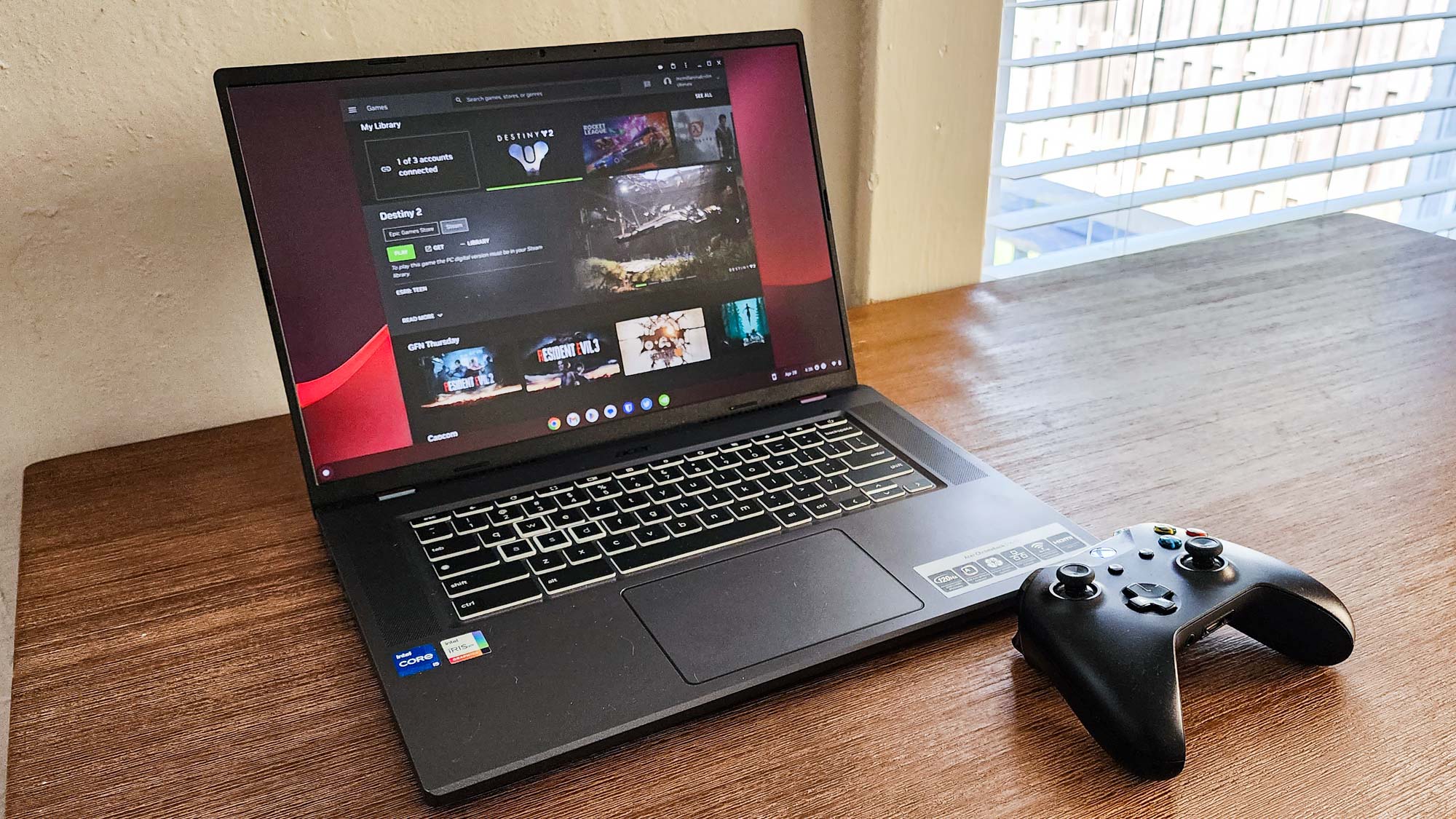
With SteamOS on the Steam Deck, Valve did the hard work for everyone else by proving that, yes, Linux can play games just as well (or even better) than Windows 11. Now with the January 2026 release of Proton 10, roughly 90% of Windows games are able to run seamlessly on Linux-based systems.
So what does this mean for Google’s upcoming Aluminum OS? Well, the search giant would be making a serious misstep by not incorporating all of this hard work and tech into its new operating system. Yes, there are plenty of Android games — including a few impressive ports of AAA ones — but why limit users to playing mobile games when the majority of them would rather play full-fledged PC games?
Now, I would love for Aluminum OS devices to be based around X86 chips, but that’s highly unlikely. Instead, the majority of them will likely be powered by ARM-based chips like Qualcomm’s Snapdragon ones. Fortunately, Valve has been funding the open-source FEX-Emu project for seven years now, even paying its core developers to work on it full-time.
In the same way that Proton translates Windows games so they can run on Linux, FEX-Emu translates games written for X86 chips so that they can run on ARM chips. By using the two together, you can run a Windows game like The Witcher 3 on a Linux system powered by an ARM chip with nearly native performance.
To avoid ChromeOS’ “web-only” stigma, Google will need to sell potential Aluminum OS users on its new operating system. What better way to do that than to tell them right out the gate that most, if not all, of their favorite PC games are supported?
Windows in the rearview
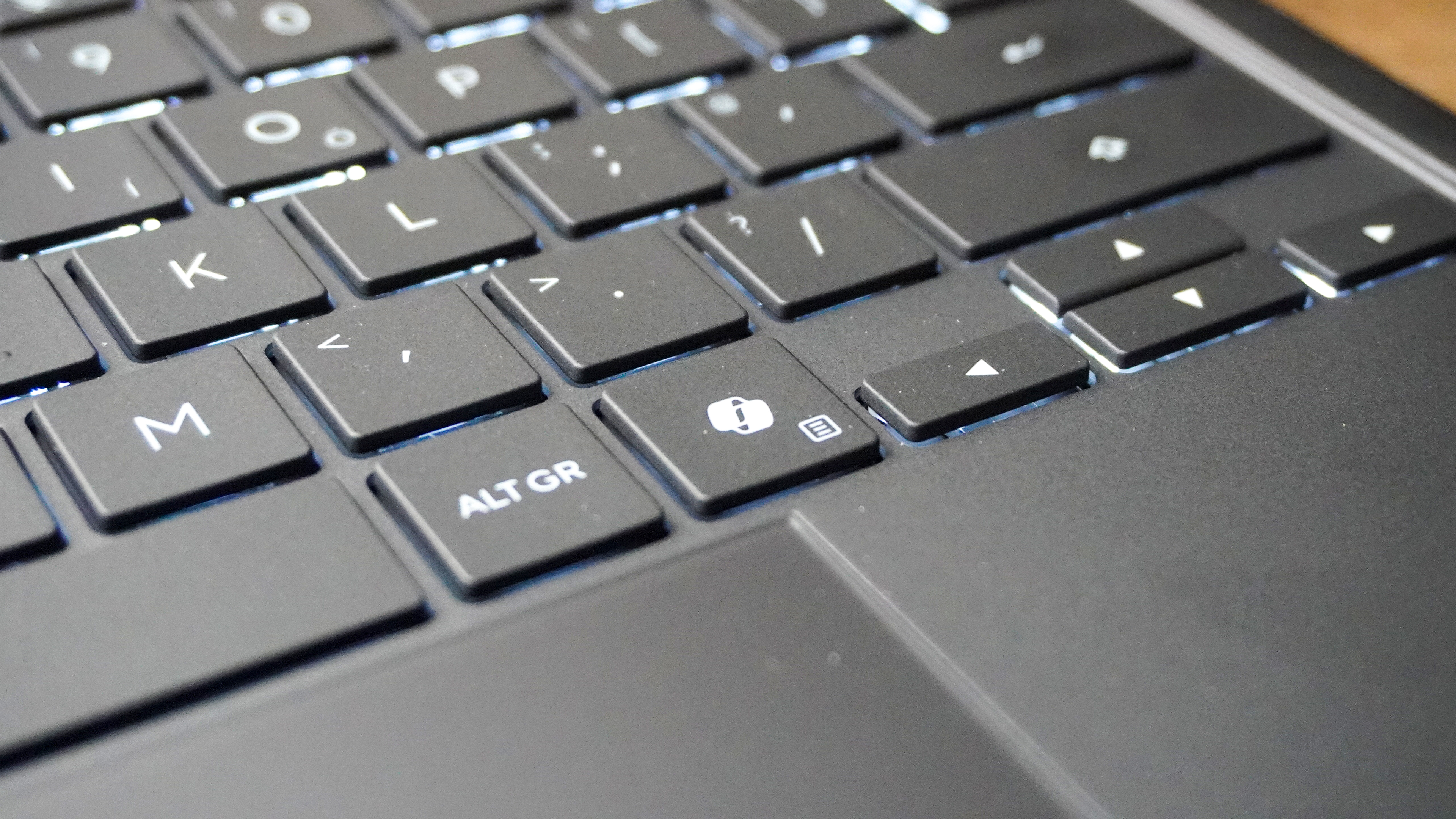

Windows 11 is starting to have its Vista moment thanks to all of Microsoft’s unnecessary changes and shoehorned AI
That doesn’t mean that Aluminum OS won’t have its hiccups or its shortcomings. For instance, unlike with ChromeOS Flex, I don’t think Google will let you install its new operating system on any PC capable of running it. Instead, like with ChromeOS, I reckon it will be locked to new hardware to entice people to ditch their old Chromebook or Android tablet and upgrade.
For the most part, this won’t be a problem for me when it comes to ditching Windows because after the crypto-fueled Great GPU Shortage of 2018 and more recently, the ongoing RAM crisis, I don’t build PCs like I used to. Instead, I’ve downsized to one of the best mini PCs and this has served me quite well during the time since. Given how close Google and Qualcomm have gotten over the years and how the latter keeps showing off mini PC concepts, I wouldn’t be surprised to see a desktop computer powered by a Snapdragon chip running Aluminum OS. This would be more than enough for my day to day workload and hopefully, some real PC gaming.
Still, I’d love a Windows alternative that lets me bring my own hardware. Even though I will need to finally learn some Linux, Valve’s own SteamOS seems like the anti-Aluminum OS, Windows alternative that will scratch that itch. Who knows, maybe I will build a new gaming PC if the Steam Machine doesn’t quite meet my expectations.
While good enough, Windows 11 is starting to have its Vista moment thanks to all of Microsoft’s unnecessary changes, constant OneDrive upgrade prompts and shoehorned AI. Windows has served me well for decades but if Google really nails it, Aluminum OS could easily become my daily driver, especially if it’s as good for work as it is for gaming.


Follow Digitpatrox on Google News and add us as a preferred source to get our up-to-date news, analysis, and reviews in your feeds.
More from Digitpatrox
Source link