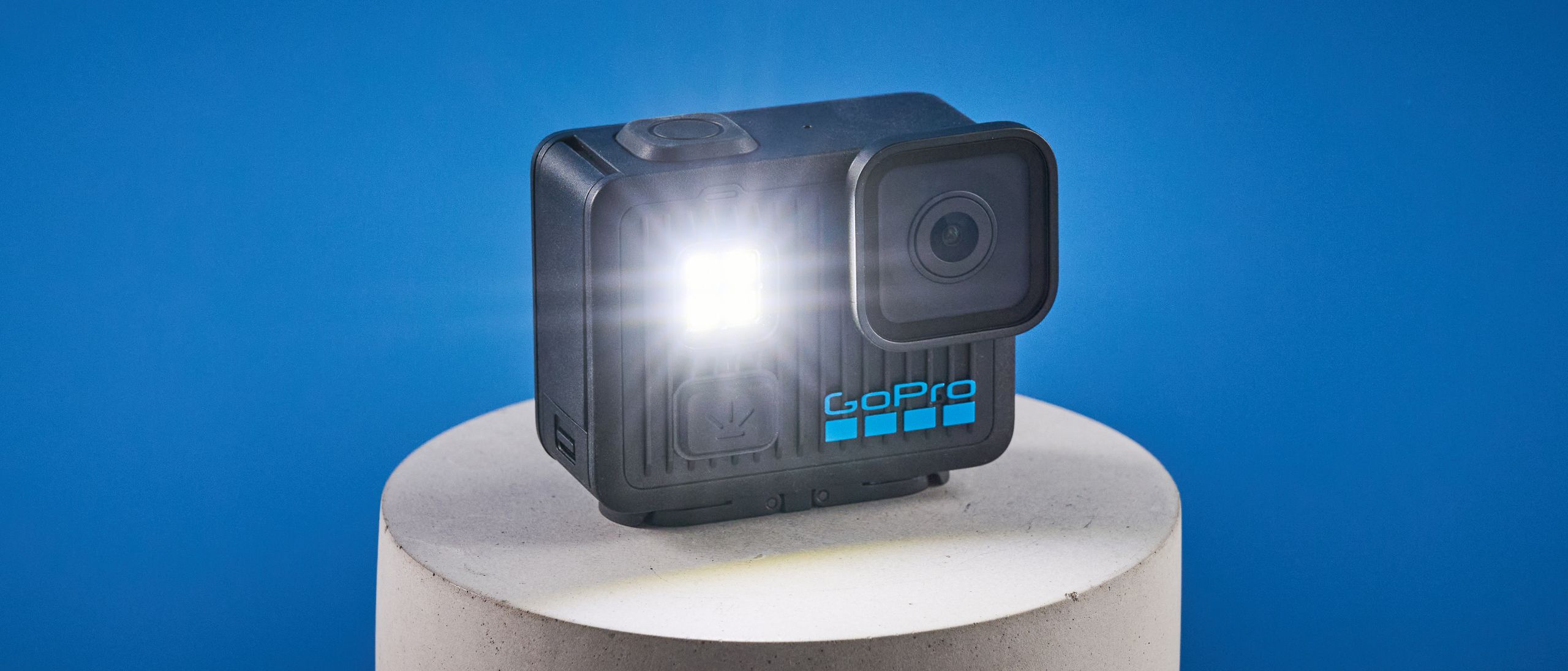
The GoPro LIT Hero is a modest update to 2024’s GoPro Hero — the smallest member of the legendary action camera manufacturer’s current lineup. The original Hero was a likeable little camera. It packed 4K/30fps video and strong battery life into a very compact (not to mention cheap) package.
I awarded the original Hero 3.5 stars. That effectively means “good, but not recommended outright,” and it didn’t make our roundup of the best action cameras. Other tiny action cameras like the Insta360 Go 3S and DJI Osmo Nano did things better, with more intuitive controls and 4K/60fps.
GoPro LIT Hero review: Specs
|
Price |
|
|
Max video resolution |
4K/60fps |
|
Sensor size/resolution |
1/1.28-inch CMOS, 12MP |
|
Rear screen |
1.76-inch LCD touchscreen |
|
Front screen |
None |
|
Internal memory |
None |
|
MicroSD slot |
Yes |
|
Pre-recording |
None |
|
Loop recording |
None |
|
Timelapse/hyperlapse |
None |
|
Livestreaming |
None |
|
Connectivity |
USB-C, Bluetooth (to Quik app only), Wi-Fi (to Quik app only) |
|
Water resistance |
16 feet (5 meters) |
|
Battery |
1,255mAh |
|
Battery life (tested, 4K/60fps) |
103 minutes |
|
Size |
2.2 x 1.9 x 1.1 inches |
|
Weight |
3.2 ounces |
GoPro LIT Hero review: Price & availability
The GoPro LIT Hero costs $269 / £239 at Amazon — a huge price jump from the original Hero, which launched at $199 / £199. At the time of writing, you can find an original Hero for well under the $199 MSRP, though.
GoPro’s justification for the hike is doubtless that the new camera has 4K/60fps (up from 4K/30fps in the OG) and a built-in light. More features cost more money, so a price jump is fair. But $70 feels a little steep. One of the things that I really loved about the original Hero was how affordable it was — it made it a likeable camera despite the flaws. I can’t say the same about the LIT.
Nevertheless, the LIT Hero is still cheaper than all of its competitors’ tiny cameras. The Insta360 Go 3S costs a whopping $379, but is a better product in almost every way. The DJI Osmo Nano costs $299 and also offers many more features, but isn’t officially supported in the U.S. by DJI itself (which should only be a problem if it breaks) due to its ongoing feud with the U.S. government.
GoPro LIT Hero review: Design
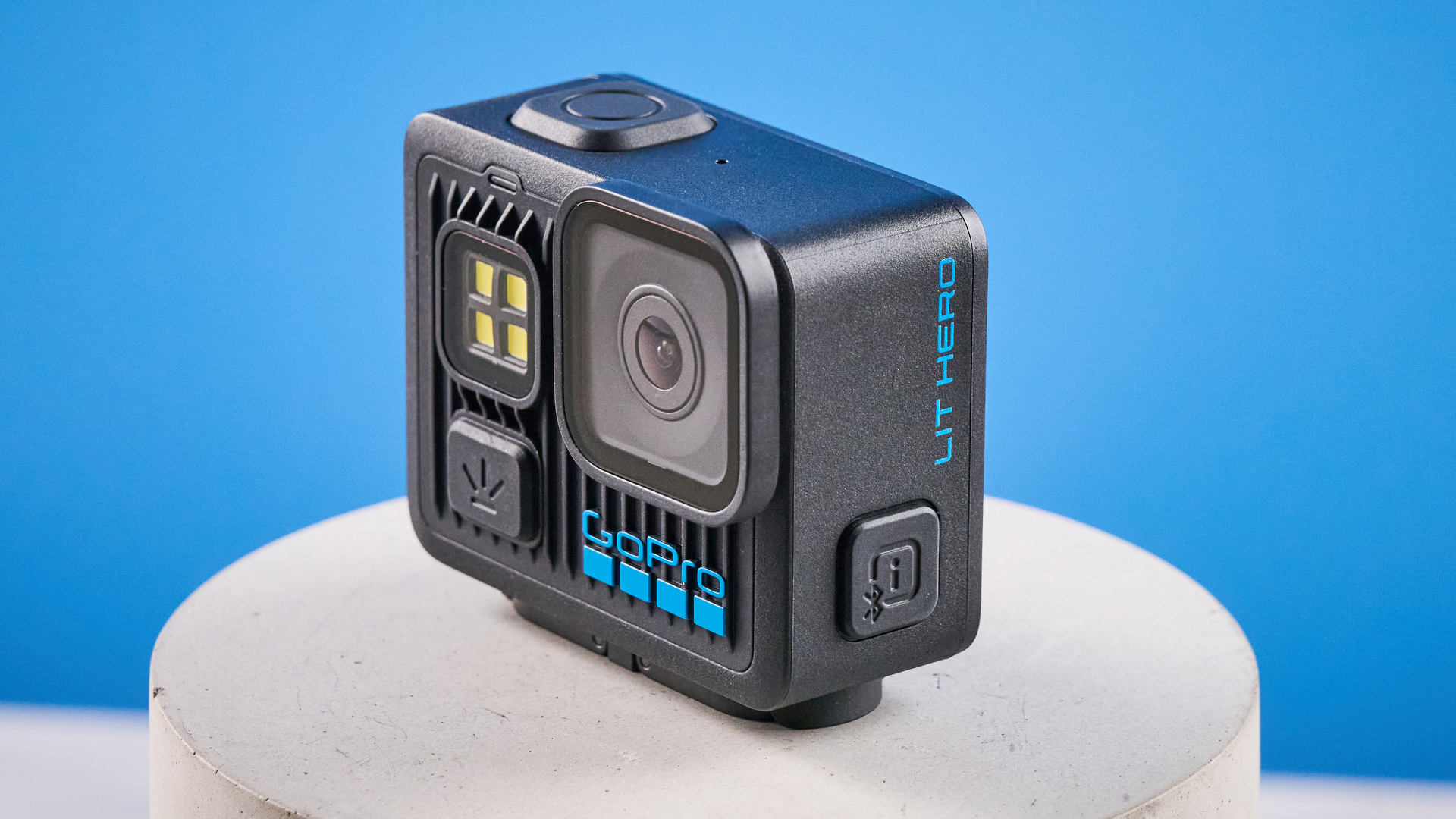

The GoPro LIT Hero looks exactly the same as the original Hero, except for the frontal LED light, which I’ll cover in the low-light video section below (spoiler: it’s bright). It features the same overarching design, with the vertical stripes, and, like any GoPro, is built extremely well. Sure it costs too much, but at least it doesn’t feel cheap.
At 2.2 x 1.9 x 1.1 inches, it’s almost exactly the same size as its predecessor. That makes it one of the easiest action cameras to mount. I’ve had no issues putting it anywhere, from handlebars to helmet chin or backpack strap mounts. In fact, at only 3.2 ounces, it’s an ideal choice for mounting to helmets as it doesn’t weigh them down.
Both rivals — the Osmo Nano and Go 3S — have modular thumb cameras which need to be removed from pods to be considered truly tiny. That limits battery life, as their pods host larger batteries. By contrast, the LIT Hero is an entirely small package, so it doesn’t force you to sacrifice the main battery for increased mountability.
Mounting
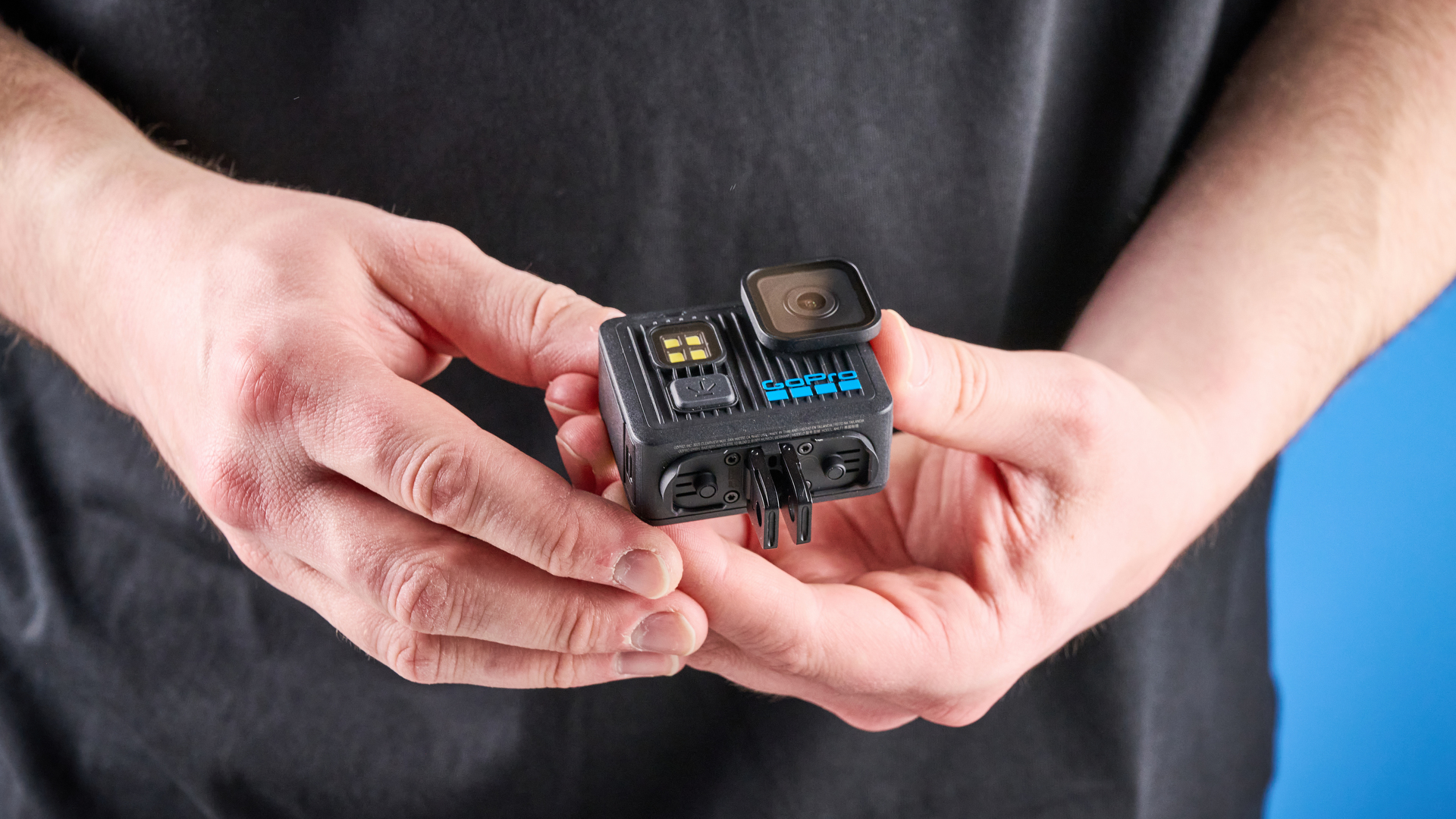
On the topic of mounting, the LIT Hero features a magnetic latch for quick release mounts, plus GoPro’s usual built-in fingers, which I love — it means you can mount the LIT to pretty much any third part accessory without needing a proprietary quick release adapter (as you will with the Osmo Nano and Go 3S).
Waterproofing & ruggedness
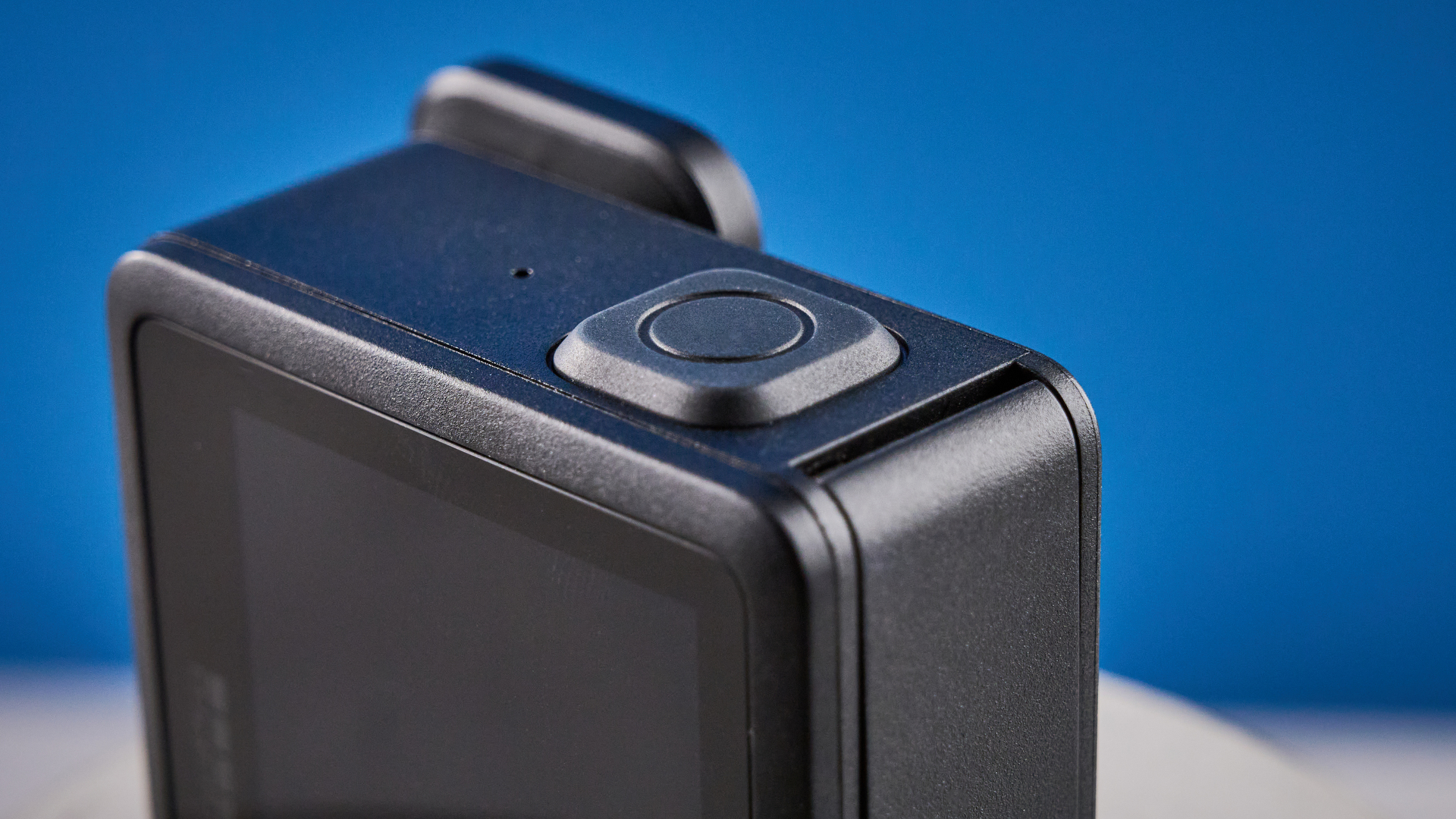
The LIT Hero is fairly rugged. I’ve dropped it a few times and it barely has a scratch on it. You can also replace the lens cover if it gets damaged enough to affect image quality. Like the OG Hero, the LIT is waterproof only down to 16 feet / 5 meters, so this isn’t one to take diving. The Osmo Nano and Go 3S are both waterproof to 33 feet / 10 meters, but only their cameras (the screen pods are each only IPX4-rated / splashproof), so you’ll be sacrificing battery life and controls for the extra depth.
Connectivity
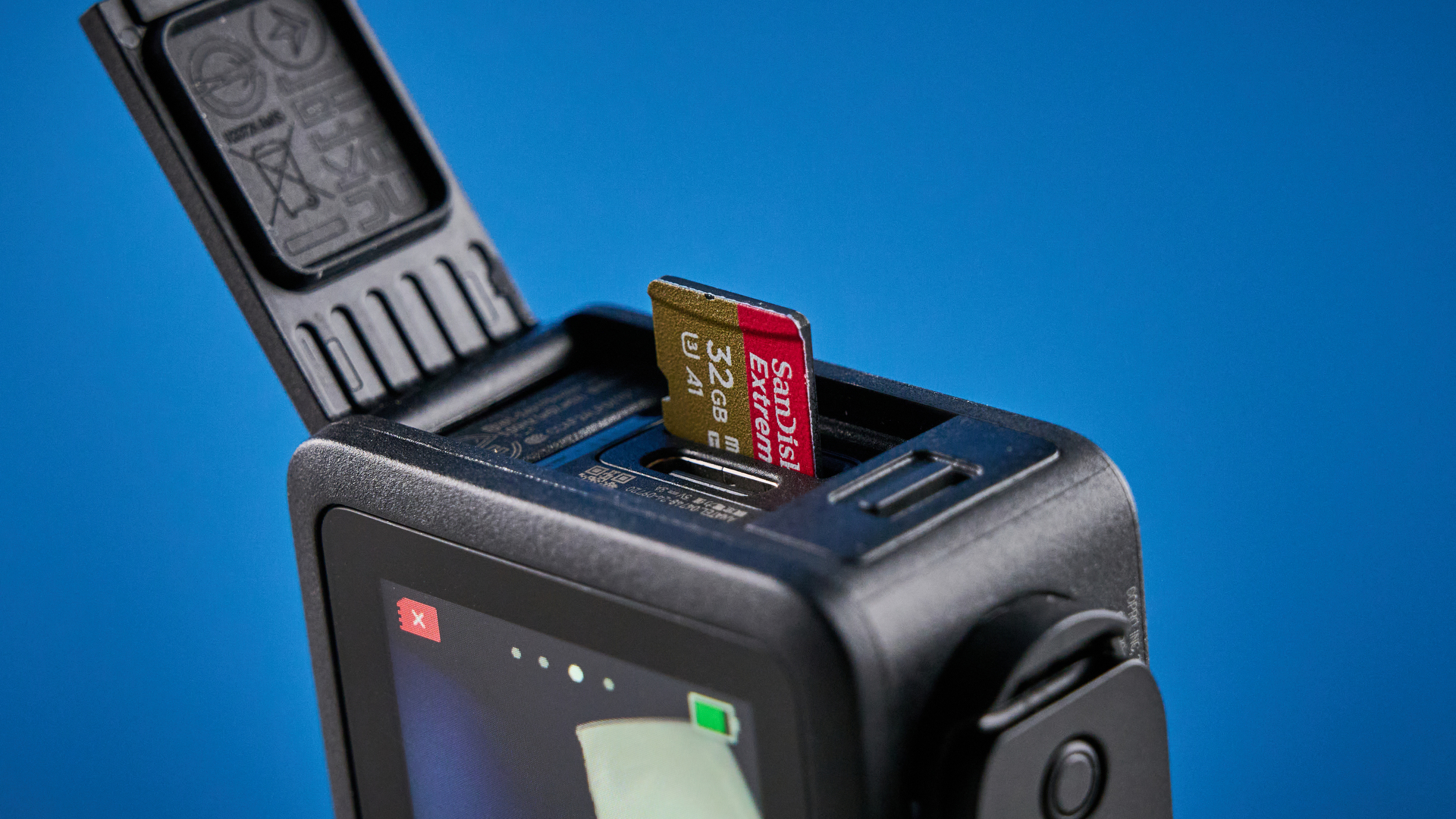
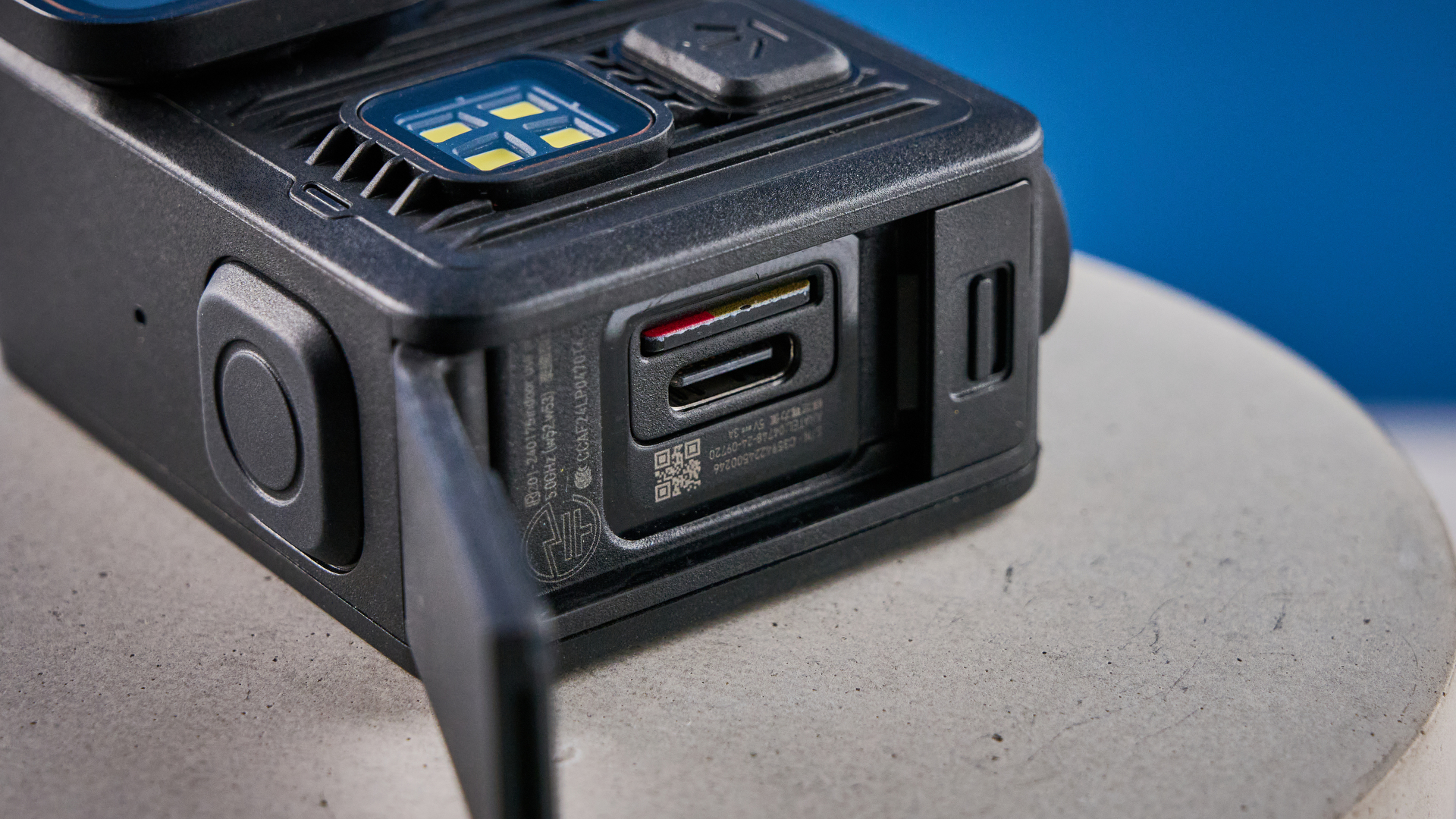
The LIT Hero features a USB-C port for charging and data transfer, a microSD slot for storage, and wireless connectivity for pairing to the GoPro Quik app. The latter is essential, as it’s where stabilization is applied to video, but the app is also where you’ll update the camera, access better camera controls, and edit files.
Nothing really out of the ordinary here, although it’s worth mentioning that the Osmo Nano has internal storage and a microSD slot, making it the most versatile option for file management. The Go 3S has only internal storage, and you’ll have to step up to the much pricier Insta360 Go Ultra ($449) for a microSD slot (but no internal storage).
The LIT Hero can’t connect to external microphones, but I’ll discuss this later in the audio section.
GoPro LIT Hero review: Display & controls
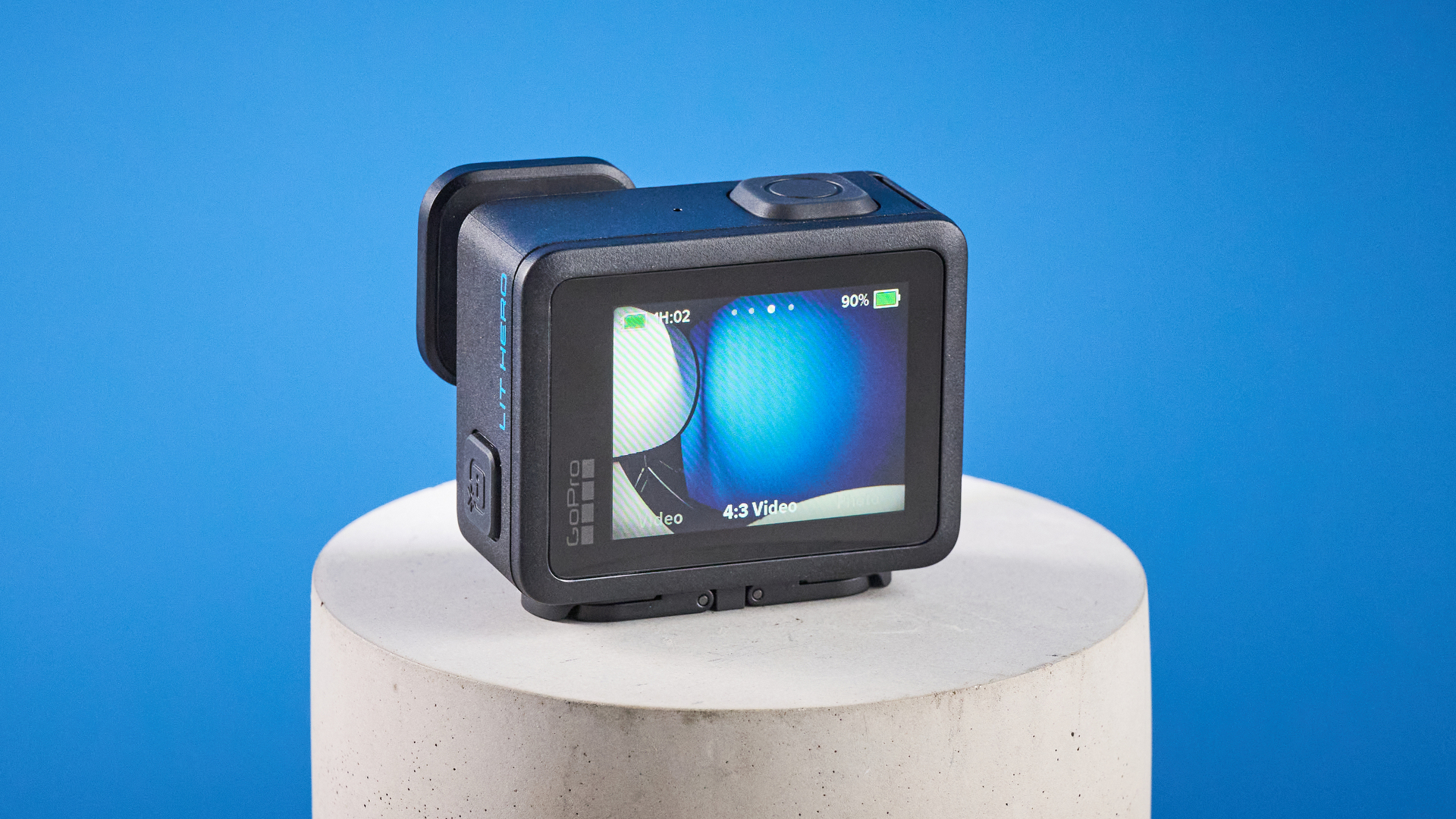
The GoPro LIT Hero features the same 1.76-inch LCD touchscreen as its predecessor. It’s fairly low-res and too small to be of much practical use, particularly when wearing gloves. This makes navigating the camera a frustrating experience, especially versus the slick, wide screen of the Osmo Nano and the huge flip-up vlogging screen of the Go 3S. Unfortunately, all of the camera control is done via the screen, making this a pretty big issue.
While we’re on flip-up screens: the Go 3S’ is perfect for vlogging, allowing you to see yourself while you shoot. The Osmo Nano’s screen pod also works in either forward or backward orientation (in relation to the lens), so it can also be used for vlogging. The LIT Hero has no facility for shooting to camera without using the Quik app — not ideal, as you don’t want to be looking at your smartphone while shooting to camera. If you’re vlogging, the LIT isn’t for you.
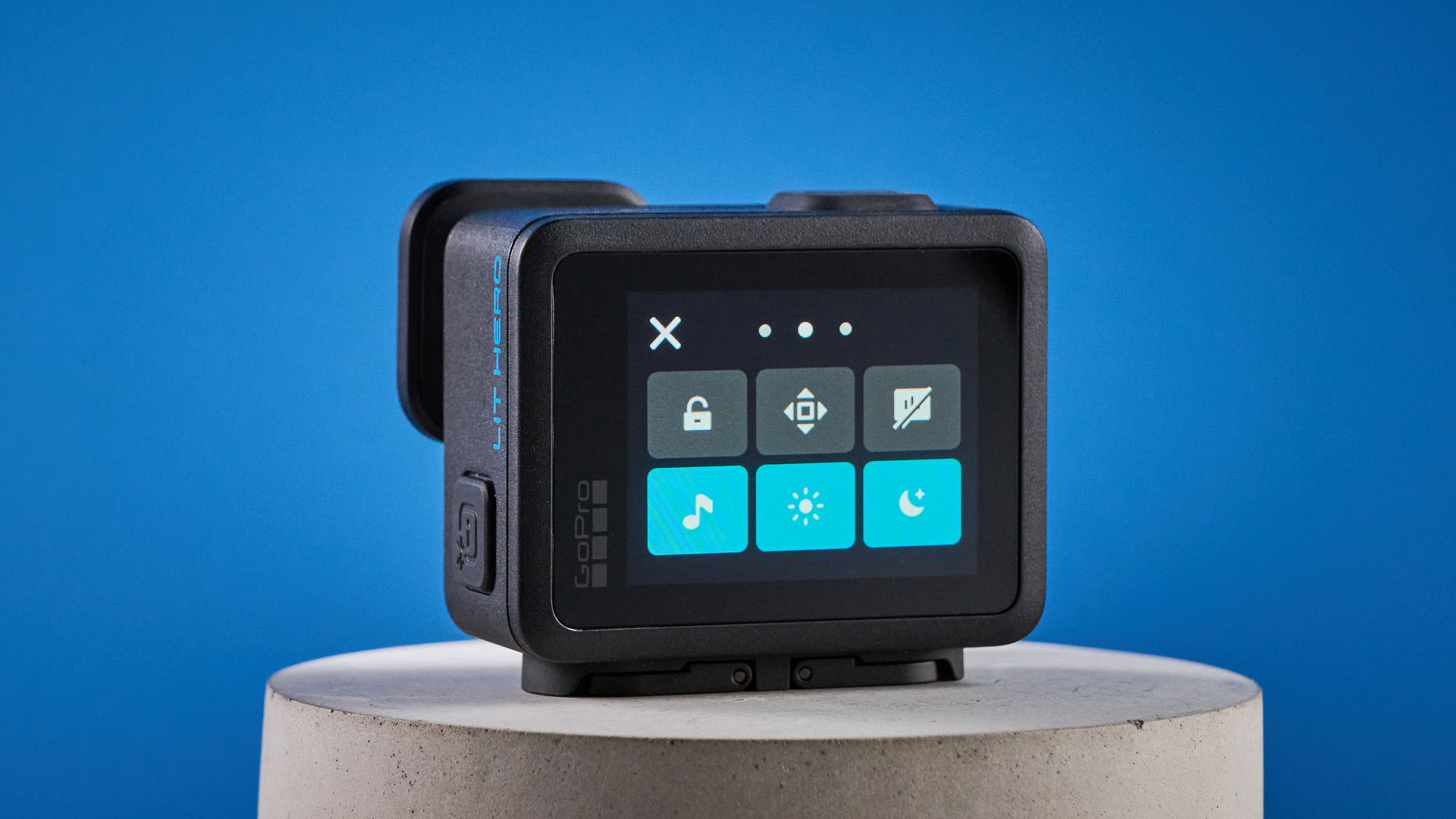
Like the OG Hero, the LIT’s menu system is exceptionally amateur-feeling in comparison to rivals, and offers very little meaningful control of the camera — selectable resolutions are very limited, there are only four modes, and you have virtually no control over camera settings within those modes. GoPro was clearly going for a stripped-back feel, but went too far — the lack of control just makes the LIT Hero feel cumbersome and limiting. I just don’t get how GoPro has made something so small and simple feel so unwieldy. Talk about snatching defeat from the jaws of victory.
GoPro LIT Hero review: Stabilization

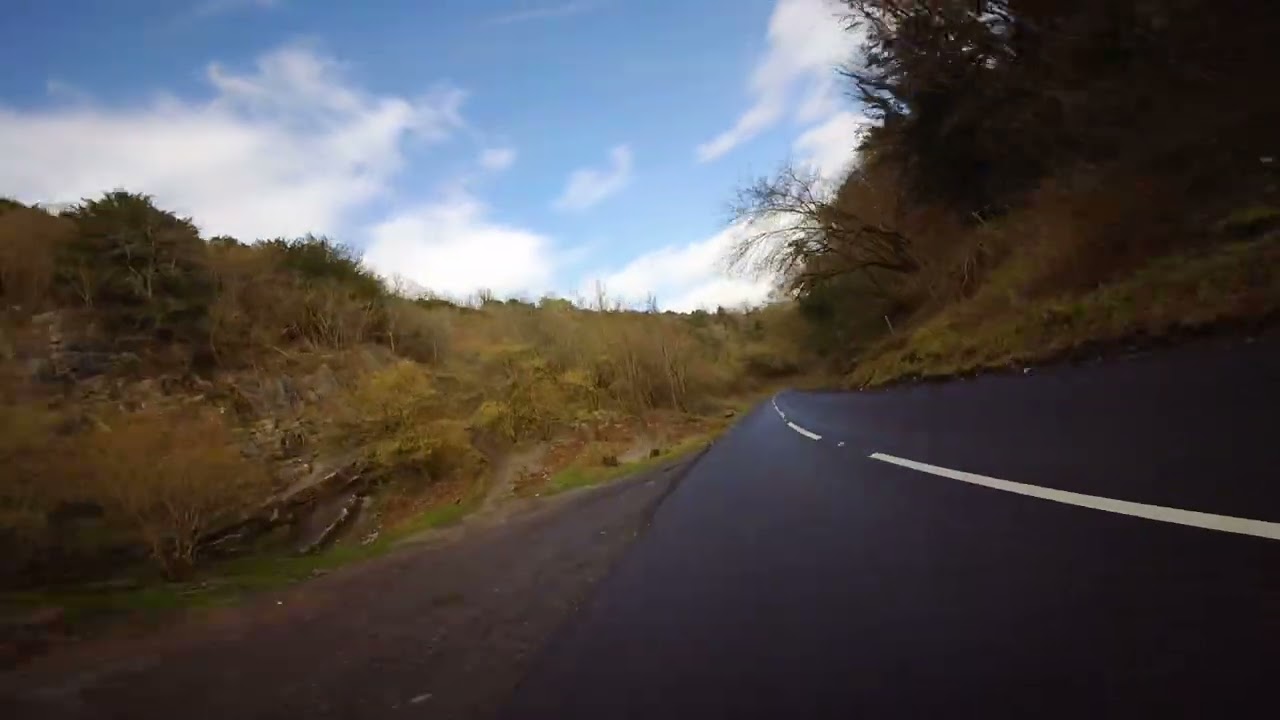
The GoPro LIT Hero doesn’t feature in-camera stabilization. Instead, footage is smoothed out in the GoPro Quik app when transferred to your smartphone. Alternatively, you can offload unstabilized files from the SD and stabilize the footage in video editing software (many apps have a stabilization feature).
It’s a pain to constantly route footage via your smartphone, especially as 4K/60fps footage is all broken down into 5-6-minute clips. However, I rarely just upload untrimmed or unedited footage anyway, so it’d always be going through the app and getting stabilized.

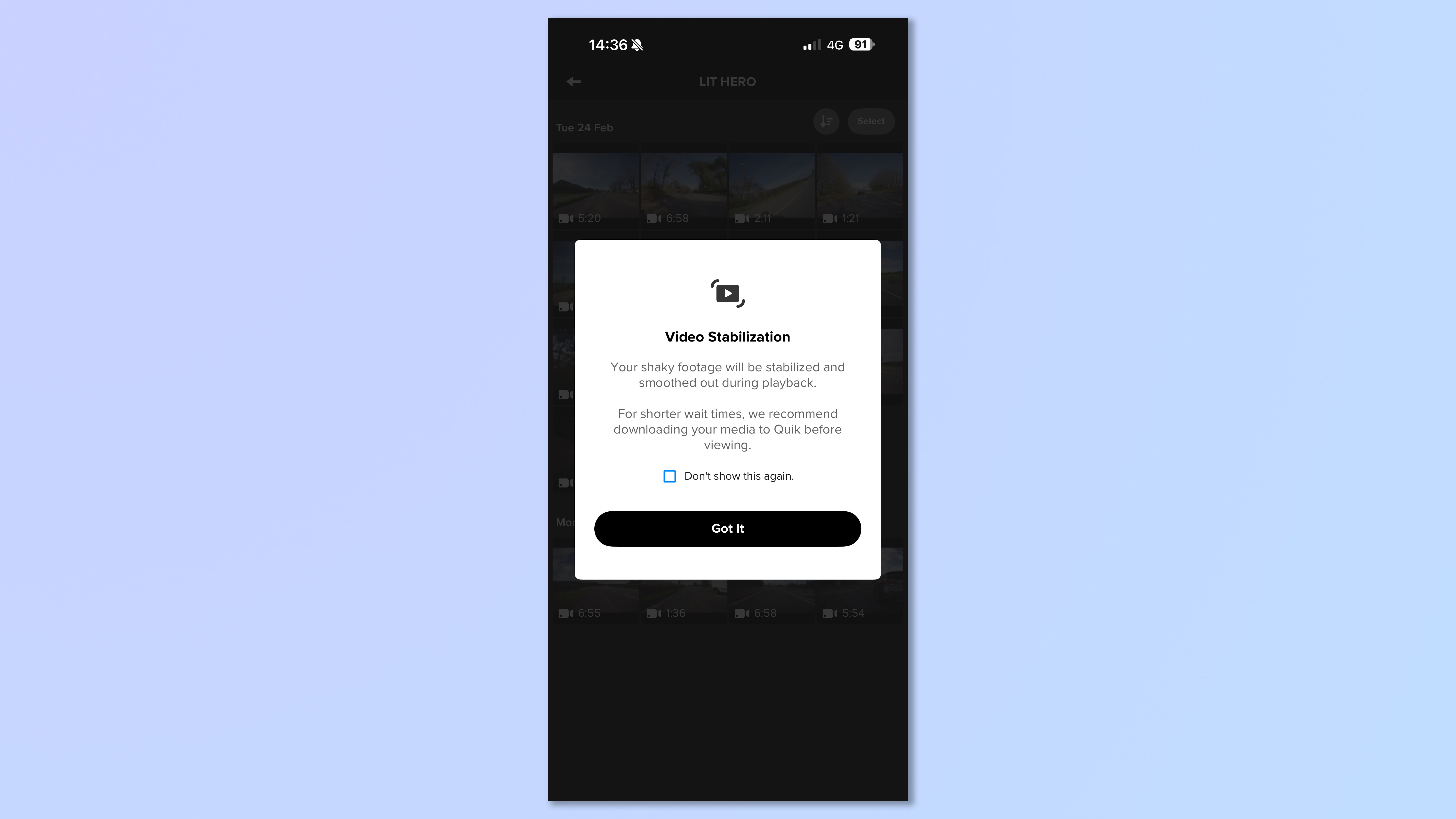
You’ll have no issues with the app’s stabilization, either. It’s very good. As you can see in the motorcycle footage above, the app has smoothed out any jumpiness while maintaining the lean angles on the bike.

It’s also ideal for walking or slower paced footage, which is the kind of thing the camera is primarily designed for. As you can see in the walking video above, the Quik app did a great job at mostly smoothing out my footsteps, so it feels natural but not jumpy.
GoPro LIT Hero review: Video performance
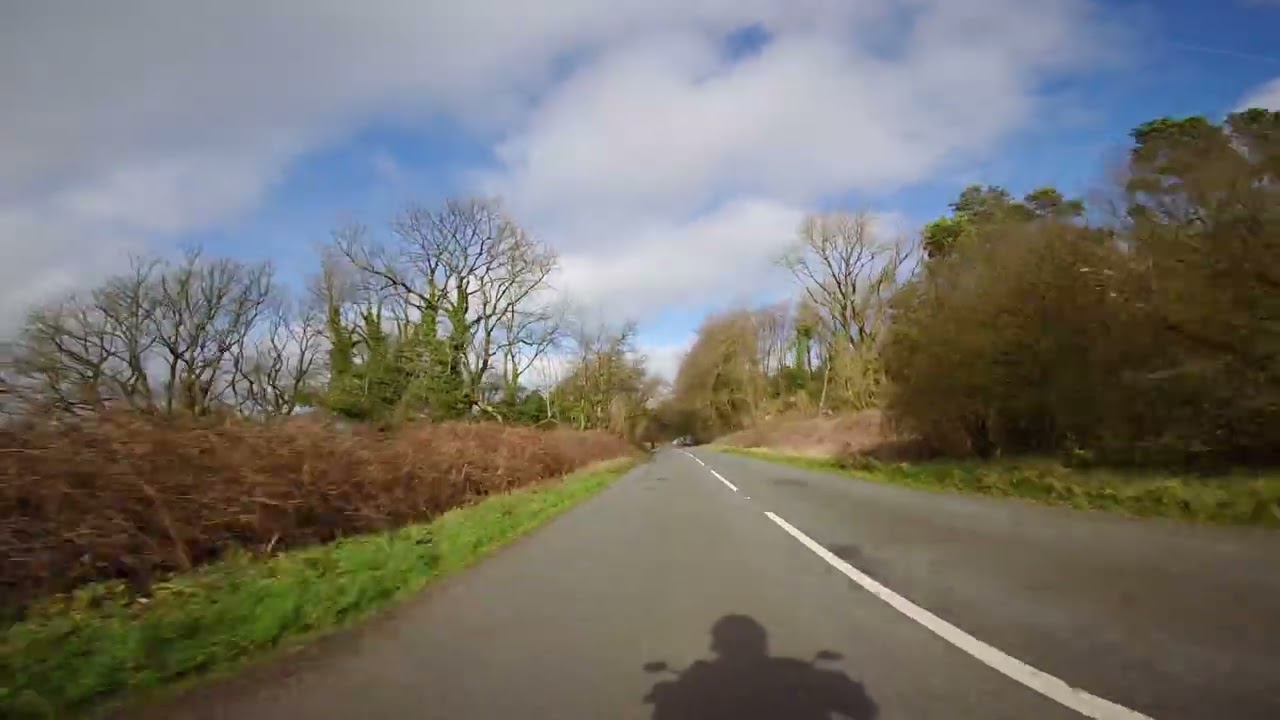
Just like the OG Hero, you mustn’t expect any bells and whistles with the GoPro LIT Hero — a fact that kinda stings given the $70 increase. There are only four modes (three video, one photo), and you can’t change resolution or frame rate in any but one of the video modes. Sure, you can change the export resolution in the Quik app, but what if you want to shoot smaller 2.7K files in camera for quicker handling in the app? You can’t.
The LIT features the same 1/2.8-inch sensor as the OG model, and the resulting 4K image looks okay, with plenty of detail and respectable sharpness in the center. But sharpness drops off at the edges due to distortion from the ultra-wide lens (which is common with action cameras).
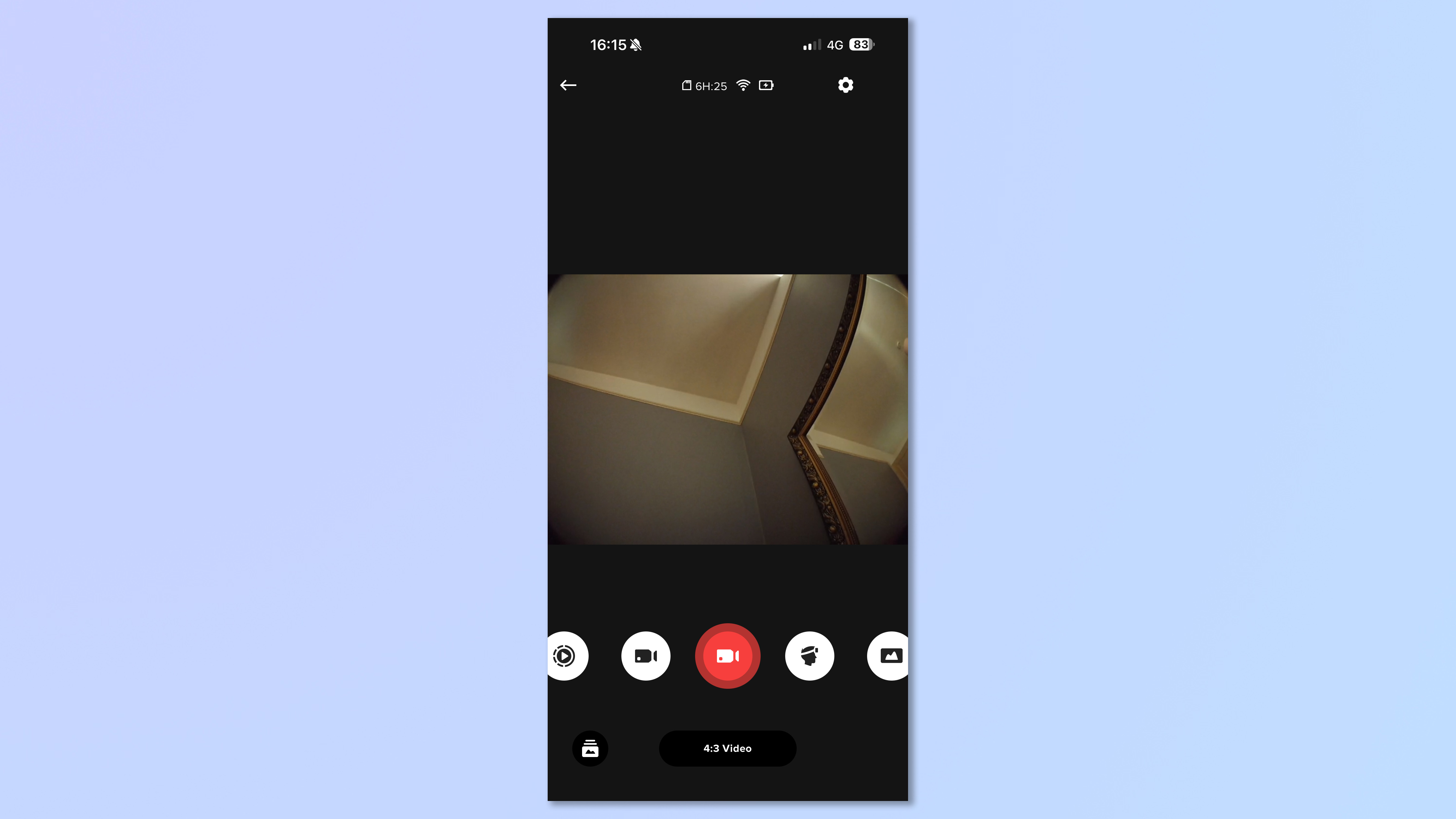
Even after corrections in the Quik app, there’s also noticeable vignetting in image corners, which looks rather ugly, clashing with the brighter center of the image. When viewing footage as you shoot, you’ll notice the lens guard intrudes into the image corners of uncorrected files, too. The intrusions disappear when the camera crops footage to stabilize it, but regardless, these aren’t the finest optics ever fitted to an action camera.
The camera only records on auto white balance and auto exposure — there’s no manual control — and it did a respectable job on the bright sunny day in the footage above. Colors look natural and faithful to the cold, sunny day, while the exposure is adequately balanced, even during the shift in lighting at around 12 seconds in.
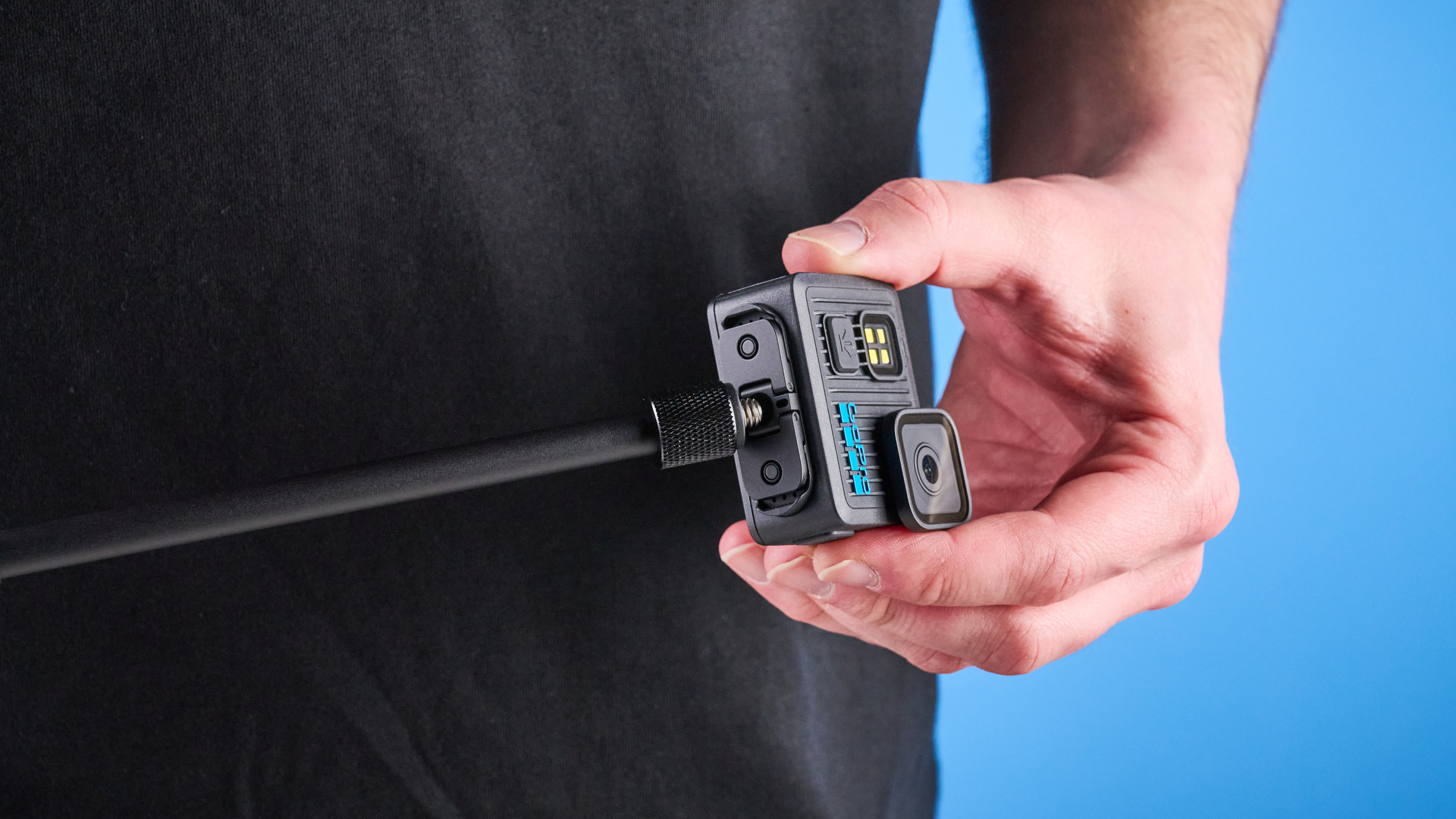
60fps is obviously a very welcome update from the OG Hero’s 30fps cap, allowing for smoother action footage. There are three modes to choose from: Video, which shoots 1080P/30fps or 4K/30fps; 4:3 Video, which shoots 4K/30fps only; and Sport POV, which shoots in 4K/60fps only. I’ve no idea what makes this view particularly “sporty” — it’s just a 16:9 crop into the 4:3 image, shot at a 165-degree field of view.
Other than that, there isn’t much to talk about video-wise. It’s basic and it’s passable. If I were to score the Lit Hero’s video, it’d get a C+. I’d rather shoot on the LIT than on budget cameras like the Akaso Brave 8 ($289) or Akaso Brave 8 Lite ($199), although mainly for the audio and app, not for the video — its 4K isn’t really much better than that of budget brands, which is a poor showing given this is a $269 GoPro.
Low light
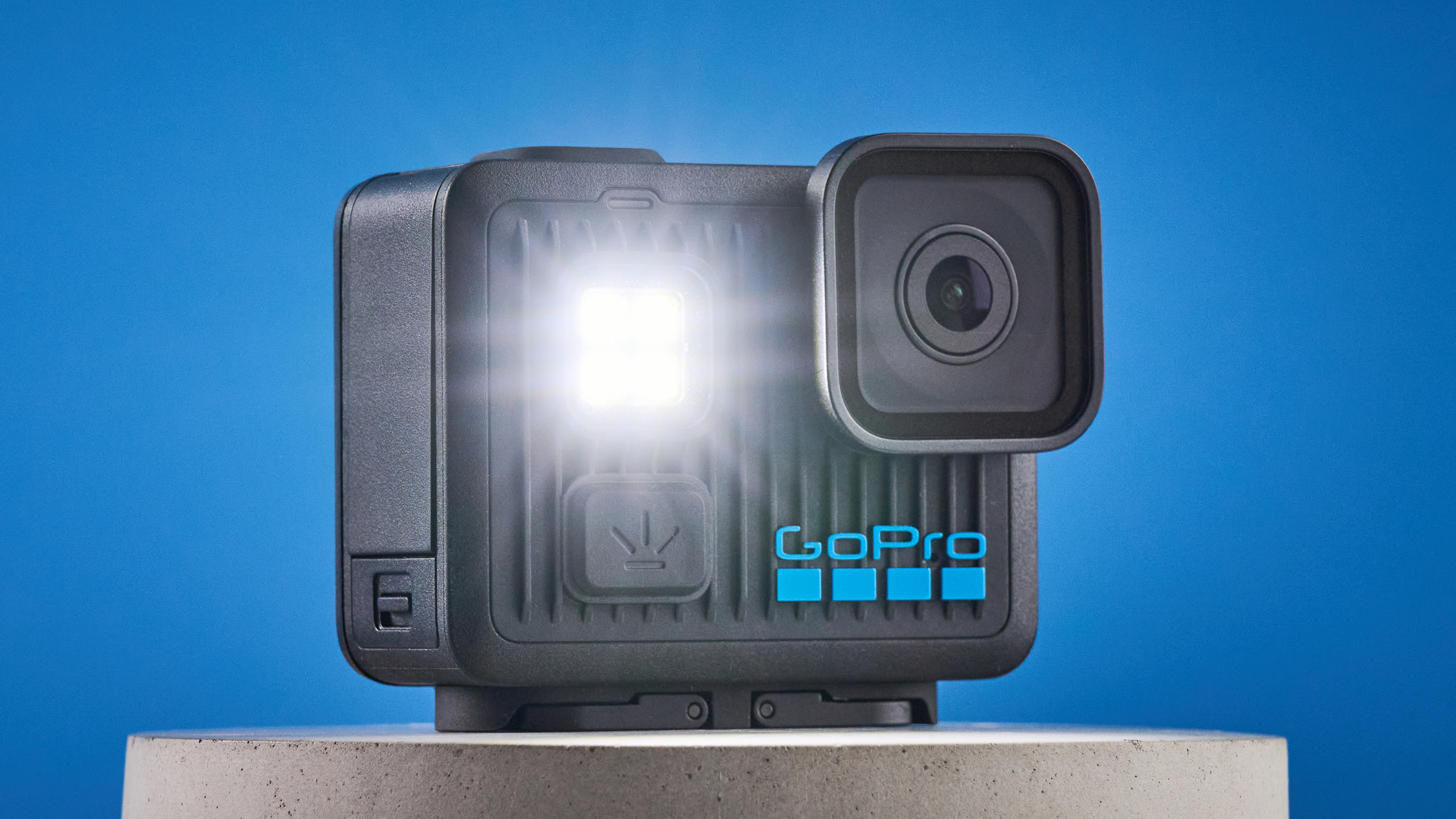
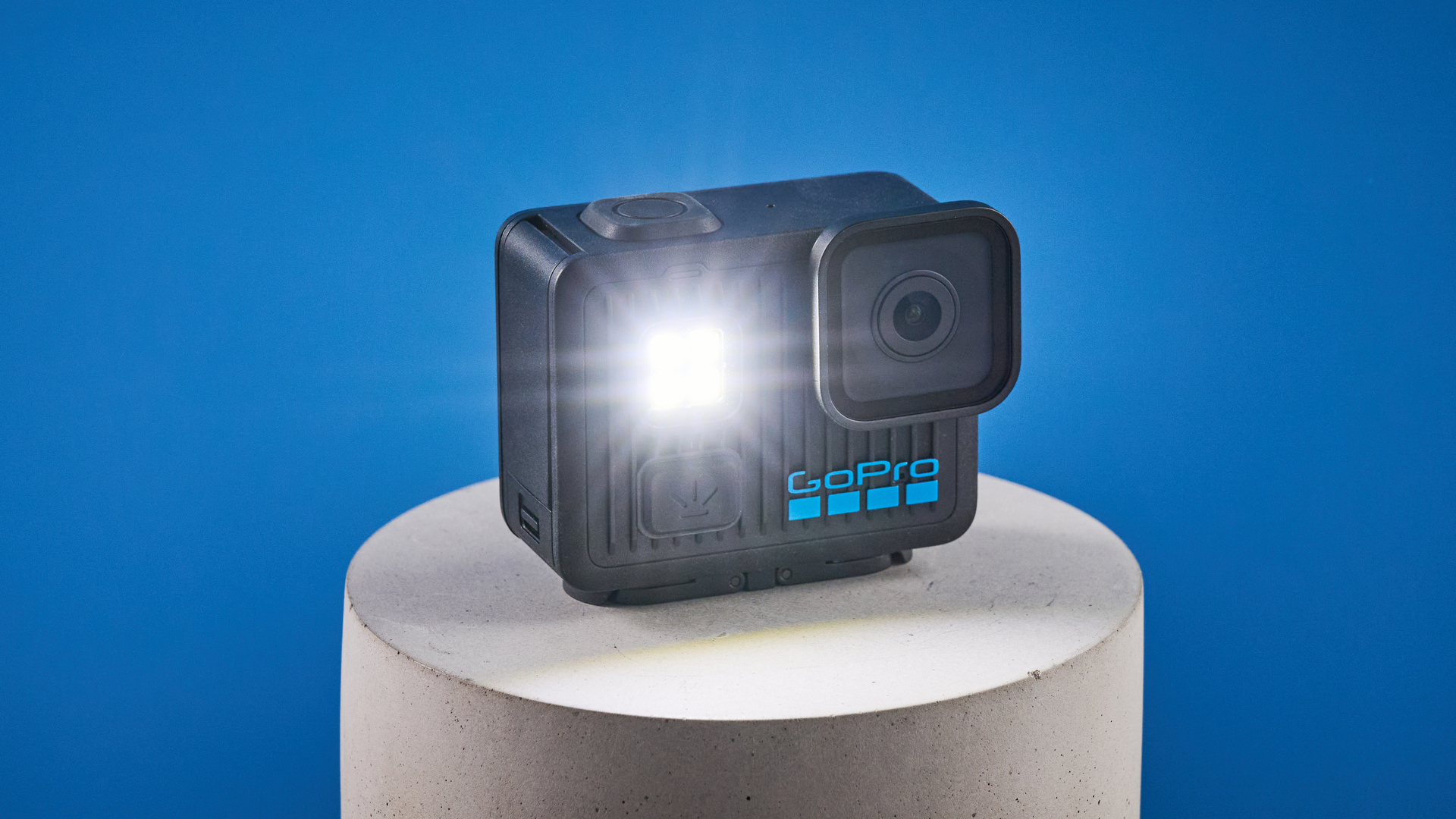
But of course, the LIT Hero has a trump card: it’s LIT. There’s a frontal LED with three brightness settings, and boy is it bright. You’ll have no problem lighting scenes, as long as you’re not trying to film a wide open space. The built-in LED will also save you buying an external light accessory, so it’s definitely handy to have.
That’s not to say the light is… pleasant. It’ll brighten the image, but it’s a frontal light, so it flattens any subject in front of it. Think about how photos look when shot using a frontal camera flash — subjects’ faces look flat and washed out, with eyes like startled deer. The LIT’s light makes footage look like something out of the Blair Witch Project, which is admittedly kinda fun. It’ll also blind anyone in front of the camera, so it won’t be much use for vlogging.

Without the LED, you can eke out a little bit of low light performance by dropping the frame rate from 60fps to 30fps, which exposes the image more. Still, low light footage looks as lumpy as I’d expect from a 1/2.8-inch sensor, although less noisy in the shadows than I’d anticipated. For low light, though, I’d still recommend a camera with a bigger sensor, like the DJI Osmo Action 5 Pro ($349) or DJI Osmo Action 6 ($369).
GoPro LIT Hero review: Audio performance
The GoPro LIT Hero’s internal audio surprised me… for the better. Motorcycling footage is an extremely tough challenge for microphones, with lots of wind buffeting. Many action cameras feature wind reduction noise cancellation modes to help with this. Unsurprisingly, the LIT Hero features no such modes, but its dual mics do alright on their own!
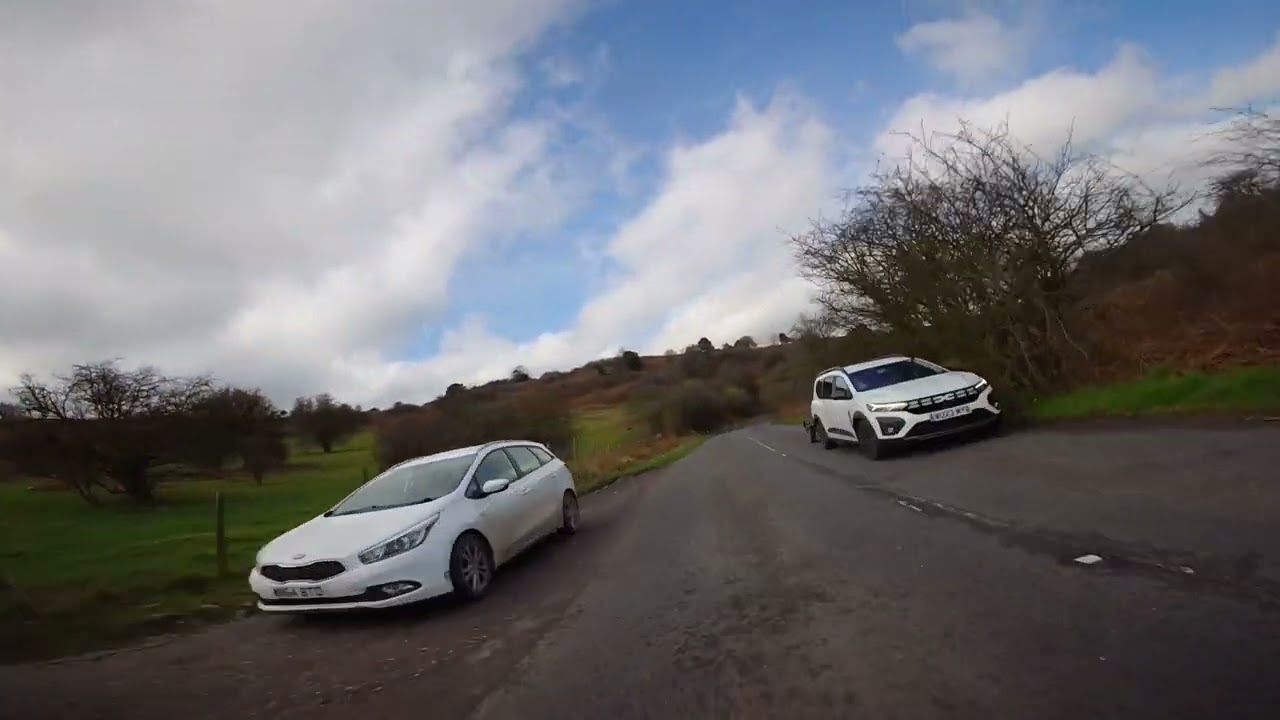
In the footage above, shot with the camera on the front of a motorcycle with no wind guard or fairings in front of it, wind buffeting is present but not awful, and you can hear the sound of the engine fairly clearly. I’ve certainly heard a lot worse — the Akaso Brave 8 and Brave 8 Lite, to be specific.
In slower-paced situations, like vlogging, the mic will have absolutely no issues, as you can hear in the low light footage above, where I’m talking to the camera.
Unfortunately, like the OG Hero, the LIT doesn’t support external microphones. If you use a mic, you’ll need to record audio separately and then sync up in post. With no timecode on the LIT, that won’t be as easy as with professional cameras like the Hero13 Black.
GoPro LIT Hero review: App
The GoPro Quik app is vital to the operation of the GoPro LIT Hero, at least if you don’t have access to or knowledge of video editing software. This is because the app is where stabilization is applied to video, so without it your footage will be a shaky mess. As I alluded to above, you can of course stabilize footage in third party video editing applications, if you know how.
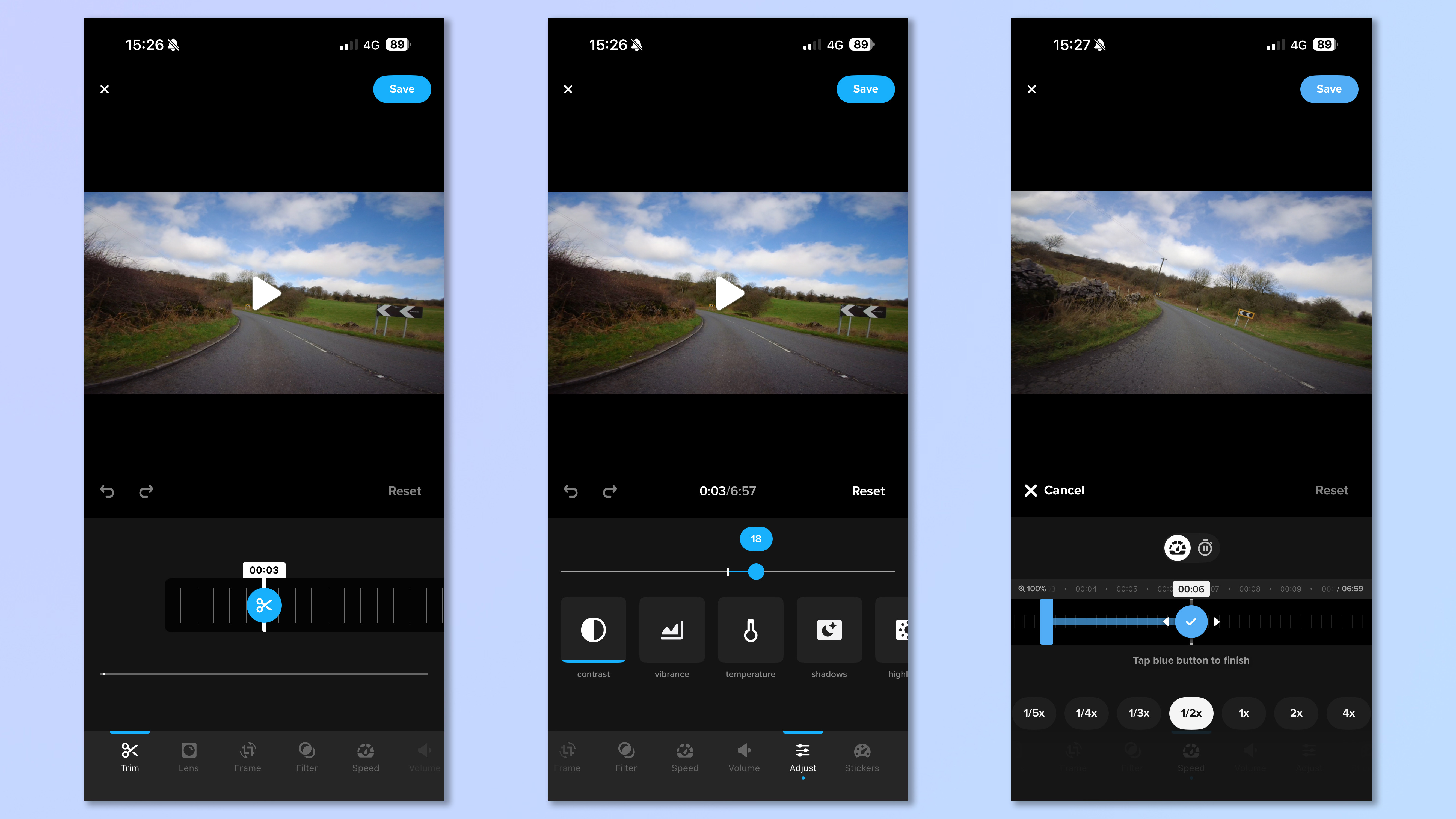
Thankfully, GoPro’s app is really good. It’s easy to use, offers lots of control and editing features, and is as slick as you’d expect a companion app from a major manufacturer to be.
The app is by far the easiest way to control the LIT Hero, given the small/unresponsive screen and limited in-camera menu. Hooking up to the app is quick (or should I say, Quik) and easy, giving me no headaches in testing.
The app is also where you can quickly edit footage once offloaded from the camera, and there are some basic editing tools for pulling your videos into usable shape to then upload to social media. Quik is on par with the DJI Mimo app, although the Insta360 app offers more bells and whistles in the features and editing departments, and is the gold-standard for straight-to-social action camera footage.
GoPro LIT Hero review: Battery life & overheating
Battery life was one of the OG Hero’s strongest points, and it’s the same story with the GoPro LIT Hero. In my standardized indoor battery tests, I shoot in 4K at either 30fps or 60fps (if the camera supports it) until the battery dies. This also tests overheating, as I run the test indoors.
The OG Hero achieved 103 minutes at 4K/30fps, which was really impressive given the relatively small battery. Amazingly, using the same 1,255mAh battery, the LIT achieved exactly the same figure at 4K/60fps — very impressive given the higher frame rate, and not something I was expecting. That’s longer than the GoPro Hero13 Black ($399) at 4K/60fps, when I put that through the same test. I tested the LIT without its LED on, so you can expect the battery to deplete quicker when using that.
Annoyingly, the battery is fixed in situ, so no way of swapping out batteries. That means when it dies, you have downtime.
Just like the OG Hero, the LIT also manages thermals very well and didn’t overheat once, recording continuously for 103 minutes. That’s better than our top-rated action camera, the much pricier DJI Osmo Action 6.
GoPro LIT Hero review: Verdict
There’s no doubt the GoPro LIT Hero is an improvement over its predecessor. It upgrades 4K recording from 30 to 60 fps and adds an LED, while maintaining the original model’s excellent battery life (even at 60fps) and versatility.
Still, make no mistake, this is a no frills camera, but at a very frilly price this time around. One of the redeeming features of the Hero was its price, and unfortunately, I don’t believe the LIT justifies such a steep increase. You can buy an older professional action camera like the DJI Osmo Action 4 for around the same money (at the time of writing), and the fantastic Osmo Action 5 Pro drops within the same ballpark at sales events. $269 makes no sense, and feels like GoPro is charging purely for its name.
Nevertheless, this is a good little action camera. Our 3.5-star rating means a product is decent, but we wouldn’t recommend it outright (that’s why our 4-star rating comes with a ‘TG Recommended’ badge). The LIT is a very handy little action camera, but if it does fit your bill, just make sure to buy it on sale.
Source link