In an evolving health landscape, emerging research continues to highlight concerns that could impact everyday wellbeing. Here’s the key update you should know about:
New research suggests perceived emotional support on social platforms may relate to lower anxiety in young adults, but personality traits and study design highlight a complex, potentially bidirectional relationship.
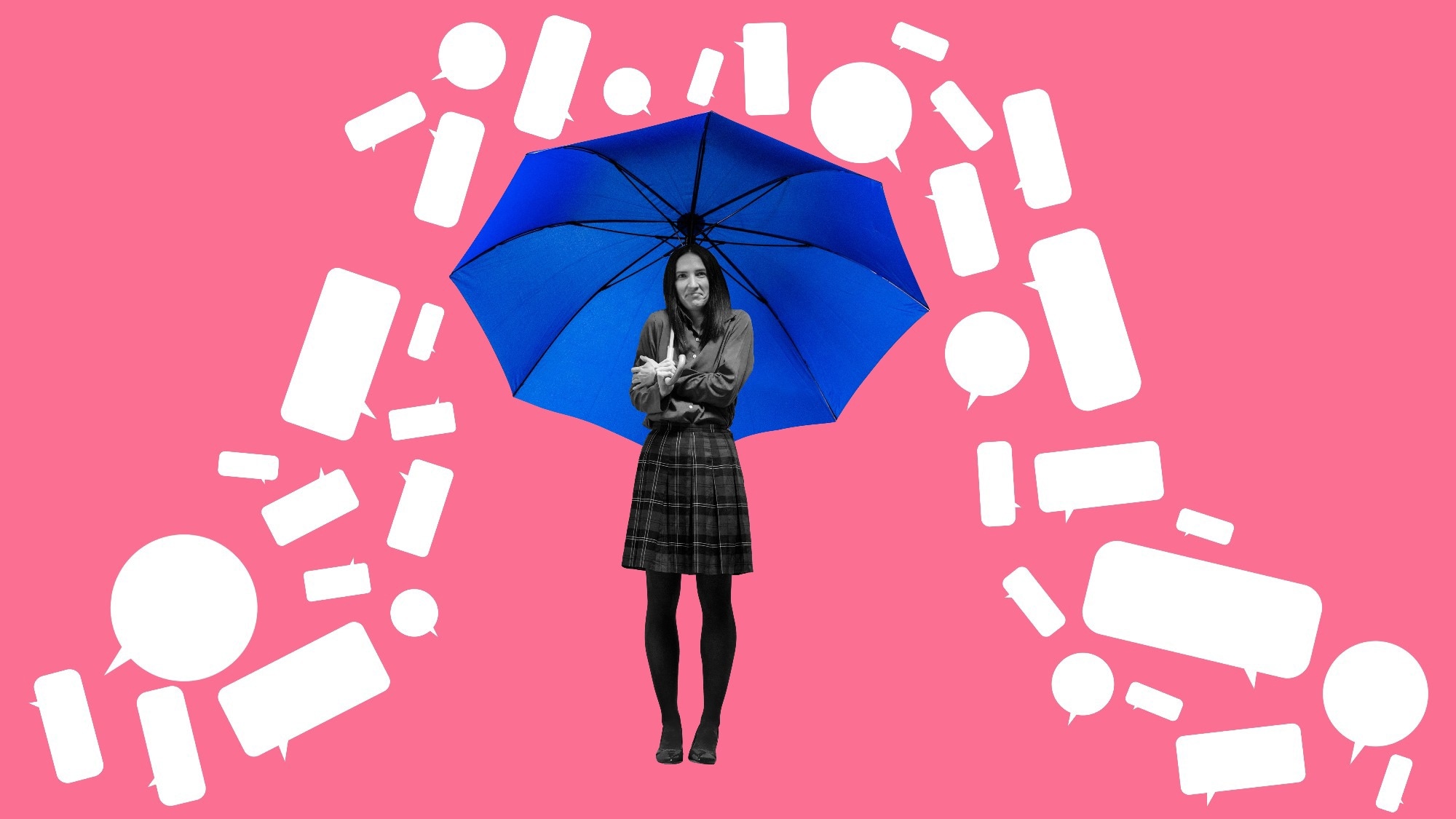
Study: Associations Between Young Adult Emotional Support Derived from Social Media, Personality Structure, and Anxiety. Image Credit: Master1305 / Shutterstock
In a recent study published in the journal Psychiatry International, researchers examined whether emotional support obtained through social media is statistically associated with, rather than demonstrably causing, differences in anxiety levels among young adults.
The study found that young adults, particularly females, who reported higher perceived levels of emotional support through social media platforms exhibited lower anxiety levels. Individuals with lower conscientiousness and higher agreeableness, extraversion, and openness were more likely to perceive receiving emotional support online.
Anxiety in Young Adulthood
Anxiety is a highly prevalent mental health condition and a major contributor to disability worldwide, with onset often occurring during adolescence or young adulthood. It is associated with negative outcomes, including depression, impaired academic performance, and elevated suicide risk, and prevalence has increased in recent adolescent cohorts.
Traditional Social Support Models
Prior research consistently shows that social support can protect against anxiety, particularly within in-person relationships. Support may be conveyed verbally or non-verbally and generally involves expressions of care and concern. Stress-buffering models propose that social support can either directly improve mental health or mitigate the adverse effects of stress.
Challenges Applying These Models to Social Media
These theoretical models were developed before the widespread adoption of social media, and their applicability to virtual contexts remains uncertain. The effectiveness of online support may depend on individual perception, communication style, and platform-specific features.
Research on perceived emotional support from social media has produced mixed findings, with some studies linking it to poorer mental health outcomes. Personality traits are known to influence both anxiety and perceived support, yet limited research has examined how personality shapes emotional support specifically obtained through social media.
Study Design and Sample Characteristics
Researchers examined associations among social media emotional support, personality traits, and anxiety using a large national online panel designed to approximate United States demographic distributions. Although not a fully probability-based sample, the panel was balanced on race, sex, and age, and therefore suitable for exploratory population-level analysis.
The analytic sample included 2,403 adults aged 18 to 30 years. Eligibility criteria included English literacy and access to a digital device. Analyses paid particular attention to gender differences.
Measurement of Anxiety and Emotional Support
Anxiety was assessed using a validated four-item scale measuring recent experiences of fear and stress on a five-point Likert scale. Social media emotional support (SMES) was measured using a validated four-item scale capturing perceived emotional support received through social media platforms.
Assessment of Personality Traits
Personality traits were measured using the 10-item Big Five Inventory, with two items assessing each trait. Trait scores were dichotomised using established cut points. Age and gender were included as covariates in all analyses.
Statistical Analysis Approach
Analyses included bivariate correlations, multivariate regression models, and factorial analysis of variance (ANOVA) to examine associations among anxiety, SMES, personality traits, age, and gender. All findings should be interpreted as associative rather than causal due to the cross-sectional design.
Associations Between Anxiety, Personality, and Social Media Support
Bivariate analyses showed significant associations between anxiety, SMES, age, gender, and personality traits. Younger participants reported higher anxiety and greater perceived social media emotional support. Females reported higher anxiety than males.
All personality traits were significantly correlated with SMES in bivariate analyses, although neuroticism did not remain significant in multivariate models.
Personality Traits Linked to Higher Online Support
Factorial ANOVA indicated that higher openness, extraversion, and agreeableness, as well as lower conscientiousness, were associated with greater perceived emotional support from social media. Neuroticism was not significantly associated with SMES, and no significant interactions between gender and personality traits were observed.
Regression Findings on Anxiety and Emotional Support
Multiple regression analysis revealed a significant negative association between anxiety and SMES, indicating that higher anxiety was linked to lower perceived emotional support after adjustment for demographic and personality variables. The model explained approximately 9 percent of the variance in SMES.
This association was stronger among females than among males. Increased time spent on social media was associated with higher perceived emotional support, whereas increasing age was associated with lower support levels.
Interpretation and Implications
Overall, greater perceived emotional support from social media was associated with lower anxiety levels among young adults, particularly females. These findings contrast with some prior research suggesting adverse effects of social media support and instead align more closely with traditional social support theories.
Notably, the study’s original hypothesis predicted higher anxiety with greater social media support, underscoring the exploratory nature of the results.
Role of Personality Differences
Personality traits influenced perceived emotional support online. Individuals high in openness, extraversion, and agreeableness, and those low in conscientiousness, reported greater emotional support from social media. Neuroticism was not significantly associated with SMES.
Strengths, Limitations, and Future Directions
Strengths of the study include its large, demographically diverse sample and use of validated instruments. Limitations include the cross-sectional design, reliance on self-reported data, brief and dichotomised personality measures, and restriction to young adults, which limits generalisability.
Overall, the findings suggest that emotional support obtained through social media may reflect or accompany anxiety levels in complex, potentially bidirectional ways rather than functioning as a clearly protective causal factor. Longitudinal studies are needed to clarify directionality and to inform interventions promoting healthy and supportive social media engagement.
Journal reference:
- Merrill, R.A., Cao, C. (2026). Associations Between Young Adult Emotional Support Derived from Social Media, Personality Structure, and Anxiety. Psychiatry International 7(1): 18. DOI: 10.3390/psychiatryint7010018, https://www.mdpi.com/2673-5318/7/1/18
-

-
-

-

-