Deep breathing exercises such as box breathing and the 4-7-8 method have been linked to stress reduction and better sleep. I start practicing them with the best intentions, but it doesn’t take much for my mind to wander.
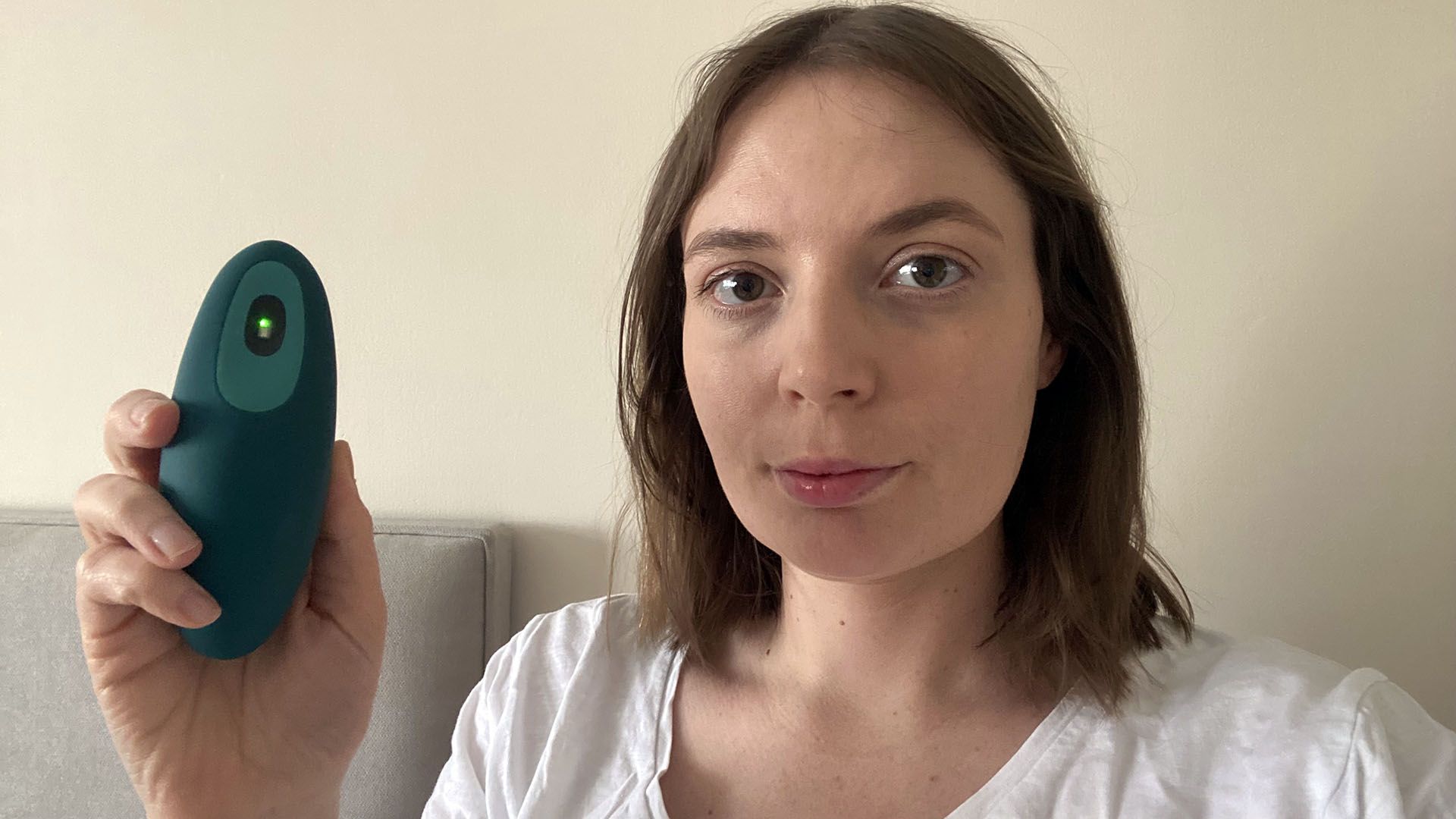
That’s why the moonbird, from $199.99 on Amazon, caught my eye. This small, smooth, pebble-shaped handheld device uses tactile pulses to guide you to breathe in and out. No screens, no distractions — just a calming, pulsing sensation that helps reset my nervous system before bed each night.
Key takeaways: At a glance
- The moonbird is a handheld device designed to reduce anxiety, stress and insomnia via deep breathing exercises.
- It targets your ‘fight or flight’ response to reduce sleep-onset insomnia and improve overall sleep quality.
- Physical breathing prompts, like the kind the moonbird generates, are harder to ignore than just a voice narrating instructions.
- Simply pick an exercise via the moonbird app (iOS, Android) and follow along to the calming instructions.
- You can view your Heart Rate (HR) and Heart Rate Variability (HRV) metrics to see what impact the moonbird is having on your stress levels.
- The more you relax before sleep, the better your chances of having an optimal amount of deep sleep; crucial for your body’s recovery and repair work.
What is the moonbird anti-insomnia, stress and anxiety device?
The moonbird is a handheld device that uses “tactile guidance” to encourage ‘measured breathing’ for relaxation.
When you’re stressed, your heart rate increases, your breathing becomes shallow and fast, and your muscles tighten.
Measured breathing helps undo this tension so you feel calmer and more relaxed.
Breathing techniques for stress relief work best when practiced regularly. But following a structured breathing method isn’t easy for everyone. This is where the subscription-free moonbird steps in…
This app-controlled device breathes along with you, expanding and contracting in your hand while you match each of your breaths to each movement the device makes.
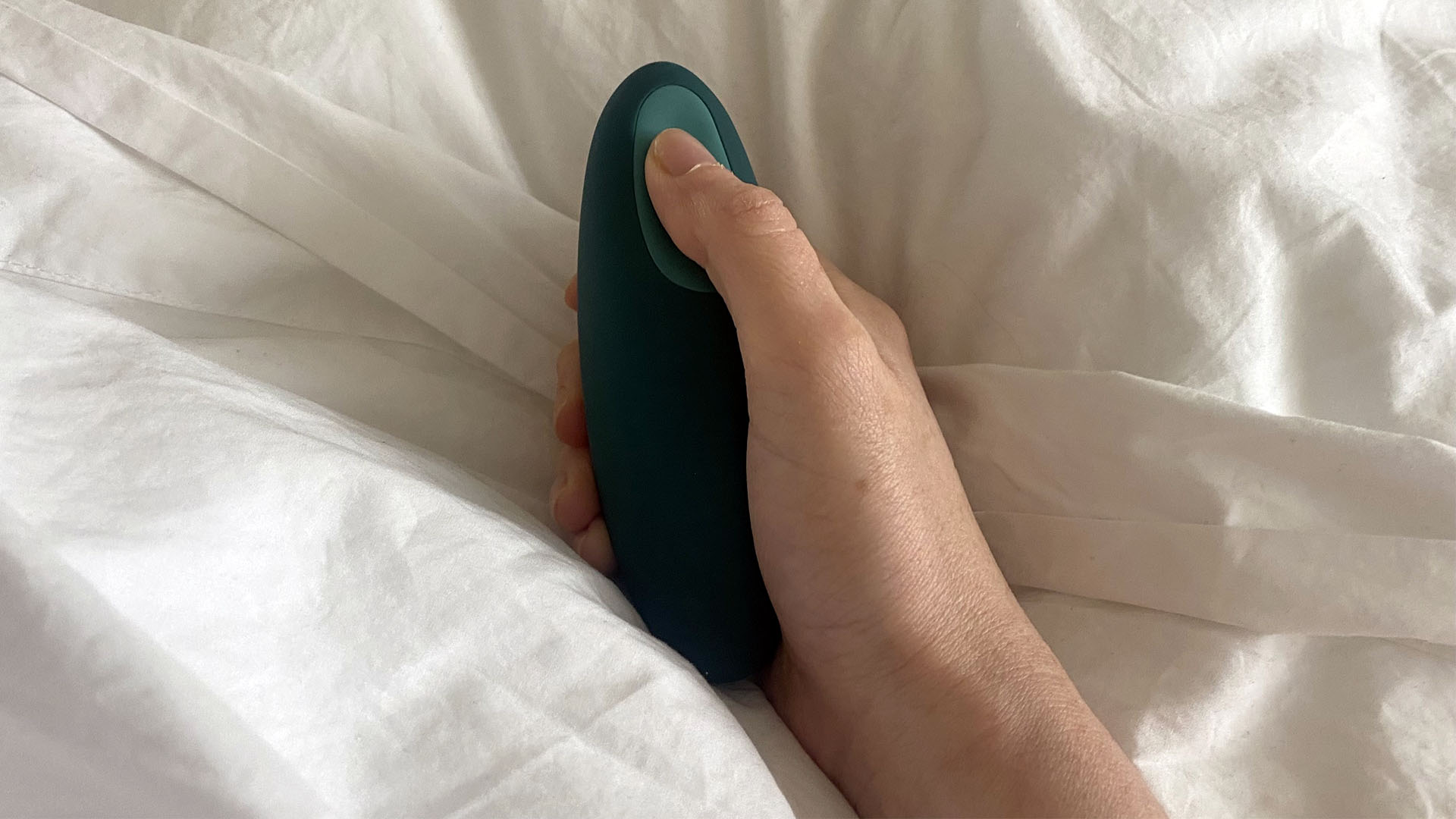
Simply place your thumb on the sensor and the moonbird comes to life, using optical PPG (photoplethysmography) to track your heart rate and heart rate variability; two key metrics that indicate how stress, anxious or wired you are.
In the app you can pick from a variety of breathing exercises, including multi-day programs, or a ‘build your own’.
moonbird claims that regular use can lower stress and anxiety, as well as helping you to enjoy improved sleep quality Here’s what happened to my sleep and stress levels when I tried it…
My experience using the moonbird
The moonbird arrived in a small box with a travel pouch and charging cable. I downloaded the free companion app (iOS, Android), connected the device via Bluetooth, and fired up my first breathing exercise.
First impressions
It took a handful of minutes to set up the moonbird; it’s intuitive and the app is streamlined. The most time consuming part was getting used to the device itself, which is unlike any other sleep tech I’ve tested.
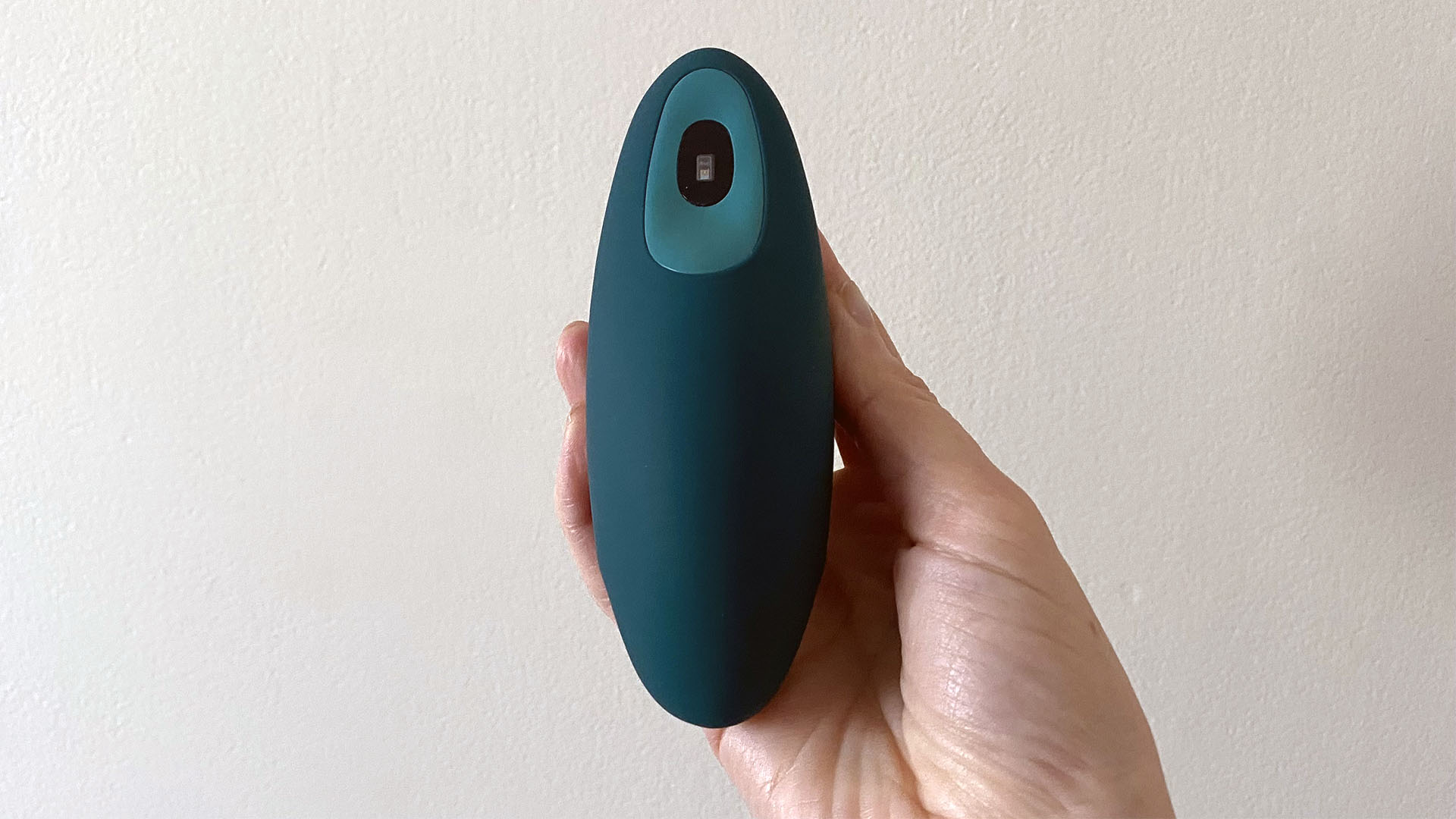
Thin and oval, the moonbird has a soft finish and a single sensor for your thumb to rest on. There are no screens, no buttons.
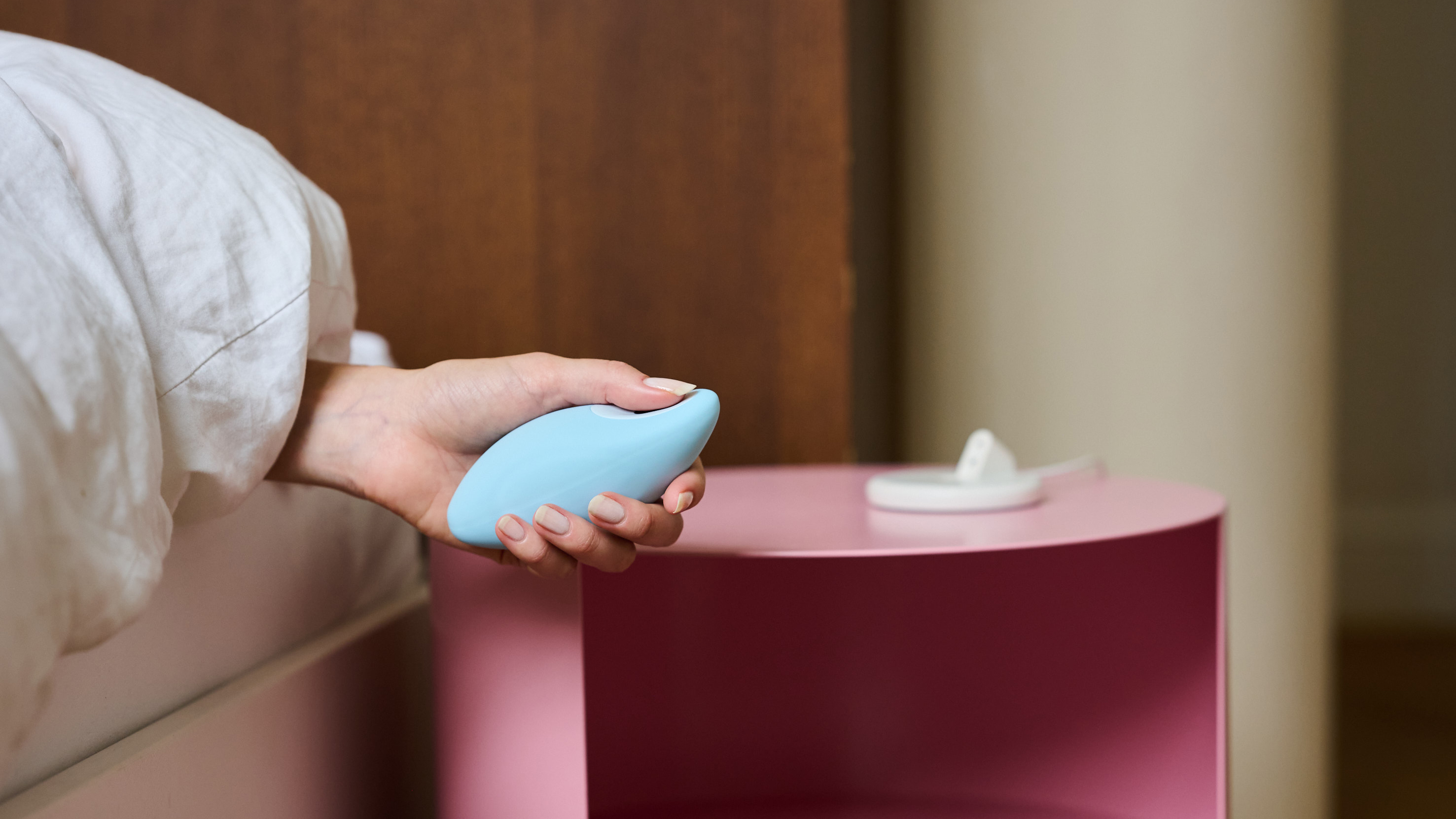

On either side of the moonbird is a set of wings which lift away from the ‘body’ during use. When they expand, you breathe in. When they contract, you breathe out.
It’s an odd sensation. I’d compare it to resting your hand on the flank of a sleeping cat, without the danger of getting scratched.
My first attempt at an exercise was a wash, as I focused less on my breathing and more on the device itself. The next go went better — as moonbird suggested, I started with a shorter program to get used to it
By go three, I’d shaken off any hesitation and was ready to dive in.
Putting moonbird to the test
For me, the moonbird’s greatest strength is that it acts as a physical anchor during breathing exercises.
Combined with the calming and meditative narration the app provides, that’s two things to concentrate on other than stressful thoughts.
As a result, I’ve found using the moonbird much more effective than following breathing exercises on my own.
On my own, my mind drifts, I’m compelled to look at the time, I lose track of my ins and outs… no wonder anxious thoughts are adept at worming their way through.
Image 1 of 2
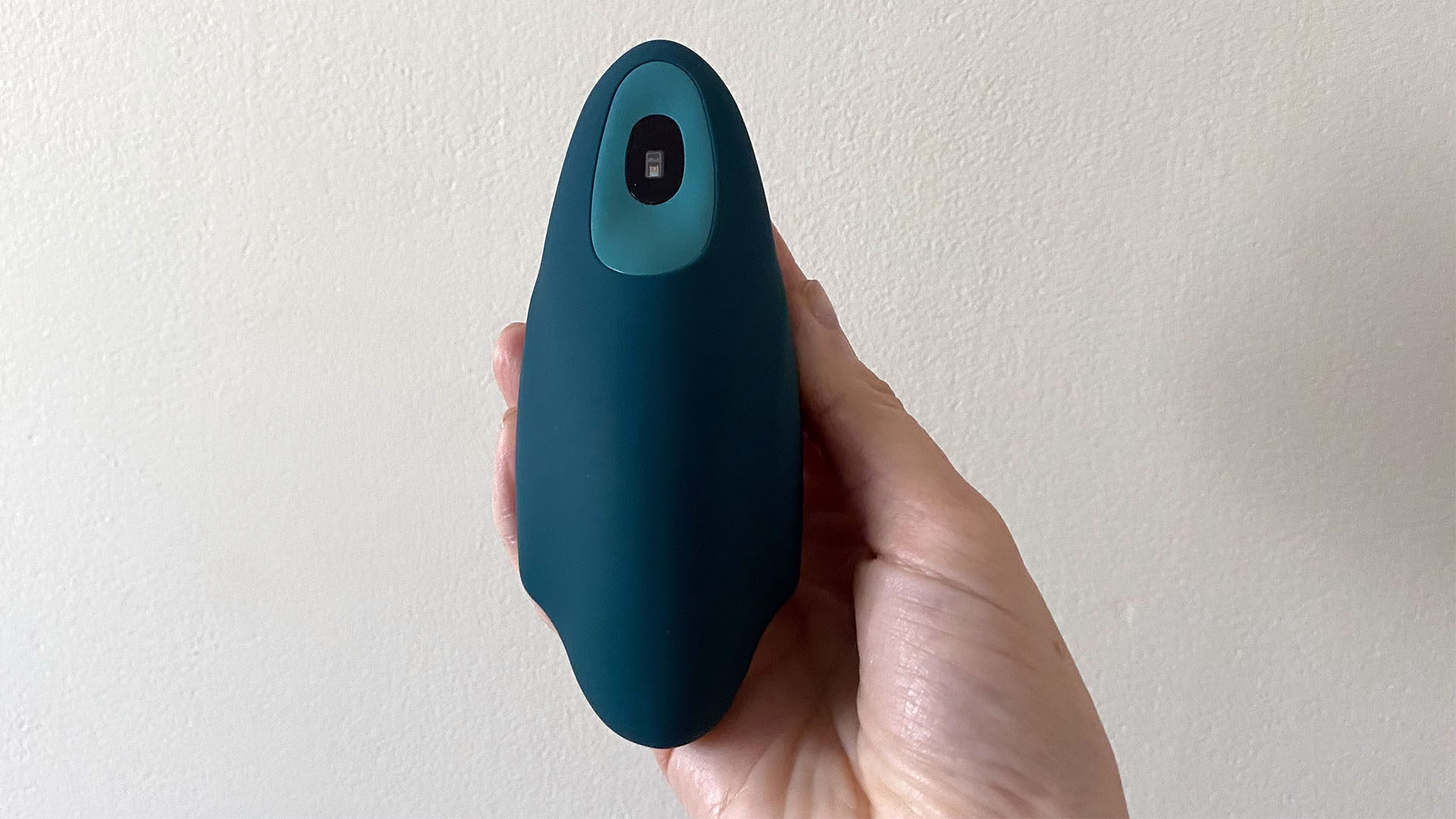
But the moonbird takes some of the burden, allowing my body to relax, and giving me a place to direct my thoughts when they threaten to go off-track.
Using the moonbird before bed helps me feel calmer which in turn helps me fall asleep faster; just the weight of it slowly moving in my hand is enough to encourage my breathing to slow.
It also has a screen-free mode. Simply place your thumb on the sensor and a simple breathing exercise will start (admittedly, I’ve found it can take a while to kick in.)
This is great as part of my bedtime routine but particularly useful when I find myself waking up at 3 a.m. due to anxiety. I just grab my moonbird and allow my breath to flow alongside the movement.
Verdict: Is the moonbird any good?
While it looks slightly strange, and feels even stranger at first, the moonbird has won me over.
As a person who struggles to commit to breathing exercises, it’s the perfect physical reminder to inhale and exhale.
The connected app is easy to navigate and the HR tracking allows you to see the benefits of using the moonbird over time.
Because the device helps me move faster from ‘fight or flight’ (sympathetic mode) to ‘rest and digest’ (parasympathetic), I’ve likely increased my restorative sleep (Deep Sleep and REM Sleep). That means I have more energy after waking each morning.
The biggest stumbling block is the price. At $199.99 (US)/ £159 (UK), the moonbird isn’t cheap.
However, it’s a one-off payment. So unlike a lot of other sleep tech, you don’t need to pay a subscription fee to use it ongoing.
For kids, there’s also the moonbuddy. This lacks the personalized exercises and biofeedback, but offers practical help to children trying breathing methods (at just $99.99/£69.)
I’d honestly consider the moonbuddy as an adult, particularly for anyone looking to save money and already tracking their heart rate (it’s a common feature on the best smartwatches and best sleep trackers.)
Breathing techniques for sleep to try today
If you want to try some calming breathing exercises without the gadgets, I recommend the following:
- 4-7-8 breathing: Breathe in for four, hold for seven, exhale for eight. This can be tricky to master, so it requires practice.
- Box breathing: Breathe in for four, hold for four, exhale for four, hold for four. This technique is good at grounding you.
- Moon breathing: Close your right nostril with your thumb and breathe in through the left nostril. Release the right nostril, cover the left, and breathe out through the right.
- Resonance frequency breathing: Lie back and inhale through the nose for 4-6 seconds, then exhale through the mouth for 4-6 seconds.

Follow Digitpatrox on Google News and add us as a preferred source to get our up-to-date news, analysis, and reviews in your feeds. Subscribe to Digitpatrox on YouTube and follow us on TikTok.
-

-
-

-

-