
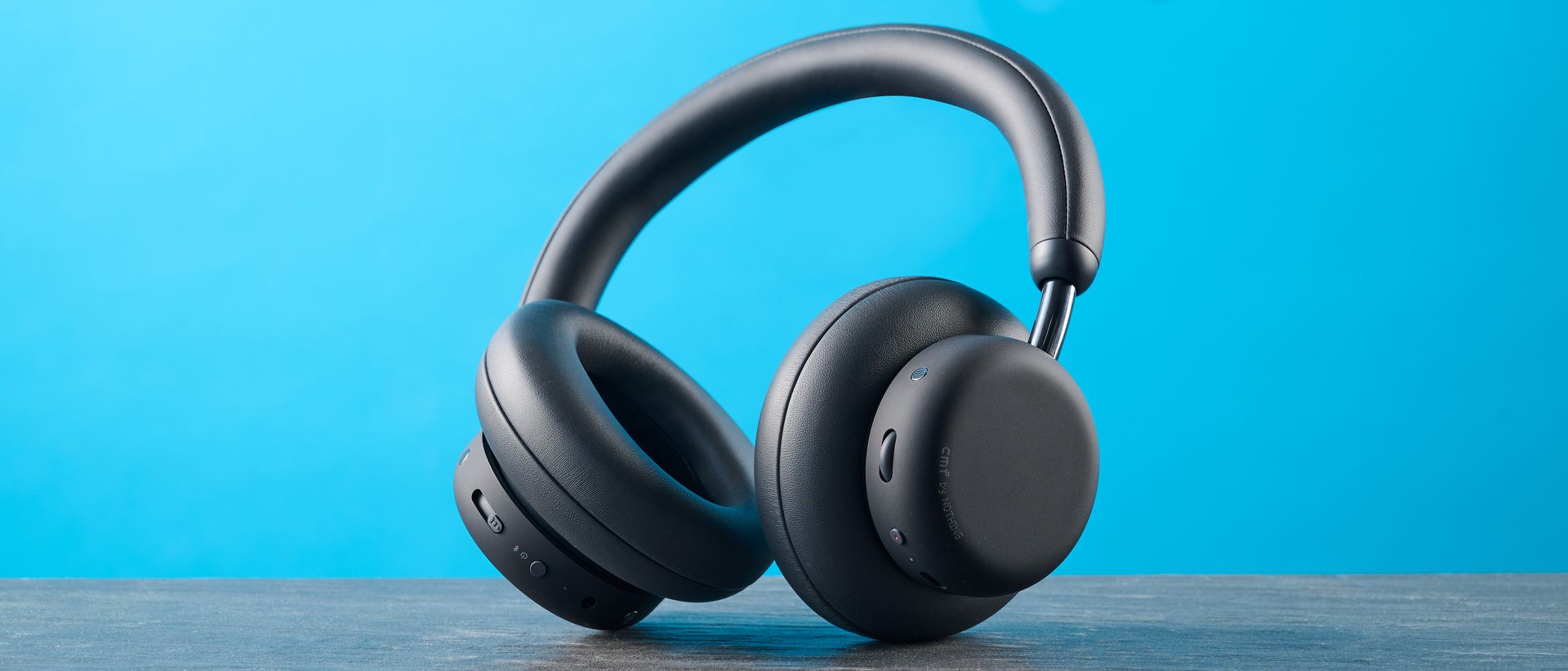
The CMF by Nothing Headphone Pro are the upstart British brand’s newest budget over-ears, having released last September. They’re just $99/£79, which makes them candidates for the revered title of best cheap headphones.
Many headphones try, and the vast majority fail (and fail badly). I’ve tested around 20 pairs of headphones, and, thus far, I’ve only recommended one pair of budget cans: the JLab JBuds Lux ANC.
That’s all about to change, though, baby. The CMF Headphone Pro are definitely some of the best headphones $100 will get you. With cloud-soft earcups, a surprisingly dynamic sound profile, unique yet usable controls, and smart features like ChatGPT integration, these could be my go-to budget recommendation from now on. To find out the full story, keep reading this CMF by Nothing Headphone Pro review.
CMF by Nothing Headphone Pro review: Specs
|
Price |
|
|
Headphone style |
Closed back |
|
Drivers |
40mm custom nickel-plated |
|
Frequency response |
20Hz – 20kHz |
|
Impedance |
16Ω |
|
Durability |
IPX2 |
|
Connectivity |
Bluetooth 5.4, 3.5mm jack |
|
Multipoint connectivity |
Yes |
|
ANC |
Yes |
|
Wear detection |
No |
|
Battery life |
100 hours |
|
Weight |
9.6 ounces |
|
Colors |
Black; white; green |
CMF by Nothing Headphone Pro review: Price & availability
As CMF is Nothing’s budget brand, you’ll be correct in assuming that the Headphone Pro are relatively cheap. You’ll find the Headphone Pro for $95-$99 on Amazon U.S. — $99 for black, $95 for white, and $98 for green.
In the U.K., the Headphone Pro are available for £79 from Amazon. This is relatively cheap for a pair of over-ear headphones — flagship cans often go for around $449-$549. I’ve tested other budget cans like the JLab JBuds Lux ANC ($79), the Soundcore Space One Pro ($199), and Nothing Headphone (a) ($199), and I usually have a tough time recommending cheap headphones.
To date, the only budget headphones I’ve ever recommended are the $79 JLab JBuds Lux ANC — but not for much longer. The CMF Headphone Pro are darn good, I can’t help but add them to my roster of “cheap headphones actually worth your money”.
CMF by Nothing Headphone Pro review: Design
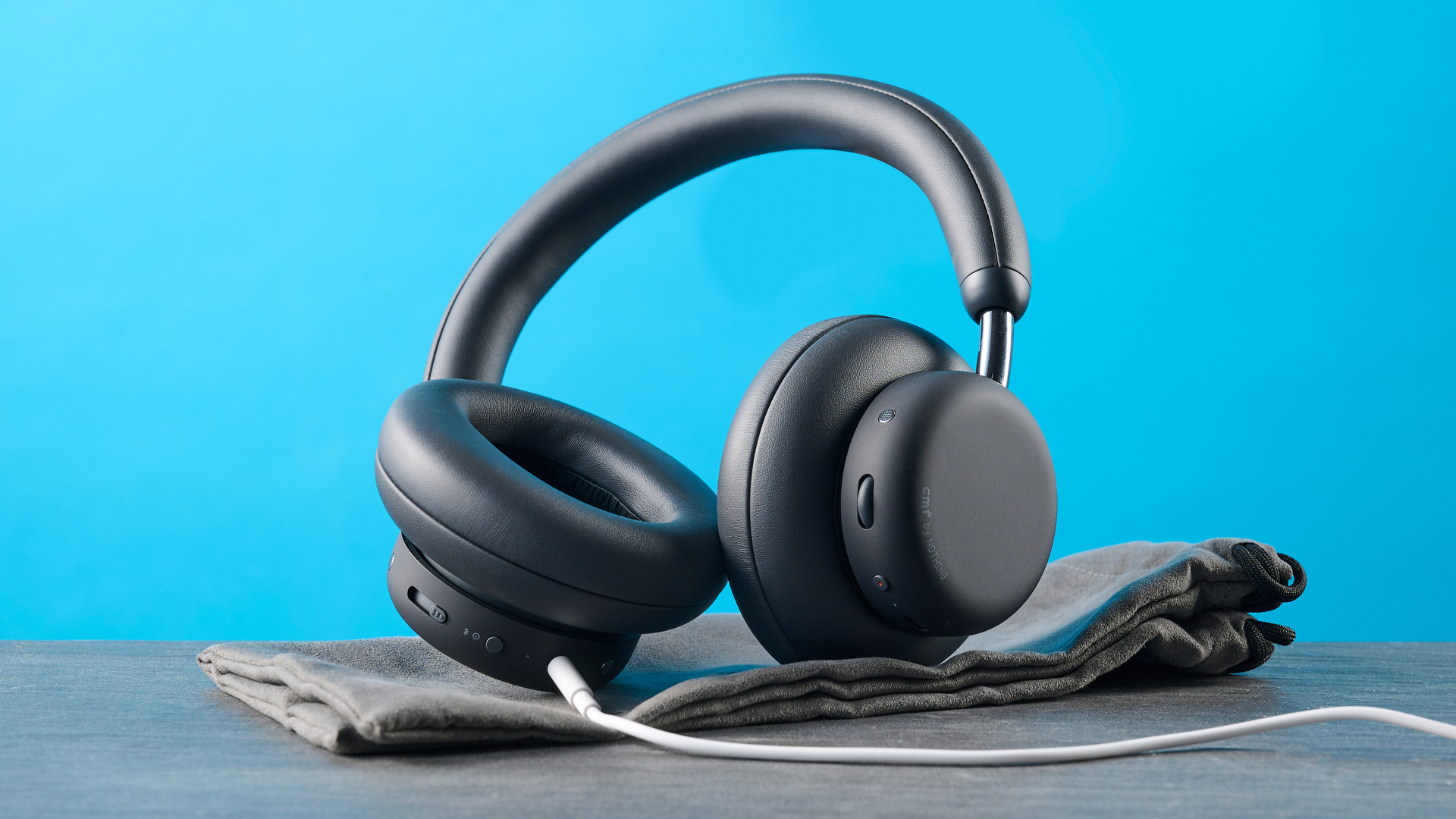

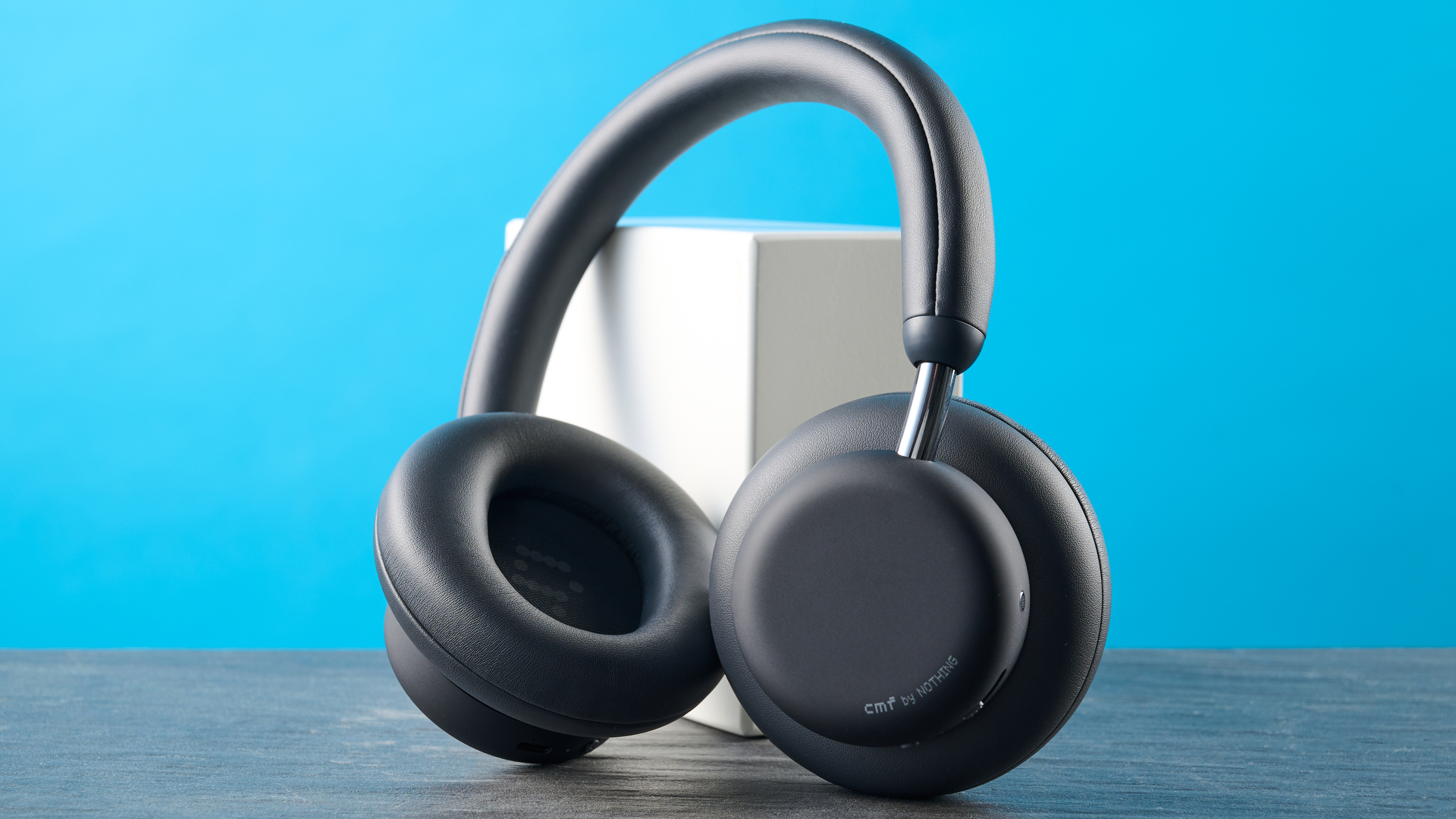
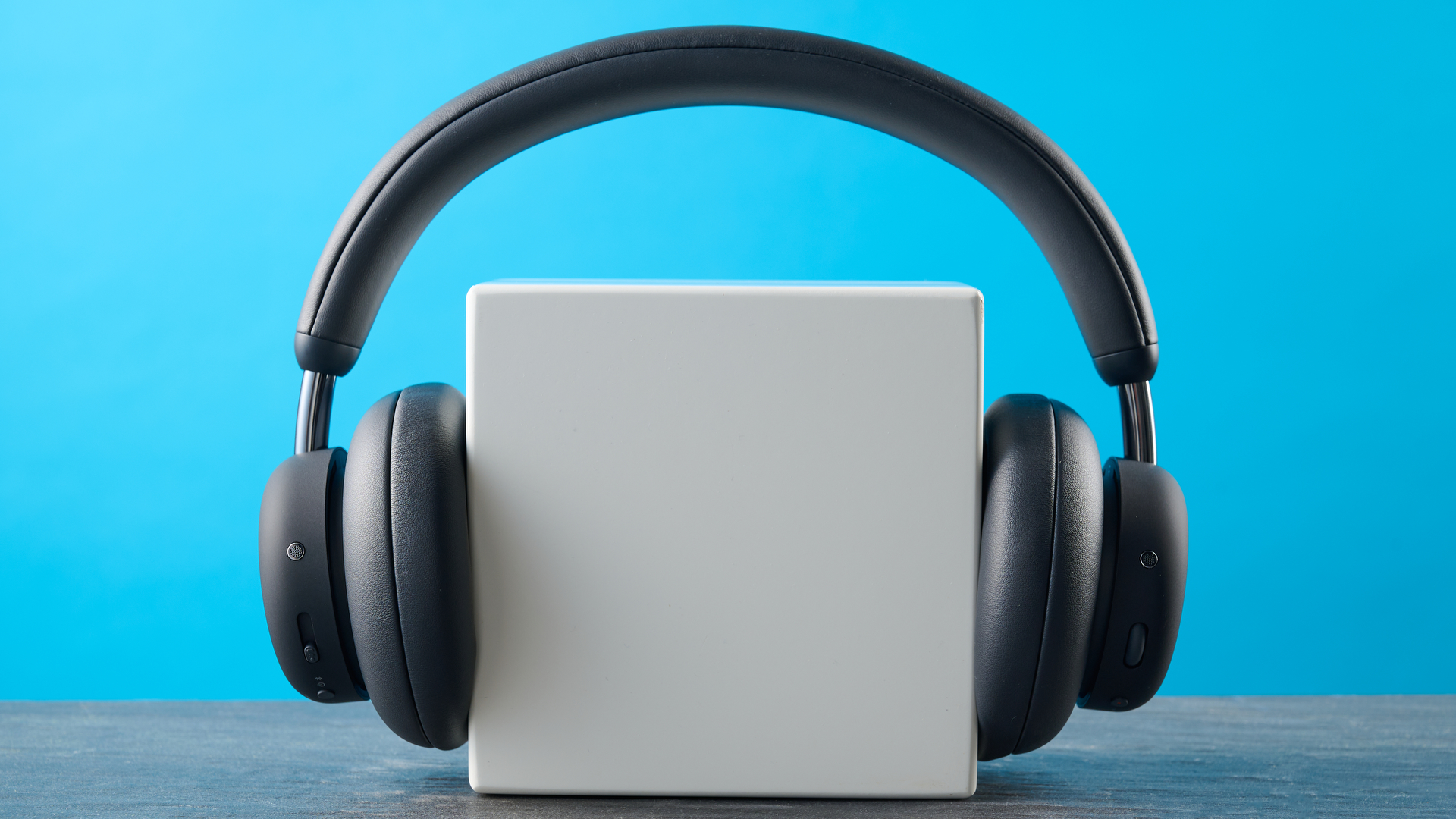
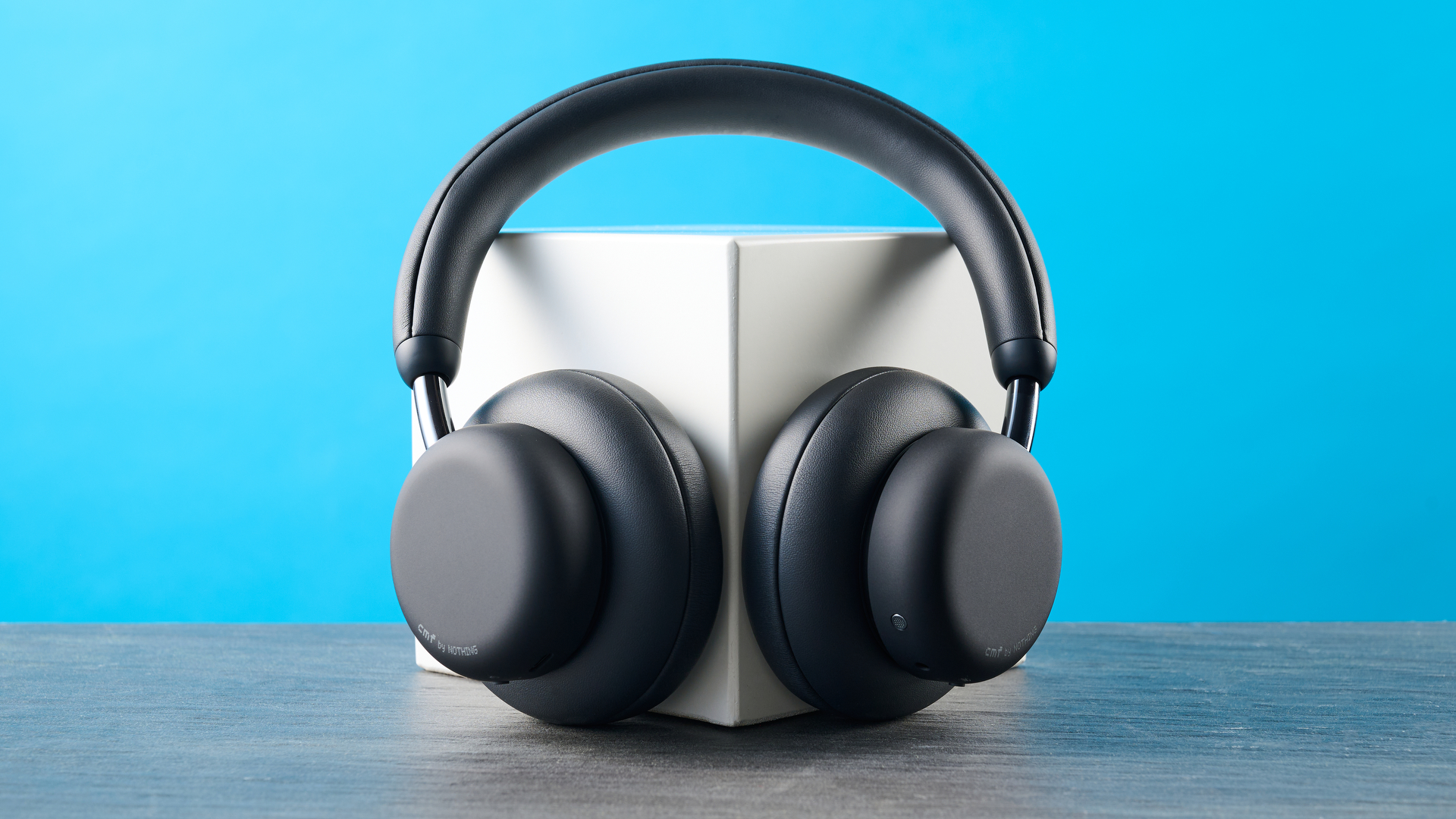
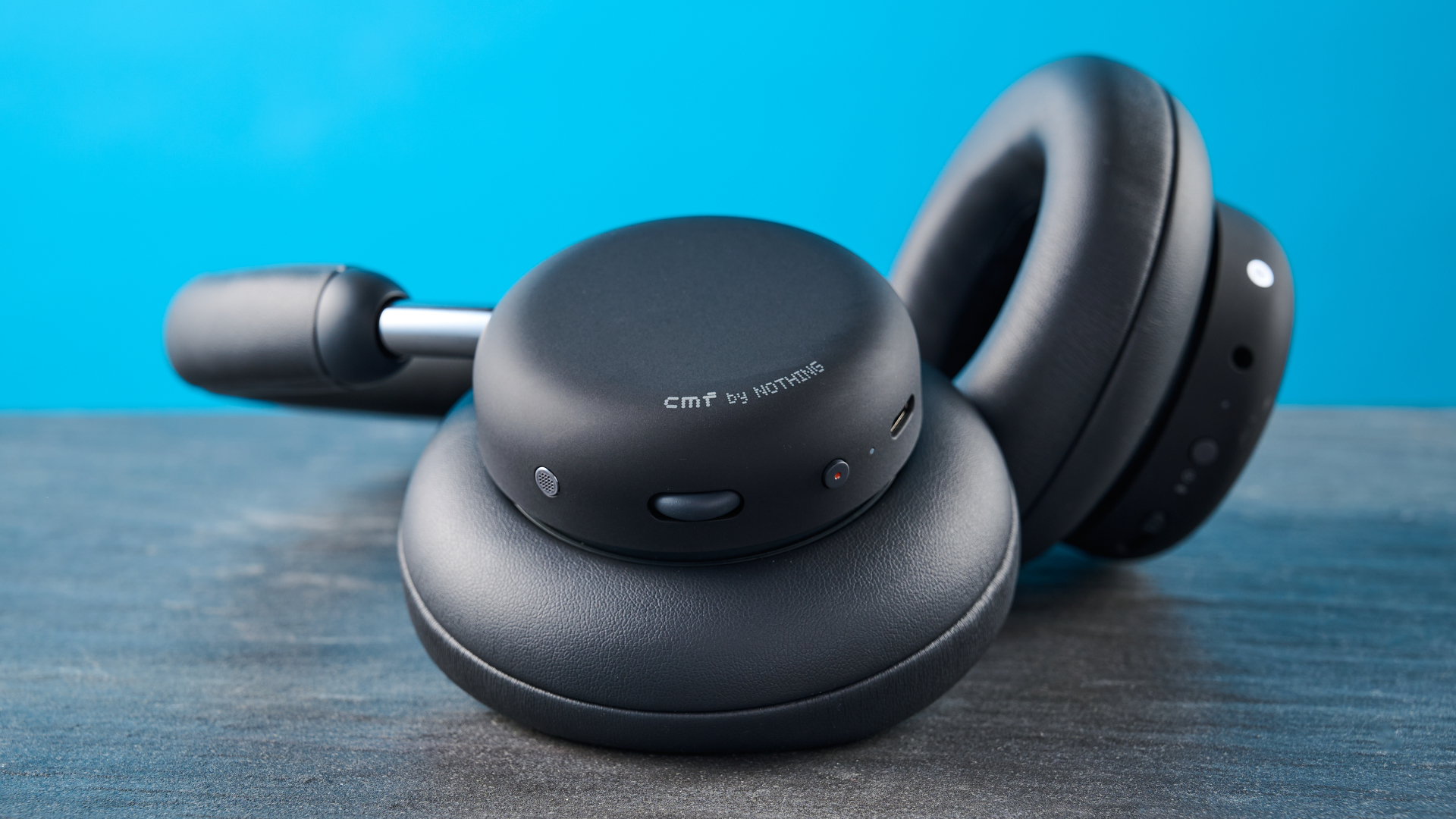
Nothing consistently makes eye-catching gear, and its budget brand CMF is no different. To me, the Headphone Pro look like bubbles. They’re like little cushioned bubbles sticking to the side of my head, and I’m really not mad about it. I can’t explain why, but if you remember the Teletubbies, the Headphone Pro look like the red Teletubby’s antennae… but on the side of my head. No, it doesn’t make sense, but I love it.
If you want to mix and match colors, you can buy additional ear cups for $20. Want black headphones with green or orange ear cups? You can do it.
Comfort
The headphones themselves are comfy, but because the cups are round rather than oval, they do press on your lower cartilage after a few hours. They’re 9.6 ounces, which is a little heavier than the JLab JBuds Luxe ANC and Bose and Sony flagships, but much lighter than the Nothing Headphone (a) and AirPods Max 2.
Controls
One aspect I loved about the Nothing Headphone (a) was the unique controls. Instead of — cue shudder — touch controls, the Nothing Headphone (a) utilized a paddle and button control. I really don’t understand why audio brands keep trying to make touch controls on over-ears happen. Stop trying to make it happen! No one likes it. I’m looking at you, Sony and Bose.
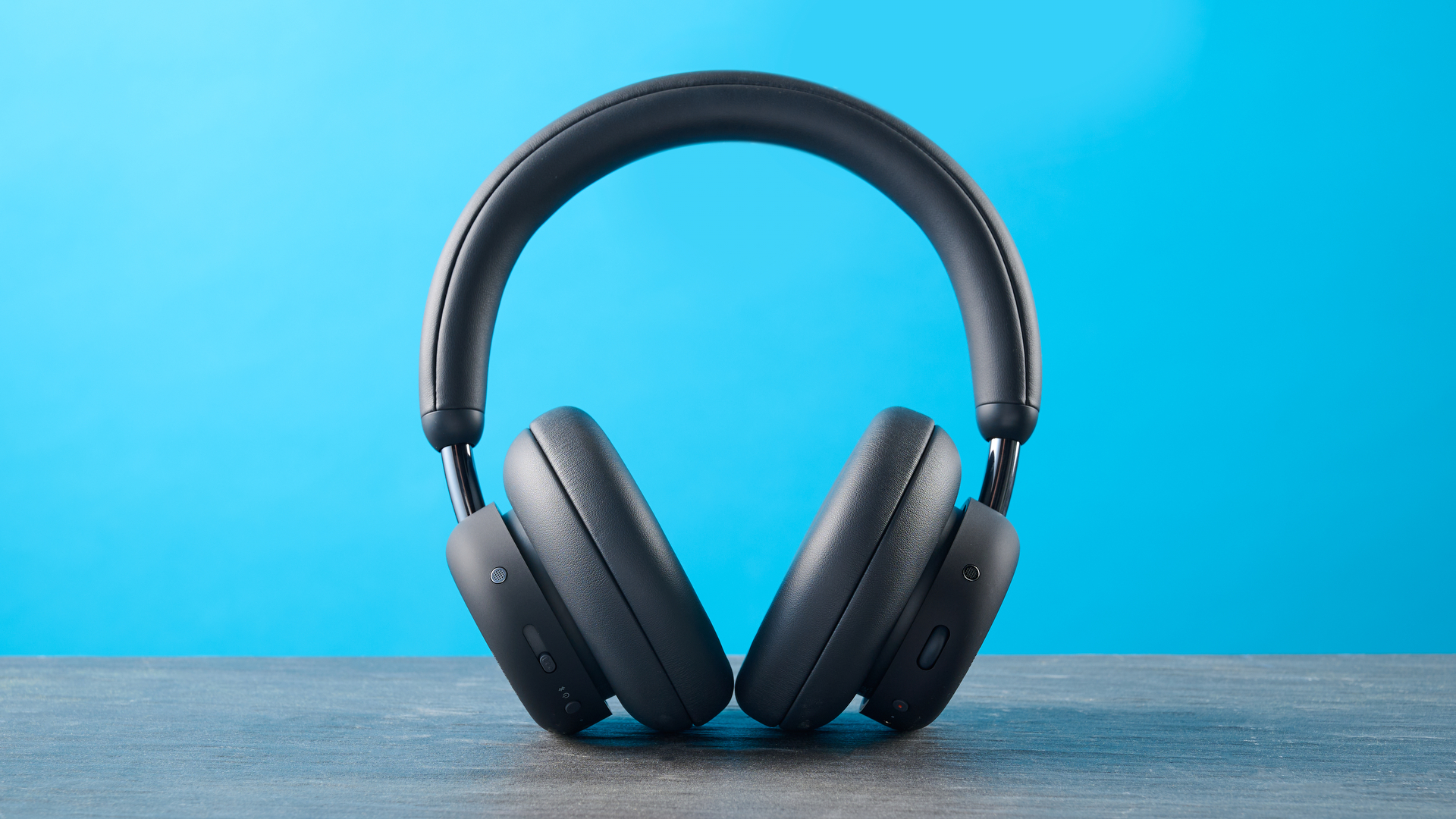
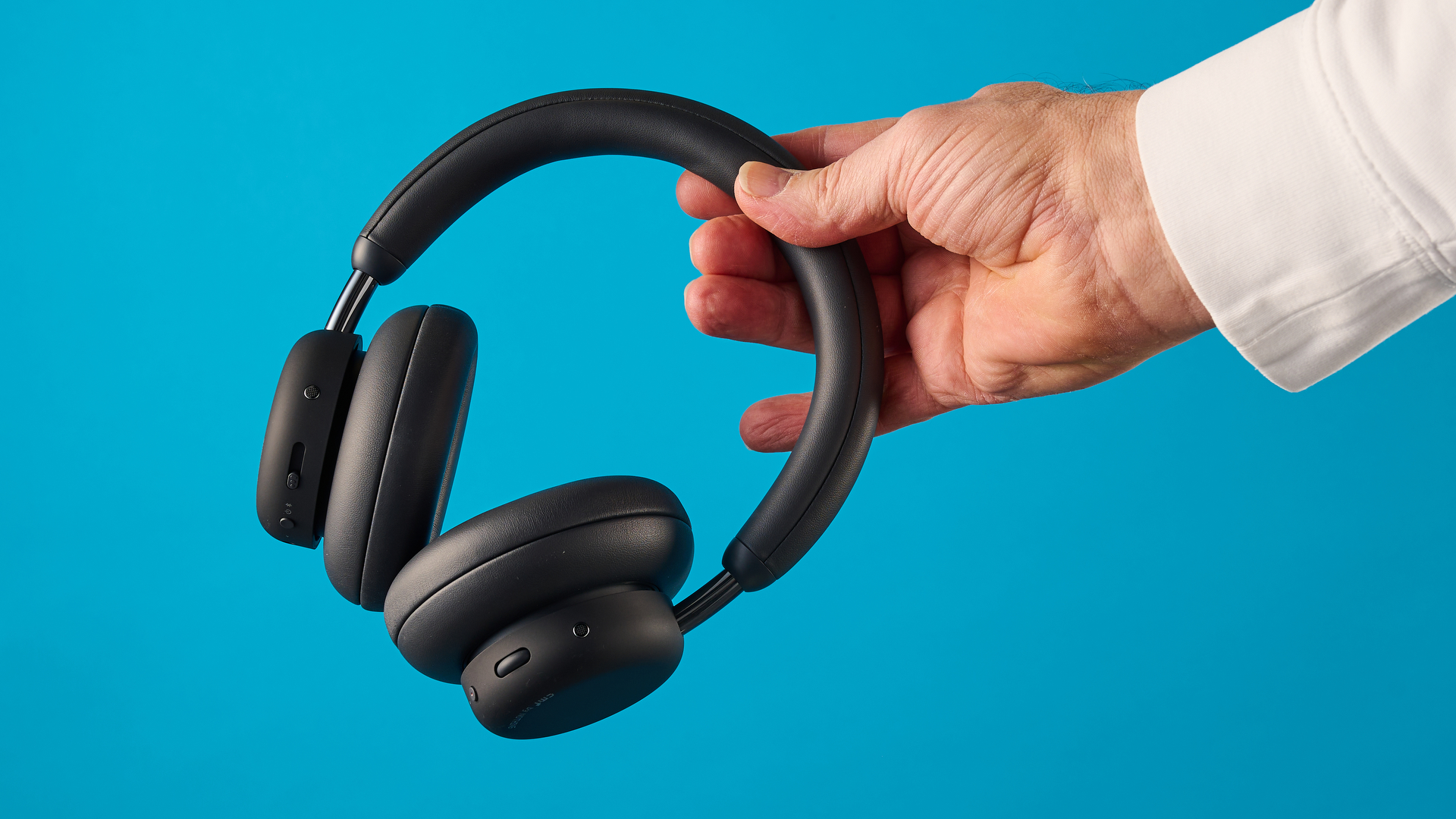
Thankfully, the Headphone Pro have some snazzy button controls. On the right ear cup, there’s a mouse-wheel-esque roller that acts as the multi-function button. You can play/pause, cycle ANC modes, and answer calls using this. There’s even a ChatGPT button — I have no desire for ChatGPT in my headphones (or anywhere else for that matter) but it’s a cool feature if you gravitate towards things like that.
On the left earcup, there’s a bass slider. Let me say that again. Bass. Slider. Yes, you can literally live DJ your music. Well, not really, but it’s still cool. No fiddling around with EQs in the Nothing app (although you can do that). I was able to quieten and increase bass and treble with the slider on my headphones. This is really fun.
As you might expect from budget over-ears, the Headphone Pro don’t have any wear detection. While this is a little disappointing, it’s par for the course for budget cans. Only higher-end headphones like the AirPods Max 2, Sony WH-1000XM6, and Bose QuietComfort Ultra Gen 2 have this. I’ve not yet tested budget over-ears with wear detection.
Connectivity
The CMF Headphone Pro have dual-device connection, Bluetooth, and wired 3.5mm playback. The headphones use Bluetooth 5.4, which is a more modern version of Bluetooth than the AirPods Max 2 (horrendous, I know), and offers a range of up to 800 feet. In reality, I was able to get downstairs in the office and walk over to the opposite end without disconnecting.
Obviously, sound quality is noticeably better over a wired connection, but Bluetooth still sounds good (more on that later). When you listen via the provided 3.5mm cable, the headphones switch to analog, so you’ll need to unplug them to make calls.
Weirdly, the provided cable is quite short — about 2.7 feet. This didn’t negatively impact my listening when I connected to my MacBook Air M2, but it’s worth taking into consideration if you have a particularly large desk, or your laptop is a large distance away from you. I’ll also mention that even though I tested the black Headphone Pro, I received a white cable.
CMF by Nothing Headphone Pro review: Sound quality
The Headphone Pro have three spatial audio modes in the NothingX app: ‘Concert’, ‘Cinema’ and ‘Off’. I loved concert mode. This is not Dolby Atmos. ‘Cinema mode’ does not make the music follow you like Apple’s Spatial Audio. These listening modes just expand the soundscape. I’d recommend cycling through these yourself, as different people have different sound preferences.
On top of custom EQs (five presets and a custom option), you can also make a personalized sound profile. As with Soundcore and JBL’s personalized sound, this is effectively a hearing test (“tap when you hear the tone”) that creates a custom tuning profile depending on your ear sensitivity.
Although this doesn’t hold a candle to Denon’s fantastic personalized sound profile, which actually sends soundwaves through your ear and analyzes them using microphones in the earbuds themselves, I’m still really impressed with this for just $99.
To test the sound quality on the CMF Headphone Pro, I listened using AAC on my iPhone 16 Pro, LDAC on my Samsung Galaxy S25+, and wired to my MacBook Air M2.
After turning on LDAC in the Nothing X app on my Samsung Galaxy S25+, I listened to ‘Unravelling’ by Muse, a heavy rock track with metal-inspired guitars and rolling synth riffs. The dramatic percussion pounded through the headphones with surprising clarity, and the violins were well-pronounced at the back of the soundstage. Although I couldn’t hear the backing vocals as well as I’d liked, this is admirable instrument separation and deft bass handling considering these headphones are just $99/£79.
Next, I switched to AAC on my iPhone 16 Pro — I didn’t have to manually disconnect from one phone and manually connect to the other, I just selected the headphones from my iPhone’s saved devices list — and played an electronic track, ‘Artificial Angels’ by Grimes. Grimes’ soft, breathy vocals were audible over the spiralling synth melody, and the wobbly low-end rounded everything out nicely. There was a tiny bit of muffling in the sub-bass, but nothing that put me off.
Finally, I listened via the provided 3.5mm aux connected to my MacBook Air M2. I listened on Qobuz, our best music streaming service for audiophiles, for better quality. I played ‘Eugene’ by Arlo Parks, which is an alt-R&B-meets-indie track. The plucking harp notes were like shards of sunlight dappling the rear of the soundscape, with Parks’ soft vocals husky and hazy placed front and center of the soundstage. The headphones made the percussion a touch too crisp, but this didn’t impact my overall experience.
No, obviously, the Headphone Pro can’t go head-to-head with premium cans like the Sony WH-1000XM6, but no one expects them to. For $99 headphones, the sound quality is fantastic. I’m not exaggerating when I say this, but with LDAC, I genuinely think they sound almost as good as the Bose QuietComfort (not Ultra) ($349) and so much better than the Nothing Headphone (a) ($199). I’m not sure why CMF’s gear is consistently better than Nothing’s, but I’m really not mad about it. Save your money — shop CMF.
CMF by Nothing Headphone Pro review: ANC
The ANC on the CMF Headphone Pro is surprisingly powerful. There are three ANC modes: on, transparency, and off. There are four ANC settings in ‘On’ mode: low, mid, high, and adaptive.
No, the ANC isn’t as good as the Nothing Headphone (a), but for $99, I’m mighty impressed. I could still hear glimpses of conversations around me in the office, and I could still hear traffic noise when testing around the city, but the ANC was strong enough to block out the majority of intrusive noise.
CMF by Nothing Headphone Pro review: Call quality
This brings me great displeasure, but the call quality on the CMF Heasdphone Pro isn’t great. I was so ready to give these headphones a 5-star rating. But, unfortunately, the call quality is holding them back.
I called my boyfriend, who reported that my voice sounded a bit muffled and buzzy. He said they were considerably worse than my AirPods Pro 2 (was $249, now discontinued) and my AirPods Max 2 ($549). Although he said he could still understand me, my voice wasn’t that clear.
I think you’d probably get on fine with the Headphone Pro for day-to-day tasks, but I might recommend something higher-quality for important work calls. Unfortunately, this means you’ll probably have to spend a little more.
CMF by Nothing Headphone Pro review: App
As the Headphone Pro are a Nothing product, the cans use the NothingX app. This is available on both iOS and Android: I downloaded it on my iPhone and Samsung phone with no issues.
As I’ve said many times, the NothingX app is great. You can do a whole range of things: select spatial audio mode, customize EQ, change control commands, find my headphones, and enable dual device connection.
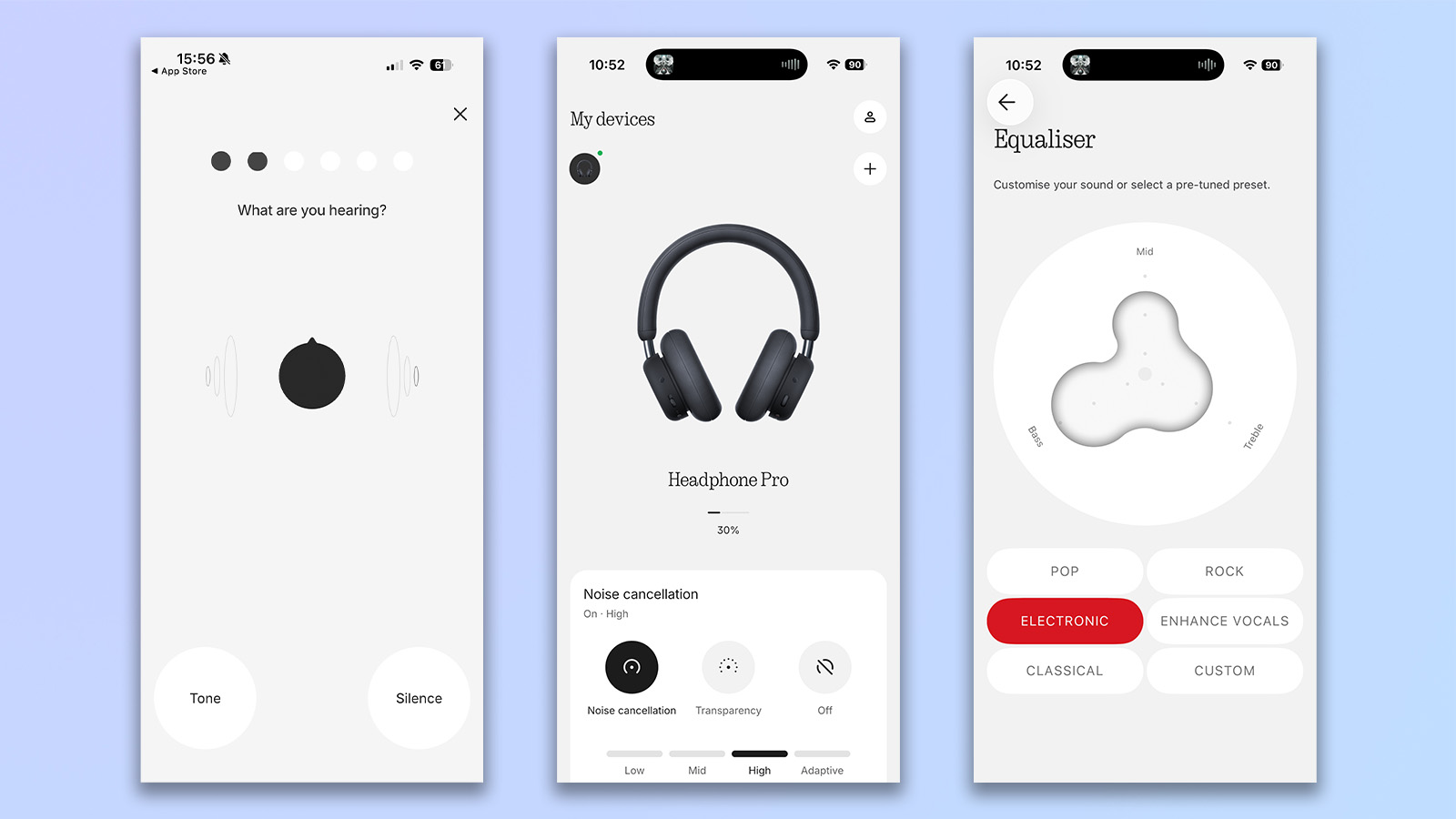

As you can see, the NothingX app is easily navigable and straightforward, so you won’t have to spend ages getting used to its layout when setting up the Headphone Pro.
CMF by Nothing Headphone Pro review: Battery
Although not quite as impressive as their older sibling the Nothing Headphone (a)’s 135-hour battery, the CMF Headphone Pro can go for up to 100 hours. Obviously, this drops when you use ANC to around 50 hours, and drops even further when you use LDAC. Even so, this is still considerably better than other headphones on the market.
The $79 JLab JBuds Lux ANC go for 40 hours (ANC) and 70 hours (ANC off), and the $99 Soundcore Space One last for 40 hours (ANC on) and 55 hours (ANC off). The CMF Headphone Pro beat both of these.
I listened for 7 hours and the battery dropped from 70% to 30%. This is with LDAC and the highest-strength ANC enabled (and I was fiddling around with all the features the entire time, so standard listening will probably last for longer).
CMF by Nothing Headphone Pro review: Verdict
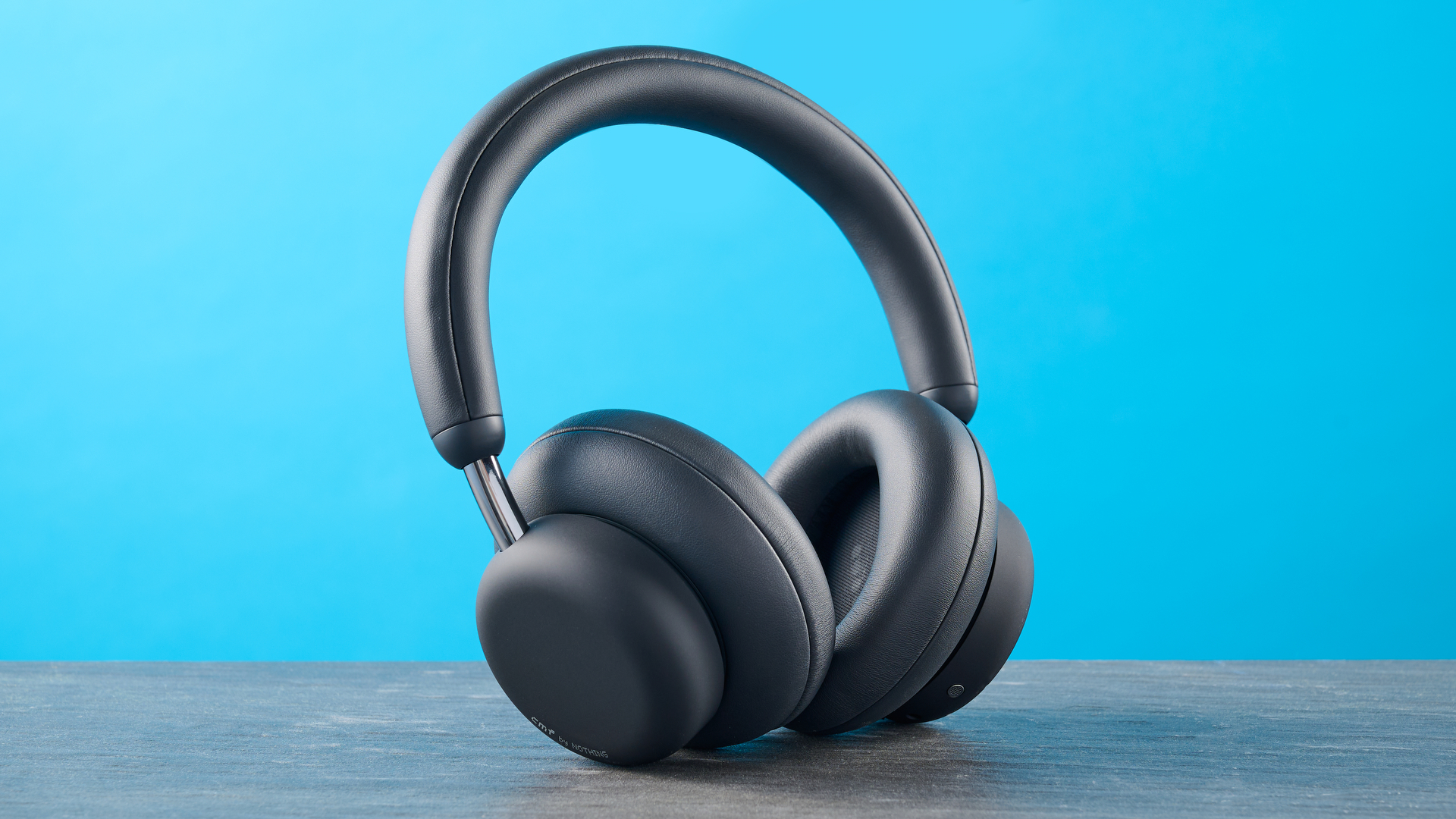
The CMF Headphone Pro are serious contenders for the best cheap headphones on the market today. Certainly, they are the best sub-$100 over-ears I’ve ever had the pleasure of placing on my noggin’.
Sure, the top of the treble can pinch in some percussive instruments and some bass was a little muffled (when turned up all the way), and the call quality leaves something to be desired, but these are sacrifices I’m willing to make for $100 headphones. I would rather have the CMF Headphone Pro than the $199 Nothing Headphone (a), and that’s saying something.
So if you want headphones that rival $349 Bose QC cans and perform better than the $199 Nothing Headphone (a), what are you waiting for? It’s gotta be the CMF Headphone Pro. I can’t quite believe how good they are.
Source link
-

-

-

-
-


