From Plaud’s NotePin to Meta’s Ray-Ban smart glasses, AI wearables are all the rage these days, and that’s especially true at CES 2026. However, when I walked into Razer’s suite, I wasn’t expecting to find an AI-powered gaming headset.
Digitpatrox at CES
Follow all of our CES 2026 coverage for the biggest gadget news straight from Las Vegas. And be sure to follow Digitpatrox on TikTok for the coolest videos from the show.
Getting people to don a new device just to use AI hasn’t been as seamless as you’d expect. Sure, the Humane AI Pin caught everyone’s attention (including ours) at CES a few years ago, but it effectively became a paperweight after its servers were shut down in February 2025. Plaud’s NotePin has fared better by carving out a niche for professionals, but it’s still a device most people only see at tech events.
Razer has been slowly integrating AI into its ecosystem — from AI-powered game assistants to intelligent webcams — but this year, the company is taking things to a new level. Project Motoko is a bold concept that blends an AI-native computer into a high-end gaming headset. Powered by Snapdragon platforms and equipped with dual eye-level cameras, it offers a level of contextual awareness and processing power that smaller wearables simply can’t match.
Here’s everything you need to know about Razer’s Project Motoko and why it might finally succeed where other AI wearables have failed.
So much more than a headset
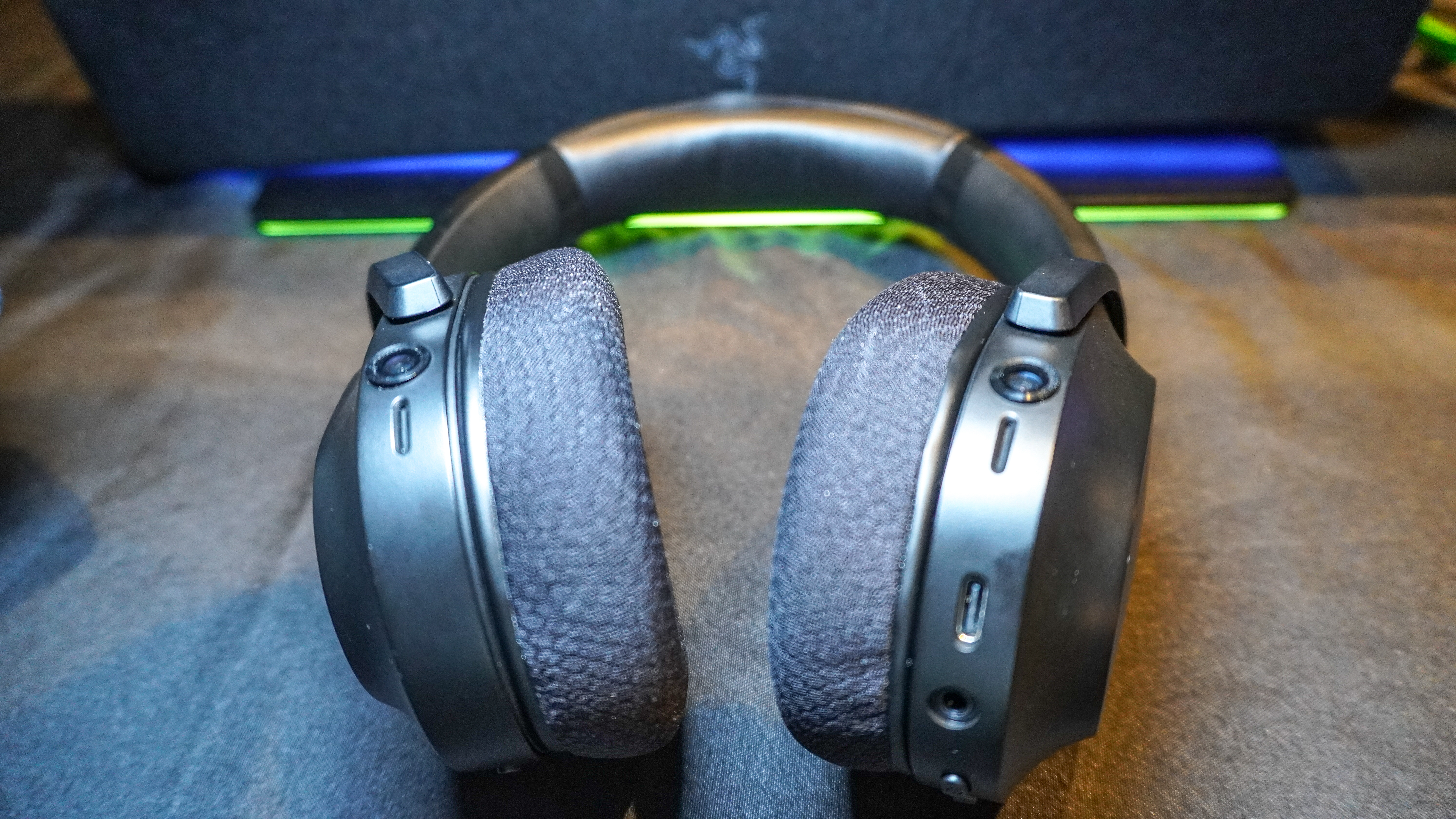

At first glance, I thought I was looking at a potential new contender for one of the best gaming headsets when I first laid eyes on Razer’s Project Motoko. However, upon closer inspection, the dual eye-level cameras let me know that this was a different beast entirely.
Since this is a concept after all, Razer couldn’t tell me exactly which AI chip was powering this headset in the demo I saw, but it did confirm the platform is built on Snapdragon. Unlike a pair of smart glasses or another pin-like wearable, Project Motoko actually looked comfy and something I wouldn’t mind wearing at all.
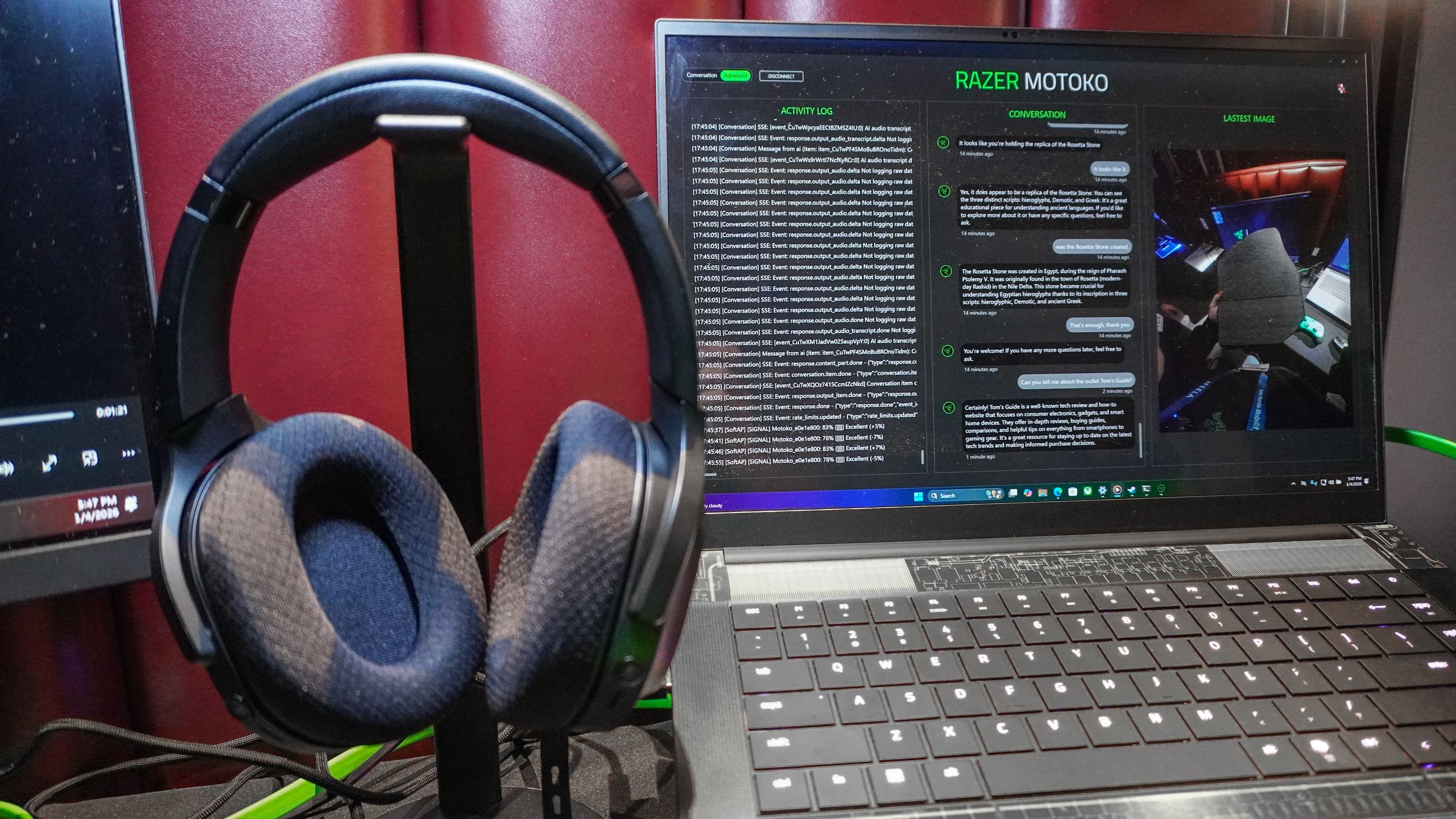
I didn’t get to try on the headset immediately. Instead, I watched a Razer employee use its dual eye-level cameras to capture pictures and then proceed to ask its built-in AI assistant about them. This isn’t the only way you can use Project Motoko, though, as you can also have its cameras continuously capture what you see for real-time interaction. This provides what Razer calls “stereoscopic precision,” allowing the AI to perceive depth and details that might even be beyond your own peripheral vision.
The big difference between a pair of the best smart glasses and Project Motoko is battery life. With all that extra room inside the headset’s earcups, you can house a larger battery which is perfect for continuous capture since it’s such a drain on a device’s battery life. Likewise, this also means you can use bigger, more powerful chips for improved on-device processing.
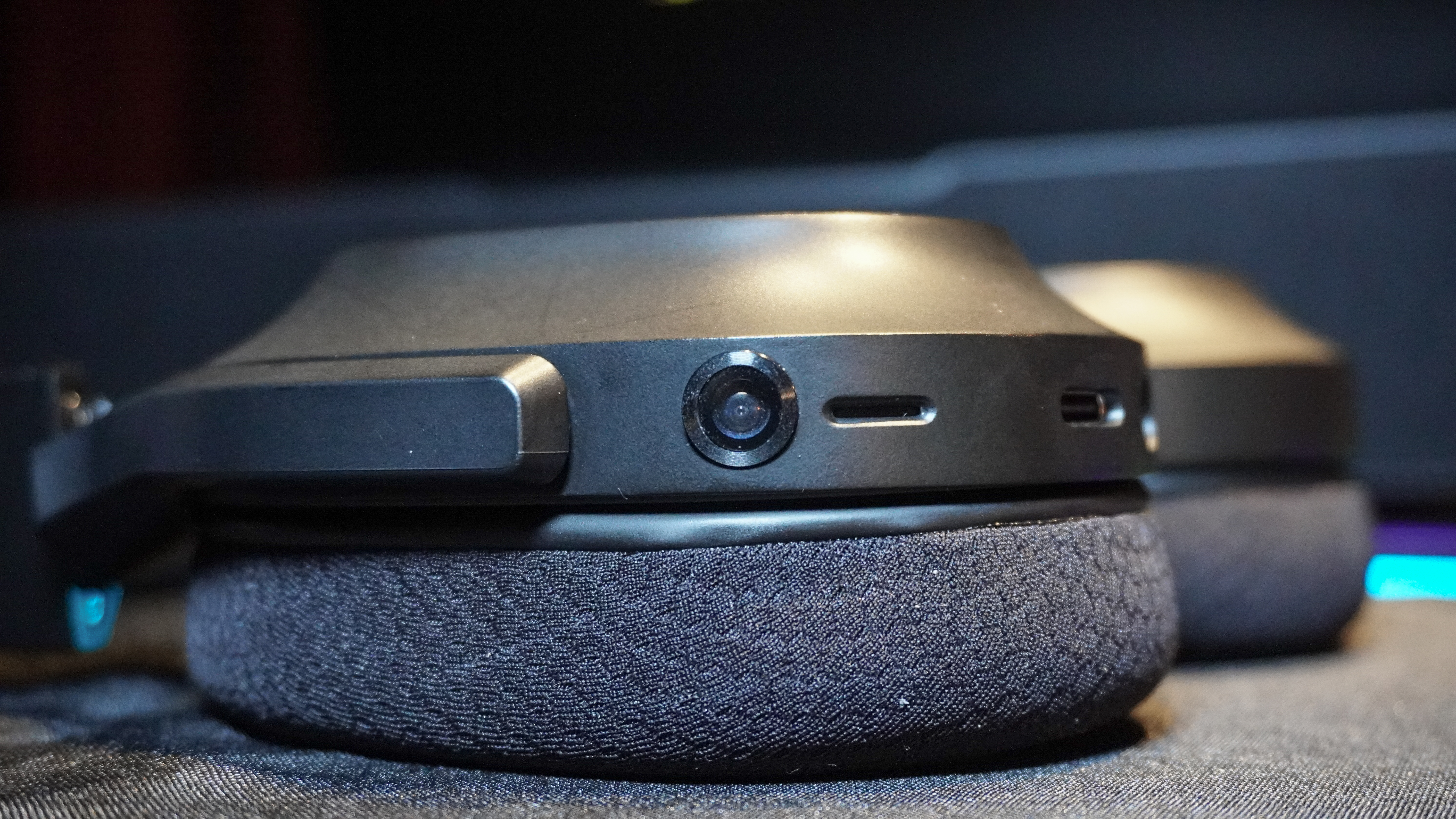
In addition to the cameras on both earcups, there are also dual far and near-field microphones. These work together to capture your voice commands while sensing environmental audio, which made it easier for the headset to pick up on the questions I asked once I finally had a chance to try it out for myself — even in the crowded suite where I got to see Project Motoko in action.
While still an early concept, I saw it perform real-time object and text recognition by taking a picture of a Japanese menu and then translating and explaining it on the fly. There was also a replica of the Rosetta Stone on the desk next to the headset, and after a quick pic, Project Motoko explained to us that there were three languages written on the stone tablet and exactly where each one appeared. One of the most interesting parts is that you aren’t locked into one ecosystem; the headset is designed for universal compatibility with leading AI platforms like Grok, ChatGPT, and Gemini.
With my demo done, it was time to don Project Motoko myself and see if an AI-powered headset was as useful as it looked.
An AI wearable you’ll actually wear
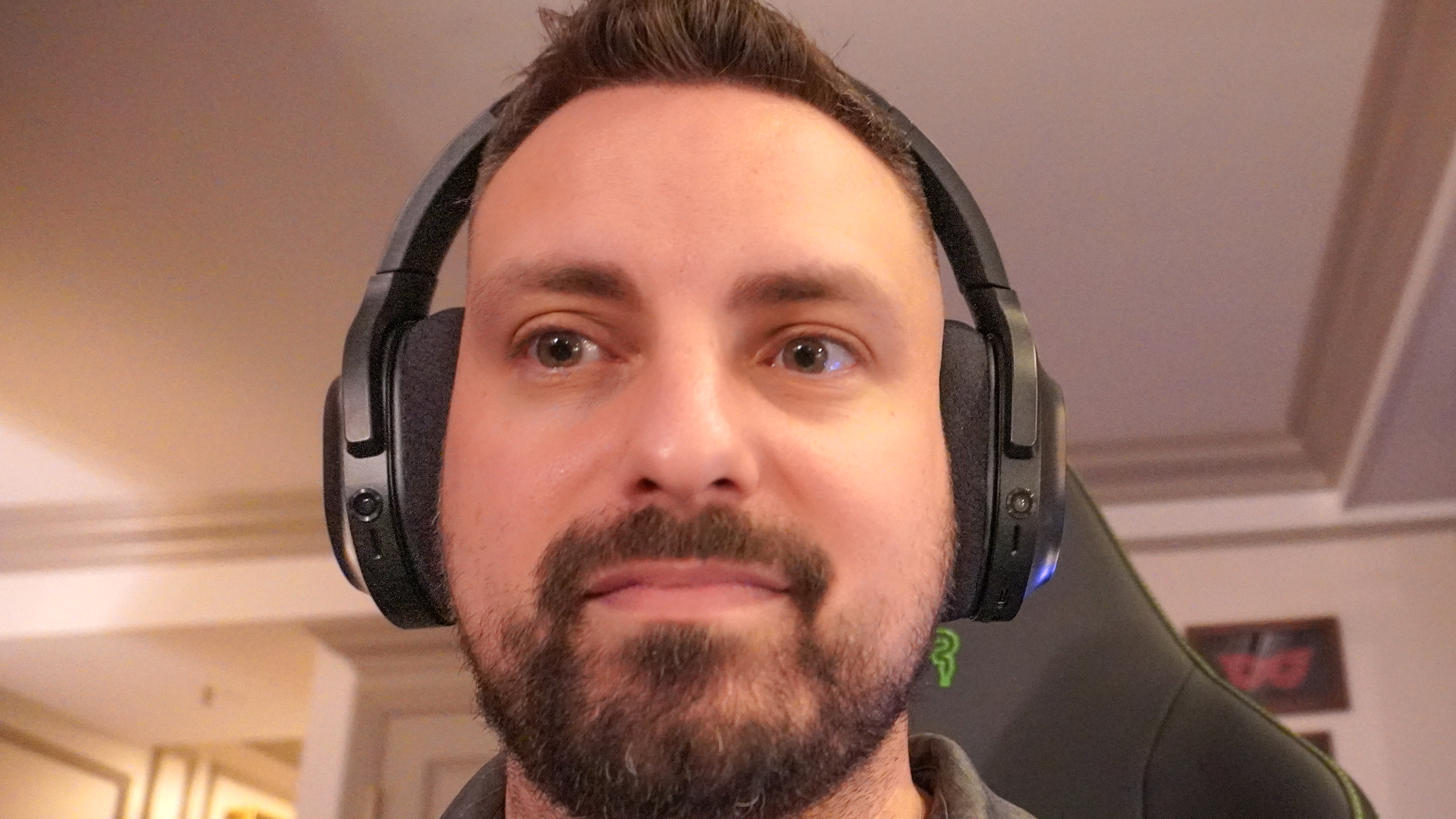

Remembering to attach a pin to your clothes before you head out or wearing a pair of smart glasses when you don’t actually need glasses can be difficult. With Project Motoko, I picked it up and put it on the same way I would with any gaming headset.
I didn’t feel its extra weight at all and if I hadn’t seen the cameras on the sides of its earcups beforehand, I might not have even noticed this wasn’t your typical gaming headset. Granted, things could change if and when Project Motoko becomes an actual product you can buy. Still, I had the power of AI at eye level without any of the awkwardness that comes from a brand-new category of device.
Since there was a Razer gaming laptop plugged into a monitor in front of me and partially due to its color, I took a picture and then asked Project Motoko about the HDMI cable connecting them. It quickly explained that the HDMI cable in question was Razer green without any issues. While this was a simple test, the vision system is designed to understand much more complex contexts instantly, from tracking gym reps to summarizing documents on the fly.
For the sake of the demo, Project Motoko’s responses came through on a Razer Leviathan soundbar underneath the monitor. In practice (and if this becomes a real product), all of its on-the-fly audio feedback will come directly through the headset’s earcups. That way, you and you alone will be able to hear how the AI assistant adapts to your schedule and habits.
One of the most surprising aspects of this “wearability” isn’t just for the user, but for the future of technology itself. Razer is positioning Motoko as a tool for machine learning, using the authentic human POV data it captures — like depth and focus patterns — to provide the high-value datasets needed to train humanoid robots for natural perception.
During my short time with Project Motoko, I was quite impressed. However, it’s the kind of device I’d have to try out for myself — from both the comfort of my own home and out in public — before deciding whether or not I’d ditch my current headset for this turbo-charged one.
Not just for gamers
Razer may be a gaming company, but Project Motoko appears to have even larger ambitions. During a video explaining the concept, the headset was just as useful when sitting in front of one of the best gaming PCs as it was in the rest of your home.
For instance, in the video, the person wearing it used it while fixing things in their living room and while cooking in the kitchen. Like you would with your favorite AI chatbot, you can look in your fridge or even at a table full of raw ingredients and simply ask, “What can I make with what I have here?”. This is possible because Motoko acts as a full-time AI assistant that adapts to your habits, providing on-the-fly audio feedback for everything from translating street signs to tracking gym reps.
Getting people excited about AI wearables and convincing them to actually buy one are two completely different things. However, if your AI wearable sits in a drawer gathering dust, no one’s actually using it anyway. With a device like Razer’s Project Motoko, I think that last barrier to entry is completely removed. People — and especially gamers — are used to wearing over-ear headphones, and that’s half the battle right there.
Beyond personal use, Razer is even looking at how this device can help build the future of robotics. By capturing authentic human POV vision data — including depth, focus, and attention patterns — Motoko provides the high-value datasets needed to train the humanoid robots of tomorrow for natural perception and decision-making.
Now, will Project Motoko ever materialize as a real product? For now, it remains a concept debut for CES 2026. Well, only time will tell. For me, though, I could see myself using a headset like this if it delivers the same audio experience Razer is known for but with some extra help along the way from my favorite AI chatbot.


Follow Digitpatrox on Google News and add us as a preferred source to get our up-to-date news, analysis, and reviews in your feeds.
More from Digitpatrox


Back to Gaming Headsets


-

-
-

-

-