There are an estimated 31 million Americans currently on GLP-1 medications, spurred on by the multitude of ads plastered across social media and TV — not to mention celebrity and influencer testimonials — promising them a fresh start.
Those ads and personal tales, many of which feature celebrities and reality stars, come with mandated warnings of some of the potentially harmful side effects of the active ingredient semaglutide that the medications can cause “in rare cases.”
But for the more than 4,000 Americans who have filed lawsuits against the manufacturers of GLP-1 drugs — including giant Novo Nordisk, which produces Ozempic and Wegovy— they claim there was no such warning of the life-altering conditions they now have to live with when they started taking the medications.
Those include a nurse practitioner who woke up one morning to find she was blind in her right eye; a grandfather who can no longer see his grandkids’ faces; and a California man left devastated by the sudden death of his wife after she suffered a series of violent vomiting episodes.
Had they known the risks, they would never have considered taking the drugs, the plaintiffs told The Independent.
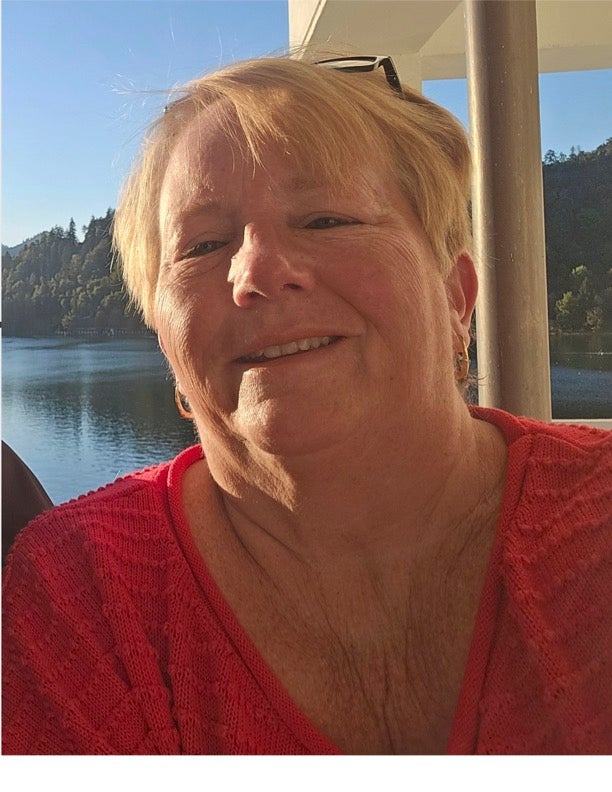
“If someone would have told me there was a chance that a drug I was taking could make me blind, I would never, ever, have taken the first shot,” Diane Wirth, who is blind in her right eye after taking Wegovy for weight loss, told The Independent.
Wirth had tried numerous diets over the years but nothing seemed to work. So after being bombarded by persuasive ads for GLP-1s for weight loss and hearing countless success stories, in February 2025, she tried WeGovy, one of the GLP-1 receptor antagonist medications produced by Novo Nordisk.
“I wanted to lose weight and I had tried dieting,” said Wirth, from Hartwell, Georgia. “It was a never ending battle. And so my employer had made it available for $35 a month through our prescription plan at work. WeGovy was the only drug that was available for weight loss.”
The 66-year-old woke up on a weekend morning in April last year unable to see through her right eye. Her vision was blurred, as though her eye had been “smeared with Vaseline” across the lens, she said.
“I got up Saturday morning and I was going to help a friend with her yard sale, and I was like, ‘What is wrong with my eye?’” Wirth recalled. “It was like a curtain had come down.”

Initially, she put it down to not quite being fully awake yet, and went to her computer to check something before leaving the house. But she was alarmed when she couldn’t see the screen through her right eye.
“That’s when I thought something was wrong,” she said.
Wirth is now registered as legally blind after being diagnosed with non-arteritic anterior ischemic optic neuropathy (NAION), a rare condition that occurred approximately seven weeks after she started taking weekly Wegovy injections.
A Novo Nordisk spokesperson did not comment on the plaintiffs’ individual cases when approached for comment by The Independent, but said that patient safety is the company’s “top priority.”
Wegovy is approved by the Food and Drug Administration for weight loss.
NAION, which occurs when blood flow to the optic nerve is compromised, is permanent. It meant that Wirth was forced to retire early as a nurse practitioner, a profession she has loved for more than 30 years.
“It’s the only medicine I’ve taken, I don’t take any prescription meds,” Wirth said. “I don’t have any other things like high blood pressure or diabetes or anything like that. So it’s definitely a shock.”
Wirth’s attorney, Jason Goldstein, said his firm Parker Waichman LLP is representing “hundreds” of plaintiffs in the mass-tort litigation.
“NAION is a devastating diagnosis that frequently occurs without warning and can permanently alter a person’s independence, livelihood, and quality of life,” Goldstein said.
The attorney pointed out that, following a warning from the European Medicines Agency, Novo Nordisk updated labels in Europe for Wegovy and Ozempic. They now warn that semaglutide, the active ingredient, may cause NAION in up to 1 in 10,000 patients.
‘I will never see my wife’s beautiful face ever again’
In the U.S., however, its labels warn patients of vision changes but not specifically about NAION.
Of patients who experience NAION episodes with one eye, 15 percent will go on to develop it in their other eye within five years.

That thought makes Wirth fraught with anxiety before going to sleep, she said.
“You’re afraid to go to sleep because once you have NAION, you have a risk of developing and then the other eye,” she explained. “I wake up during the night and look at the clock to see if I can still see.”
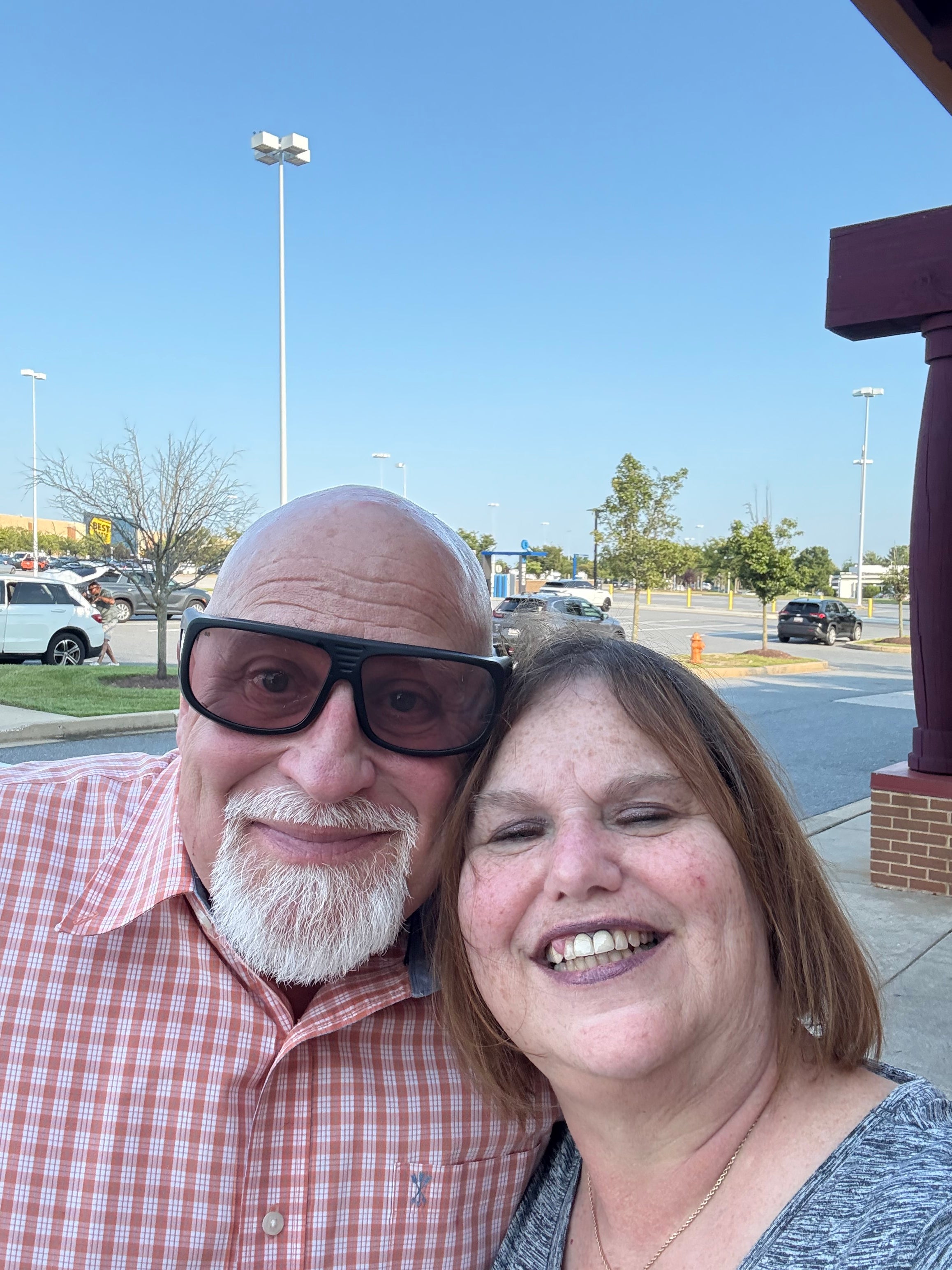
Wirth’s fear became a reality for 63-year-old Todd Engel, from Howard County, Maryland, who is now also legally blind due to NAION.
He went on Ozempic in the spring of 2023 for type-2 diabetes and lost vision in his right eye on New Year’s Eve. His eyesight went in his left eye 10 months later, in October 2024.
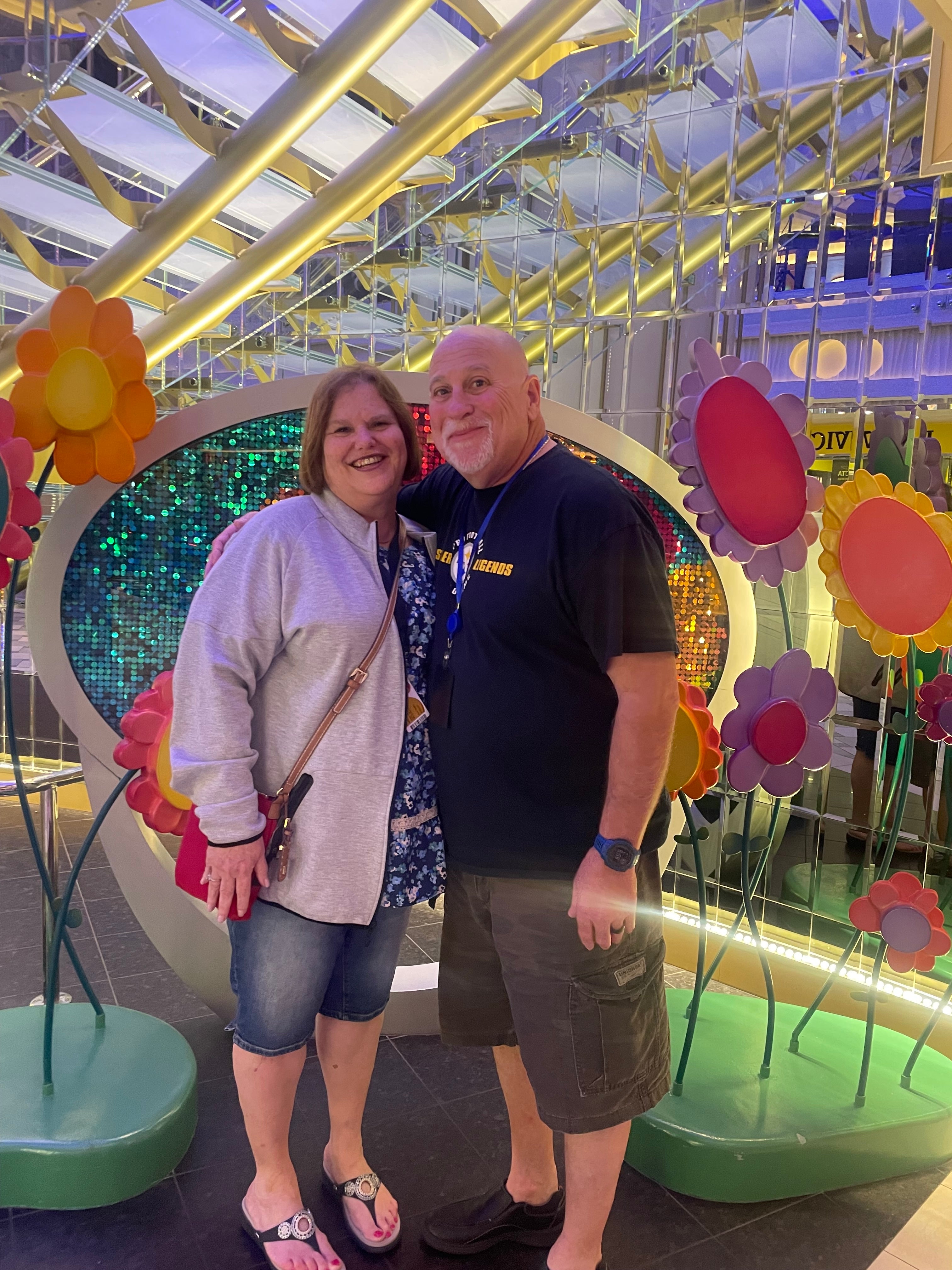
“The one thing that really bothers me is that I will never see my wife’s beautiful face ever again,” Engel told The Independent. “For me, it’s catastrophic.”
“It’s heartbreaking when our little grandkids have to take his hand and lead him around,” his wife, Shelley Engel, added.

Engel said he finds his disability “embarrassing” after being independent for all of his adult life. And while he is grateful for the “wonderful” compassion his young grandchildren have shown him, he struggles with what feels like “a role reversal” at times.
“We will go into a store, whether it be Costco or the grocery store, and our granddaughter, who is 7, she’ll take me by my hand, and she will tell me, ‘This way, Pop,’” he said. “I’m being pulled along like a puppy dog. I understand what she’s doing, and I think it’s wonderful what she’s doing. But again, it’s a humility thing for me.”
For Engel and Wirth, it’s the little things “people take for granted” that they miss the most.
“Just basic meal prep, cutting vegetables, things like that…” says Wirth. “Because I don’t have the depth perception that I did when I had both eyes, so it’s definitely changed what I can do. My needlepoint, reading…reading was my favorite pastime. I could read a book a day.”
Engel misses the independence that came with his job as a truck driver and snow plow operator for Howard County, and being able to throw a ball around with his grandchildren.
“He can’t drive and he can’t work, which is major, he can’t play ball,” Engel’s wife said. “It breaks my heart, but my life has changed. Our whole family’s life, everything has changed completely. He can’t play with our grandkids. Everything in our house has been rearranged and organized.”
Novo Nordisk was slapped with a warning letter last week from the Food and Drug Administration, reprimanding the company for “serious violations” in failing to report potential side effects in patients who took Ozempic and Wegovy.
Two separate multi-jurisdiction class actions are now in play after the explosion in lawsuits, with one consolidating cases relating to gastrointestinal injury, and another for plaintiffs alleging they suffered vision loss. The MLDs are being overseen by the same judge.
Lawsuits alleging gastrointestinal injury as a result of GLP-1 drugs are currently in the pre-trial phase in the U.S. District Court for the Eastern District of Pennsylvania.
“Semaglutide has proven a wide range of benefits in the GLP-1 class beyond glycemic control and weight loss for people with cardiometabolic disease,” a Novo Nordisk spokesperson said in a statement to The Independent. “Considering the totality of evidence from clinical trials, post-marketing reports and observational studies, alongside the generally low incidence rate of NAION, Novo Nordisk believes that the “benefit-risk profile of semaglutide remains favorable.”
The spokesperson added that the company collaborates closely with health authorities and regulatory bodies worldwide.
‘Didn’t have any symptoms until a week before she died’
In early 2024, Tracy Ettinghoff’s wife, Marsha, wanted to lose weight to fit into a “beautiful dress” for their son’s upcoming wedding, though through her husband’s eyes, she didn’t need to.
Approximately six months after the 76-year-old started taking Ozempic, she fell gravely ill and died suddenly while the couple, from Orange County, California, was on vacation.

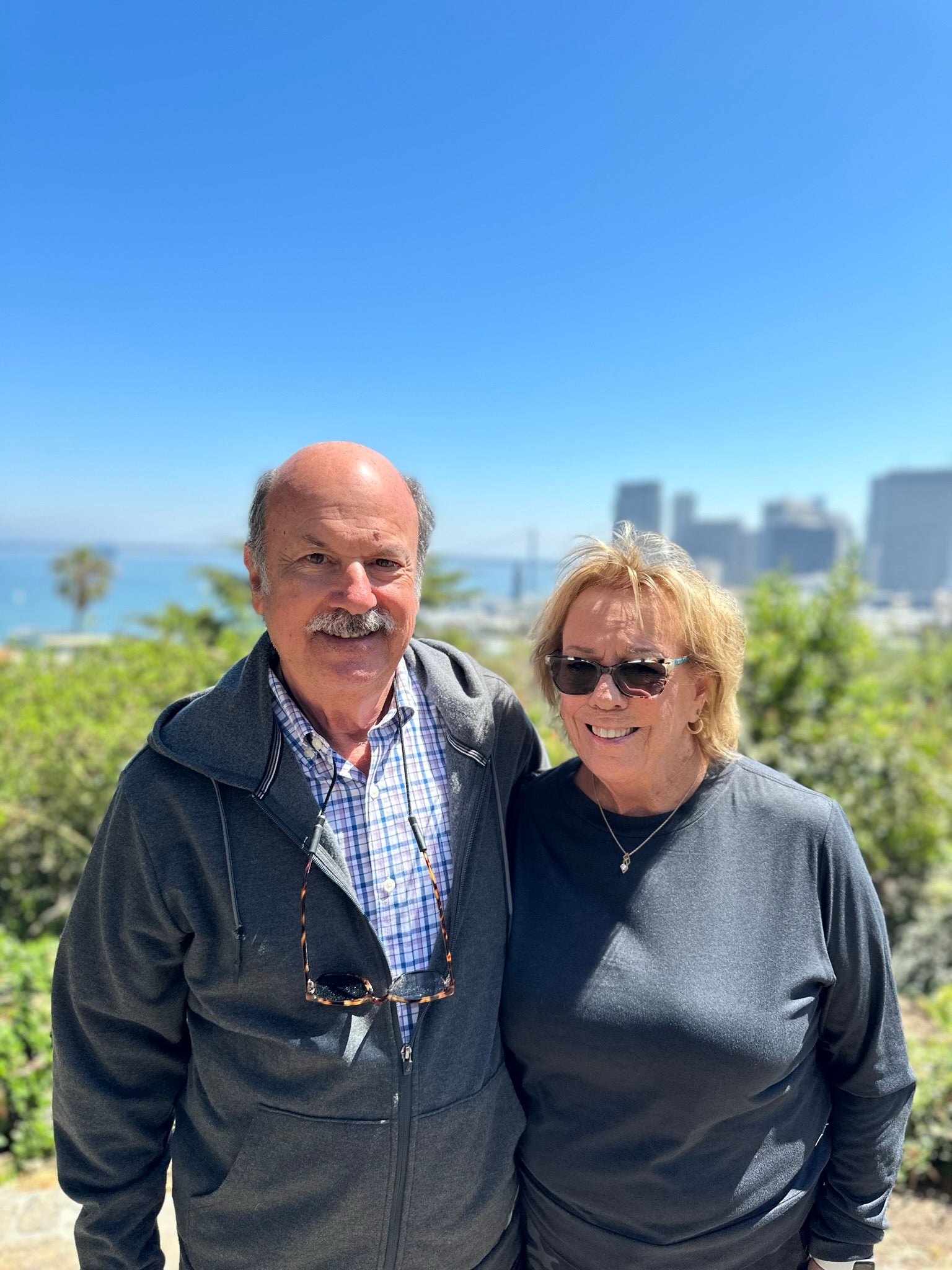
“She didn’t have any symptoms until a week before she died,” Ettinghoff told The Independent. “She started throwing up, and one week later she was dead.”
The grieving husband and father has filed a wrongful death suit, alleging that his wife’s death was preventable.
“We believe that Mrs. Ettinghoff’s premature death was substantially caused by her use of GLP-1s and the adverse reactions associated with them,” his attorney Jonathan Orent of Motley Rice told The Independent. “We believe that sufficient warnings would have prevented this tragic death from ever happening.”
Ettinghoff said he believes that Marsha tried Ozempic after she was confronted by persuasive commercials touting its success for weight loss.
“I didn’t think that she needed it, but she wanted to be on it,” Ettinghoff, a real estate attorney, said.
Ozempic is not approved by the FDA for weight loss, but it is frequently and legally prescribed by doctors for off-label use.
Ettinghoff said that the weekly shots didn’t appear to make any difference to his wife’s weight loss but she carried on taking them without any apparent side effects.
In August 2024, en route to their vacation home in the town of Mammoth Lakes in northern California, Marsha suddenly started throwing up.
“I was under the impression that she had food poisoning,” Ettinghoff recalled. “After about three days of her throwing up and not being able to hold any food down, I got to be pretty concerned.”
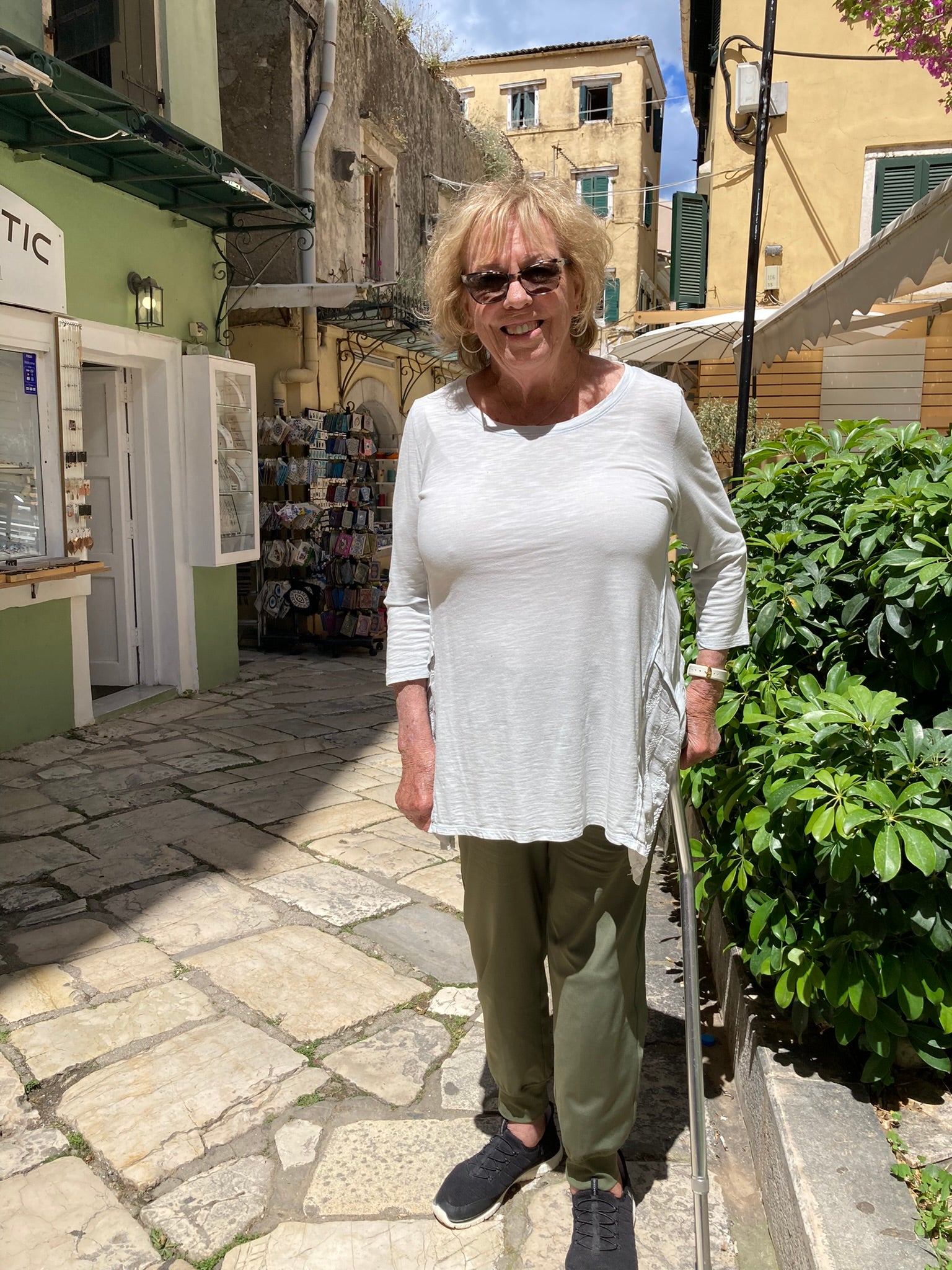
Ettinghoff took Marsha to the emergency room at the local hospital, where she was put on anti-nausea medication and hooked up to an IV.
“They couldn’t figure out what was wrong with her, and so they just said, ‘maybe it’s a bug, maybe it’s a stomach flu, we can’t figure it out.’ And then they just they discharged her the same day.”
Marsha’s sickness continued for two or three more days, until Ettinghoff found her unable to breathe.
“She was sitting in a Lazy Boy chair and she could hardly breathe,” he recalled. “She was still alive, but she could hardly breathe. And when she was breathing, it sounded kind of like she had something in her lungs. It was like a gurgling sound.”
He rushed Marsha to the hospital, about a mile away, but during the short car ride his wife became non-responsive.
“I was yelling at her because she was non responsive… I looked over while I was driving to the hospital and her head went back just suddenly. She threw up again, and then she went limp,” he said. “I’m pretty sure she died right there in the car on the way to the hospital.”
Marsha was tragically pronounced dead at the hospital.
Ettinghoff said that doctors at the hospital “couldn’t figure out” what happened to his wife, and at this stage, he didn’t consider Ozempic as a potential factor.
A month after his wife’s death, Ettinghoff obtained copies of his wife’s medical records and shared them with a friend who is a physician.
“I went out to lunch with him, and he said, ‘Have you ever heard of gastroparesis?’” Ettinghoff recalled.
“I think that Marsha might have died as a result of that,” Ettinghoff’s friend told him.
Gastroparesis, also known as stomach paralysis, has no cure. The prescribing labels for Ozempic, Wegovy and other GLP-1 brands do not adequately warn patients of the potential dangers of the condition, Ettinghoff’s attorneys argue.
The medical examiner noted pulmonary aspiration as the immediate cause of Marsha’s death, but Ettinghoff’s attorneys believe the evidence will show “that the aspiration was caused by an ileus, or non-mechanical bowel obstruction, and severe delayed gastric emptying, both caused by her use of Ozempic.”
Ettinghoff said he hopes that Marsha’s case will prompt others to carefully consider whether GLP-1s for weight loss “is worth it.”
As some analysts predict the GLP-1 market could reach $150 billion by 2030, Ettinghoff and others taking legal action say they want to ensure the public is fully aware of the potential risks.
“They tout it kind of like a ‘miracle drug,’ and unfortunately, that sells,” he said.
“That’s why they’re making billions of dollars, because everybody’s using it to lose weight.”
Source link