You may remember I tested an early version of the Rokid glasses last year, and quickly became enamored with the sleek looks and lightweight wearability of the frames — all while still offering a bright heads-up display, multi-modal AI and a decent 12MP camera. Of course, this was a starting point of a few minutes with the glasses, and now I’ve been daily-driving them for two months.
So after 62 days of general wear and tear, did my initial high on the glasses wear off, or is it still as strong? Well, that’s a complicated question to answer.
Because you see, a lot of what I loved at the beginning is still there (and more). The wearability of these compared to the sharper stems of the Even Realities G2 or the cumbersome frame of the Meta Ray-Ban Display glasses makes these just feel like your normal stylish pair of frames. You can see the displays if you squint really hard, but chances are you won’t even notice I’m wearing smart glasses — the social acceptability scores high.
Then there’s what they can do with a customizable multi-modal AI model (you can select between Gemini and ChatGPT), navigation, live translation, conversation summaries and all the usual suspects, they’re feature packed. Throw a 12MP camera in there with surprisingly beasty speakers and a strong microphone, and interactions are a cinch. Plus, shout-out to the all-day battery life if you’re using them casually.
However, there are a couple of frustrations I had with them. Namely, that sneaky shooter doesn’t perform so well in low light conditions, and a couple of the coolest features (such as using AliPay QR codes to pay for things with your glasses) are not widely available. Plus, while that $599 price tag is a bit steep from the get go, cost can go quite a bit higher when prescription lenses are involved.
But I can’t deny the sheer convenience and usefulness of these specs far outweigh these small niggles. From actually having a viewfinder for your camera to coming in clutch with translations in foreign countries and finding my way around, this is a huge assist in a sleek package.
Rokid Glasses: Cheat Sheet
- What is it? This is a pair of AI glasses with a display.
- Who is it for? This is for those who want the assistance of something like the Ray-Ban Meta specs, but with the added aid of a heads-up display — all packed into a sleek, lightweight pair of specs.
- What does it cost? You can pick up a pair for $599.
- What do we like? The bright, sharp screen makes these all the more useful
- What don’t we like? While the glasses themselves are reasonably priced, the prescription lenses are pricey, and that 12MP camera can struggle in awkward lighting.
Rokid Glasses: Specs
|
Rokid Glasses |
|
|
Price |
$599 |
|
Display |
Dual monochrome green Micro LED waveguide, 480 x 398 resolution, 1,500 nits |
|
Field of view (FOV) |
23 degrees |
|
Chip |
Snapdragon AR1 Gen 1 |
|
Camera |
12MP F2.25 aperture |
|
Dimensions (when open) |
6.1 x 5.6 x 1.7 inches |
|
Weight |
1.7 ounces |
Rokid Glasses: The ups
I’ve been waiting for Waveguide displays (the tiny projectors directly on the lenses rather than the big glass prisms of AR glasses) to be subtle enough in a pair of glasses. The Rokid Glasses manage to achieve that nicely, and pair that with some genuinely useful day-to-day features.
Quite the looker
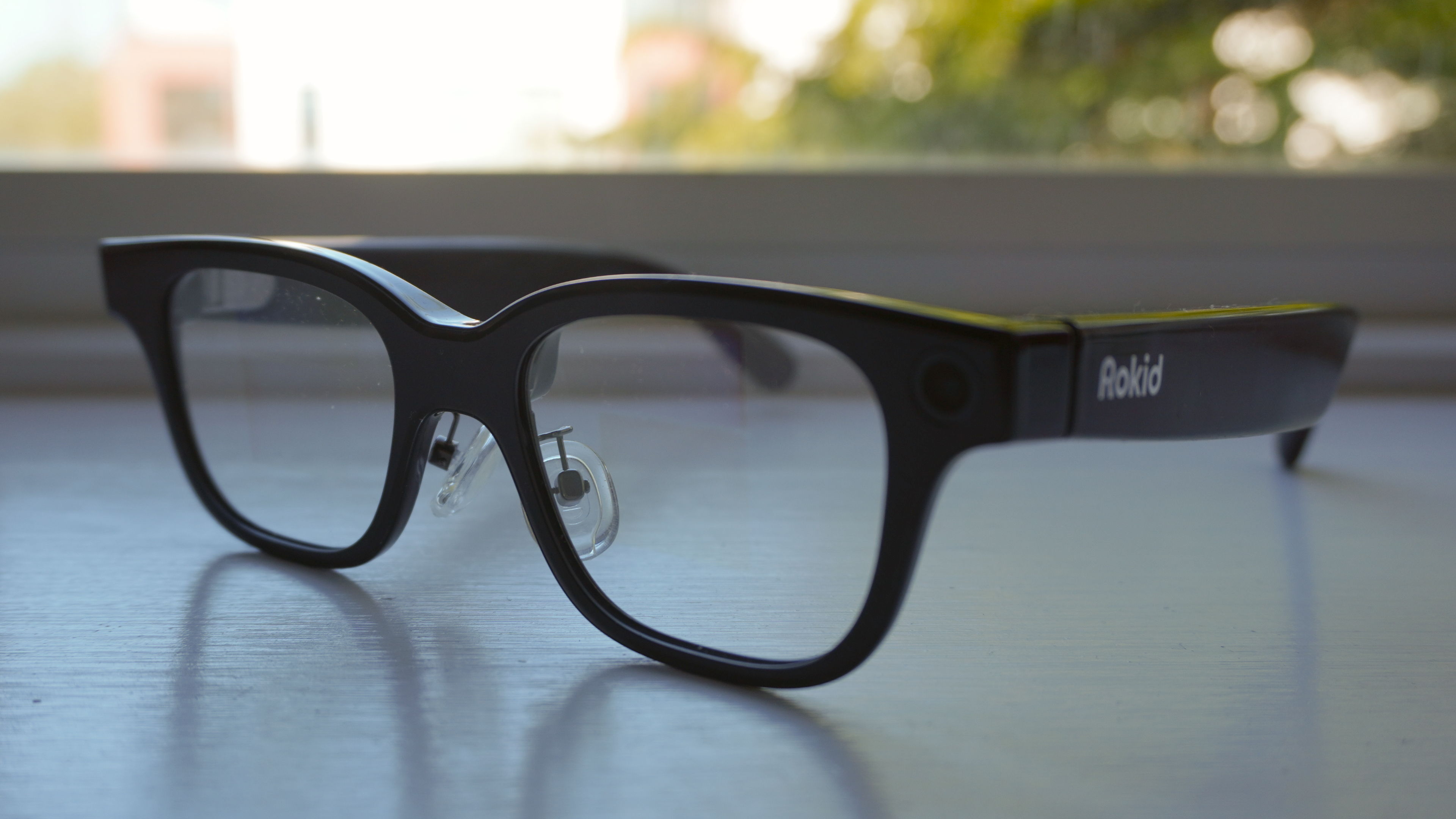

Smart glasses are really starting to address that social acceptability — doing their best to hide all the tech and not get some awkward double looks on the subway. Even Realities do a good job of this, but to do so, they’ve been intentional with the use cases and taken out the camera and speakers.
The Rokid Glasses are the first fully-featured pair I’ve tried that give you all the functionality while still being a fashionably understated pair on the face. They don’t really have a stand-out aesthetic, being your normal Wayfarer style, but that’s actually a good thing here. You’ll blend in effortlessly. They passed my friend test (going to the pub and seeing whether any of my friends noticed something weird about me), and at no point did I get any double takes.
Plus, design is more than just subtlety, as the company’s managed to do this in an impressively wearable pair of specs too — the lightest I’ve tested with a nice curvature to the stems so you’re not feeling it cut into the top of your ears like the G2s.
Actually useful features
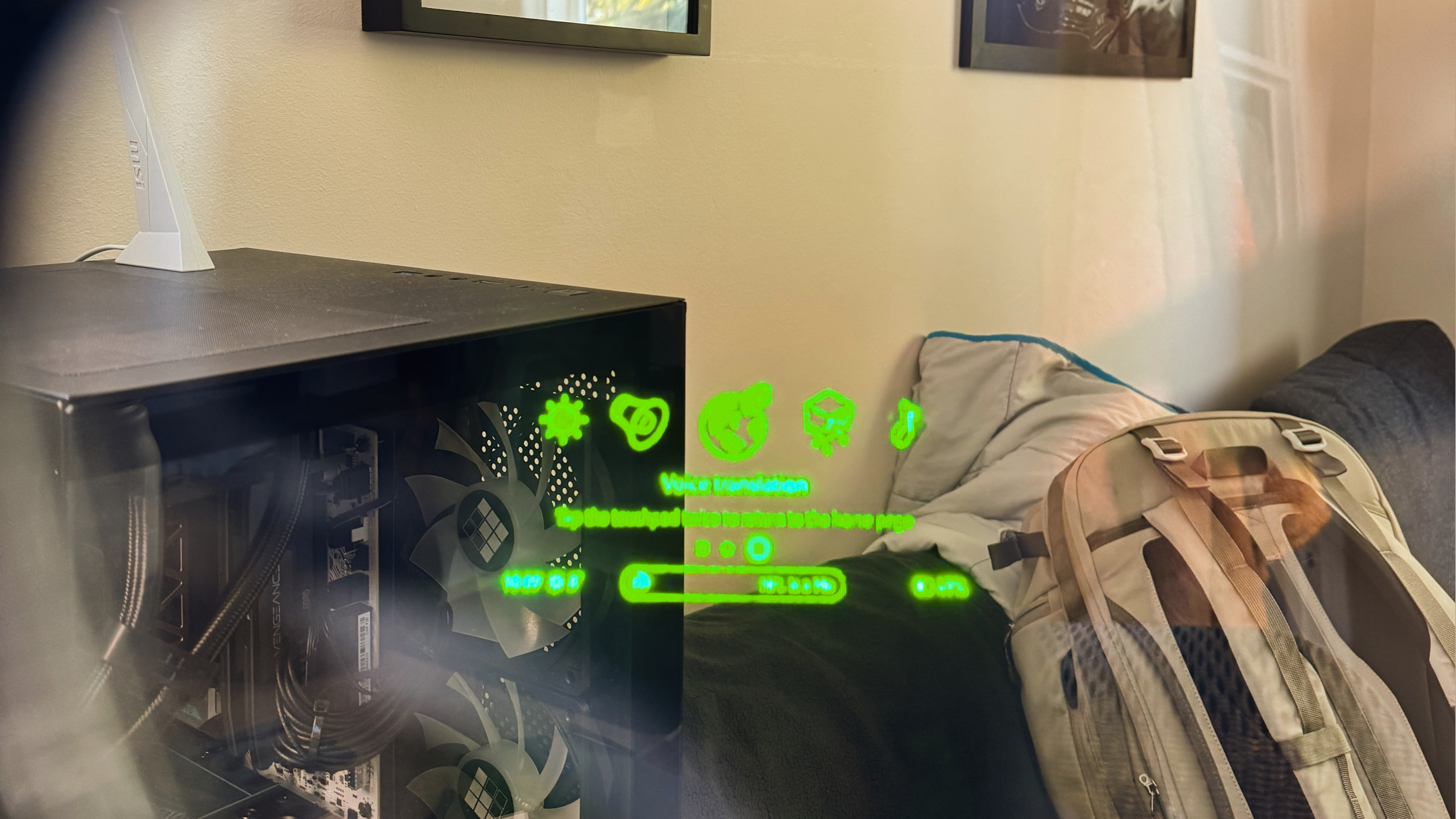
This is another field that’s quickly expanding, because it’s all fair and good to have a pair of glasses with a screen on them, but if it’s just gimmicky features, what are we even doing here? Rokid’s specs started rather limited in capabilities, but software updates have made them a genuinely useful tool for your day-to-day.
There’s definitely a learning curve to the tap/swipe interactions, and I fell victim to a couple of unintended touches when scratching my head. However, once you figure out the workflow, there’s plenty to be done here.
Navigation is a clear, understandable HUD that gets you from place to place easily. The AirPods-esque nod to accept calls has come in clutch when my hands were busy, and the multi-modal AI interactions are a cinch to get to with microphones that do a great job of picking up my voice in loud situations.
And the UI itself is nicely utilitarian while staying minimal in its invasion on your field of view — the sweet spot of where I’d like things to be for this category of product. Throw in up to 1,500 nits of brightness so I can see it clearly on a summer day (although the green display does get a bit lost against the green of grass or a tree), and speakers that are clear without any distortion at high volume, and you’ll find there aren’t really any limitations here.
Oh, and shout-out to the underrated gem of an addition in the camera framing, which allows you to get your shot just right. With so many AI glasses, you’re always guessing, and the shot always cuts off a little bit on the right as you try to line it up. With this, you’ve got the confidence in capturing the right subject.
AI smarts
Then we move over to the AI side of things, as it’s not necessarily about just stuffing it with a model and calling it a day — you need to actually provide something useful with it. Fortunately, that’s one of the Rokid Glasses’ fortes, as it starts with being able to choose your model between Gemini and ChatGPT.
That flexibility is a real win here, as you can overcome the limitations of one depending on what you’re doing (Gemini being better at location/image recognition for example). This meant that some day-to-day logic-based questioning, I could go to GPT’s speedy responses, but move to Gemini for figuring out what to cook with ingredients or ask about a historic building on a walking tour.
You do get some of the more generic features you see across a lot of AI glasses now — like super zippy live translation of text and voice, audio transcription and intelligent captioning. All works impressively speedily thanks to that Snapdragon AR1 Gen 1 chip inside the glasses. It all comes together for a helpful suite that you can prompt with your voice (or with swipes) and get answers about the world around you.
And impressively, the battery stays rather strong throughout. Don’t get me wrong, if you hardcore use them for a long meeting of captioning, you can drain them in just under two hours. But for casual stuff, you can get a full day easily.
Rokid Glasses: The downs
That’s not to say there aren’t any downsides to the Rokid Glasses. A couple of frustrations stick out here.
Camera challenges
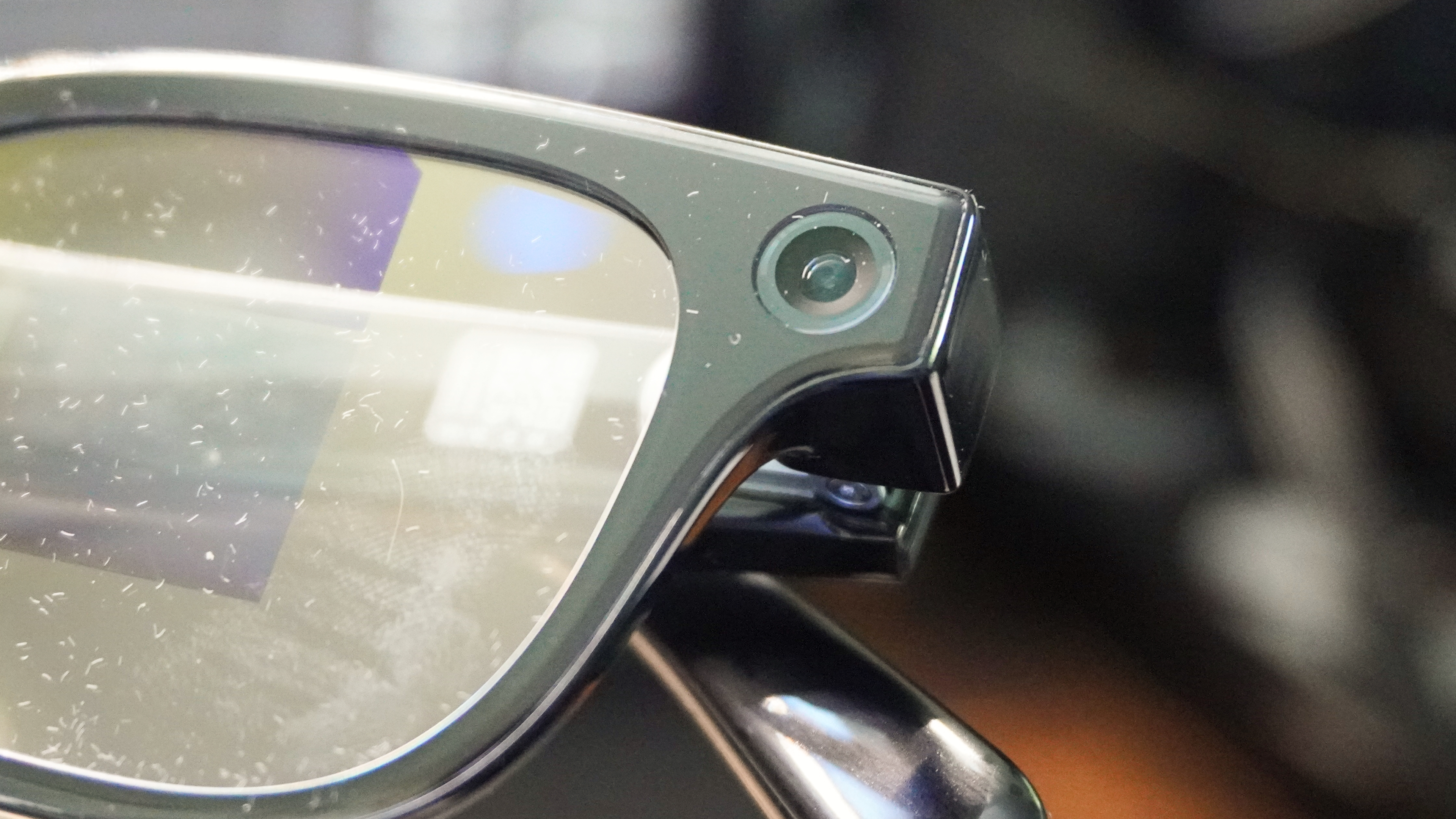
So most of the time, you won’t see this. In the day, that 12MP shooter captures some nice detail with color science skewing more towards warmer tones — no bad thing but that comes down to individual taste.
Where you’ll see the problems is in more challenging lighting conditions. You can see the baseplate of my sim racing pedals just vanish into the black void of the metal plate below, for example:
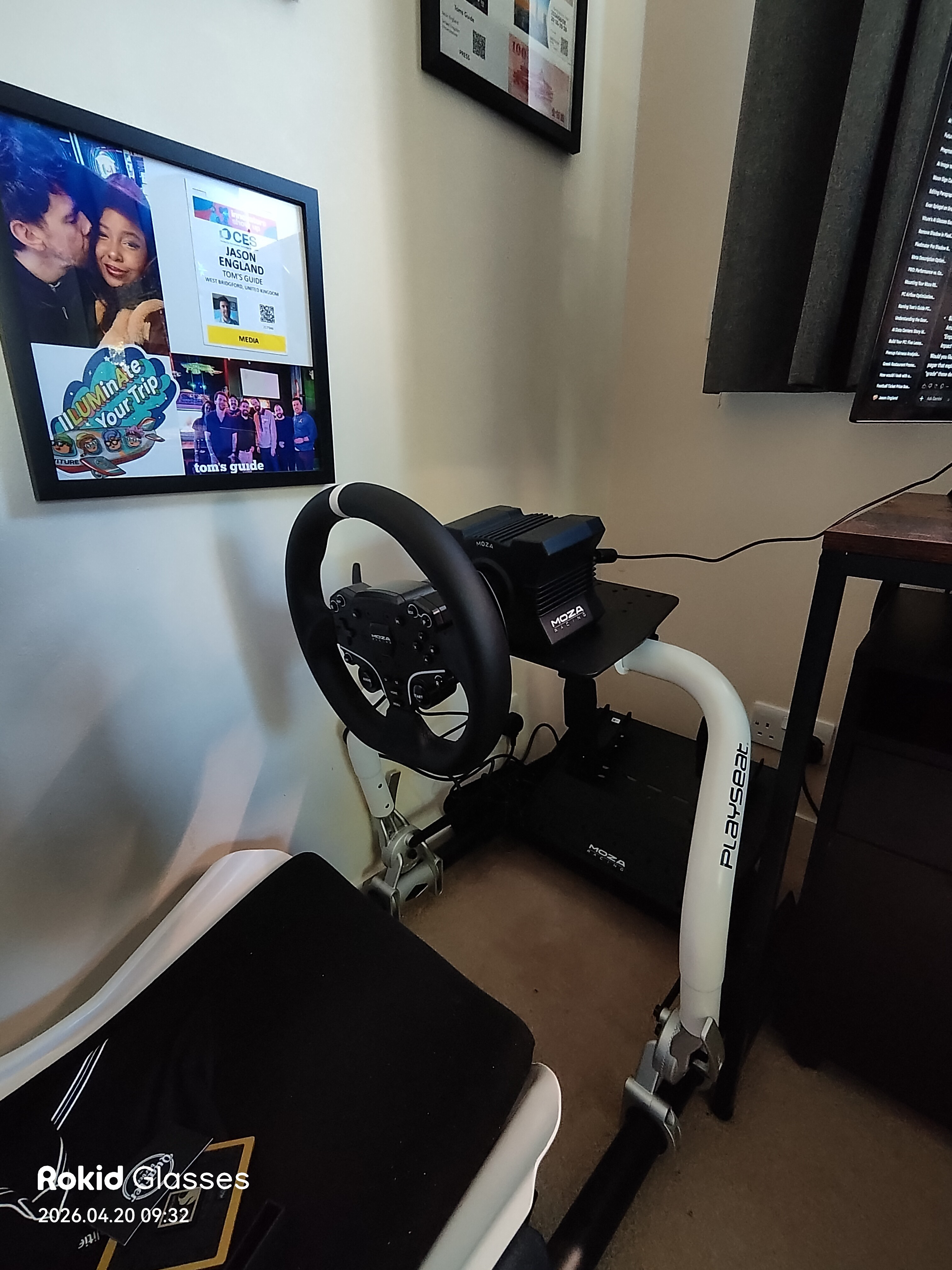

And it’s a challenge I can understand, as you try to find that balance between camera quality (size of sensor) and not making it super noticeable.
App connectivity frustrations
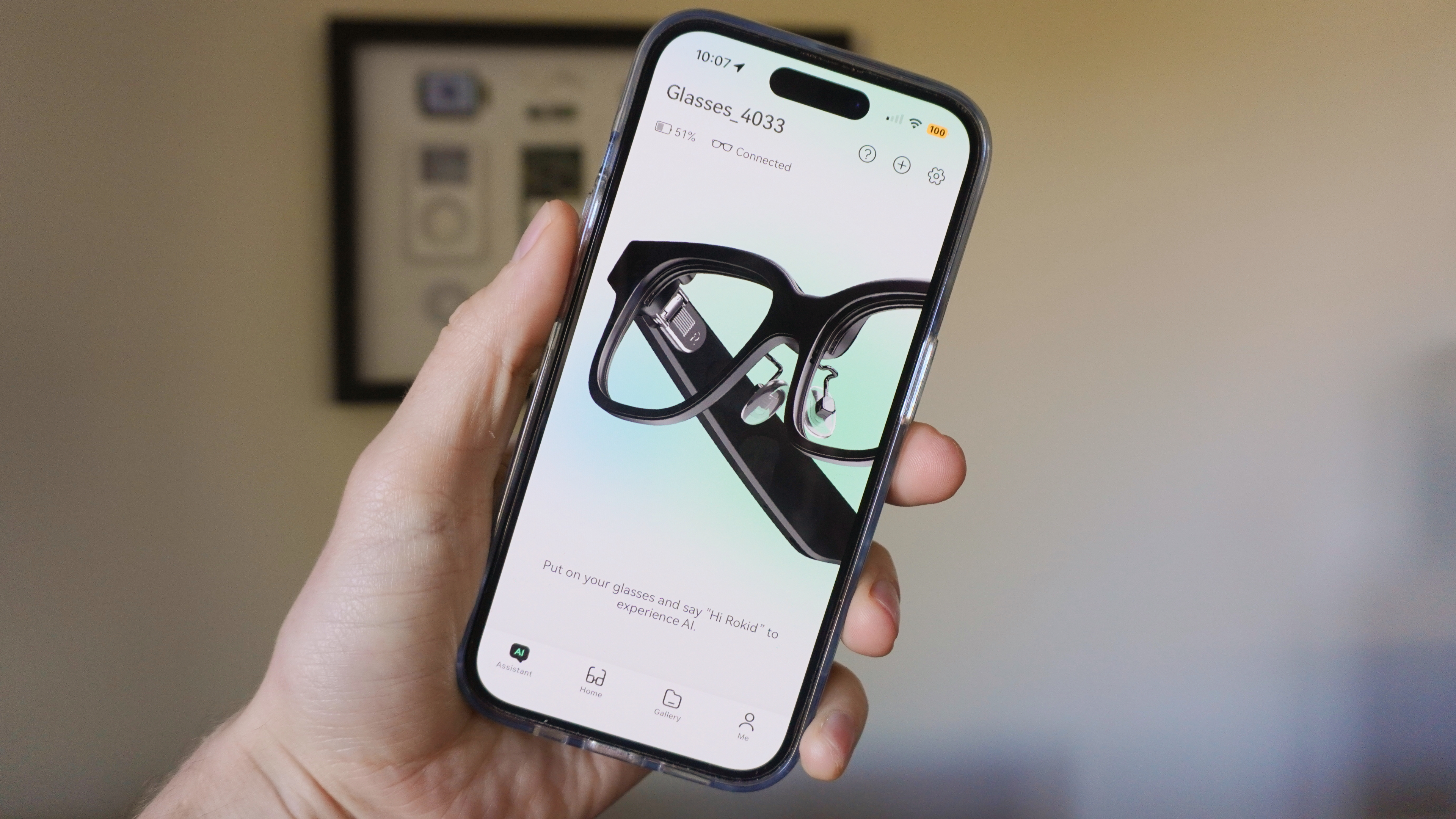
Let me be clear — if you’re on Android, this is not a problem. If you’re on iOS, there’s some hoops to jump through with a whole lot of privacy settings to tweak, and the app is required to be open in the background for it all to work (since it’s not on an OS level).
If you’re OK with that, cool! But on my limping iPhone 15 Pro with a bad battery, always-on location does take its toll to make the experience work.
Pricey prescription lenses
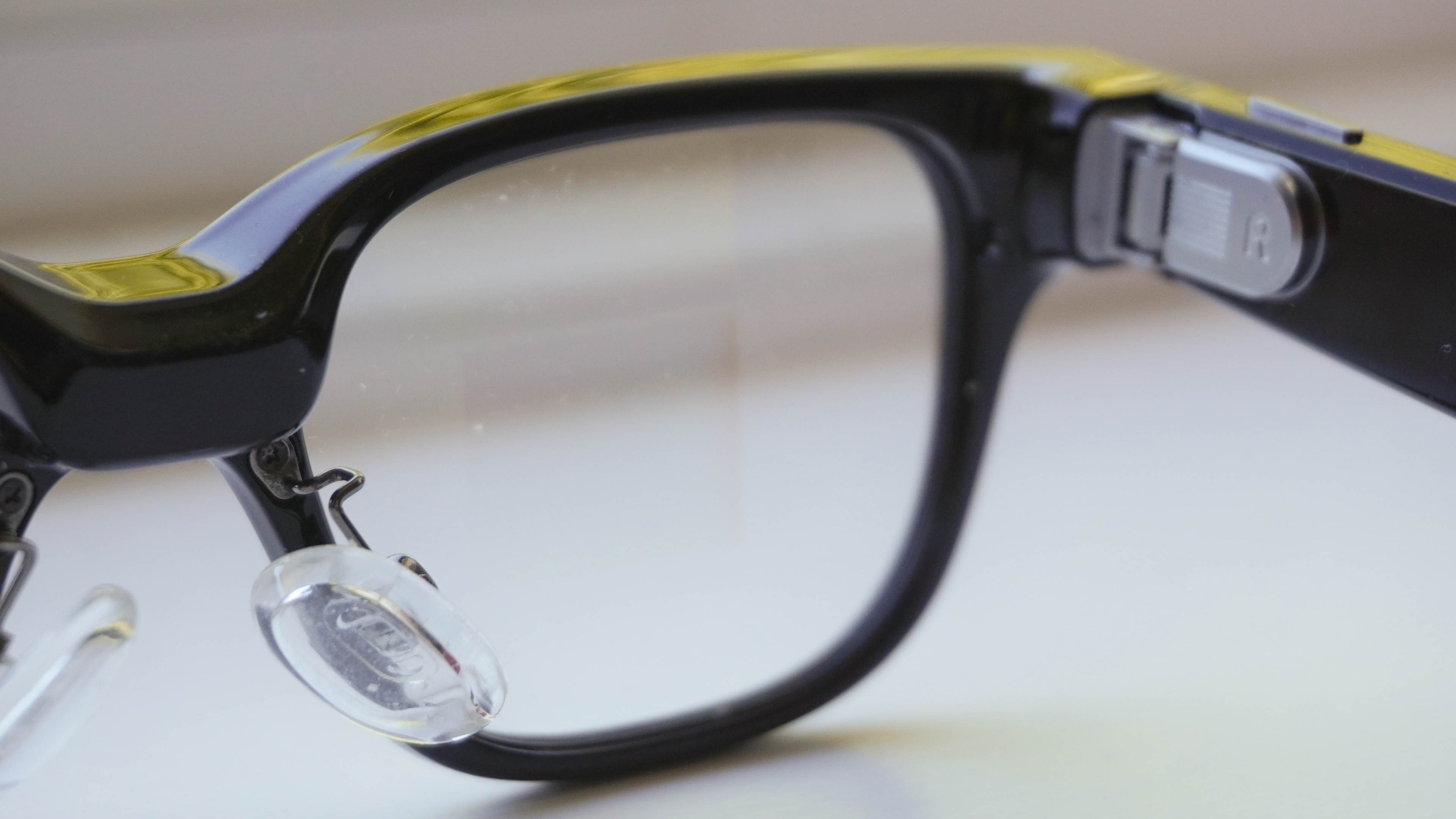
The good news is that Rokid has prescription requirements covered nicely here. The clip on lenses are subtle enough to get away with, and the titanium frame is nice and rigid here. Plus prescription ranges from 0-1600 degrees, so all ground is covered.
The bad news? You’ll be paying a pretty penny for it — at least $120 for the lenses, but fiddling with the customization system can see that cost go up to nearly $200. It’s an annoying extra cost.
Rokid Glasses: Verdict
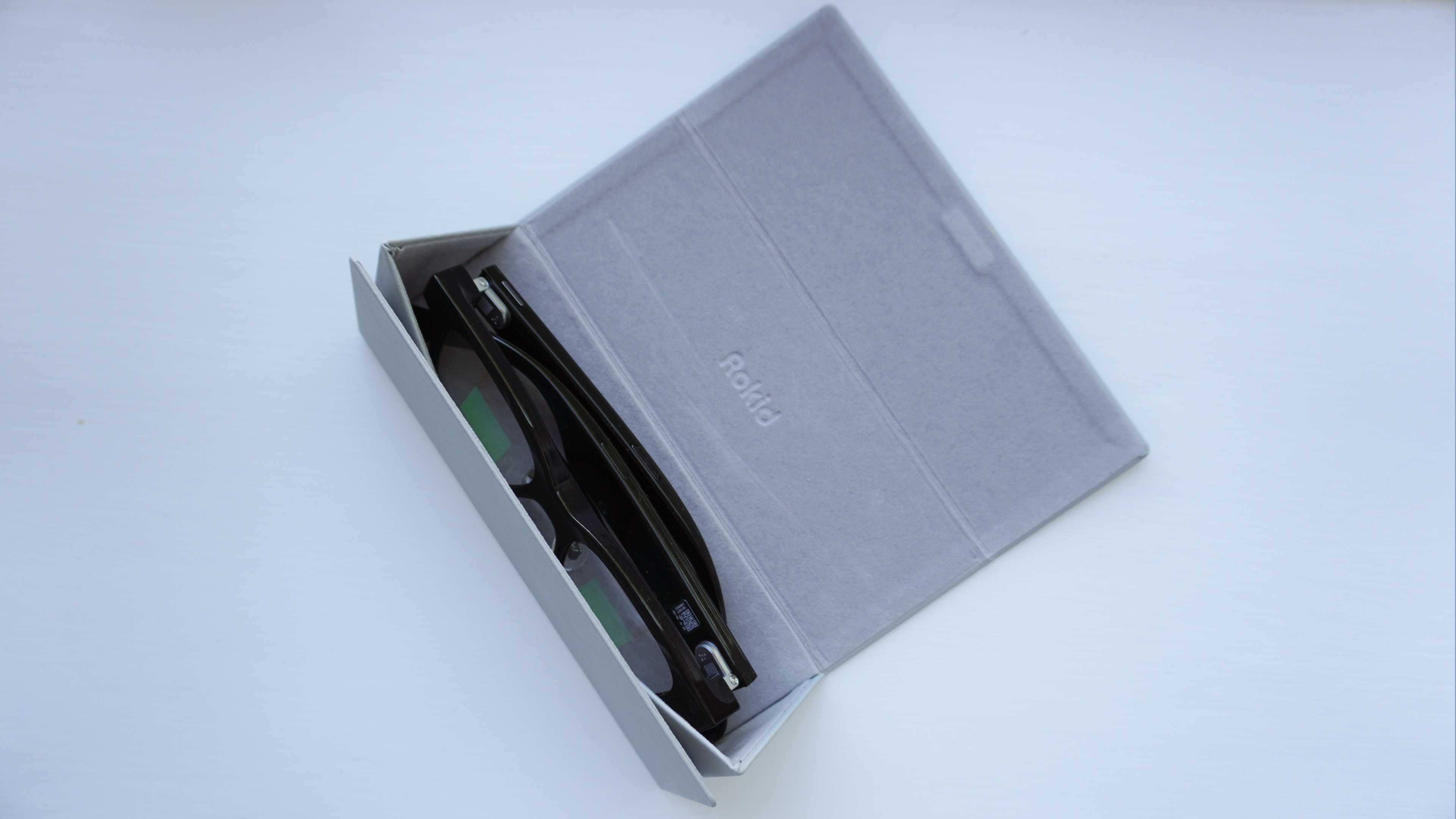
So, where does this leave the Rokid Glasses? As you can tell by the score, I rather love them for their subtle design, bright, sharp display, strong audio system and feature set. And frustrations aside, I quickly adapted and they’ve become an essential part of my portable tech setup for finding my way around, taking notes from meetings, and getting multimodal help.
Do I wish the iOS connectivity experience was cleaner? Yep. I also hope for a better camera in the future. But for a first real stab at AI display glasses for $599, Rokid has pulled off something rather great here.
Source link
-

-

-

-

-