
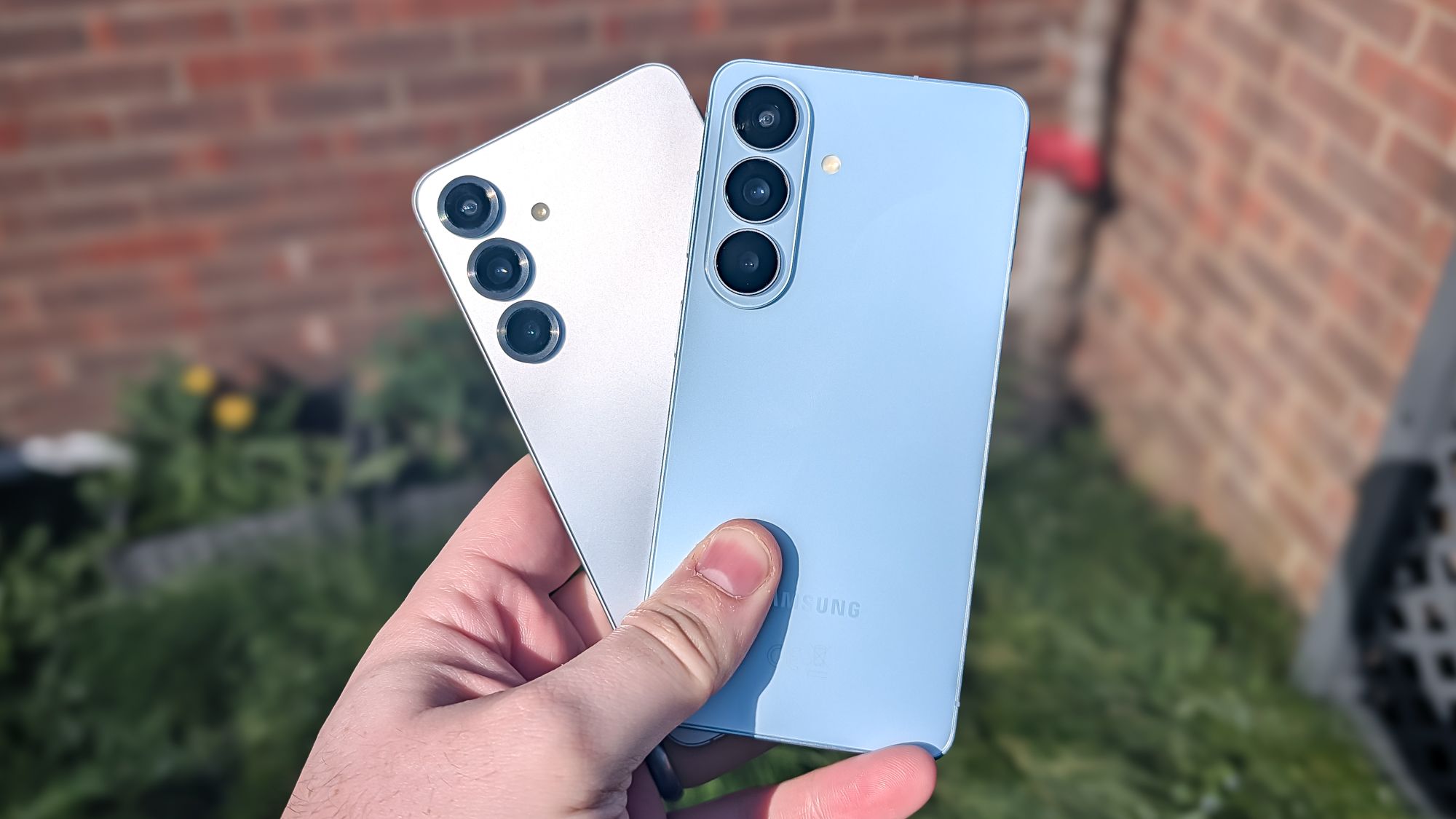
The release of the Samsung Galaxy S26 means that the Galaxy S25 series isn’t top of the food chain anymore. Samsung makes some of the best Android phones around, but with the Ultra models often getting the lion’s share of upgrades, the base models are typically only left with the scraps.
With that in mind, it might seem as though there aren’t a whole lot of differences between the Galaxy S26 and Galaxy S25 — not beyond the usual slew of hardware upgrades we see every year, anyway. But is that actually the case? To find out, we put them head-to-head to see how much better the latest model is over its predecessor.
Article continues below
Galaxy S26 vs. Galaxy S25: Specs
| Row 0 – Cell 0 |
Galaxy S26 |
Galaxy S25 |
|
Display size |
6.3-inch FHD+ AMOLED |
6.2-inch FHD+ AMOLED |
|
Refresh rate |
120Hz adaptive |
120Hz adaptive |
|
Chipset |
Snapdragon 8 Elite Gen 5 / Exynos 2600 (region dependent) |
Snapdragon 8 Elite for Galaxy |
|
Memory |
12GB |
12GB |
|
Storage |
256GB, 512GB |
128GB, 256GB, 512GB |
|
Rear cameras |
50MP main, 12MP ultrawide, 10MP 3x telephoto |
50MP main, 12MP ultrawide, 10MP 3x telephoto |
|
Front camera |
12MP selfie |
12MP selfie |
|
Battery size |
4,300mAh |
4,000 mAh |
|
Charging speed |
25W wired, 15W wireless |
25W wired, 15W wireless |
|
Size |
5.89 x 2.8 x 0.28 inches (149.6 x 71.7 x 7.2 mm) |
5.78 x 2.78 x 0.28 inches (146.9 x 70.5 x 7.2 mm) |
|
Weight |
5.89 oz (167 grams) |
5.71 oz (162 grams) |
|
Colors |
Cobalt Violet, Sky Blue, Black, White (Silver Shadow, Pink Gold online only) |
Navy, Icy blue, Mint, Silver Shadow (Blueblack, Coralred, Pink gold online only) |
Galaxy S26 vs. Galaxy S25: Price and availability
The Samsung Galaxy S26 was released on March 11, 2026, with a starting price of $899 for a model with 256GB of storage. This means Samsung has implemented a two-pronged price increase: scrapping the 128GB model creates a higher barrier to entry, though you do get double the storage space for your money. However, you are still paying an extra $40 compared to what a 256GB Galaxy S25 cost at launch.
A 512GB model is also on sale in the U.S. this year with a $1,099 price tag — $200 more than the base model.
Winner: Galaxy S25
Galaxy S26 vs. Galaxy S25: Design
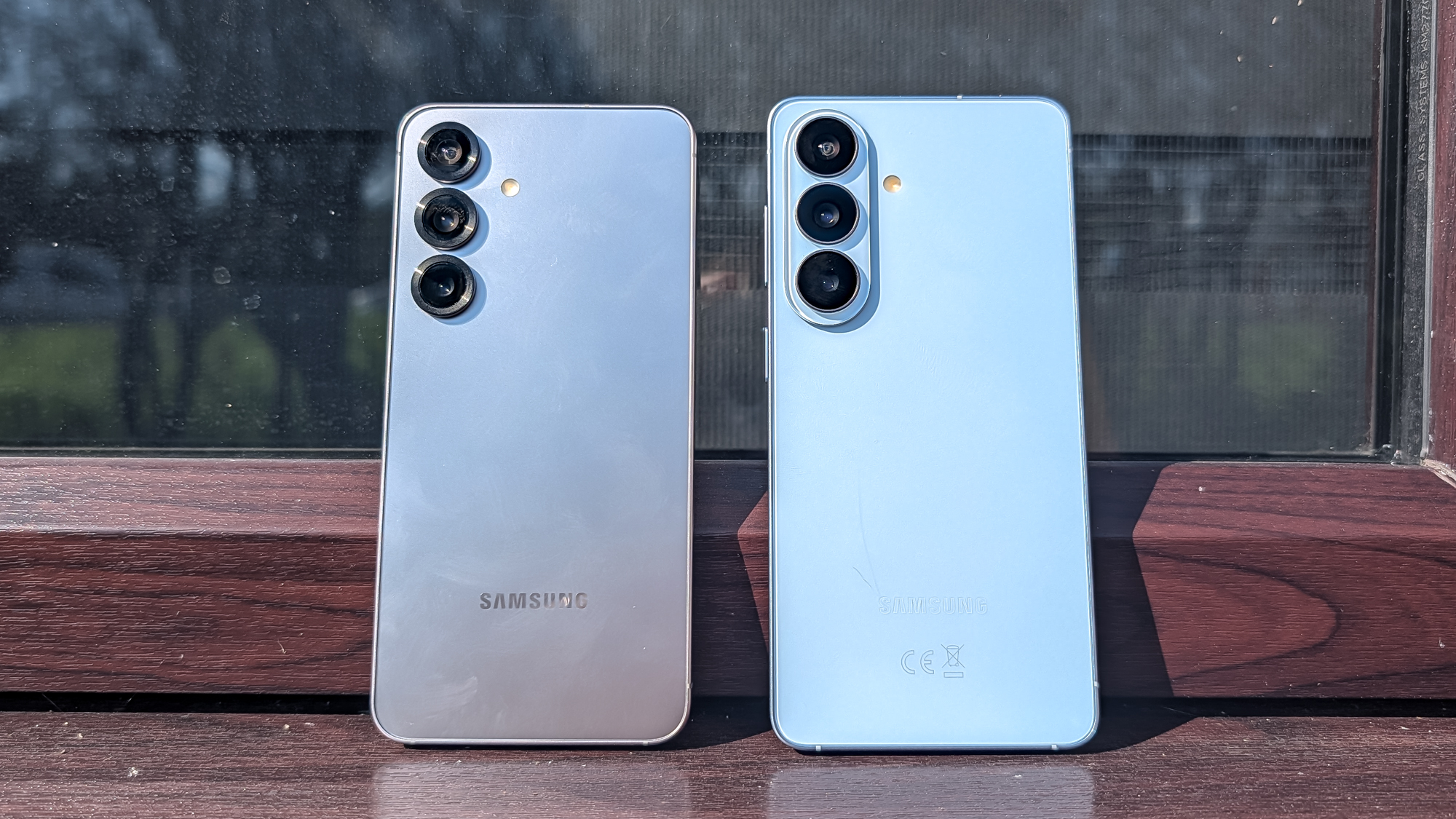
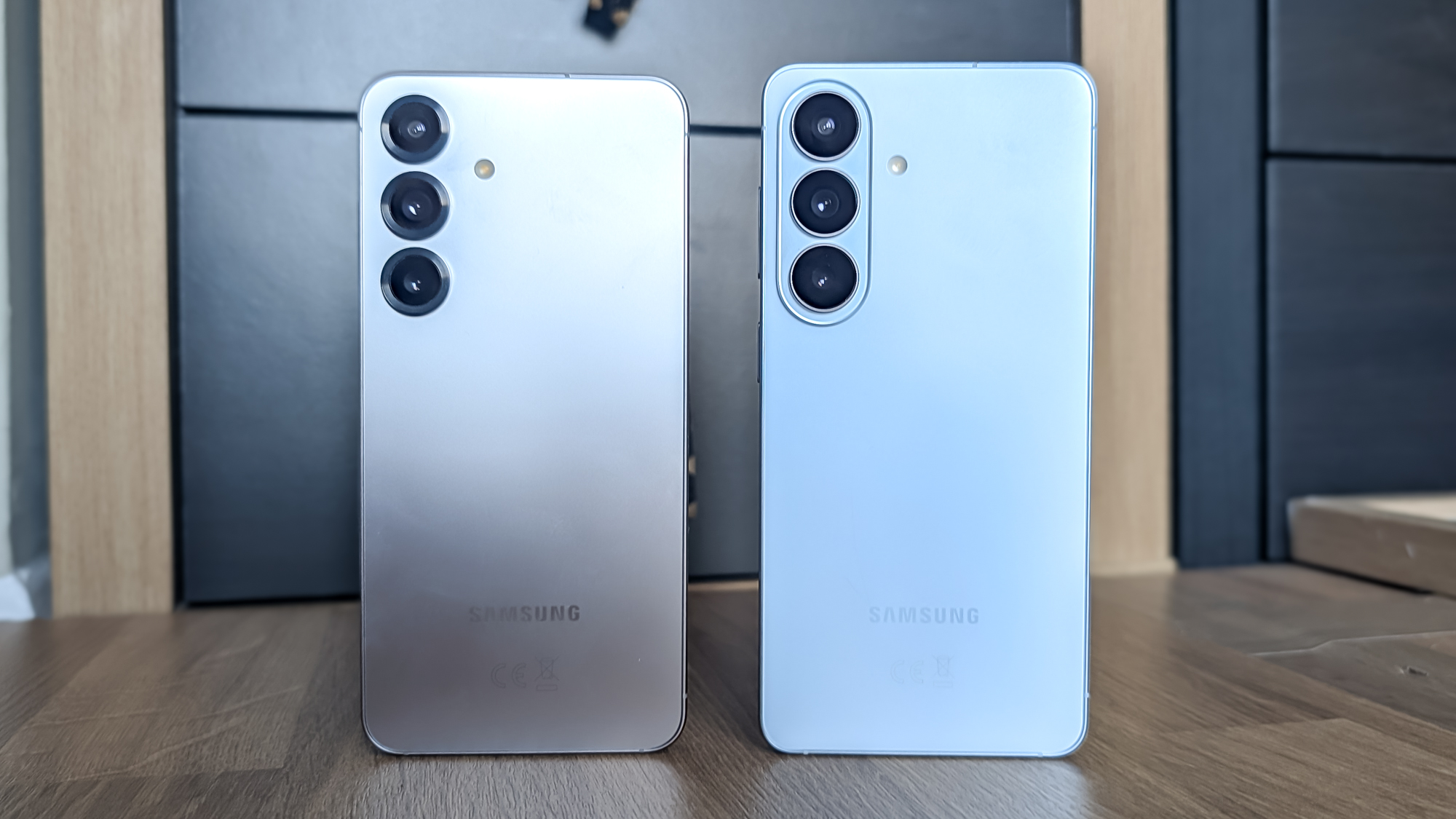
The physical look of the Galaxy S26 is remarkably similar to its predecessor, carrying over the same rounded design that Samsung adopted with the Galaxy S25. However, the S26 is actually slightly larger to accommodate the new 6.3-inch display, adding an extra tenth of an inch in height and a little bit more width.
While this difference isn’t immediately noticeable, it does mean that the Galaxy S26 won’t fit into any Galaxy S25 cases. The S26 is also slightly heavier, though not significantly so. Both phones retain the aluminum frame and Gorilla Glass Victus 2 panels on the front and back.
The only visible difference between the two is the camera bump. The Galaxy S25’s protruding lens design has been swapped for a more defined camera enclosure that juts out from the phone ever so slightly.
Winner: Draw
Galaxy S26 vs Galaxy S25: Display
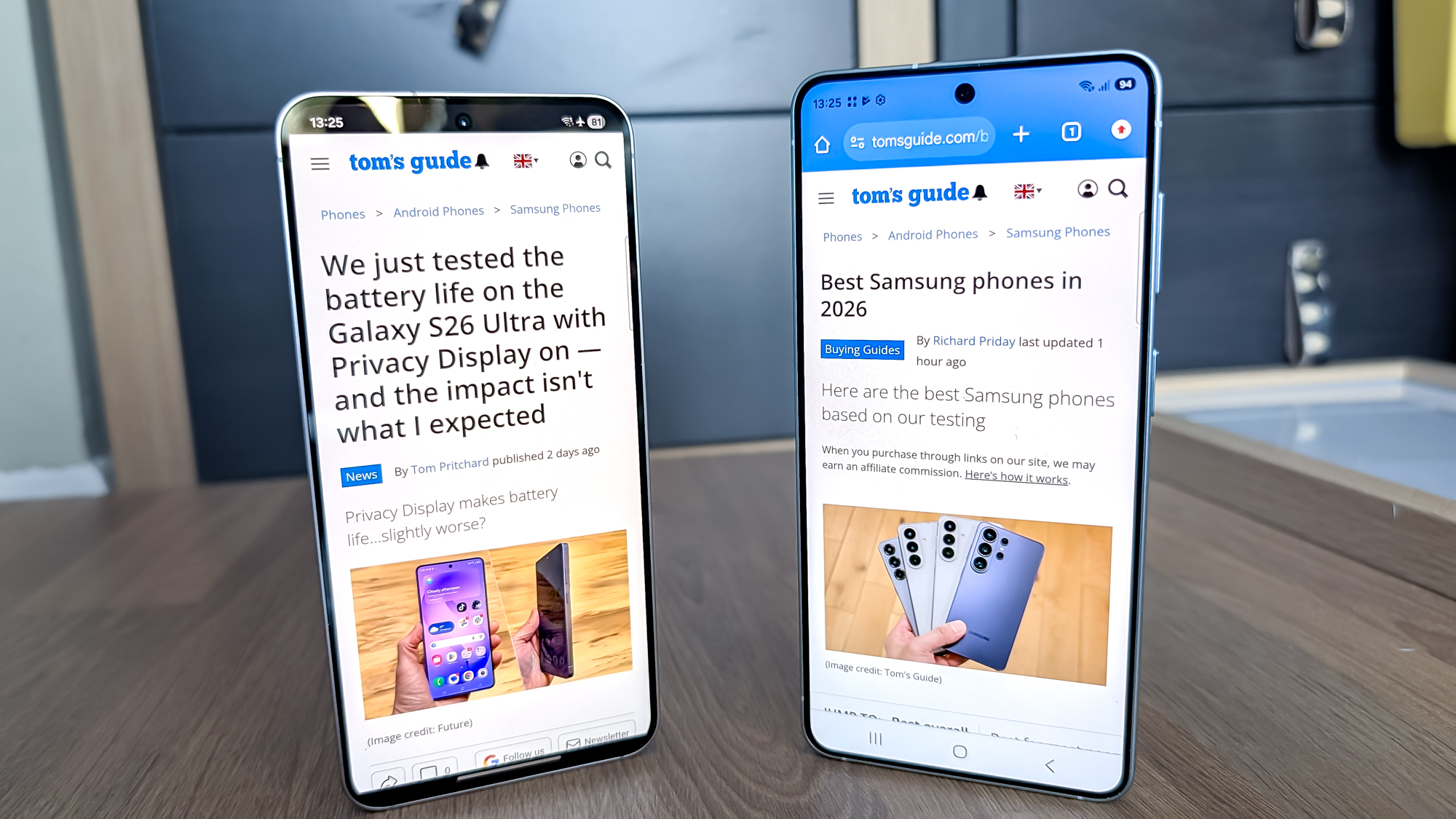
The Galaxy S26 now has a slightly larger screen, swapping out the 6.2-inch display for a 6.3-inch screen. However, the rest of the hardware is remarkably similar, with the same 1080 x 2340 resolution and adaptive 1–120Hz refresh rate on both screens. Likewise, they both offer Gorilla Glass Victus 2 panels, which is one of the strongest display glasses available to non-Apple phones.
But while the hardware looks pretty much the same, there are differences in how those screens perform.
| Row 0 – Cell 0 |
Peak brightness (nits) |
DCI-P3 (%) |
Delta-E color accuracy (lower is better) |
sRGB |
|
Galaxy S25 |
1,789 |
108.2 (Vivid) |
0.25 (Vivid) |
152.7 (Vivid) |
|
Galaxy S26 |
1,950 |
104.1 (Vivid) |
0.24 (Vivid) |
147 (Vivid) |
According to our testing, the Galaxy S26 actually has a higher peak screen brightness, with 1,950 nits compared to the S25’s 1,789. Likewise, the 0.24 Delta-E score suggests that color accuracy is very slightly better on the newer model.
However, both the DCI-P3 and sRGB scores are slightly higher on the Galaxy S25, meaning it covers a wider range of the color gamut. The gap isn’t enough to make a huge impact and is well within the margin of error, so it’s not something you should be concerned about.
Still, it is strange that there hasn’t been a major improvement equivalent to the jump in peak brightness. This gives the Galaxy S26 a slight edge, considering how much of a difference a couple hundred extra nits can make.
Winner: Draw
Galaxy S26 vs. Galaxy S25: Performance
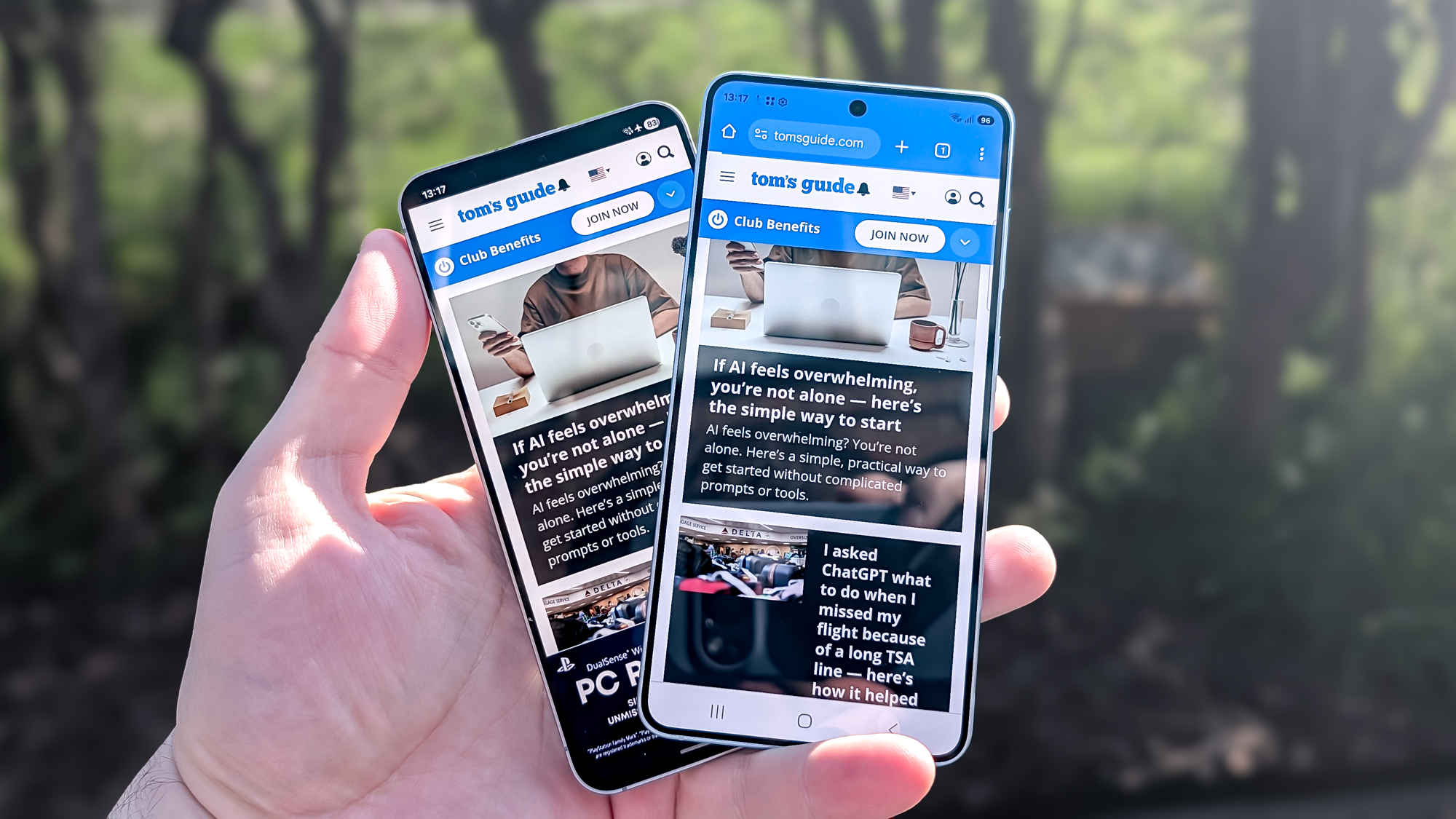
Performance is always one of the biggest improvements in a new Galaxy smartphone. That’s especially true in North America, where the phones run on a custom version of the latest Snapdragon chipset — in this case, the Snapdragon 8 Elite Gen 5 for Galaxy.
However, international versions of the phone utilize Samsung’s own Exynos 2600 chipset, which is the first 2nm chip on the market. Sadly, we haven’t been able to test an international model to compare performance across different regions.
But if we’re purely checking Snapdragon performance, there is a clear difference between the Galaxy S25’s Snapdragon 8 Elite and its successor.
| Row 0 – Cell 0 |
Galaxy S25 (Snapdragon 8 Elite) |
Galaxy S26 (Snapdragon 8 Elite Gen 5 for Galaxy) |
|
Geekbench single core |
2,916 |
3,531 |
|
Geekbench multicore |
9,886 |
10,778 |
|
3DMark Wild Life Extreme Unlimited (score/fps) |
5,841 / 33.9 |
7,059 / 42.27 fps |
As you can see in the table above, the Galaxy S26 absolutely sweeps the floor with the Galaxy S25. The Snapdragon 8 Elite Gen 5 for Galaxy offers a major increase in Geekbench testing, with a 3,531 single-core score and a 10,778 multi-core score. That’s compared to the S25’s 2,916 and 9,886 scores.
The Galaxy S26 offered similarly impressive gains in graphics benchmarking, too. Using the 3DMark Wild Life Extreme Unlimited test, the phone scored 7,059 and managed an average frame rate of 42.27 fps. Meanwhile, the Galaxy S25 managed 5,841 at 33.9 fps.
What this means is that if you need your phone to handle significant processing tasks or provide the best gameplay experience possible, you’ll want to opt for the Galaxy S26.
Winner: Galaxy S26
Galaxy S26 vs. Galaxy S25: Cameras
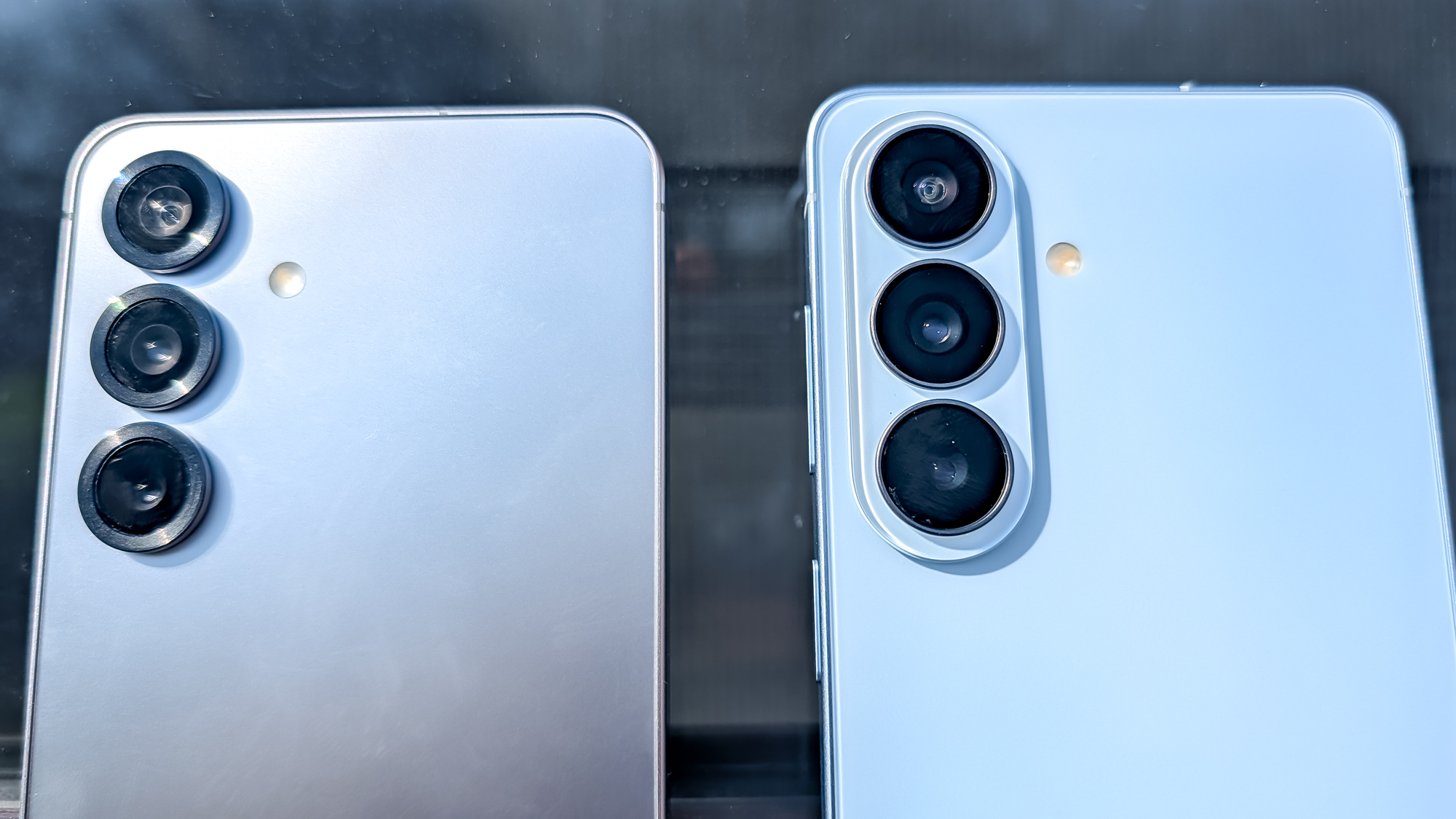
On paper, the Galaxy S26 and Galaxy S25 are very evenly matched. Both phones feature a 50MP main lens paired with a 12MP ultrawide, a 10MP telephoto with 3x optical zoom, and a 12MP selfie camera.
All the additional specs — sensor size, aperture, and focal length — are the same as well. This should mean all the cameras are evenly matched, right? Well, we can’t say that for sure until we compare both phones’ photography capabilities side-by-side.
There isn’t much difference between the regular daytime shots for either phone, though the Galaxy S26 does come out a little brighter than its predecessor. Beyond that, we’re not looking at much difference in terms of actual photo quality.
The results are flipped when the ultrawide camera is employed; the Galaxy S25 looks a little brighter compared to the Galaxy S26. Otherwise, both photos look essentially the same.
The same is true for the selfie camera, which shows a little more brightness on the older Galaxy phone. However, the level of quality and detail looks more or less the same on both devices.
When jumping in with the telephoto lens at 3x zoom, things look rather familiar. There is some minor color difference, with the S26 offering warmer colors in the final shot, but not to the point that it makes the photo any better or worse.
If we up the magnification to 30x, we finally start to see some changes. Both phones struggle with lettering from this distance, but the Galaxy S26 renders them a little better. The S25 is still legible, but there are more artifacts and generally more fuzziness around the lettering.
In low light, the Galaxy S25 actually produces the brighter shot with significantly more detail than the Galaxy S26. Look at the vent on the building on the right and you’ll see what I mean. That said, the Galaxy S26’s darker image does seem clearer in the background, which makes for a slightly more appealing shot in places.
The Galaxy S26 camera is not identical to the Galaxy S25, but the two are very evenly matched in standard daylight photography. The only noticeable differences are in the software processing, with the 30x zoom and low-light conditions showing the biggest gaps. These small differences make sense considering how much the S26’s software has changed, but it’s not enough to make the Galaxy S26 stand out on its own.
Winner: Draw
Galaxy S26 vs. Galaxy S25: Battery
Interestingly, the battery life is rather disappointing this year. The Galaxy S26 actually has a worse battery life than the Galaxy S25, despite offering a larger 4,300 mAh battery.
Our custom battery test involves continuously refreshing a webpage over a 5G connection, with screens set at 150 nits. In that test, the Galaxy S25 lasted for 11 hours and 54 minutes, while the Galaxy S26 died 26 minutes earlier after 11 hours and 28 minutes.
| Row 0 – Cell 0 |
Average Battery Life (Hrs:Mins) |
Charging % in 15 minutes |
Charging % in 30 minutes |
|
Galaxy S25 |
11:54 |
28% |
57% |
|
Galaxy S26 |
11:28 |
29% |
57% |
The larger S26 battery didn’t make much of an impact on charging time either, with the phone recouping 29% in 15 minutes compared to the Galaxy S5’s 28%. Both phones hit 57% after half an hour.
This may not sounds too impressive, but the fact the Galaxy S26 does have a larger battery mean it seems to be charging slightly faster than the S25. However, since the battery life is worse, then the whole argument is basically moot.
Winner: Galaxy S25
Galaxy S26 vs. Galaxy S25: Software
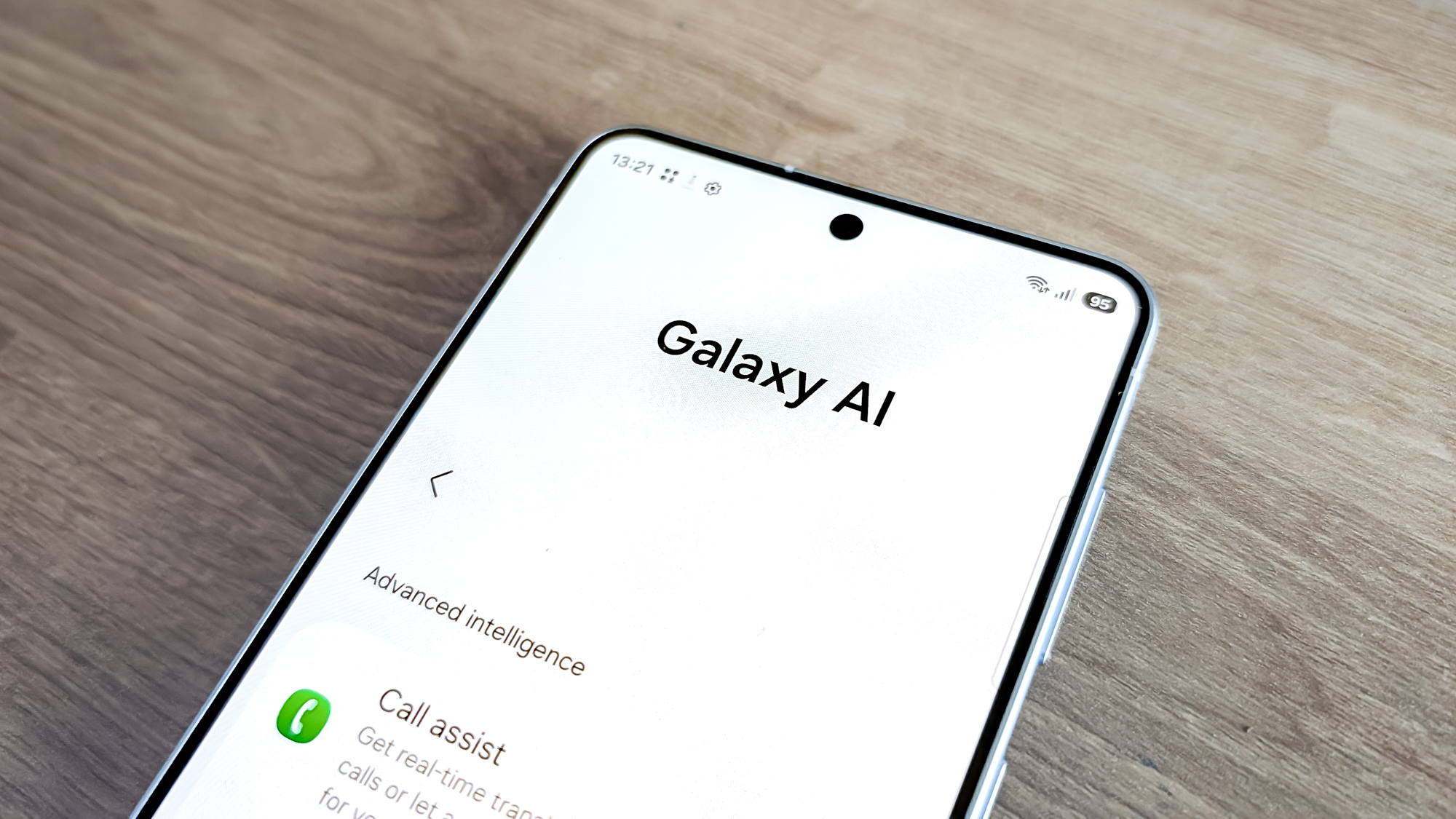
It wouldn’t be a new Galaxy phone launch without an update to Galaxy AI and the software. The Galaxy S26 comes running One UI 8.5 out of the box, which in turn comes with some extra features you currently can’t get on the Galaxy S25 — the most exciting of which are the new proactive assistant features.
Now Brief has become a lot more personalized on the Galaxy S26, while the new Now Nudge is designed to offer relevant information at opportune moments. It’s essentially a Samsung version of Google’s Magic Cue. Other updates include an AI document scanner, improvements to Circle to Search and a call screening feature to find out what unknown numbers are calling about.
Bixby isn’t going anywhere, and the S26 turns it into more of a conversational assistant than before. It has support for third-party AI like Gemini and Perplexity, and has a better understanding of what you’re actually asking it. To make it more interesting, Bixby is supposed to act as a middleman between you and the S26’s AI features. That way, you don’t need to know how AI works; you just need to ask Bixby to produce a particular result.
As great as these features are, there’s no telling whether they’ll stay exclusive to the Galaxy S26. One UI 8.5 beta has already added new things to the Galaxy S25, and it’s likely that the public release will put the two phones on a more even footing. Sadly, we don’t know when that will happen, or whether any features won’t be making the cut.
This gives the Galaxy S26 the clear advantage, for now at least.
Winner: Galaxy S26
Galaxy S26 vs. Galaxy S25: Verdict
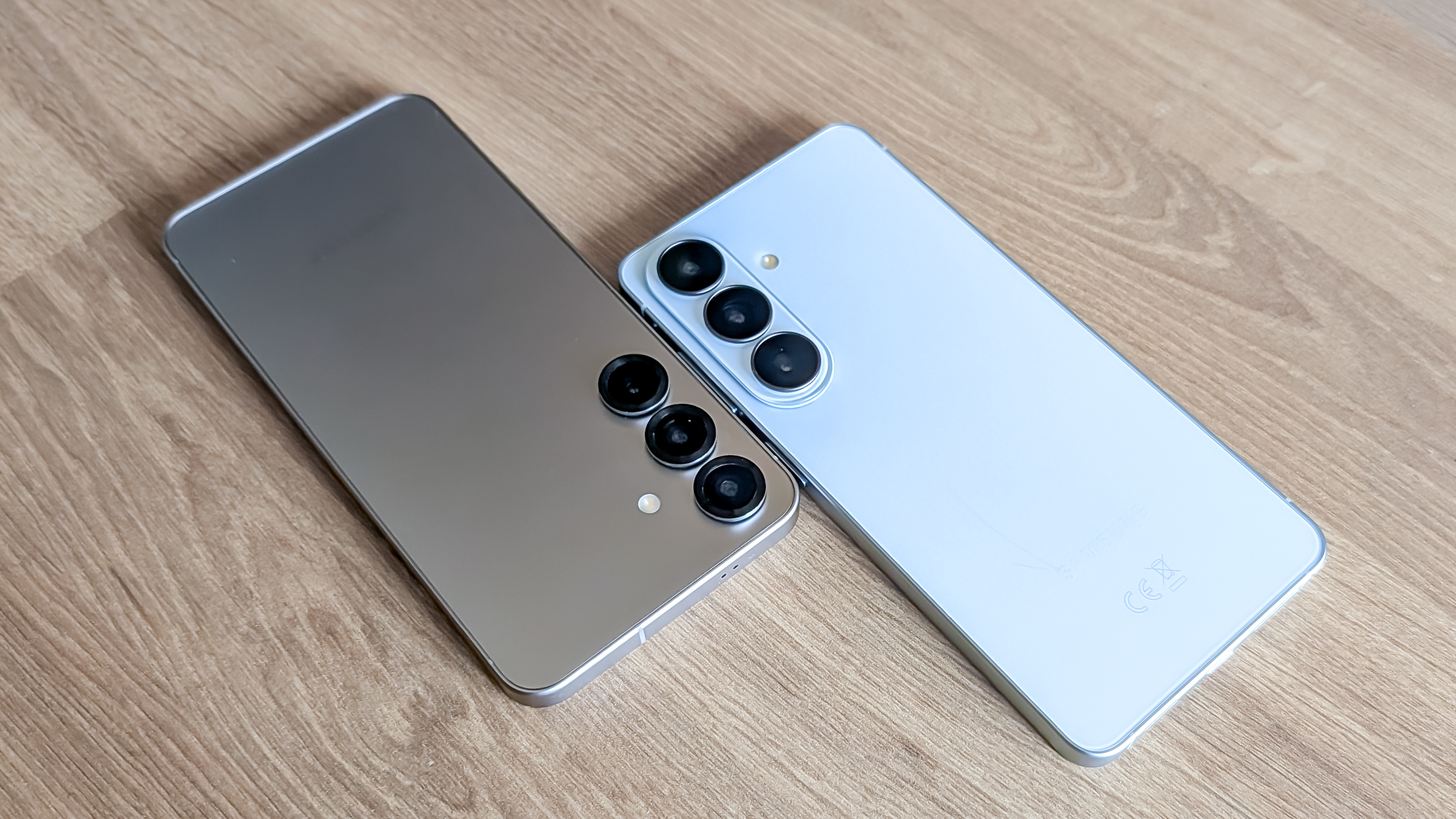
From a hardware perspective, there isn’t a whole lot of difference between the Galaxy S26 and the Galaxy S25. Sure, the screen is bigger and the camera bump looks a little different, but both inside and out, things are largely the same.
The differences in the newer device largely amount to better performance, slightly better battery life, and a bunch of software upgrades. However, it isn’t clear whether any of that extra software will remain exclusive for the foreseeable future.
If you already have a Samsung Galaxy S25, there’s little point in upgrading to the Galaxy S26 — the improvements you’ll gain are not worth spending an additional $899. Likewise, if you have found a particularly good deal on the S25, you would still be buying an excellent phone and saving yourself some cash in the process.
But if neither of those cases apply, then the Galaxy S26 is probably the way to go. Not only is it a year newer, with all the performance and software benefits that implies, but you also get double the base storage as standard.

Follow Digitpatrox on Google News and add us as a preferred source to get our up-to-date news, analysis, and reviews in your feeds.
More from Digitpatrox
Source link
-

-
-
-
-


