
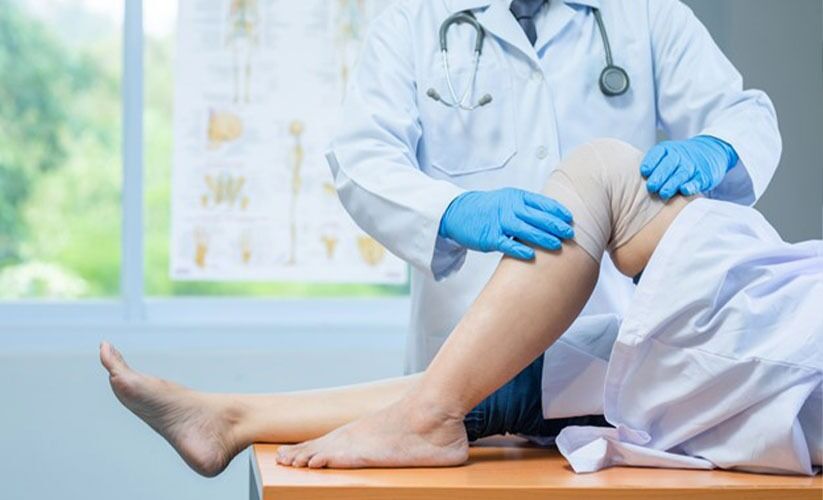
Orthopedics is a vast field. It covers everything from joint replacements and spinal surgery to simple fracture repairs and arthroscopy. The scale of need in India is growing at a pace most people don’t realise. ICMR estimates show that musculoskeletal disorders now make up nearly 18% of disability-adjusted life years. Joint replacements alone are increasing by 15–20% each year, and road traffic accidents account for more than 4.5 lakh fracture cases annually. With such numbers, being careful about safety is a necessity. And increasingly, technology is stepping in to help.
Preoperative Planning With Digital Imaging
Safe surgery doesn’t start in the operating room. It begins with planning. High-resolution scans—3D CTs and MRIs—let surgeons examine joint alignment, fracture lines, and bone quality in great detail. At AIIMS and PGIMER, surgeons have reported that planning pelvic fractures with 3D imaging cuts down blood loss and operating time. A 2019 study in the Indian Journal of Orthopaedics also found that fixation was more accurate with reconstructions than with plain X-rays. Better planning means less guesswork, and that makes the actual surgery safer.
Robotic Assistance in Joint Replacement
Knee and hip replacements are among the fastest-growing procedures in the country. Robots are now assisting surgeons by guiding bone cuts and positioning implants with remarkable precision. Apollo Hospitals alone performed more than 5,000 robotic joint replacements in 2023. Their results showed fewer misalignments and quicker recovery. Hospitals in Mumbai and Bengaluru noted hospital stays that were nearly 20% shorter. Patients may not notice the robot in the operating theatre, but they do notice when they walk sooner and with fewer complications.
Navigation Systems and Real-Time Feedback
For spine and joint surgeries, accuracy is everything. Computer navigation gives the surgeon a live map inside the operating field. Screws and implants can be adjusted on the spot, without relying on multiple X-rays. This reduces radiation exposure for both the patient and the team. Large hospital studies in India confirm fewer complications from misplaced hardware when navigation is used. Surgeons also report feeling more confident when they can see exactly where instruments are going in real time.
Implant Safety Through Better Materials
The story doesn’t end when the surgery does. The implant itself must stay safe for years. New titanium alloys, ceramics, and antibacterial coatings are helping implants last longer and resist infection. According to a review in the Indian Journal of Orthopaedics, these innovations have reduced revision rates for hip and knee replacements. For the patient, this translates into trust—trust that the joint will work, and trust that they won’t be back for another major surgery any time soon.
Infection Prevention With Digital Monitoring
Infections after surgery are every orthopedic surgeon’s nightmare. Technology is giving hospitals new tools to fight back. Electronic tracking of sterilisation cycles, automated hygiene alerts, and sensors inside operating rooms now monitor conditions continuously. A few metropolitan hospitals have already introduced alarm systems that go off if sterilisation fails, letting staff fix the issue before patients are affected. These safeguards don’t replace staff discipline, but they do provide a second line of defence.
Remote Monitoring and Tele-Rehabilitation
Risks don’t end at discharge. Postoperative recovery carries its own challenges: stiffness, wound problems, or delayed mobility. Tele-rehabilitation platforms and wearable sensors are now extending safety into the home. A 2022 study in the Journal of Clinical Orthopaedics and Trauma showed that Indian patients using tele-rehab after knee replacement improved as much as those attending in-person therapy—and needed 25% fewer follow-up visits. Devices that track joint movement or wound temperature are also being linked to telemedicine apps. That way, if something looks wrong, the team knows early.
Building a Safer Future
Patient safety in orthopedics rests on three pillars: precision, vigilance, and continuity. Technology is reinforcing each of them. Planning tools make surgeries safer before they begin, robots and navigation systems bring accuracy to the operating room, new implants reduce complications, digital monitors guard against infection, and tele-rehab protects recovery at home.
India faces two pressures at once—an ageing population that needs more joint replacements, and high accident rates that keep fracture wards busy. Meeting this demand means embedding technology at every step so that outcomes remain safe and predictable.
Article by
Dr. Naveen Palla
The author is a senior consultant orthopaedician at Apollo Hospitals, Visakhapatnam.
Source link
-

-

-

-

-


