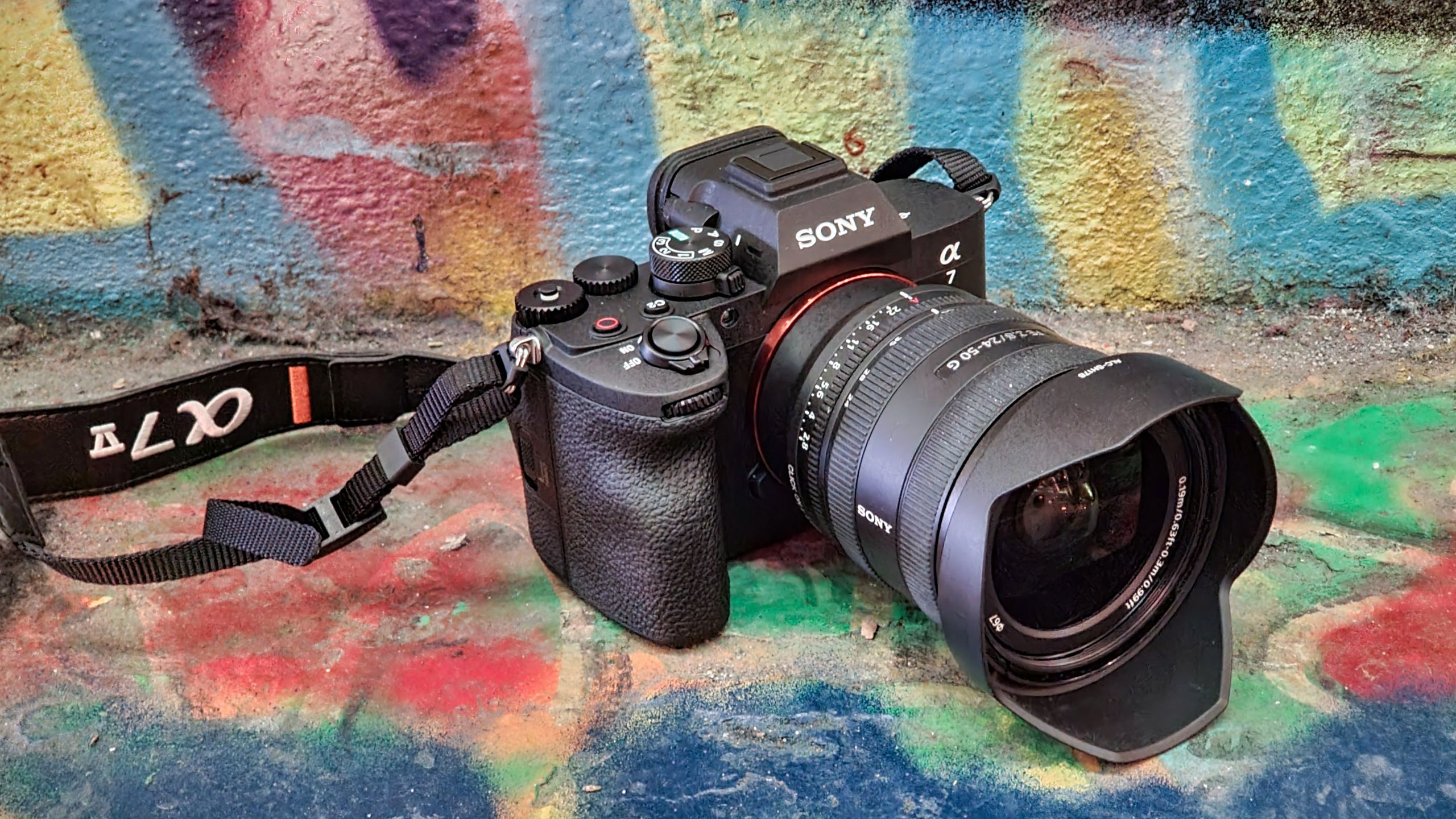
Sony just dropped the A7 V, and it’s pretty big news. In fact, it’s about as big news as you can get in the camera world. Sony helped pioneer mirrorless camera technology when it launched the original Sony A7 in 2012 (a camera I owned and loved).
And its Alpha 7 cameras, especially since the Sony A7III (another camera I owned and loved) have become the benchmark bodies for semi-pro/pro hybrid shooters. They’re some of the best mirrorless cameras around.
This is the fifth iteration of mainline Alpha 7 bodies, following from the fantastic Sony A7 IV. It features a 33MP partially stacked sensor, a new image processor/AI-processing chip, and 7.5-stop IBIS. It’ll cost $2,899 / £2,799 body-only, or $3,099 with the new 28-70mm F3.5-5.6 OSS II kit lens launched alongside the camera. Neither Sony nor my sources have provided me with a U.K. price including the kit lens yet. The camera body will go on sale later this month on December 18, with the kit available in February 2026.
After so many of you have asked, “When is the Sony A7 V coming?” — the day is finally here.Introducing the NEW Sony Alpha 7 V: the next evolution of our Alpha 7 line, designed for creators who shoot both photos and video and want one body that’s fast, intelligent, and endlessly… pic.twitter.com/sZvfoThbSPDecember 2, 2025
The a7 V is aimed at enthusiasts and pros, although Sony sees this as the “entry-level” professional camera, sitting underneath the Sony A7R V, A1 II and A9 III. It’s competing against the Nikon Z6 III, a camera we adore, and the brand new Canon EOS R6 Mark III — both pitched at the same audience.
The camera was just announced, so we haven’t tested the A7V yet, but we’ve been briefed by Sony on the key information. Here’s everything you need to know.
Sony A7 V: Key specs
|
Sensor |
33MP BSI + Partially Stacked |
|
Processor |
BIONZ XR2 |
|
IBIS |
Yes, 7.5-stop |
|
AF |
Intelligent autofocus with AI-powered subject detection |
|
Max FPS (stills) |
30fps |
|
Video resolutions |
4K/60fps (FF); 4K/120fps (S35) |
|
EVF |
3.69M dot, 0.5-inch |
|
Rear display |
2.1M-dot 4-axis vari-angle, 3.2-inch |
|
Battery life |
Up to 750 shots (CIPA) |
|
Price |
From $2,899 / £2,799 body-only |
33MP BSI partially stacked sensor
A “partially stacked” sensor?
This means certain elements of the processing circuitry and hardware are stacked behind the sensor itself, shortening the distance that data needs to travel and speeding up processing times — the end result is faster shooting rates, blackout free shooting at high drive rates and (although not in the A7 V’s case) improved video specs. A fully stacked sensor has all of the processing gear and DRAM stacked behind the sensor.
The A7 V’s biggest upgrade is undoubtedly its 33MP full frame sensor. 33MP is the same resolution as the A7 IV. This time, though, the sensor is partially stacked.
The A7 V has its DRAM stacked behind the sensor, improving high speed stills performance. This is a step down from the fully stacked sensor in the flagship Sony A1 II, but similar to the partially stacked sensor of the Nikon Z6 III. The EOS R6 Mark III is not stacked at all. To go alongside the new sensor, Sony has fitted the A7 V with new processor architecture in the form of the BIONZ XR2 processor, which bundles the A7 IV’s two image processors and separate AI chip into a single unit.
Sony promises this will deliver a 30% improvement in AI subject recognition — meaning faster autofocus (AF). It also promises improved battery life thanks to the more power-efficient processor, with up to 750 shots on a single charge.
Image 1 of 6

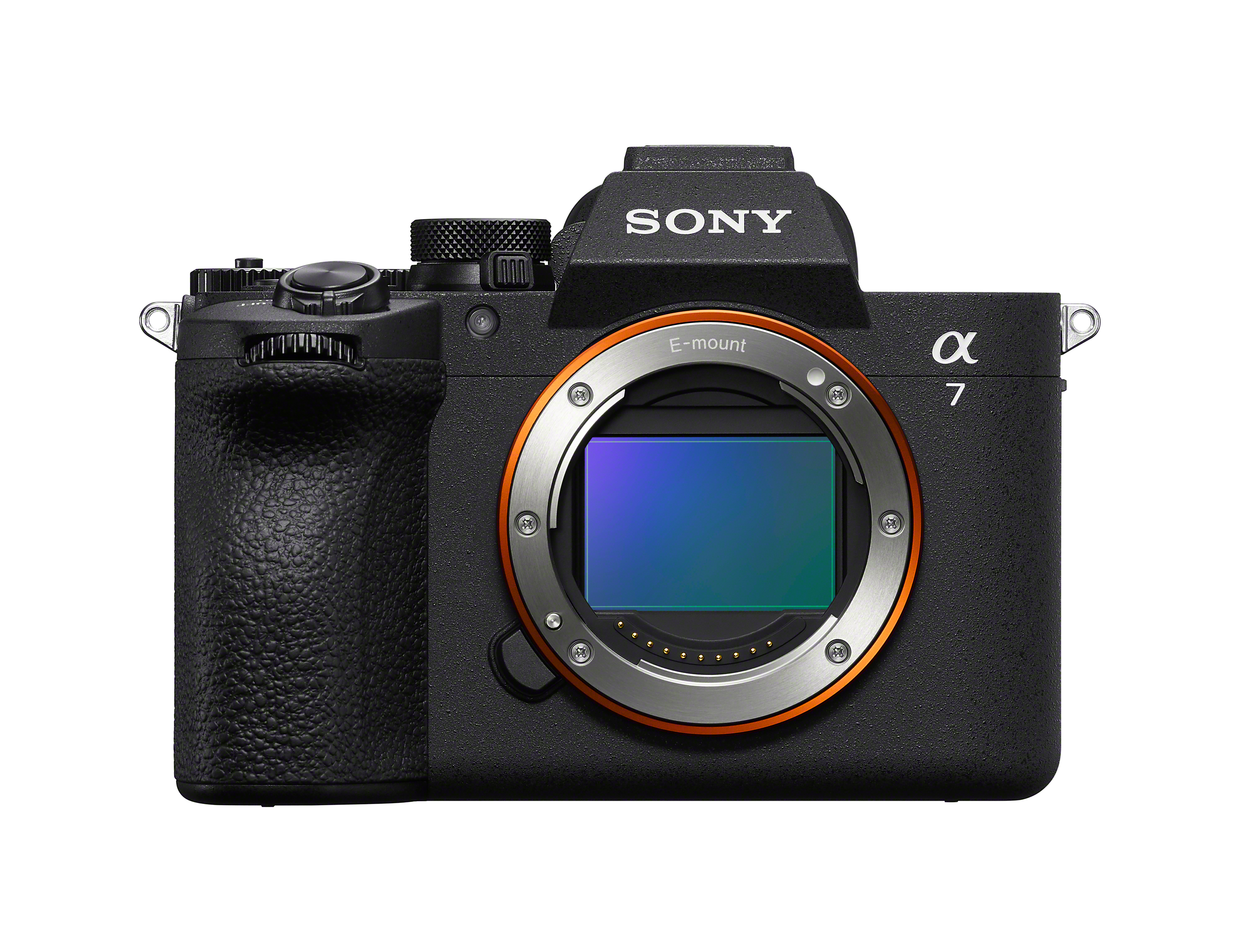

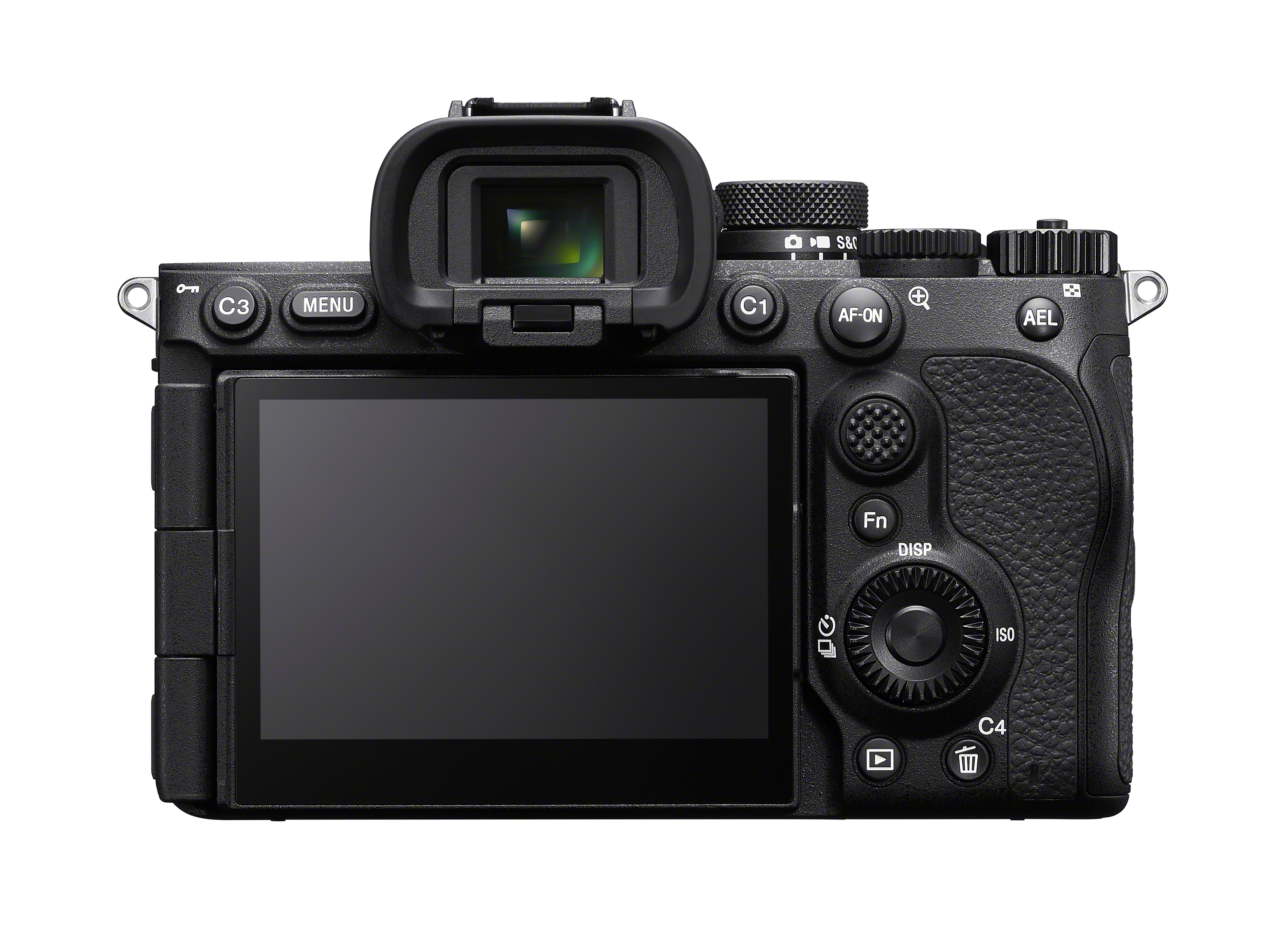

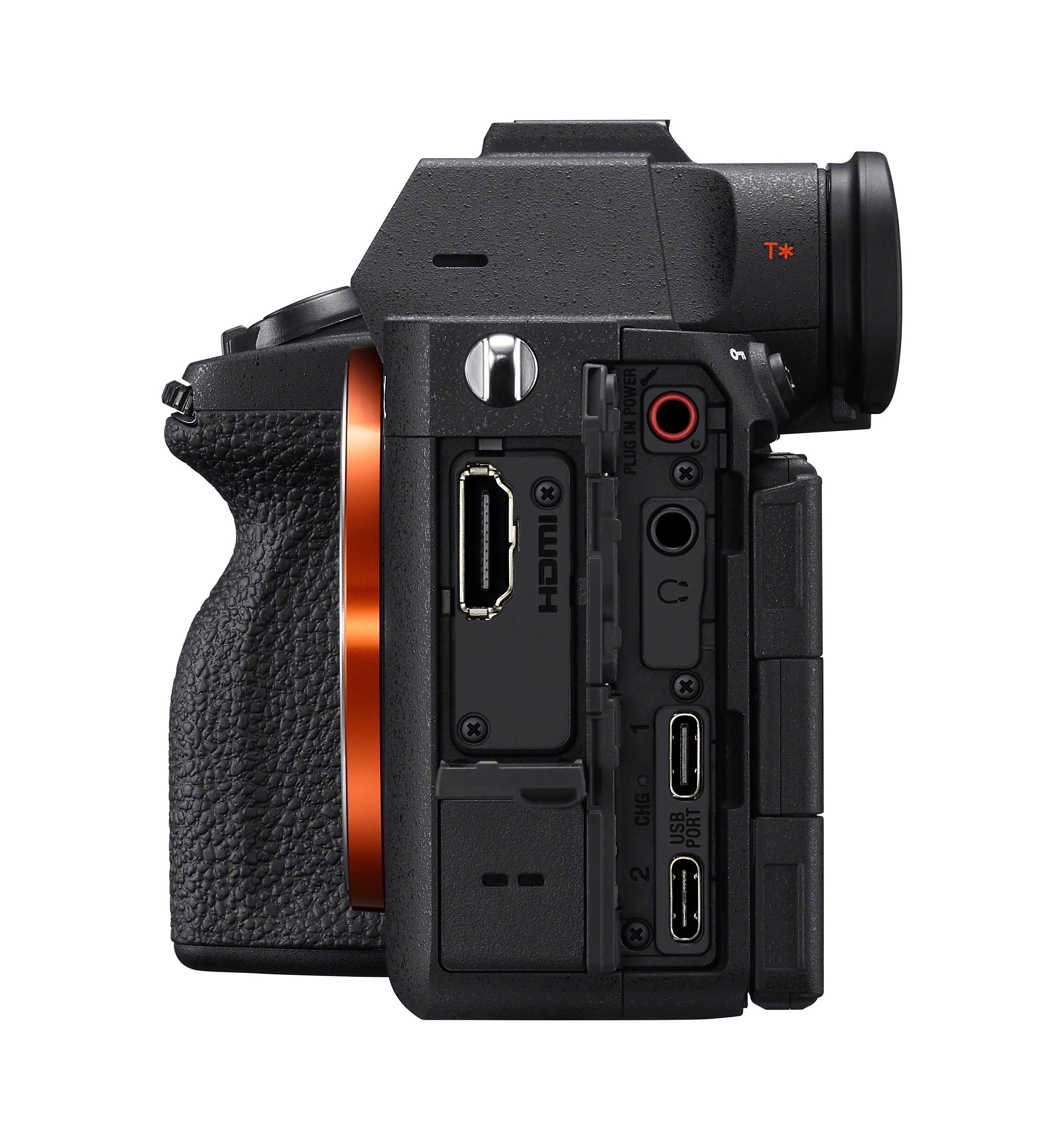

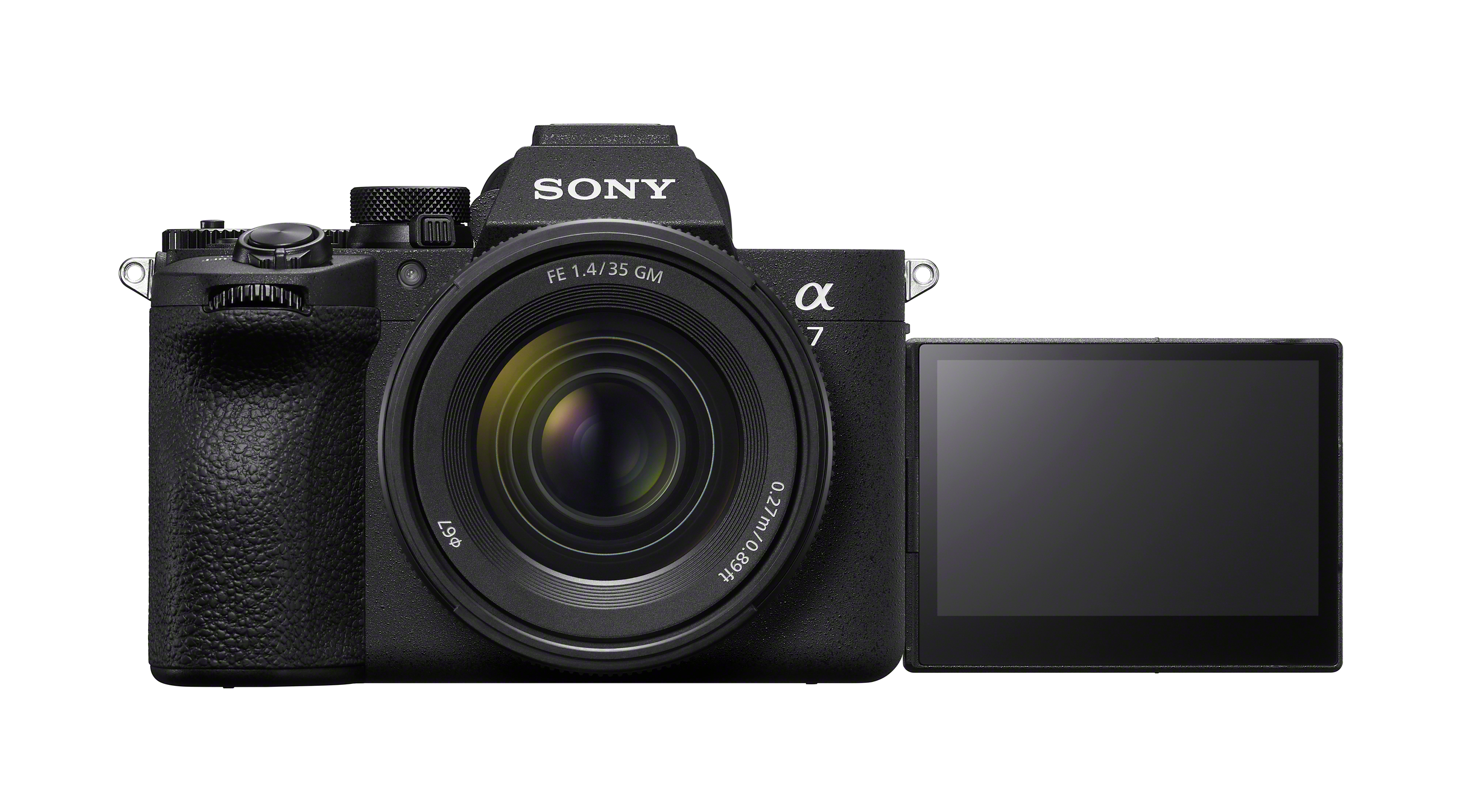

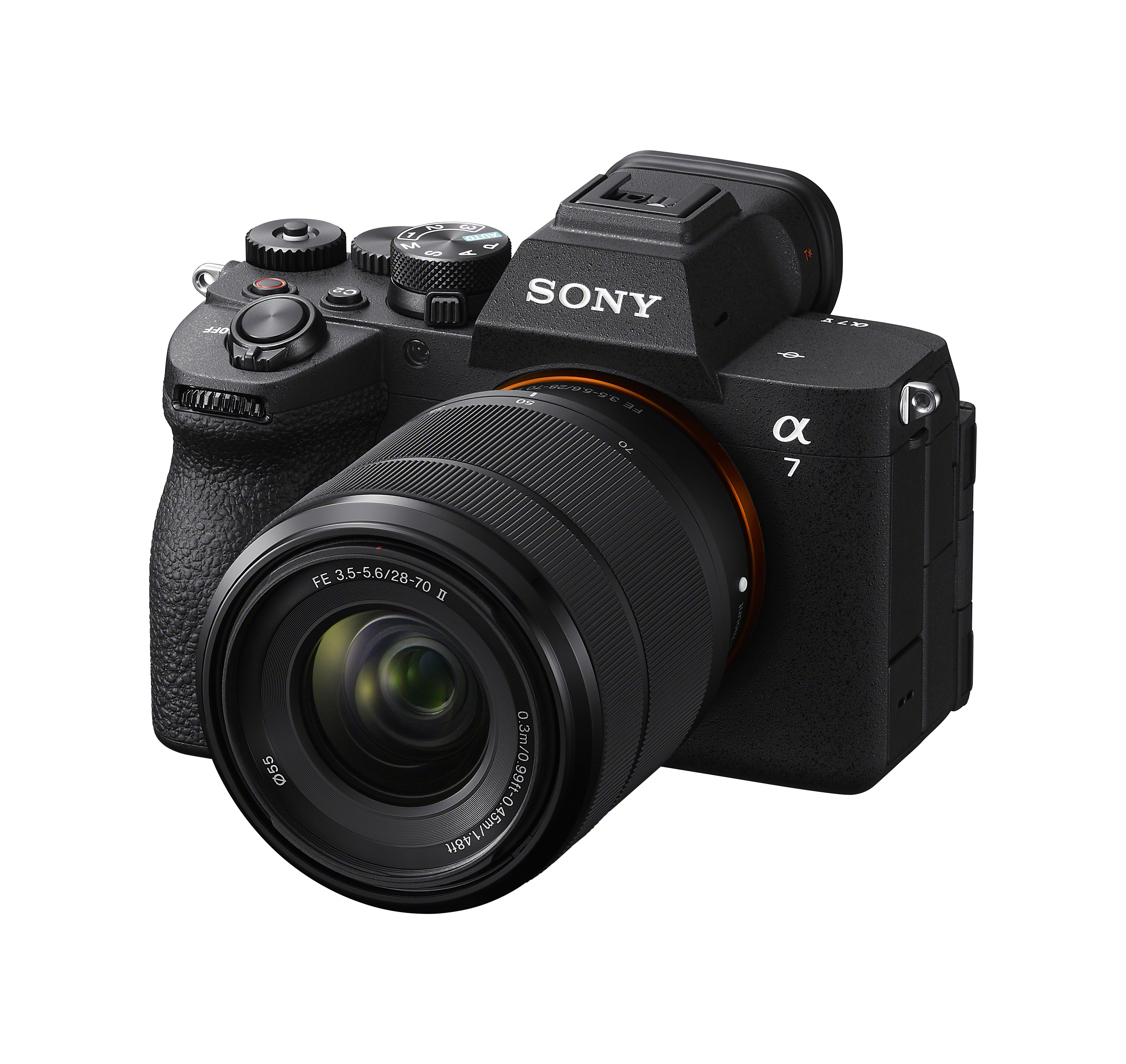

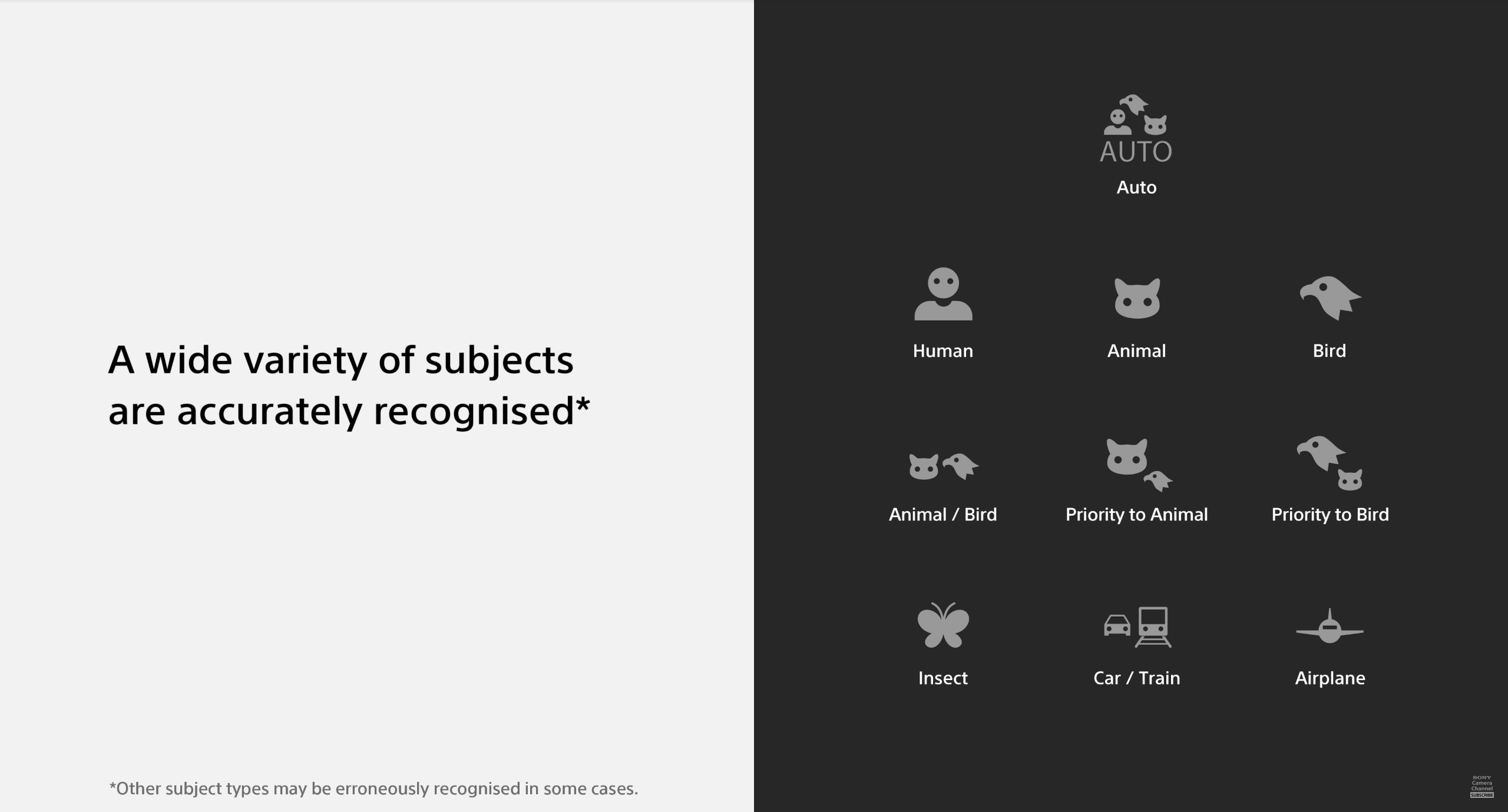
On the topic of AF, the A7 V features 759 phase detection AF points, just like its predecessor. There are new AF point sizes, though: XS and XL. I’ve been using these on the recently-launched Sony RX1R III, and they’re handy to have.
With the XS point in particular you have much finer control over AF, allowing you to nail the exact focus point you want — instead of surrounding something entirely with an AF point and hoping for the best, or stopping down to a narrower aperture to compensate.
Still a little short on IBIS

The A7 V’s IBIS has received a bump from 5.5 stops in its predecessor to 7.5 stops of compensation, giving you even more flexibility in low light handheld stills shooting, and smoother handheld video footage.
It’s still a little short versus the Canon EOS R6 Mark III (8.5 stops) and Nikon Z6 (8 stops), but I’ve had absolutely no complaints when using the A7 III and A7 IV IBIS systems. And besides, when combined with the new optically stabilized kit lens, the IBIS should provide ample stabilization for virtually all of the target market’s use cases.
Sony hasn’t yet confirmed the combined stop compensation from both the A7 V and the new OSS lens.
What about video?
In our briefing, Sony was adamant that the A7 V is a stills-biased hybrid camera. It sees the target user as spending 70% of their time shooting stills, with 30% of their time dedicated to video — but during that 30% of time, they need a powerful video tool.
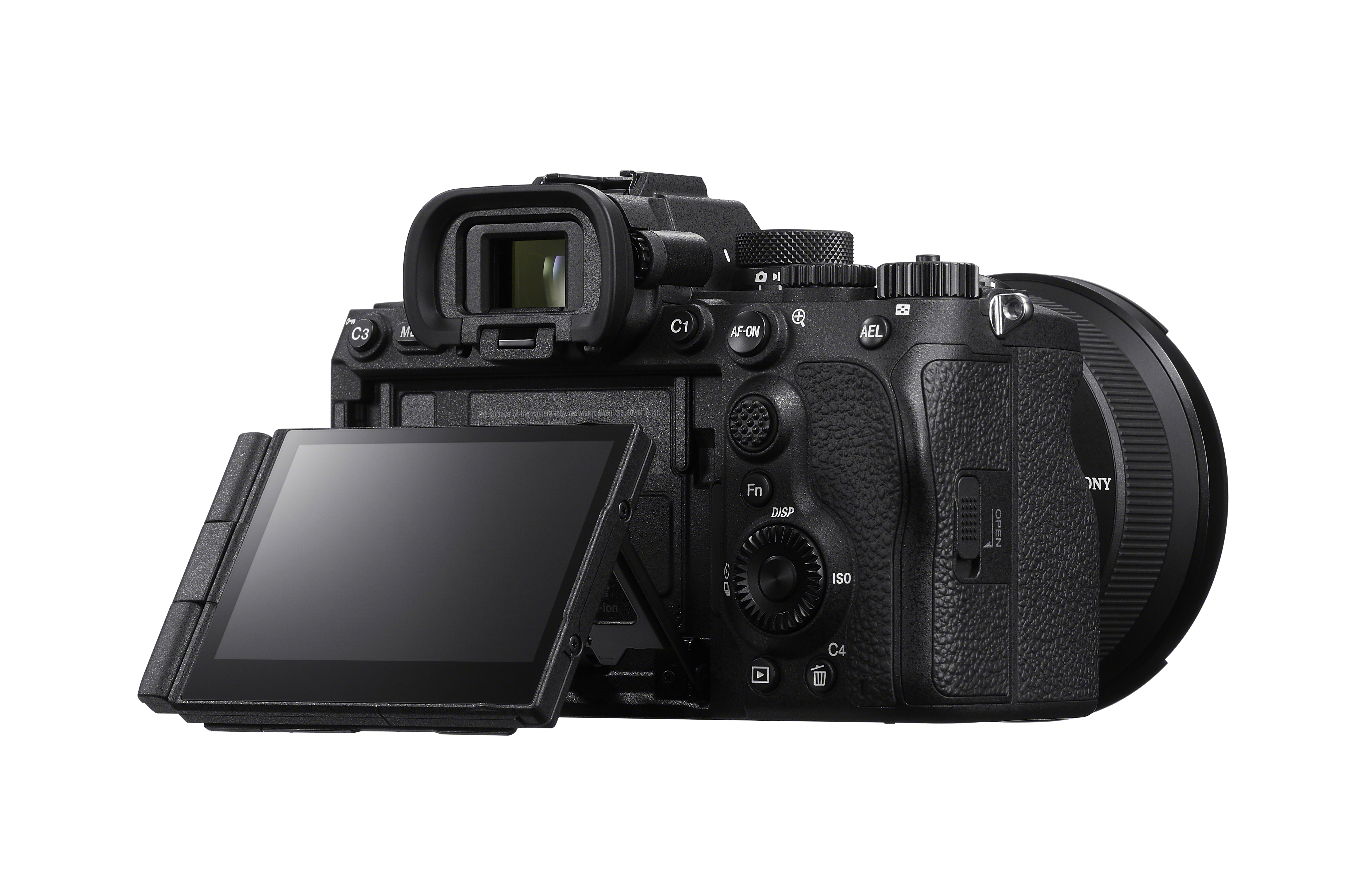

The A7 IV tops out at oversampled (from 7K) 4K/60fps or 4K/120fps slow motion, in compressed XAVC/HS formats only. That may seem a little disappointing compared to the powerful performance of the partially stacked Z6III, with its 12-bit 6K N-RAW and ProRes RAW HQ internal recording.
In Sony’s words, though, it’s providing what it thinks the target audience will actually use. Huge on-paper specs are great, but they don’t necessarily translate into usable features.
From a producer’s perspective…
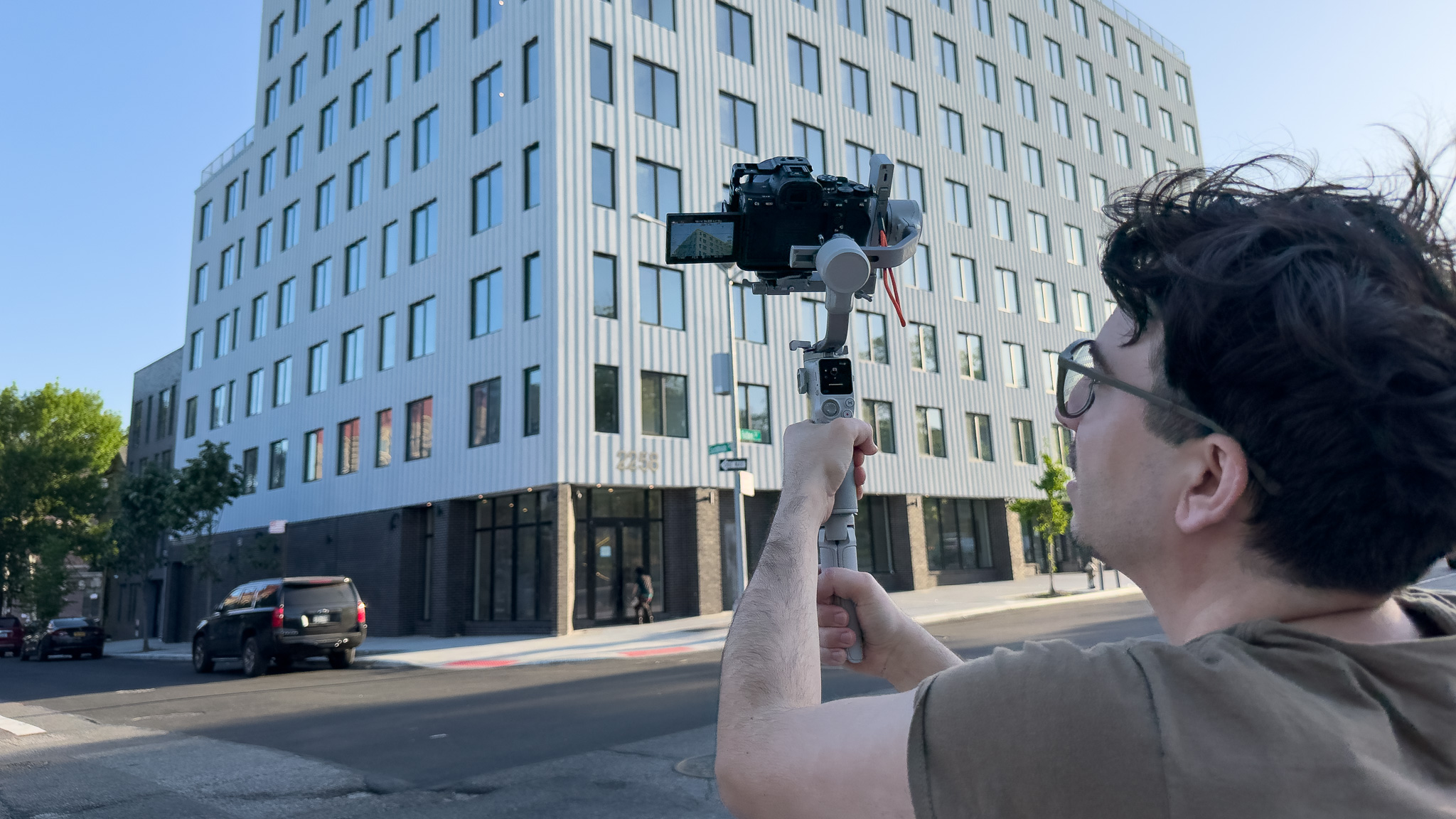

Also at Sony’s briefing was Tom’s Guide’s video producer, Paul Antill, who had this to say: “The Sony A7 V is the hybrid camera I’ve been waiting for. When I want to just pack one camera, I’ve been forced to choose between the high frame rate slow motion of my Sony A7S III or the higher resolution stills of my Sony A7 IV. The new A7 V finally feels closer to the blend I’ve always wanted.


Paul Antill
“4K/120fps finally makes its way to the A7 line. There is a Super 35 crop, more than the 1.1x crop on the a7S III, but I thought we’d be stuck with 4K/60fps! The A7 V now offers up to 7.5 stops of stabilization and adds Dynamic Active Mode which is designed to give you more gimbal-like movement via the internal IBIS system.
“Thermal performance is supposedly improved, with Sony claiming that indoors you’ll likely run out of card space or battery before you hit any overheating limits. A big gripe is that my A7 IV overheats noticeably faster during longer studio recordings.
“Autoframing with AI still seems a bit gimmicky to me, but a new 4-axis articulating screen should help a lot when framing in shots from awkward angles. Rolling shutter performance is apparently significantly improved compared to the A7 IV [thanks to that partially stacked sensor]. Low light should also be solid — not quite ‘12MP dual-ISO A7S III’ solid, but still strong for a higher resolution sensor.
“One limitation is the lack of external RAW over HDMI. The A7 IV didn’t feature it either, but if you need external RAW for workflows built around Atomos or ProRes RAW recording, it is something to be aware of.
“The only feature I wish Sony included is open gate recording. It remains somewhat niche, but for creators it’s incredibly useful. I use open gate all the time here at Tom’s Guide to pull vertical and horizontal edits from the same clip without reshooting.”
A $400 price increase
The A7 V is $400 pricer than the A7 IV at launch, and that’s a sizable increase in price. However, with the new sensor, processor and stabilization architecture — not to mention it being 2025 and all — the A7 V was always going to come at a premium over its predecessor.
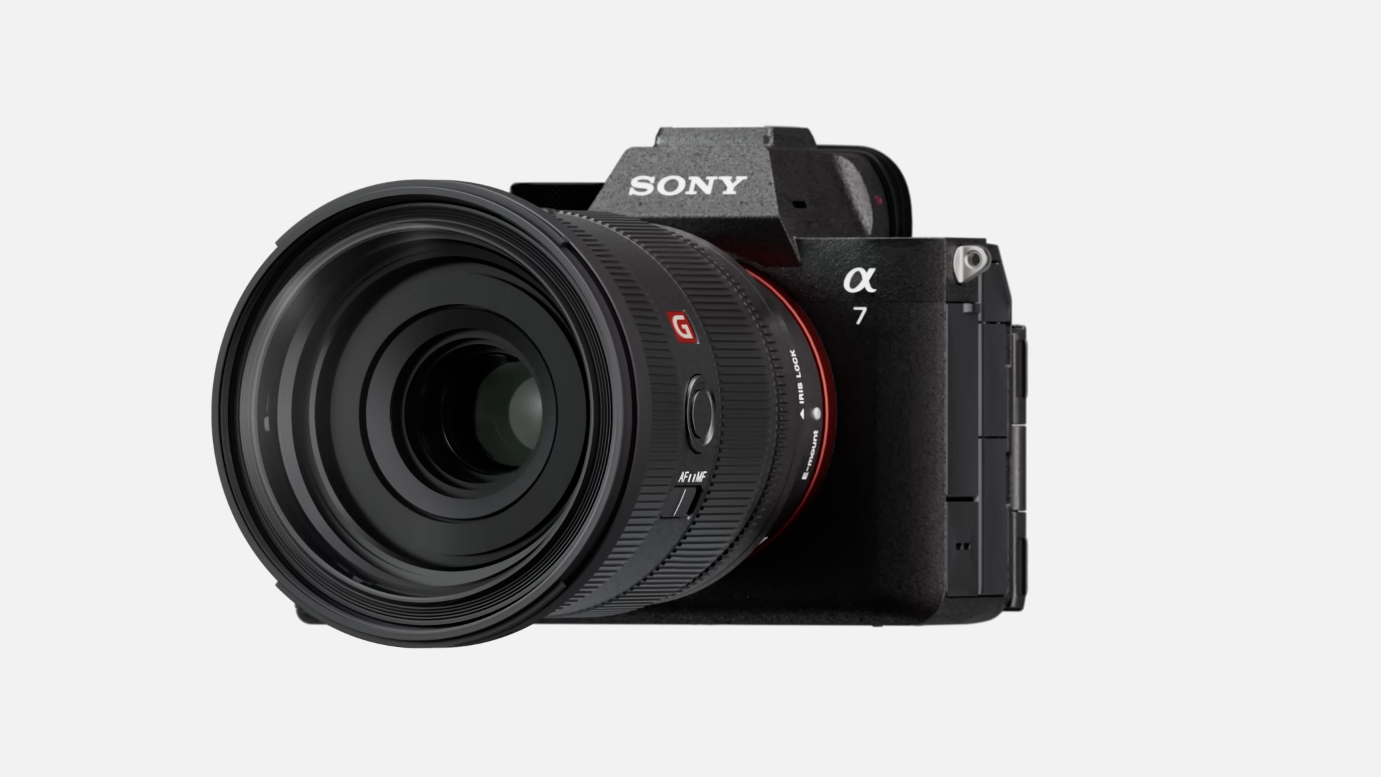

Again, the A7 V is designed to be an “entry-level professional” camera, not an “entry-level” camera, so its price is still fairly reasonable. Remember: it’s a workhorse for people who know that photography and video are going to be a major part of their lives, and indeed their income.
The Nikon Z6 III and EOS R6 Mark II have an edge here, at $2,499 and $2,799 respectively. Although Sony’s array of glass is much larger, meaning the cheaper cameras could be a false economy, particularly for video shooters.
Sony rarely retires its older mirrorless ILC cameras, though, which means that the A7 V’s launch brings a price drop for the A7 IV (specific pricing not yet confirmed). A silver lining indeed.
So what’s the outlook?

Nor now, suffice it to say, the A7 V looks like a serious competitor to the Z6 III and R6 Mark III. The Z6 III offers more powerful video specs, but I’m not sure it has the lens infrastructure nor sheer video-kudos of the Alpha 7 line to give Sony too much trouble sleeping. Its sensor is also lower resolution than the A7 V — a boon in low light, perhaps, but an issue for pro photographers who need that extra cropping headroom.
The R6 Mark III will, I think, be the more serious thorn in the A7 V’s side. It’s cheaper, with a similar res, albeit unstacked sensor yet faster maximum drive rates, not to mention 7K/60fps, internal RAW and open-gate recording. We’ll have to see how they stack up against one another in testing.
We’ll be testing the Sony A7 V very soon, so stay locked to Tom’s Guide for more coverage, including our full review.


Follow Digitpatrox on Google News and add us as a preferred source to get our up-to-date news, analysis, and reviews in your feeds.
More from Digitpatrox
-

-

-

-

-