
In an evolving health landscape, emerging research continues to highlight concerns that could impact everyday wellbeing. Here’s the key update you should know about:
Could you share a bit about the story behind PulpFixin, and the inspiration behind the name?
PulpFixin began by seeking alternatives to plastic lab wear. We initially explored bioplastics but found them expensive and not widely available. That led us to question why plastics were needed at all.
We began looking for a material that was cost-effective, non-toxic, and naturally biodegradable. Spoiler alert: Paper pulp stood out as a solution. It is widely available, environmentally friendly, and aligns with our goal of reducing unnecessary plastic use.
The team behind PulpFixin brings a unique perspective, having worked in the plastics industry. The president and co-founder spent many years in injection molding, while another founder is a scientist who regularly relied on plastic in laboratory settings. Alongside this, the team includes expertise from the paper industry, which inspired the shift toward pulp-based materials.
With decades of combined experience, including my own 30 years in plastics, we’ve come full circle, using that firsthand knowledge to develop more sustainable alternatives grounded in real industry insight.
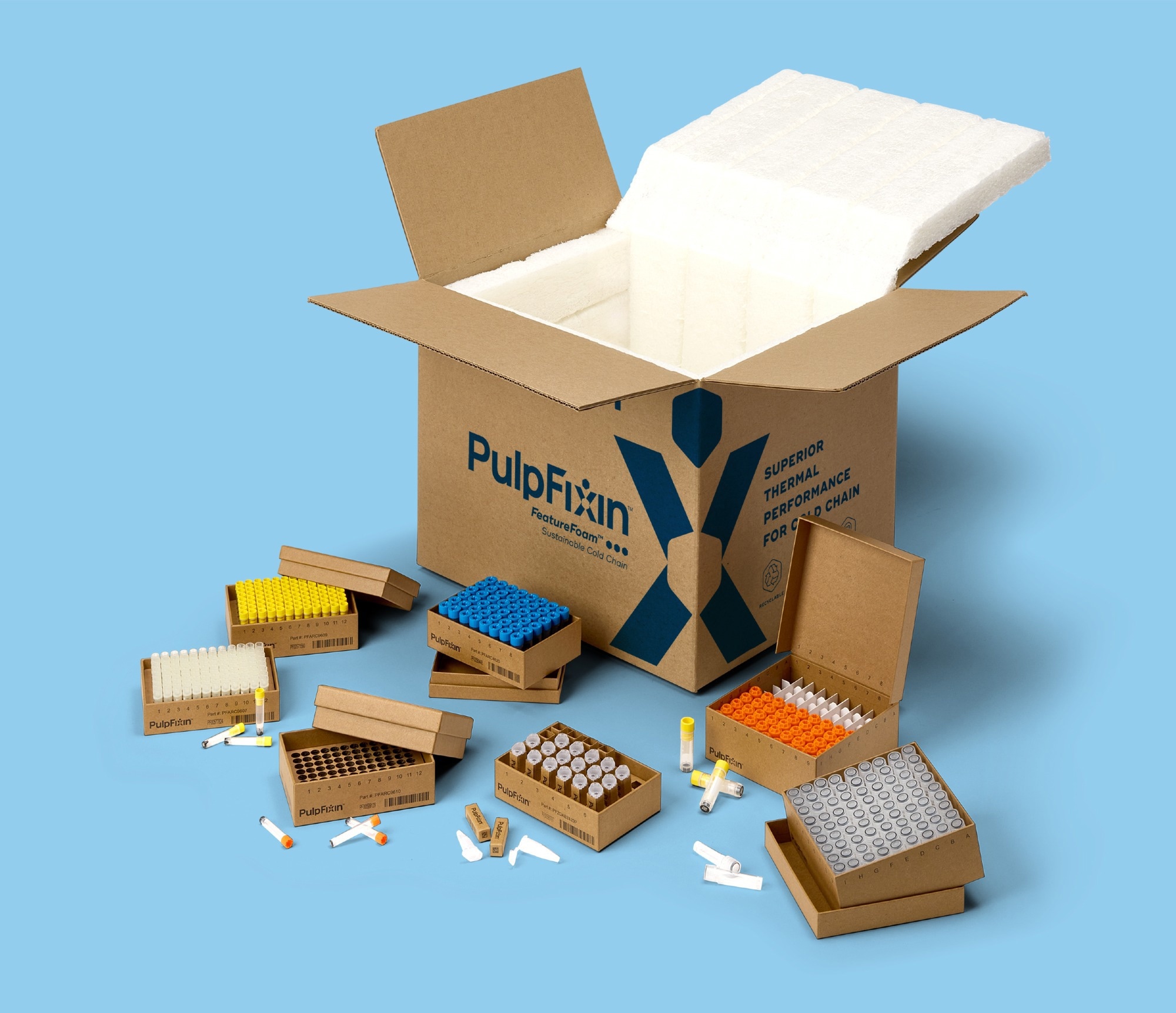
PulpFixin product overview. Image credit: PulpFixin
The plastics industry often emphasizes that plastic is recyclable. How does the reality of plastic recycling compare to the perception that it is a sustainable solution?
In theory, plastic is completely recyclable. You should be able to use it, regrind it, and make other products from that. And there are examples of that working successfully. But there is a significant gap between perception and reality.
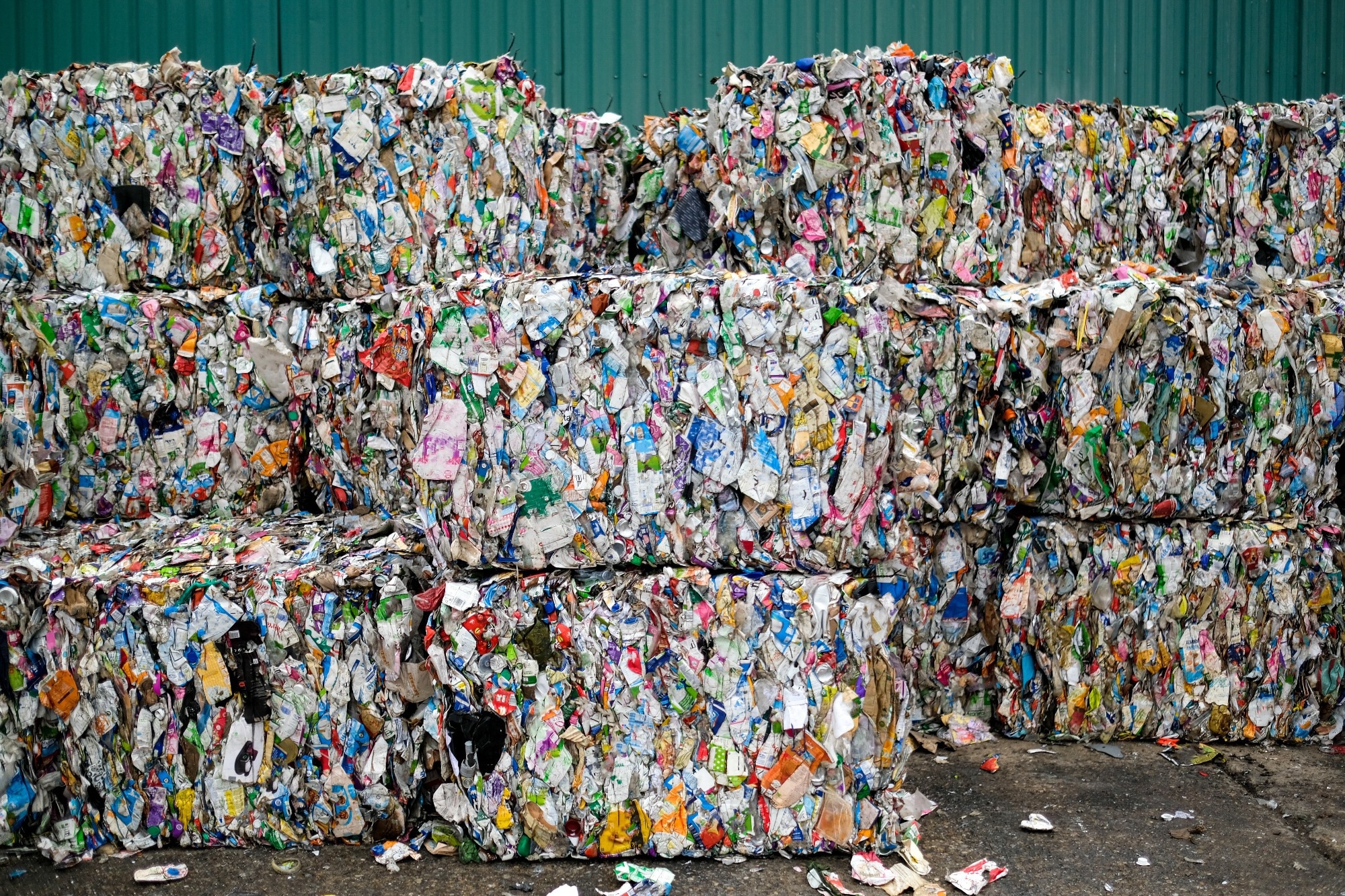
While plastics are technically recyclable, in practice, only around 10 % are actually recycled. This figure can vary slightly, but it is consistently low.
The plastic industry often promotes recyclability as a sustainability solution, but the burden is placed on recycling systems that are not financially or logistically effective. Additionally, plastics can leach harmful chemicals into ecosystems, and materials like polystyrene are both toxic to produce and persist in the environment for long periods.
If we choose a sustainable material from the beginning, we don’t have to worry about it at the end of life.
How do recycling rates compare between plastics and paper-based materials?
Cardboard and paper are widely recycled. Around 70-75 % of cardboard and paper is successfully recycled, and access to recycling is widespread, particularly in regions like the United States and Europe.
This is largely because there is an established, profitable market for recycled paper pulp, but not the same for used plastics. Plastic recycling often struggles financially, leading to closures of recycling facilities in some regions.
What are the biggest barriers preventing effective plastic recycling?
The biggest challenge is economic viability. While plastics can theoretically be recycled, the cost of collecting, sorting, and processing them is often too high.
Part of that is separating the plastics. When we throw all our polyethylene, polypropylene, and polystyrene into the same container, they have different life cycles. They need to be sorted out and used appropriately, but that sorting isn’t happening in advance.
Another major issue is contamination and mixing. Different types of plastics require different recycling processes, but they are often combined in waste streams. This creates dirty, mixed materials that are difficult to reuse effectively.
There are programs where you can pay to recycle, but they can be expensive, especially if you’re not in a region that supports that. Transportation costs add to the problem, especially when materials must be shipped long distances for processing.

From a lifecycle perspective, how do fiber-based materials compare to traditional plastics?
Fiber-based materials, such as paper pulp, offer clear advantages. They can be produced locally in many regions, reducing transportation emissions and costs. In contrast, plastics are often manufactured in one part of the world and shipped globally. Asia is a large plastic manufacturer, but the plastic is shipped to the United States and Europe.
Additionally, fiber-based materials integrate more easily into existing recycling and composting systems. By choosing sustainable materials from the outset, we can avoid the need to manage complex end-of-life issues associated with plastics.
What challenges have you faced when introducing paper-based alternatives into laboratory environments?
The main challenge has been changing perceptions. Traditionally, paper and cardboard are considered unsuitable for laboratories due to concerns about cleanliness and contamination.
However, our products are not standard cardboard. They are sealed, engineered paper-based materials designed to eliminate areas where contaminants can accumulate. To address these concerns, we’ve focused heavily on real-world validation rather than theoretical claims.
We test our products directly on the equipment they are intended for. For example, our pipette tip racks, which we are currently launching, have been run on automated liquid handlers to demonstrate full compatibility. That’s been incredibly compelling because we are not saying it could work; we are proving that it does.
The same applies to our cryogenic racks. We’ve tested them in extreme conditions, including at-80°C, in liquid nitrogen, and in dry-ice environments. They hold up exceptionally well, with extensive data showing durability across multiple freeze-thaw cycles.
In addition, our products can be fully sterilized using E-beam or gamma irradiation, ensuring they meet laboratory cleanliness requirements. We actively discourage ethylene oxide sterilization due to its toxic and carcinogenic nature, and instead support cleaner, safer sterilization methods. All of this data has been critical in helping shift the mindset and build confidence in paper-based alternatives.
How does your feature film technology compare to plastic in terms of performance?
Feature film allows paper-based materials to perform similarly to plastic across a wide range of applications while maintaining a significantly lower environmental impact. It performs particularly well in cold storage and cryogenic environments, maintaining integrity through repeated freeze-thaw cycles.
A key factor behind this performance is our design. The structure of our products is engineered to support the devices, tubes, and tips they hold, ensuring they are strong enough to replace traditional plastic formats. In fact, some of our racks are stronger than comparable plastic designs. For example, our pipette tip racks can withstand up to 11 kilograms of force per tip. Across a full 96-tip rack, that equates to roughly 1,000 kilograms of total force, which is more than sufficient for both automated and manual workflows.
We also go beyond standard material testing by validating performance under real-world conditions. Our racks have been used in automated systems, and we have conducted extensive durability testing in cryogenic environments, including liquid nitrogen and ultra-low-temperature storage. The material performs consistently, even after repeated freeze-thaw cycles.
In terms of chemical resistance, we have tested exposure to 100 % ethanol, 70 % IPA, and common laboratory buffers, demonstrating strong resistance and durability. While the material is not fully waterproof, it provides excellent moisture resistance, making it ideal for cold storage, transport, and controlled lab environments.
Finally, our products can be sterilized using E-beam or gamma irradiation, ensuring they are clean and ready for laboratory use without relying on more harmful sterilization methods. This combination of strength, real-world validation, and compatibility makes Feature film a highly credible alternative to plastic.
How do your materials perform in cold chain logistics compared to traditional solutions like polystyrene?
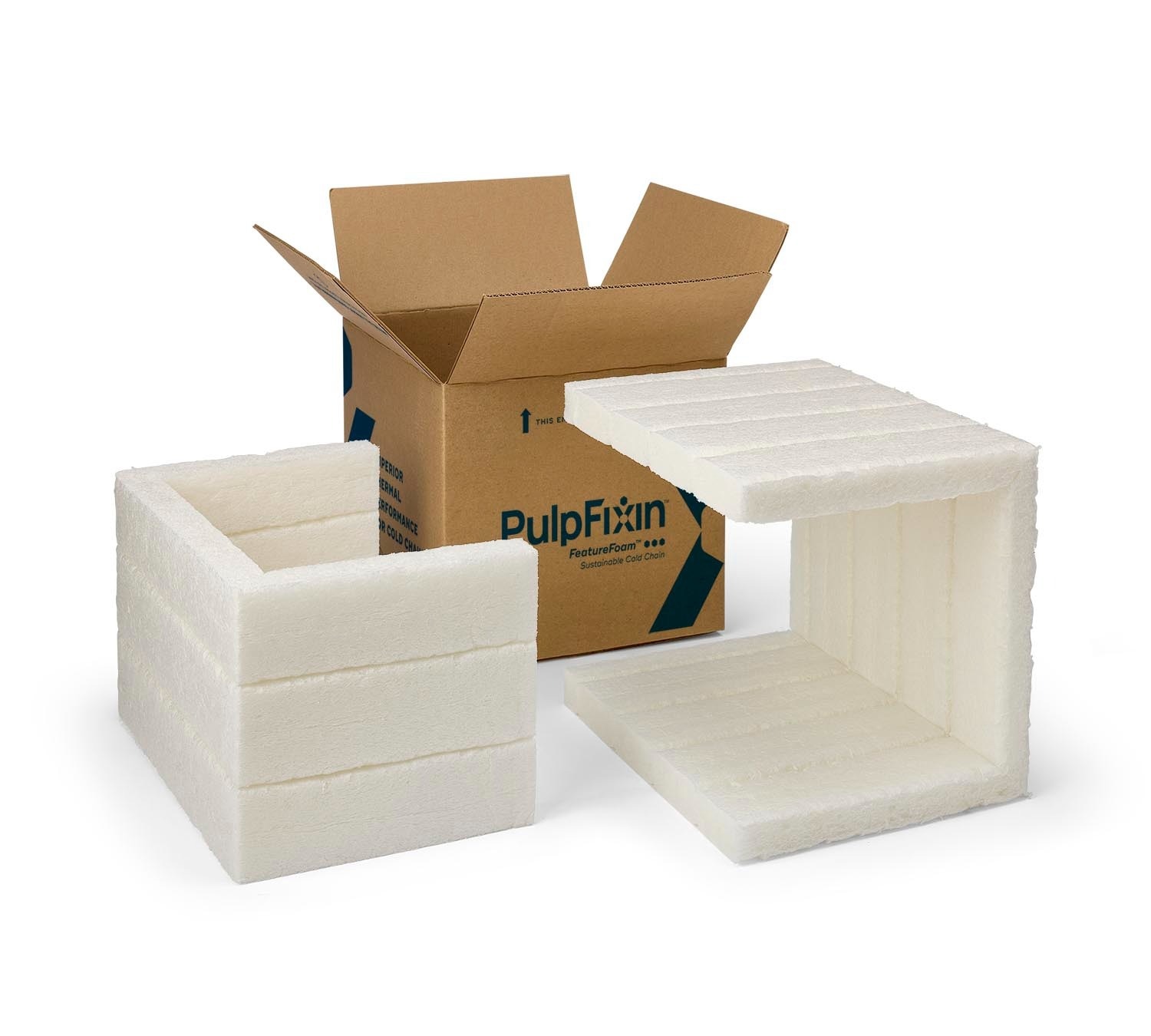
Our feature foam has been specifically engineered to match and even exceed the performance of traditional polystyrene (EPS) in cold chain applications. Structurally, it works in a very similar way by creating microcells, or tiny air pockets, within the material. These air pockets act as an effective thermal barrier, limiting heat transfer and maintaining stable internal temperatures.
What sets our solution apart is that we achieve this level of performance using fully sustainable, plastic-free materials. We incorporate a proprietary additive into the pulp-based structure to enhance strength, durability, and moisture resistance, ensuring the material holds up even when exposed to ice, dry ice, and condensation during transport. In addition, we apply our feature film sealant to the outer corrugate, further protecting against moisture and strengthening the packaging, a step not commonly taken in standard cardboard cold shippers.
To validate performance, we have conducted both in-house testing and independent third-party testing through an ISTA-certified laboratory. These side-by-side comparisons with traditional Styrofoam solutions demonstrate that our feature foam can reliably deliver 48+ hours of thermal protection, and in optimized conditions, up to 92 hours. This is achieved by carefully matching the payload with the appropriate cooling medium, just as you would with EPS systems.
Overall, the data shows that our solution is not only a like-for-like replacement in terms of thermal performance, but in many cases a superior one, offering the same insulation capability while significantly improving sustainability and reducing environmental impact.

What practical steps can organizations take to improve sustainability today?
There are several practical steps organizations can take immediately to improve sustainability. First and foremost, reducing plastic use is key. Simply questioning whether plastic is truly necessary in each application can reveal opportunities to switch to more sustainable alternatives that are already available.
Reuse is another important strategy. Technologies such as pipette tip washing systems allow laboratories to extend the life of existing plastic materials, reducing overall consumption. Recycling should also continue to be supported, even where it involves additional cost. There are specialist companies that can handle plastics responsibly, and investing in local recycling infrastructure wherever possible can make a meaningful difference.
Composting is another underutilized solution. It is widely accessible and offers a simple way to return materials to the earth responsibly, yet it is often overlooked. Increasing adoption in this area could have a significant environmental impact.
Beyond materials, there is also a broader need to reduce reliance on fossil fuels. Alternatives such as hydrogen and electric power are already available, but require further investment to become more accessible and cost-effective. Given the global challenges associated with oil dependency, it is increasingly important for organizations to act locally while thinking globally, making sustainable choices wherever possible.
What does the future look like for PulpFixin and sustainable labware?
One of the key developments is increased collaboration with established plastics manufacturers. While we may not yet replace every plastic component, we are already working with these companies to integrate their tubes and pipette tips into our sustainable racks. This allows laboratories to immediately reduce unnecessary plastic without disrupting existing workflows.
At the same time, we are investing heavily in innovation to push the boundaries of what paper-based materials can achieve. A major focus for us is the development of fully waterproof, fiber-based materials. This would unlock the ability to replace primary consumables such as tubes, vials, and pipette tips, representing a significant step-change for sustainability in laboratories.
We are also contributing to the concept of the “lab of the future,” where sustainability and digitalization go hand in hand. This includes integrating technologies such as RFID, 2D barcoding, and microtransponders to improve traceability across the lifecycle of lab products. By doing this, we can help laboratories better understand where materials come from, how they are used, and how they can be disposed of responsibly.
In parallel, we are expanding our global footprint. We already have distribution partners across the UK, Europe, and Japan, and we are actively developing partnerships in Asia and Africa. This global expansion is key to making sustainable lab solutions accessible at scale.
Where can readers find more information?
About Chad Jenkins
Chad Jenkins is a sustainability-focused professional with over three decades of experience in the plastics industry. Throughout his career, he has worked extensively in supplying and commercializing plastic products across a range of markets, gaining deep insight into the benefits and environmental challenges of plastic materials.
Driven by a personal commitment to environmental stewardship and a passion for the outdoors, Jenkins transitioned his focus toward sustainable innovation. At PulpFixin, he plays a key role in advancing paper-based alternatives to traditional plastic labware, helping reduce reliance on single-use plastics in the life sciences sector.
His expertise spans materials, supply chains, and product development, enabling him to bridge the gap between conventional manufacturing practices and emerging sustainable technologies. Jenkins is particularly interested in scalable solutions that combine performance with environmental responsibility, including recyclable and compostable materials.
Through his work, he advocates for practical, immediate changes that organizations can adopt to reduce their environmental impact, while also contributing to the long-term transformation of laboratory and industrial practices toward sustainability.
-

-

-
-

-


