
Summary and Key Points: Canada’s F-35 “Problem”: Why Ottawa Might Buy Swedish JAS 39 Gripens Instead
-Canadian Prime Minister Mark Carney is reportedly inching toward a shock decision to slash Canada’s F-35 order in favor of Sweden’s Saab Gripen E/F.
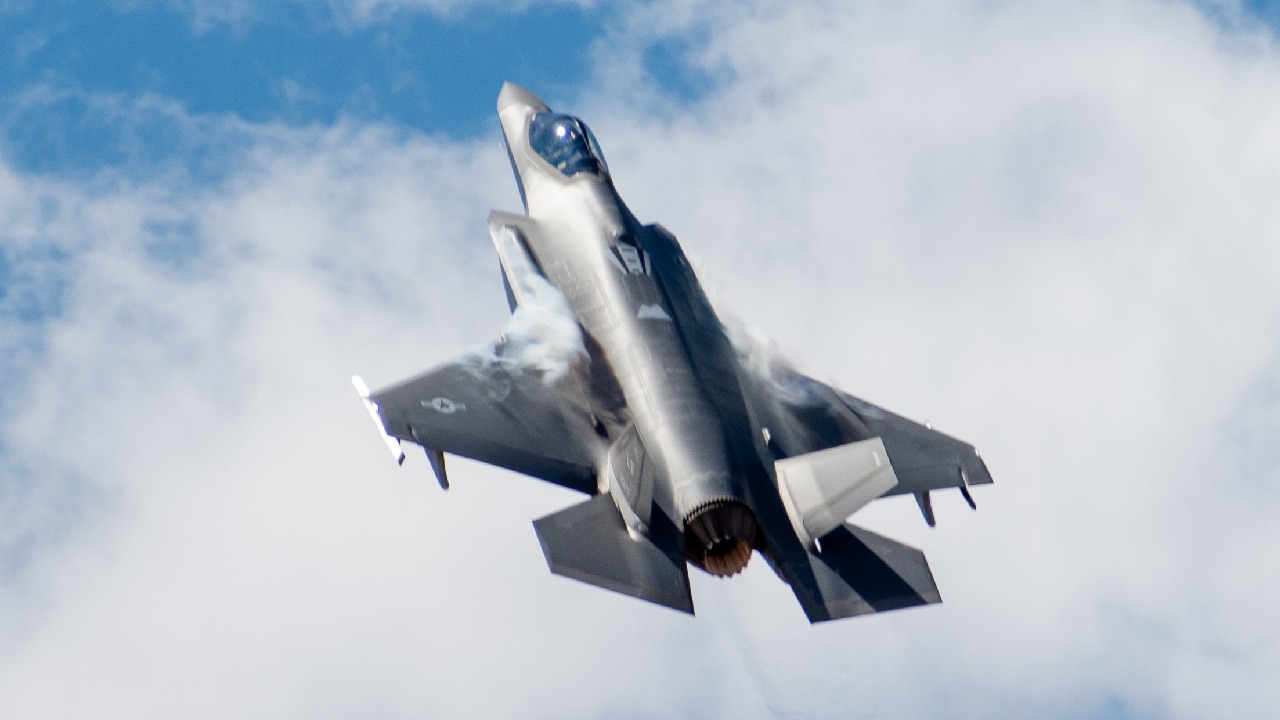
An F-35A Lightning II from the 354th Fighter Wing, Eielson Air Force Base, Alaska, flies behind a KC-135 Stratotanker assigned to the 117th Air Refueling Squadron, Forbes Field Air National Guard Base, Kansas, over the Indo-Pacific, March 10, 2022. Aircrews routinely fly missions aimed at sharpening the necessary skills needed to respond to emerging situations at a moment’s notice. (U.S. Air Force photo by Airman 1st Class Yosselin Perla)

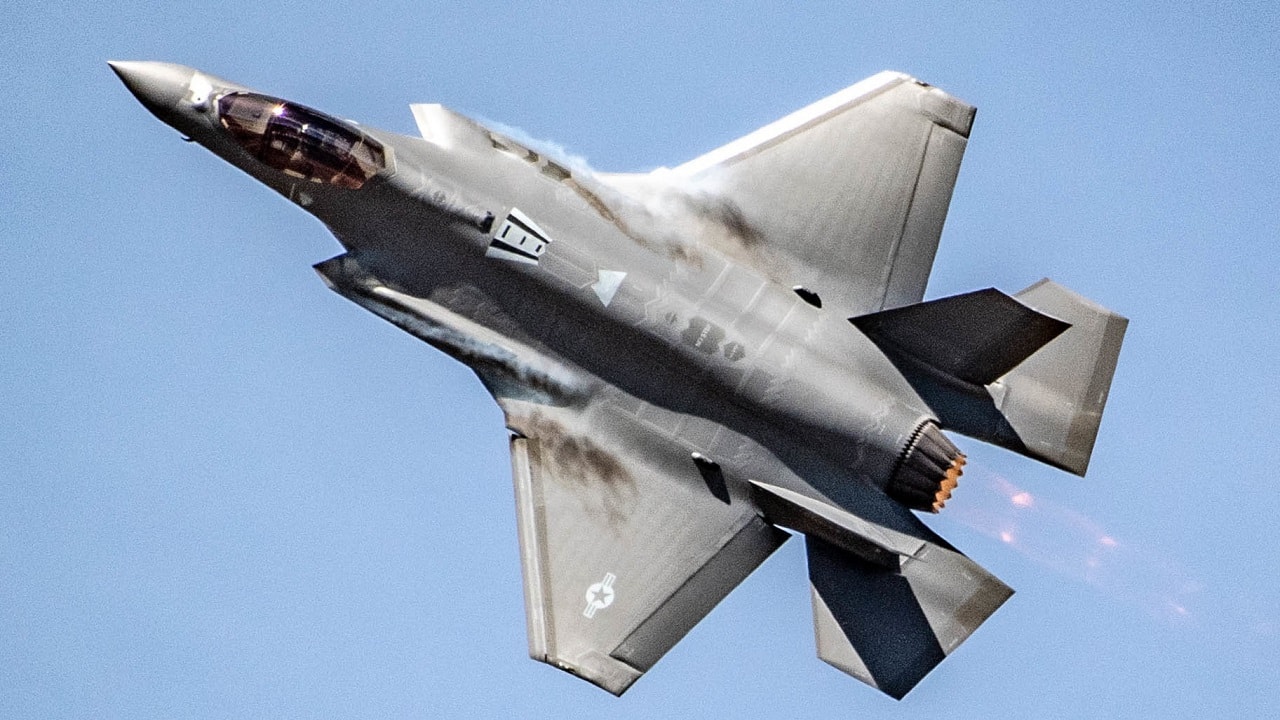
U.S. Air Force Maj. Kristin Wolfe performs a demonstration in the F-35A Lightning II during at the Reno Air Races in Reno, Nevada, September 19, 2021. The F-35 Lightning II Demonstration Team is based out of Hill Air Force Base, Utah. (U.S. Air Force photo by Tech. Sgt. Nicolas Myers)
-Amidst rising diplomatic friction with the United States, Saab has sweetened its pitch with a promise of 12,600 local jobs and full technology transfer—an offer Ottawa is seriously considering.
-While Canada remains committed to an initial tranche of 16 F-35s, a “mixed fleet” strategy is gaining momentum. However, U.S. Ambassador Pete Hoekstra has warned that pivoting to the Gripen could fundamentally alter NORAD capabilities and force the U.S. to patrol Canadian airspace itself.
Canada’s F-35 Deal Is in Trouble: Saab Just Made a 12,600-Job Offer Ottawa Can’t Ignore
Canadian Prime Minister Mark Carney is inching closer to a possible decision to end Canada’s F-35 procurement plans and accept an offer from Sweden’s Saab, instead, with news this week revealing that the Swedish manufacturer is now providing Ottawa with detailed, technical information on what a JAS 39 Gripen fighter deal would actually look like in practice.
Among the topics currently being discussed in Ottawa are timelines for technology transfers, the speed at which a Canadian production line could be established, and how Canada could participate in future export sales of the aircraft.
Those disclosures, revealed by Saab CEO Micael Johansson during a February 5 investor call, go well beyond the conceptual pitches that have been made already, and which have played out throughout the entire CF-18 replacement debate for more than a decade.
The news comes at a time when Ottawa is widely expected to announce the official findings of a review ordered by Carney into the original planned purchase of 88 F-35A Lightning II aircraft. With diplomatic friction between Ottawa and Washington ongoing, the likelihood of the F-35 deal collapsing seems to be growing by the day.
While Canada will be forced to acquire the initial tranche of 16 F-35s as part of the original deal, it now seems increasingly likely that Ottawa is seeking more specific guidance that would allow them to defend a decision to operate a mixed fleet of 4.5- and fifth-generation aircraft.
Saab’s Pitch Is No Longer A Concept
Speaking in a call with investors, Johansson said that Canada was ultimately looking for ways to avoid being “too dependent on the US” by “having a dual fleet, both F-35 and the Gripens.”
“We are providing all [the] detailed information that they need to understand,” he told investors, revealing that information relating to the speed of technology transfers and the establishment of the promised manufacturing hub.
Johansson also confirmed recent reporting that Saab would be expected to make Canada a crucial part of the Gripen supply chain, ensuring the Canadian manufacturing site promised to build any Gripens purchased as part of a new deal would also be used to manufacture future export aircraft.
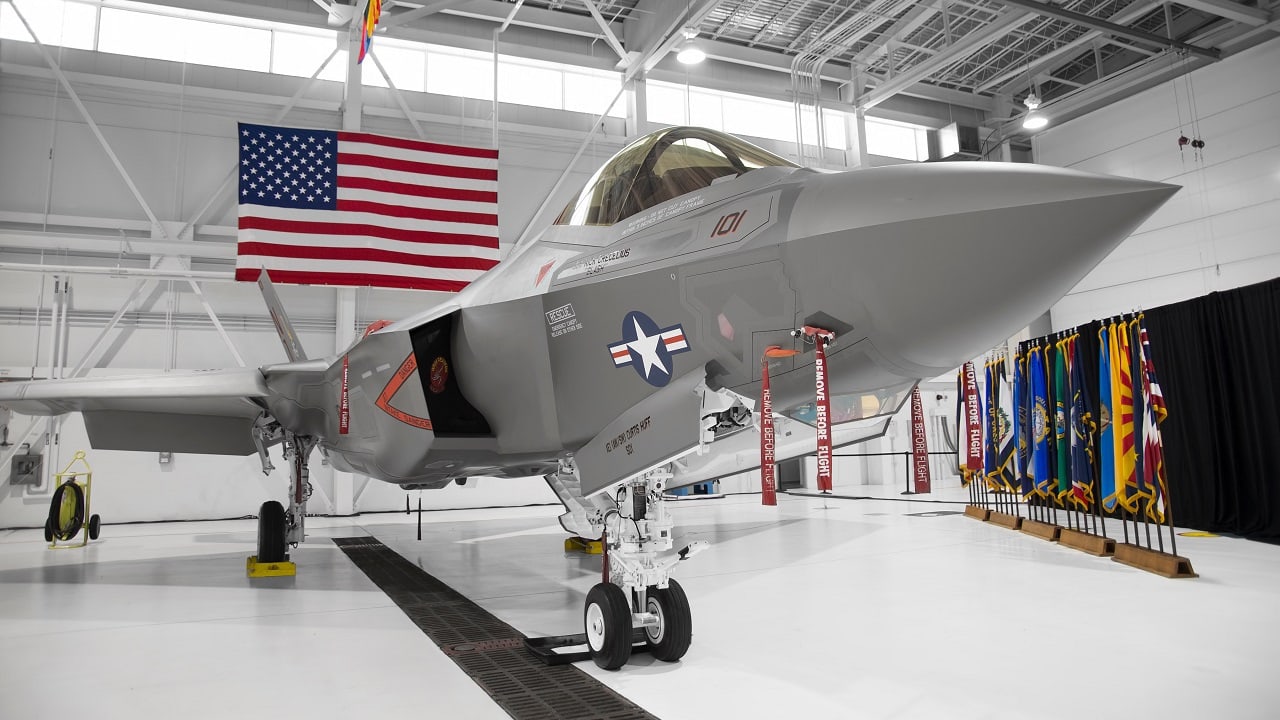
US F-35. Image Credit: Lockheed Martin.
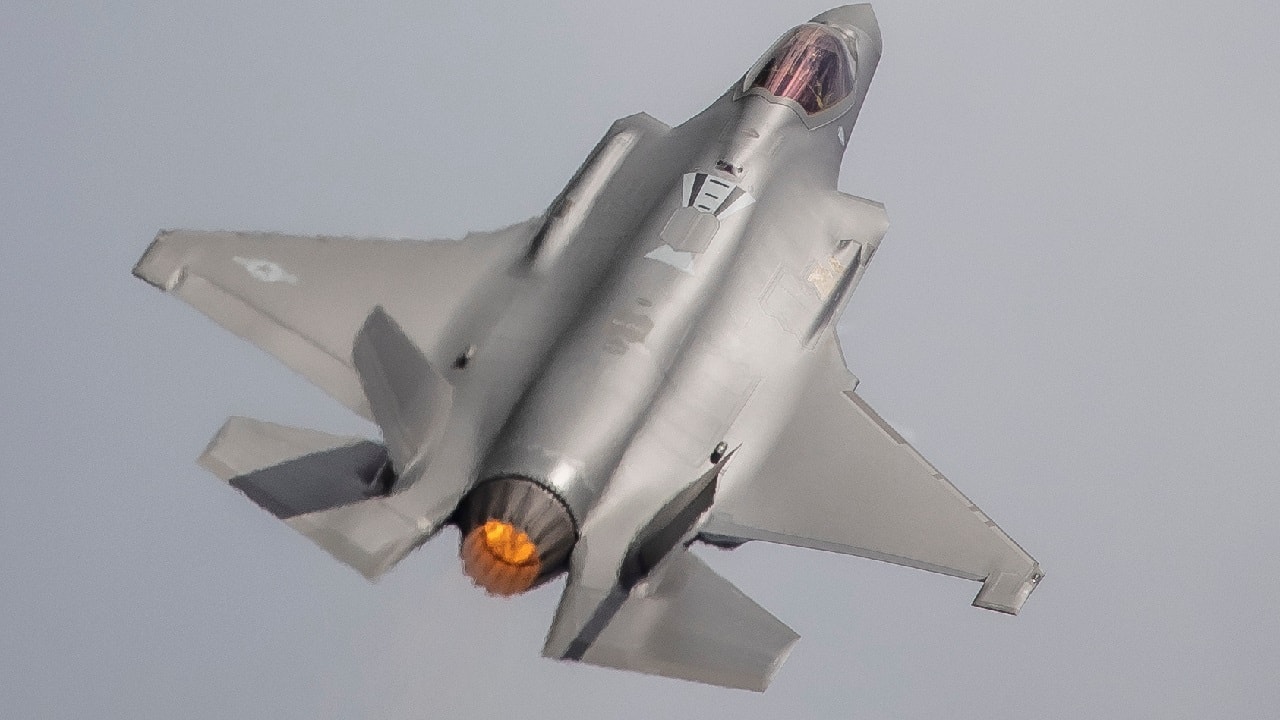
F-35 JSF. Image Credit: Creative Commons.
Promises like that mirror what was seen in Brazil, where local production and technology transfer proved to be decisive factors in the country’s decision to adopt the platform.
The Swedish firm already operates two Gripen production lines, in Sweden and Brazil, and is ramping up output following a number of recent export wins, including Colombia’s €3.1 billion contract for 17 aircraft and Thailand’s agreement to purchase additional jets.
Saab executives have also acknowledged discussions with Ukraine about a potential post-war order that could exceed 100 aircraft.
JAS 39 Gripen for the Win? Why Ottawa Is Reopening the F-35 Fighter Debate
Canada selected the F-35A in 2022, committing to 88 aircraft at an estimated cost of CAD 27.7 billion, with the goal of meeting NORAD, NATO, and Arctic defense requirements.
At the time, the decision was presented as settled, and Saab’s Gripen offer had been firmly rejected – but that certainty has since eroded.
In 2024, Canada’s Auditor General confirmed that the government was reviewing the F-35 acquisition to ensure it remained the “best choice,” citing cost growth and long-term sustainment considerations – despite opposition from within the top ranks of the Royal Canadian Air Force. The review coincided with rising global concerns about low F-35 readiness rates, which have since been repeatedly scrutinized even by the United States Government Accountability Office.
Political factors are clearly at play, too. Carney and his government insist that the review is to ensure that they are choosing the platform that is right for Canadian needs, but public concerns expressed by members of his government over a perceived over-reliance on the United States are undeniably linked to ongoing friction with the Trump administration.
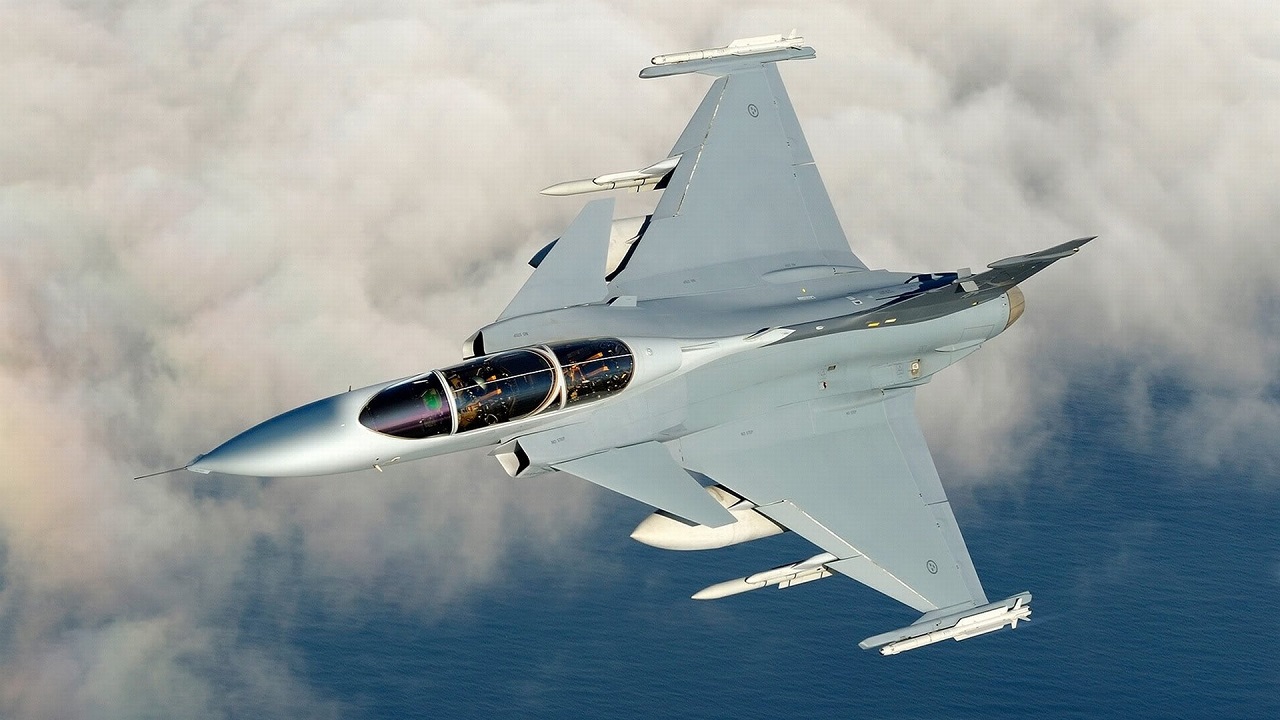
JAS 39. Image Credit: Creative Commons.
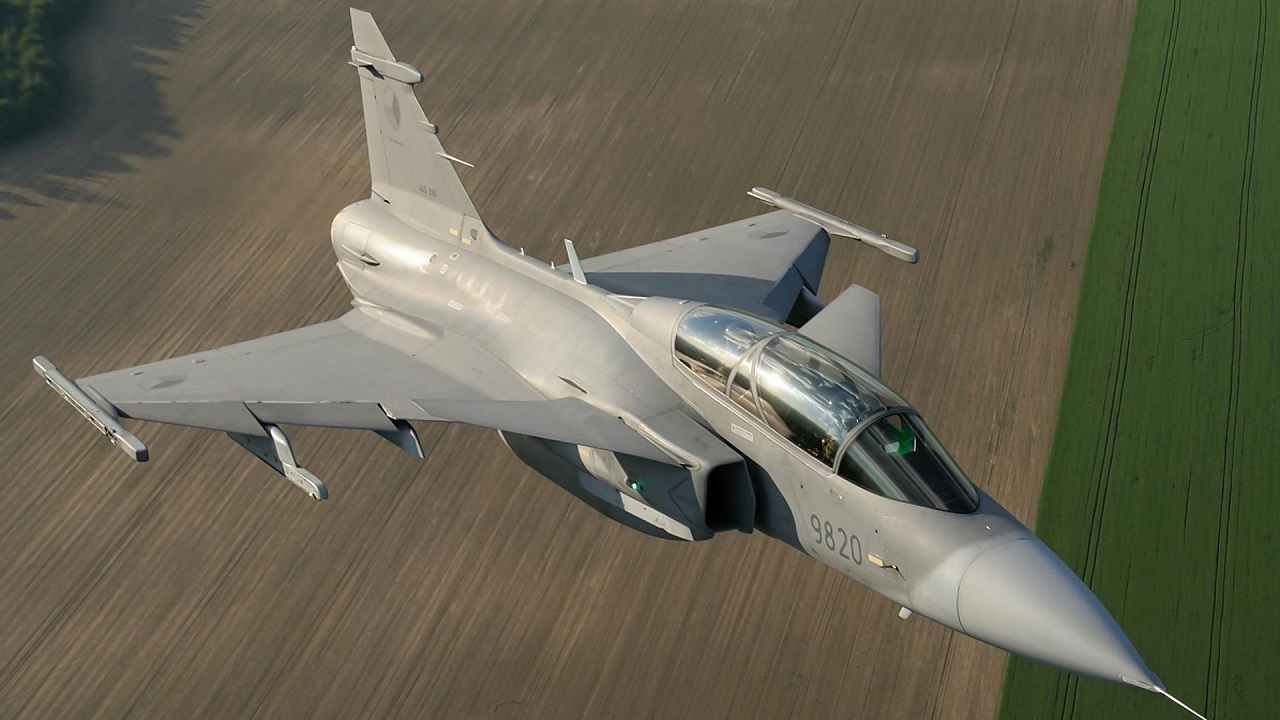
JAS 39. Image Credit: Creative Commons.
In the wake of recent reports that Canada is leaning heavily toward the Gripen, U.S. Ambassador to Canada Pete Hoekstra warned in January that a reduced Canadian F-35 buy could “alter” the bilateral NORAD agreement and force the U.S. to send its own F-35s into Canadian airspace more often.
The Rest of the Saab Deal Explained
Under Saab’s latest proposal, a Canadian order for 72 Gripen E/F aircraft would be paired with the creation of a large, long-term domestic industrial operation, with Saab previously estimating that a full Gripen program could support up to 12,600 Canadian aerospace jobs across manufacturing, sustainment, and supply-chain work over the life of the fleet.
That figure has gradually increased over a short period of time from an initial promise of 6,000 jobs, as Ottawa has apparently grown increasingly interested in the proposal.
Saab has further indicated that Canada would host a regional sustainment and upgrade hub for North American and allied Gripen operators, mirroring arrangements offered during earlier competitions.
And combined with lower projected operating costs than the F-35, Saab argues the package offers Ottawa greater industrial leverage and a break from the United States – despite the fact that the Gripen itself already relies heavily on the United States in its own supply chain.
About the Author:
Jack Buckby is a British researcher and analyst specialising in defence and national security, based in New York. His work focuses on military capability, procurement, and strategic competition, producing and editing analysis for policy and defence audiences. He brings extensive editorial experience, with a career output spanning over 1,000 articles at 19FortyFive and National Security Journal, and has previously authored books and papers on extremism and deradicalisation.
Source link
-

-

-

-

-


