The vampire has haunted the world of cinema for over a century, inspiring a multitude of interpretations that range from Sesame Street’s The Count to Ryan Coogler’s Sinners. One of humanity’s most enduringly popular nightmares, vampires have gone in and out of style many times over the decades, but vampire movies have never stayed dead for too long. As the years have passed, the genre has reinvented itself into newer forms and stylistic expressions, and given us some of the most iconic films of all time in the process.
These masterpieces of the vampire genre truly redefined the cultural trends of their time, shaping the popular conception of its central monster in a way unlike any other horror subgenre. Drenched in copious amounts of stage blood, these vampire movie masterpieces didn’t just capture hearts; they became the foundations for fascinating new expressions of horror cinema. So, without further ado, here’s our handpicked selection of vampire movies that were so great they became the blueprint.
1
‘Dracula’ (1931)
The first official adaptation of Bram Stoker’s influential horror novel, 1931’s Dracula was directed and co-produced by Tod Browning and stars Bela Lugosi in the titular role. Technically an adaptation of Hamilton Deane and John L. Balderston’s 1924 stage play, the film follows the familiar story of Count Dracula’s journey from Transylvania to England, with a few changes made to the plot of the book. Besides Lugosi, the movie also stars David Manners, Helen Chandler, Dwight Frye, and Edward Van Sloan in key roles.
A major commercial and critical hit of its time, Dracula established the vampire as a popular mainstay of cinema, spawning multiple sequels and spin-offs. Though many actors have played the character, Lugosi’s take on Dracula is widely accepted as the most iconic and archetypal rendition. The film is easily one of the most iconic movies ever produced, and it was selected for preservation in the National Film Registry by the United States Library of Congress in 2000.
2
‘Twilight’ (2008)


Directed by Catherine Hardwicke and written by Melissa Rosenberg, Twilight is a vampire romantic fantasy adapted from Stephenie Meyer’s 2005 novel and is the first movie in The Twilight Saga. The movie follows Bella Swan (Kristen Stewart), a teenager who moves to the small town of Forks, Washington, where she meets and falls in love with the vampire Edward Cullen (Robert Pattinson). Besides Stewart and Pattinson, the movie also stars Taylor Lautner, Billy Burke, Peter Facinelli, Elizabeth Reaser, Ashley Greene, Cam Gigandet, Rachelle Lefevre, Edi Gathegi, and more in supporting roles.
Like all the movies in the series, Twilight had a pretty mixed critical reception but proved to be a huge audience favorite, grossing over $400 million and becoming a big hit in the home video market. To this day, the franchise remains highly divisive among critics and audiences, with almost as many detractors as fans, but there’s no denying its importance to the evolution of vampires in cinema. The film effectively revived the vampire romance trope, paving the way for many subsequent movies and shows.
3
‘The Hunger’ (1983)

Directed by Tony Scott in his directorial debut, The Hunger is an erotic horror film loosely adapted from Whitley Strieber’s 1981 novel. The film explores a dark love triangle between a scientist (Susan Sarandon) and a vampire couple (Catherine Deneuve and David Bowie), which leads to unexpected and life-altering consequences for all three. The movie also stars Cliff De Young, Dan Hedaya, Beth Ehlers, and Rufus Collins in significant roles.
Released in 1983, The Hunger had a very mixed critical reception, but in the years since, it developed a sizable following within goth circles, evolving into a cult classic. A visually striking and atmospheric horror film, The Hunger is now regarded as a landmark of queer cinema with groundbreaking lesbian representation and is a little-known but undeniably influential film that has played a significant role in shaping popular culture. The film’s aesthetics, in particular, transformed depictions of vampires from their gothic roots to a more stylish and modern look.
4
‘The Lost Boys’ (1987)
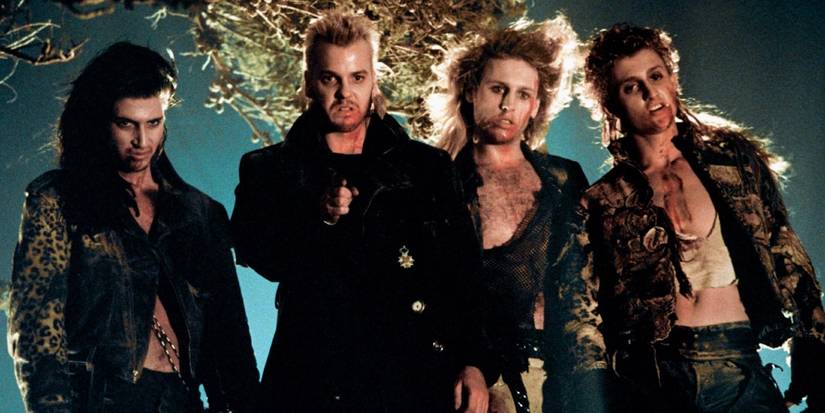
Directed by Joel Schumacher, The Lost Boys is a teen horror comedy set in the fictional town of Santa Carla, California. The movie follows teenagers Michael and Sam Emerson (Jason Patric and Corey Haim), who move to the town with their recently divorced mother, Lucy (Dianne Wiest), and encounter a gang of teen vampires. Edward Herrmann, Barnard Hughes, Kiefer Sutherland, Jami Gertz, Corey Feldman, Jamison Newlander, and more star in supporting roles.
An iconic ‘80s horror movie, The Lost Boys is most notable within the vampire subgenre for shifting the focus from the mature, aristocratic tone of earlier films to a youthful and rebellious one. Basically, it’s the movie that made vampires punk, and its critical and commercial success paved the way for more teen-focused renditions of vampires in film. The movie has had a direct influence on later icons of the genre, like Buffy the Vampire Slayer and What We Do in the Shadows, and shares clear similarities with subsequent teen vampire movies and shows like Twilight and The Vampire Diaries.
5
‘Interview with the Vampire’ (1994)


Directed by Neil Jordan and written by Anne Rice, Interview with the Vampire is an iconic gothic horror film adapted from Rice’s 1976 novel. Tom Cruise and Brad Pitt star as Lestat de Lioncourt and Louis de Pointe du Lac, and the film follows an interview given by Louis to a reporter (Christian Slater) that chronicles their story, exploring his transformation into a vampire at Lestat’s hands, the turning of the young Claudia (Kirsten Dunst), and Louis’s decades of travel across the world. The movie also stars Antonio Banderas, Stephen Rea, Domiziana Giordano, Thandiwe Newton, and more in supporting roles.
Though the more recent series version of Interview with the Vampire is arguably a more popular adaptation, Neil Jordan’s 1994 film was a major success in its day, receiving positive reviews and grossing over $200 million worldwide. The main criticism of the film is that it doesn’t properly explore the queer subtext of the book, but that said, the movie is still a gorgeous, enthralling watch with powerful performances and impeccable stagecraft that has proven highly influential. The film earned numerous accolades, including two Academy Award nominations, and it’s also notable for popularizing the trope of the sympathetic suffering vampire who resists the urge to kill.
6
‘Blade’ (1998)

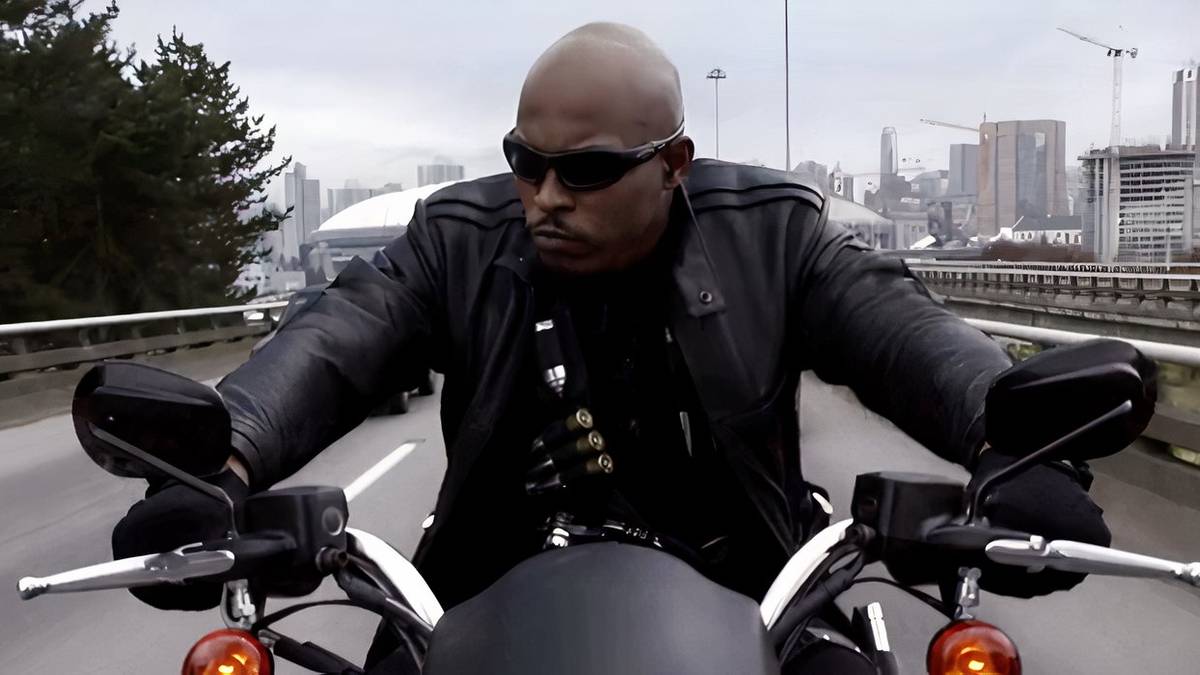
Directed by Stephen Norrington and written by David S. Goyer, Blade is a vampire superhero movie starring Wesley Snipes as the titular Marvel Comics character. A half-vampire Daywalker with all the abilities of a vampire but none of their weaknesses, the film follows Blade as he goes up against the vampire who killed his mother. Stephen Dorff, Kris Kristofferson, and N’Bushe Wright play other lead roles, and the movie also features Donal Logue and Udo Kier, among others, as supporting characters.
In the post-MCU world, Blade’s horror-first production no longer resembles the majority of modern superhero movies, but that just makes its dark, gritty narrative and striking aesthetics all the more entertaining. Anchored by Wesley Snipes’s iconic performance, the film was a box office hit in its day and enjoys a sizable fan following that’s still strong today. (Snipes also reprised the character in two sequels and 2024’s Deadpool & Wolverine.) It’s widely regarded as the first vampire action movie, inspiring later genre hits like the Underworld franchise.
7
‘Let the Right One In’ (2008)
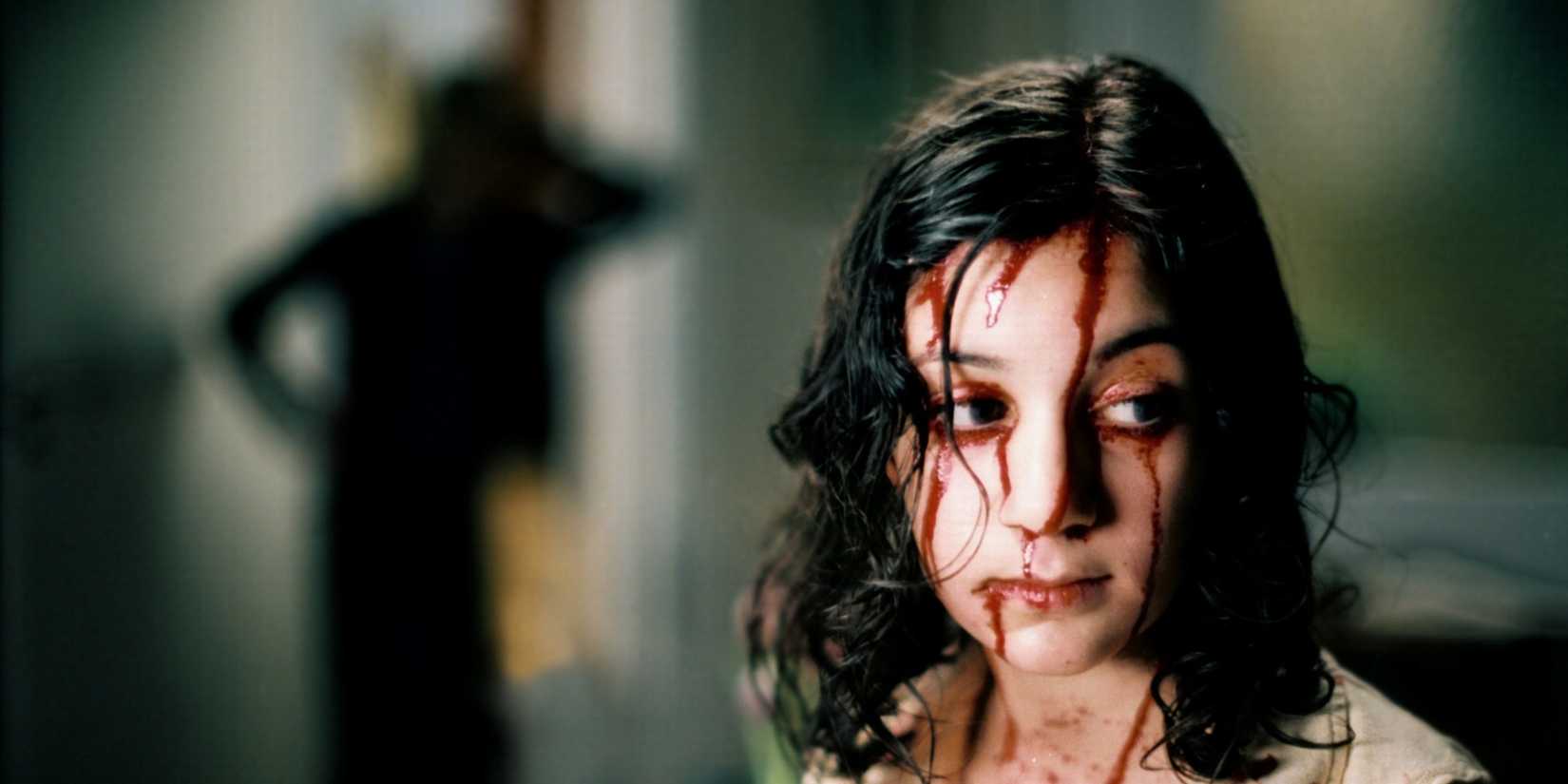
Released the same year as Twilight, this Swedish horror movie is a relatively lesser-known but highly celebrated vampire romance set in a Stockholm suburb in the 1980s. Directed by Tomas Alfredson and written by John Ajvide Lindqvist, Let the Right One In is an adaptation of Lindqvist’s 2004 vampire novel that follows the relationship between a bullied 12-year-old boy (Kåre Hedebrant) and his strange new neighbor (Lina Leandersson), who encourages him to stand up for himself. But just as he begins to fall in love with her, he discovers that she is a vampire.
A genre-blending horror fantasy with a spooky and bittersweet story, Let the Right One In premiered at the 2008 Gothenburg Film Festival to universal acclaim, winning the festival’s Nordic Film Prize. Its intelligent story, moving performances, and beautiful cinematography have been widely praised by critics, and an American remake, Let Me In, premiered in 2010. The film is quite underrated these days, but it is a horror masterpiece that successfully brings “elevated horror” sensibilities to the vampire genre.
8
‘Nosferatu’ (1922)

A classic silent German Expressionist vampire film, Nosferatu is the first feature-length vampire movie ever made, the source from which all other depictions of vampires in film originate. Directed by F. W. Murnau, the movie is an unofficial adaptation of Bram Stoker’s Dracula, transporting the story to a German context, with Max Schreck starring as Count Orlok, the titular vampire. Gustav von Wangenheim, Greta Schröder, and Alexander Granach star in other significant roles.
It would not be an exaggeration to call Nosferatu the single most important film in the history of horror. Not only was it the first vampire film, but it also became a highly influential template for horror movies in general and played an important role in shaping the genre in its early days. Despite backlash from Stoker’s estate over copyright infringement and a court order that the film be destroyed, the movie has survived into the modern day as a highly celebrated cinematic landmark that’s still studied, dissected, and imitated by many.


Nosferatu
- Release Date
-
February 16, 1922
- Runtime
-
95 Minutes
- Director
-
F. W. Murnau
- Writers
-
Henrik Galeen


Source link