
Intensive care units, where patients are most vulnerable and drug regimens are most complex, reported some of the highest error rates.



ICU error rates ranged from 6.11 percent to 43.60 percent,
Synopsis: About one in three patients in Indian hospitals experiences at least one medication error, with prescribing mistakes accounting for the largest share, a new study has found. The risk is highest in intensive care units and emergency departments, where complex treatment and time pressure increase the chances of errors reaching patients.
Every day, in hospitals across India, patients miss a critical medication, receive the wrong dose, or are given a drug intended for someone else.
These are not rare events. A comprehensive new systematic literature review (SLR), published in the Indian Journal of Critical Care Medicine, shows they are routine. The method pools and analyses all available research on a topic using strict scientific guidelines.
The review analysed data from January 2014 to April 2025 across 40 studies involving 3,07,106 hospitalised patients. It found a median medication error rate of 34.11 percent. In plain terms, roughly one in three patients admitted to an Indian hospital experiences at least one medication error during their stay.
The overall frequency rate was 26.74 percent, meaning more than one in four clinical encounters involved a medication error. Together, these figures show one of the most thorough attempts yet to quantify a problem long acknowledged but rarely measured at this scale.
“The SLR emphasises the significant challenges medication errors pose to patient safety in Indian hospitals. The findings underscore the critical need for targeted interventions to mitigate medication errors, particularly in severe categories,” said the study.
Also Read: How an over-the-counter cream gave the world a fungus named after India
The highest-risk zones
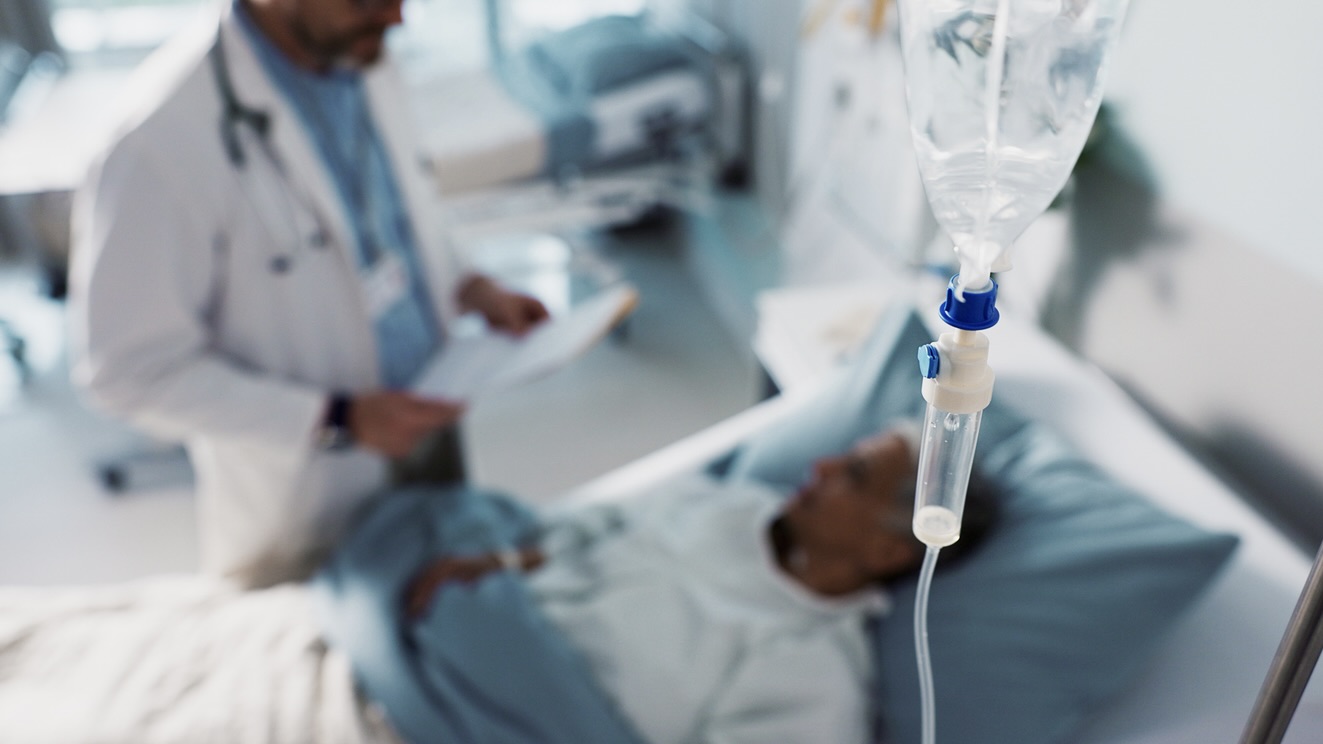
Not all hospital environments carry equal risk. Intensive care units, where patients are most vulnerable and drug regimens are most complex, reported some of the highest error rates in the dataset. ICU error rates ranged from 6.11 percent to 43.60 percent, with an average of 36.53 percent, meaning that in some units nearly one in two patients was affected by a medication error.
Emergency departments are particularly dangerous environments. One study in the review reported medication error rates as high as 74 percent, meaning that in nearly three out of four patient visits something went wrong with a medication. This shows the pressure of rapid, life-or-death decisions that emergency staff face every shift.
General medicine wards, which handle most patient admissions across India’s hospitals, recorded an average error rate of 39.61 percent, meaning roughly two in five patients on a general ward encountered a medication problem.
One particularly alarming finding in the review shows that high-risk medications in ICUs were associated with 160.12 error incidents per 1,000 patient days. This shows how often dangerous mistakes occur in the most critical parts of a hospital.
Where errors enter the system
The review traces medication errors across the full journey of care, from the moment a doctor writes a prescription to the moment a nurse delivers a drug at the bedside. The picture is one of compounding risk: an error introduced early rarely gets caught before it reaches the patient.
Prescribing accounted for 40 percent of all errors, meaning four in ten mistakes begin before the patient has even received their medication. Wrong drug choices, incorrect doses, and incomplete prescriptions were among the most common failures. Drug administration followed at 31 percent, covering errors in timing, route, or quantity at the point of delivery. Errors during the recording and copying of prescriptions made up 22 percent, while mistakes at the pharmacy dispensing stage accounted for 11 percent.
“The highest proportions of medication errors were reported during the prescribing stage (40 percent), followed by the administration stage (31 percent), transcribing stage (22 percent), and the dispensing stage (11 percent),” said the study.
The authors note this pattern matches global data from the World Health Organisation, which found that more than half of all preventable medication-related harm worldwide begins at the prescribing stage. India’s experience is part of a wider pattern.
Also Read: After released from jail, Hyderabad man ‘takes up’ Viagra delivery
Many errors cause real harm
It is tempting to read the data and conclude that, because most errors are classified as minor, the problem is contained. The review pushes back against that reading.
Most errors either never reached the patient or caused no direct harm. But a meaningful share had real clinical consequences. Around 8.9 percent of errors required closer monitoring for signs of harm, meaning roughly one in eleven errors triggered additional observation. A further 2.2 percent caused temporary harm serious enough to require medical intervention. Between 0.1 percent and 1.2 percent of errors led to longer hospital stays than would otherwise have been necessary.
“A median of 8.9 percent of medication errors required monitoring, a median of 2.2 percent led to temporary harm necessitating intervention, and 0.1 to 1.2 percent caused prolonged hospitalisation,” said the study.
In the most severe cases, errors required life-sustaining intervention. Though rare at 0.14 percent, their presence in the data is a sobering reminder that the consequences of medication mistakes can reach the most extreme end of the harm spectrum.
These figures almost certainly undercount the true scale of the problem. In settings like India, where staff fear blame or legal consequences for reporting errors, many mistakes go unrecorded.
“Medication errors are often not reported in low- and middle-income countries due to a blame culture and fear of litigation, so an anonymous and blame-free reporting system is essential,” said the authors.
Also Read: India’s ‘midnight doctor’ ChatGPT is getting diagnoses dangerously wrong: Study
The human cost behind the numbers
The causes of medication errors in Indian hospitals are as much about systems as individuals. Heavy workloads, thin staffing, fatigue, and poor communication between departments create conditions in which errors become almost inevitable.
Nursing staff bear a particularly heavy burden. As the authors noted, “nurses face challenges such as heavy workloads, stress, and sleep deprivation, all of which increase the risk of errors.”
The same review also offers some optimism. Targeted training and awareness workshops, the authors said, have been shown to reduce medication administration errors by as much as 60.9 percent, meaning six in ten such errors could be avoided through better education alone.
The review is cautiously hopeful about technology’s role in cutting error rates, but it is equally clear about the gap between what tools can do and how they are used.
Electronic prescribing systems, barcoding, and automated infusion pumps are identified as effective in catching errors before they cause harm. But the authors flag a telling problem.
“Smart infusion pumps efficiently intercept potentially severe administration errors. However, many users do not utilise the drug libraries existing in smart infusion pumps, which undermines the safety features designed to prevent medication errors,” said the authors.
The same pattern recurs across other recommended interventions, from medication reconciliation at care transitions to double-checking protocols in high-risk wards. The tools exist. The challenge is making their use consistent and routine.


Source link
-

-

-

-

-


