
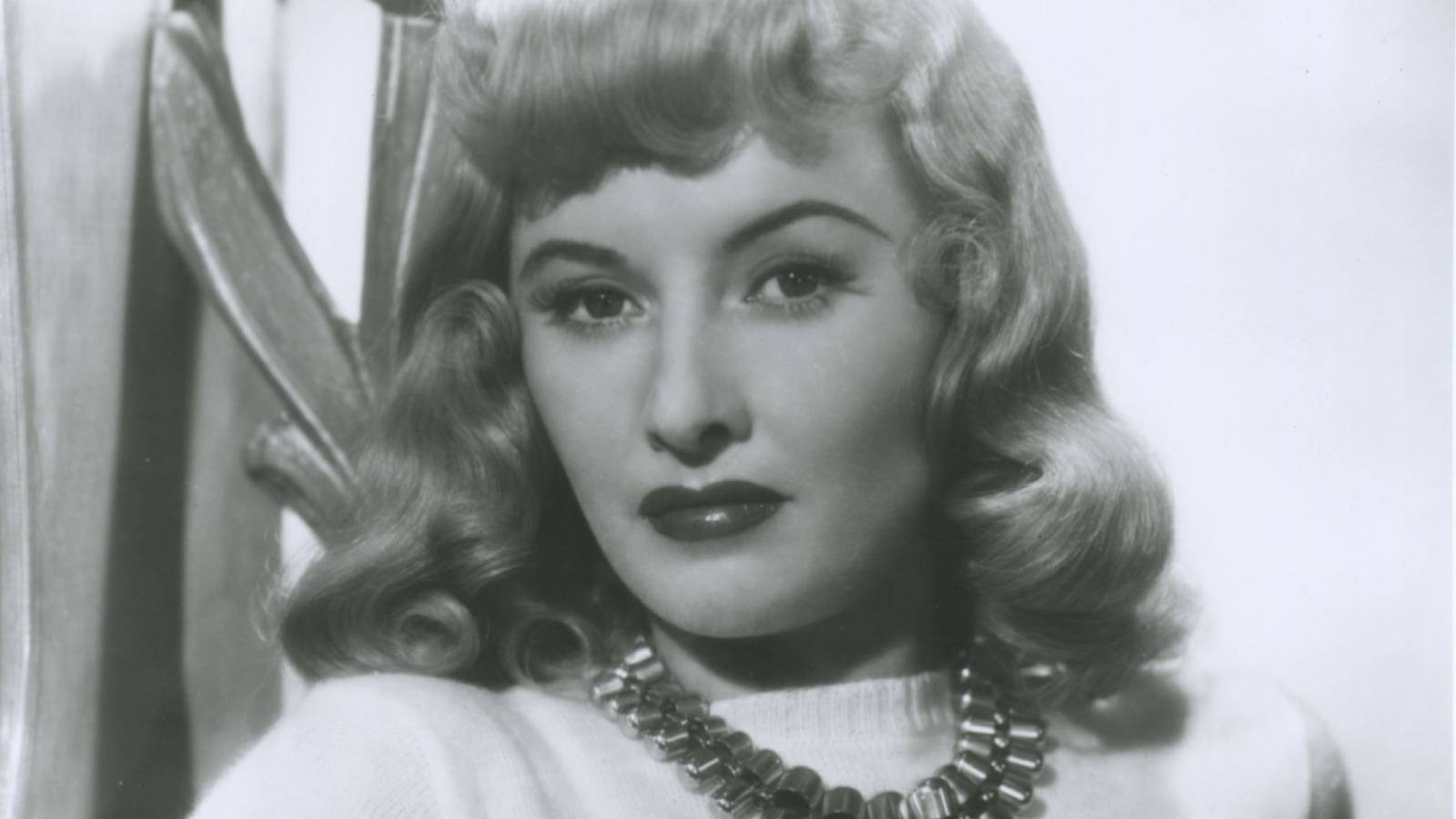
One of the best tropes of the film noir genre is the femme fatale, a mysterious and dangerous woman who causes bad things to happen to those around them. Frequently, the femme fatale causes the inciting incident of the story. In other cases, it is a woman who was there from the start and ends up morphing into the archetype.
The femme fatale is only a film noir villain some of the time, and other times, she is just someone who is taking agency over her life. They are often clever and ambitious, and sometimes they are desperate and smart, wanting to escape a bad situation. In almost every case, they control the story and the main detective.
Vivian Sternwood Rutledge, The Big Sleep
Humphrey Bogart was the king of film noirs throughout the genre’s heyday. He was also lucky enough to have some incredible leading ladies starring opposite him as perfect femme fatales. In The Big Sleep, Bogart played the Raymond Chandler detective, Philip Marlowe, and Lauren Bacall played his femme fatale.
Bacall played Vivian Sternwood, a femme fatale who wasn’t after money and didn’t want to punish a man in her life, but she was still someone who made life hard for any man who crossed her path. Once she and Marlowe hooked up, what started as blackmail turned into several murders.
Vivian’s father hires Marlowe to settle some of her sister’s debts. However, as with the best film noir films, that is only the start of a story that twists and turns with deception every step of the way. When Vivian admits she has a lot of problems that Marlowe would need to fix, she wasn’t kidding.
Norma Desmond, Sunset Boulevard


Gloria Swanson plays one of the most unique and bizarre femme fatales of all time. Directed by Billy Wilder, Sunset Boulevard is a film noir that is more about the darkness and depths of Hollywood than it is about detectives and murder mysteries. Swanson plays Norma Desmond, an aging actress trying to hold on to her past.
As a femme fatale, Norma latches onto Joe Gillis (William Holden), a screenwriter whom she hopes will help her relive her glory days. Joe makes Norma feel younger and more relevant, but this only means bad things will happen to Joe, and Norma comes out in the end looking more deranged than ever.
Swanson won an Oscar nomination for Sunset Boulevard, and it was her performance that remains the most memorable part of the entire movie. When Norma kills Joe as she slips into madness, her crazed look shows that no one came out of the movie in one piece, a film noir trope.
Gilda Mundson, Gilda
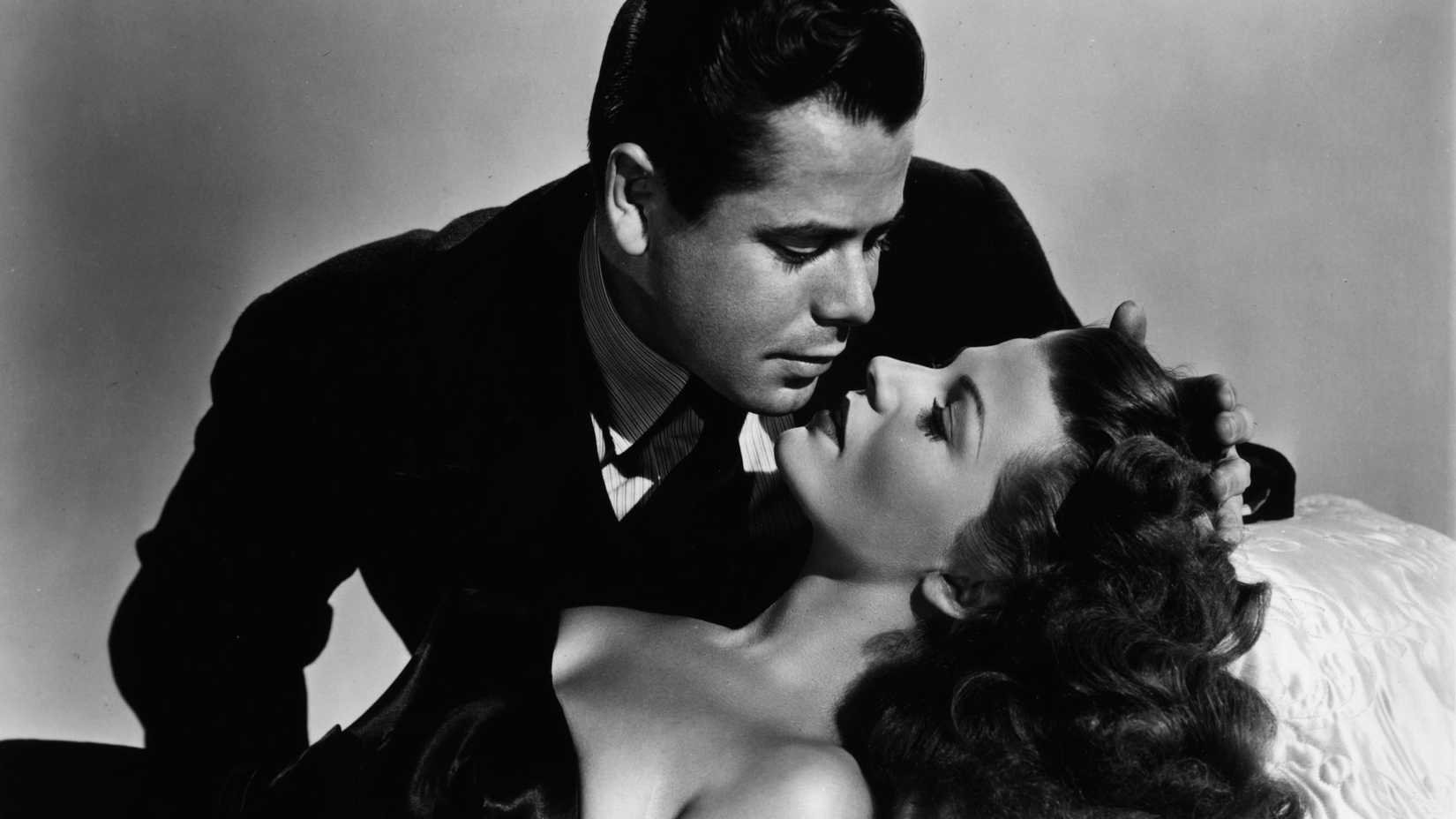
One of the most recognizable femme fatales in film noir is Rita Hayworth, who played Gilda in the movie of the same name. The film noir actress remains one of the genre’s most notorious women, and Gilda might be her genre masterpiece. Here, she is the wife of a gangster who wants so much more.
Glenn Ford plays Johnny Farrell, a gambler whom a gangster named Ballin Mundson (George Macready) hires to operate his Argentinean casino. It is there that Johnny sees Gilda, a former lover, and a love triangle begins that has deadly consequences.
Gilda is as deadly as they come, and she puts everyone’s lives in danger, especially as she taunts Johnny every step of the way. Despite this, Johnny can’t turn away and gets in deeper and deeper until there is no way out. It all comes down to Gilda manipulating everyone around her to get her husband’s riches, no matter who has to die.
Jane Palmer, Too Late For Tears

While it is not as famous as many other film noirs from the era, Too Late for Tears offers another perfect example of what makes femme fatales so dangerous. Lizabeth Scott plays Jane Palmer, and one day a bag of cash ends up in the car of Jane and her husband Alan (Arthur Kennedy). When someone comes to retrieve it, things spiral out of control.
This discovery leads Jane down a dark road. When her husband isn’t sure about keeping the money, she realizes that he needs to go. After she kills her husband so she can keep the money, she enters into a partnership with the person who put the money in their car, a man named Danny (Dan Duryea).
However, when a mysterious man named Don Blake (Don DeFore) shows up, claiming to be her missing husband’s old war buddy, things start to spiral out of control when she can’t keep her stories straight. Jane’s multiple murders make her one of the deadliest femme fatales in film noir.
Alice Reed, The Woman In The Window

Fritz Lang was highly responsible for the look of film noir, as the genre was based on the design of classic German Expressionist films, of which Lang was one of the best genre directors. That made his film noirs among the best-looking in the new genre. In 1944, Lang directed The Woman in the Window.
Lang cast one of the best gangster actors in history, Edward G. Robinson, in the lead role as a college professor named Richard Wanley, and then brought in Joan Bennett to play the femme fatale, Alice Reed. The story all starts when Wanley meets Alice while his wife and kids are on vacation.
However, when another man caught them together, Wanley had to kill the man in self-defense, and Alice convinces him to cover it up rather than call the police. The ending is a slight cop out, but Reed is solid as a femme fatale who helps an otherwise normal man to make some horrific decisions.
Kathie Moffat, Out Of The Past

Out of the Past is a film noir movie that proves that nothing stays buried, and a person’s sins will always catch up with them. The movie stars Robert Mitchum as a former detective who has fled his life in the big city and settled into a small town where he runs a gas station. However, when a person from the past finds him, his life is turned upside down.
It isn’t his love interest (played by Virginia Huston) who is the femme fatale. It is Jane Greer’s Kathie Moffat, the missing girlfriend of a gambling kingpin, who demands that Jeff find her. However, when Jeff locates her, she becomes a masterful femme fatale, seducing him, manipulating him, and leading him to his doom.
While Jeff’s past was enough to ruin the life he had planned in his new town, it was Kathie who brought the wall tumbling down around them. The film had a perfect ending, not allowing anyone to escape their sins, and it was a masterful film noir.
Vera, Detour

Detour is a film noir movie that features one of Hollywood’s most misunderstood, yet deadly, femme fatales in film noir. Ann Savage plays Vera, one of the nastiest femme fatales. She also has a good reason why she is ruining people’s lives and manipulating situations in her favor.
Charles Haskell Jr (Edmund MacDonald) picks up Vera when she is hitchhiking, and he immediately tries to sexually assault her, showing she has a reason to fear and hate the men around her. Vera has suffered through traumatic events in her past, and she meets Al (Tom Neal), a man who killed Charles and stole his identity.
Vera decides they can work together to get vengeance on bad people. However, Al isn’t quite smart enough to play along, and this pushes Vera over the edge. Throughout the movie, Vera has evil plans, doesn’t care about anyone else, but, truth be told, she has no reason to.
Cora Smith, The Postman Always Rings Twice

The Postman Always Rings Twice is a dark film noir about a woman named Cora Smith (Lana Turner), a woman who is in a loveless marriage with a diner owner named Nick Smith (Cecil Kellaway). However, when Cora begins an affair with a drifter named Frank (John Garfield), she starts the dominoes falling.
Cora only married Nick to have a good life with money, but he is much older, and when she sees how much Frank loves her, she realizes he might be her way out. The problem is that she wants the money too and isn’t willing to let Nick go without getting what she believes is hers.
Cora convinces Frank to murder her husband, and while that isn’t exactly what happens in the movie, she is responsible for leading one man to death and the other to prison, while still getting what she deserves in the end. There are few femme fatales in film noirs more manipulative than Cora Smith.
Brigid O’Shaughnessy, The Maltese Falcon

One of the most famous of all femme fatales in film noir history is Brigid O’Shaughnessy (Mary Astor) in The Maltese Falcon. As with the best film noir and pulp stories, she was not who she seemed when she introduced herself as Ruth Wonderly when she hired Sam Spade to find her missing sister.
Even when Spade learns the truth, he still sets out to help Brigid, even though he knows she is bad news. Based on the pulp novel by Dashiell Hammett, this is Humphrey Bogart’s movie. However, Mary Astor was brilliant in her portrayal of a woman that no one could trust, even though she had her reasons.
Brigid is such a brilliant character that Sam Spade can’t help but fall in love with her, even when he learns the truth of what she has done, including the fact that she murdered his own partner. When he has to turn her in to the police at the end, it is a devastating moment for the detective, proving this femme fatale’s deadly grasp.
Phyllis Dietrichson, Double Indemnity
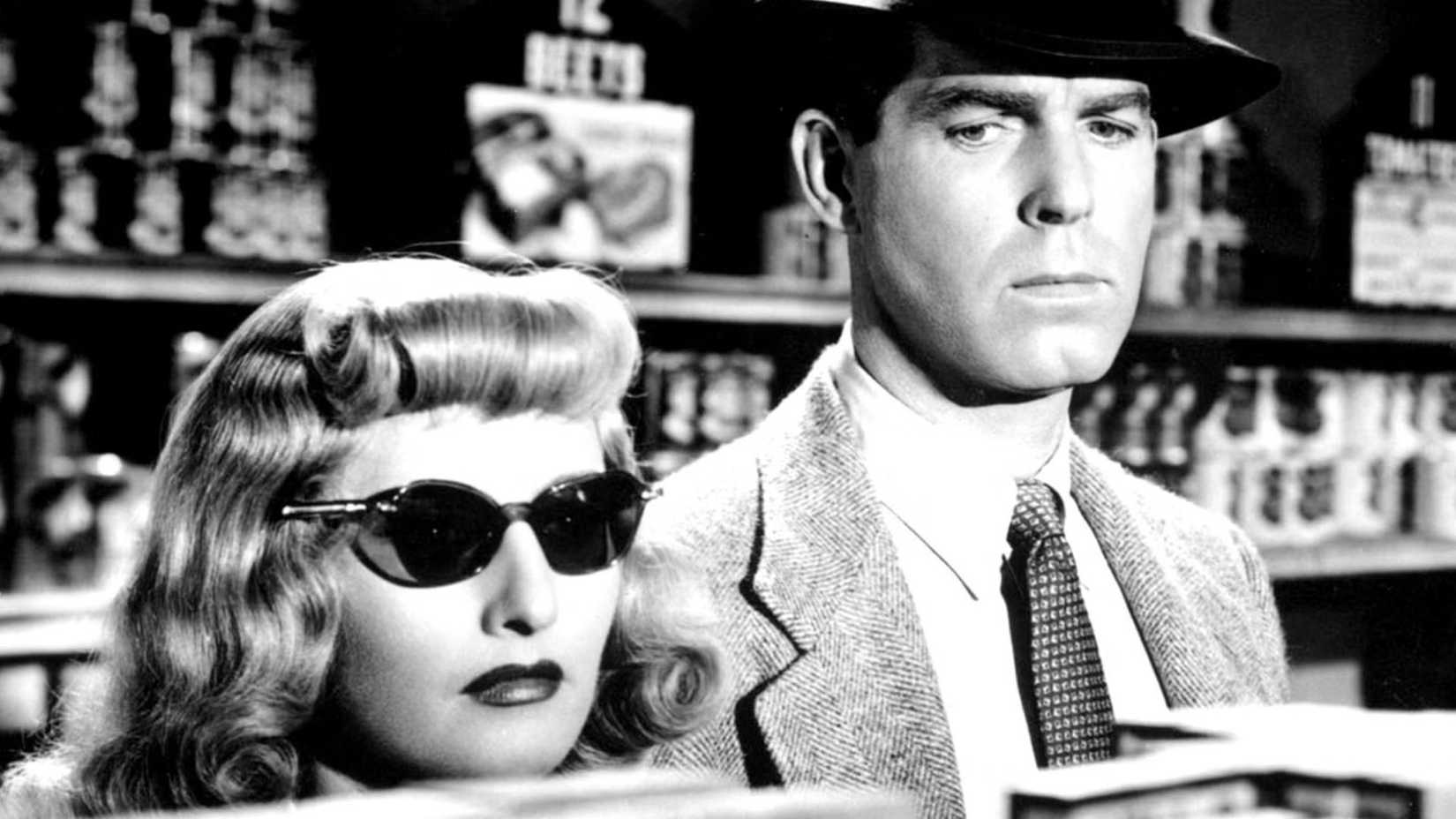
The most devious and deadly femme fatale in film noir history was Phyllis Dietrichson from Double Indemnity. The film follows a woman in an abusive marriage who meets an insurance salesman and finds there might be a way out of her bad life. It is based on the insurance term “double indemnity.”
The idea is that a person gets double the money from insurance companies if a death is ruled accidental, so she sets up a scheme with the insurance salesman, Walter Neff (Fred MacMurray), to kill her husband but make it look like an accident. This decision is what makes her deadly, as she is devious but keeps her own hands clean.
Walter is simply a victim in her plan, rather than an accomplice who believes she loves him. By the end of the movie, Phyllis has killed and ruined many people’s lives before she finally gets what is coming to her, but only after the destruction of Neff as well. It is a perfectly plotted film noir.
Source link
-

-

-

-
-


