Two Amanda Seyfried movies and a true crime documentary are in the mix for new movies to see, stream or skip this month. Which is which? Find out in our review.
ASHEVILLE, N.C. (828newsNOW) — Two Amanda Seyfried movies and a true crime documentary are in the mix for new movies to see, stream or skip this month. Which is which? Find out in our January edition below.
“THE TESTAMENT OF ANN LEE” (2025, 137 min., directed by Mona Fastvold)
Did you like the big, bold, bombast of “The Brutalist”? If so, “The Testament of Ann Lee,” directed by “The Brutalist” co-writer Mona Fastvold with her partner and creative collaborator, Brady Corbet – will be for you. If you didn’t respond to their prior American epic, however, Fastvold and Corbet’s follow-up probably won’t play much better. The two movies have a lot in common.
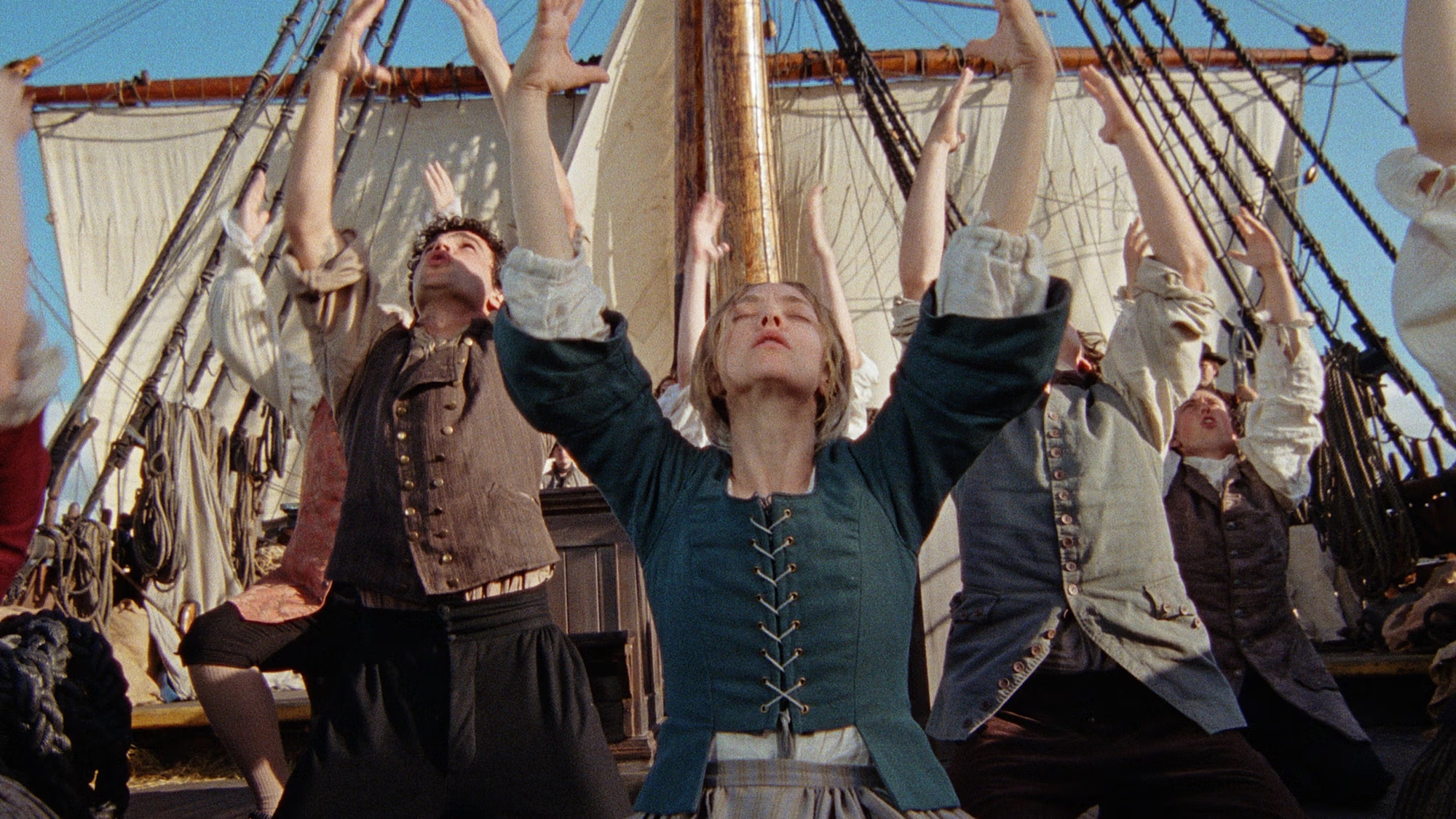
Like its predecessor, “Ann Lee” is an American immigration story. The movie is a biopic of the religious leader Ann Lee, who brought the Shaker movement of Christianity to colonial North America in the late 1700s. “Shakers,” a name derived from “Shaking Quakers,” are a denomination characterized by gender equality, celibacy and, especially, ecstatic movement and song during worship. Consequently, “Ann Lee” is a musical, featuring traditional Shaker hymns and several new songs inspired by them. The film stars Amanda Seyfried as Lee, Lewis Pullman as her brother, William, Christopher Abbott as her husband, Abraham, Thomasin McKenzie as a Shaker and the narrator, as well as Stacy Martin, Tim Blake Nelson, Scott Handy and Matthew Beard in supporting roles.
“Ann Lee” is an ambitious, unusual movie. The musical elements alone defy conventionality, with dance scenes resembling zombie movies in their writhing piles of people and songs comprised of animalistic grunting as often as angelic arias. The film also sports a bracing physicality. Fastvold and Seyfried spare nothing onscreen, depicting sex, childbirth and orgiastic dance as naked as reality. The dance, too, often feels violent and forceful in its conviction, with rhythmic, ceaseless thumping animating the Shakers through their song. When the film is not tethered to its fidelity to presenting pain, it takes relish in flights of fancy, with painterly interstitial fantasies breaking up the cool lighting and plain garb of the colonial setting.
“Ann Lee” is an odd movie, and the star at its center leans into the madness. Seyfried’s performance is fervent, sweaty and electric, especially during her songs, when the “Mamma Mia!” and “Les Misérables” alum is put to the test in ways show tunes never required. Seyfried sells the messianic character of Lee with her whole spirit. She’s astounding here.
Another frequent collaborator on Fastvold/Corbet projects is composer Daniel Blumberg, who won an Oscar for his booming score for “The Brutalist.” Blumberg returned to the duo to pen the music for “Ann Lee.” His task required not only the transposition and interpretation of the Shaker hymns, but the composition of three entirely new tracks, including “Clothed by the Sun,” which haunts the closing credits. Blumberg and Seyfried sing it together, a potent combination of the two most powerful parts of “Ann Lee.”
Listen to “Clothed by the Sun”:

While it delivers a convincing sermon, “Ann Lee” isn’t a complete success. The film’s structure is far less interesting than its songs. While Lee is an inspired choice for the biopic treatment, Fastvold and Corbet opt for a cradle-to-grave framework, a frustrating cliché for such a fascinating proposition. We see Lee’s life from childhood to tombstone, leaving as much room for imagination as personal space at Shaker worship. Then, unlike her unrelenting depiction of the body and its processes, Fastvold brought McKenzie on to deliver unimpressive expositional narration. There is a tension between eccentric brilliance and distrustful handholding in “Ann Lee” that prevents it from ascending all the way to movie heaven.
I’ll be interested to observe the legacy “Ann Lee” leaves. Unlike “The Brutalist,” it has not been posited as an awards player or entered the broader cultural lexicon in any meaningful way. During the end credits, Fastvold included drawings of actual Shaker sects with their accompanying populations of believers. As their time stamps approached the present day, the numbers continued to shrank, but never died. Maybe the movie will fare the same way. Its devotees may never become many, but those who believe will extoll its virtues with ecstatic splendor.
Rating: 4/5
“The Testament of Ann Lee” will be playing in Asheville at the Fine Arts Theatre beginning Jan. 23, 2026.
“THE PERFECT NEIGHBOR” (2025, 98 min., directed by Geeta Gandbhir)

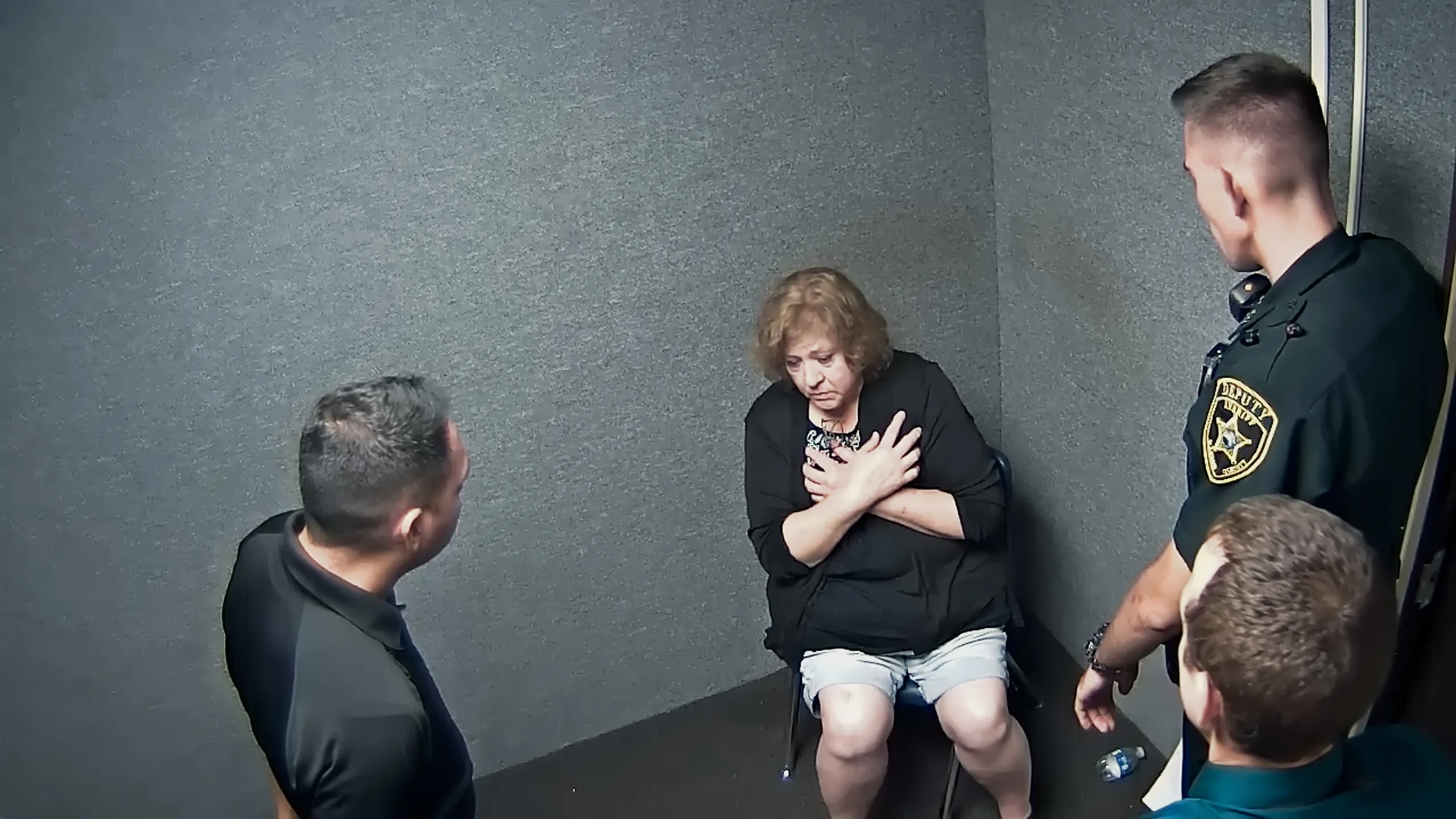
Content warning: Racial slurs and real-life violence are presented unfiltered in “The Perfect Neighbor.”
If you can only watch one new documentary this year, make it “The Perfect Neighbor.” Geeta Gandbhir’s film about the killing of Ajike Owens, a Black woman shot and killed by her white neighbor, Susan Louise Lorincz, on June 2, 2023 in Ocala, Florida is tragic and upsetting, but vital, revealing viewing.
Gandbhir and her editor, Viridiana Lieberman, tell Owens’ story entirely through archival police footage, security feeds, smartphone video and news segments. There are no interviews, no dramatic recreations and no narration. The footage, Gandbhir indicates, speaks for itself.
“The Perfect Neighbor” is engrossing from the very beginning, thanks to the neurotic vileness Lorincz espouses. The film’s abundance of archival material exists in large part because of Lorincz’s commitment to waging a one-sided war against her neighbors’ children. The footage, the bulk of which was captured on police officer body cams, reveals Lorincz threatening the kids, lying about their behavior and repeatedly calling law enforcement to their neighborhood, where officers would shake their heads at her conduct and commiserate with the parents. If this was a fictional narrative, Lorincz wrote herself as the antagonist from the start.

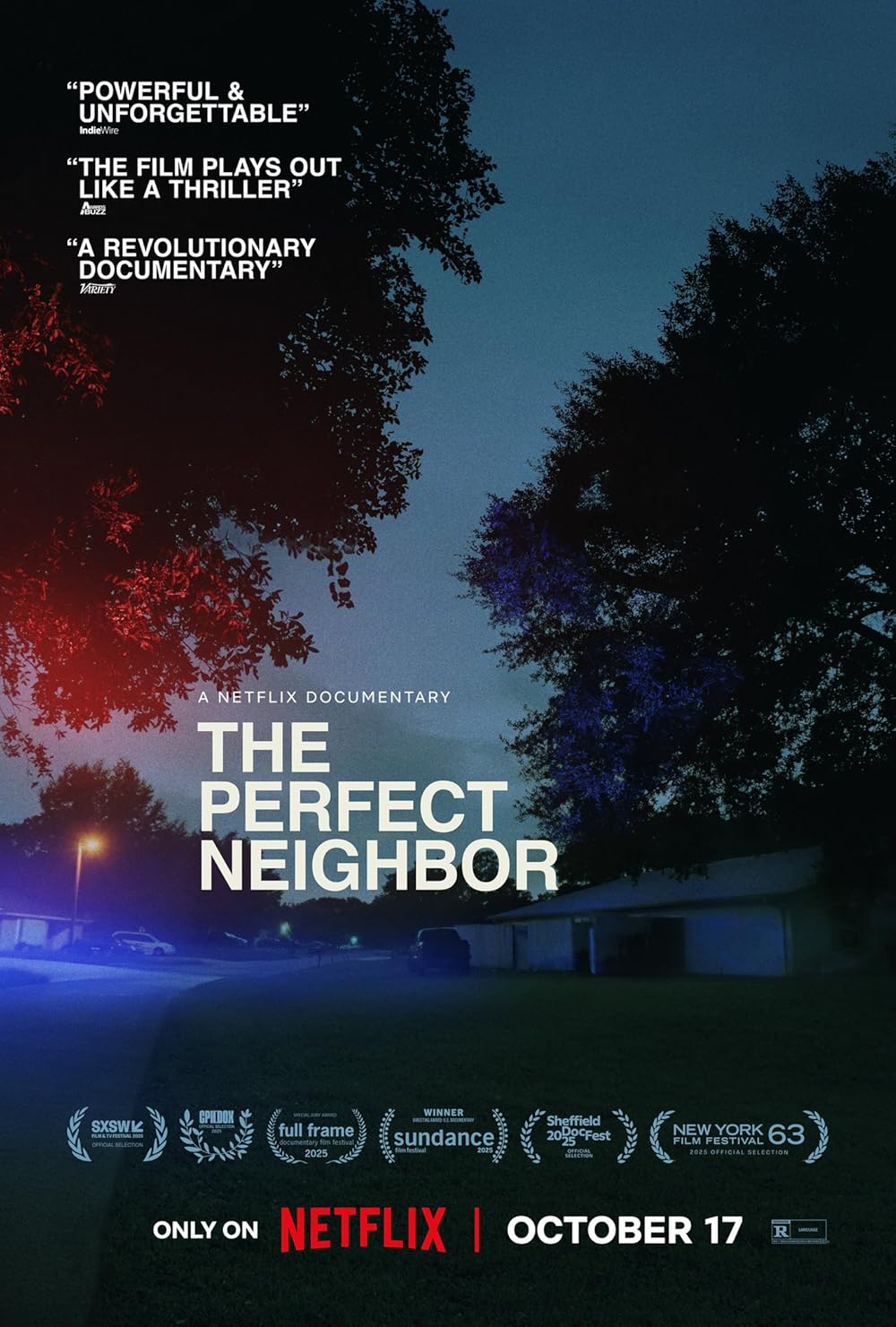
Would that it were fiction. The devastating, unflinching truth of this documentary is that Lorincz would ultimately do far more than conjure up fictitious trespassing allegations. Halfway through the film, Gandbhir brings the audience into the aftermath of Lorincz shooting Owens through her closed, locked and deadbolted front door, killing the unarmed woman in front of her young son. I think it would be impossible to watch “The Perfect Neighbor” and not feel distraught, particularly when Owens’ kids are onscreen.
“Are you hurt?” one of Owens’ children is asked after his mother was shot.
“No,” the kid replied. “But my heart is broken.”
It is the small moments like that in “The Perfect Neighbor,” each authentically, uncynically captured, which will break your heart, too.
The rest of the film is focused on Lorincz’s remorseless attitude during her investigation, arrest and subsequent conviction, and the efforts of Owens’ grieving family and loved ones to honor her memory and seek justice for her killing. The footage is shown in long, unedited stretches, presenting all the facts to the audience with journalistic impartiality. “The Perfect Neighbor” is a masterclass in unobtrusive documentary form.
Still, the film is not simply a passive bystander. By spotlighting Owens’ story, “The Perfect Neighbor” is calling attention to the problems with Floridian stand-your-ground laws, systemic racism and untreated mental illness. Even if they make it look effortless, Gandbhir and Lieberman have selected and arranged every scrap of footage with intention and to great effect. “The Perfect Neighbor” may very well be a perfect documentary.
Rating: 5/5
“The Perfect Neighbor” is now streaming on Netflix.
“THE HOUSEMAID” (2025, 131 min., directed by Paul Feig)

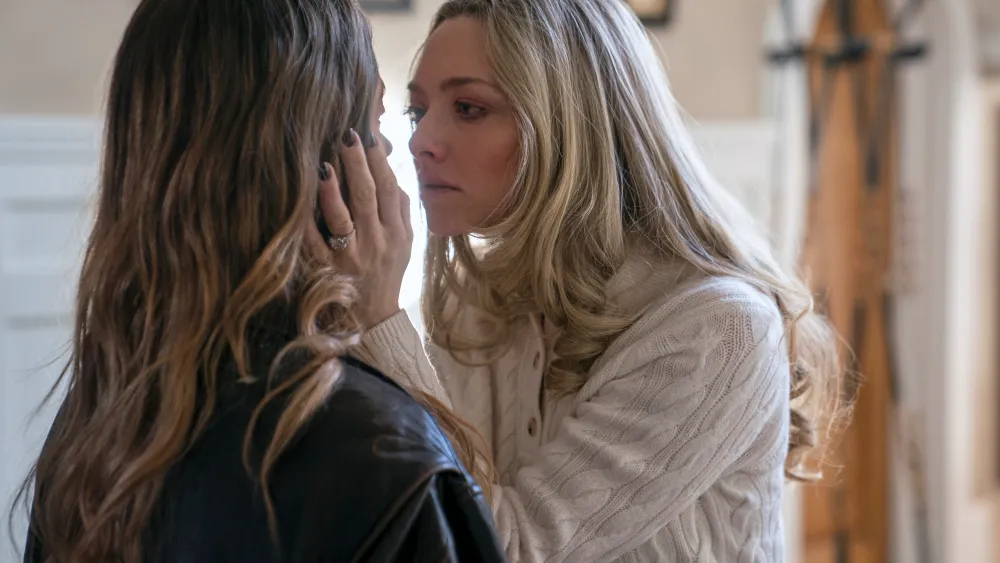
Amanda Seyfried was in two movies this December. One of them, “The Testament of Ann Lee,” is great! See above!
The other is a frothy, frenzied mess. That’s “The Housemaid,” directed by Paul Feig, who already made a sterling appearance on the 2025 bad movies list with “Another Simple Favor.” “The Housemaid” is even worse.
To be clear, Seyfried is not the problem with this one. Her performance is fun, campy and given with twitchy gusto. Instead, the odious accolade of “bad-movie-but-not-in-a-fun-way” is earned by “The Housemaid” in a three-way collaboration between Sydney Sweeney’s absolutely miserable voiceover work, Feig’s abysmal needle drops and a script by Rebecca Sonnenshine that owes so much to “Gone Girl” it borders on plagiarism.
Outside of Seyfried, there is nothing to recommend “The Housemaid,” really. It’s as hollow as a dollhouse and just as much of a simulacrum of something bigger and better.
Rating: 2/5
“The Housemaid” is now playing in theaters.
-
Two Amanda Seyfried movies and a true crime documentary are in the mix for new movies to see, stream or skip this month. Which is which? Find out in our review.
Read more…
-
2026 is almost here, which means it is time for our annual list of the best movies of the year.
Read more…
-
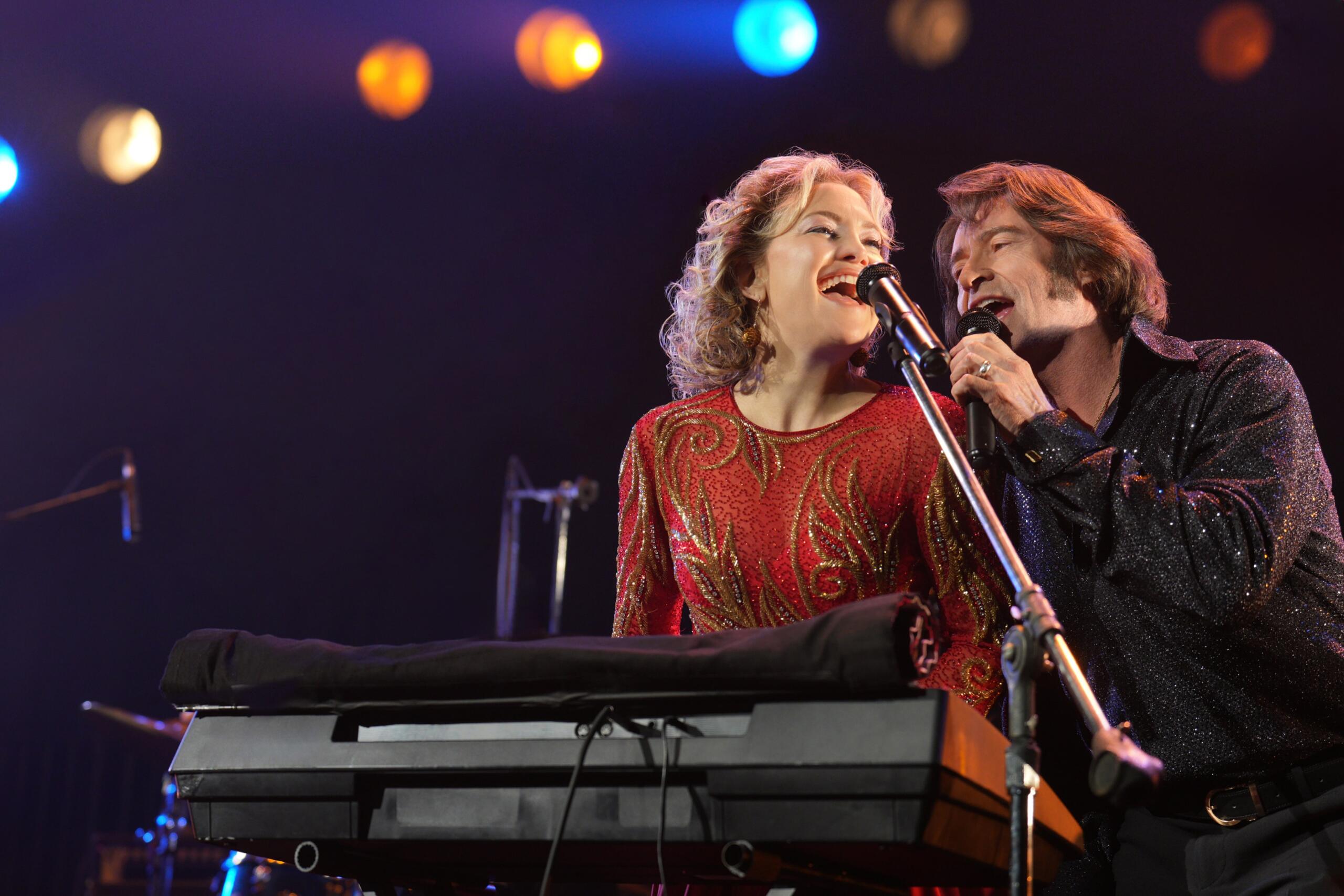
There is something irresistible about Neil Diamond’s “Sweet Caroline,” especially as performed by Kate Hudson and Hugh Jackman. “Song Sung Blue” understands this very well. Read our full review of the musical melodrama below.
Read more…
-
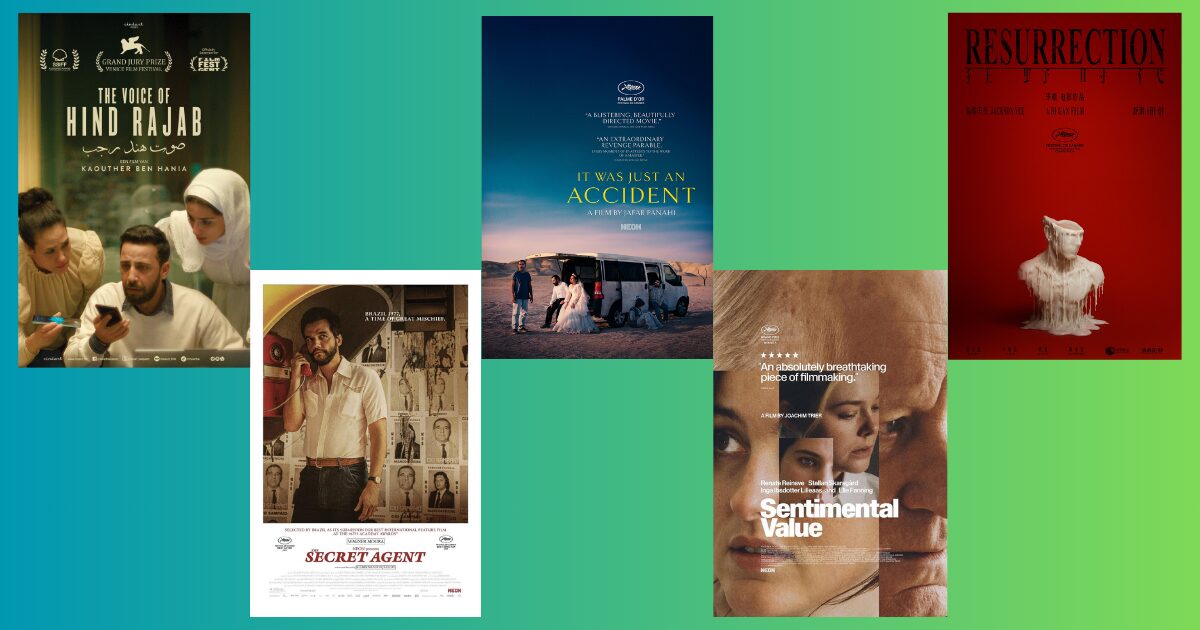
2025 was a fantastic year for global cinema. From searing docudramas to surreal celebrations of the film medium itself, we visit Brazil, China, Iran, Norway and Palestine to bring you the best international movies of 2025. Read our list.
Read more…
-
When “Avatar: The Way of Water” was released in 2022, it had been 13 years since James Cameron’s revolutionary sci-fi epic first hit the scene. “Avatar: Fire and Ash,” meanwhile, comes soaring into cinemas this weekend just three years after its predecessor, and this time, it feels a little less special. Read our full review.
Read more…


Source link
-

-

-

-
-