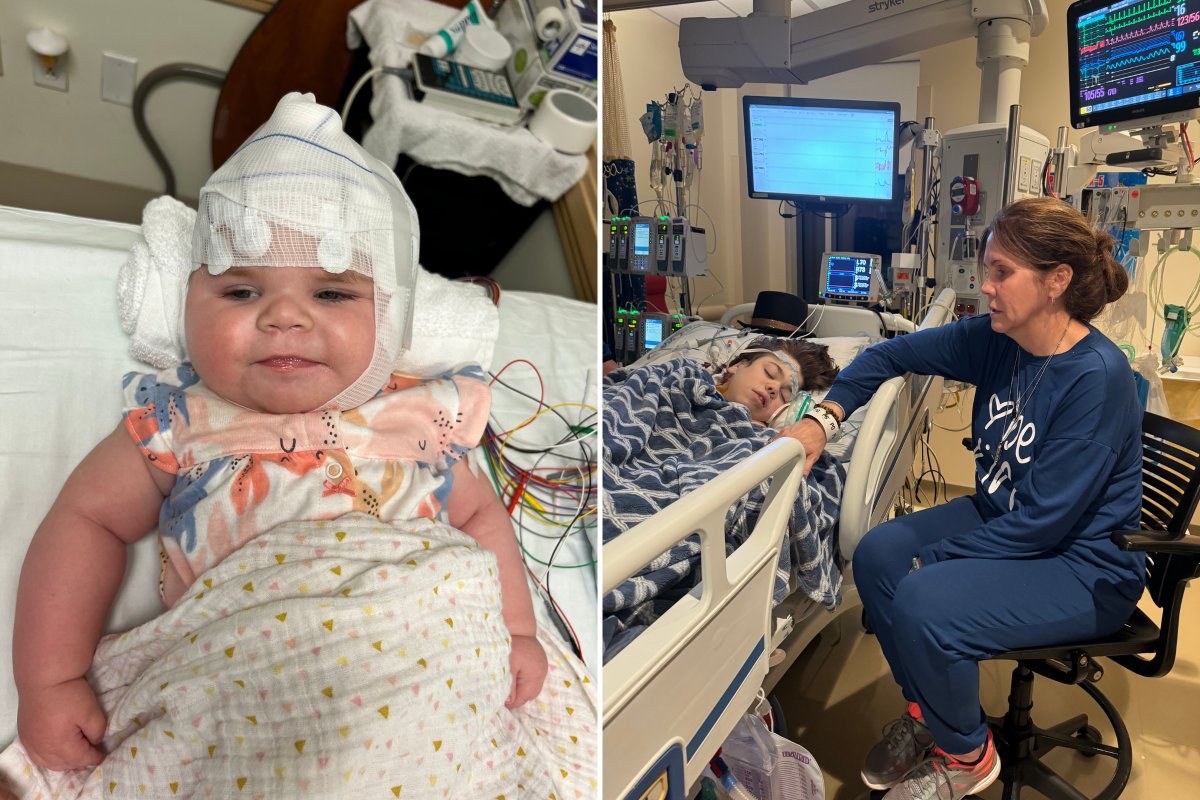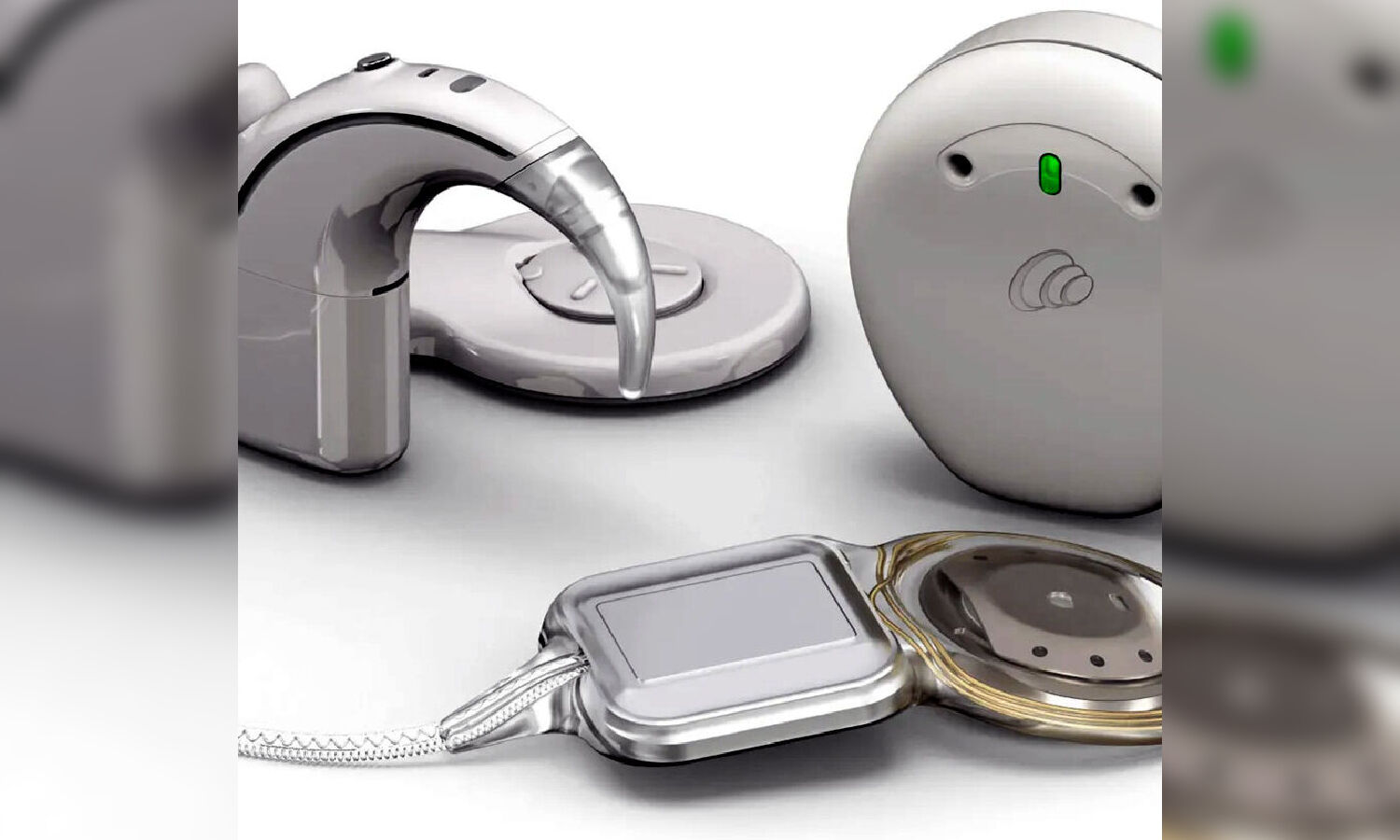
Hyderabad: In a medical breakthrough, surgeons at KIMS Hospitals, Secunderabad, have successfully performed India’s first ‘Smart Cochlear Implant’ surgery.
The recipient, a three-year-old child born with over 70 per cent hearing loss, now carries a device that—unlike traditional implants—can ‘evolve’ as technology advances without ever requiring a second trip to the operating room.
An upgrade to cochlear implants
For decades, cochlear implants have been the gold standard for profound hearing loss. However, they came with a significant caveat: while the external processor could be swapped for newer models, the internal hardware remained frozen in time once surgically implanted.
The new ‘Smart’ technology changes the equation by allowing doctors to upgrade the internal device’s firmware remotely.
“Much like smartphone applications receive updates to gain new features, this smart implant can be enhanced with new signal-processing technologies over time,” explained Dr Janardhan Rao Jagini, Head of the ENT Department and lead surgeon on the case. “This ensures the patient isn’t left behind as hearing science improves.”
Timing is everything
The surgery arrives at a critical developmental window for the young patient.
Experts emphasise that the brain’s plasticity at age three is ideal for language acquisition. “Performing this at an early age significantly improves a child’s chances of developing normal speech and language skills,” said Dr Shivaprasad Boddupalli, Chief Audiologist at KIMS.
The procedure is only the first step in a long-term journey. The child will now enter a comprehensive rehabilitation program involving:
– Audiological evaluation to monitor device performance.
– Custom programming of the internal electrode array.
– Intensive speech therapy to help the brain interpret new electronic signals as sound.
Setting a new benchmark
The surgical team, which also included Audiologist Dr Divya, noted that this milestone places KIMS Hospitals at the forefront of global audiological care.
By moving away from ‘static’ medical hardware toward ‘dynamic’ software-based solutions, the hospital aims to provide lifelong hearing clarity that doesn’t expire.
As the three-year-old recovers, the medical community looks toward a future where ‘permanent’ surgeries no longer mean permanent technological limits.
Source link