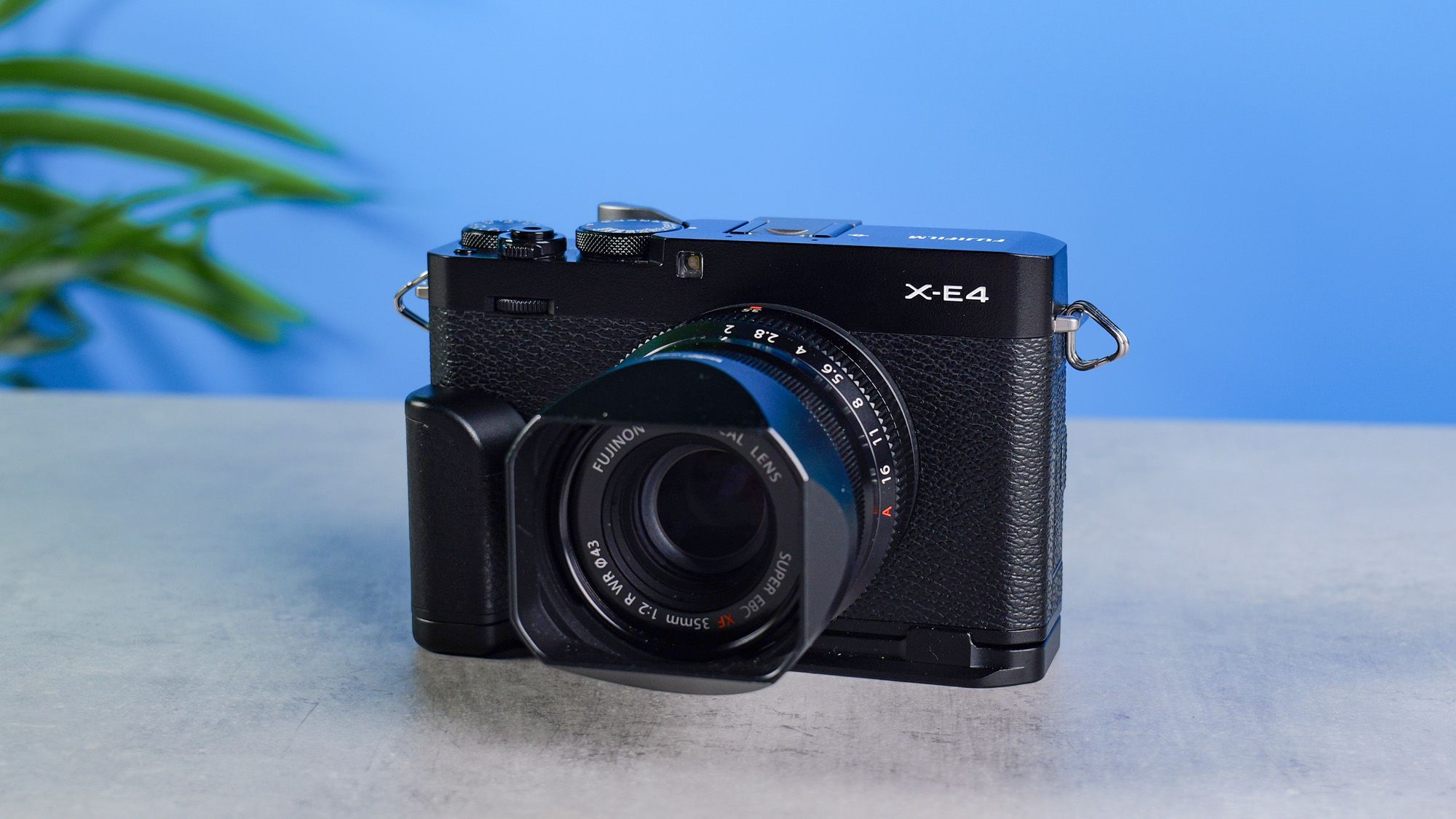
Recently, I’ve been on the prowl for a weekend camera. I love my Fujifilm X-T5, but it’s the camera I use on a near daily basis for work, shooting product photography or article illustrations. As tactile and enjoyable as it is, the X-T5 is also a bit too good.
“Huh? Too good?” Yeah, you heard me: too good. There are dials, Fn buttons, remappable buttons or swipe commands for everything. It’s a phenomenally easy camera to use, which I love about it. But on the weekend, when I shoot my personal photography, I want a bit more of a challenge.
I’ve been here before. A few years back I traded my Sony A7 III for a Fujifilm X-E4 for the very same reason. I had to get rid of that X-E4 as it had a dodgy sensor, and I’ve pined for it ever since.
But in the end, I didn’t. And instead, I just re-bought the X-E4. Here’s why I’m so glad I did, and why newer isn’t always better.
Peter Wolinski
I’ve been shooting Fuji since 2015 and have either owned or tested almost every recent Fujifilm camera, from the humble X-T30 through to medium format GFX monsters. Follow me on Instagram to see my photography.
So why not the X-E5?
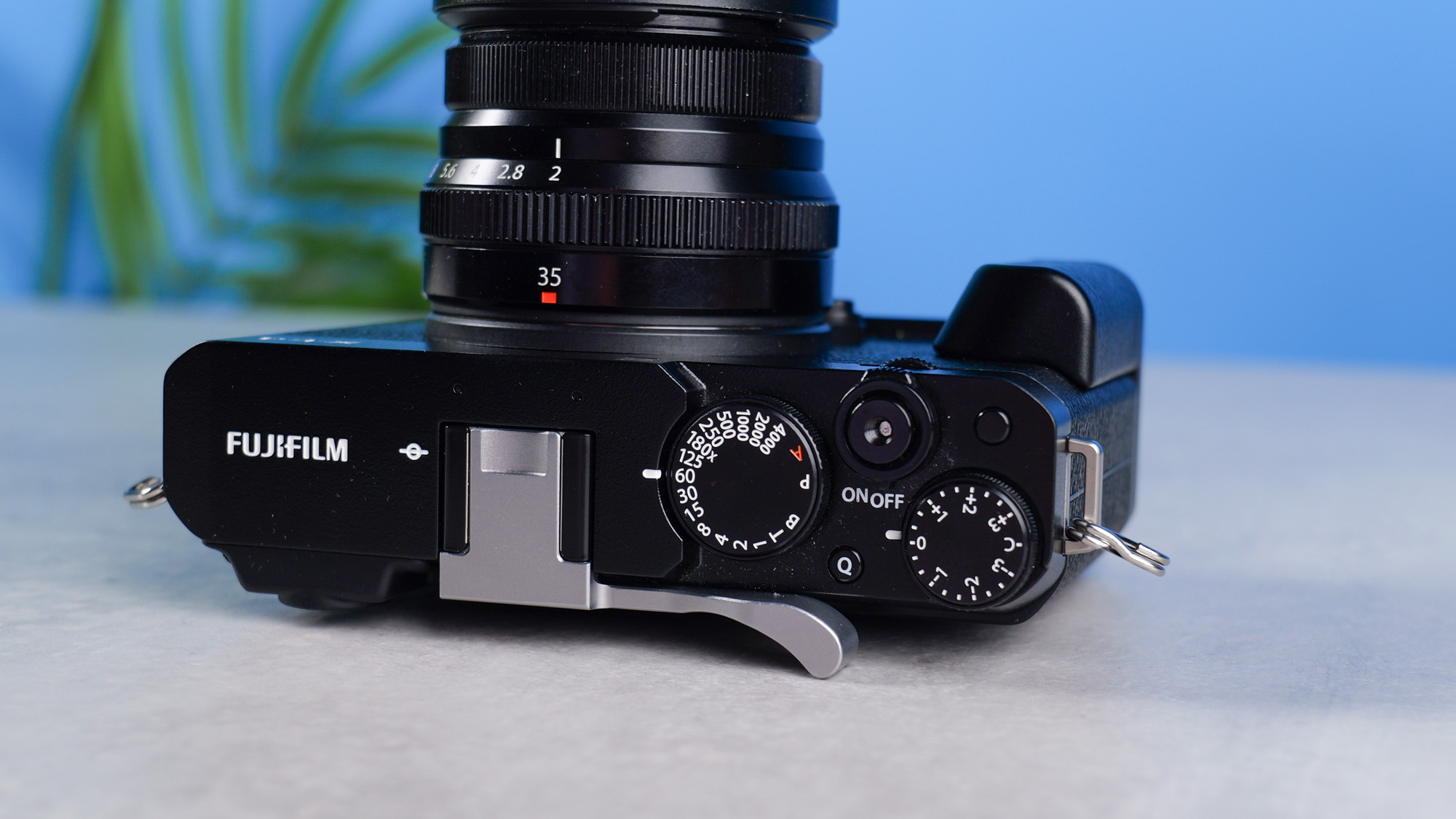
I also tested the X-E5, and personally I feel like it’s missing the magic of previous X-E cameras. Fuji’s mantra with the X-E4 launch was “make more with less” or something to that effect. And it encapsulates the experience of using the X-E4 perfectly.
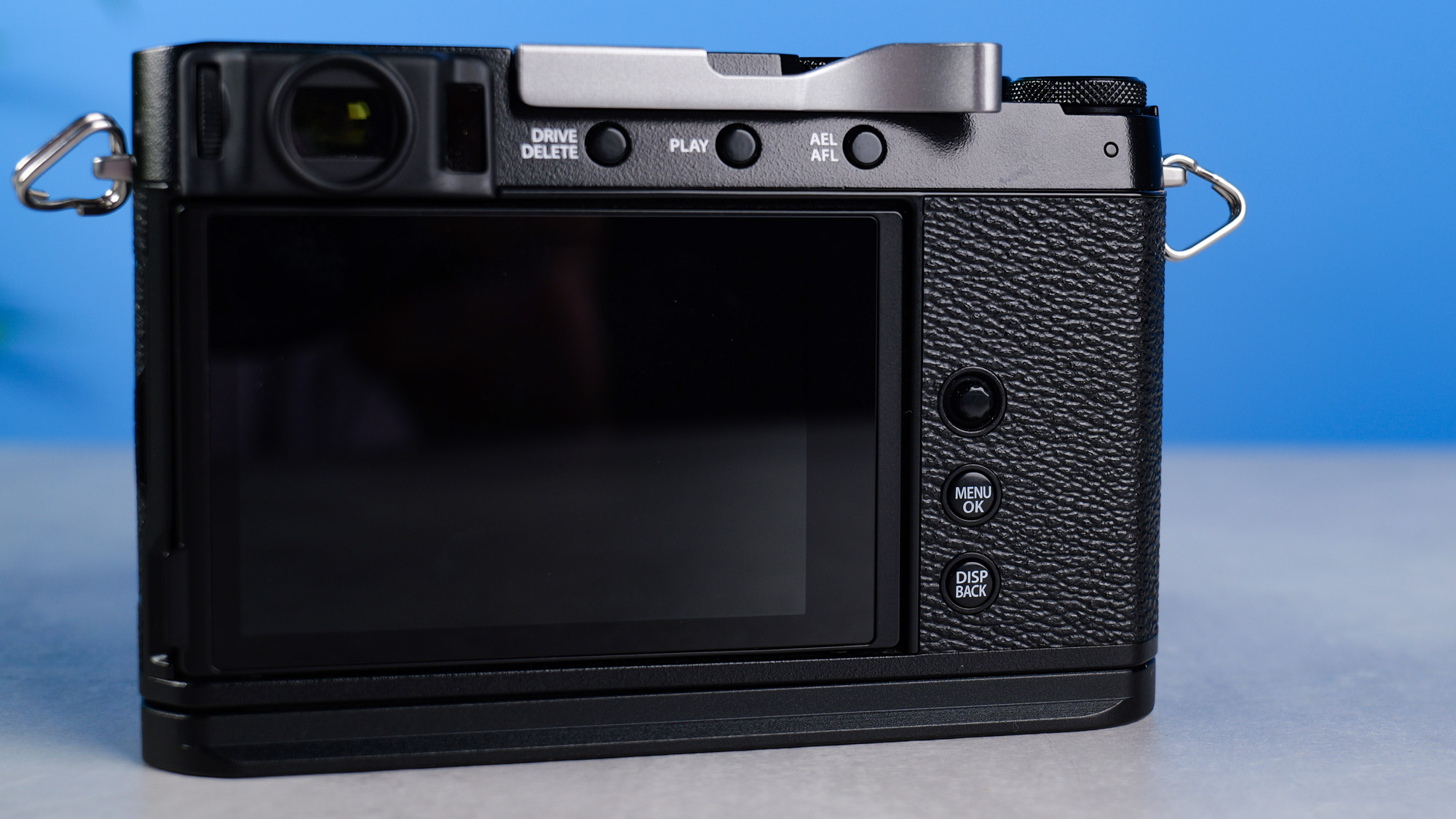
The X-E4 is a stripped-back camera with one re-assignable command dial, and one re-assignable Fn button, the D-pad buttons… and that’s it in regards to custom commands. There are screen swipe gestures but these are more trouble than they’re worth. The result is a camera which doesn’t give you every function at your fingertips. And that’s why I’ve bought it twice now. It’s fun. It’s challenging. It forces you to focus only on the things that matter: shutter, aperture and ISO. You might miss a few shots as a result of not having the feature you want right there, but that’s part of the experience.
The X-E5, by contrast, has (clears throat): two command dials; an assignable lever; an assignable top button; an assignable front button; and a film sim dial. Not to mention the same d-pad and four swipe gestures. Oh, plus IBIS, do-everything AF and a 40MP sensor.
It’s too much. I spent a few weeks with the X-E5 for my review, and while it’s a fantastic, competent camera, it was missing the magic I expect from the X-E line. It felt like every other Fuji. It felt safe. It felt boring.
It’s about the experience
Image 1 of 2

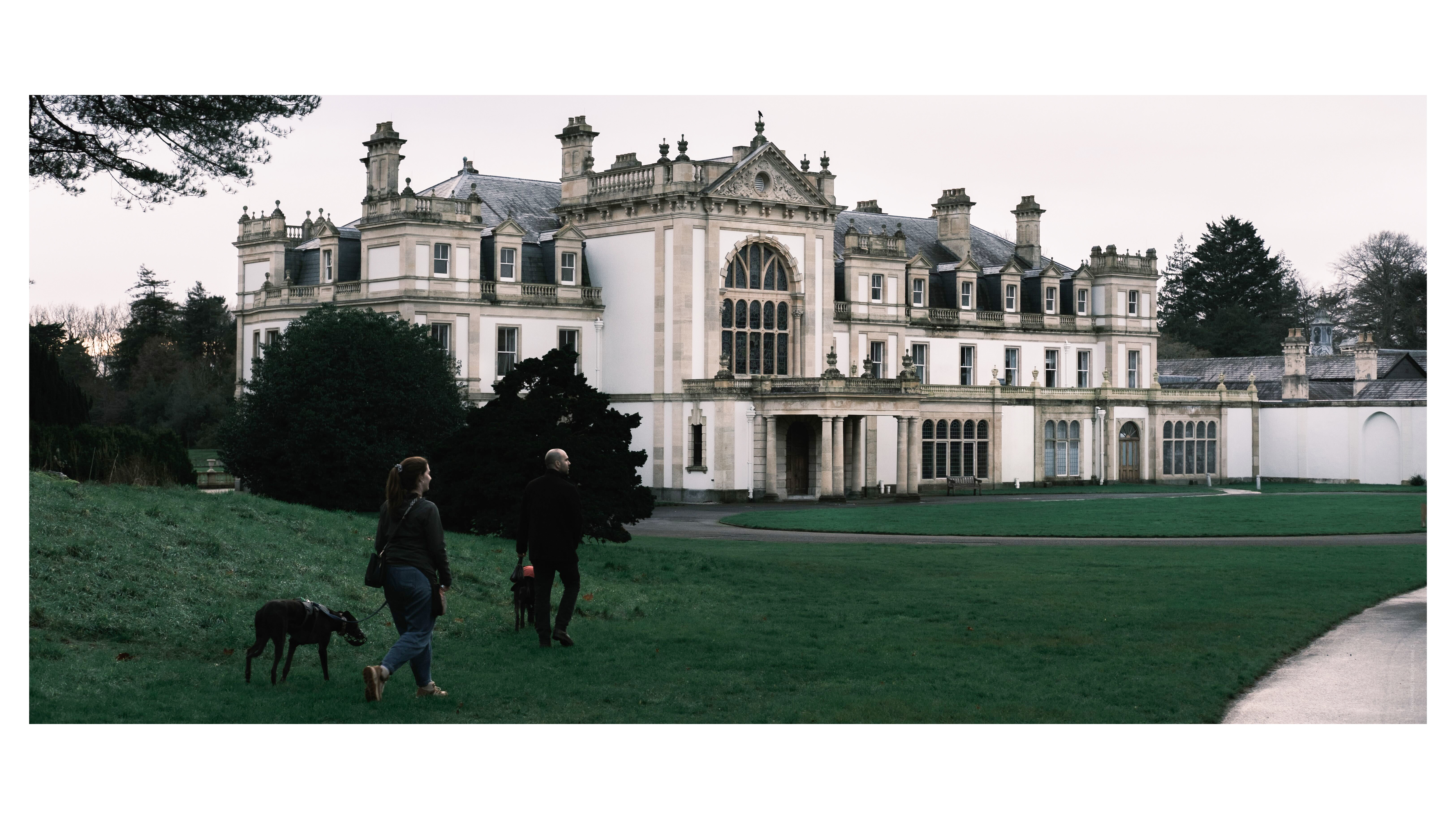

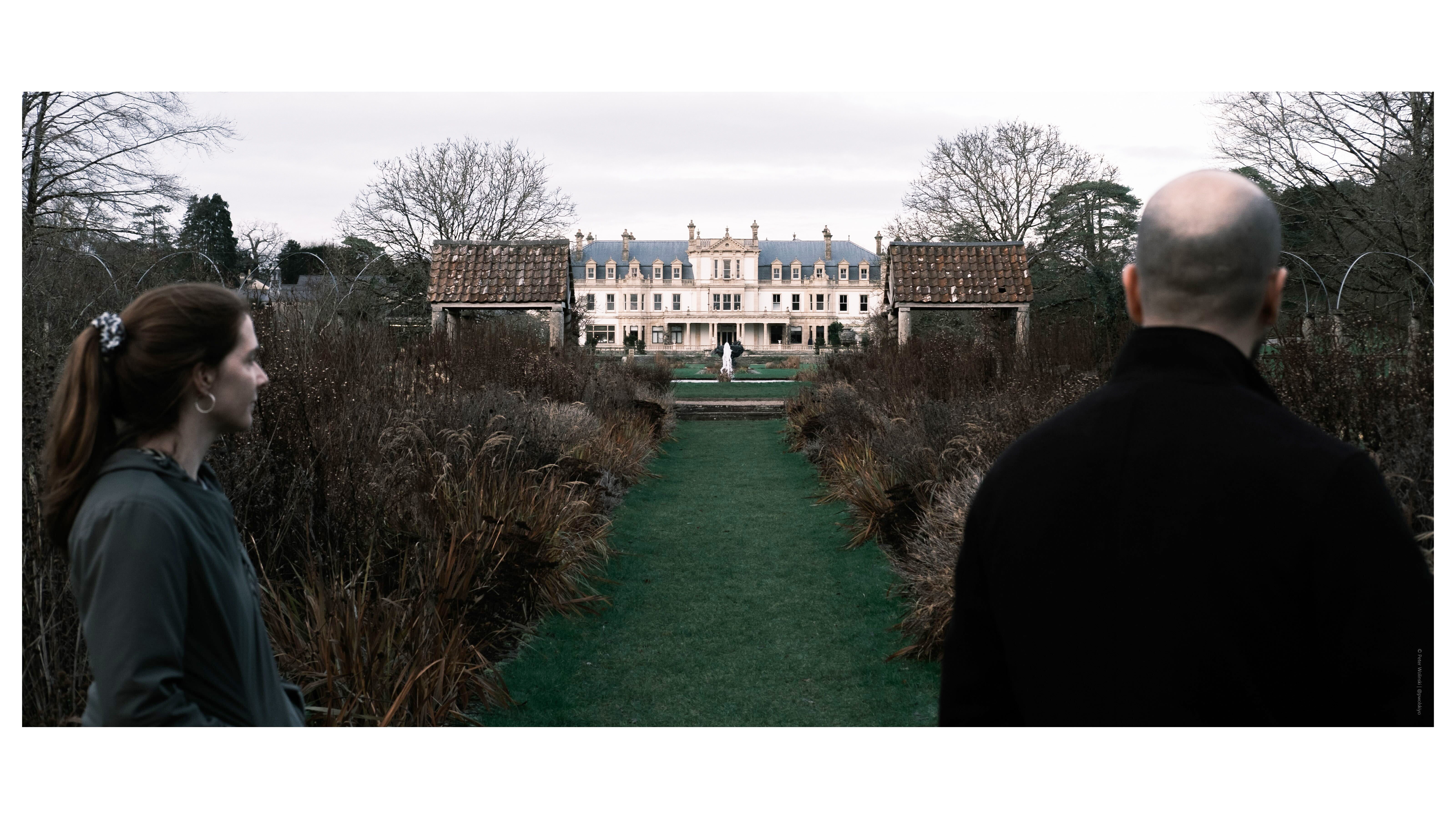
So I re-bought my X-E4, and I’m already having an absolute blast. When I have fun with photography, I find I’m at my most creative.
The X-E4 is small and unobtrusive enough that you can get away with taking it and using it practically anywhere. The ideal camera to own is the one that you want to take everywhere, as you’ll naturally capture more.
And with its rangefinder style, people find the X-E4 far less intimidating than a large mirrorless with a 2lb zoom lens strapped to it. As such, I’ve had the camera practically glued to me for a couple of weeks now. I even took it to an amateur wrestling event, which was extremely fun (and a test for the camera’s high ISO performance).
Image 1 of 3



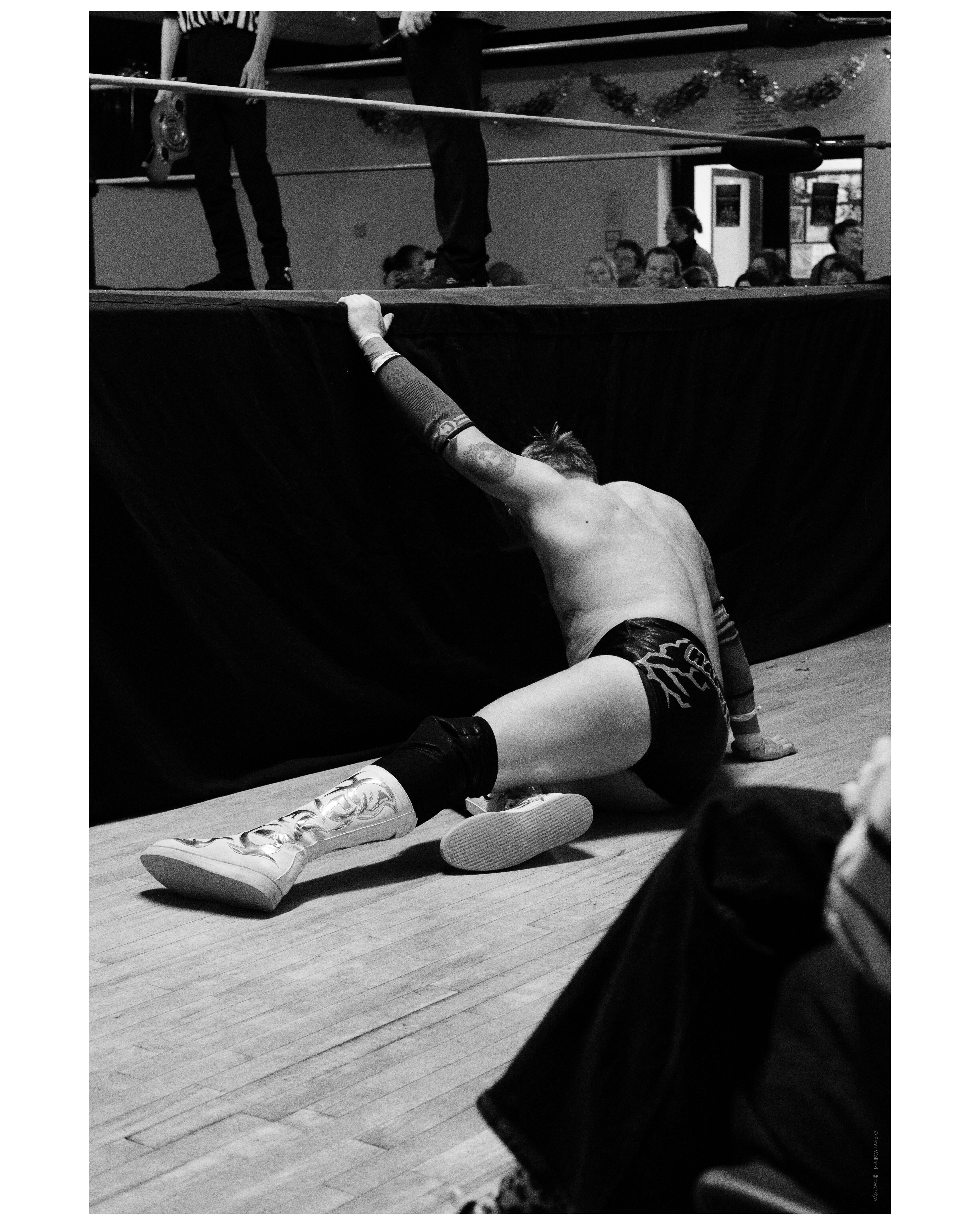


As I mentioned above, it’s just so much fun to use, too. It forces you to whittle down the actual functions you need mapped, with its limited controls helping focus you only on the fundamentals of photography: aperture, shutter and ISO.
It would be easy to mistake the camera’s simplicity as suited for beginners, and I guess to some extent that’s true — where better to spend your time than focusing only on the fundamentals of photography? But in reality, the layout is intended precisely for people like me: experienced photographers who want a good, engaging time.

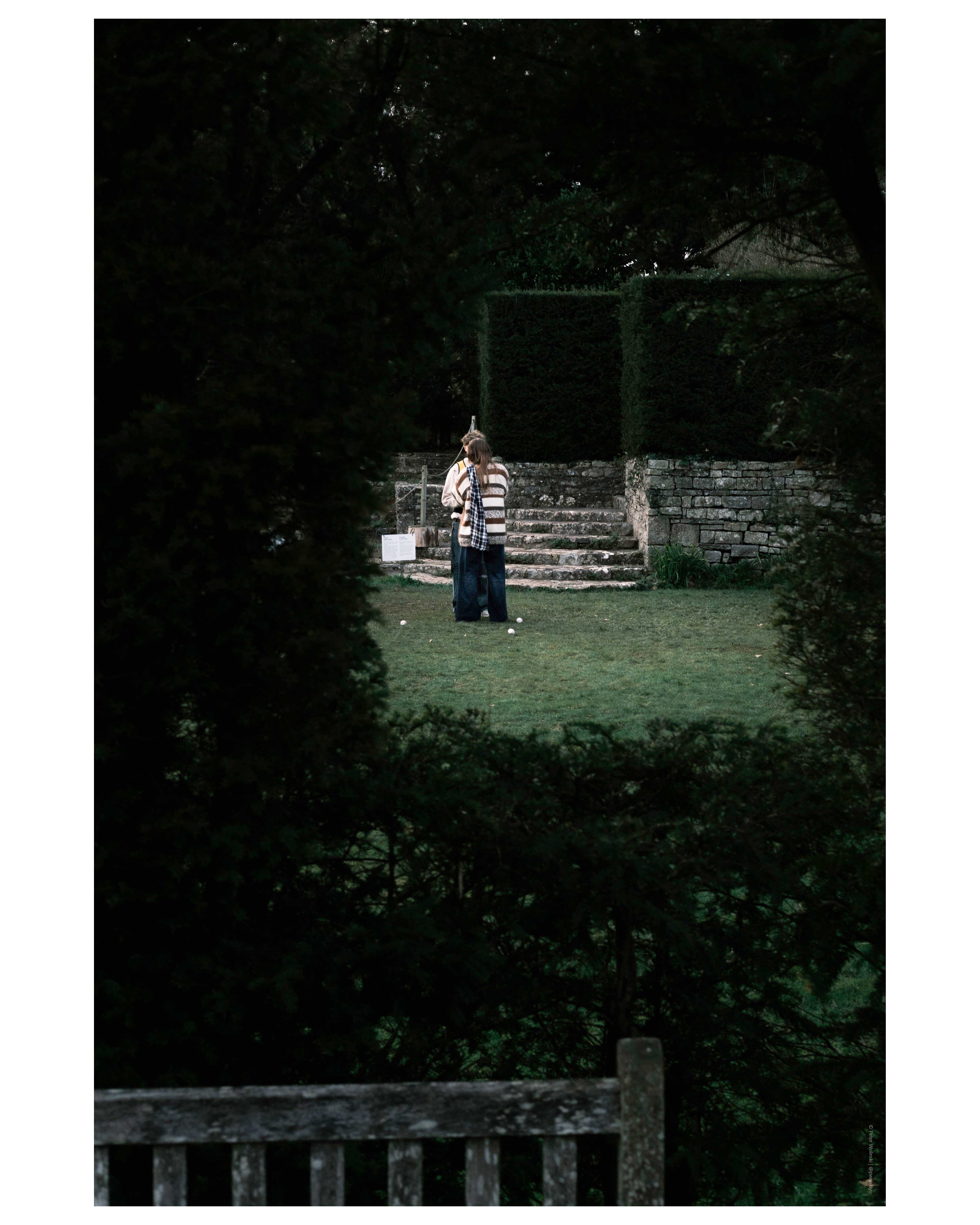
It’s still a very well laid out camera — the controls that are there, at least. The X-E4 is designed for use with XF lenses that have aperture rings, and with one fitted (plus the shutter dial and command dial set to ISO) you then have all your primary exposure controls within finger’s reach at all times.
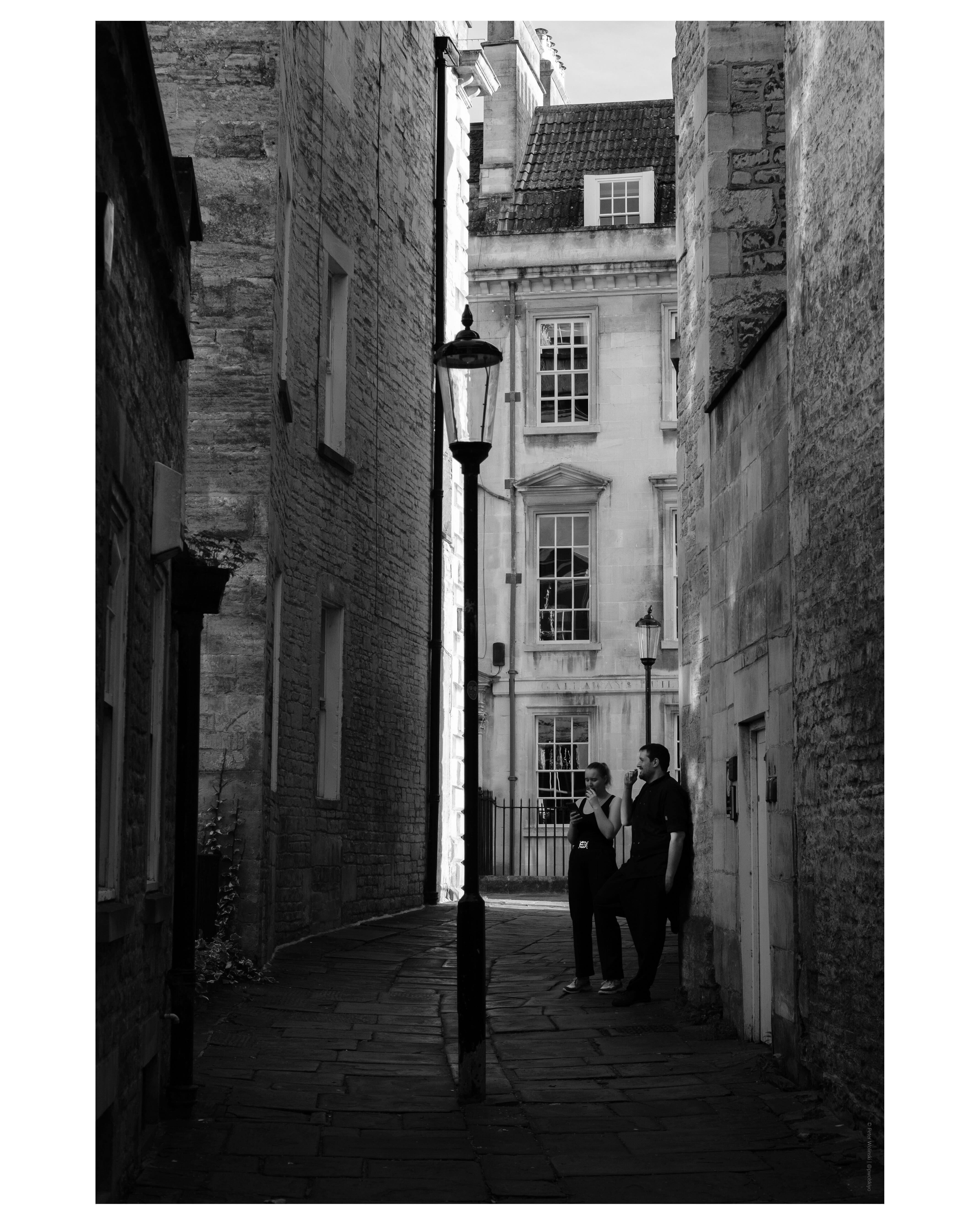
Once you’re used to it, the X-E4 is a camera you can use exceptionally quickly. In the image above, I noticed the hedge gap framing the couple at the very last moment while walking past. I was able to get the X-E4 adjusted (near enough) in a second or two and get the shot before walking on.
26MP is enough — there, I said it!

In my opinion, the 26MP X-Trans 4 CMOS sensor is the sweet spot for little Fuji street cameras. I don’t think a dinky rangefinder-style casual body needs the extra pixels of the 40MP X-Trans CMOS 5 sensor (in the X-T5 and X-E5), which results in much larger file sizes. I love being able to quickly offload and edit my street snaps with the smaller, but still excellent-quality 26MP files.
With 26MP, in a tiny street camera, you don’t need IBIS, either. The 40MP X-E5 has IBIS in large part due to counteract the increased micro-blurring of the higher-res sensor, but also because the community had been baying for IBIS for some reason.
Image 1 of 2
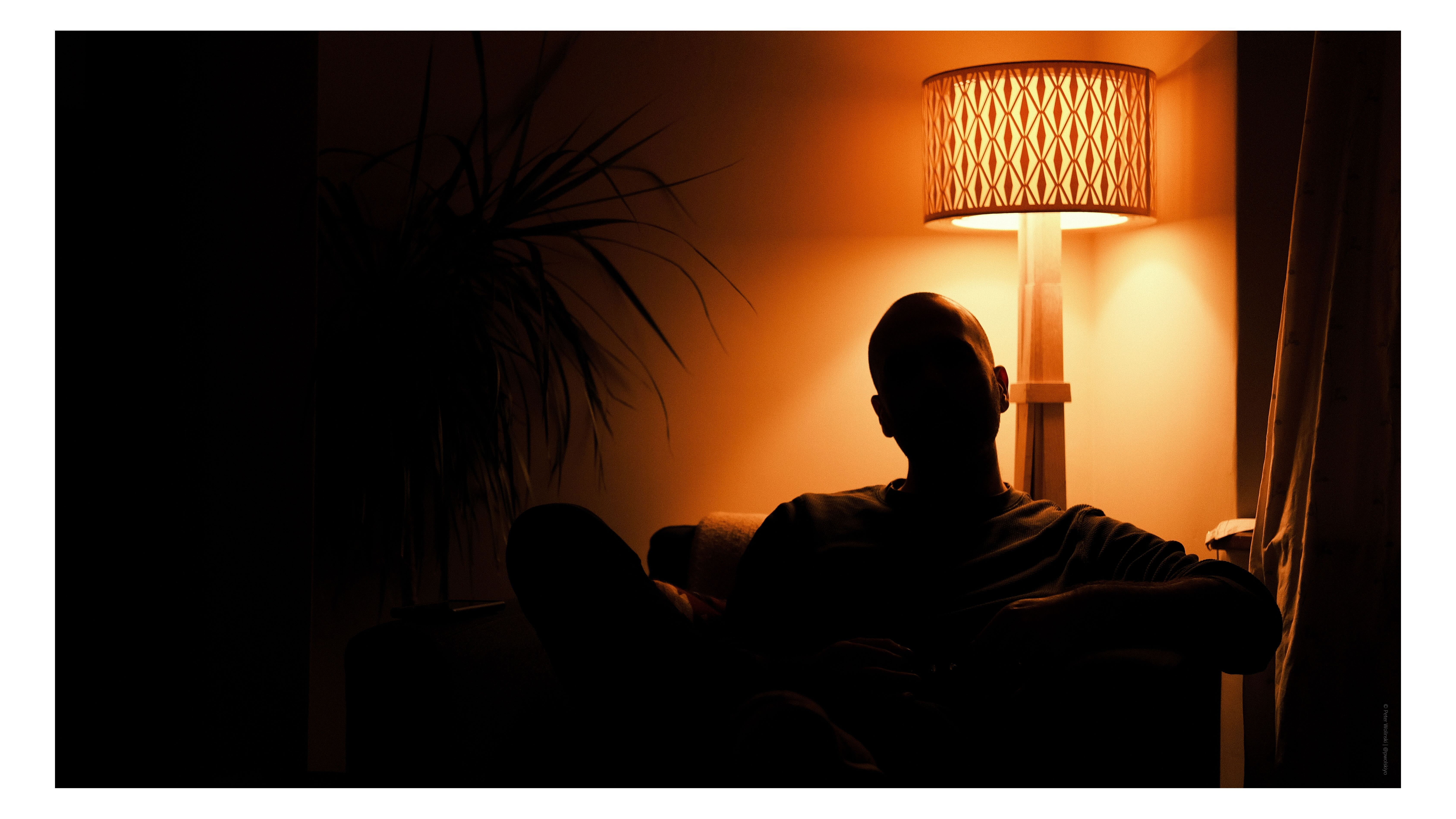
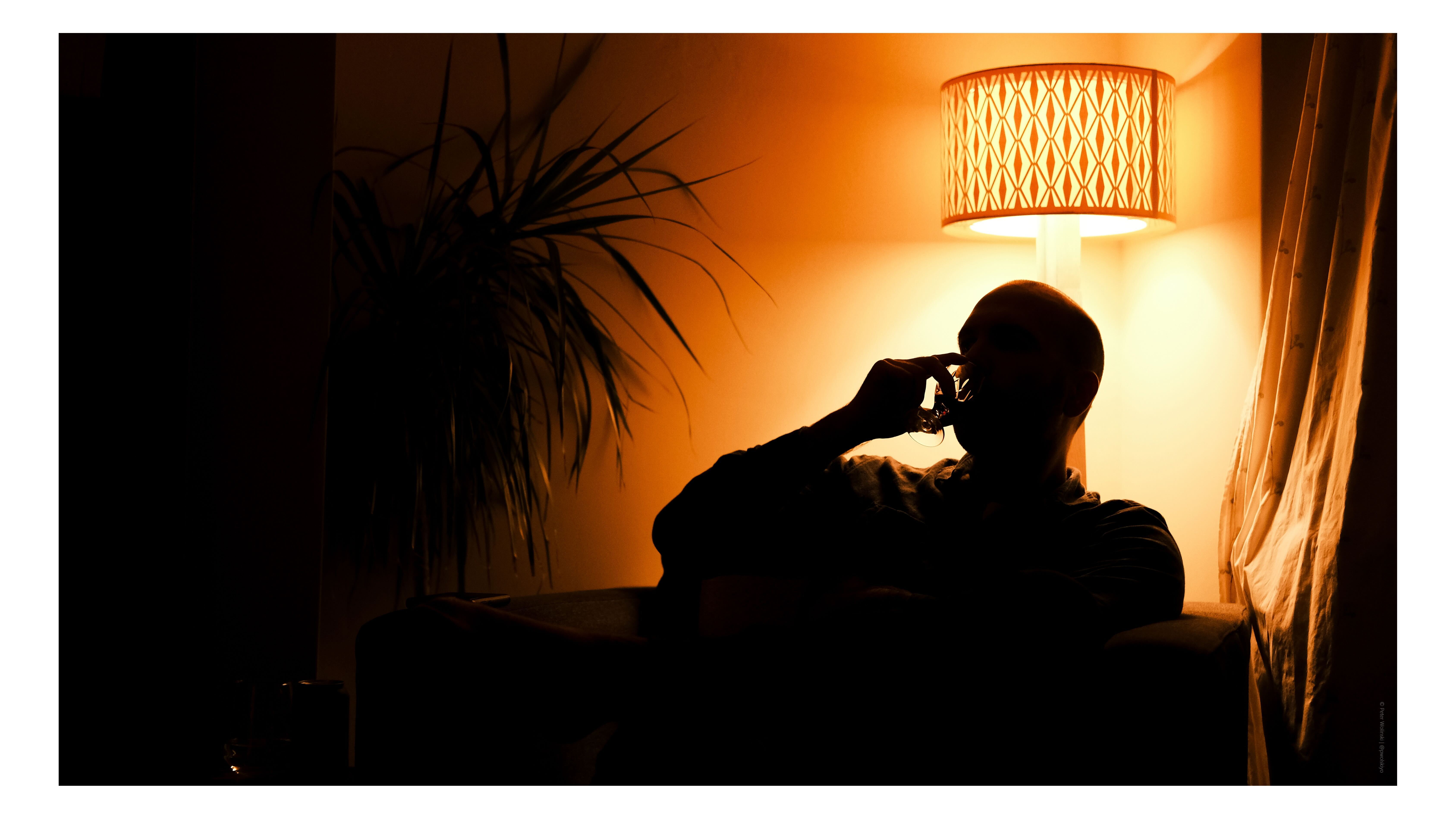
Why? Learn to use your shutter properly in good light and you don’t need IBIS. In low light, accept shadows and learn to use high contrast to your advantage, and then you don’t need it either.
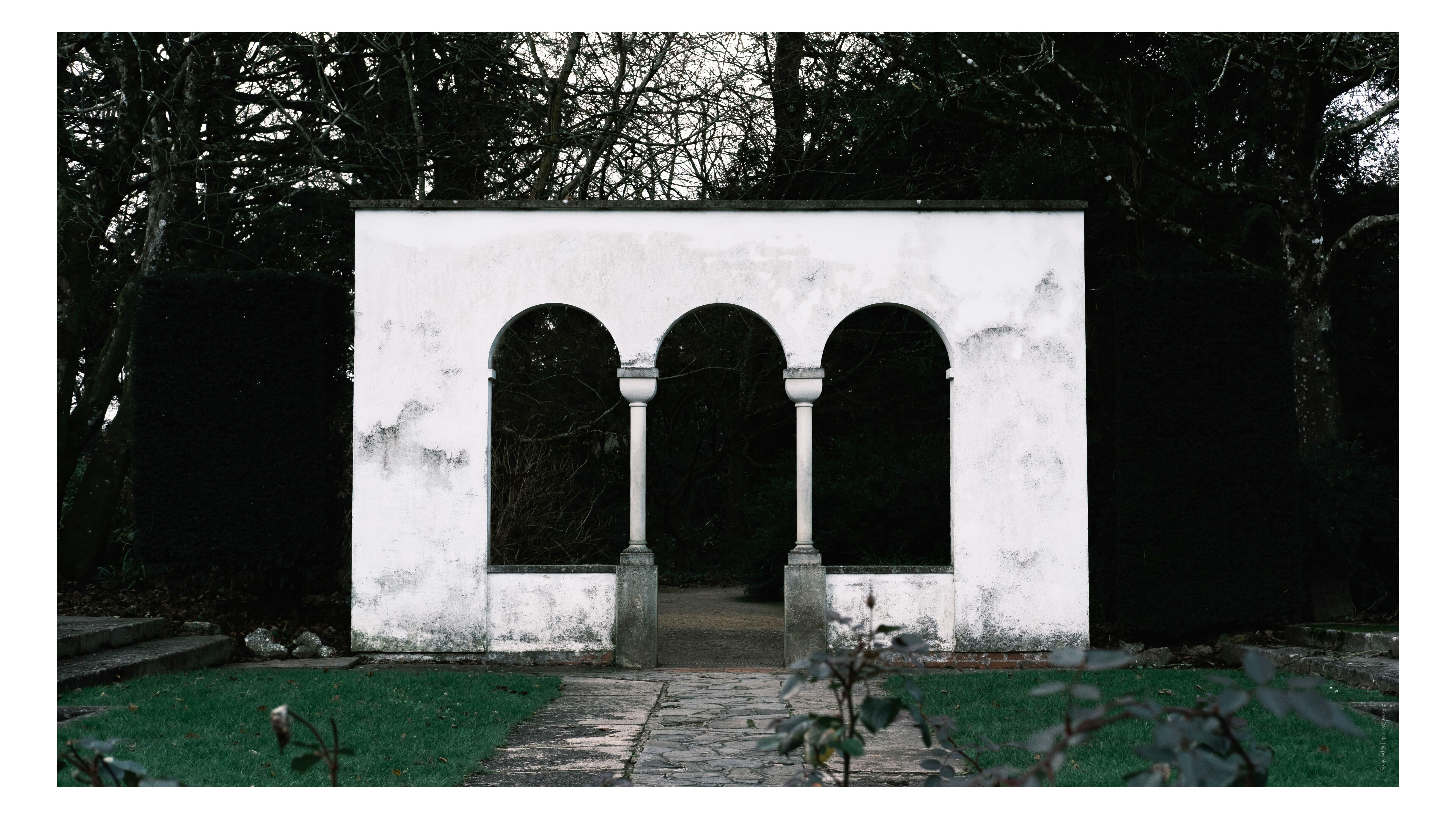
And the X-Trans CMOS 4 images just look so good. I’m on a drive to capture cinematic images, which most Fuji’s excel at, but I just love the look of the 26MP sensor. For me, it totally encapsulates that “Fuji look.” The images are atmospheric and gorgeous to look at, without the extra refinement of the sharper sensor that I think makes images feel a little too polished.
Image 1 of 3

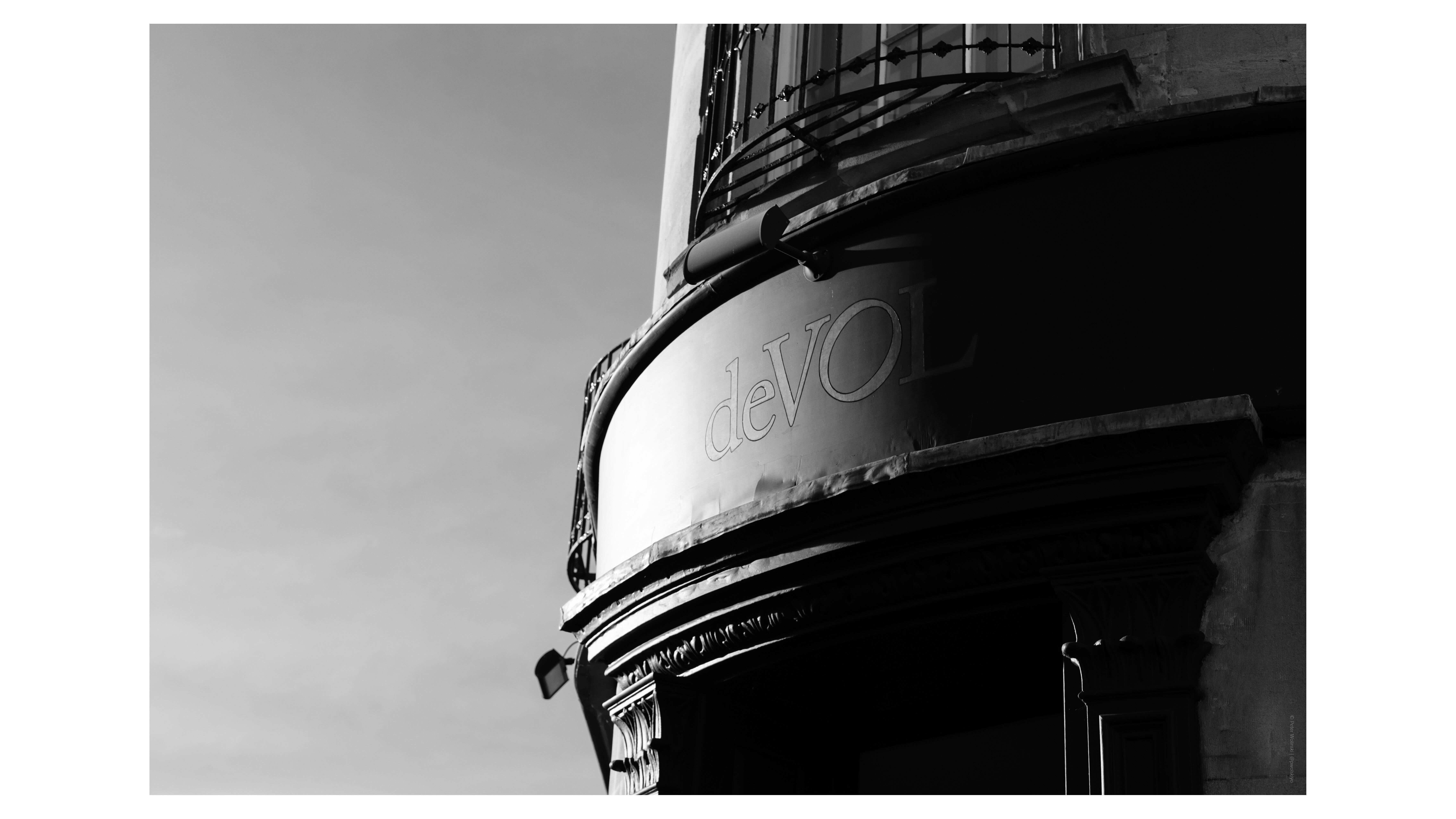

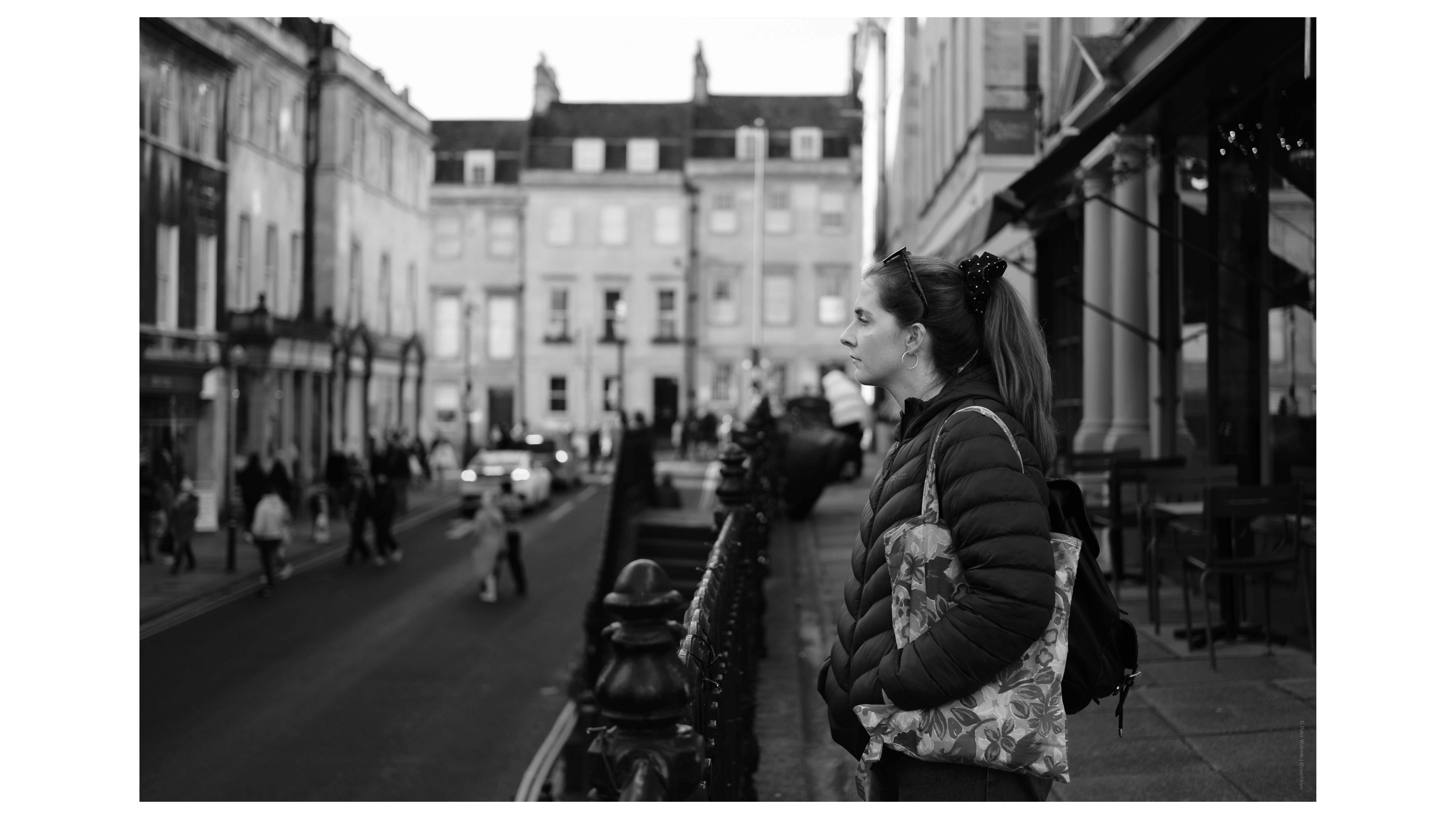

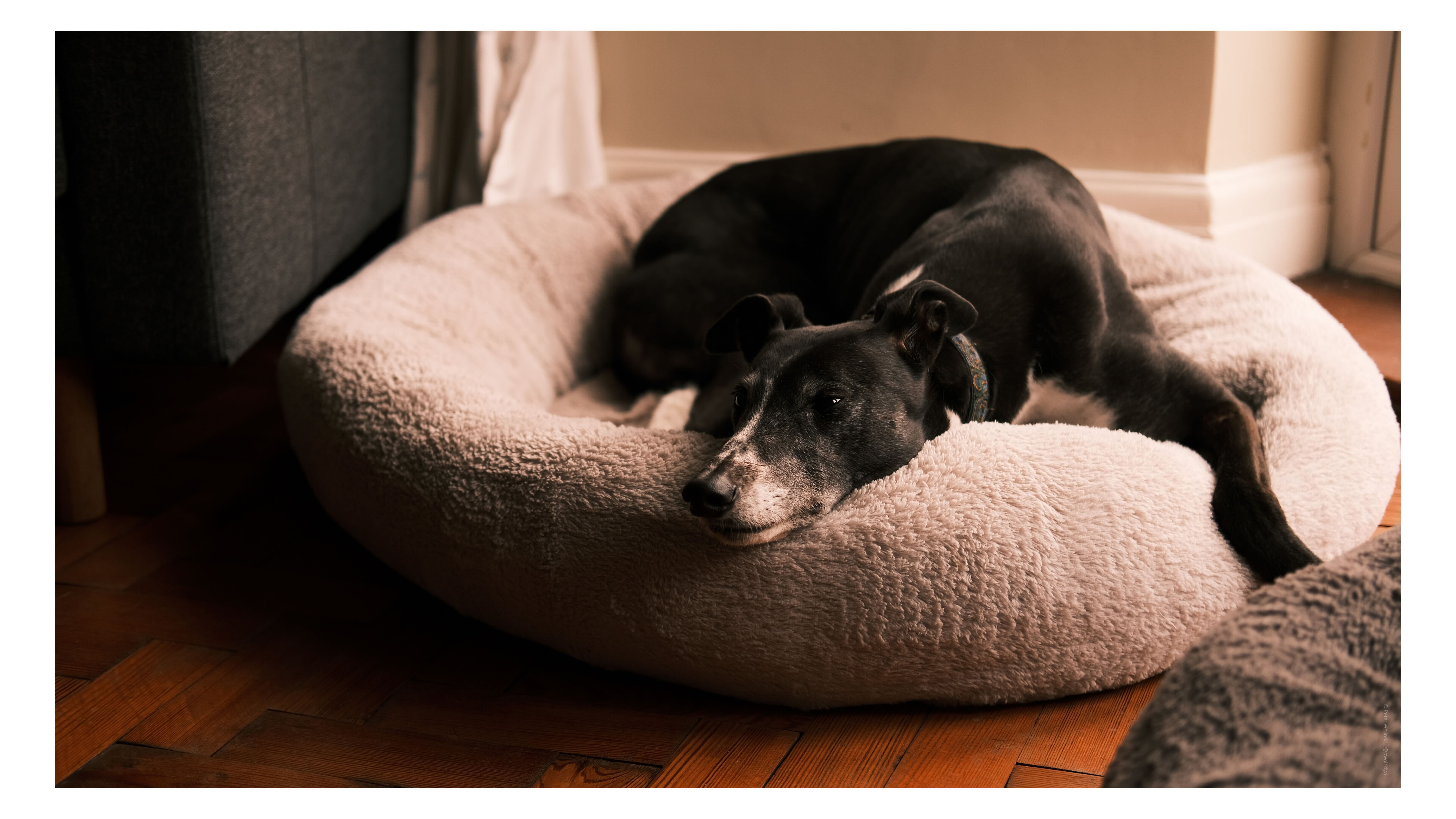
While not new, the X-E4 is also recent enough to benefit from many of the Fujifilm features I can’t live without. One of those is in-camera RAW conversions after shooting. I initially shot the images below in Classic Chrome to match the soft lighting hitting the dog’s face. Checking it out via playback, though, I felt it needed more contrast. I converted to Classic Neg in camera and got exactly what I was after.
Image 1 of 2

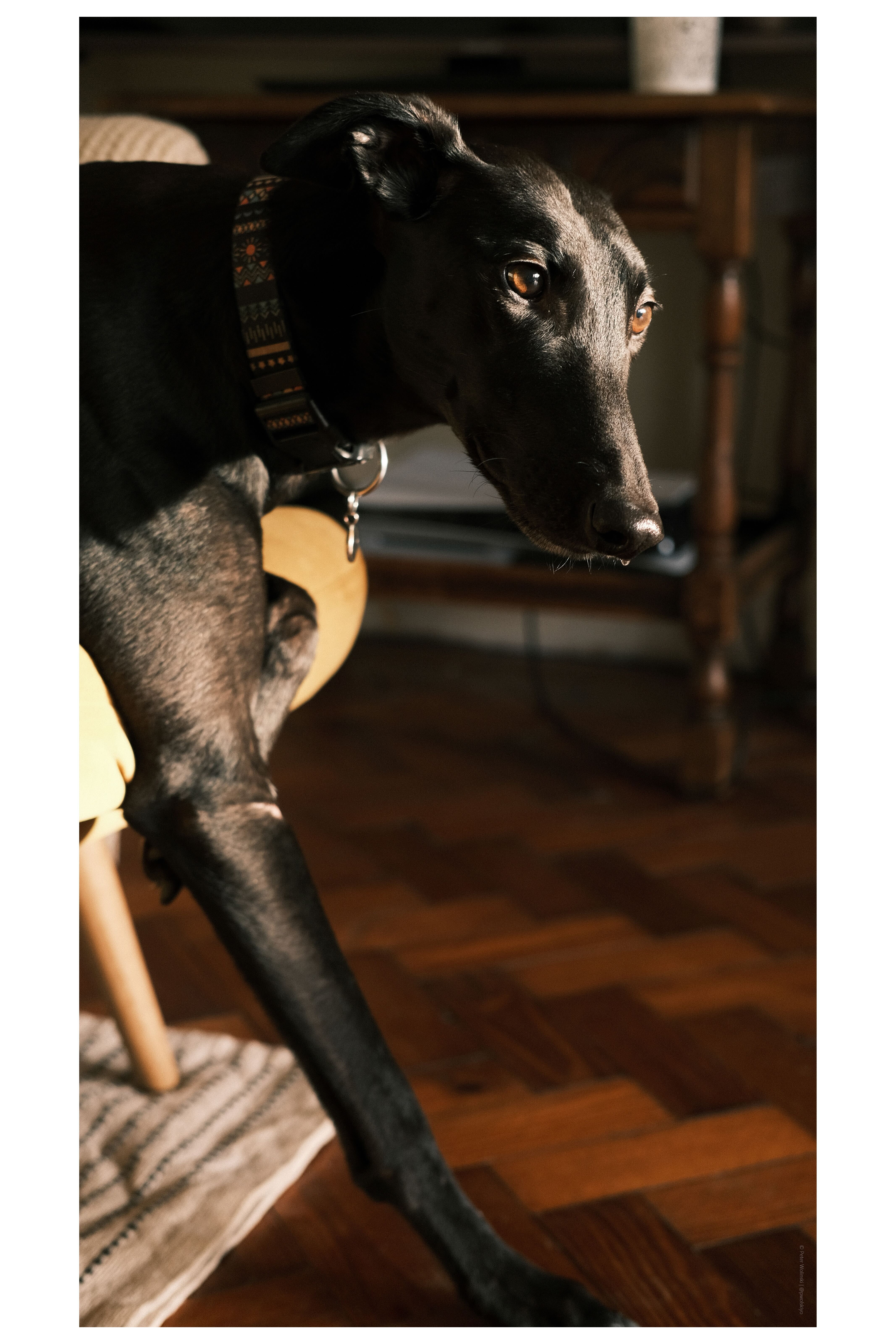
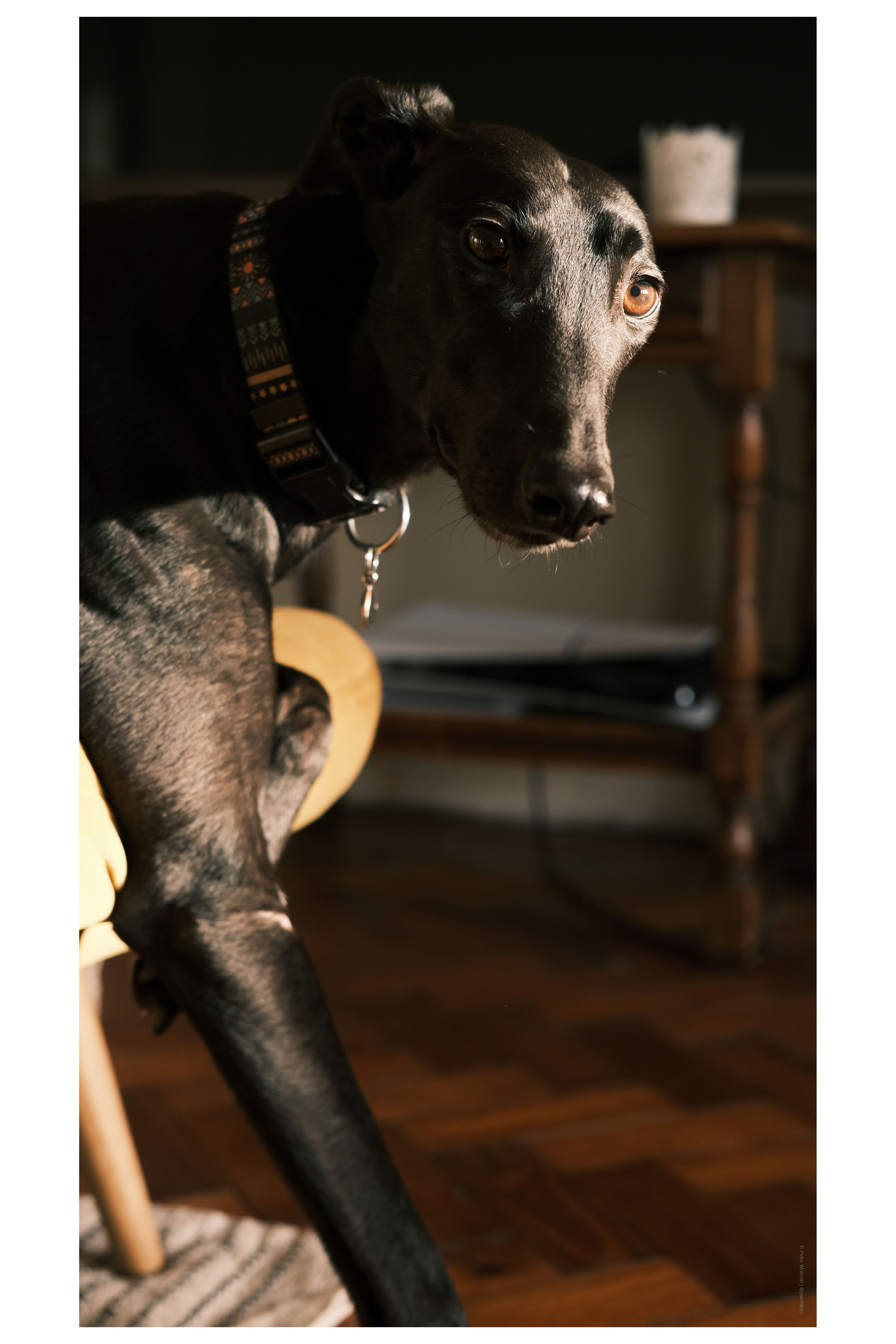
You also get virtually all the same simulations as found on the X-E5, with the exception of Reala Ace and Nostalgic Neg (more on this later). And you can simulate those two in-camera via custom profiles anyway, so it isn’t like you’re missing out massively on film sims.
It isn’t perfect
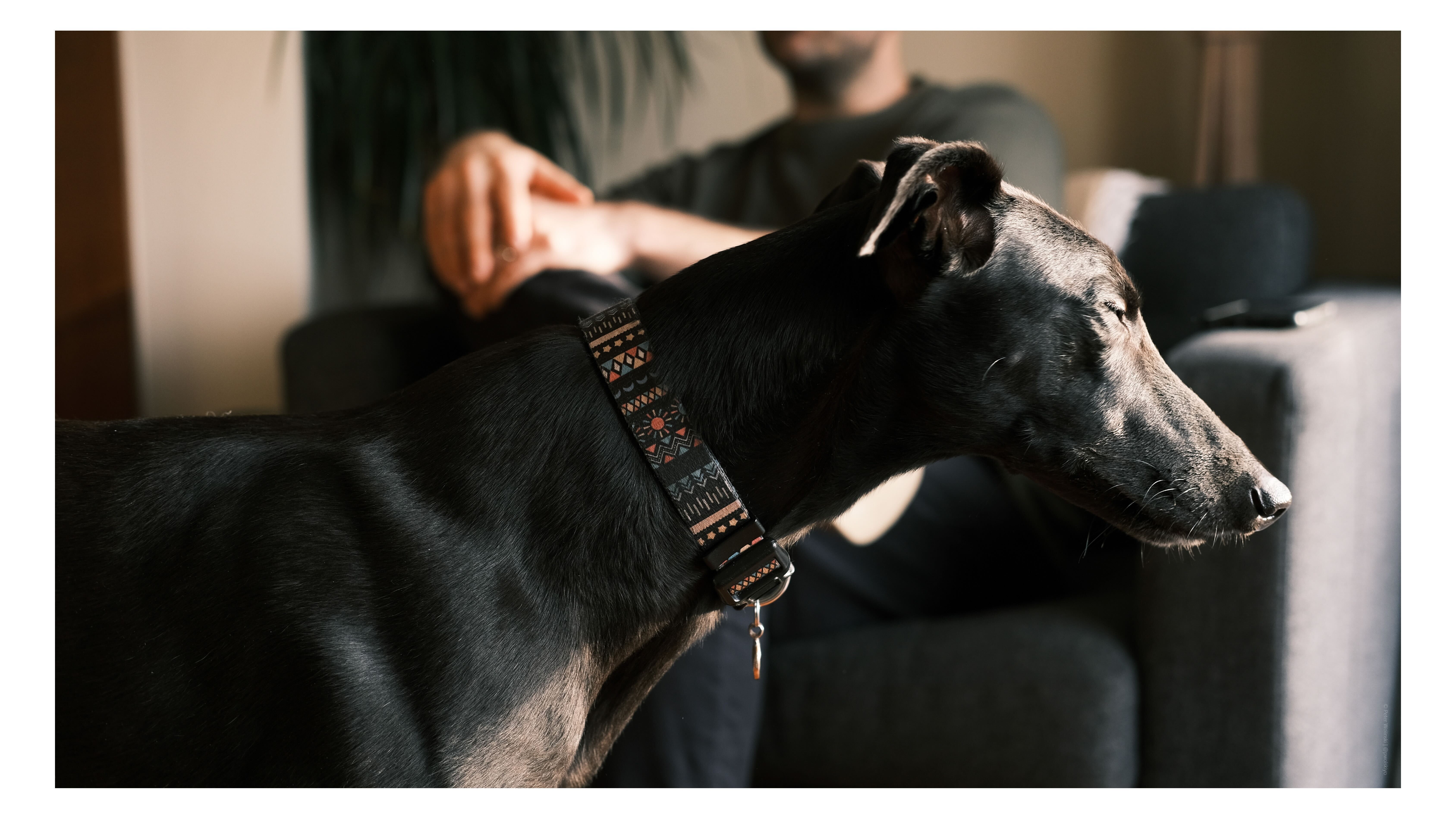
I won’t lie to you, the X-E4 has its drawbacks. As I’ve touched on throughout, it’s a challenging camera to use at times, with its restricted controls. Add on that its AF system is a little long in the tooth now, and you will find yourself missing shots at times.
The AF sometimes can’t keep up with moving subjects, and with my XF35mm F/2 lens, there’s a tendency for some back-focusing. To me, though, that’s all part of the fun. I bought this camera (twice) precisely because I was bored at having everything at my disposal to always get the shot. There’s no challenge in that.


Returning to film sims for a moment, too, I really miss Nostalgic Negative from my X-T5. I documented virtually my whole honeymoon on Nostalgic Neg, and it’s my favorite addition to the simlibrary from the last few years. You can simulate it in post or use a third-party recipe to create it yourself in the X-E4’s custom profile bank, but I dunno, it doesn’t quite feel the same as having the real deal. Has it affected me wanting to shoot with the X-E4 though? No chance.
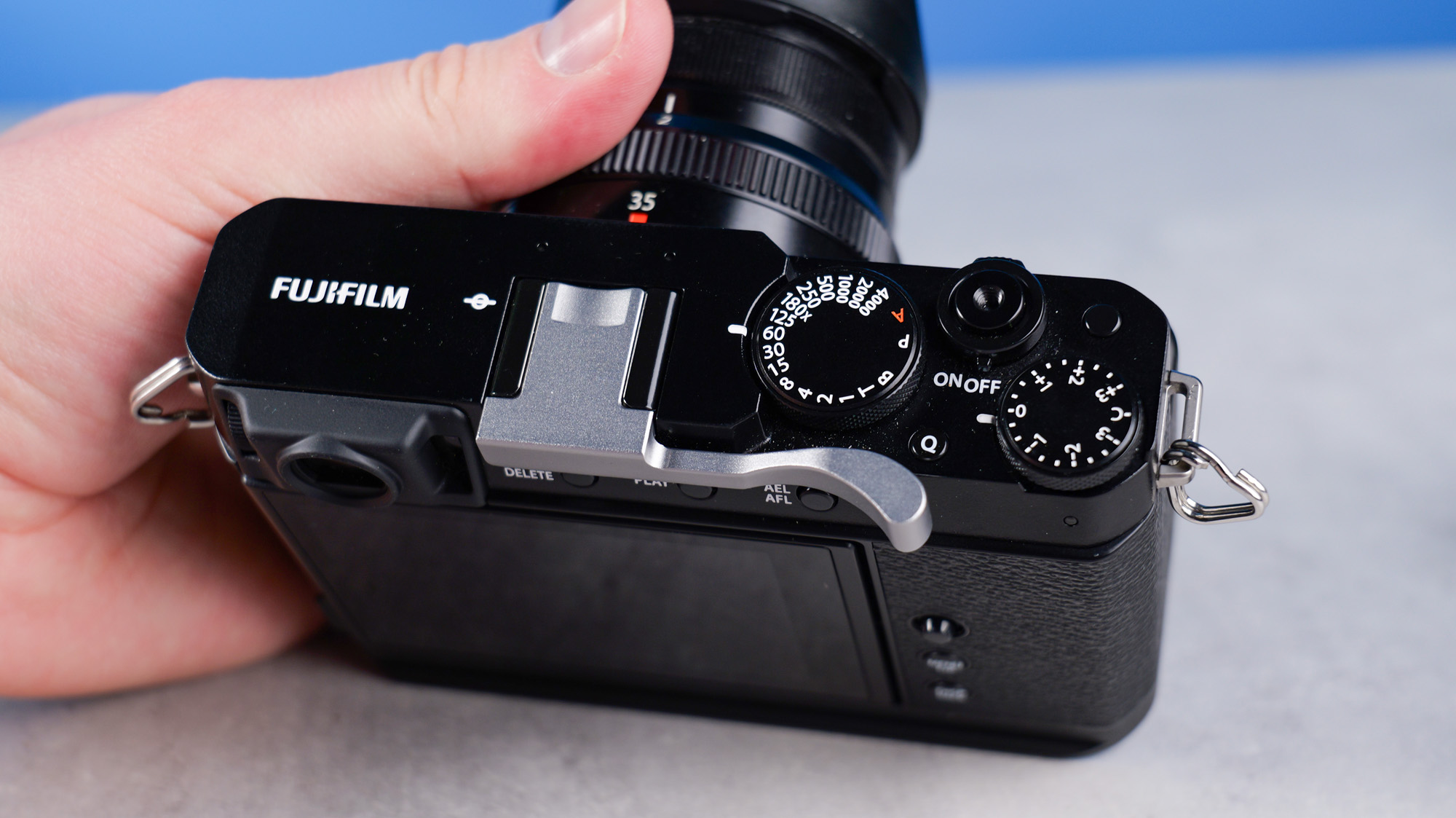

Handling is doubtless an issue. On the X-E4, Fuji removed the front grip of the X-E3, and that makes a huge difference to how secure it feels in hand. You’ll want to buy a third-party cage with a front grip to ensure adequate handling, particularly in portrait orientation or at odd angles. These are fairly cheap at Amazon.
There’s also no rear thumb rest, so it’s also a good idea to buy a hot shoe thumb rest for the back, which massively improves handling in portrait orientation. I already had a silver one from my old X-E4. It doesn’t quite match my new black one, but I’m not too fussed.
Don’t be afraid to buy used
Don’t get me wrong, I like the Fujifilm X-E5. It’s a solid camera, but I think Fuji lost sight of what made the X-E line so good to begin with. It made the X-E5 too safe, packing it with too many features and controls. But I was still considering one anyway. I wanted a compact street camera and fell into the trap of lusting after the latest model.
It’s easy for anyone to fall into that trap (although especially in my job). It’s natural to want, or even feel like you need the newest gear. But most of the time, you don’t. This experience has shown me that escaping those thought patterns can pay dividends. The X-E4 may be five years old, but it still performs exceptionally well for its intended purpose.
For most photographers who take photos for fun, the most technically proficient camera isn’t always the best for our needs. In fact, I’d argue the exact opposite, and what’s best for many like me is actually experience. It’s more important, in my eyes, to focus on that over specs.
So, if you’ve been eyeing up that several-year-old second hand camera. Maybe an X-Pro 2 or X-E3 — heck, maybe even a GFX50R (which are going for pretty cheap these days), don’t be afraid to bite the bullet. You can have just as much fun with a golden oldie!


Follow Digitpatrox on Google News and add us as a preferred source to get our up-to-date news, analysis, and reviews in your feeds.
More from Digitpatrox
-
-

-

-

-