
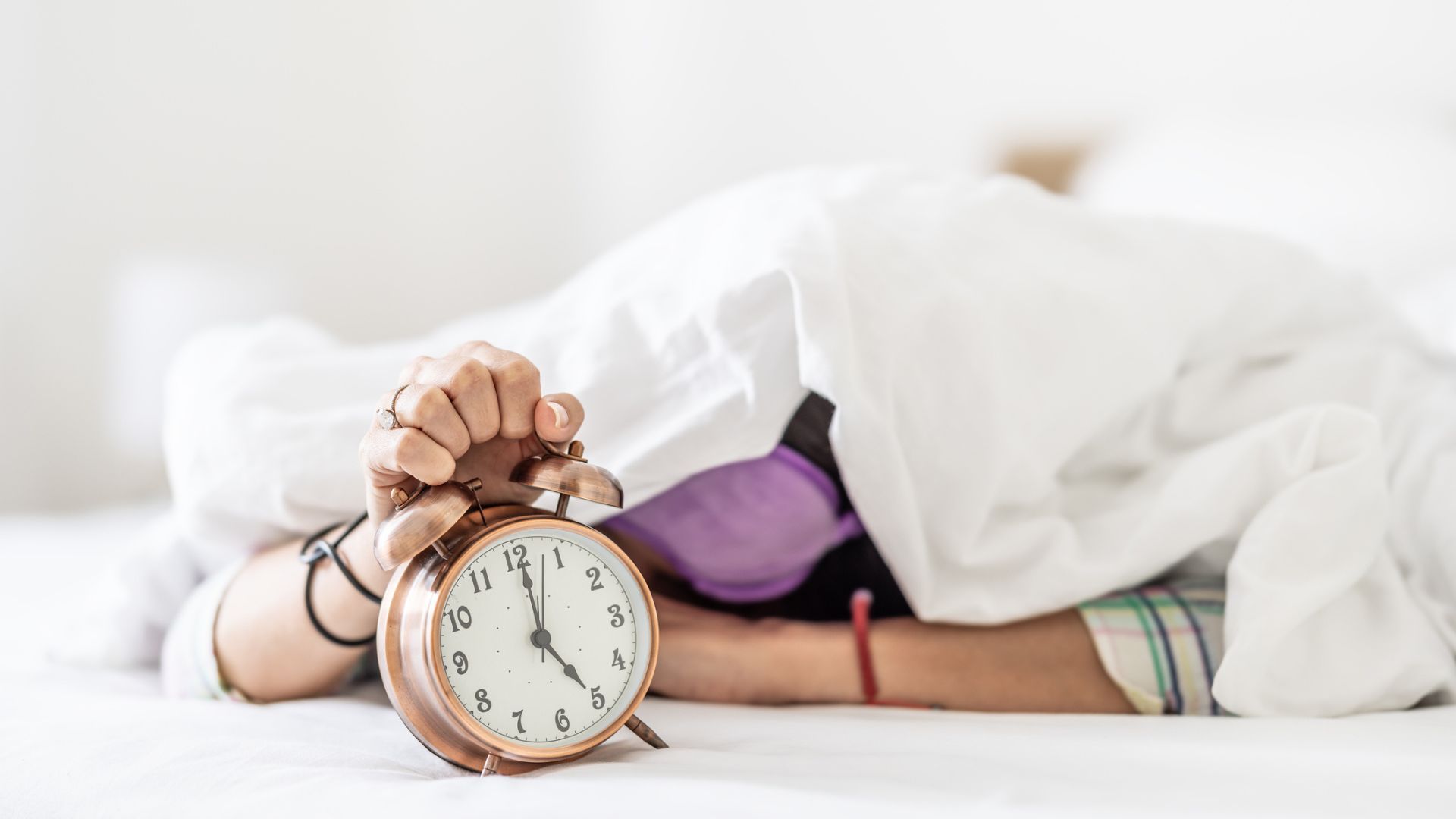
As an early bird who always gets a recommended amount of seven at night, I’ve noticed I’ve been struggling to wake up these past couple of weeks. I’ve just felt groggy and drained of energy.
The extra nine minutes of sleep my snooze button affords me has become irresistible, and some days I’ve repeatedly knocked off my alarm for up to an hour, leaving my well-intentioned morning workout fall by the wayside.
My new snoozing habit
Honestly, I expected it to be easier to wake up in the mornings now that spring is here. The birds tweet outside my window in the early hours, and the days are brighter. So why am I so groggy and hard to rouse in the mornings right now?
“The snooze button steals time from your morning”
Erin Clifford, LPC, NBC-HWC
But, Clifford explains, there are a few potential reasons why I’m feeling groggier than usual right now, despite usually being an early bird who gets eight hours of sleep a night.
“Even though it’s springtime and we’re looking forward to brighter and warmer days, seasonal changes can still work against you,” says the Cognitive Behavioral Therapy for Insomnia (CBT-I) therapist.
“In early spring, mornings are darker than our bodies are used to. Not being able to take in light or as much light immediately disrupts our circadian rhythm and prevents the body from recognizing that it is time to stop producing melatonin.”
As a 6am riser, I’ve gone from waking up to bright light in early March (when sunrise was as early as 5:45am in the UK) to waking up to dim light post-clock jump (now the sunrises around 6:30am). And it’s surprising what difference that 45 minutes makes.
“It can also be because longer days (more sunlight later) may cause some of your normal bedtime habits or behaviors to change,” Clifford elaborates.
“You could be staying out or staying up later, or delaying starting your bedtime routine. Even a small shift in routine, 20 to 30 minutes, can make waking up harder.”
3 reasons why I’m hitting the snooze button more than normal
From your sleep environments to what you do in the lead up to bedtime, here we’ll look at all the things that could be pushing me and you to hit the snooze button…
1. A lack of wake-up cues
From your bedroom being too dark to your alarm clock being too far away from your bed, your sleep environment can make it easier for you to wake up with lots of energy in the morning, or it can make it harder.
“People also gravitate towards the snooze button when they’re lacking wake up cues,” explains Clifford. “If your room is still very dark or your alarm is right next to your head, your body doesn’t have an immediate and clear signal to wake up.”
I swear by sleeping with my blinds open, so light hasn’t been too much of an issue for me. Even with my attic bedroom flooded with natural light by 6:30am, I’ve still been snoozing.
However I am guilty of keeping my alarm too close to my bed, making it easy to knock it off for an extra few minutes sleep. Fine, I’ll move it to the other side of my room.
2. Your body clock is still realigning

It hasn’t been long since the clocks sprung forward. While you may expect your sleep to be ‘back on track’ now after the initial disruption — how much damage can one hour of lost sleep cause, after all? — it’s not that simple.
Clifford says, “It can take our bodies a few weeks to adjust to the time change and realign our circadian rhythms.”
This means that even if you are still getting “enough” sleep, your body may still feel like it is too early to wake up when your alarm sounds because it gravitates to the previous time.
You may particularly feel the effects of your body clock realigning if you’ve spent the winter doing your best to stick to a consistent sleep and wake time, as recommended by experts and backed up by huge new studies.
That’s because your body will have got used to waking up at a certain time and the hour difference throws off that well-established rhythm.
That said, with a little more time, it will readjust to summer timings.
3. Your healthy sleep habits have slipped
With more daylight hours to play with in the evening, you may find your routine has shifted.
Now the evenings are lighter, it’s hard to tell there difference between 5pm and 7pm and, personally, I’ve found I’m eating later and pushing back my nighttime routine (both of which are bad news for sleep quality).
Naturally, as you’re exposed to brighter light for longer, melatonin release will be delayed. This can impact how fast you fall asleep and the quality of sleep you get through the night.
Unsurprisingly, if you spend more time tossing and turning, and if the quality of your sleep has taken a back seat, you’re likely to feel groggy come morning.

Clifford, who is also a licensed professional counselor, says one of the main reasons people hit snooze is because they are waking up during a deeper sleep stage, meaning “you wake up feeling groggy and disoriented, and hitting the snooze button feels like a solution.”
In a healthy sleep cycle, deep sleep comes during the first part of the night (a calming evening routine and healthy sleep habits help your body fall into that restorative deep stage early on).
But if your sleep cycles are fragmented in the first half of the night due to late night meals or too much light exposure, deep sleep may come closer to your wake up time.
Why you shouldn’t snooze your alarm
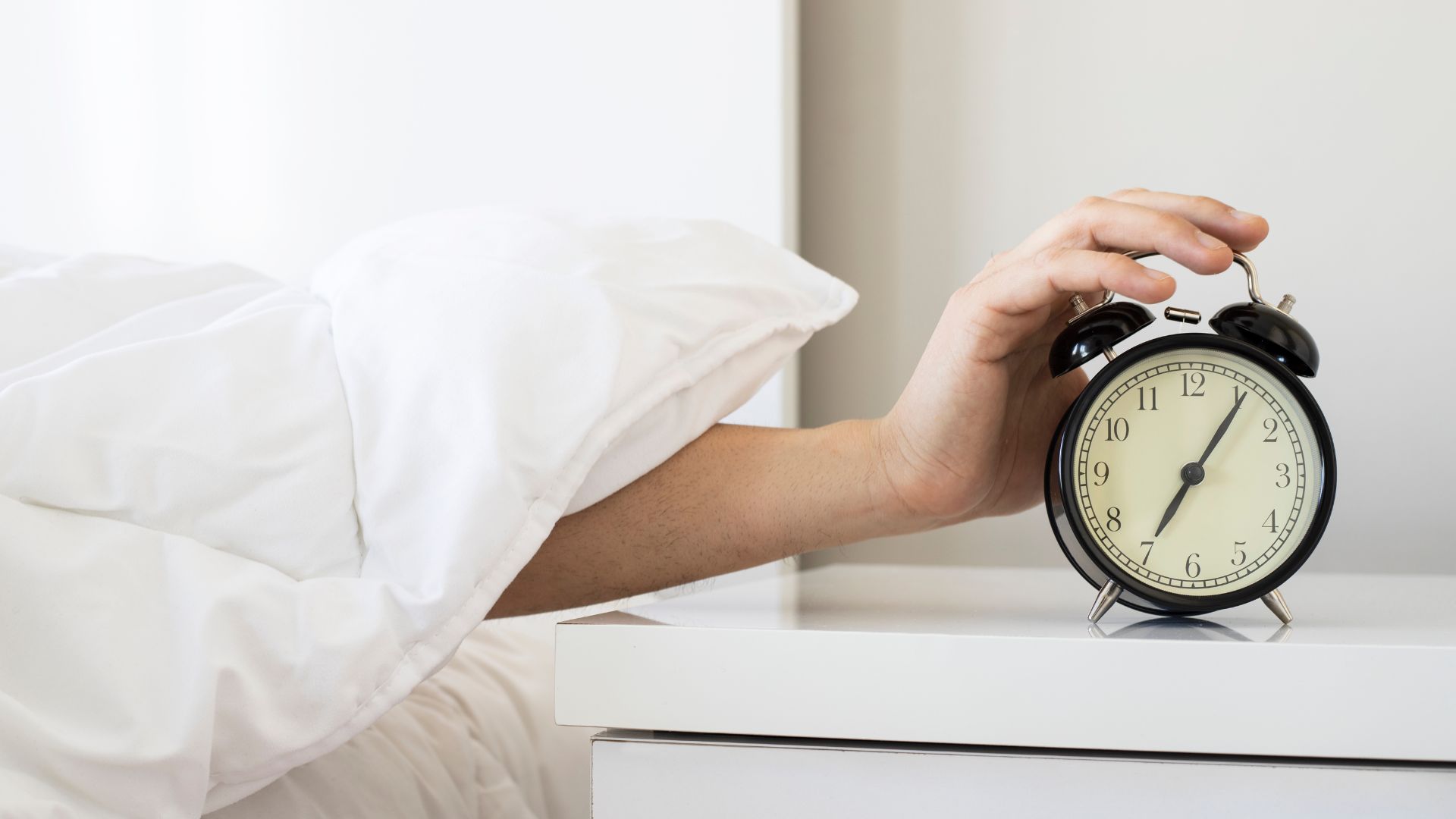
Yet this common habit can confuse your brain and body, mainly because any sleep you get after hitting snooze is poor quality.
Essentially, hitting snooze fragments your sleep. Clifford says: “Your brain tries to make your body fall back to sleep during these 10 minutes, and by reentering a light sleep stage and then being woken up again minutes later, you are interrupting your body’s natural sleep rhythm.”

This can also prolong that groggy feeling that made you hit snooze in the first place. “Each time you fall back to sleep after hitting snooze, the wake up process restarts when the alarm goes off again.
“This makes you feel even more tired than you probably would have been if you got up the first time,” explains the sleep expert.
“Finally, the snooze button steals time from your morning. Every ten minutes you snooze is ten minutes you could have been doing something good for you, like meditation, taking in the light, some light movement, eating breakfast.”
I’ve certainly felt more mentally cloudy on the days my snoozing has got in the way of my usual morning routine, leading me to miss a pre-work walk or run.
All this considered, experts caution snoozing should be avoided in favor of setting an alarm for the last realistic wake time to allow for as much consolidated, uninterrupted sleep as possible.
How to not snooze your alarm
I asked Clifford for her top tips for avoiding that tempting snooze button and waking up with energy. Here’s what she said…
1. Put your alarm out of reach
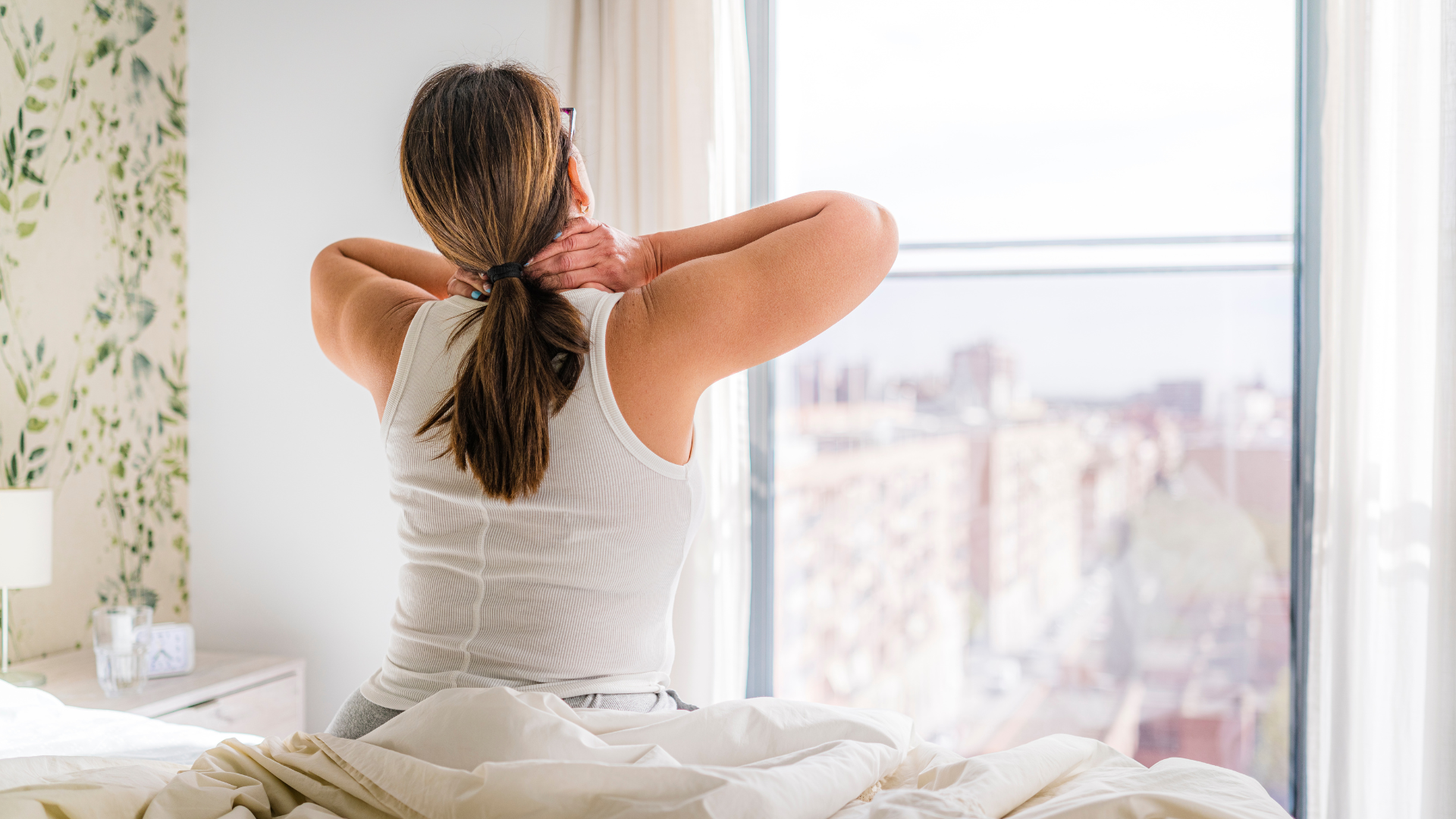
Clifford’s number one tip for avoiding the snooze button is to put your alarm on the other side of the room.
“If the alarm is right next to you, it is easy to turn it off or hit snooze and fall back to sleep,” she explains. But, “if the alarm is on the other side of the room, you are forced to get out of bed to turn it off.
“This will make you more alert and can signal to your body that it is time to wake up and stop producing melatonin.”
2. Stick to a consistent sleep routine


Maintaining a consistent sleep routine seems to be the number one sleep tips this year, promoted by experts and large-scale studies.
For example, a new study by Vitality and The London School of Economics and Political Science (LSE) found that consistent sleep timings paired with getting 7+ hours of sleep a night can help increase your life span by up to four years.
Clifford concurs, and says it can help you avoid pressing snooze. “Another thing I recommend is to pick a consistent wake time and stick to it every day,” she advises. “
A consistent wake time strengthens your circadian rhythm and can help prevent that groggy feeling.”
Once your internal clock learns your regular wake up time, your body will know to suppress melatonin and produce cortisol at that time, so you wake up energised rather than groggy.
3. Invest in a trusty sunrise alarm clock
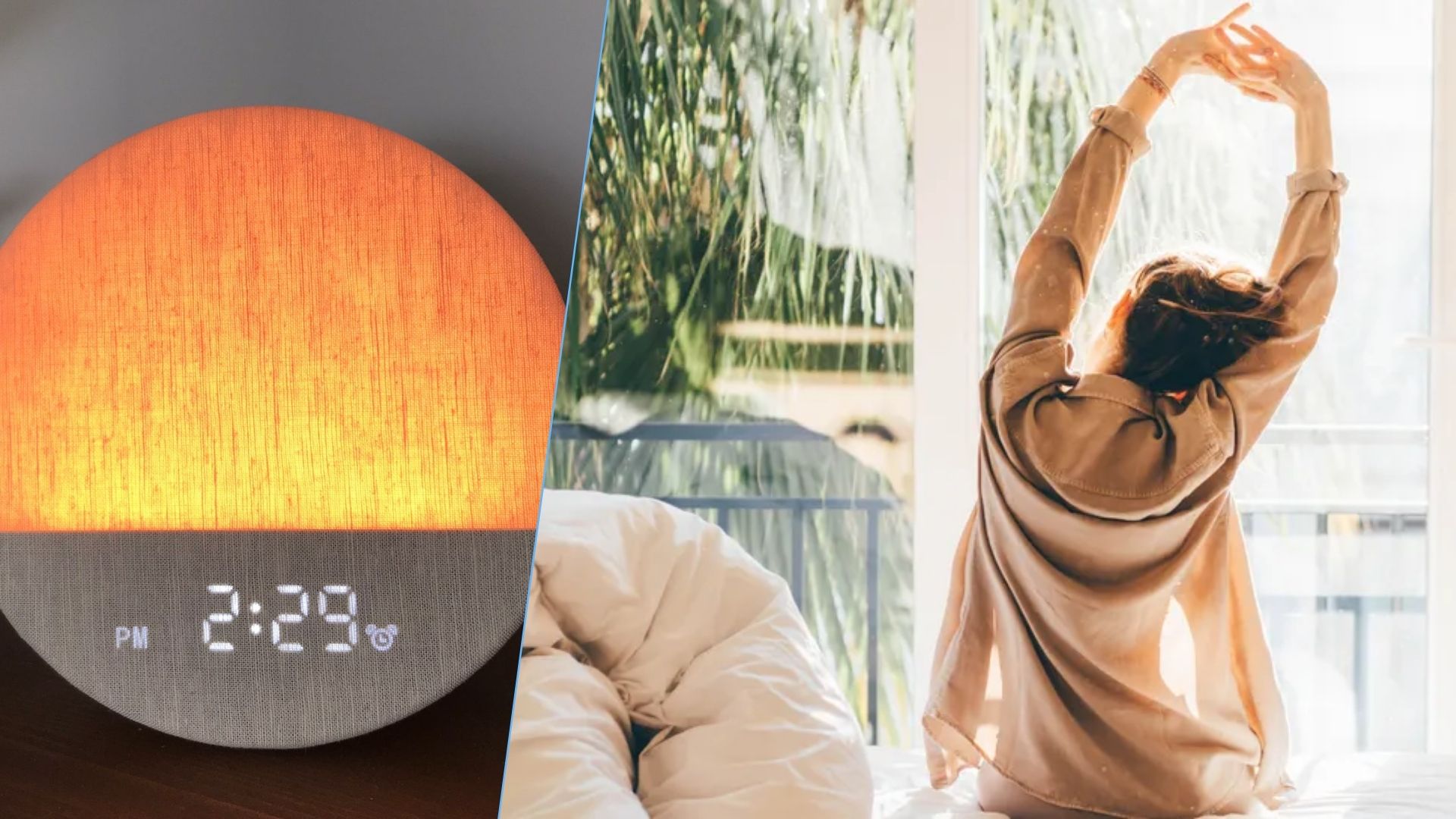
As someone who tends to fall victim to doom scrolling to procrastinate bedtime, I’ve started leaving my phone out of my bedroom — a habit I recommend everyone tries.
That means I rely on a top-rated sunrise alarm clock to wake me up rather than my phone alarm. For reference, the $59 Dreamegg sunrise alarm clock (a dupe of the trending Hatch Restore 3) currently sits at my bedside.
Yes I’ve been hitting its snooze button more lately, but I’m still a big advocate of a sunrise alarm clock.
Until I was hit with whatever snooze-button-enticing phenomenon I seemed to have caught recently, my dawn-simulating alarm clock was helping me wake up with energy.
Source link
-

-
-

-
-


