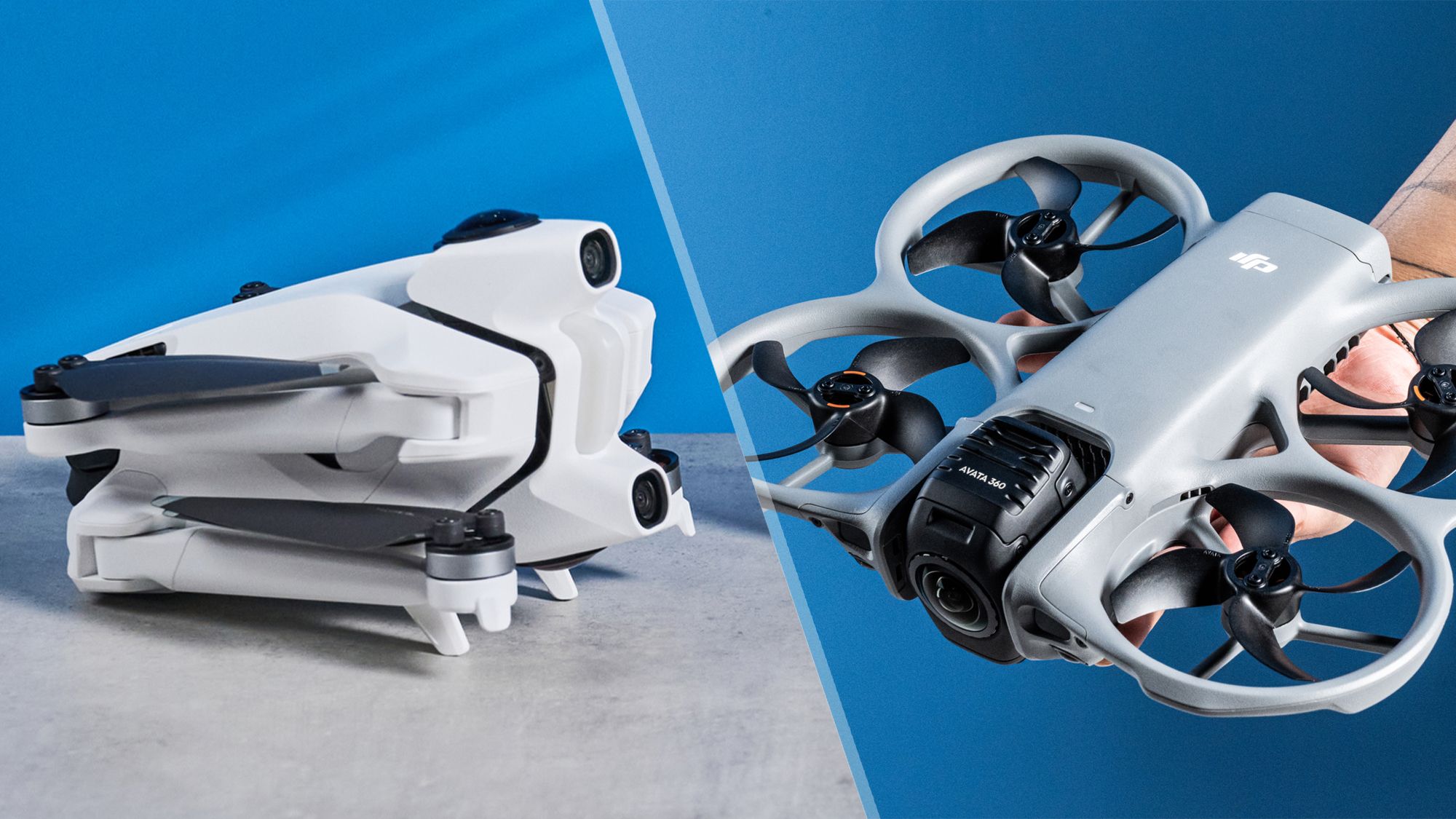
In November of 2025, there was a seismic shift in the drone world: a new brand threatened DJI’s position as the king of the skies. Antigravity, a brand “incubated” by Insta360 (yes, the 360° cameras giant), launched its first drone, and the world’s first-ever 360° drone, called the Antigravity A1.
At the time, DJI didn’t have its own 360° drone which meant that Antigravity had carved a niche of its own and the A1 remained the undisputed best 360° drone… until now.
Four months later, in March 2026, DJI launched its first-ever 360° drone (and the world’s second), the long-rumored DJI Avata 360. Since there are only two 360° drones in existence, at the time of writing, and both come from two of the biggest names in the realm of action cameras and drones, I naturally had to pit them against one another.
Article continues below
While I initially thought there weren’t many differences between the two, I have since been proven wrong. Both the Avata 360 and the Antigravity A1 shoot 8K 360° video which can be edited in post, and since every single angle is captured, you can focus on and enjoy flying first and think about framing later. Battery lives are fairly similar too… so are there any substantial differences? And is there a clear winner? Yes and yes.
The DJI Avata 360 stakes its claim as the best 360° drone you can buy. Its twin lenses let you capture every angle possible, and footage is captured at 8K/60fps, giving you plenty of headroom in post-production. Straight-out-of-camera 360° clips give it a leg-up over the Antigravity A1, the only other 360° drone at the time of writing, and the videos (and 120MP stills) are packed with detail. The drone is extremely easy to fly with either goggles or a standard controller, and unlike its primary competition, the Avata 360 does so without breaking the bank.
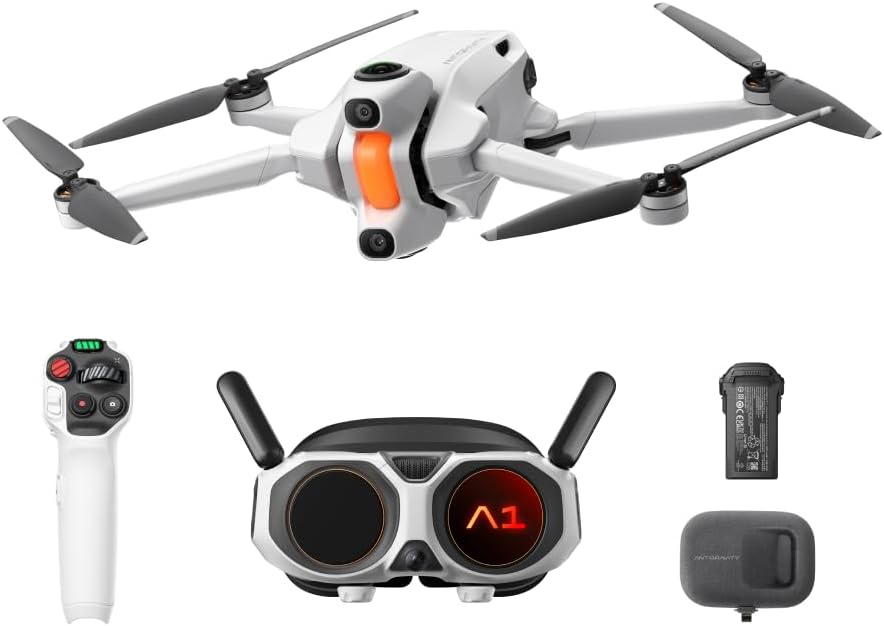

The Antigravity A1 is a triumph. It’s the world’s first-ever 360° quadcopter, fitted with tech you’ll find in the Chinese giant’s action and 360° cameras, and it lets you capture every angle possible. Footage is shot in 8K/30fps, enabling you to maintain 4K in 16×9 when reframing in post — and this footage is packed with detail. 55MP stills look great too. Flying the drone is easy (and immersive) with the Vision goggles and Grip controller. But all of this technology comes at a steep, steep price, and I’m not convinced that it’s entirely justified.
DJI Avata 360 vs Antigravity A1: Specs compared
|
Specs |
DJI Avata 360 |
Antigravity A1 |
|---|---|---|
|
Price |
Starts at $1,599 |
|
|
Flight time |
23 minutes |
24 minutes (standard) | 39 minutes (High-Capacity Flight Battery) |
|
FAA/CAA registration |
Required |
Required if using High-Capacity Flight Battery |
|
Cameras |
Two |
Two |
|
Image sensor |
120MP 1/1.1-inch |
55MP 1/1.28-inch |
|
ISO |
100-6400 (stills) | 100-25,600 (video) |
100-6400 |
|
Shutter speed |
1/30s to 1/8,000s |
1/8000-1/2s (14MP) | 1/8000-1/20s (55MP) |
|
Aperture |
f/1.9 |
f/2.2 |
|
Focus |
1.5m to ∞ |
0.5m to ∞ |
|
Max video resolution |
8K/60fps, 6K/60fps, 4K/60fps, 2.7K/120fps |
8K/30fps, 5.2K/60fps, 4K/100fps |
|
Stabilization |
Single-axis mechanical gimbal + digital |
Digital only |
|
Indoor use |
Yes |
No |
|
Propellers |
Four |
Four |
|
Max takeoff altitude |
4500m |
4000m (standard) | 3000m (High-Capacity Flight Battery) |
|
Max flight distance |
8.38 miles |
8 miles (standard) | 14.3 miles (High-Capacity Flight Battery) |
|
Navigation system |
GPS, Galileo, BeiDou |
GPS, Galileo, BeiDou |
|
Collision avoidance |
Omnidirectional |
Omnidirectional |
|
Smartphone control |
Yes |
No |
|
Internal storage |
Yes, 42GB |
Yes, 20GB |
|
microSD card slot |
Yes, V30 or higher |
Yes, V30 or higher |
|
Size |
9.69 x 7.83 x 2.19 inches |
12.15 × 15.05 × 3.51 inches (unfolded, with propellers) |
|
Weight |
1lb |
8.78oz (standard) | 10.26oz (High-Capacity Flight Battery) |
DJI Avata 360 vs Antigravity A1: Price & availability
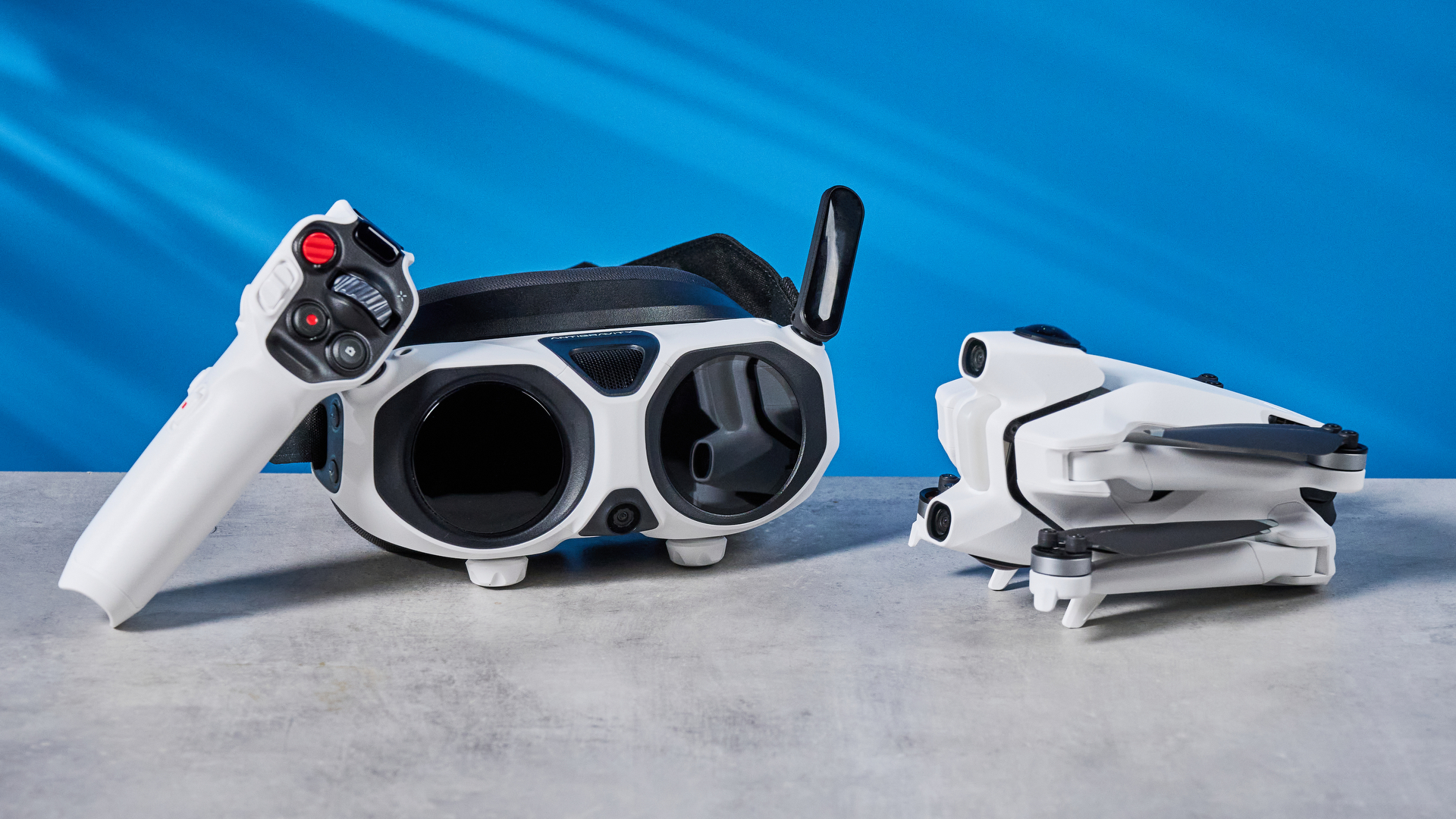

The Antigravity A1 is a sub-brand of Insta360 — yes, the action and 360° cameras giant — and it officially launched in November 2025. Four months later, the DJI Avata 360 was announced, becoming the world’s second-ever 360° drone (and the Chinese giant’s first). I’ll start off by talking about the elephant in the room that’s desperately wanting to be addressed: the price difference between the DJI Avata 360 and the Antigravity A1.
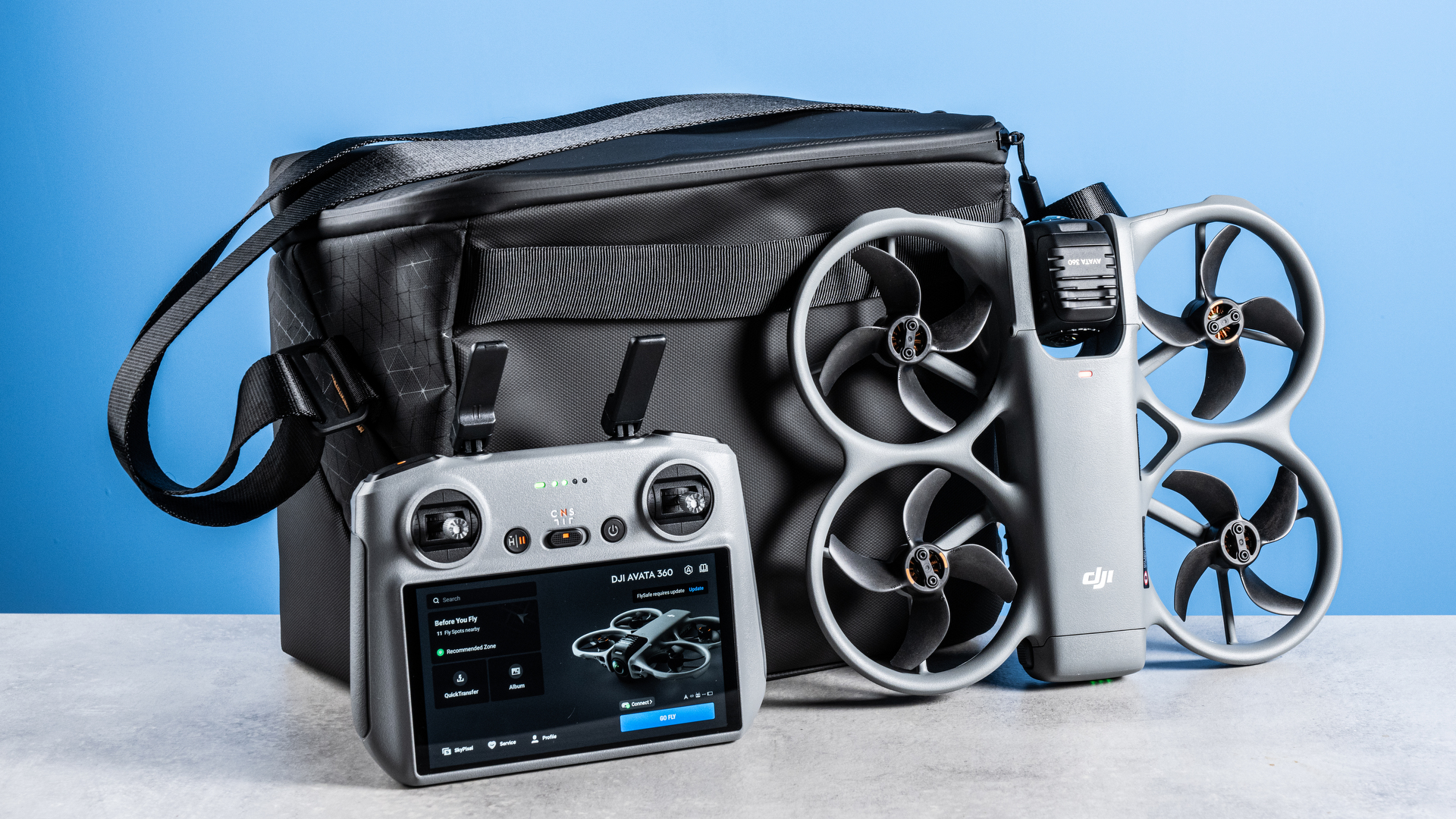
There’s a massive price difference between the two, and I wish I was exaggerating but I’m really not. The Avata 360 starts at ~$549 / £409 for just the drone, and this is the perfect deal for those who already own a DJI controller, like the RC-N3 or the RC-2, or a pair of DJI Goggles N3 and a DJI RC Motion 3 controller. There are three additional bundles available: with the RC-2 controller (~$859 / £639), an RC-2 Fly More Combo (~$1,199 / £829), and a Motion Combo (~$1,199 / £829).
In comparison, the Antigravity A1 starts at $1,599 / £1,219, while its Explorer bundle costs $1,899 / £1,399, and the Infinity bundle retails for a whopping $1,999 / £1,499. It’s staggering, and the fact that the Avata 360’s most expensive bundle still costs a lot less than the Antigravity A1’s cheapest bundle blows my mind.
Winner: DJI Avata 360
DJI Avata 360 vs Antigravity A1: Design
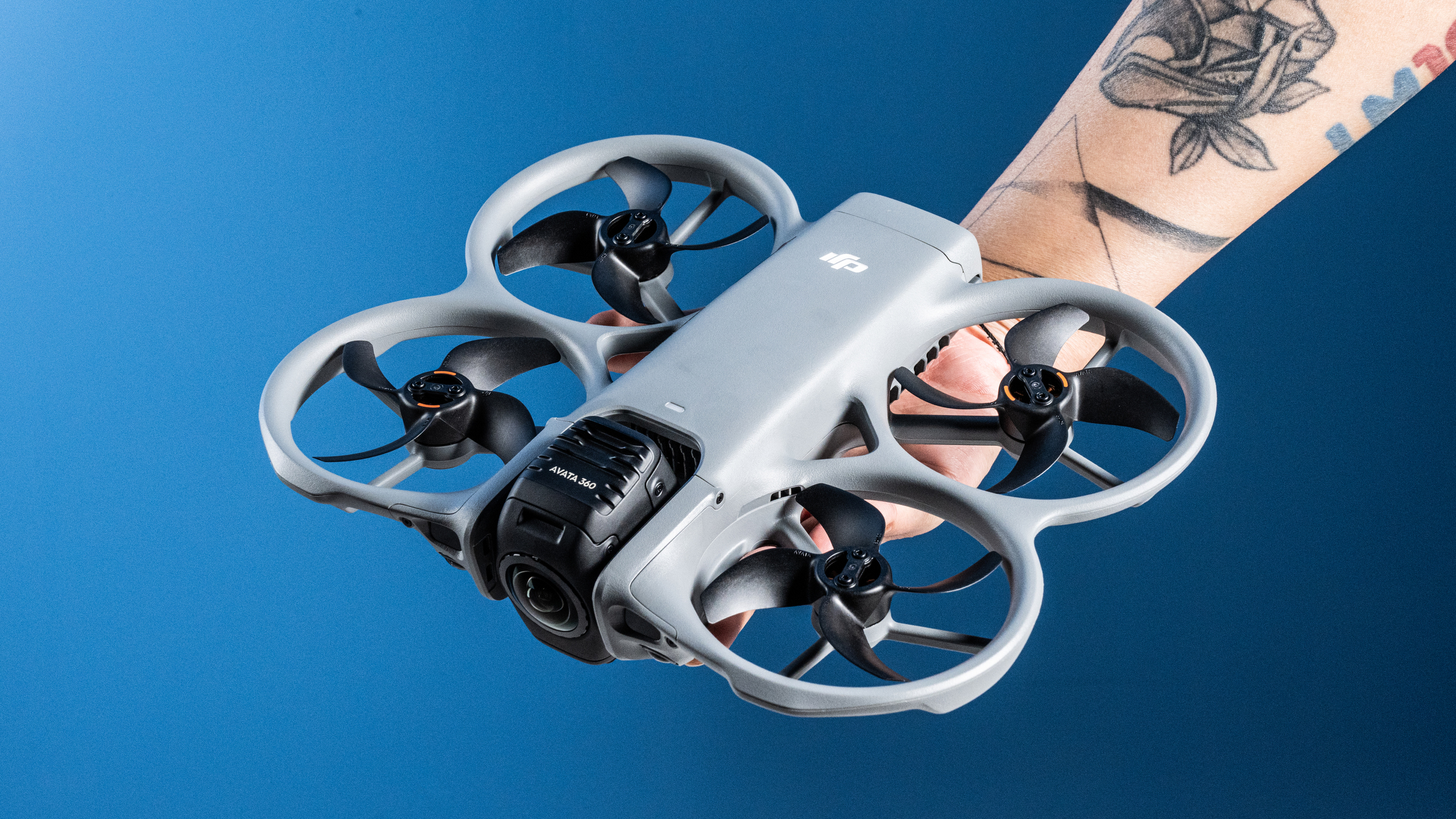
Both the DJI Avata 360 and the Antigravity A1 look very different from one another. The Avata 360 retains the DJI Avata 2’s design and borrows styling cues from the DJI Neo 2. It’s fitted with propeller guards which means that not only can you fly it indoors, but that its propellers are protected if your drone crashes into a tree or another obstacle. On the other hand, the Antigravity A1 looks similar to drones like the DJI Mini 5 Pro, with its propellers exposed, limiting its indoor usage.
The two drones are fairly compact in size, with the Avata 360 measuring 9.69 x 7.83 x 2.19 inches and the Antigravity A1 measuring 12.15 × 15.05 × 3.51 inches (unfolded, with propellers). Both come with shoulder bags for easy transport.
The biggest difference lies in their weight. The Avata 360 weighs 1lb while the Antigravity A1 weighs 8.78oz. Because the latter weighs so little, you don’t need to necessarily register it with the F.A.A. in the U.S. or the C.A.A. in the U.K., or any other governing authority depending on where you live.
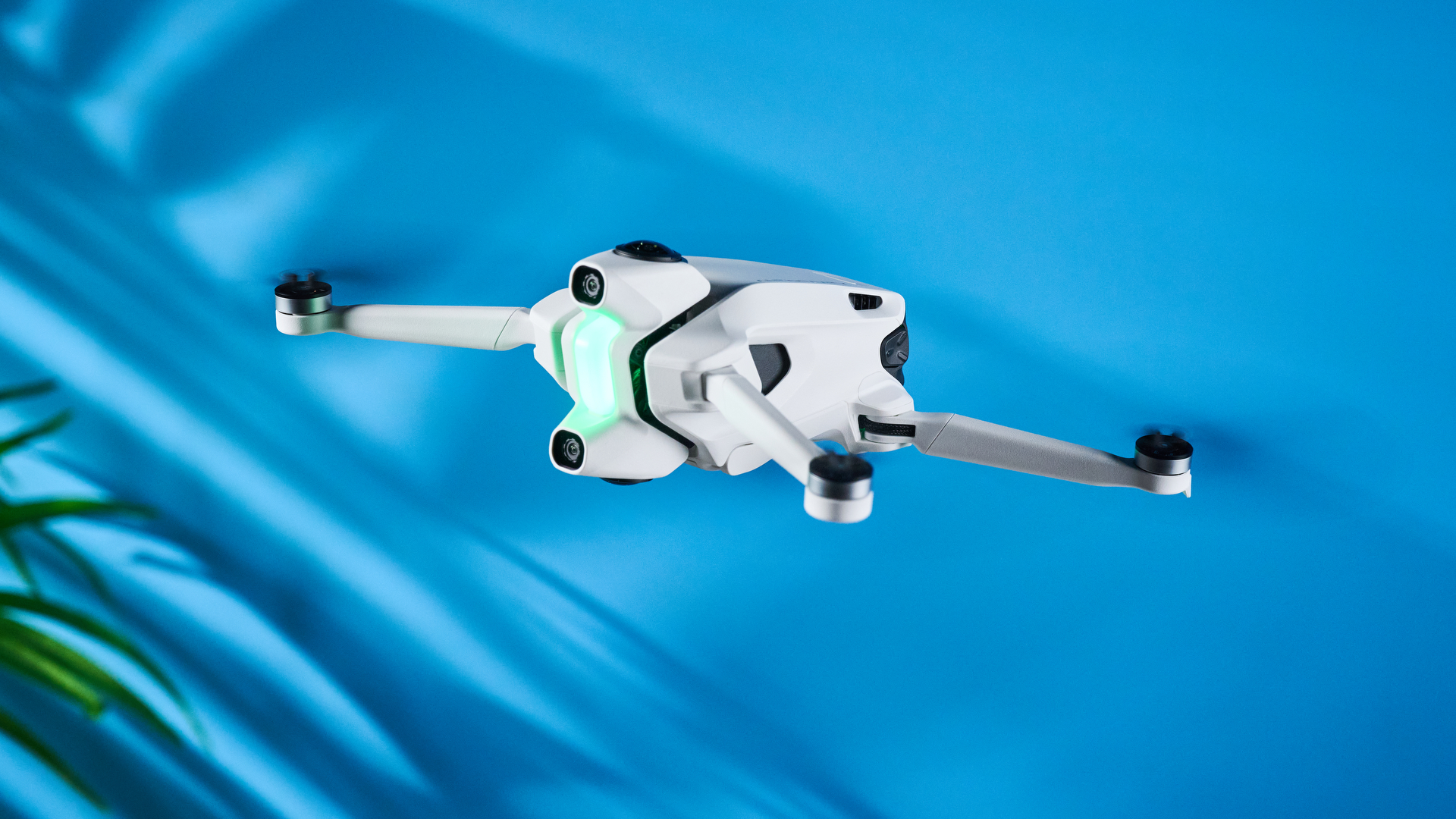
Because the Avata 360 weighs so much, more flight restrictions apply, such as staying under a certain height limit, avoiding flying over groups of people, etc. I’d recommend reading up on the different rules and restrictions depending on where you live or where you’re planning on flying the drone.
Due to the added restrictions, the Antigravity A1 takes the crown when it comes to design and portability — although the Avata 360 won’t give you anything to complain about in terms of build quality.
Winner: Antigravity A1
DJI Avata 360 vs Antigravity A1: Features & app
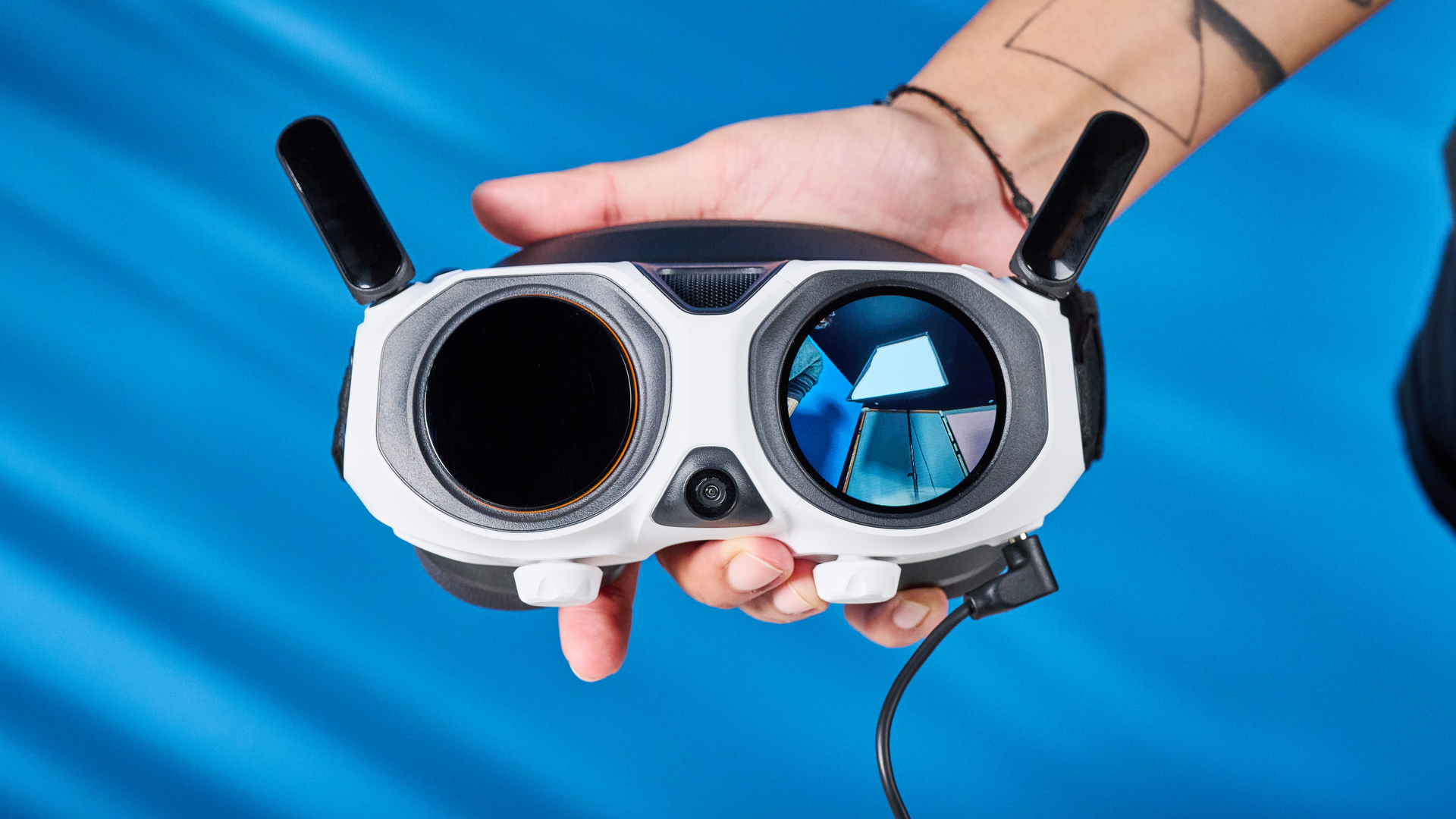
There’s no dearth of features on both the DJI Avata 360 and the Antigravity A1. Both drones feature omnidirectional obstacle avoidance, and return-to-home where the drones fly to their last known take-off positions either manually or automatically when battery is low. Both drones also feature internal storage, with the Antigravity A1 packing 20GB of it and the Avata 360 packing 42GB of it, making the latter the winner.
As is the nature of 360° footage where every single angle is captured, you need to edit footage in post-production to make it usable or professional-looking. Up until recently, DJI’s companion software for editing action camera footage was fairly lackluser, but the brand has made massive strides with the Avata 360. DJI Studio on macOS/Windows is the easiest way to edit your footage, and in a similar vein, so is Antigravity Studio. Both drones are also accompanied by clean-looking, user-friendly mobile apps for on-the-fly editing.
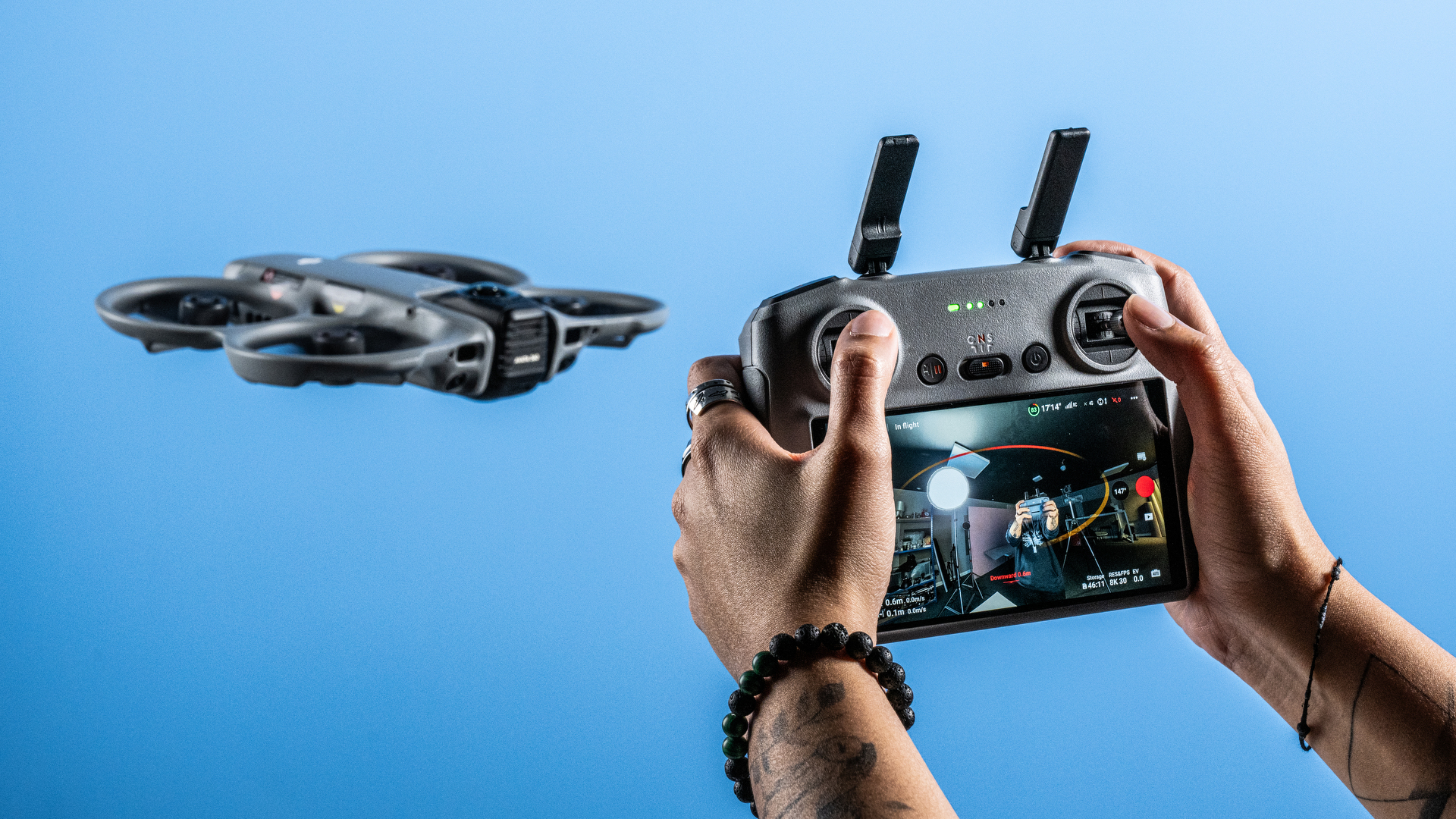
The biggest difference, and the deciding factor of this round, lies in the drones’ straight-out-of-camera footage — and this is also related to how the drones are controlled/flown. The Avata 360 can be used with either the RC-2 or the RC-N3 controller, and you can use these controllers to create Tiny Planet videos that can be shared online without editing. Since the Antigravity A1 uses a screen-less Grip motion controller, the same isn’t possible, therefore handing over the win to the Avata 360.
Also aiding the Avata 360’s win in this round is its 42GB of internal storage (compared to just 20GB on the Antigravity A1). In addition to this, the Avata 360’s omnidirectional obstacle avoidance, in my opinion, works just a little better than the Antigravity A1’s, as seen in my testing.
Winner: DJI Avata 360
DJI Avata 360 vs Antigravity A1: Photo & video quality
Image 1 of 2
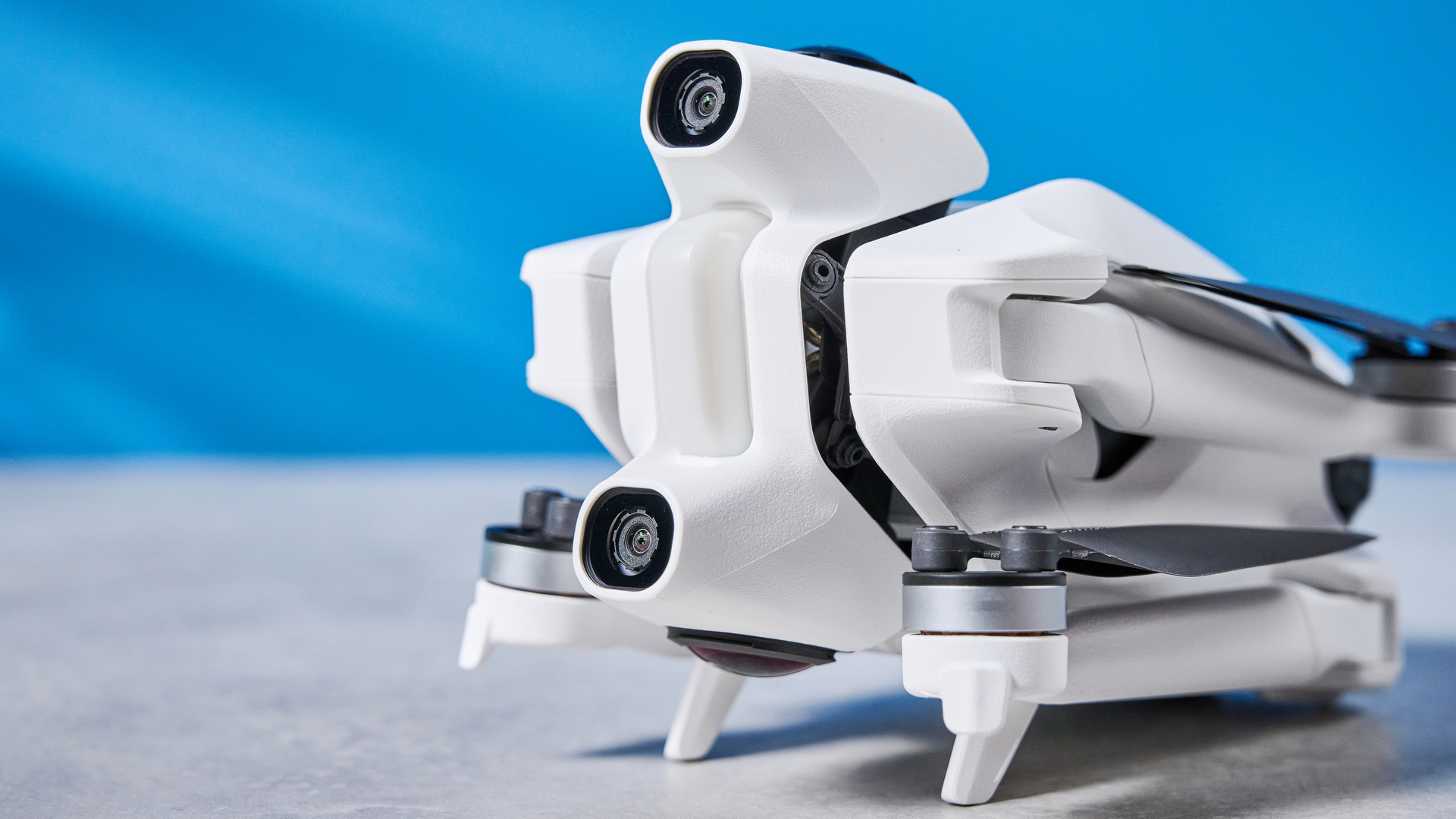
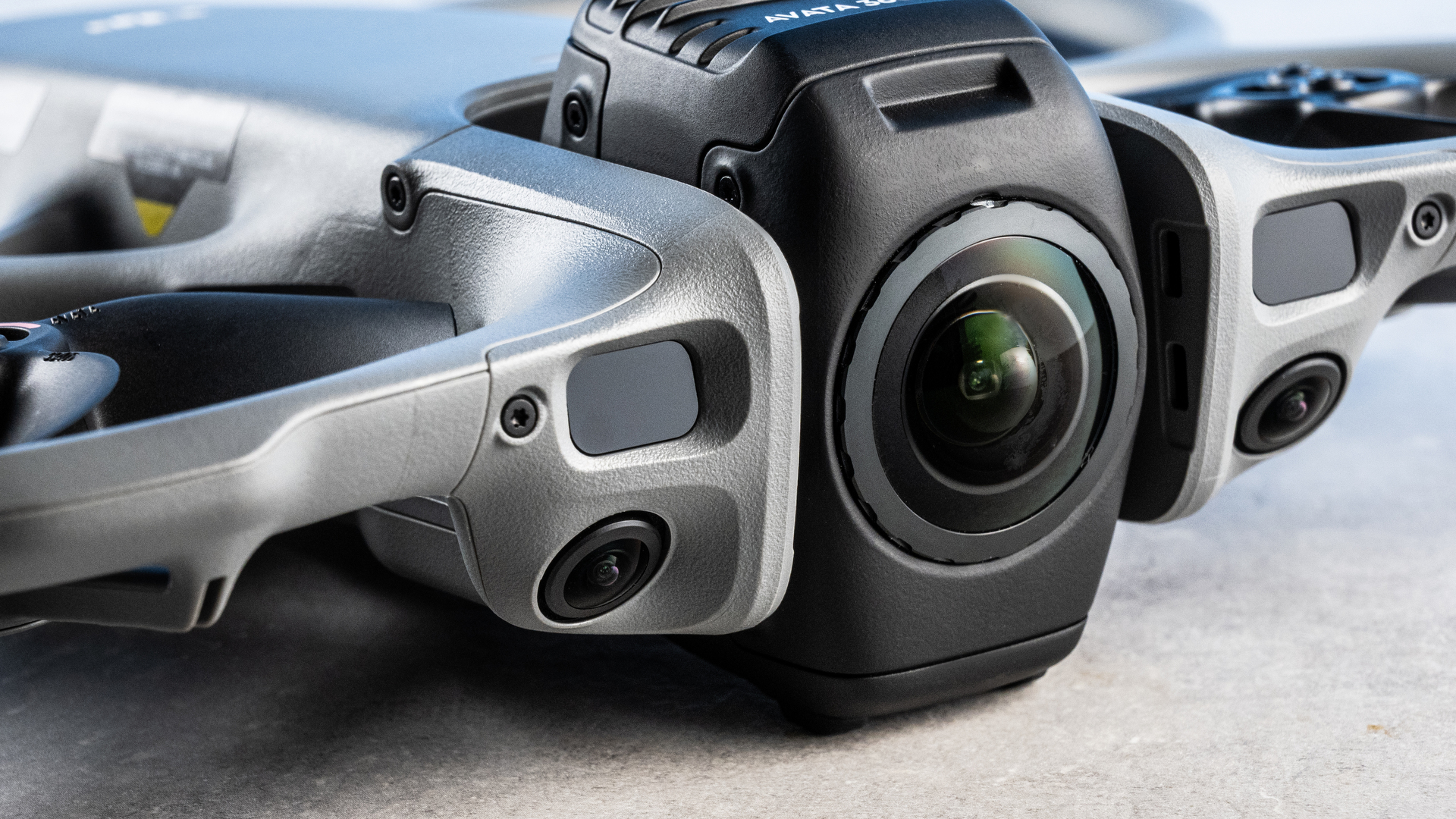
Both the DJI Avata 360 and the Antigravity A1 are fantastic, competent drones, capable of capturing 8K 360° footage. The Avata 360 does so at 60fps, while the Antigravity A1 does so at 30fps. The Avata 360 is in fact the only 360° device (action cameras and drones included) to record 8K/60fps footage, so it signals a new age for 360° devices.
Regardless, both drones capture stable and steady footage but the Avata 360’s footage is more stabilized thanks to a single-axis mechanical gimbal working in conjunction with DJI’s RockSteady tech.
8K video shot on both drones gives you enough headroom in post-production to reframe at up to 4K in a 16:9 aspect ratio — the default ratio for YouTube and TV. Twin lenses on each drone basically capture 4K videos which are then stitched together. On the Avata 360, the resolution you get is true 8K and therefore true 4K, and there are no stitching lines visible — in fact, you can’t see stitching lines in the footage captured with the Antigravity A1 either.
The video above was shot on the Antigravity A1, and reframed in post. You can add many effects and adjust every single angle in post-production, and it’s like having unlimited A and B cams. The video is smooth and stable, and the colors appear true-to-life too.
Above is a video shot on the Avata 360, in comparison. Because of the 60fps frame rate, the footage appears smoother and the motion looks more realistic. Personally, I prefer the look of the Avata 360’s footage because the colors look more vibrant and the finer details (like the patterns in the clay) look more hi-res when compared to the Antigravity A1.
Image 1 of 2
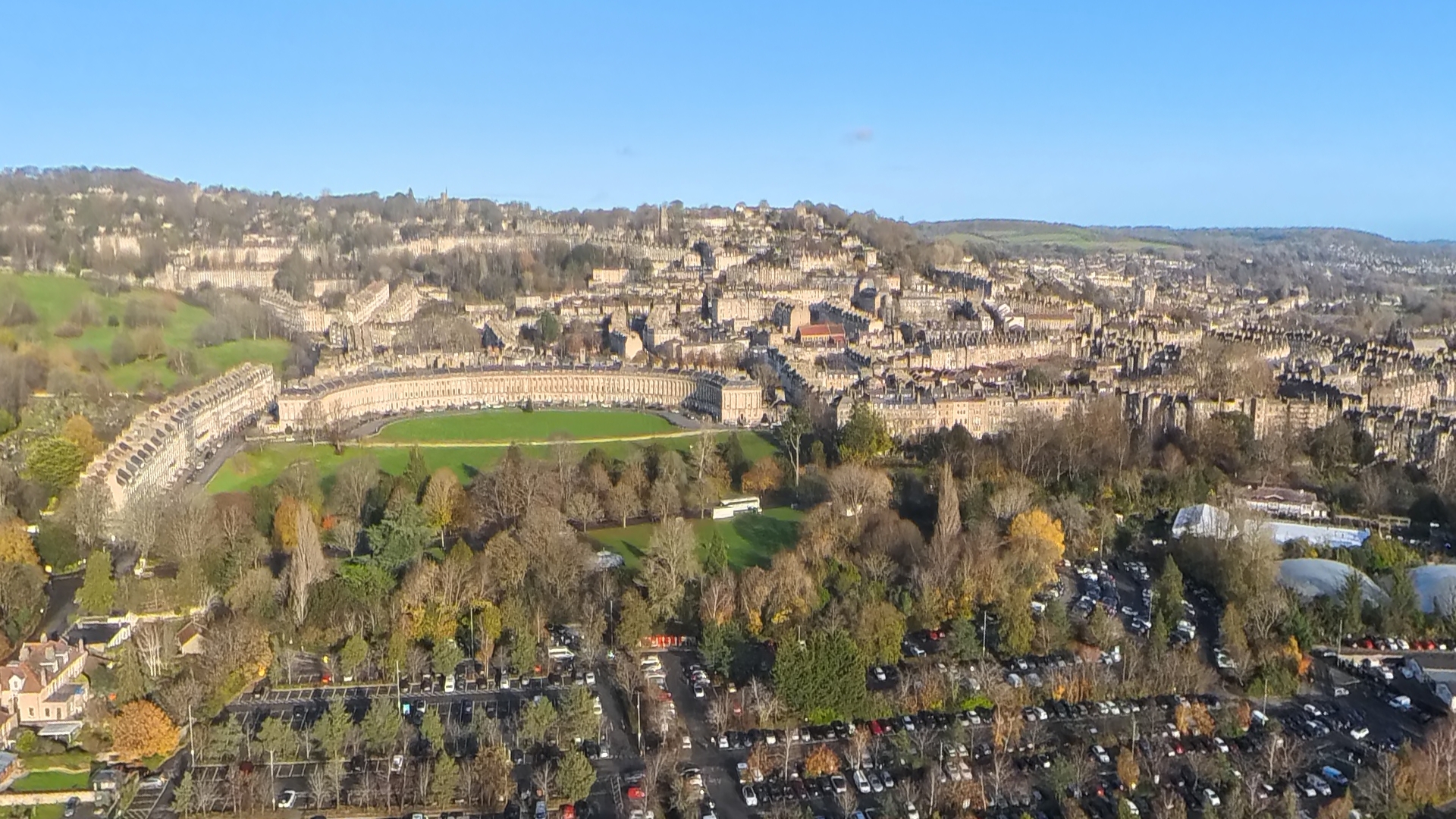

Alongside shooting video, the Antigravity A1 and the Avata 360 are excellent for capturing aerial stills too. The Antigravity A1 shoots 55MP photos with its 1/1.28-inch sensor while the Avata 360 shoots 120MP photos with its 1/1.1-inch sensor. The 120MP photos are achieved by stitching two 64MP photos together, although there are again no signs or stitching lines in the final results. The Avata 360 also gives you more freedom in terms of cropping when compared to the Antigravity A1 — although 55MP stills are still outstanding.
The images in the gallery above were shot on the Antigravity A1. They look good, and the drone has captured enough detail in the building in the distance, but some of the finer detail, like the edges of the window panes, has been lost.
Image 1 of 2

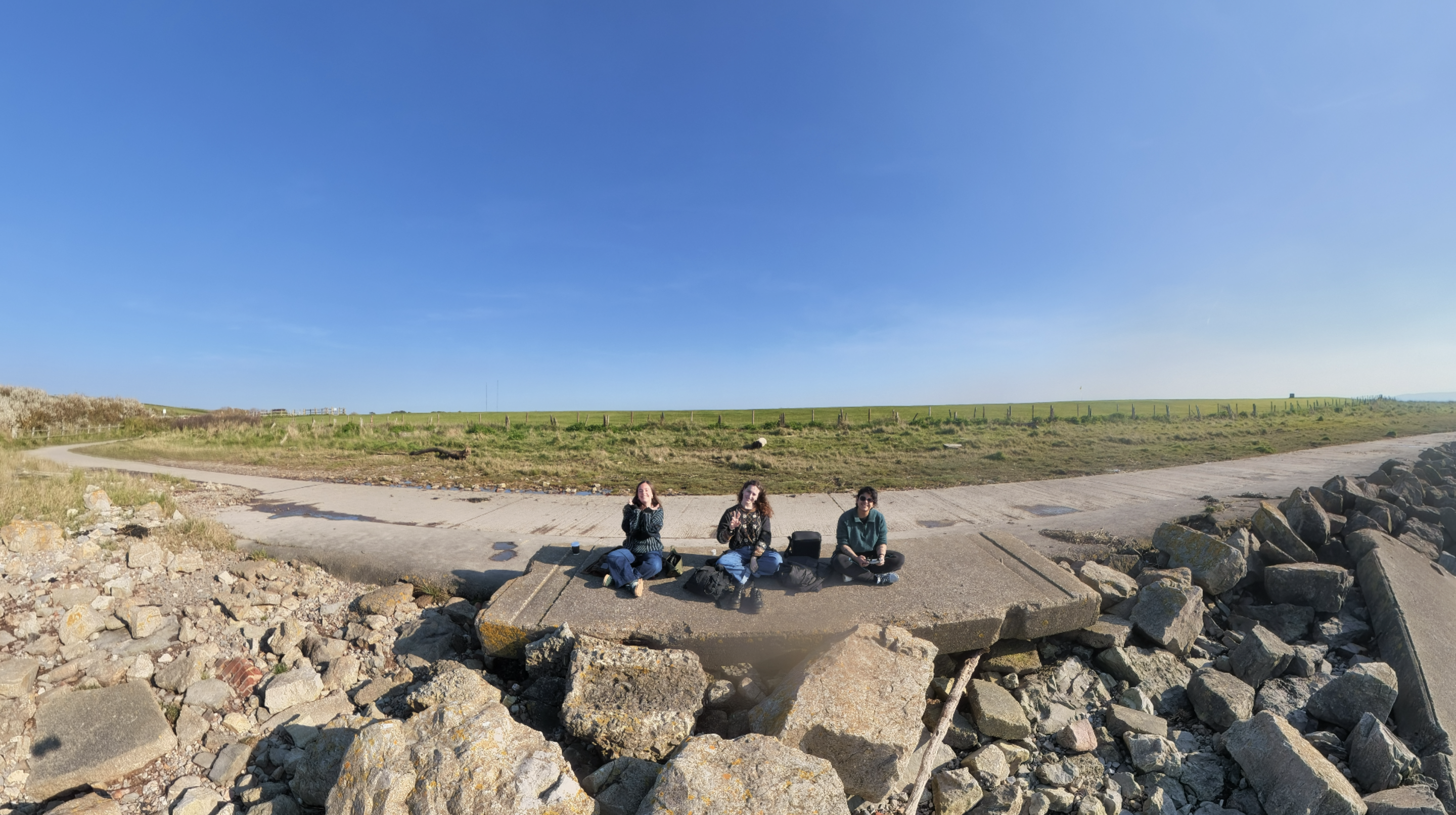

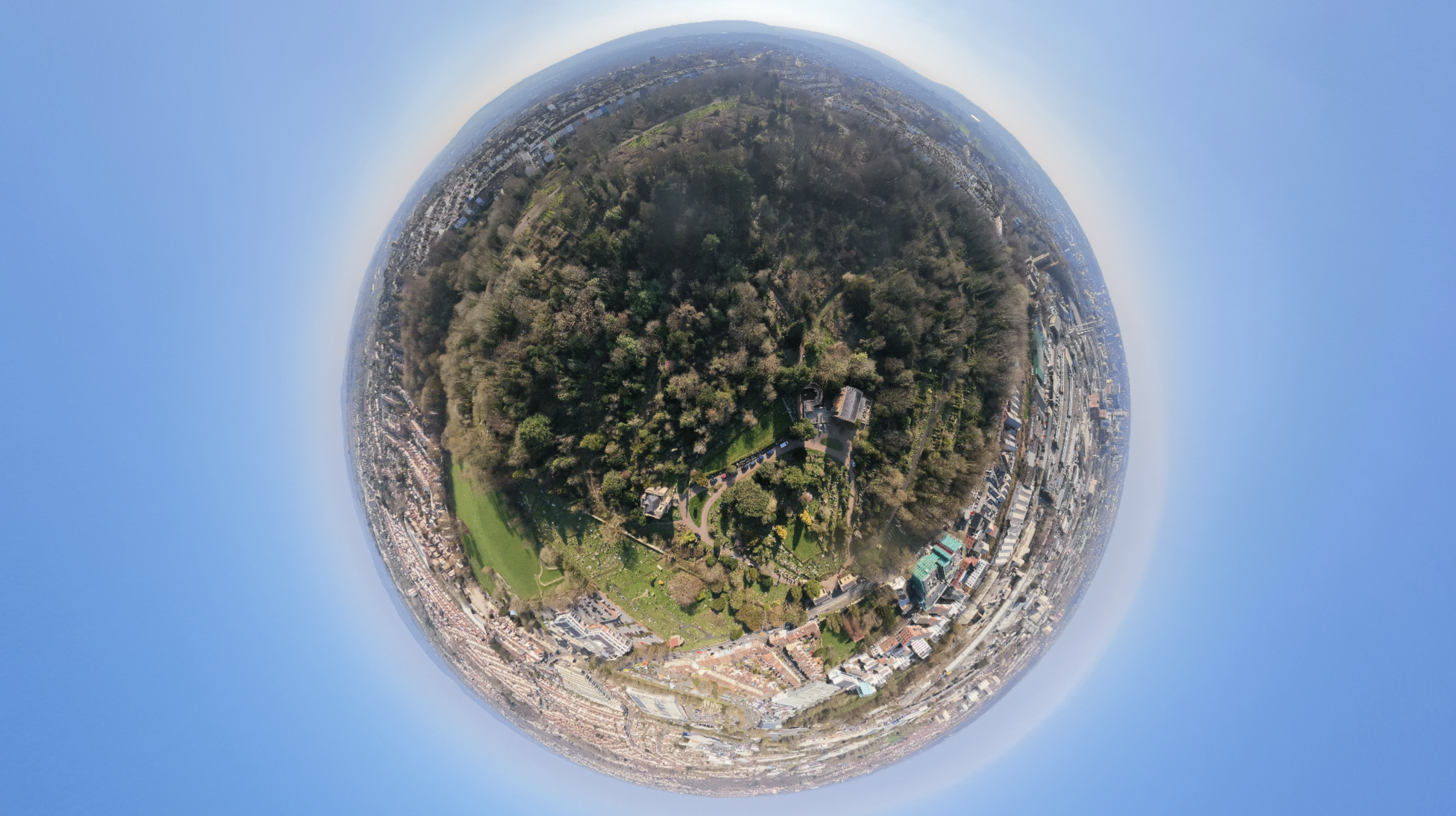
In comparison, the images in the gallery above were shot on the Avata 360, and again, they look better, in my opinion. The colors are more pleasing to look at, and the images themselves are quite detailed. At the end of the day, the Avata 360 is the drone to get if you want best-in-class image and video quality, and so, it wins this round.
DJI Avata 360 vs Antigravity A1: Battery life
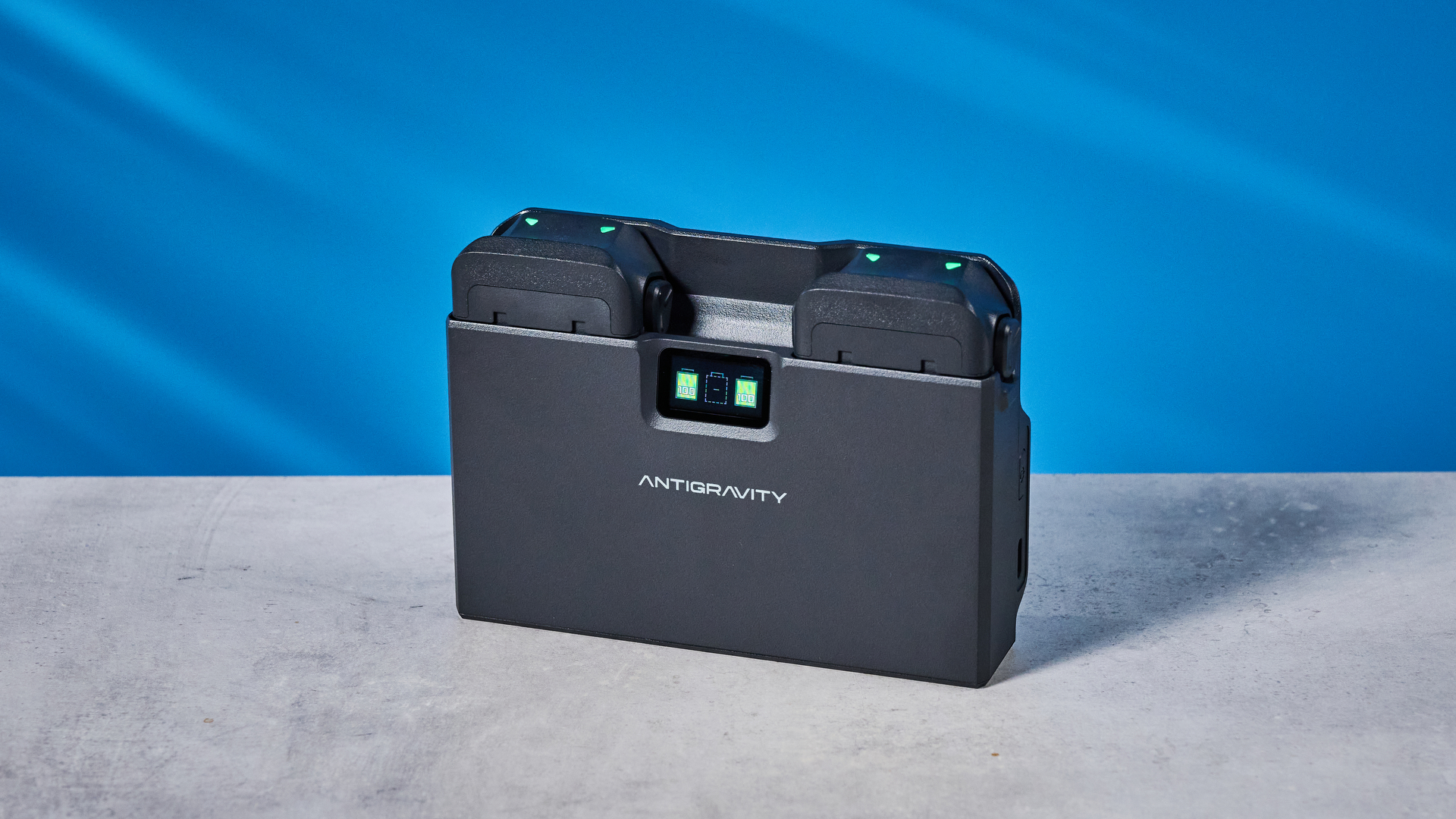
Neither the DJI Avata 360 nor the Antigravity A1 will give you much room to complain about when it comes to battery life. The Avata 360 is rated for 23 minutes between charges, while the Antigravity A1 is rated for 24 minutes. You can also use High-Capacity flight batteries with the Antigravity A1, and using one bumps the flight time up to 39 minutes, but it’s worth noting that this pushes the drone’s weight over 8.78oz, which means more restrictions apply.
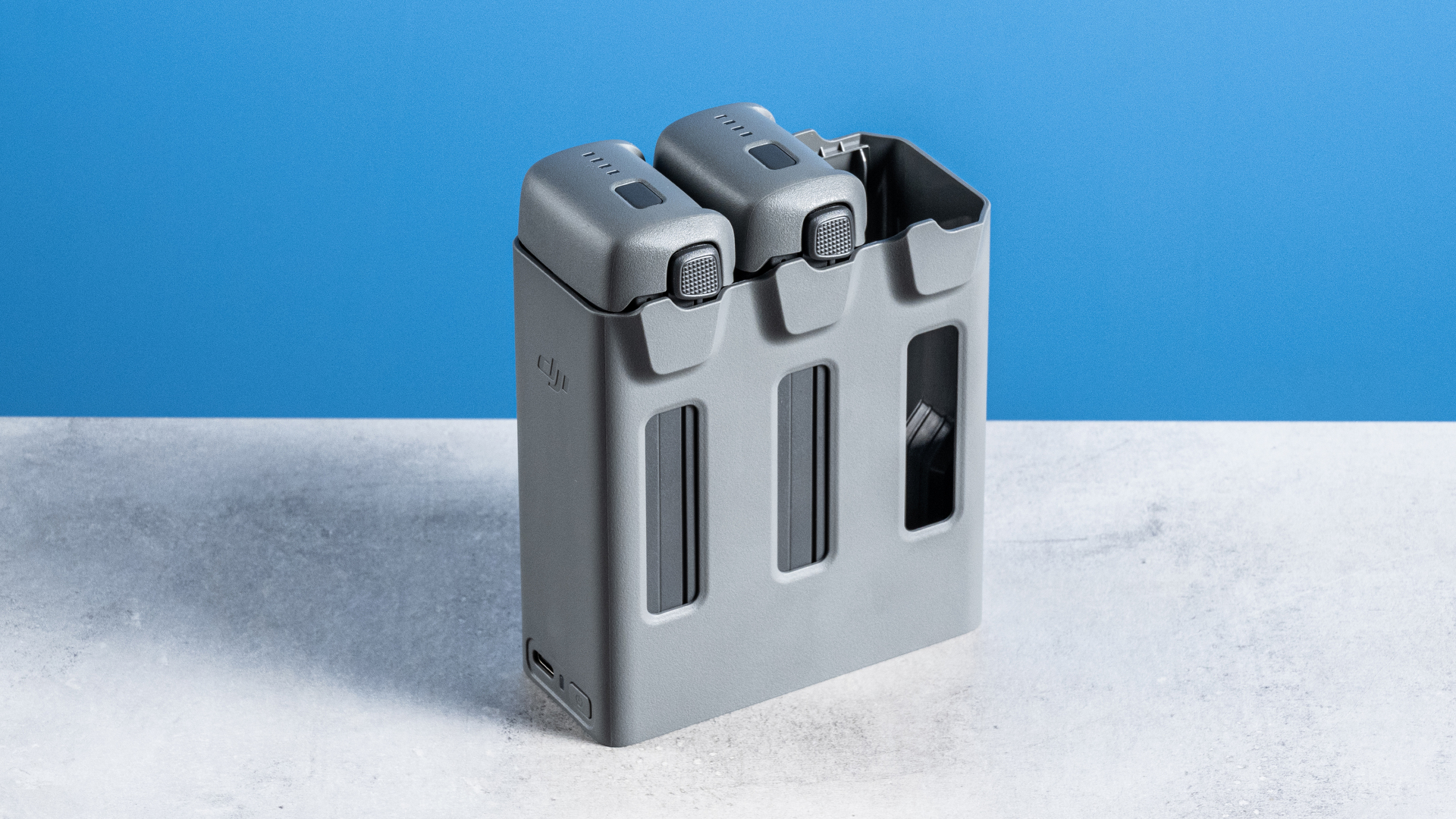
Both drones are also accompanied by three-way charging hubs — if you buy the respective bundles. These charge three batteries in just under/over an hour each. At the time of writing, it isn’t confirmed whether more advanced battery packs will be available for the Avata 360, so the Antigravity A1 is the winner in this department by a very narrow margin.
Winner: Antigravity A1
DJI Avata 360 vs Antigravity A1: Verdict
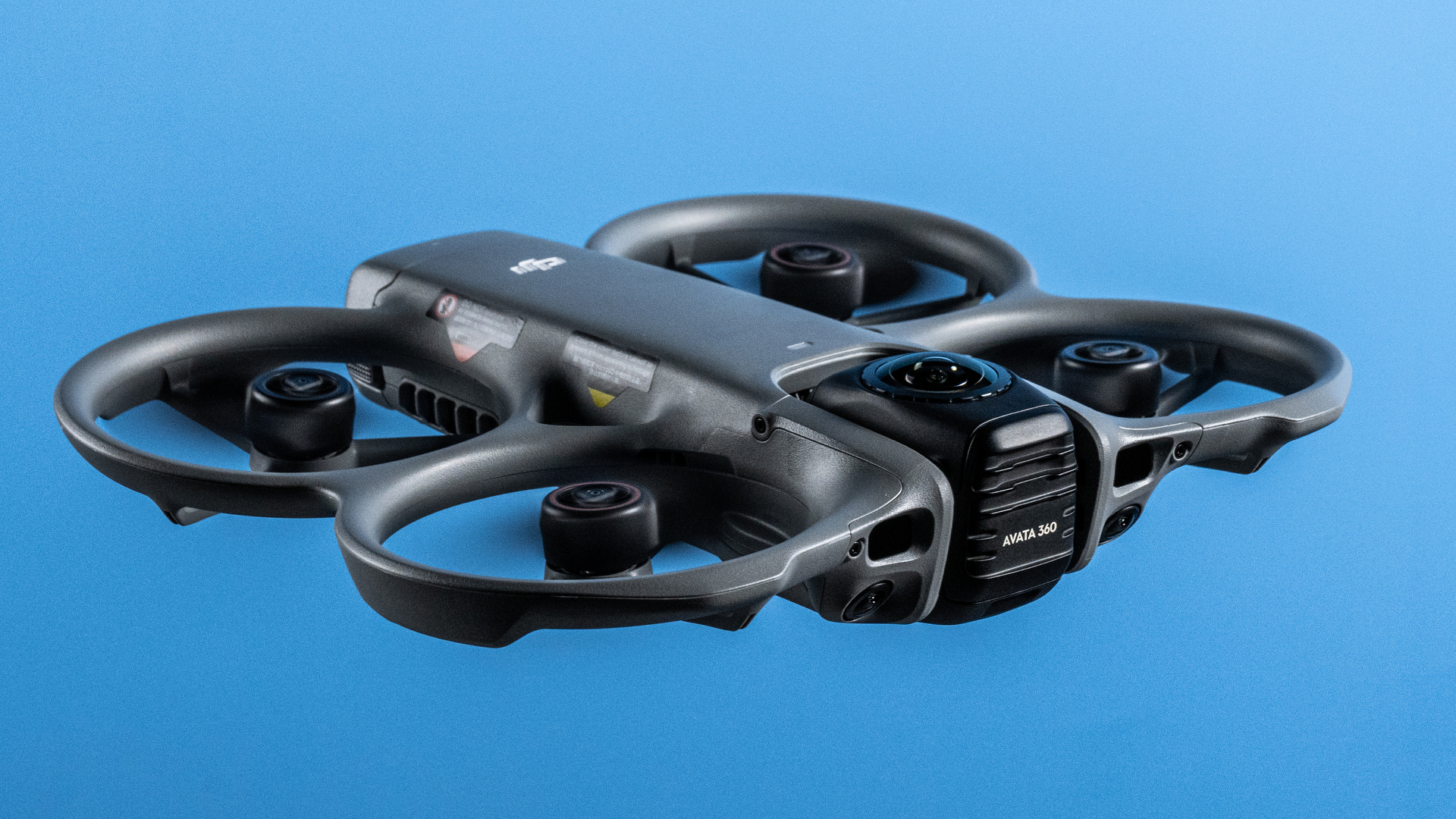
Both the Antigravity A1 and the DJI Avata 360 usher in a new age for drones: the era of 360° drones has begun. They’re feats of engineering in their own rights, with both drones boasting incredible 8K video capabilities. But having spent weeks testing both drones, the winner couldn’t be more obvious. When it comes to sheer value for money, the Avata 360 takes the cake as its most expensive Fly More Combo costs less than the Antigravity A1’s cheapest one.
But that’s not all. The Avata 360 is more intuitive to fly with either a controller or a pair of goggles, and it enables you to create good-looking straight-out-of-camera footage. Furthermore, it packs 8K/60fps video capabilities while the Antigravity A1’s caps at 8K/30fps. Not only is the Avata 360 an Antigravity A1 killer, but this could potentially mean that DJI will start packing 8K/60fps into its action cameras, which wouldn’t be good news for Insta360.
Combine that with 120MP stills, user-friendly editing software, and sublime build quality, and you’ve got a drone that will stay on top for a long, long time. The Avata 360 is clearly the king of 360° drones, and I can’t picture it being dethroned anytime soon.
DJI Avata 360 vs Antigravity A1: Ratings scorecard
| Header Cell – Column 0 |
DJI Avata 360 |
Antigravity A1 |
|---|---|---|
|
Price and value (5) |
5 |
2 |
|
Design (15) |
14 |
15 |
|
Portability (5) |
3 |
5 |
|
Controls & features (10) |
10 |
8 |
|
App (10) |
10 |
9 |
|
Image quality (20) |
20 |
15 |
|
Video quality (25) |
25 |
23 |
|
Battery life (10) |
9 |
10 |
|
Total Score (100) |
96 |
87 |


Follow Digitpatrox on Google News and add us as a preferred source to get our up-to-date news, analysis, and reviews in your feeds.
More from Digitpatrox
Source link
-

-
-
-

-