

MCP
-
Blog
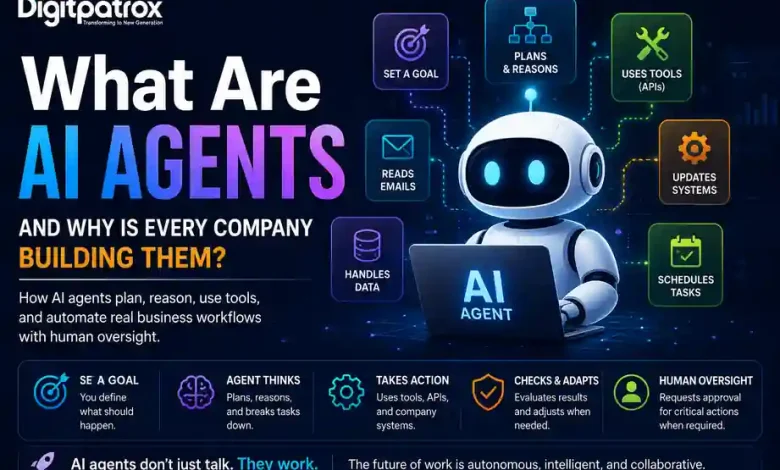
What Are AI Agents and Why Is Every Company Building Them?
AI doesn’t become useful when it talks. AI becomes useful when it acts. That is why every major technology company is racing to build AI agents. Unlike traditional chatbots that only generate text answers, AI agents can use software tools, access company systems, make decisions, and complete tasks on behalf of humans. An AI agent doesn’t just talk; it works.…
Read More » -
Blog
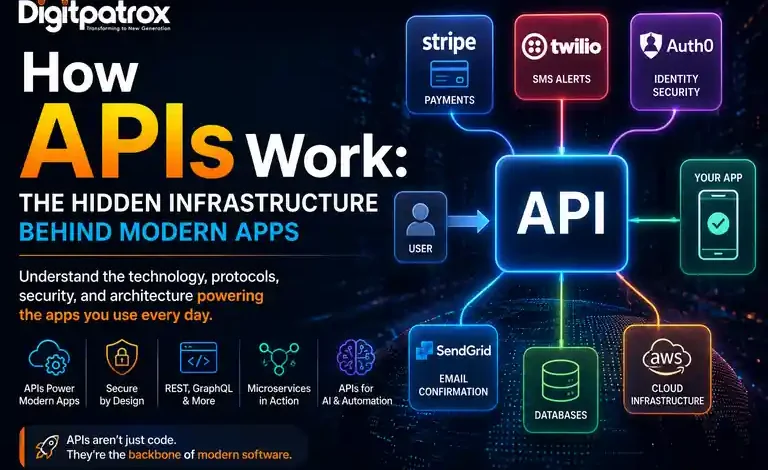
How APIs Work: The Hidden Infrastructure Behind Modern Apps
The most successful piece of software engineering is the one your user never notices. When you book a ride on an app, check the morning weather, or authenticate a login with a single tap, you aren’t interacting with a single monolithic program. You are interacting with a distributed ecosystem of completely independent systems, stitched together in real time. APIs (Application…
Read More » -
Blog
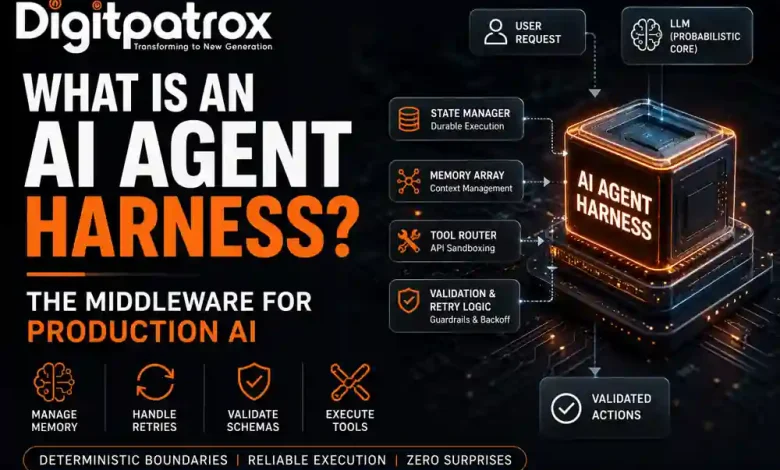
What Is an AI Agent Harness? The Middleware for Production AI
What Is an AI Agent Harness? The Middleware for Production AI Imagine building a prototype for a new AI assistant. You spend an afternoon writing a Python script that reads a spreadsheet, searches the web, and drafts a formatted weekly summary. You run it three times on your laptop. It works flawlessly. You show it to your team, everyone celebrates,…
Read More » -
Guides
What Is OAuth? And Why AI Agents Depend on It
Why OAuth Is Critical for Reliable AI Agents A lot of AI agent failures don’t actually come from the model. They often just stem from broken authentication. The setup might work fine during testing, but once the first access token expires, the background refresh flow can fail, leaving the agent unable to complete tasks. Humans can simply log in again…
Read More » -
AI Tools
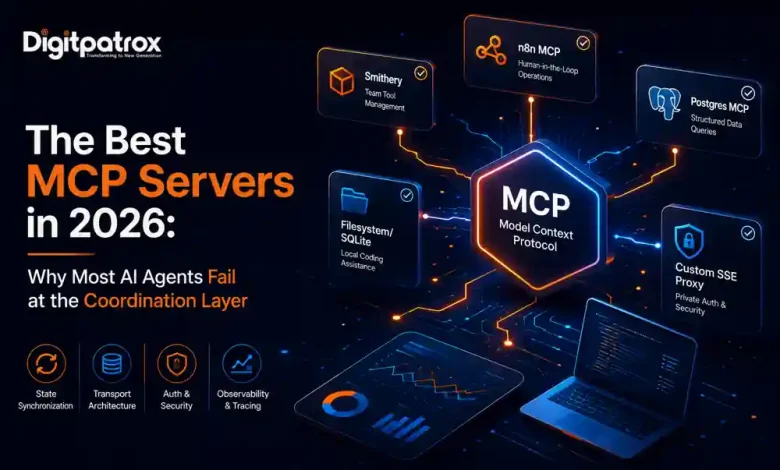
The Best MCP Servers in 2026
The Best MCP Servers in 2026: Why Most AI Agents Fail at the Coordination Layer Server Type Best Use Case Maturity Primary Transport Smithery Team Tool Management High SSE / Docker n8n MCP Human-in-the-Loop Ops High Webhook / SSE Postgres MCP Structured Data Queries Medium Stdio / SSE Filesystem/SQLite Local Coding Assistance High Stdio (Local) Custom SSE Proxy Private Auth…
Read More » -
AI Tools
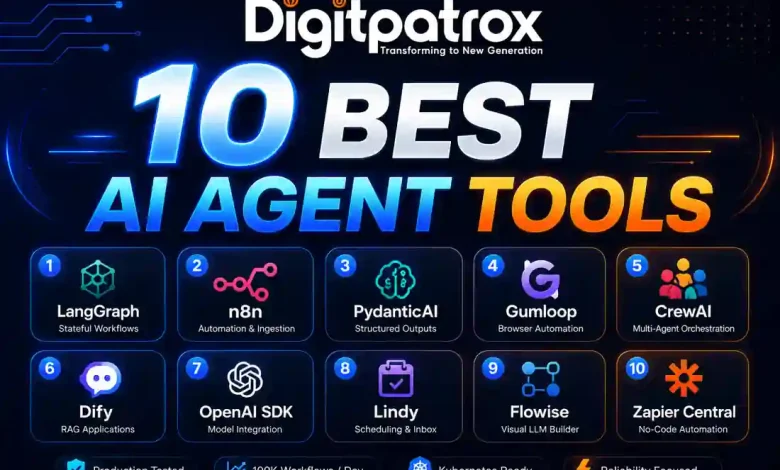
10 Best AI Agent Tools in 2026 – LangGraph, n8n, CrewAI & More
Production Lessons from Running 100k AI Agent Workflows (2026) I’ve spent most of the last eighteen months trying to keep various agent deployments from falling over, and I’ve realized that the “intelligence” of the model is almost never the actual bottleneck. We had an incident back in February-I think it was around the 15th-where a support agent interpreted a series…
Read More » -
Comparisons
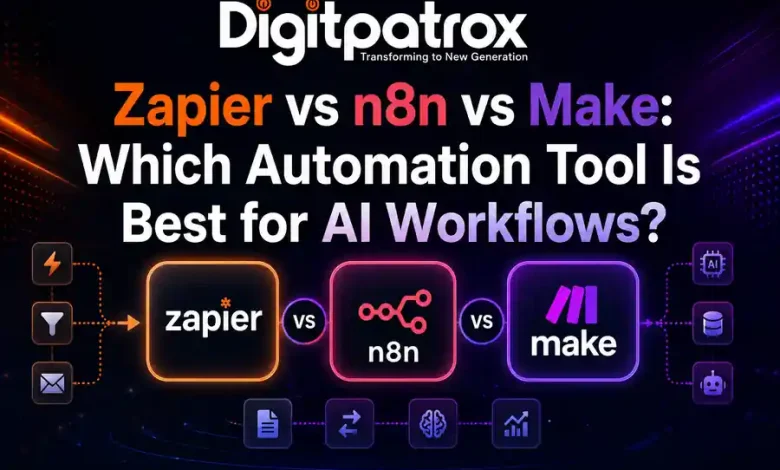
Zapier vs n8n vs Make: Which Automation Tool Is Best for AI Workflows?
I Built the Same AI Pipeline in Zapier, Make, and n8n – Here’s Where They Broke Automation demos are easy. You watch a 5-minute YouTube video, drag a trigger to an action, and feel like you’ve just automated your entire business. Then month two starts. That’s when you realize that “one-click” simplicity is a trap. Most teams don’t switch from…
Read More » -
Comparisons
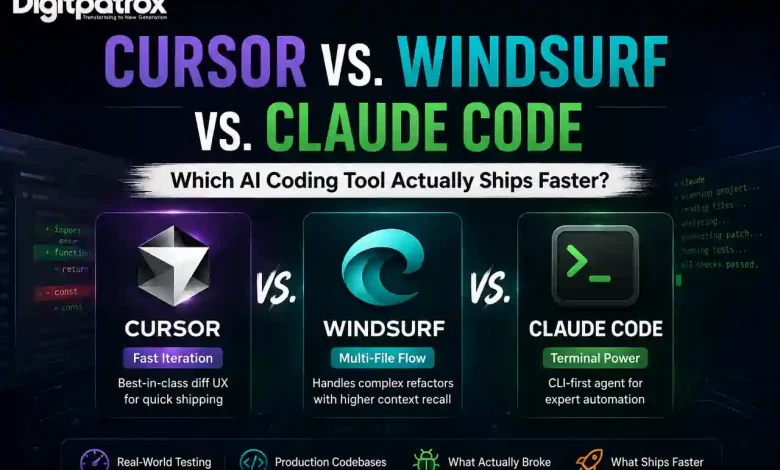
Cursor vs. Windsurf vs. Claude Code: Which AI Coding Tool Actually Ships Faster?
Cursor vs. Windsurf vs. Claude Code: Which AI Coding Tool Actually Ships Faster? A bad AI coding agent will silently break your imports and leave you in a three-hour debugging loop. Half my time now is spent deciding whether the AI actually understands the codebase or is just confidently guessing. Coding in 2026 isn’t about typing; it’s about auditing. While…
Read More » -
Blog
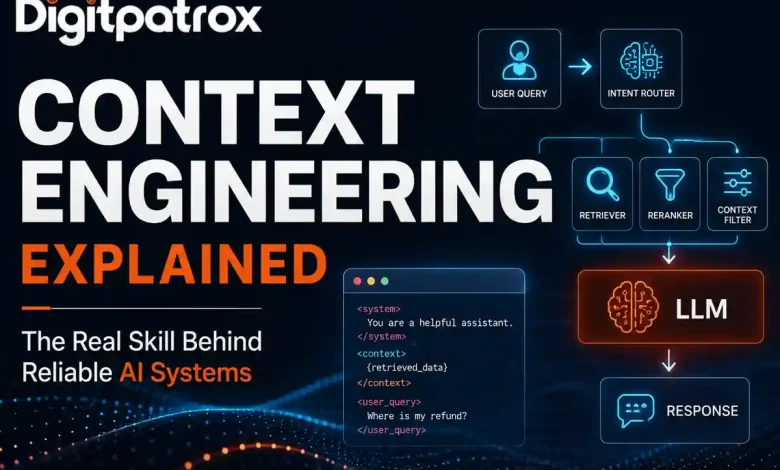
What Is Context Engineering?
What Is Context Engineering? Why Prompt Engineering Is No Longer Enough Most production AI failures are not model failures. They are retrieval failures. For the last two years, the internet was flooded with “Prompt Engineering Cheat Sheets,” as if knowing how to tell an LLM to “take a deep breath” was a technical moat. Typing instructions into a chat box…
Read More » -
Blog
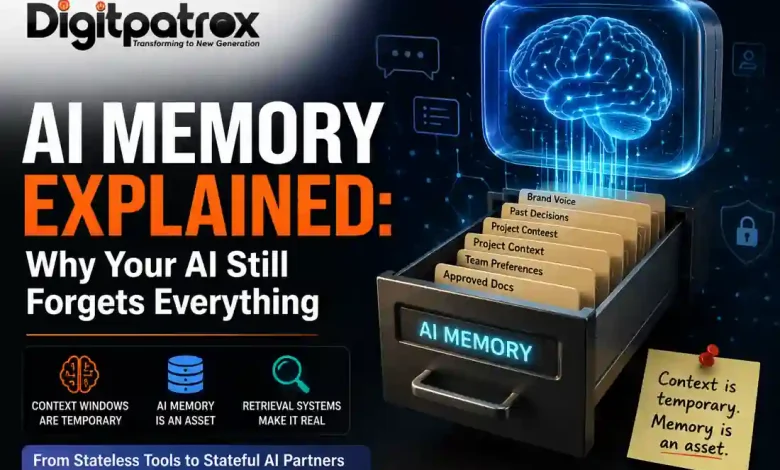
AI Memory Explained: Why Your AI Still Forgets Everything
AI Memory vs Context Windows: Why Your AI Still Forgets Everything Most AI still forgets everything the moment the chat ends. You spend all morning explaining a project, and by Friday, you’re starting from zero. It’s a “goldfish problem” that creates massive repetitive work—the constant, manual labor of re-briefing a machine that should already know better. In 2026, the real…
Read More »