

I don’t know about you, but when I’ve reached Friday and I’m running on empty, it seems intuitive to spend the weekend ‘catching up’ on sleep.
However, I’ve just discovered that my lazy Saturday and Sunday mornings are doing my overall sleep health no favors.
What is the 7:1 sleep rule and why can it add years to your life?
The 7:1 sleep rule was coined by researchers behind a study from Vitality and The London School of Economics and Political Science (LSE), and is based on analysis of sleep data from over 47 million people.
The researchers found that getting at least seven hours of sleep, and going to bed within a one hour window every night, could improve life expectancy by 24%.
This confirms the importance of getting seven hours of sleep a night, and it emphasizes the necessity of timing. When you go to bed might be just as important as how long you sleep for.
It’s estimated that only 10% of people stick to this sleep pattern. And sleeping in at the weekend like me could prevent you from meeting these vital sleep goals.
Why is oversleeping at the weekend ruining your healthy sleep?
The researchers advise going to bed within the same one hour window at least five nights a week. For example, going to bed between 10 p.m. and 11 p.m., Monday to Friday.
Surely getting more sleep on the weekend is a good thing, as it allows you to navigate the sleep debt you’ve racked up during the week? Well, that’s what I’ve always told myself.
As I’ve now discovered, ‘catching up on sleep’ is a band aid at best and a myth at worst.
“‘Catching up on sleep’ over the weekend may seem harmless, but it can actually contribute to feelings of fatigue, rather than alleviating them,” explains Dr. Burns.
Here’s why…
It disrupts your circadian rhythms
Your sleep cycle takes cues from its surroundings to help you drift off.
For example, a dark room, a bed that’s only used for sleeping (which is why bedrotting is bad for your sleep), and a cool bedroom that’s the perfect temperature for sleeping, All of these indicate to your brain that it’s time to release melatonin, the sleepy hormone.
Timing is another big cue; your body clock learns when you go to sleep and recognizes the need to kickstart the wind down process.
You’re essentially giving yourself a mild case of jet lag
Dr. Jordan Burns
“Your body clock is happiest when it’s kept on a consistent schedule,” explains Dr. Burns. “Sleeping in on the weekends disrupts your body’s natural sleep-wake cycle.”
“By sleeping in several hours later than usual on a Saturday and Sunday, you’re essentially giving yourself a mild case of jet lag,” says Dr. Burns.
Known as social jet lag, this is when your weekend sleep schedule and your weekday sleep schedule are several hours apart — essentially in different time zones.
Your body doesn’t recognize the time zone it’s in, so can’t cue up your wind down (melatonin release).
It masks other sleep problems
It’s easy to assume that because you have the weekend to catch up, you’re getting the quality sleep you need.
However the only thing that’s happening here is that your sleep is coming in two big lumps rather than being evenly divided throughout the week.
Dr. Burns also explains that excessive oversleeping might be misrepresenting your sleep health.
“Sleeping in can also be a way of covering up the problem rather than addressing it,” says the Sleep Health Expert at Eachnight.

Just because you’re well rested at the weekends doesn’t mean you aren’t experiencing the effects of sleep deprivation during the week, including mood swings, memory issues and slower reaction times.
“If you find yourself needing to sleep in for hours on end, it’s probably a sign that your regular weekday routine isn’t providing you with enough quality sleep in the first place” he adds.
Left unaddressed, this can become long term sleep deprivation. (If you suspect you’re experiencing sleep deprivation, we recommend speaking to a healthcare professional.)
It will make you more tired on Monday
Sleeping in on a Sunday morning makes it harder to fall asleep on Sunday night, which means you start the week already looking forward to ‘catching up’ on rest the coming weekend. It’s a cycle I find myself in a lot.
Dr. Burns describes the result as “groggy and sluggish mornings throughout the week.”
For me, it has become a snake eating its own tail: I’m tired so you sleep in, which makes me more tired, which means I want to sleep in even more. My body clock never has a chance to regulate itself.
The sleep switch to make instead
I have to admit, I consider sleeping in at the weekends to be a treat and I’m always unwilling to get out of bed early on a Saturday or Sunday morning.
It feels like a well-earned reward after a busy week and I’ve long believed it’s the best way to set myself up for the week ahead.
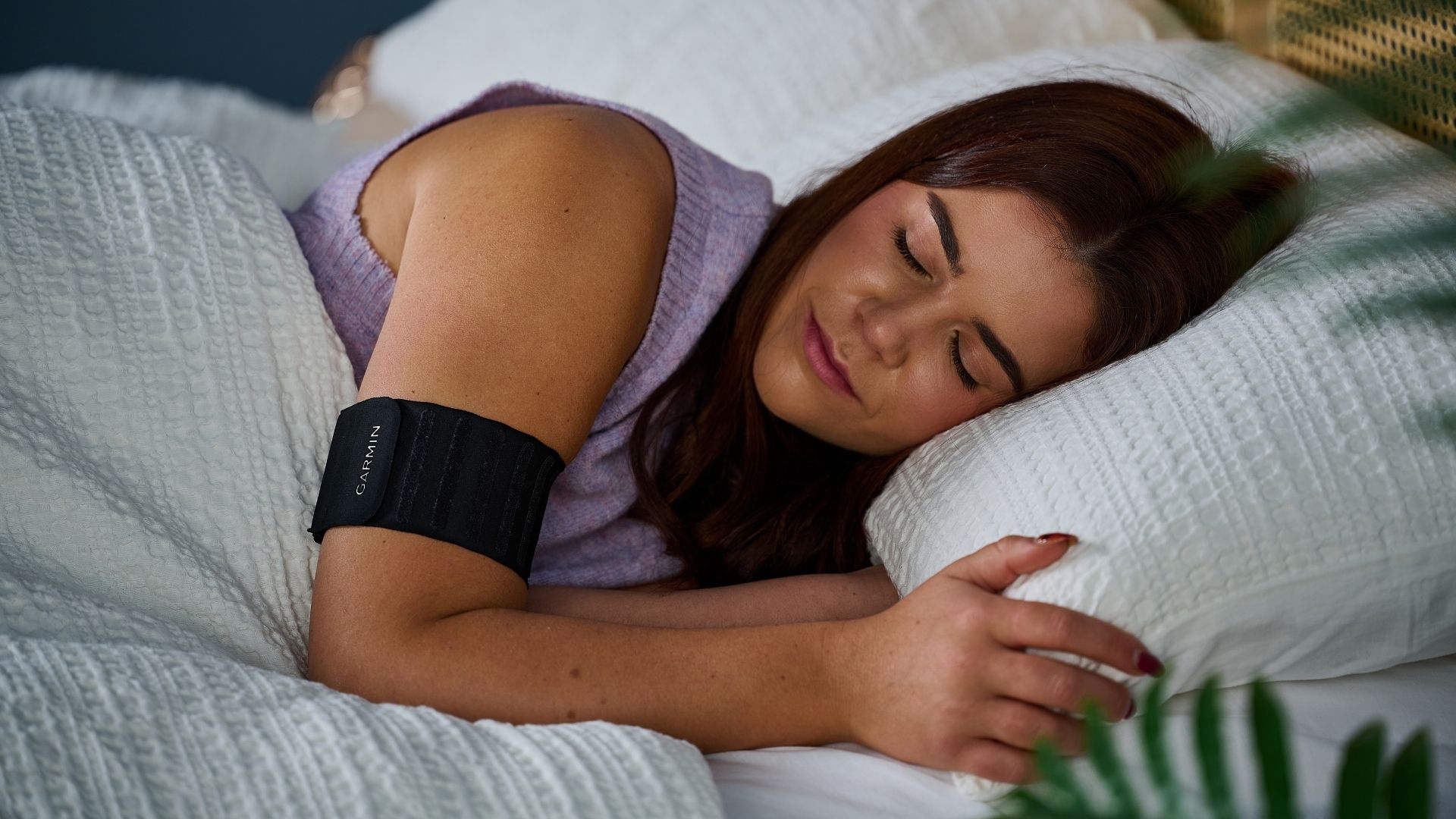
However, if oversleeping at the weekend is the reason why I spend the start of the week battling fatigue, I might be willing to make a change.
“Rather than trying to catch up on sleep over the weekend, it’s better to stick as closely as possible to your regular wake-up time and work on improving your sleep habits during the week,” advises Dr. Burns.
And it’s not just because sleep experts are all weirdos who enjoy early mornings.
You feel more alert and awake throughout the day rather than just stuck in a cycle of fatigue
Dr. Jordan Burns
“[Regular wake-up times] will help your body regulate your energy levels naturally, so you feel more alert and awake throughout the day rather than just stuck in a cycle of fatigue,” explains Dr. Burns.
And yes, this applies even if you enjoy a late night on Friday and Saturday. An early alarm is the best way to get your sleep back on track after a party.
What to do instead of oversleeping at the weekend
While I recognize the importance of waking up at my normal time on the weekend, it’s going to take a minute to get used to this new normal. Here are some tips to help you along…
1. Take quick naps
“Let me preface this with I do love a good nap,” says Lauri Leadley, Founder & President at Valley Sleep Center.
“A short nap here and there can have positive effects on your health such as improved memory and alertness, psychological, and health benefits.”


This can help you overcome some of that fatigue that’s plaguing your weekend, without sabotaging your body clock.
“But keep it to 20 minutes, 40, max,” warns Leadley.
(There goes my plan to enjoy an two hour Saturday morning nap.)
2. Use a sunrise alarm clock
If you spend all weekend feeling groggy, it might not be the time you woke up but which sleep stage was disrupted.
We cycle through three key sleep stages throughout the night: light sleep, REM sleep and deep sleep. It’s best to wake up during light sleep, when we’re more alert and will typically enter the day fresher.


However, if your alarm blares you awake during deep sleep, you’ll often struggle to shake off the groggy, overtired feeling of sleep inertia.
A sunrise alarm clock gently flood the room with light to induce a natural wake up, gradually rousing you from light sleep, rather than blaring you out of deep sleep.
3. Have an active morning
But if you want to shake off that fatigue, it’s best to get up.


Start the day by splashing your face with cold water and taking a cup of coffee outside, where you can enjoy the energizing effect of natural daylight.
Engage in some light stretching to warm up the core and get your body moving. By the end, you should be feeling ready to take on the day.
And if none of that has helped, you can always enjoy a brief nap.


Follow Digitpatrox on Google News and add us as a preferred source to get our up-to-date news, analysis, and reviews in your feeds.
Source link
-

-

-

-

-


