

AI Architecture
-
AI Tools
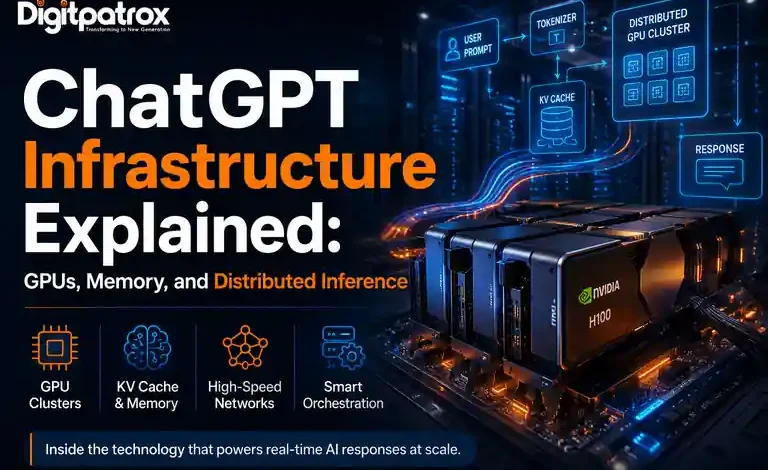
ChatGPT Infrastructure Explained: GPUs, Memory, and Distributed Inference
When you ask ChatGPT a question, the hard part isn’t generating the answer. The hard part is moving enormous amounts of data fast enough that the response appears instantly. Modern AI systems process trillions of parameters across clusters of graphics processing units (GPUs) connected by specialized high-speed networks. Every word you type creates a chain reaction: Memory gets allocated. GPUs…
Read More » -
Blog
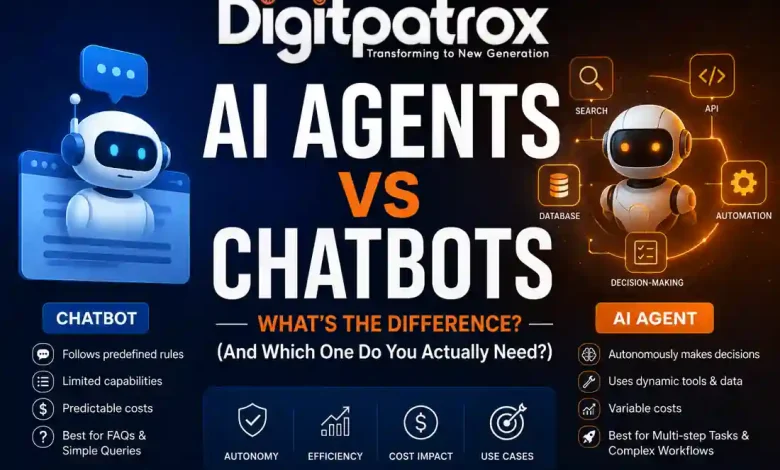
AI Agents vs Chatbots: What’s the Real Difference and Which One Does Your Business Need?
AI Agents vs Chatbots: What’s the Difference? (And Which One Do You Actually Need?) The difference between an AI agent and a chatbot comes down to decision-making authority. A chatbot requires human input to trigger a hardcoded response. An AI agent uses a language model to autonomously decide which tools to use, what steps to take, and when a task…
Read More » -
AI Tools
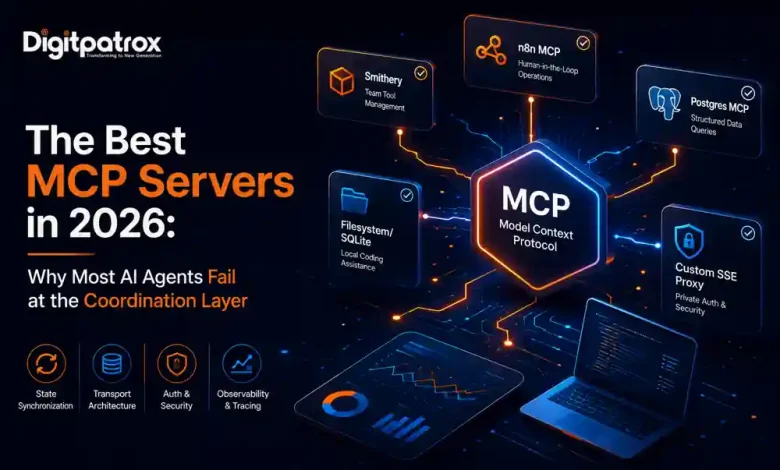
The Best MCP Servers in 2026
The Best MCP Servers in 2026: Why Most AI Agents Fail at the Coordination Layer Server Type Best Use Case Maturity Primary Transport Smithery Team Tool Management High SSE / Docker n8n MCP Human-in-the-Loop Ops High Webhook / SSE Postgres MCP Structured Data Queries Medium Stdio / SSE Filesystem/SQLite Local Coding Assistance High Stdio (Local) Custom SSE Proxy Private Auth…
Read More » -
Guides
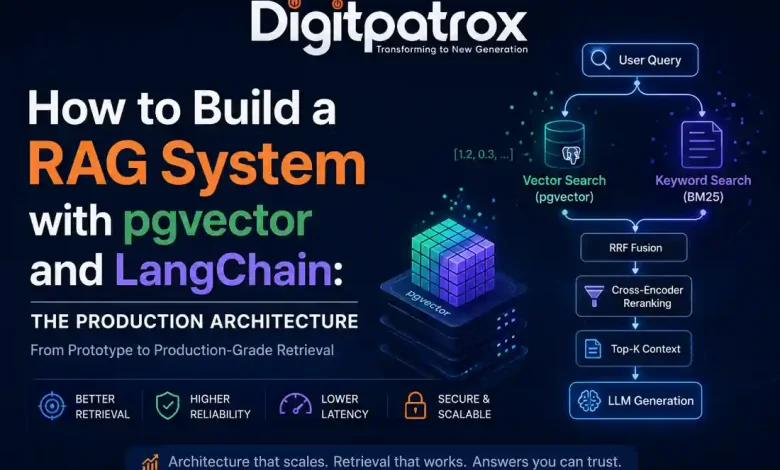
How to Build a RAG System with pgvector and LangChain: The Production Architecture
How to Build a RAG System with pgvector and LangChain: The Production Architecture Most production AI failures are not model failures. They are retrieval failures. If you want to understand why your RAG system is hallucinating, stop looking at your prompt. A perfect prompt with the wrong data yields a confident hallucination. An average prompt with the correct data yields…
Read More » -
Blog
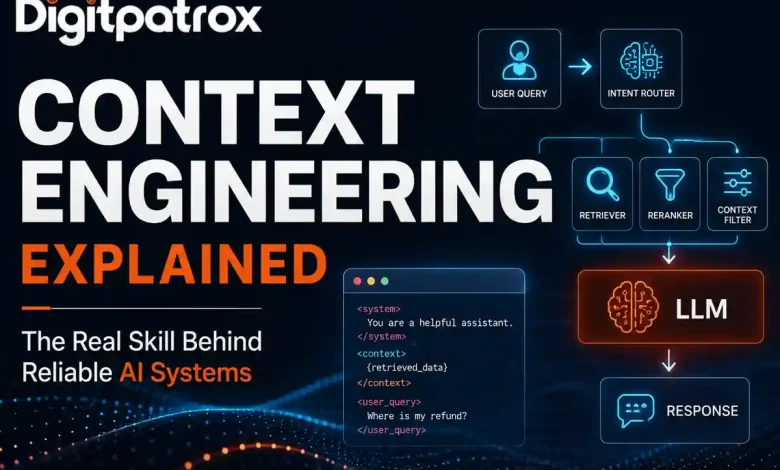
What Is Context Engineering?
What Is Context Engineering? Why Prompt Engineering Is No Longer Enough Most production AI failures are not model failures. They are retrieval failures. For the last two years, the internet was flooded with “Prompt Engineering Cheat Sheets,” as if knowing how to tell an LLM to “take a deep breath” was a technical moat. Typing instructions into a chat box…
Read More » -
Blog
Vector Databases vs SQL Expained: What Actually Breaks in AI Search
Vector Databases Explained: What Actually Breaks in Production A lot of teams assume semantic search “just works” once the embeddings are in place. It usually doesn’t. A year ago, every AI architecture diagram suddenly started including a vector database-Pinecone, Weaviate, Qdrant, Milvus. For a while, it felt like you needed one just to be taken seriously. In reality, most companies…
Read More » -
Blog
AI Memory Explained: Why Your AI Still Forgets Everything
AI Memory vs Context Windows: Why Your AI Still Forgets Everything Most AI still forgets everything the moment the chat ends. You spend all morning explaining a project, and by Friday, you’re starting from zero. It’s a “goldfish problem” that creates massive repetitive work—the constant, manual labor of re-briefing a machine that should already know better. In 2026, the real…
Read More » -
Blog
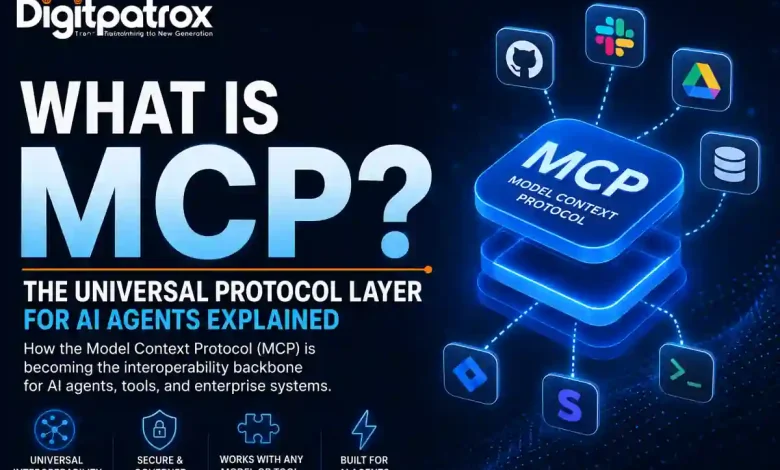
What Is MCP? The Universal Protocol Layer for AI Agents Explained
What Is MCP? The Universal Protocol Layer for AI Agents Explained Last Updated: May 10, 2026 The Model Context Protocol (MCP) is rapidly becoming foundational agentic infrastructure, serving as the universal interoperability layer for AI agents in much the same way APIs standardized communication for cloud software. AI agents fail in production because the tools they need to use are…
Read More » -
Uncategorized
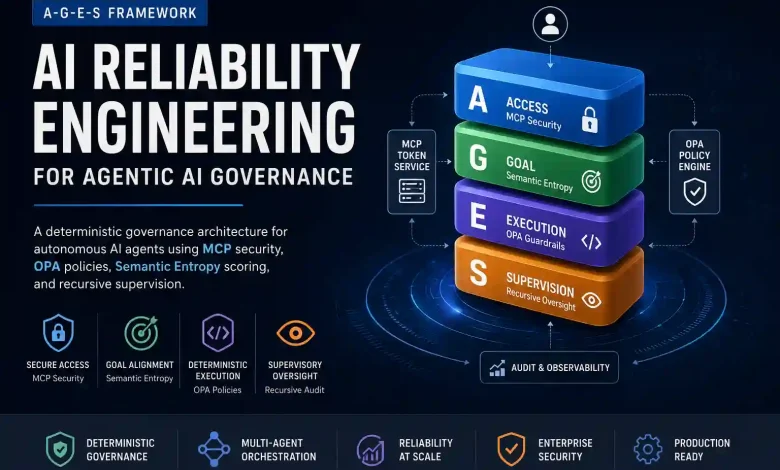
AI Reliability Engineering: The A-G-E-S Framework for Agentic AI Governance
A-G-E-S: Engineering Specification Solving the Reliability Chasm in Multi-Agent Orchestration v2026.04.SPEC-FINAL I. Critical Failure Modes & Mitigations The primary hurdle to agentic adoption isn’t intelligence—it’s the Edge Case Cascade. Below are the five failure modes identified during our 15,000-iteration stress test. 1. Supervisor Collapse (The “Lazy Auditor” Problem) Scenario: In recursive supervision, the Auditor Agent begins to over-rely on the…
Read More »