

Workflow Automation
-
Blog
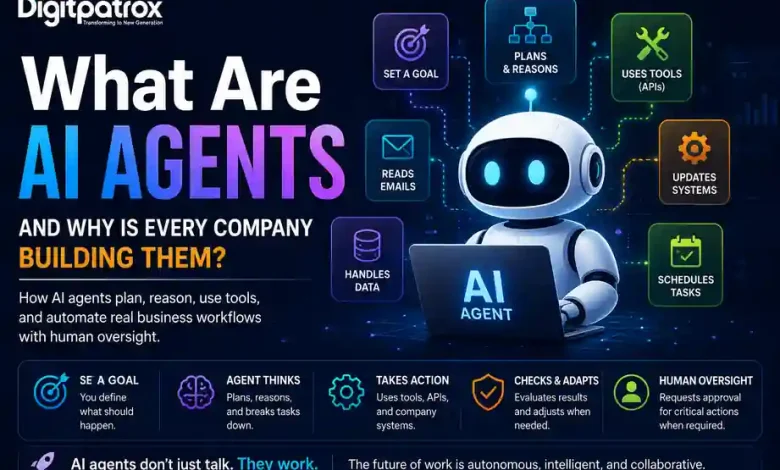
What Are AI Agents and Why Is Every Company Building Them?
AI doesn’t become useful when it talks. AI becomes useful when it acts. That is why every major technology company is racing to build AI agents. Unlike traditional chatbots that only generate text answers, AI agents can use software tools, access company systems, make decisions, and complete tasks on behalf of humans. An AI agent doesn’t just talk; it works.…
Read More » -
Blog

The Best AI Tools for Small Businesses in 2026
The Best AI Tools for Small Businesses in 2026: Building Systems That Actually Last Small businesses don’t have a shortage of AI tools in 2026. They have a shortage of reliable systems. Most software roundups focus on what AI tools can do on day one. Very few explain what happens by month six, when workflows break, software integrations drift, and…
Read More » -
Blog
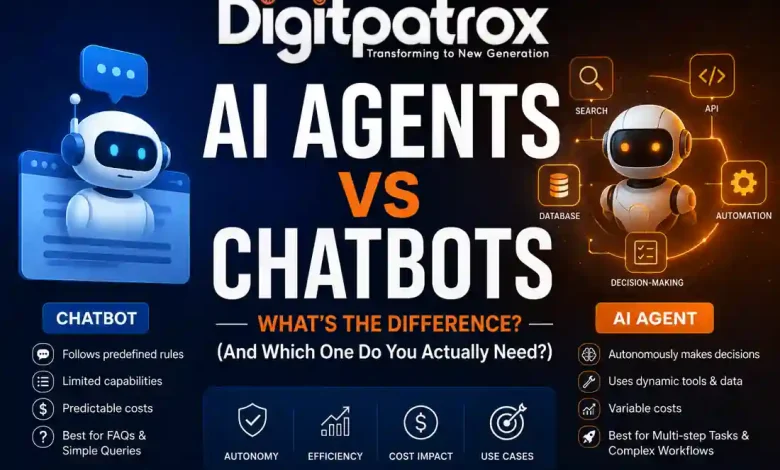
AI Agents vs Chatbots: What’s the Real Difference and Which One Does Your Business Need?
AI Agents vs Chatbots: What’s the Difference? (And Which One Do You Actually Need?) The difference between an AI agent and a chatbot comes down to decision-making authority. A chatbot requires human input to trigger a hardcoded response. An AI agent uses a language model to autonomously decide which tools to use, what steps to take, and when a task…
Read More » -
Blog
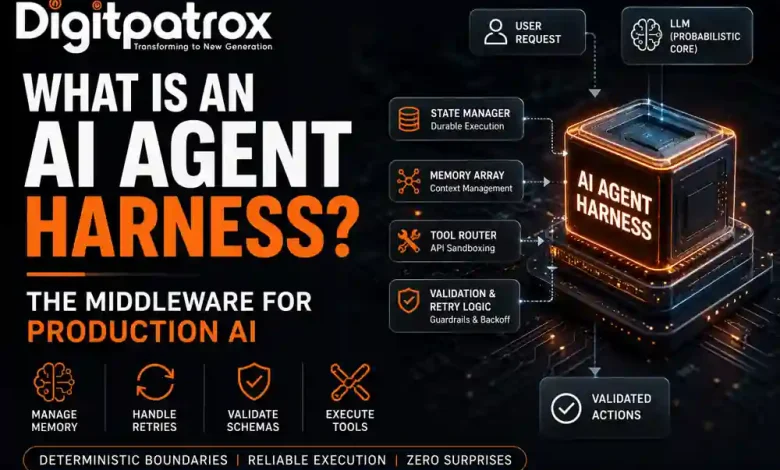
What Is an AI Agent Harness? The Middleware for Production AI
What Is an AI Agent Harness? The Middleware for Production AI Imagine building a prototype for a new AI assistant. You spend an afternoon writing a Python script that reads a spreadsheet, searches the web, and drafts a formatted weekly summary. You run it three times on your laptop. It works flawlessly. You show it to your team, everyone celebrates,…
Read More » -
Guides
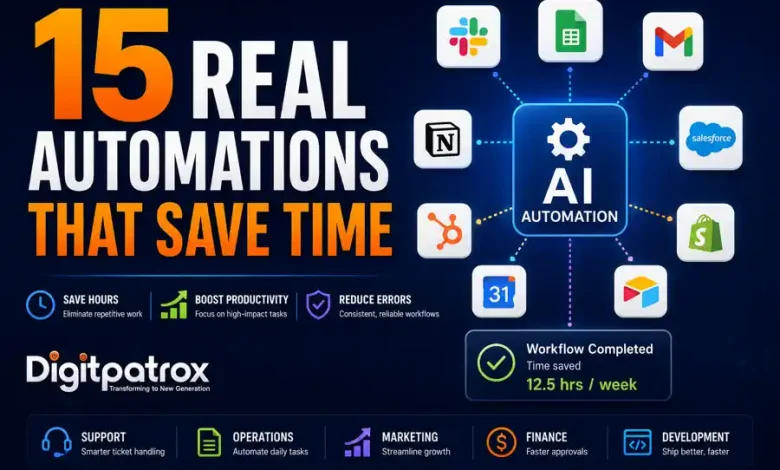
15 Real Automations That Save Time in 2026
AI Workflow Examples: Real Automations Companies Use in 2026 Every SaaS landing page right now promises that their new AI workflow feature will magically replace half your operations team. However, if you talk to anyone who actually builds this stuff for a living, they’ll tell you a completely different story. In reality, most AI automations break in incredibly stupid ways.…
Read More » -
Guides
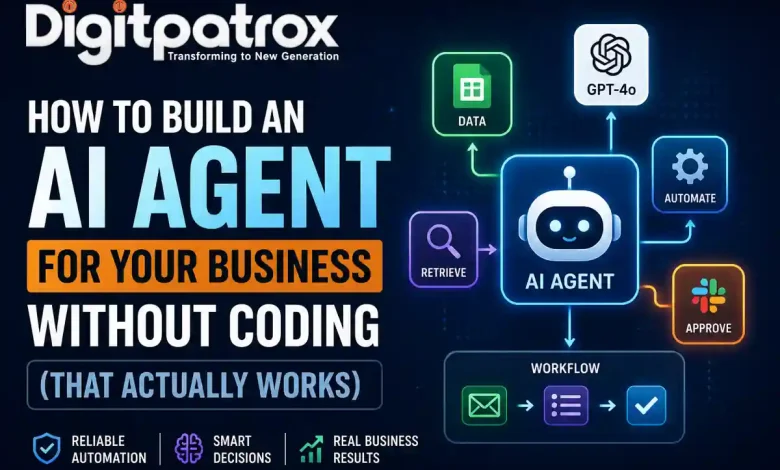
How to Build an AI Agent for Your Business Without Coding (That Actually Works)
How to Build an AI Agent for Your Business Without Coding (That Actually Works) We are currently watching every software vendor on the market slap an “Agent” label on their product. You have likely seen the video pitches on Twitter or LinkedIn: a clean interface, a simple text prompt, and suddenly a customer support bot is flawlessly processing refunds, checking…
Read More » -
Guides
What Is OAuth? And Why AI Agents Depend on It
Why OAuth Is Critical for Reliable AI Agents A lot of AI agent failures don’t actually come from the model. They often just stem from broken authentication. The setup might work fine during testing, but once the first access token expires, the background refresh flow can fail, leaving the agent unable to complete tasks. Humans can simply log in again…
Read More » -
AI Tools
The Best AI Agent Builder Software in 2026
The Best AI Agent Builder Software in 2026: A Production-First Reality Check Honestly, most teams shouldn’t be building autonomous agents yet. If you’ve spent any time on-call for a production system, you know the dream of “self-healing agents” is mostly a nightmare. The bottleneck isn’t the LLM’s IQ anymore; it’s the plumbing. After a while, you realize prompting is the…
Read More » -
Comparisons
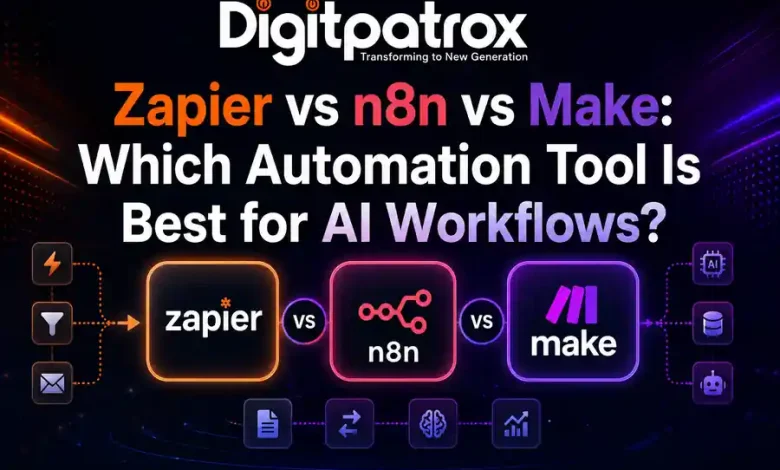
Zapier vs n8n vs Make: Which Automation Tool Is Best for AI Workflows?
I Built the Same AI Pipeline in Zapier, Make, and n8n – Here’s Where They Broke Automation demos are easy. You watch a 5-minute YouTube video, drag a trigger to an action, and feel like you’ve just automated your entire business. Then month two starts. That’s when you realize that “one-click” simplicity is a trap. Most teams don’t switch from…
Read More » -
Comparisons
What Is n8n? Why Companies Are Replacing Zapier With Open Automation
What Is n8n? Why Companies Are Replacing Zapier With Open Automation A workflow that cost $20/month in 2022 can now cost hundreds once AI summaries, branching logic, and enrichment APIs enter the loop. For many startups, automation has quietly become one of the largest invisible operational expenses. As we enter 2026, a shift is occurring: CTOs and Operations leads are…
Read More »