

AI Infrastructure
-
AI Tools

How the Instagram Algorithm Works in 2026: Feed, Reels, Explore & AI Ranking Explained
How the Instagram Algorithm Works in 2026: Feed, Reels, Explore & Ranking Explained Author’s Note: Because Meta does not disclose the full production blueprints of its live systems, portions of the following breakdown are inferred from Meta’s published AI research, architectural disclosures, and open-source recommendation system frameworks. This guide maps those public engineering principles to the consumer features visible on…
Read More » -
Blog
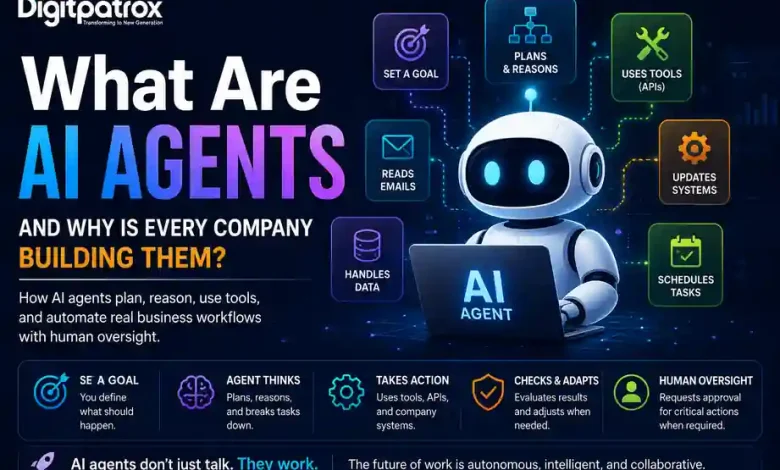
What Are AI Agents and Why Is Every Company Building Them?
AI doesn’t become useful when it talks. AI becomes useful when it acts. That is why every major technology company is racing to build AI agents. Unlike traditional chatbots that only generate text answers, AI agents can use software tools, access company systems, make decisions, and complete tasks on behalf of humans. An AI agent doesn’t just talk; it works.…
Read More » -
AI Tools

ChatGPT Infrastructure Explained: GPUs, Memory, and Distributed Inference
When you ask ChatGPT a question, the hard part isn’t generating the answer. The hard part is moving enormous amounts of data fast enough that the response appears instantly. Modern AI systems process trillions of parameters across clusters of graphics processing units (GPUs) connected by specialized high-speed networks. Every word you type creates a chain reaction: Memory gets allocated. GPUs…
Read More » -
Blog

The Spotify Illusion: Spotify Doesn’t Recommend Music-It Models You
Most people assume Spotify works like a digital matchmaker: You like Indie Rock ──► Spotify finds Indie Rock ──► Spotify recommends it It sounds simple, but that isn’t what happens at all. If an algorithm only did that, it would fail within a week. Why? Because human taste isn’t a static folder of favorite songs. It is an unstable, shape-shifting…
Read More » -
Blog
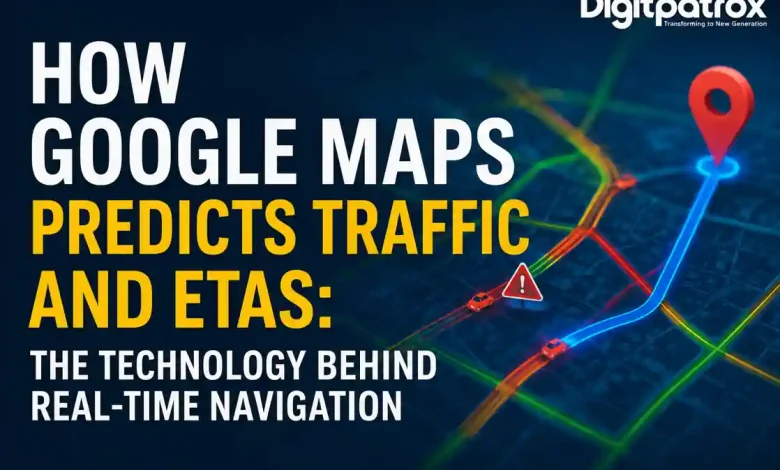
How Google Maps Predicts Traffic and ETAs: The Technology Behind Real-Time Navigation
Calculating a route across millions of concurrent users is a complex optimization challenge. Moving past simple real-time data aggregation, modern navigation systems rely on distributed infrastructure to transform billions of chaotic traffic observations into reliable predictive models. This analysis is based on publicly available research from Google, DeepMind, transportation-network studies, and distributed systems architecture principles. Because the exact production implementation…
Read More » -
Blog
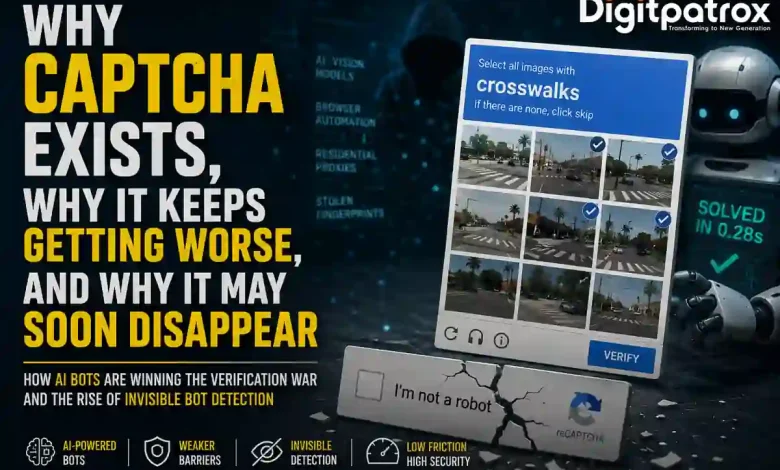
Why CAPTCHA Exists, Why It Keeps Getting Worse, and Why It May Soon Disappear
Ten years ago, proving you were human online meant clicking a simple checkbox. Today, you are forced to identify bicycles, traffic lights, crosswalks, buses, and motorcycles across multiple panning image grids-only to be told your submission was ambiguous and you must try again. The reason for this escalation isn’t that CAPTCHA systems became poorly designed. It’s that bots became dramatically…
Read More » -
Blog
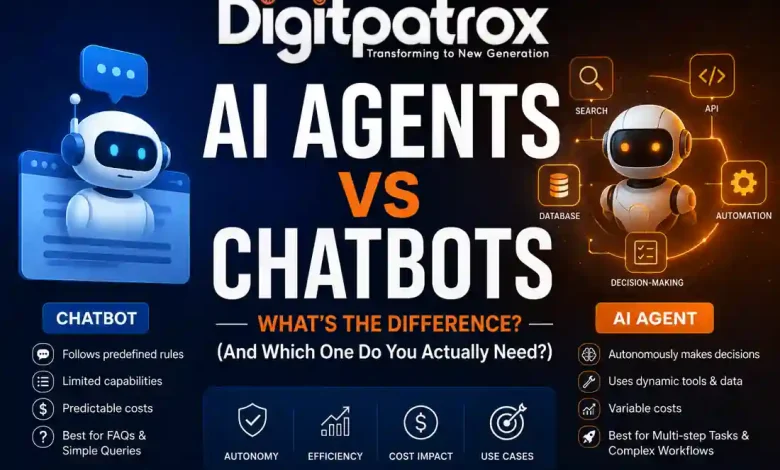
AI Agents vs Chatbots: What’s the Real Difference and Which One Does Your Business Need?
AI Agents vs Chatbots: What’s the Difference? (And Which One Do You Actually Need?) The difference between an AI agent and a chatbot comes down to decision-making authority. A chatbot requires human input to trigger a hardcoded response. An AI agent uses a language model to autonomously decide which tools to use, what steps to take, and when a task…
Read More » -
Blog
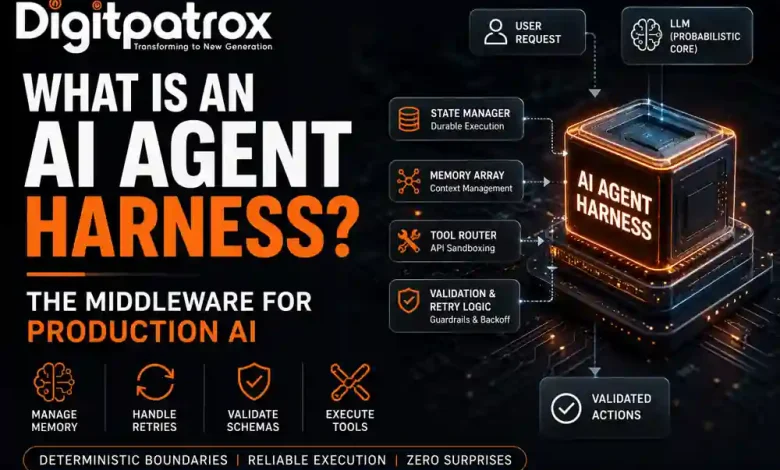
What Is an AI Agent Harness? The Middleware for Production AI
What Is an AI Agent Harness? The Middleware for Production AI Imagine building a prototype for a new AI assistant. You spend an afternoon writing a Python script that reads a spreadsheet, searches the web, and drafts a formatted weekly summary. You run it three times on your laptop. It works flawlessly. You show it to your team, everyone celebrates,…
Read More » -
Guides
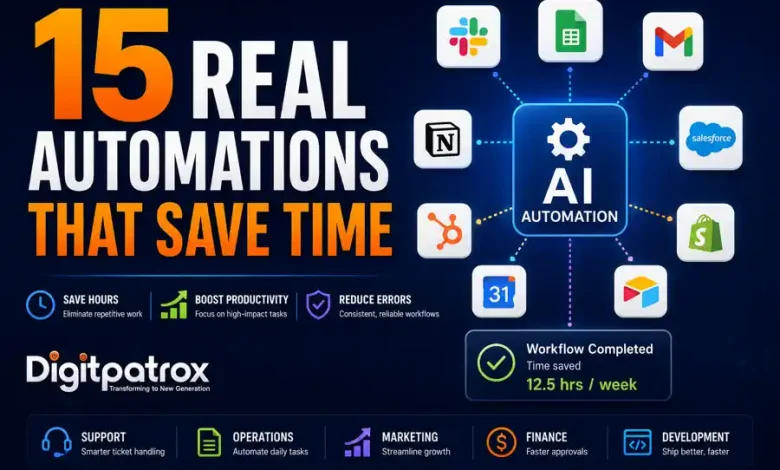
15 Real Automations That Save Time in 2026
AI Workflow Examples: Real Automations Companies Use in 2026 Every SaaS landing page right now promises that their new AI workflow feature will magically replace half your operations team. However, if you talk to anyone who actually builds this stuff for a living, they’ll tell you a completely different story. In reality, most AI automations break in incredibly stupid ways.…
Read More » -
Guides
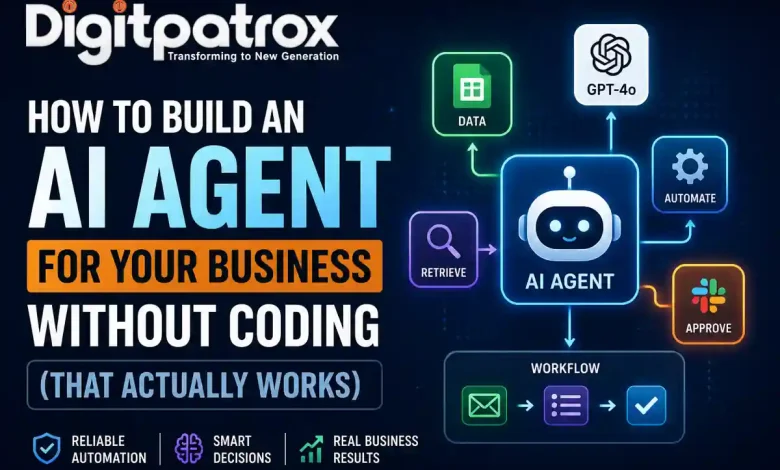
How to Build an AI Agent for Your Business Without Coding (That Actually Works)
How to Build an AI Agent for Your Business Without Coding (That Actually Works) We are currently watching every software vendor on the market slap an “Agent” label on their product. You have likely seen the video pitches on Twitter or LinkedIn: a clean interface, a simple text prompt, and suddenly a customer support bot is flawlessly processing refunds, checking…
Read More »