

Agentic AI
-
Blog
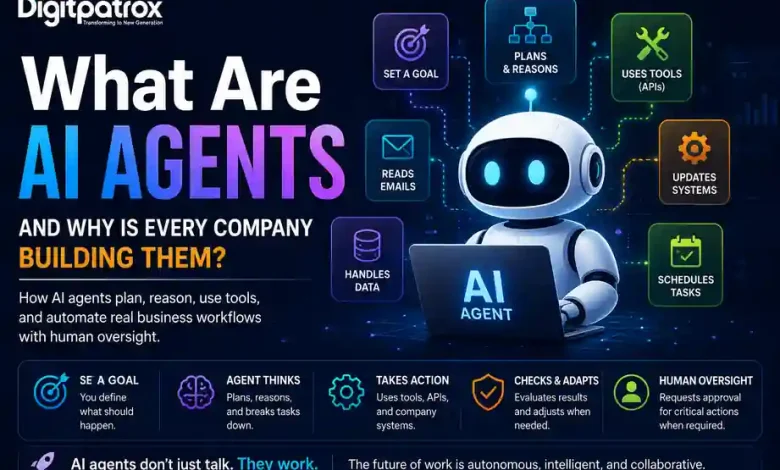
What Are AI Agents and Why Is Every Company Building Them?
AI doesn’t become useful when it talks. AI becomes useful when it acts. That is why every major technology company is racing to build AI agents. Unlike traditional chatbots that only generate text answers, AI agents can use software tools, access company systems, make decisions, and complete tasks on behalf of humans. An AI agent doesn’t just talk; it works.…
Read More » -
Blog
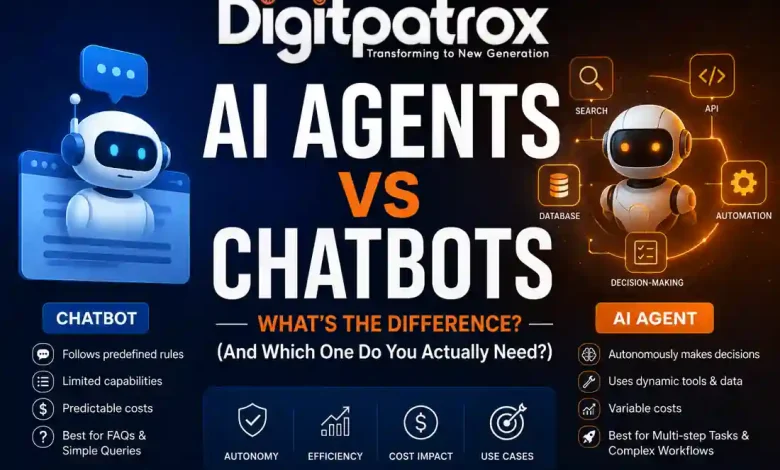
AI Agents vs Chatbots: What’s the Real Difference and Which One Does Your Business Need?
AI Agents vs Chatbots: What’s the Difference? (And Which One Do You Actually Need?) The difference between an AI agent and a chatbot comes down to decision-making authority. A chatbot requires human input to trigger a hardcoded response. An AI agent uses a language model to autonomously decide which tools to use, what steps to take, and when a task…
Read More » -
Blog
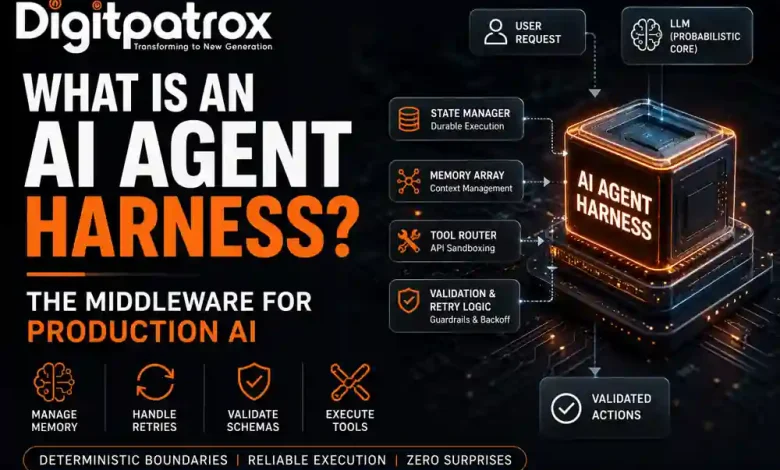
What Is an AI Agent Harness? The Middleware for Production AI
What Is an AI Agent Harness? The Middleware for Production AI Imagine building a prototype for a new AI assistant. You spend an afternoon writing a Python script that reads a spreadsheet, searches the web, and drafts a formatted weekly summary. You run it three times on your laptop. It works flawlessly. You show it to your team, everyone celebrates,…
Read More » -
AI Tools
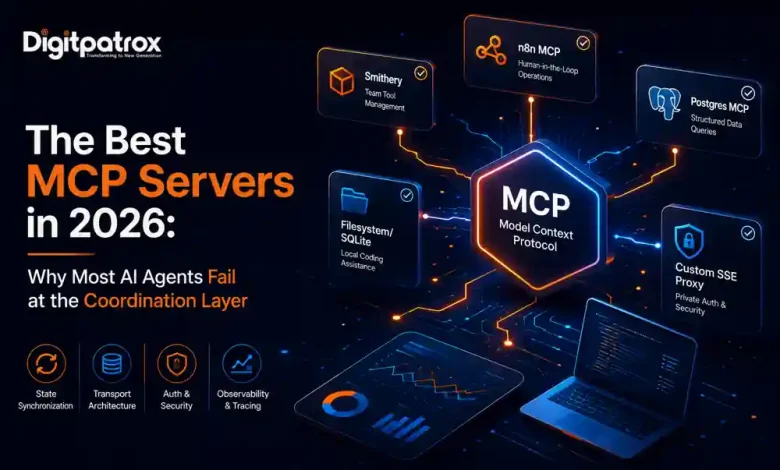
The Best MCP Servers in 2026
The Best MCP Servers in 2026: Why Most AI Agents Fail at the Coordination Layer Server Type Best Use Case Maturity Primary Transport Smithery Team Tool Management High SSE / Docker n8n MCP Human-in-the-Loop Ops High Webhook / SSE Postgres MCP Structured Data Queries Medium Stdio / SSE Filesystem/SQLite Local Coding Assistance High Stdio (Local) Custom SSE Proxy Private Auth…
Read More » -
AI Tools
The Best AI Agent Builder Software in 2026
The Best AI Agent Builder Software in 2026: A Production-First Reality Check Honestly, most teams shouldn’t be building autonomous agents yet. If you’ve spent any time on-call for a production system, you know the dream of “self-healing agents” is mostly a nightmare. The bottleneck isn’t the LLM’s IQ anymore; it’s the plumbing. After a while, you realize prompting is the…
Read More » -
Blog
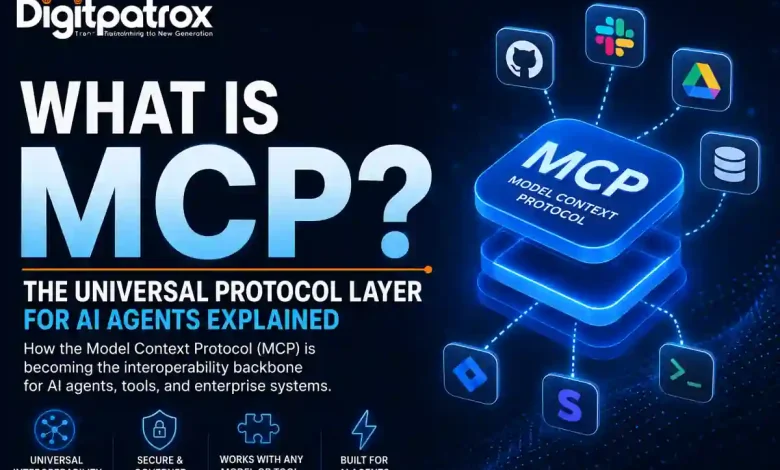
What Is MCP? The Universal Protocol Layer for AI Agents Explained
What Is MCP? The Universal Protocol Layer for AI Agents Explained Last Updated: May 10, 2026 The Model Context Protocol (MCP) is rapidly becoming foundational agentic infrastructure, serving as the universal interoperability layer for AI agents in much the same way APIs standardized communication for cloud software. AI agents fail in production because the tools they need to use are…
Read More » -
AI Tools
Agentic AI – AI Agents Explained: How They Work, Real Examples, Tools + Future Trends
AI Agents Explained also knows as Agentic AI: How They Work, Real Examples, Tools + Future Trends AI agents are moving beyond “chatting” to “doing.” While 2024 was the year of the chatbot, the next three years will be defined by autonomous agency—AI that doesn’t just suggest a plan but executes it. Most companies experimenting with AI agents today are…
Read More » -
Guides
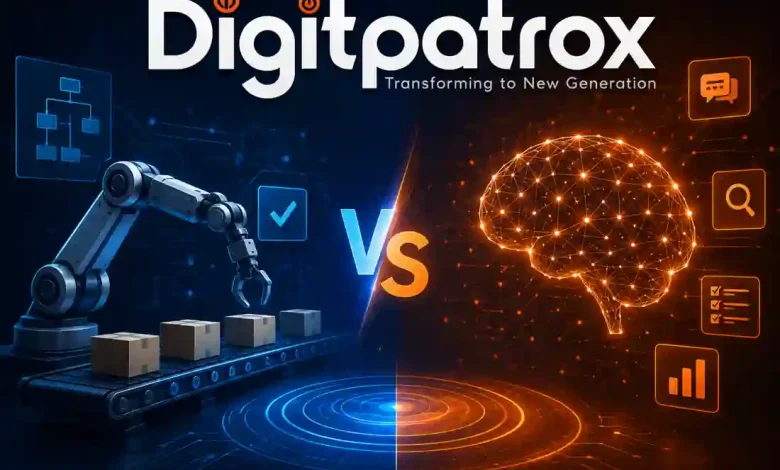
AI Agents vs. Traditional Automation: Managing the Hidden Decay of Intelligent Systems
Why enterprise AI systems drift, break, and accumulate verification debt after deployment – and how hybrid automation architectures reduce operational entropy. Traditional automation is built on determinism– rigid, “if-this-then-that” logic. It is the “rail system” of the enterprise: perfect for high-volume, structured tasks where the rules never change. AI Agents, however, are probabilistic. They use reasoning to navigate ambiguity, making…
Read More » -
AI Tools
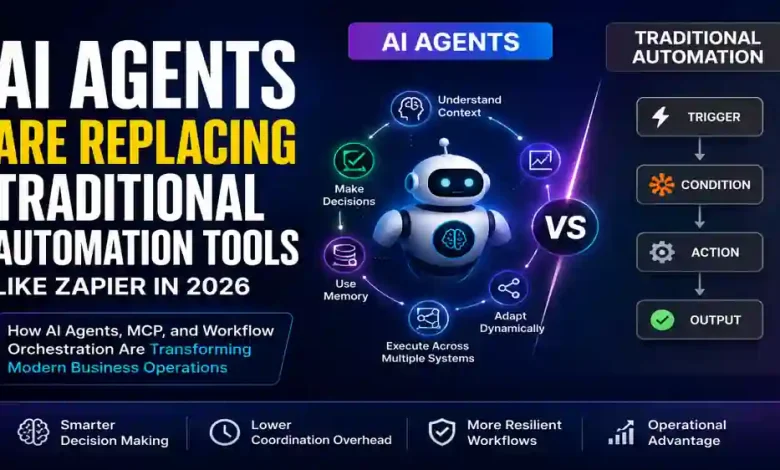
Why AI Agents Are Replacing Zapier and Traditional Automation in 2026
Why AI Agents Are Replacing Traditional Automation Tools Like Zapier in 2026 Last Updated: May 2026 AI agents are starting to change how modern companies handle operational workflows. Traditional automation platforms like Zapier, Make, and IFTTT were built around trigger-action logic: if something happens, run a predefined workflow. AI agents work differently. Instead of following rigid branches, they evaluate context…
Read More » -
AI Tools
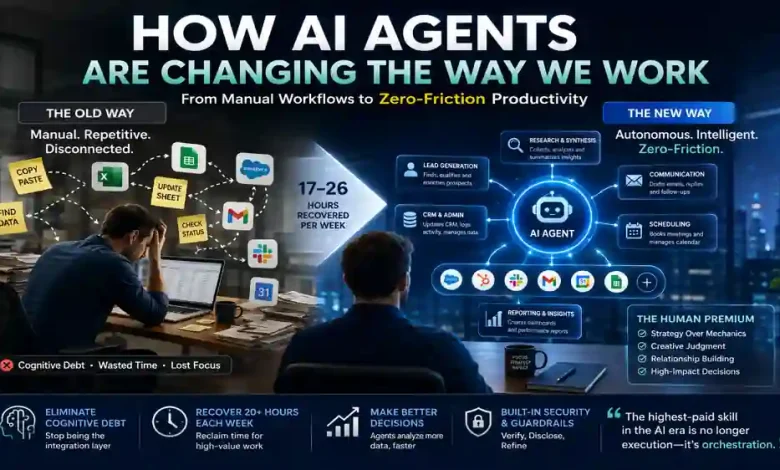
How AI Agents Are Changing the Way We Work
The End of Cognitive Debt: 7 Lessons from the AI Agent Revolution For a decade, we mistook administrative friction for “productivity.” We were wrong. Most knowledge work in the early 2020s was actually Cognitive Debt: the heavy mental tax of acting as the manual integration layer between disconnected software systems. By 2026, the industry has clearly moved beyond the Chatbot…
Read More »